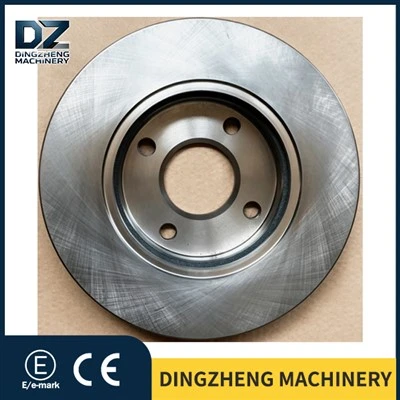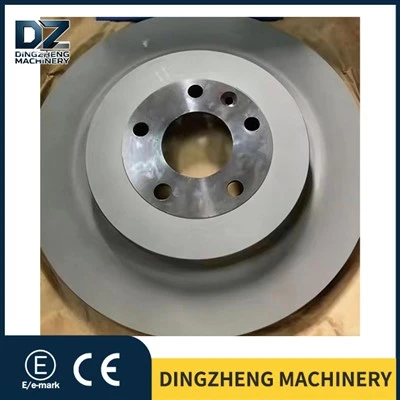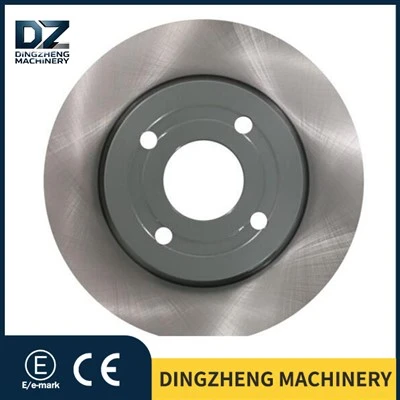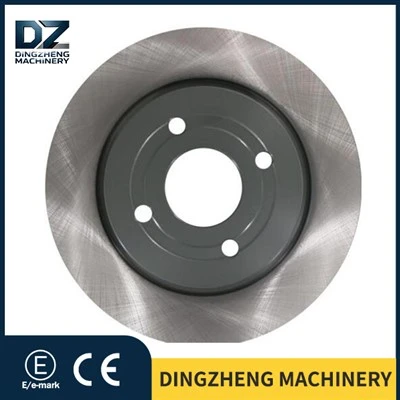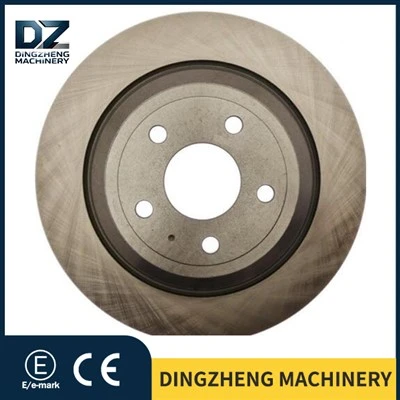

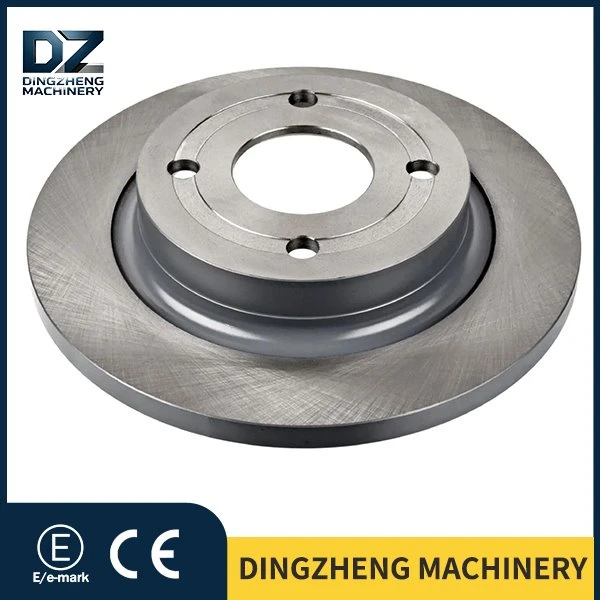
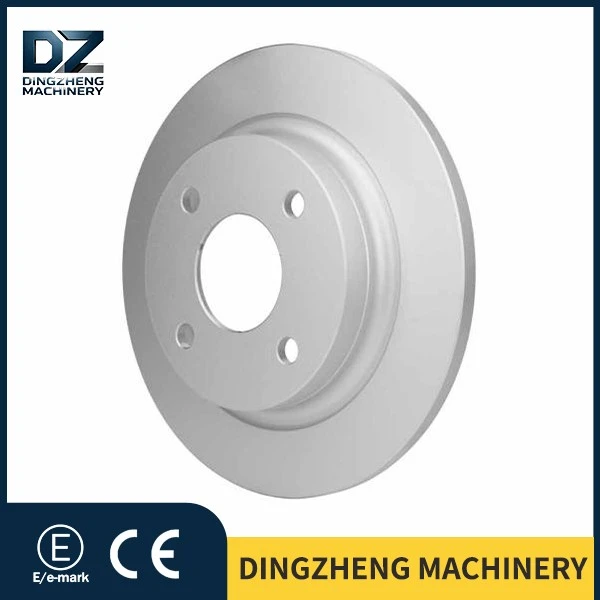
Is a key component in automotive disc brake systems. Manufactured from high-quality cast iron, it is installed on the wheel hub and rotates in sync with the wheel assembly.
When the brake pedal is applied, the brake pads in the caliper firmly clamp against the disc, converting the vehicle's kinetic energy into thermal energy through friction to achieve smooth, stable, and efficient deceleration and stopping.
Every Ford Fiesta brake discs after the installation of the new brakes 2096336
will undergo multiple rigorous offline quality inspections, including flaw detection of the internal metal structure, full-size geometric parameter calibration, dynamic balance correction, and a simulated road condition durability test. All production processes comply with international auto aftermarket quality specifications.
With stable comprehensive performance and outstanding cost-effectiveness, it is very suitable for after-sales maintenance replacement, retail inventory, and large-scale wholesale procurement in the global auto parts market..
Product Parameter
|
Location |
Rear Brake |
Diameter |
253mm |
|
Brake Disc Thickness |
12mm |
Minimum Thickness |
10mm |
|
Centering Diameter |
63.5mm |
Height |
40.2mm |
|
Number Of Holes |
4 |
Pitch Circle Diameter |
108mm |
|
Solid Or Vented |
S |
Weight |
3.6kg |
Car Model
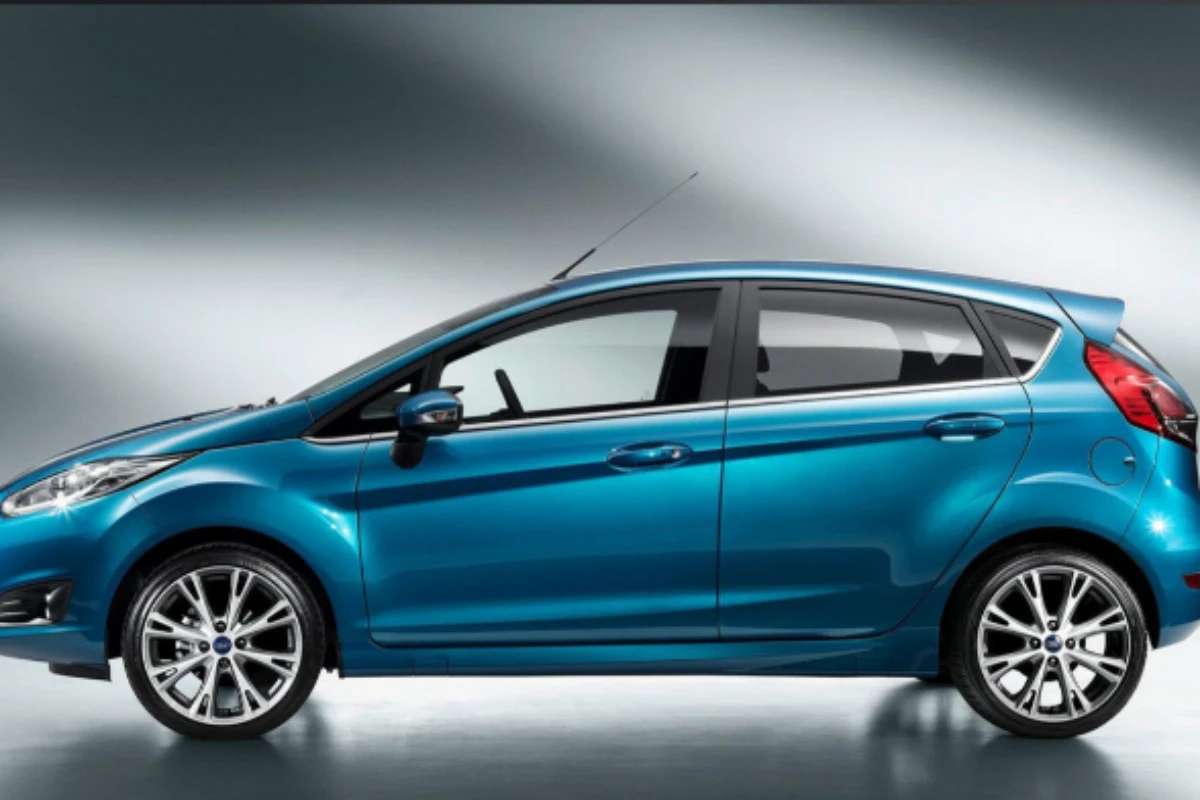
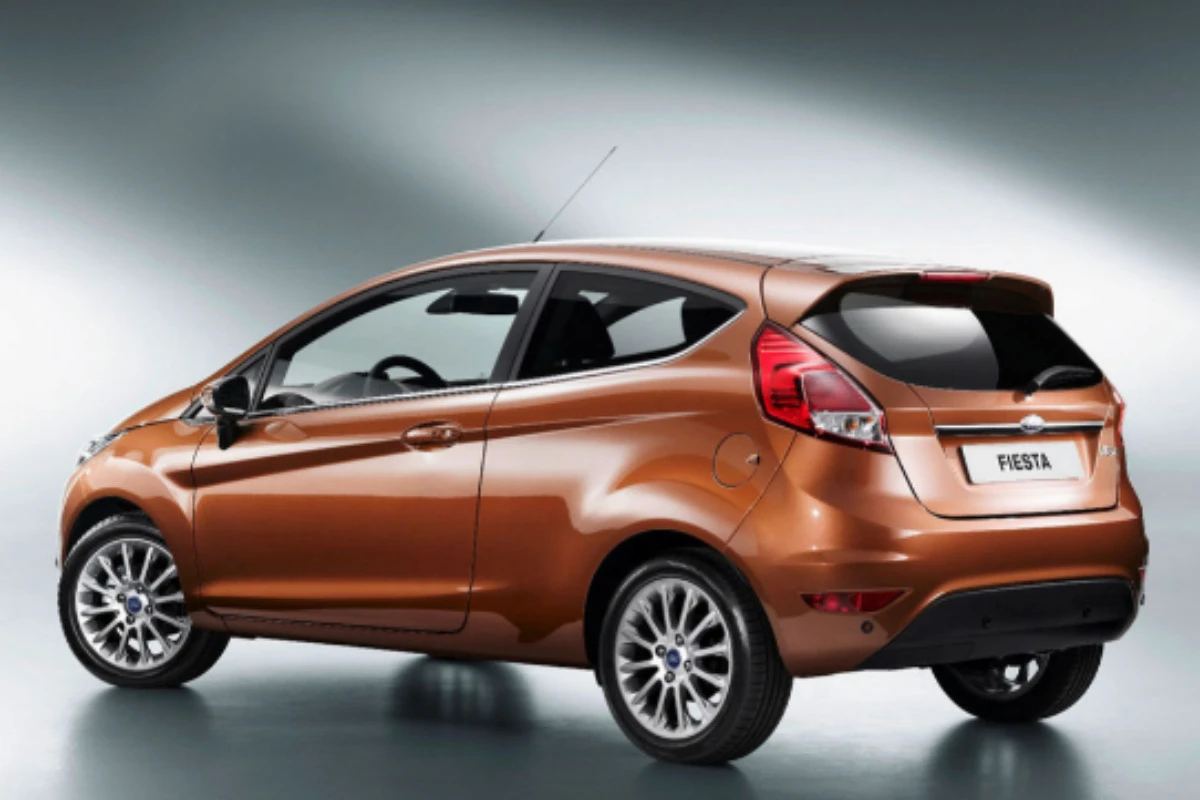
FORD FIESTA VII (HJ, HF) 1.0 EcoBoost 2017/05-
FORD FIESTA VII (HJ, HF) 1.1 2017/05-
FORD FIESTA VII (HJ, HF) 1.5 TDCi 2017/05-
Reference No.
There are different corresponding codes for the Ford Fiesta brake discs after the installation of the new brakes 2096336
|
A.B.S. |
18618 |
OE |
2096336 |
|
BLUE PRINT |
ADF124361 |
OE |
H1BC2A315AB |
|
COMLINE |
ADC2881 |
SBS |
18153125112 |
|
DELPHI |
BG4954C |
SWAG |
50105850 |
|
FEBI BILSTEIN |
105850 |
TEXTAR |
92292803 |
|
MINTEX |
MDC2812C |
WOKING |
D6177700 |
|
MOTAQUIP |
LVBD1862 |
ZIMMERMANN |
250139220 |
Surface Treatment
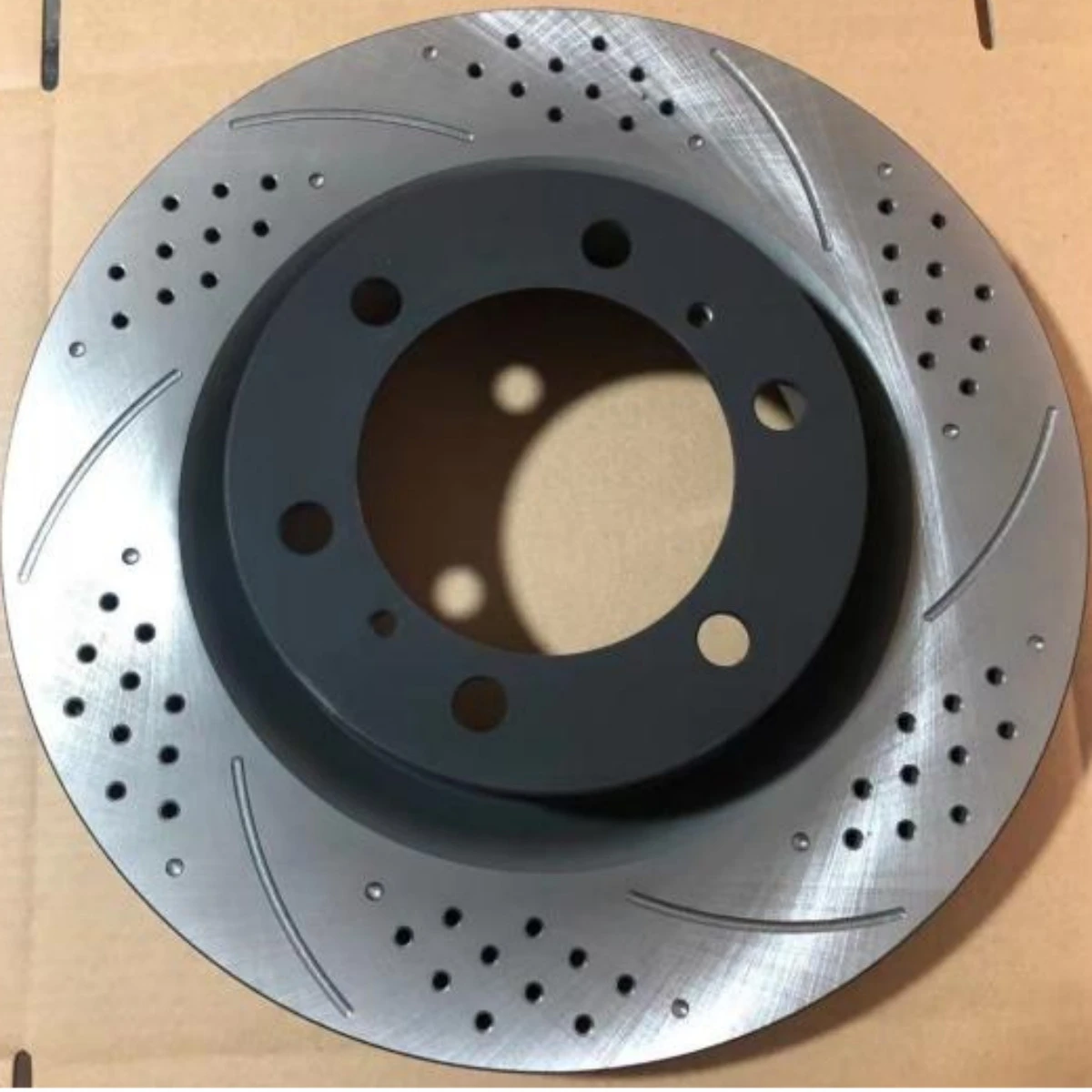
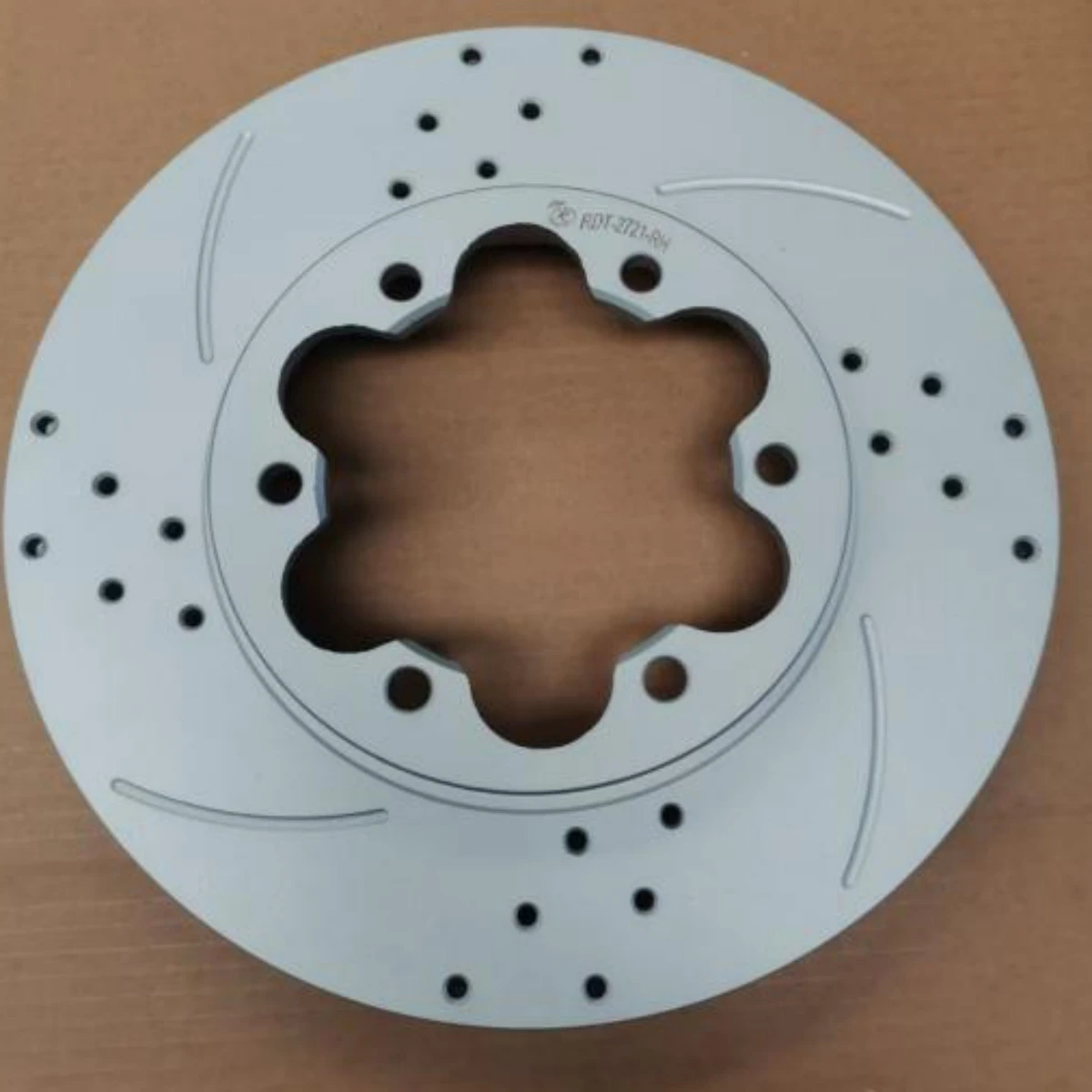
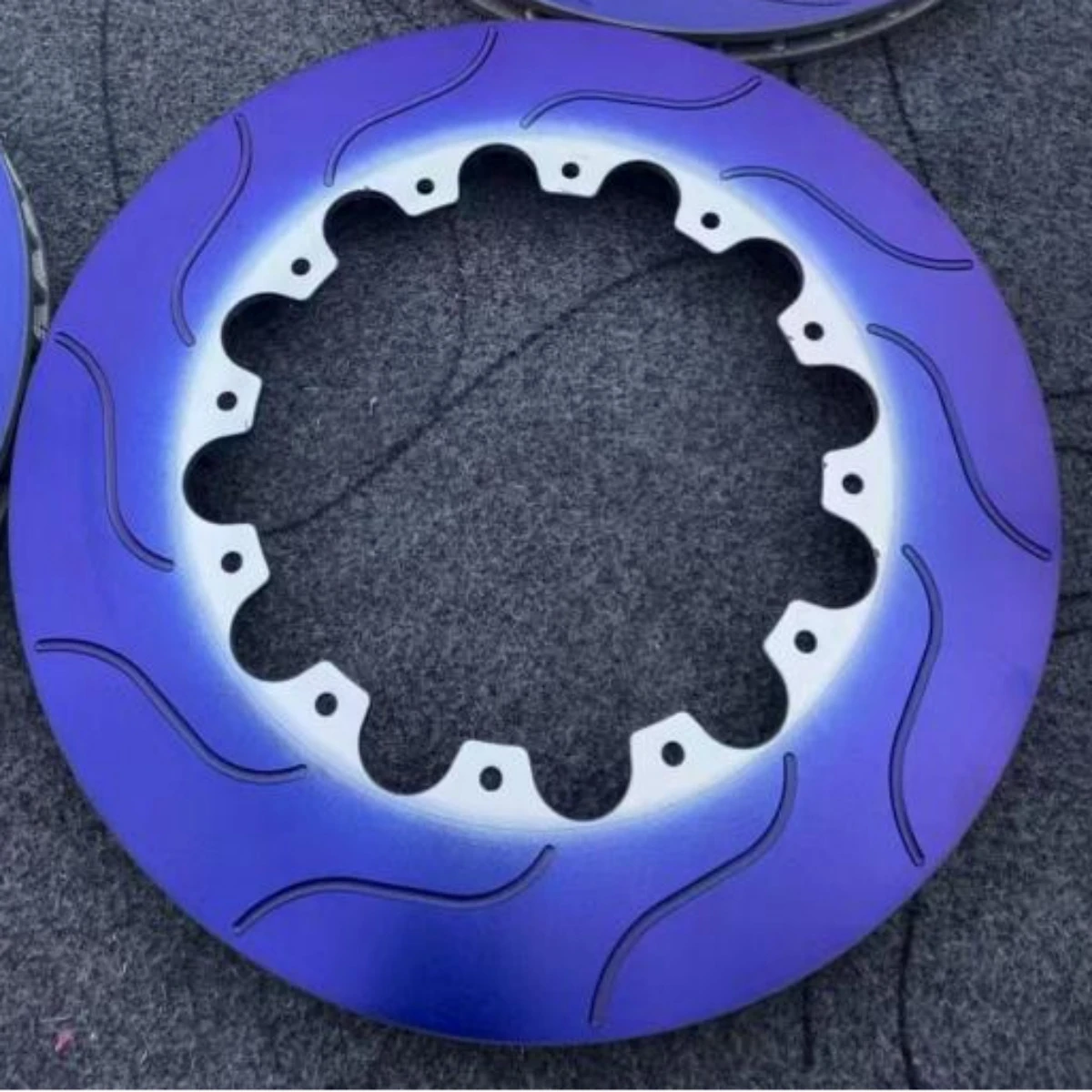
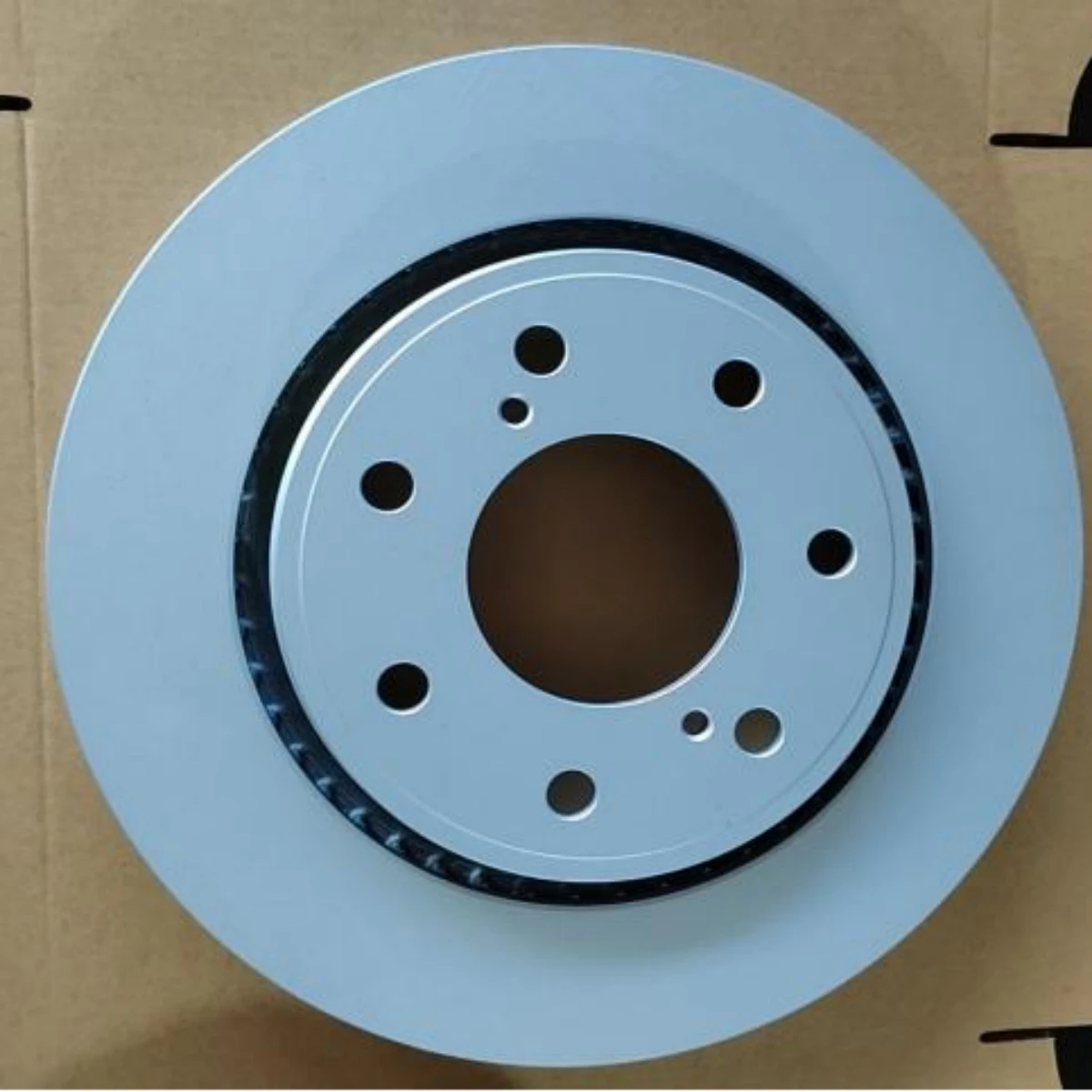
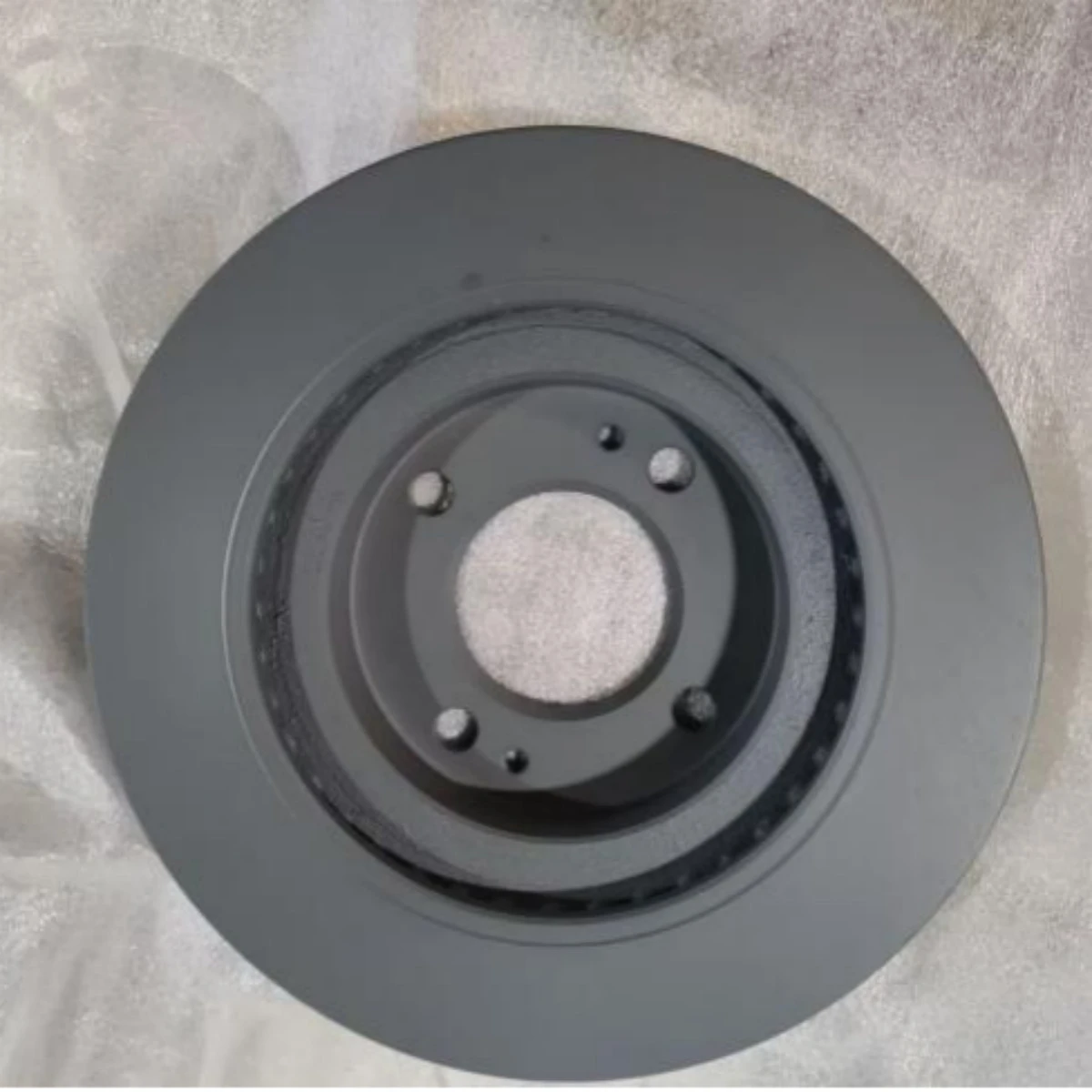
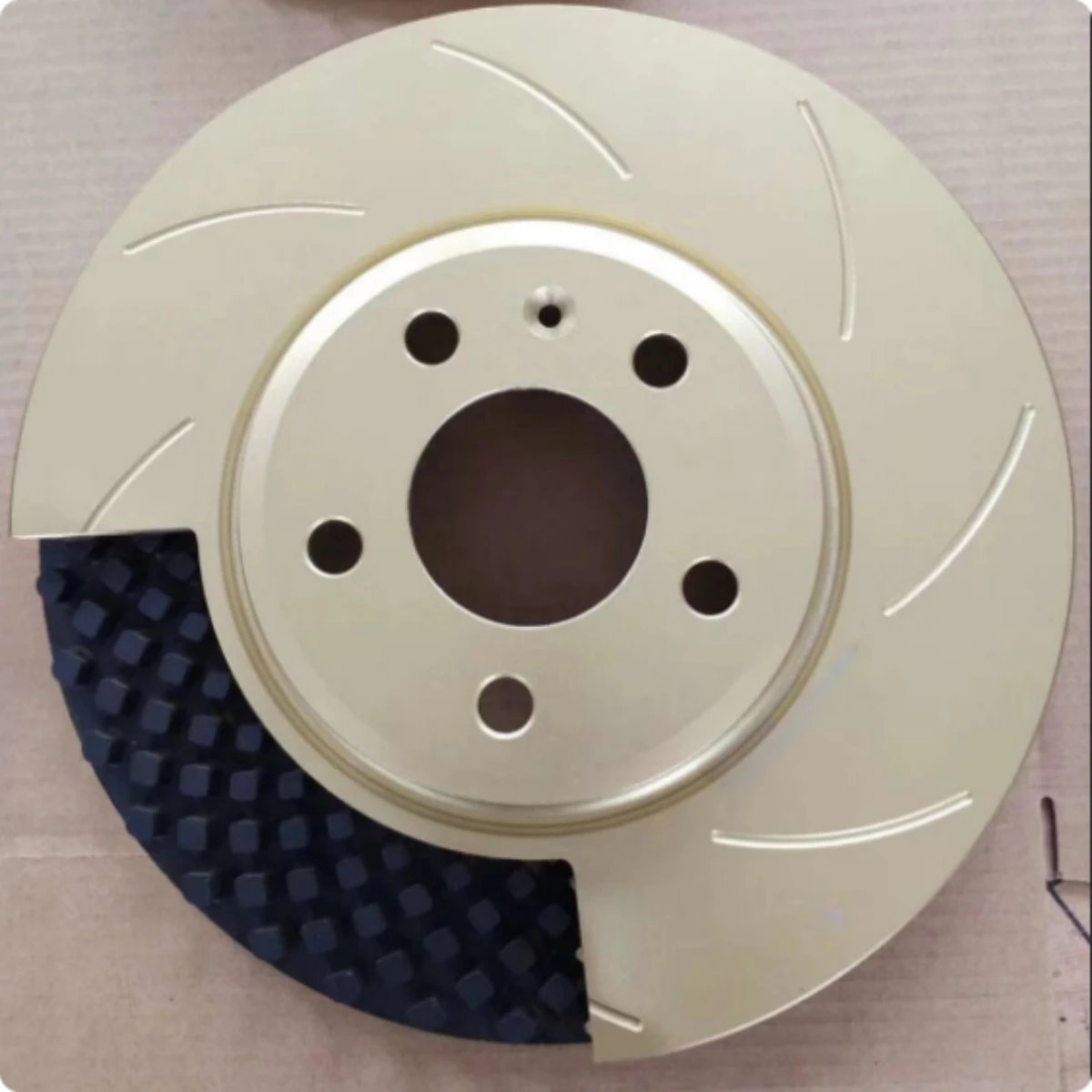
Surface treatment serves as the core technical guarantee for brake discs to adapt to complex road environments and long-cycle service, far beyond simple surface beautification. We adopt differentiated layered processing logic for friction working area and non-friction structural area, breaking the single spraying mode commonly used in the industry, and achieving a perfect balance of braking comfort, high-temperature stability and long-term anti-corrosion performance.
For the core friction contact surface, we apply directional microcrystalline leveling technology with micron-level precision control. This process reconstructs the surface microscopic texture distribution in an orderly manner, reasonably optimizing the laminating fit between brake disc and brake pad. It makes the friction output more linear and steady during deceleration, effectively weakening low-frequency vibration resonance, cutting down the probability of brake squeal and pedal floating feeling. Meanwhile, it can slow down local eccentric wear caused by long-term cyclic braking, maintain consistent thickness tolerance, and adapt to both daily urban travel and high-strength performance driving demands.
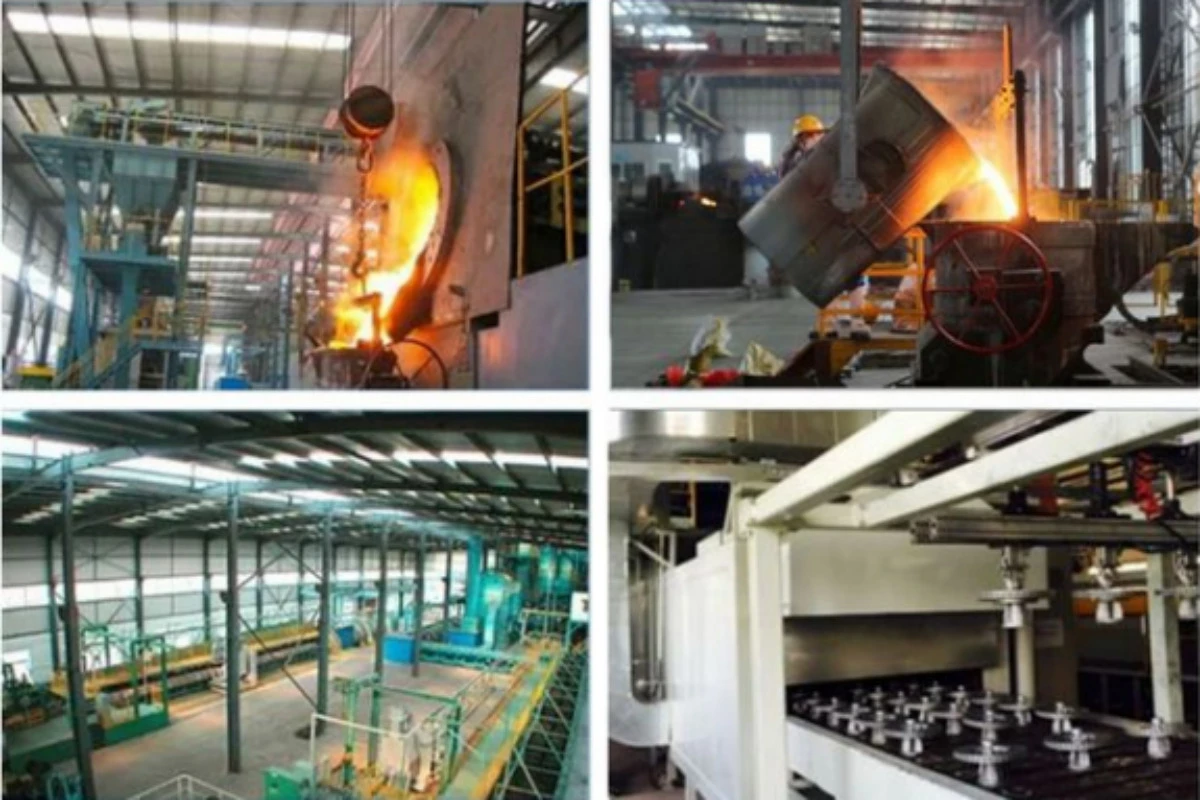
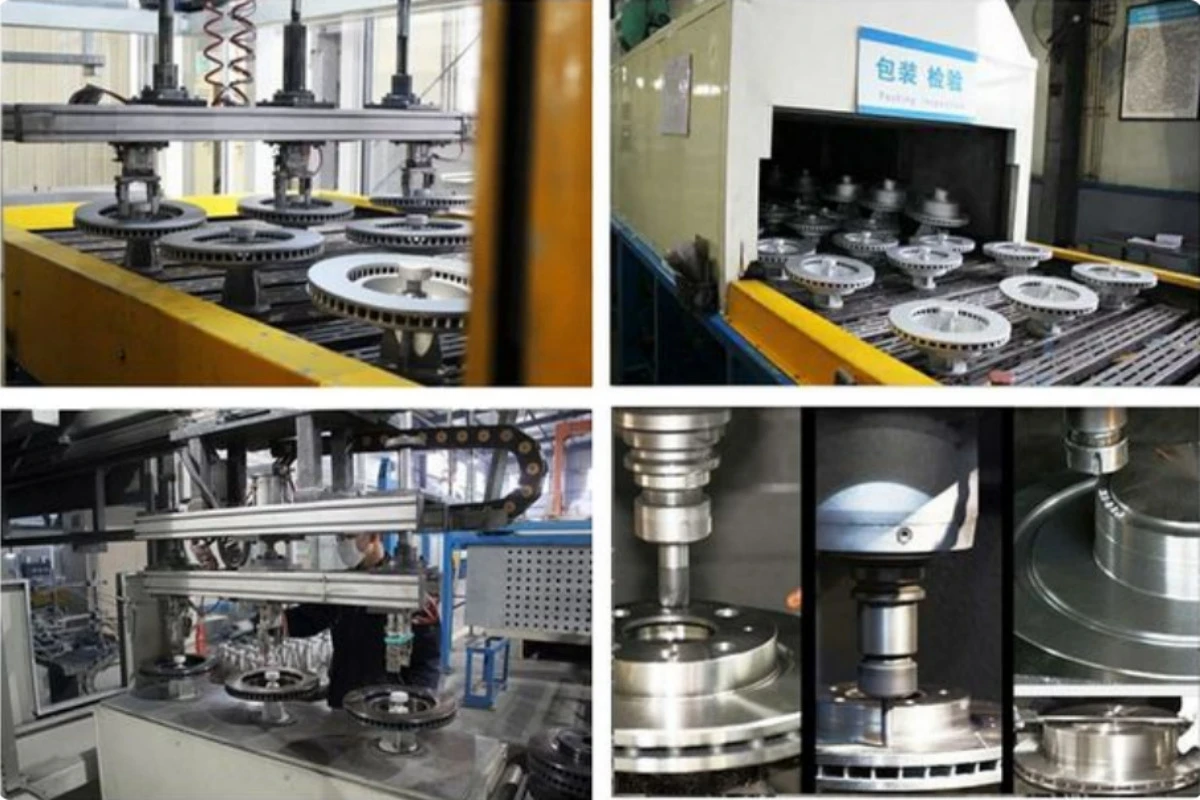
Machining Workshop
After all machining processes are completed, every brake disc must undergo its final "rite of passage" - dynamic balance testing. This is the physical prerequisite to prevent steering wheel vibration during high-speed braking. Leading workshops conduct 100% inspection on the key dimensions of brake discs and strictly control the dynamic balance value within specified standards (e.g., 200 g-cm). Only those units that pass these rigorous inspections can be labeled qualified and proceed to the processes of cleaning, anti-rust coating (such as black phosphating and galvanization), and packaging.
Therefore, a top-tier brake disc machining workshop is essentially a triangular balance hub of precision, efficiency and reliability. Through scientific production line layout, intelligent process design, advanced tooling technology and uncompromising inspection standards, it transforms cold cast iron into a safety carrier that bears the trust of human lives. What it delivers is not merely mechanical parts, but also predictable braking feel, linear deceleration curves, and ingrained driving confidence. When you choose a brake disc, you are not only selecting materials and brands, but also the entire invisible yet rigorous manufacturing philosophy and process discipline behind it.
Delivery,shipping and serving

FAQ
Q: Ford Fiesta brake discs after the installation of the new brakes 2096336 normal for new brake discs to have a thin layer of rust?
-Possible Cause:Light surface rust is normal for cast‑iron brake discs, especially in humid or coastal environments. It will be automatically cleaned off after several gentle brake applications and does not affect performance or safety.
Q: I need to replace the rear brake rotors on my 2014 Ford Focus. Can part number 2096336 be fitted directly? What is the bolt circle diameter?
It can be installed directly. The rear wheel of the Focus features 4 bolts with a PCD of 108mm and a center bore of 63.5mm, making it a perfect match. The original factory rear rotor has a nominal thickness of 9mm; replacement is mandatory once wear reduces the thickness below 7.5mm. It is recommended to remove the old rotor and measure its thinnest point with a vernier caliper. In addition, the rear brake pads must be replaced alongside the rotors, and low-metallic NAO formulation (OE Ford specification) is recommended.
Q: After installation, the parking brake fails to hold the vehicle on an incline. Could this be caused by an oversized inner drum diameter of the rotor?
Q: This issue is unrelated to the rotor itself. The factory-certified inner drum diameter of part 2096336 is 160mm with full dimensional inspection conducted during production. Spongy parking brake performance commonly stems from the smooth machined surface of new rotor inner drums, which requires run-in for the parking brake shoes. Adjustment procedures: Remove the parking brake rubber boot and tighten the cable adjusting nut with a screwdriver, or expand the brake shoes via the manual adjustment access hole on the rear wheel. A second fine adjustment is typically needed after approximately 200 kilometers of break-in mileage.
Last News
In terms of material application, the market acceptance of dual-material composite structure is rising rapidly, gradually replacing the single gray cast iron rotor that has dominated the market for a long time. The combination of high-performance refined cast iron friction ring and aviation-grade aluminum alloy disc hat has become a mainstream upgrading direction. This structural design cuts down unsprung weight significantly, optimizes vehicle driving smoothness, and endows brake discs with stronger high-temperature resistance and structural toughness. It is not only applicable to ordinary family cars, but also widely recognized in performance models and compact SUV supporting markets.
Hot Tags: ford fiesta rear brake discs, China ford fiesta rear brake discs manufacturers, suppliers, factory