
Product Introduction
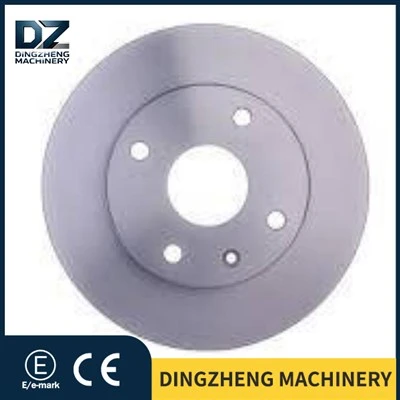
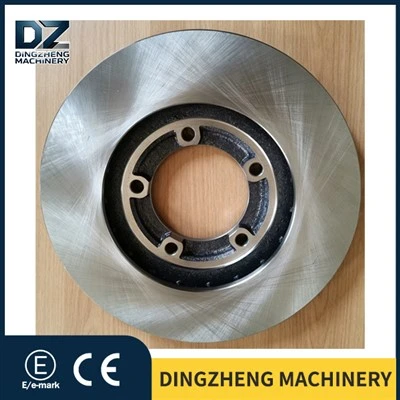
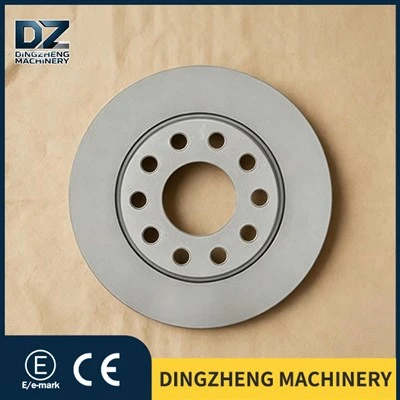
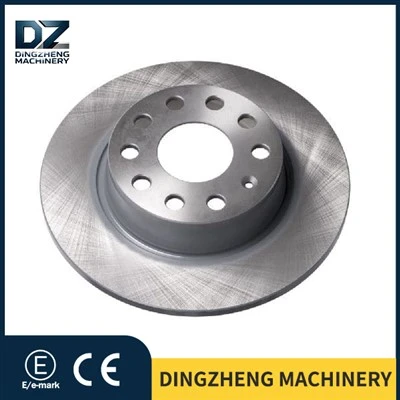
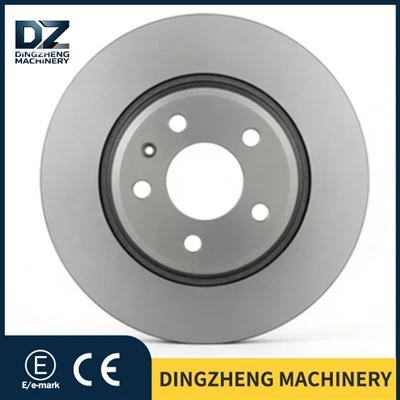
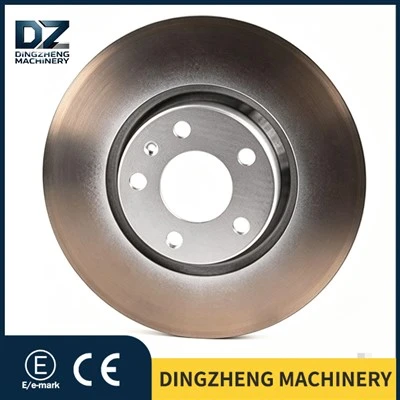
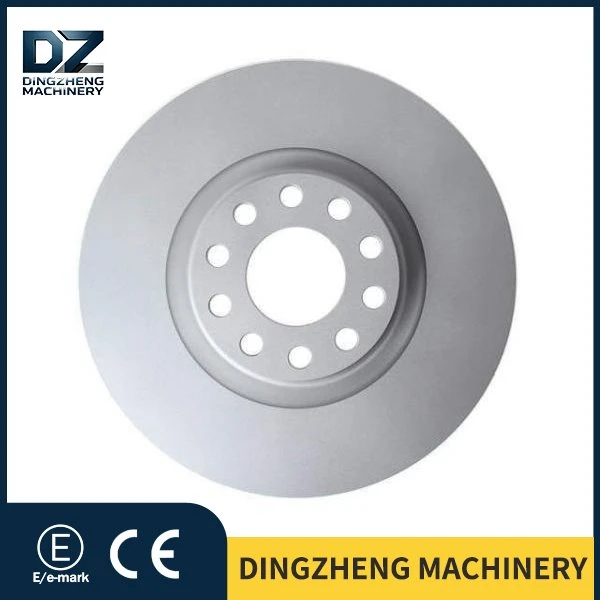
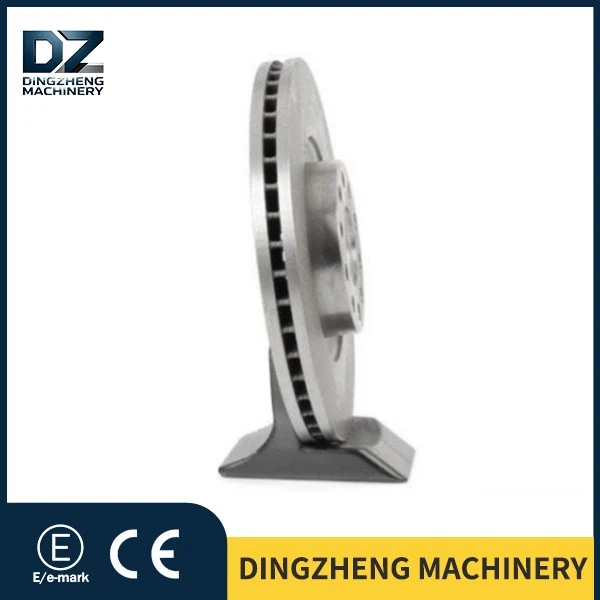
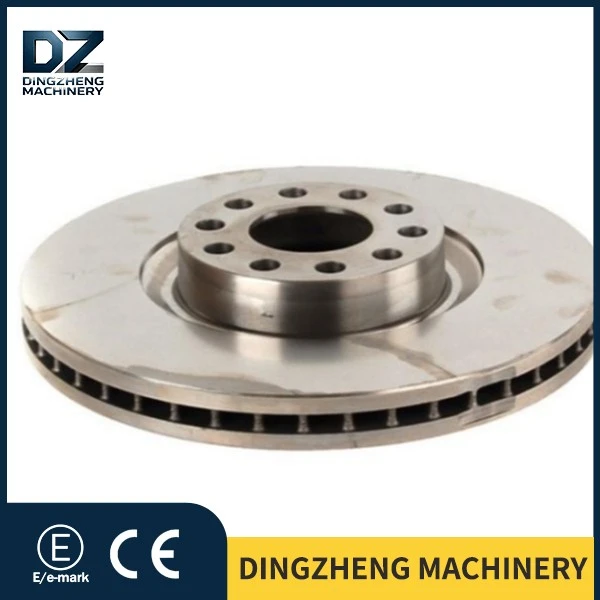
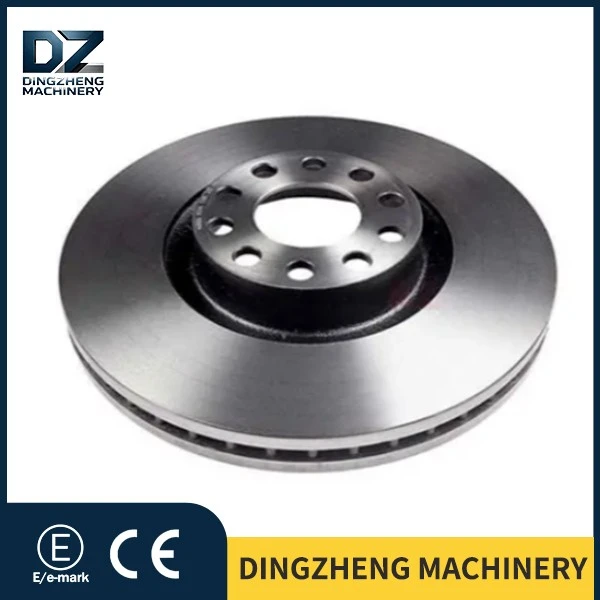
The OE number is 4B3615301; it is designed specifically for the Audi S6 C5, that model from 1999 to 2004 with its rounded exterior, and it is equipped with a 4.2-liter V8 engine that produces 340 Nm of torque. The brake disc has a diameter of 321 millimeters and a thickness of 30 millimeters, with a 112 mm PCD and a ventilated structure. Do not try to use the standard 288-millimeter discs from the same period's A6 models – the S6's brake caliper brackets have a larger span, so using the wrong discs will result in poor braking performance. The casting material used is high-carbon gray cast iron of type G11H18, with a carbon content of around 3.9%, along with trace amounts of molybdenum and copper. As a result, the pearlite structure makes up over 95% of the disc's composition, the graphite is primarily of type A, and the hardness remains consistent between HB200 and HB230. Even when the disc temperature rises to 550°C due to repeated hard braking, the friction coefficient stays above 0.36, with almost no noticeable decline in braking performance due to heat. Cooling is achieved through 39 straight ventilation channels that draw air from the center of the disc outward, enabling efficient cooling. The thickness variation of the discs at the time of manufacture is kept within 0.006 millimeters; for a performance vehicle like the S6 with a weight of around 1.8 tons, it is only then that the steering wheel remains completely stable under pressure.
Product Parameter
|
Location |
Front brake |
Diameter |
320.9mm |
|
Brake Disc Thickness |
30mm |
Minimum Thickness |
28mm |
|
Centering Diameter |
68mm |
Height |
52.2mm |
|
Number Of Holes |
10 |
Pitch Circle Diameter |
112mm |
|
Solid Or Vented |
V |
Weight |
10.04kg |
Car Model
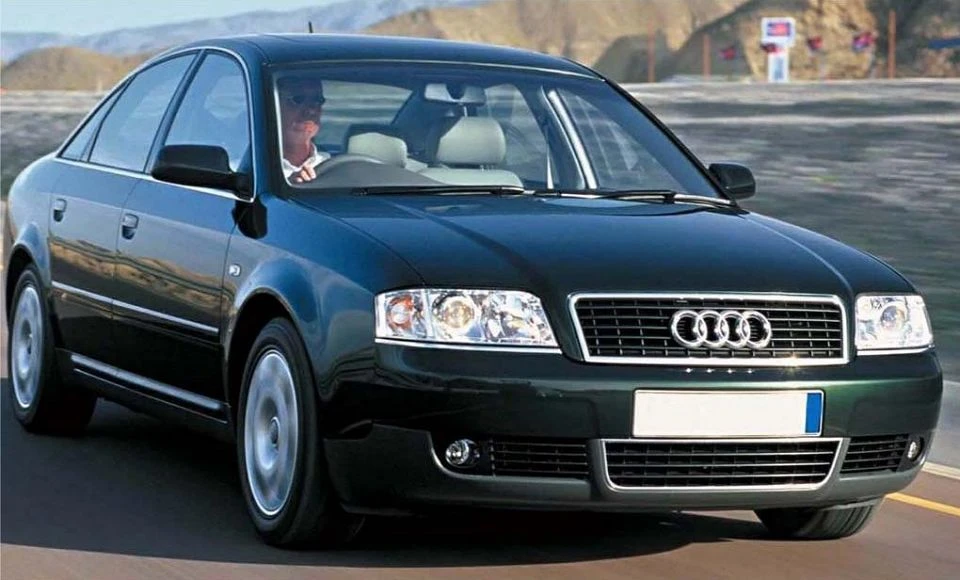
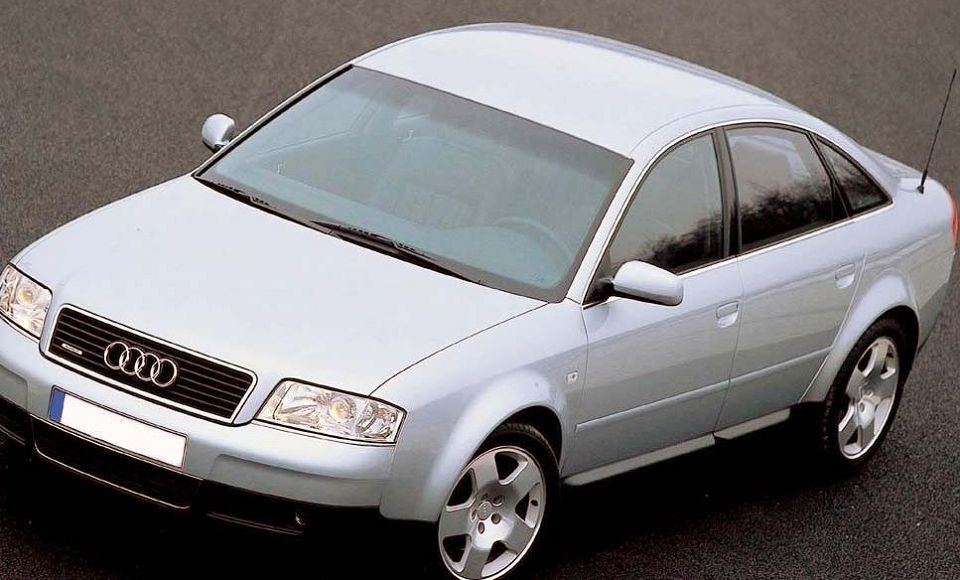
The Front brake disc for AUDI S6 NO. 4B3615301is compatible with a wide range of cars, as follows:
AUDI A6 V6-2.7L F/inj. (30V) DOHC APB Bi-Turbo 2002
AUDI A6 V6-2.7L F/inj. (30V) DOHC BEL Bi-Turbo 2003-2004
AUDI A6 V6-3.0L F/inj. (30V) DOHC AVK 2002
AUDI A6 V6-3.0L F/inj. (30V) DOHC AVK 2004
AUDI A6 V8-4.2L F/inj. (40V) DOHC AWN 2002-2003
AUDI A6 V8-4.2L F/inj. (40V) DOHC AWN 2004
AUDI A6 Quattro V6-2.7L F/inj. (30V) DOHC APB Bi-Turbo 2001
AUDI A6 Quattro V6-2.8L F/inj. (30V) DOHC ATQ 2001
AUDI A6 Quattro V8-4.2L F/inj. (40V) DOHC AWN 2001
AUDI Allroad Quattro V6-2.7L F/inj. (30V) DOHC APB Bi-Turbo 2002
AUDI Allroad Quattro V6-2.7L F/inj. (30V) DOHC BEL Bi-Turbo 2003-2004
AUDI Allroad Quattro V8-4.2L F/inj. (40V) DOHC BAS 2003-2004
AUDI Allroad Quattro V8-4.2L F/inj. (40V) DOHC BAS Bi-Turbo 2005
AUDI Quattro V6-2.7L F/inj. (30V) DOHC APB Bi-Turbo 2002
AUDI Quattro V6-2.7L F/inj. (30V) DOHC BEL Bi-Turbo 2003-2004
AUDI Quattro V6-3.0L F/inj. (30V) DOHC AVK 2002
AUDI Quattro V6-3.0L F/inj. (30V) DOHC AVK 2004
AUDI Quattro V8-4.2L F/inj. (40V) DOHC AWN 2002-2003
AUDI Quattro V8-4.2L F/inj. (40V) DOHC AWN 2004
AUDI S6 V8-4.2L F/inj. (40V) DOHC AUX 2003
AUDI S6 V8-4.2L F/inj. (40V) DOHC BBD 2004
AUDI S6 V8-4.2L F/inj. (40V) DOHC Bi-Turbo 2003
Reference No.
There are different corresponding codes for the Front brake disc for AUDI S6 NO. 4B3615301
|
ACDelco |
18A1693 |
AIMCO |
34229 |
|
BENDIX |
145555 |
OE |
4B3615301 |
|
BENDIX |
PRT5555 |
TRW |
DF6060S |
|
BREMBO |
09.B440.10 |
RAYBESTOS |
980005R |
|
CENTRIC |
120.33065 |
RAYBESTOS |
980005 |
|
CENTRIC |
121.33065 |
WAGNER |
BD126105 |
Surface Treatment
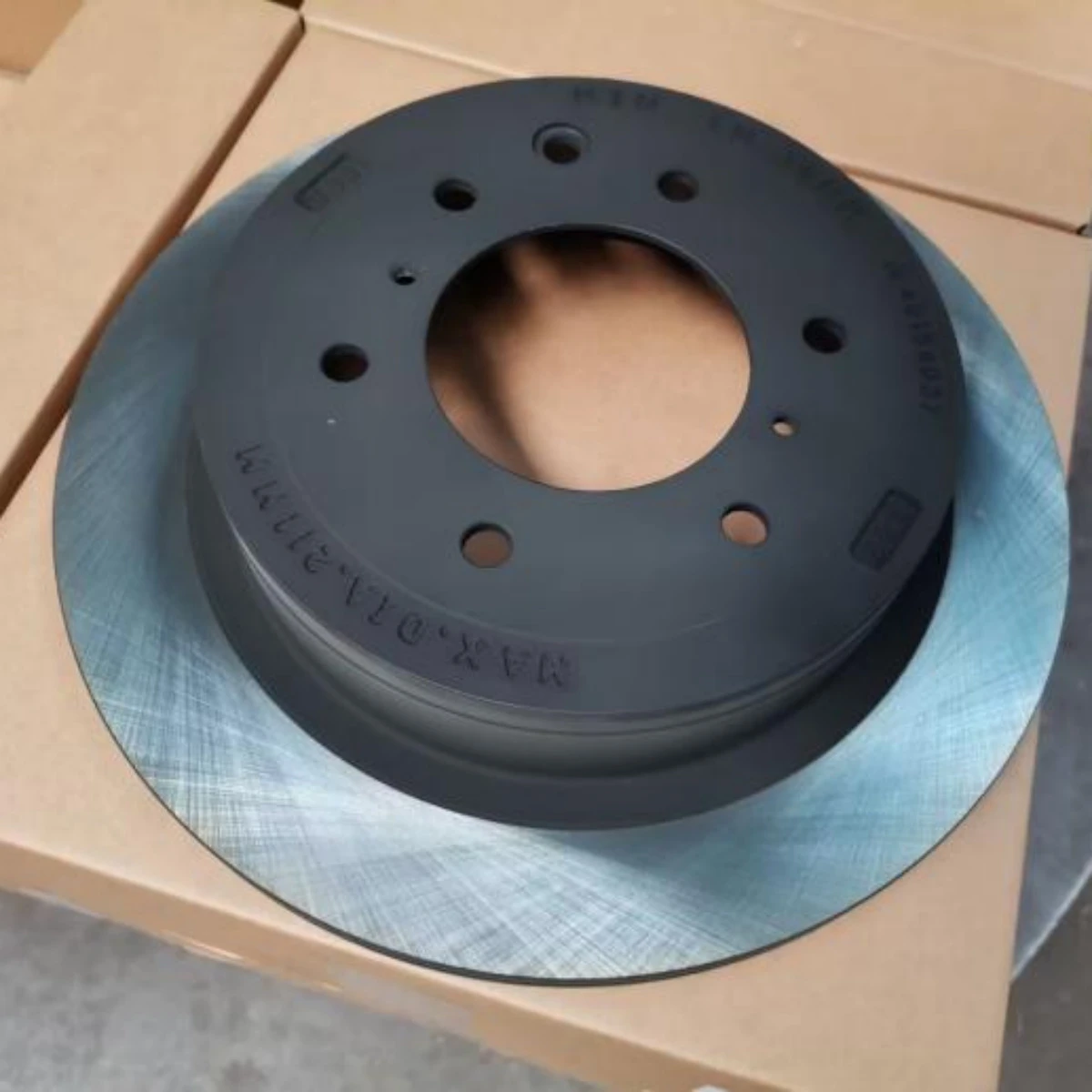
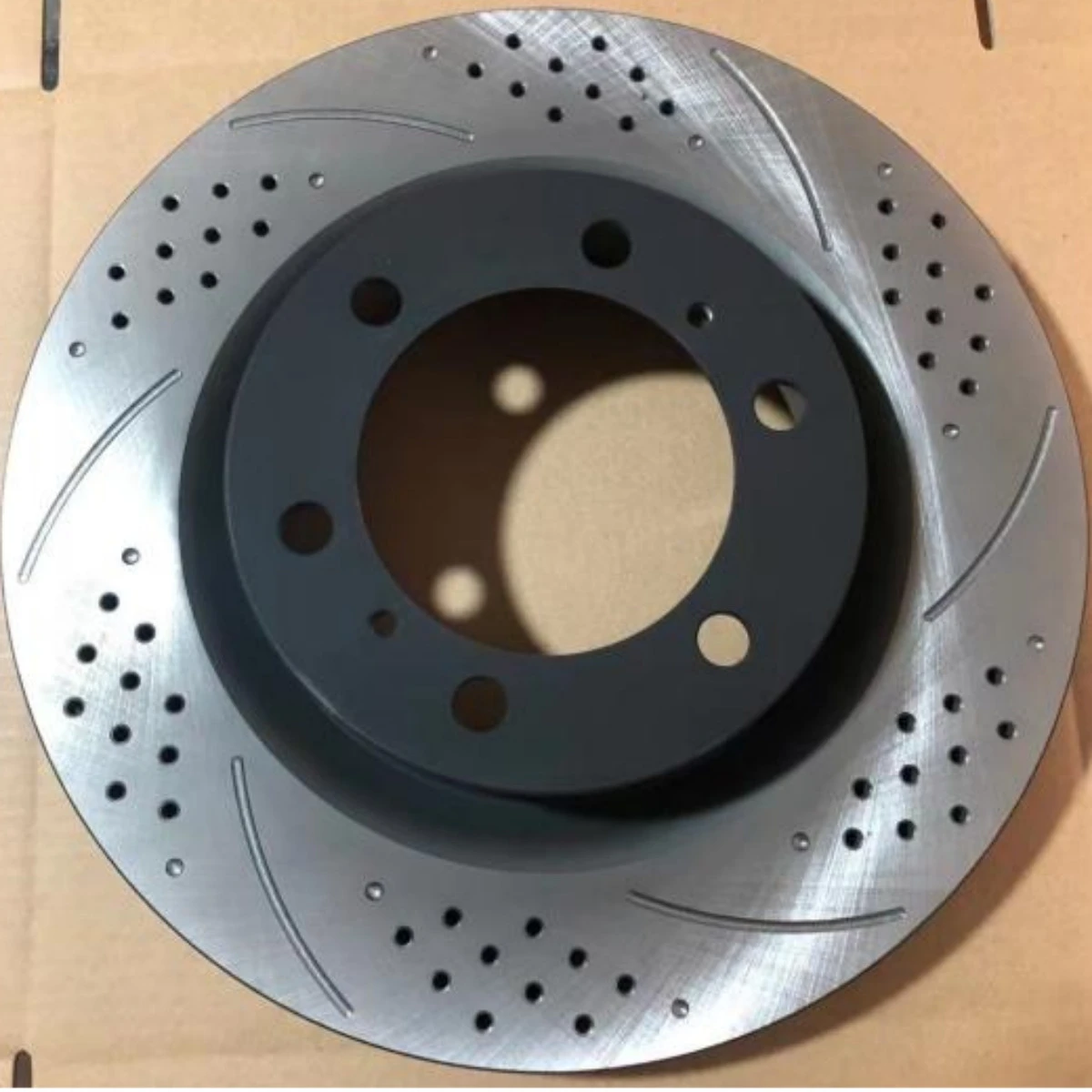
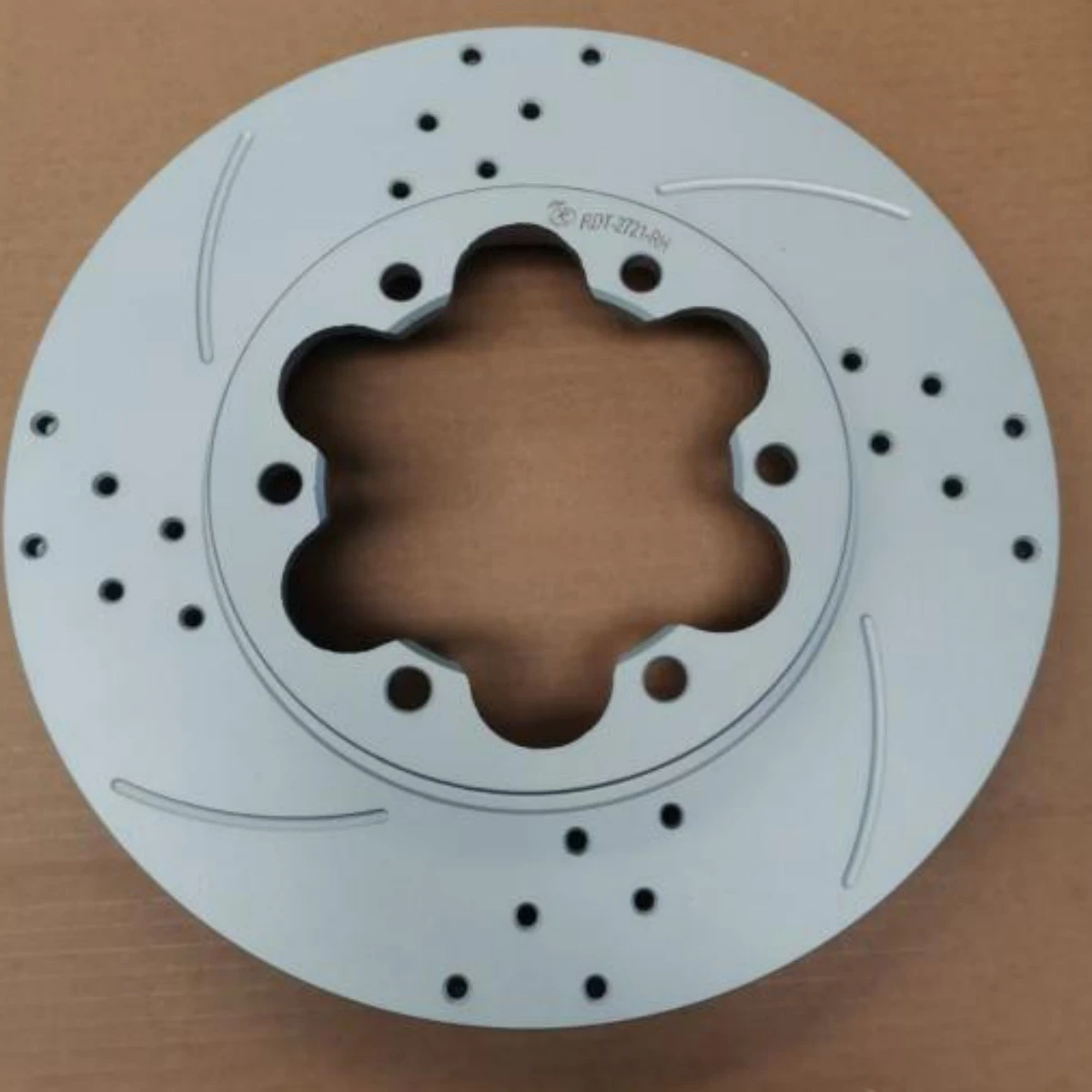
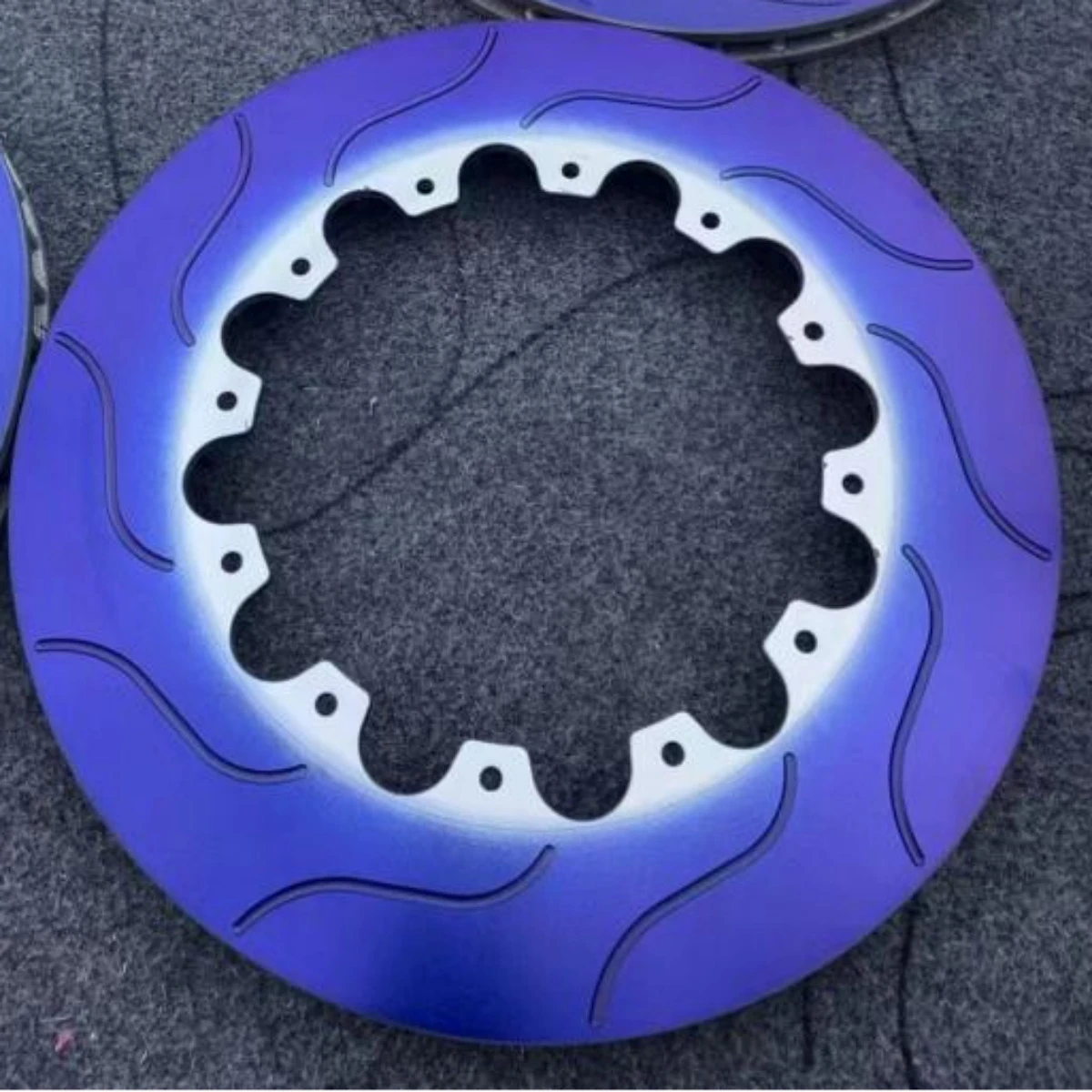
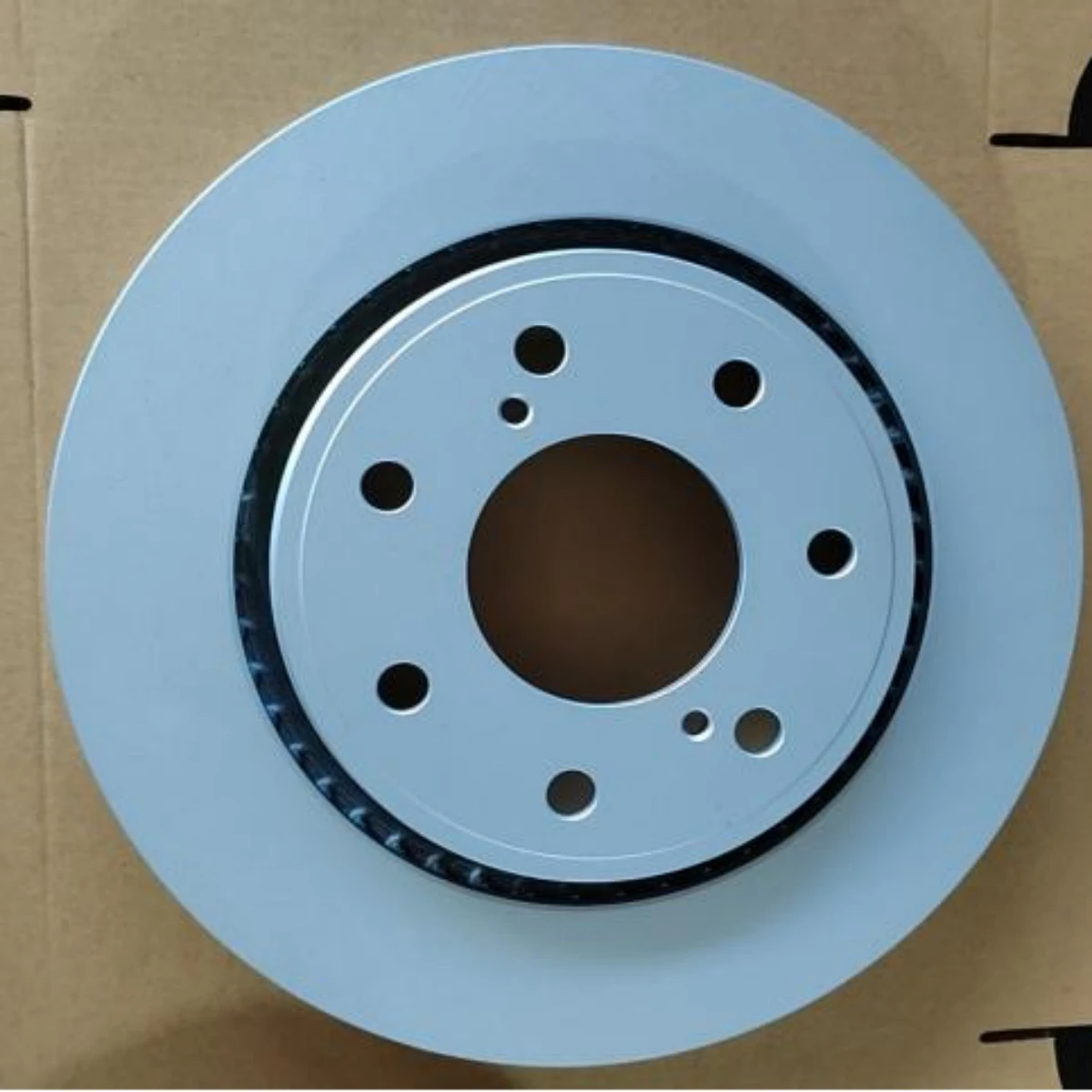
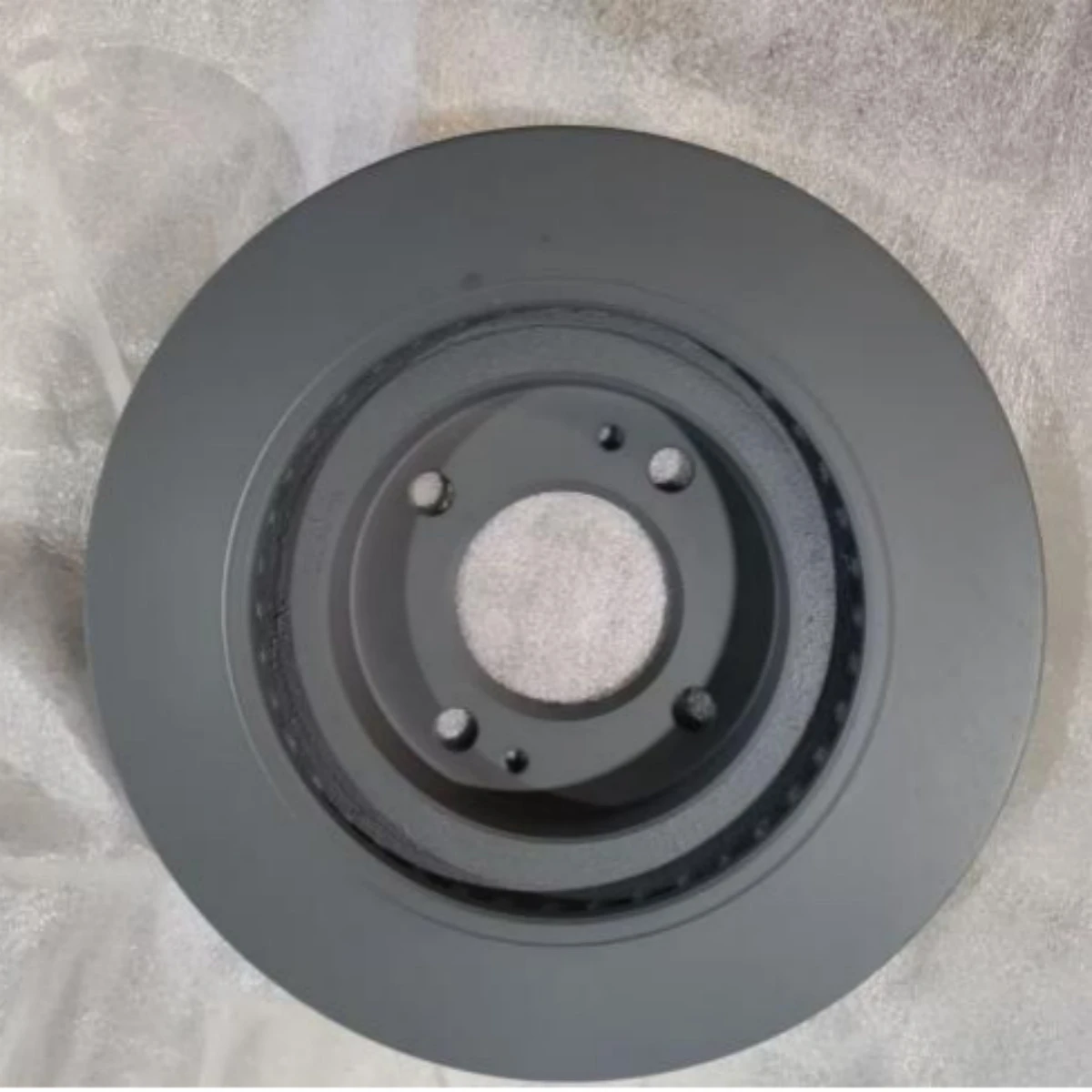
Advantages of Surface Spraying Technology
The silver ring resists damage from snow-melting agents and high-pressure water guns.
Performance vehicles face an awkward issue: the friction surface of brake rotors stays polished bright, yet rust forming on the rotor hats and edges is clearly visible through the gaps of multi-spoke wheels, instantly creating a cheap look. For this batch of 4B3615301 rotors, we adopted a three-layer coating system: a zinc phosphating film as the base layer, followed by an epoxy primer dip coat, and finished with a high-temperature resistant silver polyester topcoat. The product passes salt spray testing exceeding 300 hours without any rust blisters forming along the rotor hat edges.
The practical merits of this coating system are evident
After driving on salt-treated roads in winter and parking the vehicle for two days, ordinary brake rotors become heavily rusted yellow to the point where wheels cannot be removed. Our coating offers robust corrosion resistance, standing up to direct blasts from high-pressure car wash water guns. Furthermore, the paint is only applied to non-friction areas with a controlled thickness of 15 to 25 micrometers, resulting in virtually no impact on dynamic balance values, eliminating the need for additional lathe balancing procedures.
Machining Workshop
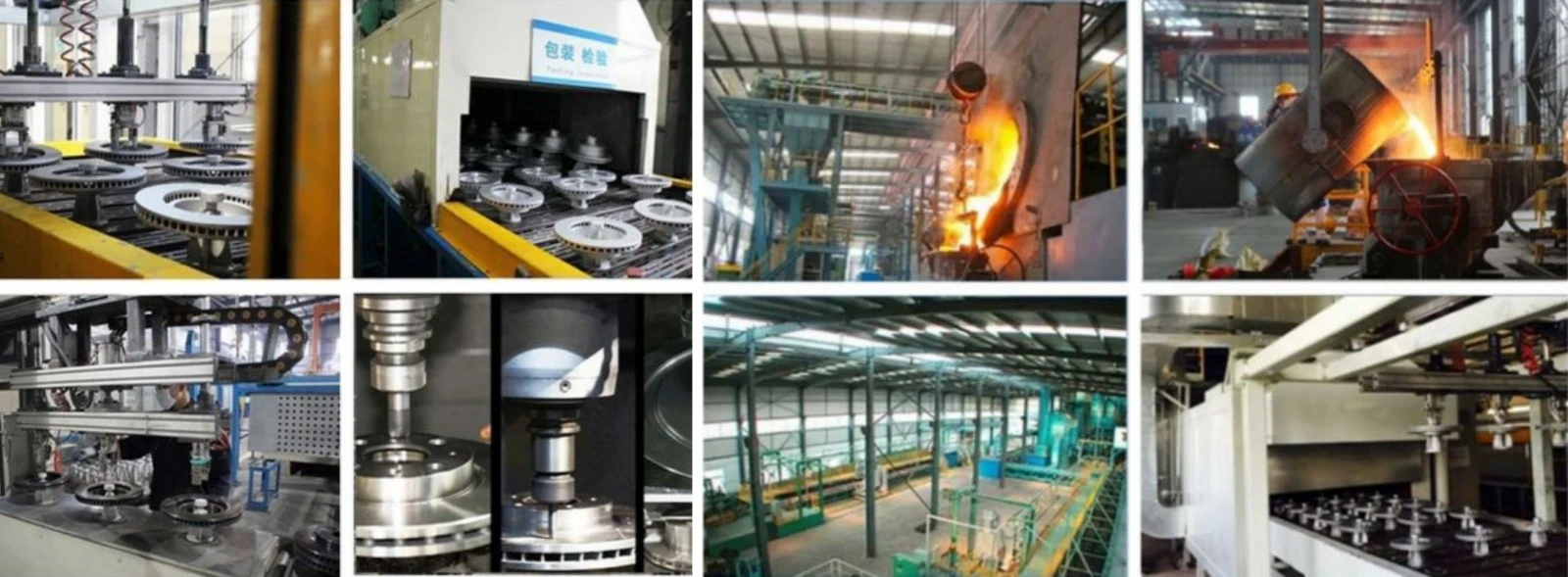
Advantages of the factory machining workshop: We are experienced in producing brake discs for the S6 model and maintain precise control over every production detail.
Manufacturing brake discs for performance vehicles differs greatly from making those for ordinary daily commuter cars; even minor deviations in balance and runout are unacceptable. Our workshop has dedicated a vertical machining center production line with dual spindles exclusively for the batch of brake discs with front brake disc for AUDI S6 NO. 4B3615301. Raw blanks first undergo on-line ultrasonic flaw detection. Any blanks containing shrinkage cavities or cracks are immediately scrapped and excluded from the production line. Hydraulic expansion mandrels are used for clamping. A single positioning setup completes machining on the friction surface, spigot and central bore all at once, restricting the end face runout to less than 0.020 millimeters. After finish turning, the surface roughness Ra of the friction surface is controlled within 1.5 to 2.0. When brake pads make contact, the initial contact area exceeds 85%, eliminating the unreliable claim that "hundreds of kilometers of running-in are mandatory".
In the inspection stage, every brake disc is processed by an automatic dynamic balancing machine. Discs with an unbalance mass exceeding 5 g·cm will automatically undergo weight removal, leaving extremely shallow cutting marks barely noticeable. A coordinate measuring machine conducts on-line sampling inspection, and all data including hub roundness, PCD hole position tolerance and DTV are stored in a database. Scanning the QR code enables full traceability, showing exactly which shift and date each individual brake disc was manufactured on.Our surface treatment covers premium processes including drilled & slotted, painting and Dacromet coating. We also specialize in high-carbon, modified and racing-grade brake discs, fully satisfying the diverse and high-standard demands of global customers.
Delivery,shipping and serving
Guarantees for Delivery and After-Sales Service: We only commence our after-sales support after the products are delivered and mounted on your vehicle.
We reject ordinary foam for packaging. Every brake disc is first wrapped with a VCI vapor corrosion inhibiting bag, then fitted into customized honeycomb cardboard liners, reinforced with rigid plastic corner protectors at all four corners, and shipping marks are printed clearly on the outer cartons. Shipments are sent via Deppon or SF Express; orders placed before 3 p.m. on the same day will be picked up for delivery without fail. We can provide customs declaration documents in any format you require.
We stand firmly behind our after-sales commitments: Counting from the date you install the discs on your vehicle, within 5,000 kilometers of driving, if steering wheel vibration during braking is caused by inherent quality defects of the brake discs, simply give us a call and we will ship brand-new discs to you immediately-you may keep the defective old discs, and we will cover all round-trip shipping fees. In the event of critical defects such as casting cracks, we will compensate you double the cost of the brake disc set. A detailed installation tutorial video is provided with every set of discs, illustrating step-by-step procedures including thorough rust removal from flange surfaces and cross-torquing bolts with a torque wrench. This is to prevent roadside mechanics from warping intact discs by over-tightening with impact wrenches. Should any disputes arise, you may send us a video recording of the brake vibration issue, and our engineers will analyze the data with you step by step without evasion or prevarication.
FAQ
Q: My S6 C5 is already twenty years old. Can't I just fit an inexpensive standard A6 brake disc instead?
A: Absolutely not. Your original factory part number 4B3615301 has a diameter of 321 millimeters, while most standard A6 brake discs measure either 288 or 312 millimeters. The brake calipers simply won't clamp onto them. What's more, their thickness and vent vane structures differ entirely. Forcing them on is gambling with your life. The braking system of the S6 is calibrated to its V8 engine output; smaller discs will drastically reduce stopping power.
Q: Won't this silver paint wear off after a few hard braking applications with the brake pads rubbing against it?
A: That's a huge misunderstanding. The paint only coats the disc hat, outer rim and vent channels. The brake pads make contact with the precisely machined bare metal friction surface, so the paint film never comes into contact with friction at all. Even after 100,000 kilometers of driving, once you remove and wipe down the disc hat, it will still shine silver - this coating is what provides rust protection.
Q: Can I just replace the brake discs without swapping out the brake pads as well?
A: Don't create unnecessary trouble for yourself. The old pads have developed grooves and curved wear patterns from matching the worn old discs. If you press them directly against the flat surface of new discs, less than half of the contact area will engage. This will not only extend your stopping distance but also cause uneven wear on the new discs in short order, leading to brake shudder once again. The proper practice is to replace brake discs and pads as a matched set.
Q: No warning light has lit up on my S6's dashboard. How do I tell when it's time to replace the brake discs?
A: Don't rely solely on warning alerts. Run your hand along the ledge on the edge of the disc surface; replacement is required once the ledge depth exceeds 1.5 millimeters. Additionally, if the steering wheel pulls left and right when you lightly apply the brakes at high speeds, the disc DTV (Disc Thickness Variation) or lateral runout is almost certainly out of tolerance. The brake wear sensor wires on the S6 tend to degrade and trigger false alarms, so physical measurement is far more reliable.
Q: Can this part number 4B3615301 be directly fitted to the S6 plus version?
A: The later production batches of the S6 C5 received minor facelifts with slight differences in brake configurations. It would be best if you could provide the vehicle identification number so we can verify it for you. The part number 4B3615301 corresponds to the early standard 4.2 V8 model. Match the caliper model before installation instead of only checking the production year.
Last News
Within the brake disc community, the upgrade focus for performance vehicles has shifted. Major manufacturers are now promoting high-carbon alloy discs with carbon content pushed above 3.7%. These discs boast far superior thermal cracking resistance compared to traditional grey cast iron, making them a perfect match for gas-guzzling models like the S6 that are frequently driven on mountain roads. Another emerging trend is the rollout of carbonitriding technology to the aftermarket sector. This process boosts disc surface hardness to over HV800, delivering vastly better wear resistance and rust protection than standard brake discs. Slotted and drilled discs have also gained huge popularity among S6 enthusiasts-they are not just for aesthetics, but deliver tangible benefits such as water evacuation in wet weather and exceptional heat dissipation under extreme driving conditions. Carbon-ceramic discs are not worth considering, however; a full set costs nearly half the price of the car, which is impractical for the classic C5-generation model.
Here is a handy tip: When driving your S6 and finishing an aggressive mountain drive or track day, avoid immediately pulling into a service area, engaging the handbrake and switching off the engine. The brake discs will be extremely hot at this point, which can cause the brake pads to fuse and stick to the disc surface. Instead, reduce your speed and cruise gently for two minutes without resting your foot on the brake pedal, allowing the cooling vanes to dissipate heat gradually. The same rule applies after washing your car: apply light brake pressure a few times to wipe off the water film before parking. Following these steps will greatly extend the service life of your front brake discs with part number 4B3615301, delivering consistent, predictable brake response every time and doing justice to the V8 engine under the hood.
Hot Tags: audi s6 front brake disc, China audi s6 front brake disc manufacturers, suppliers, factory