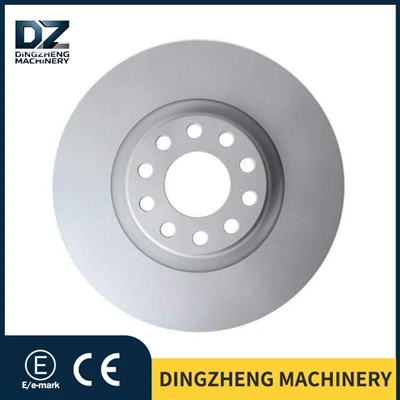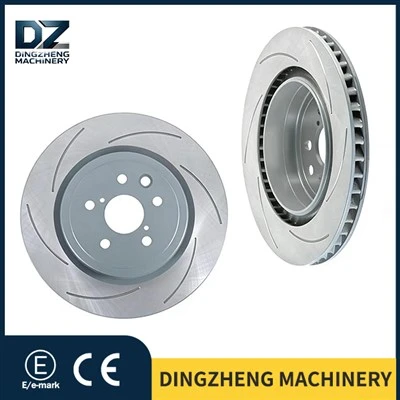

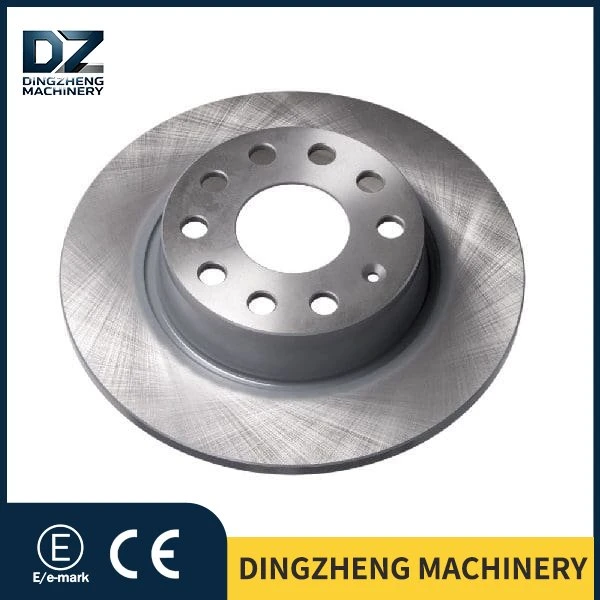
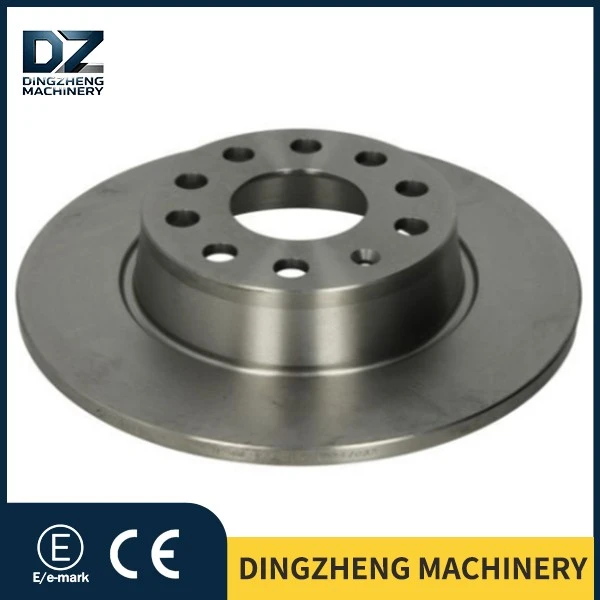
Product Introduction
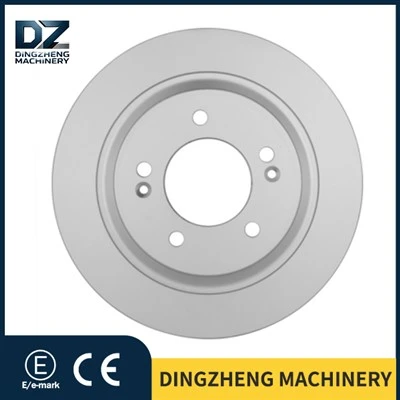
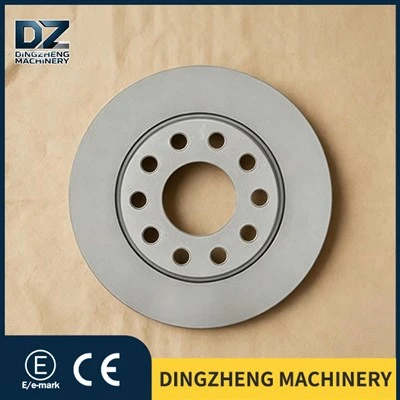
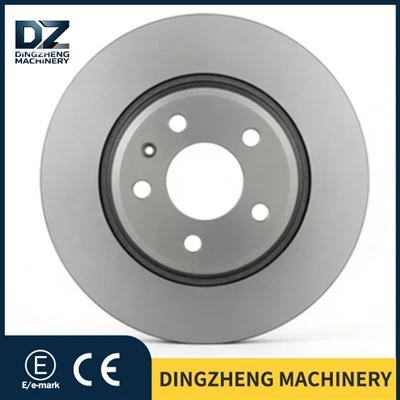
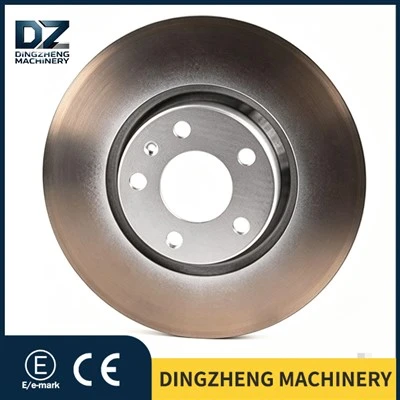
The Rear Brake Disc of AUDI Q2 5Q0615601B denotes an original-equipment rear brake disc engineered for MQB-platform vehicles produced between 2017 and 2025, including the Audi Q2 (GA), Skoda Karoq, Volkswagen T-Roc and SEAT Ateca. It serves as a primary replacement component within the aftermarket for German family cars sold across Europe, North America and the Asia-Pacific region. Roughly 90% of these vehicles are utilised for daily urban commutes, short weekend road trips and school runs, meaning German vehicle owners impose stringent requirements on braking smoothness, noise suppression and component durability. Factory-fitted original brake discs commonly develop issues such as minor rotor face distortion, high-pitched squealing during gentle low-speed braking and central bore corrosion after two to three years of service, with such faults becoming far more prevalent in regions where de-icing agents are widely applied throughout winter.
In the vehicle's braking logic, the rear brake disc is far more than just a follower. It serves as an indispensable counterweight within a precisely balanced system, acting as a silent cornerstone that ensures the vehicle maintains stable posture and linearly distributed braking force during deceleration.
Part number 5Q0615601B is not merely a cold string of codes; it represents an engineering specification tailor-made for specific Audi and Skoda models. It means that this metal disc achieves millimeter-level precise compatibility with your vehicle's wheel hubs, brake calipers, and the entire electronic braking system such as ESP, covering every detail from diameter and thickness to mounting hole spacing.
Choosing it means restoring the precise, reliable and consistent braking pedal feel the vehicle had when it left the factory.
Product Parameter
|
Location |
Rear Brake |
Diameter |
272mm |
|
Brake Disc Thickness |
10mm |
Minimum Thickness |
8mm |
|
Centering Diameter |
65mm |
Height |
58mm |
|
Number Of Holes |
10 |
Pitch Circle Diameter |
112mm |
|
Solid Or Vented |
S |
Weight |
4.1kg |
Car Model
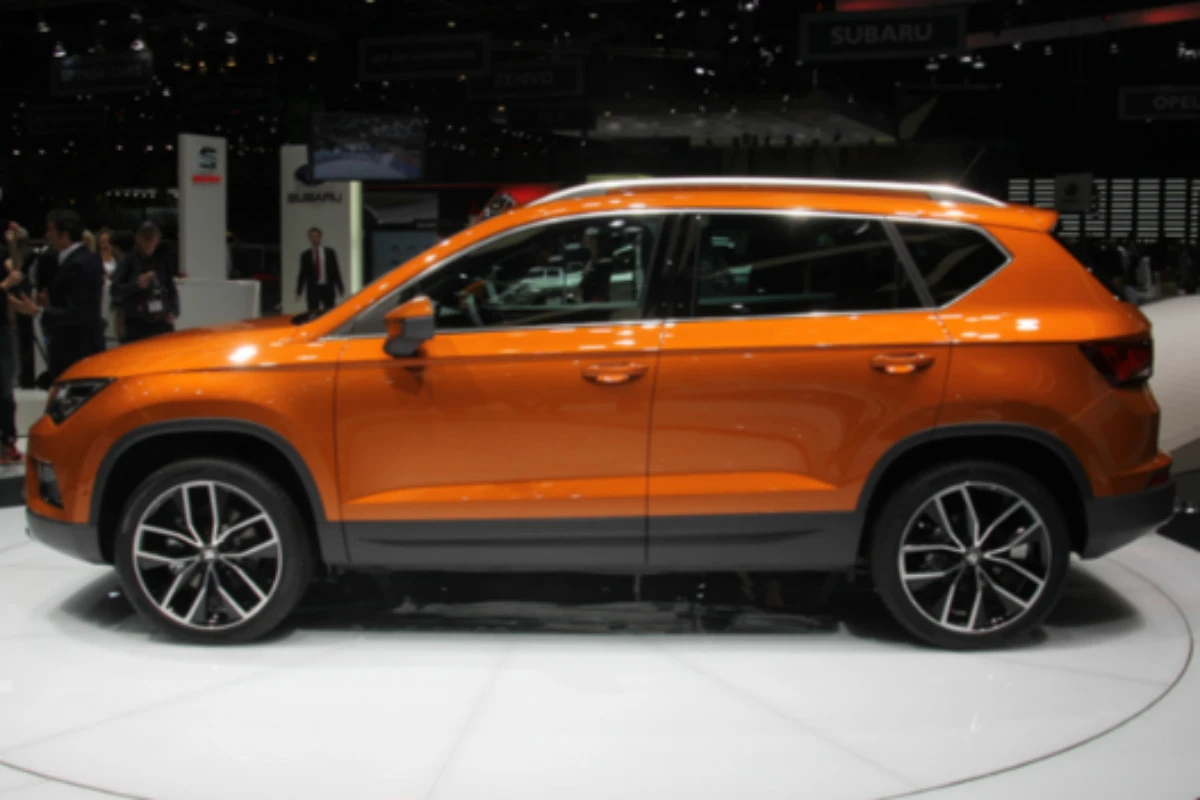
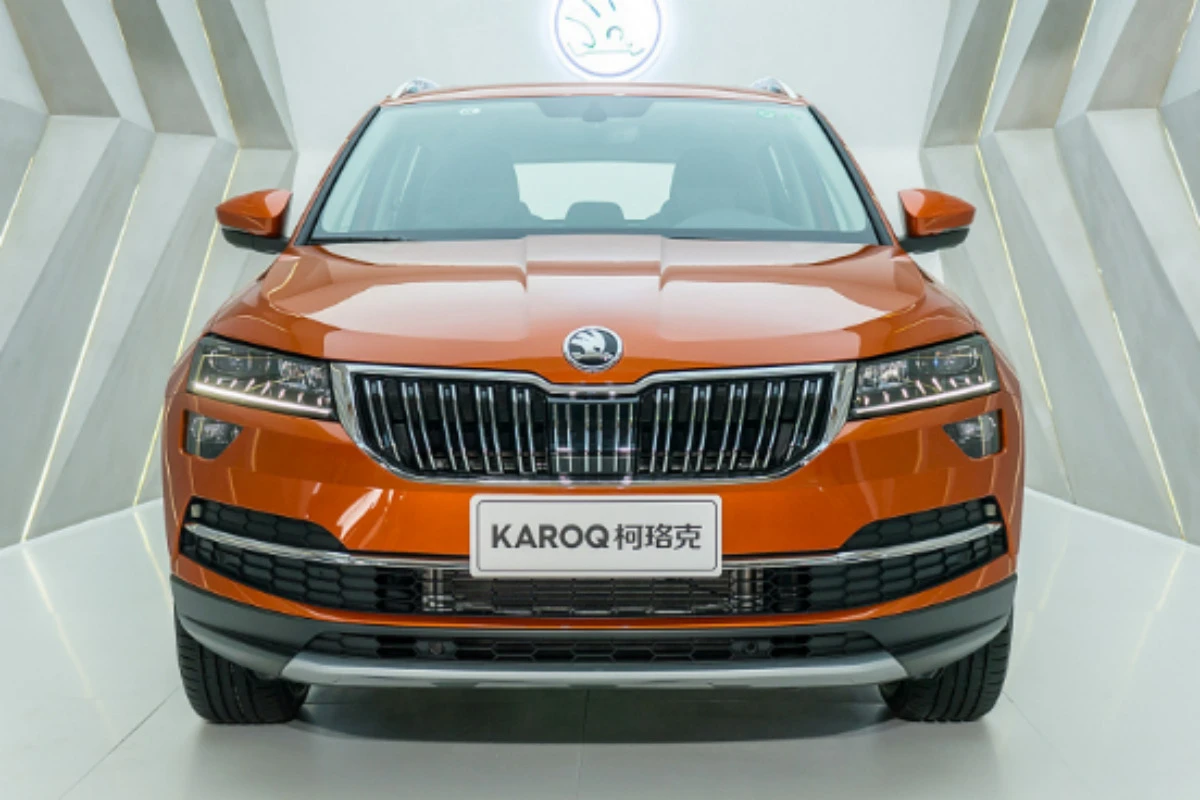

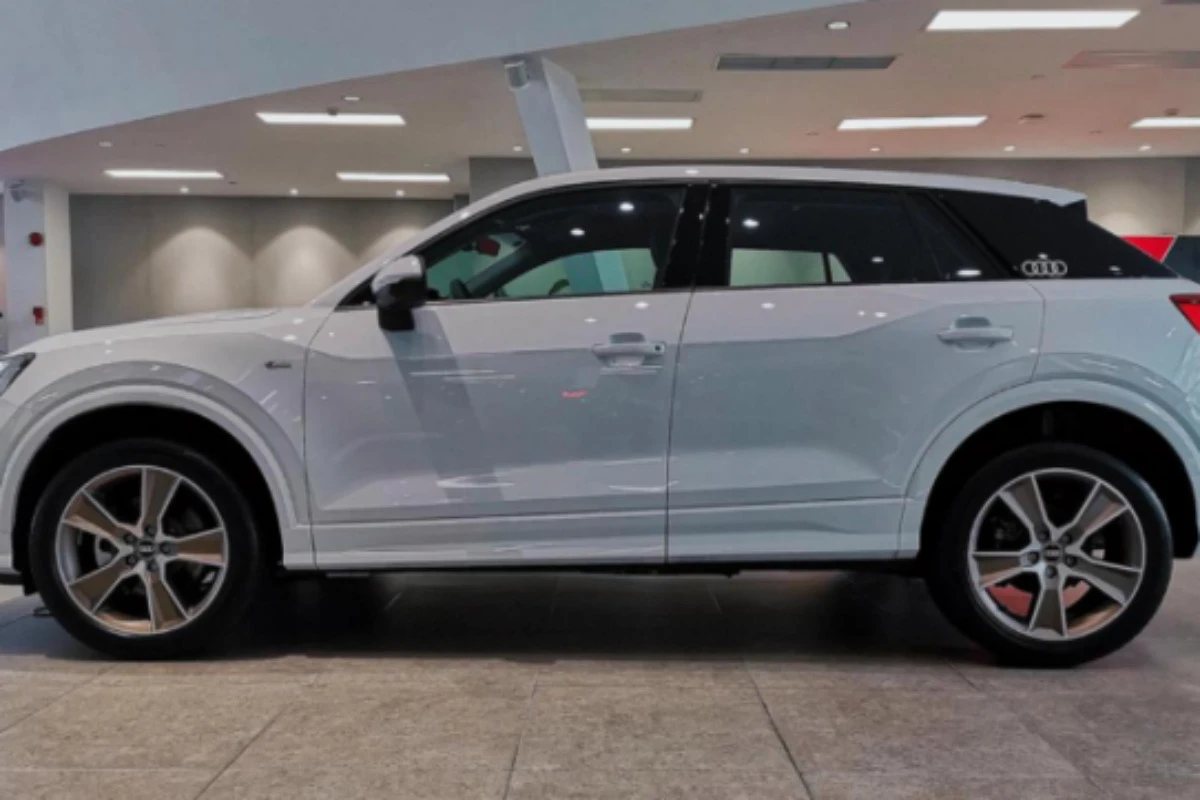
AUDI Q2 (GAB, GAG) 2016/06-
SEAT ATECA (KH7, KHP) 2016/04-
SKODA KAROQ (NU7, ND7) 2017/07-
SKODA OCTAVIA IV (NX3, NN3, PV3) 2020/01-
SKODA OCTAVIA IV Combi (NX5, PV5) 2019/11-
Volkswagen T-ROC (A11, D11) 2017/07-
Reference No.
There are different corresponding codes for the Rear Brake Disc of AUDI Q2 5Q0615601B
|
A.B.S. |
08D42511 |
NIBK |
RN2256 |
|
A.B.S. |
18589 |
NK |
3147175 |
|
AP |
10010V |
OE |
5Q0615601 |
|
ATE |
24011004091 |
OE |
5Q0615601B |
|
BLUE PRINT |
ADBP430012 |
OE |
5QN615601A |
|
BORG & BECK |
BBD5526 |
OPEN PARTS |
BDA286510 |
|
BOSCH |
0986479F23 |
OPEN PARTS |
BDR286510 |
|
BRECO |
BV6178 |
PAGID |
56000 |
|
BREMBO |
08D42511 |
PILENGA |
5889 |
|
BREMSI |
CD7328S |
REMSA |
6209800 |
|
CAR |
1421999 |
REMY |
RAD2673C |
|
CIFAM |
8001863C |
ROADHOUSE |
6209800 |
|
COMLINE |
ADC4009 |
ROTINGER |
RT12253 |
|
COMLINE |
AND7191 |
ROTINGER |
RT12253GL |
|
DELPHI |
BG5089C |
ROTINGER |
RT12253GLT3 |
|
DIAMAX |
N7099P |
ROTINGER |
RT12253GLT5 |
|
FEBI BILSTEIN |
171439 |
ROTINGER |
RT12253GLT6 |
|
FTE |
BS7891B |
ROTINGER |
RT12253GLT9 |
|
HELLA |
8DD355131811 |
SAMKO |
S3027PR |
|
HELLA PAGID |
8DD355131811 |
SBS |
18153147175 |
|
JP GROUP |
1163208600 |
SCHAEFERBARTHOLD |
315183710343 |
|
JURATEK |
VAG335 |
SWAG |
33100903 |
|
JURID |
563293JC1 |
TEXTAR |
92300003 |
|
KAWE |
6209800 |
TOPRAN |
117600 |
|
LPR |
S3027PR |
TRUSTING |
DF1863 |
|
MAPCO |
25840C |
TRW |
DF6952 |
|
METELLI |
231863C |
VILLAR |
6283113 |
|
MGA |
D2159 |
WOKING |
D6209800 |
|
MINTEX |
MDC2848C |
ZIMMERMANN |
100338120 |
|
MOTAQUIP |
LVBD1981 |
FRITECH |
BD1863 |
|
NATIONAL |
NBD2026 |
Surface Treatment
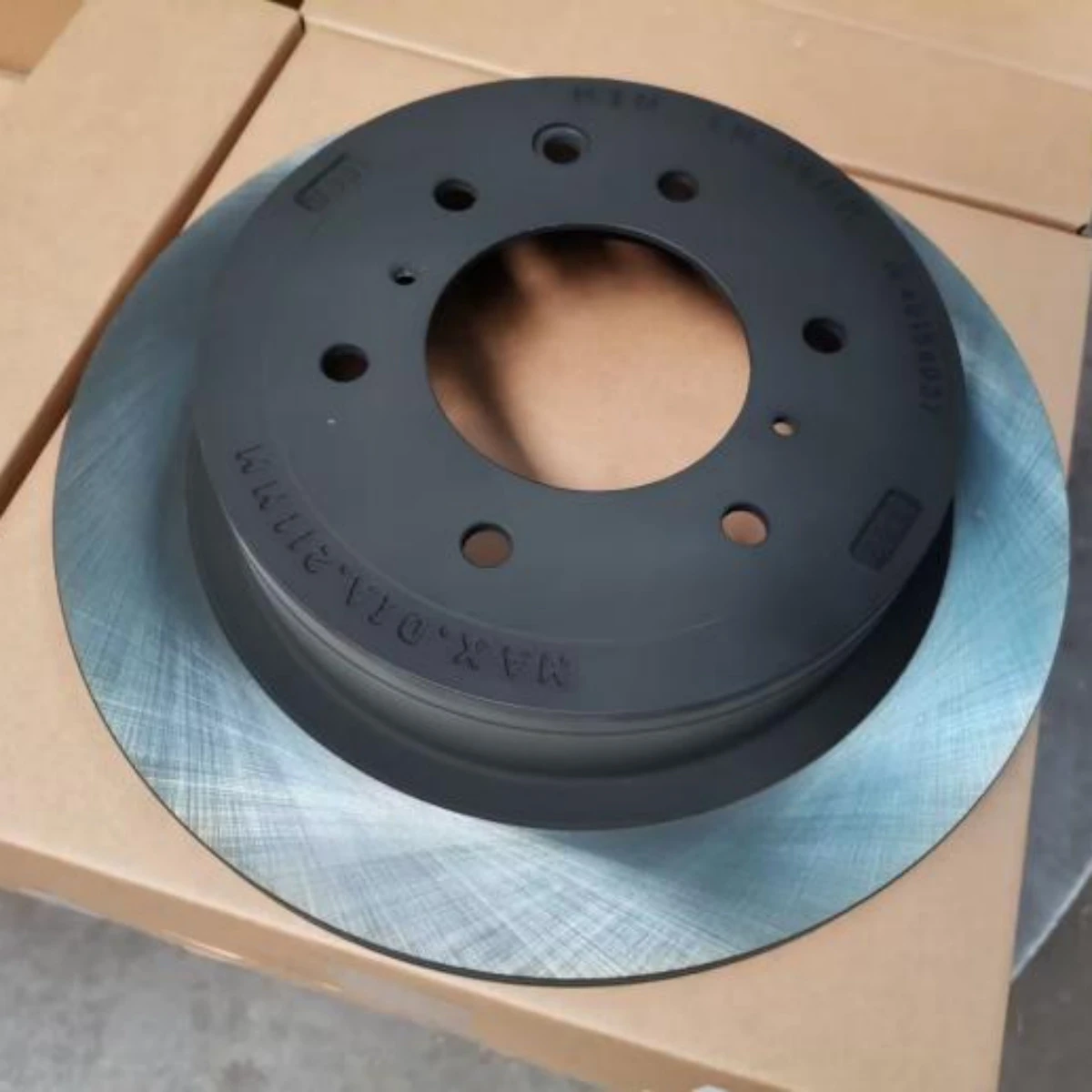
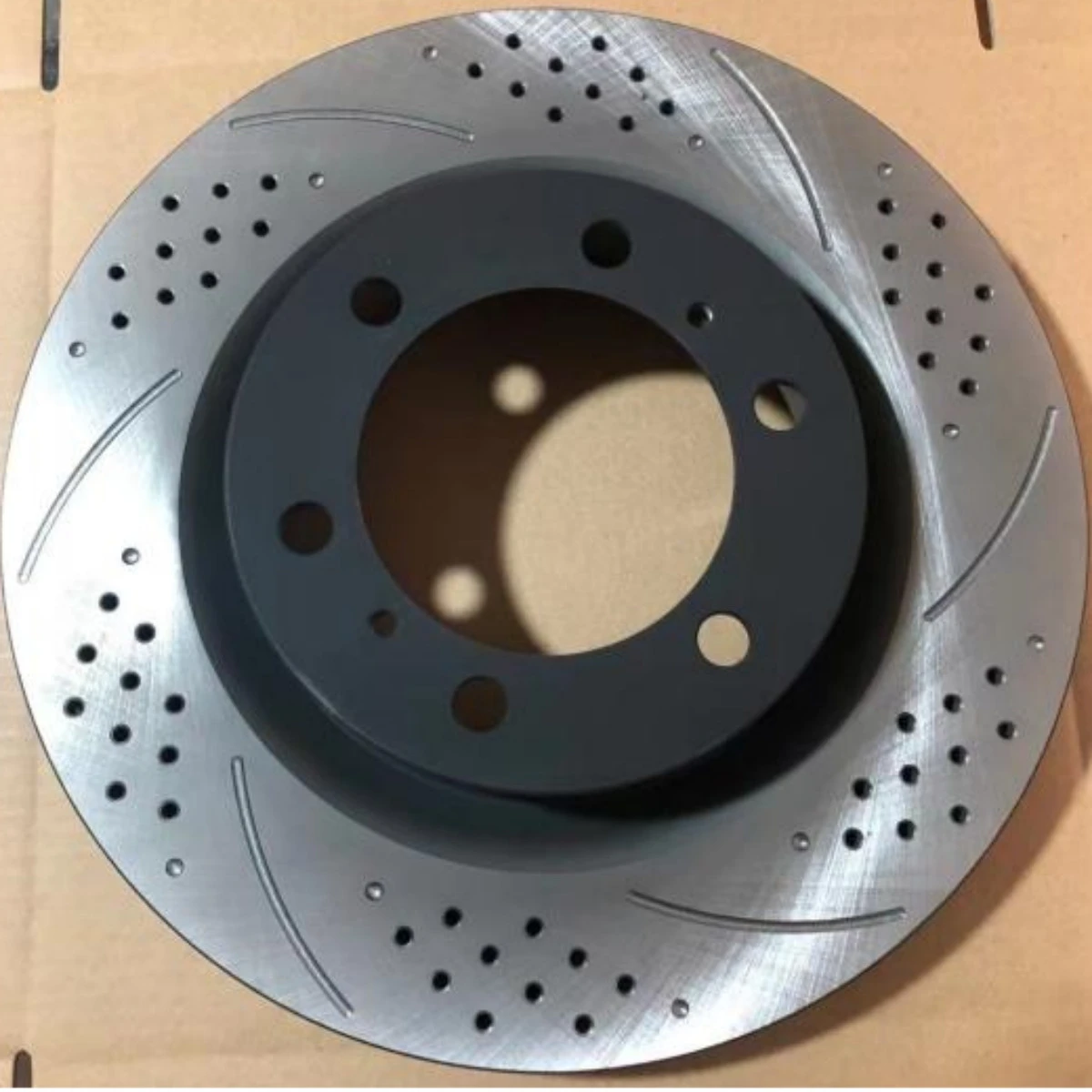
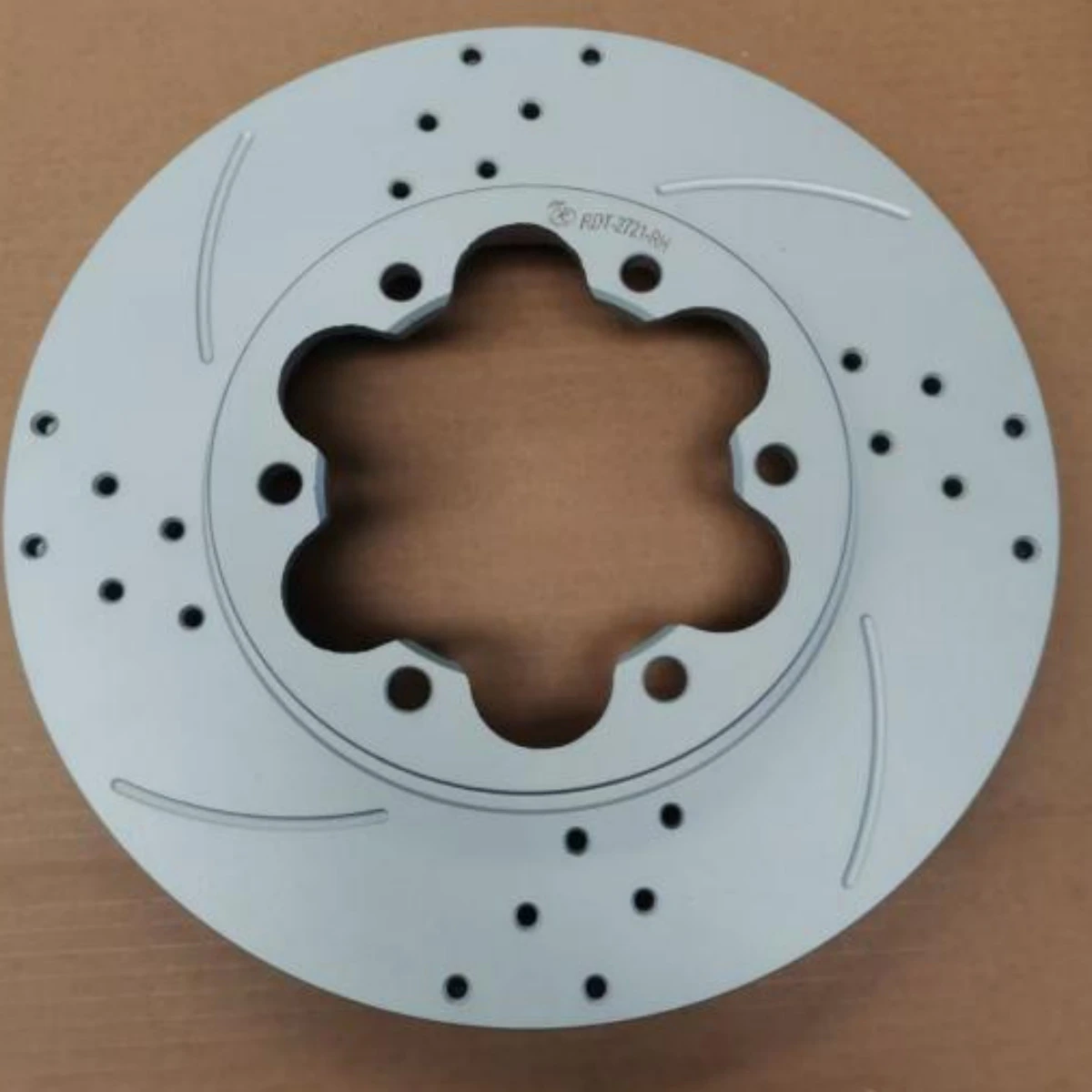
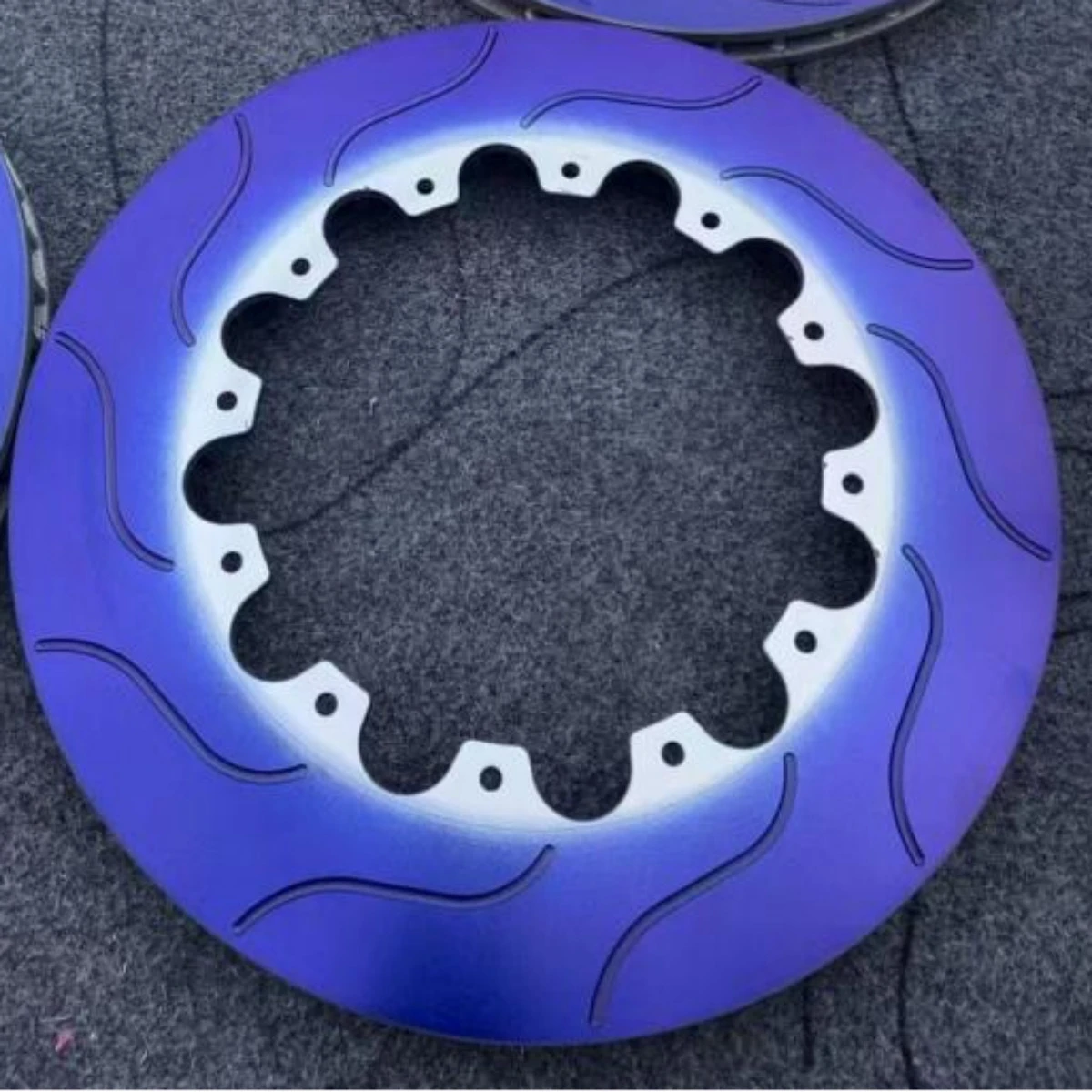
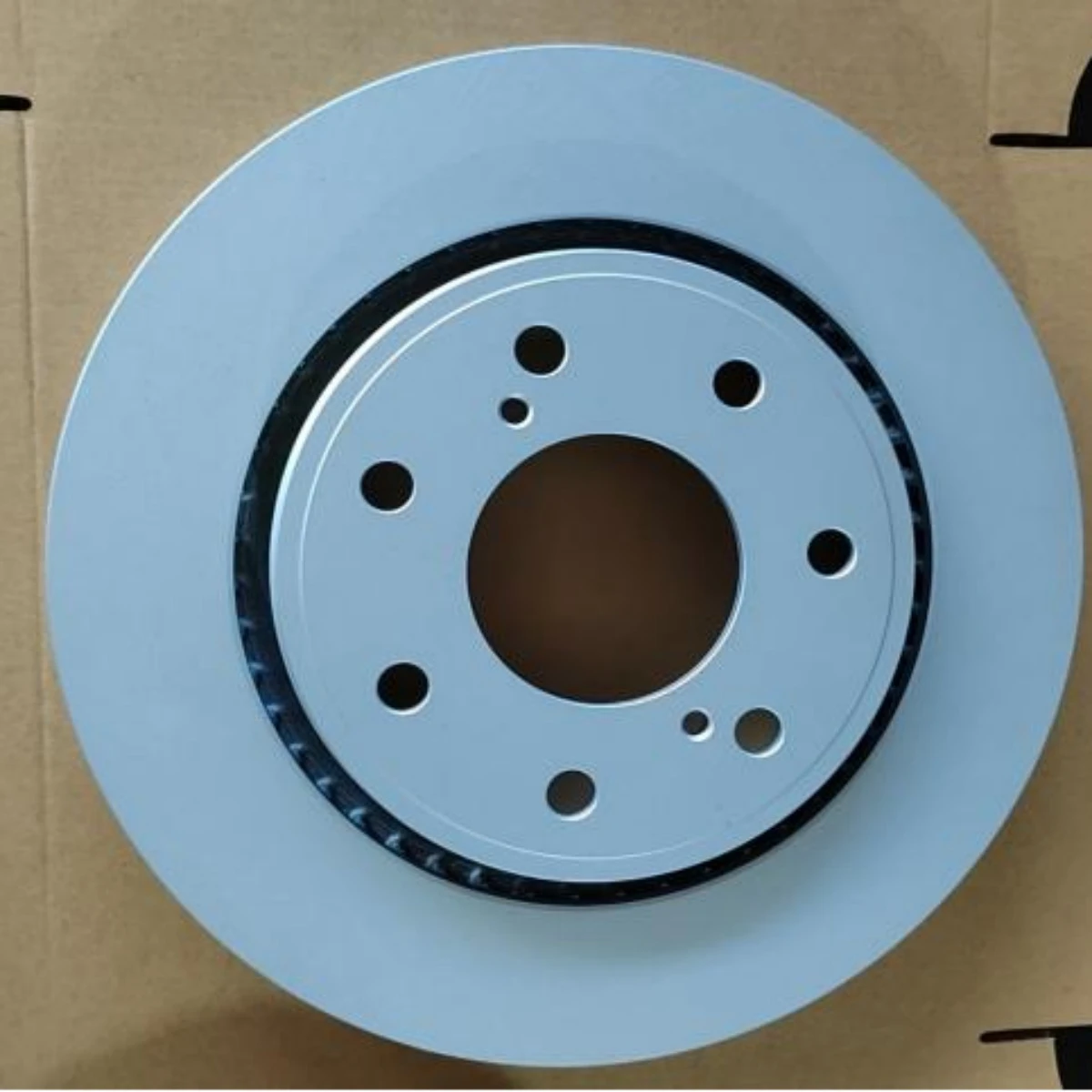
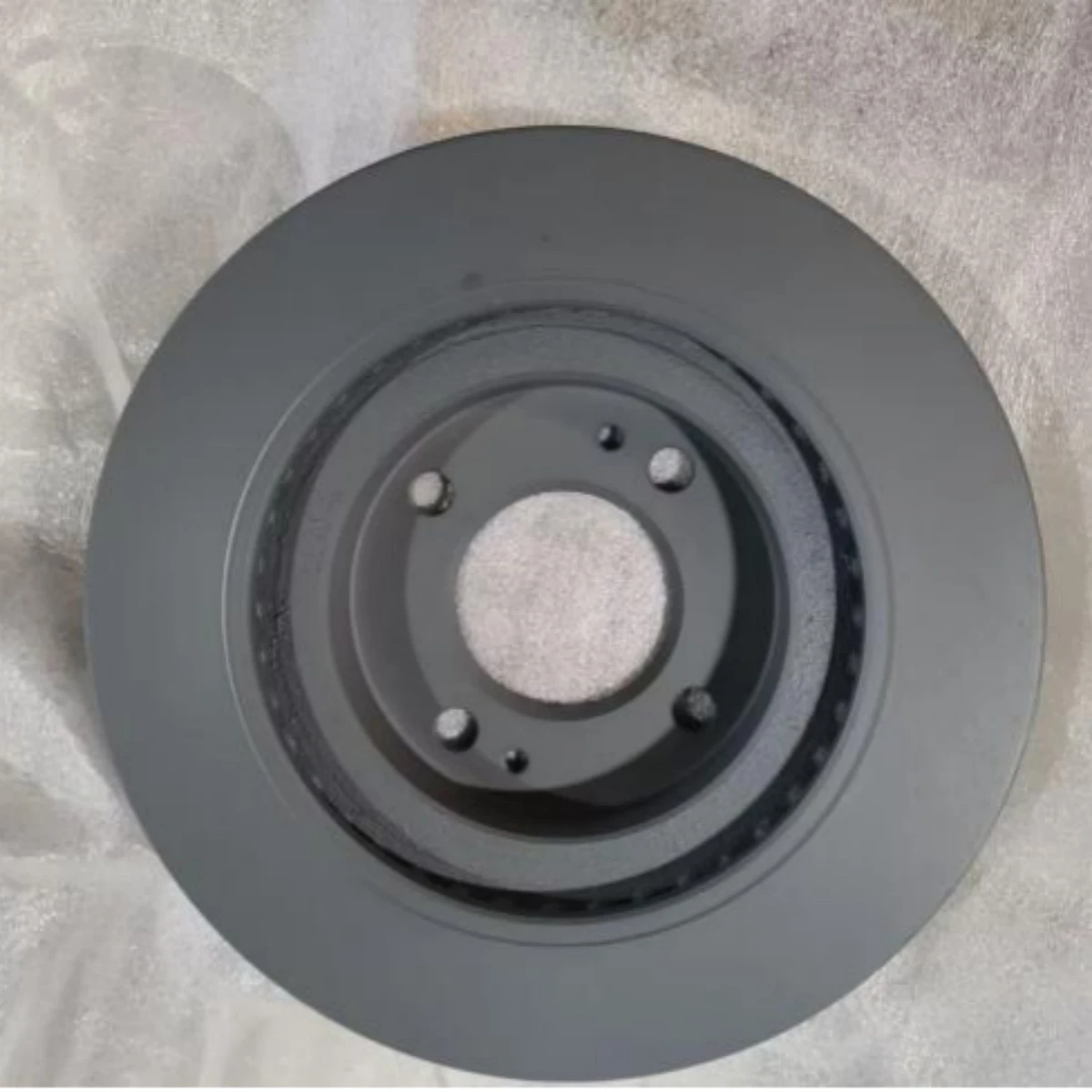
The surface of a brake disc is a microscopic battlefield brimming with engineering ingenuity. From the infiltration of carbon and nitrogen atoms, to the precise engraving by laser energy, and further to the application of nanoscale coatings, every process stands as a solemn commitment to reliability, durability and quiet performance. Once you understand this, you will realize that genuine braking safety and superior driving experience stem from meticulous consideration and technological empowerment applied to every square centimeter of the surface. This is not merely craftsmanship, but also the in-depth practice of the philosophy of safe driving.A rear brake disc is often scrapped not because its friction surface has been worn down to the limit, but due to rust deterioration starting from the non-friction side. Our Rear Brake Disc of AUDI Q2 5Q0615601B features a water-based epoxy-polyester powder coating applied via electrostatic spraying and cured at a high temperature of 200℃.
Once thermally cured, this coating becomes hard yet tough, firmly adhering to the disc hub and edge, which sets it entirely apart from conventional brushed paint coatings. We have completed a 480-hour dry-spray salt spray test in our in-house salt spray chamber, with no penetrating rust or blistering observed on non-friction areas. After vehicle installation, the coated disc stands up to rainwater, deicing agents and flying gravel during driving. When the wheel hub is removed two years later, the disc hub remains intact and pitch-black, with the laser-etched part number 5Q0615601B free of rust buildup for easy part identification in future maintenance. Minor surface rust on the friction ring is an inherent characteristic of cast iron; light brake application during driving will polish the rust away thoroughly without any impairment to braking performance.
Machining Workshop
The Integration of Automated Production Lines and Intelligent Manufacturing
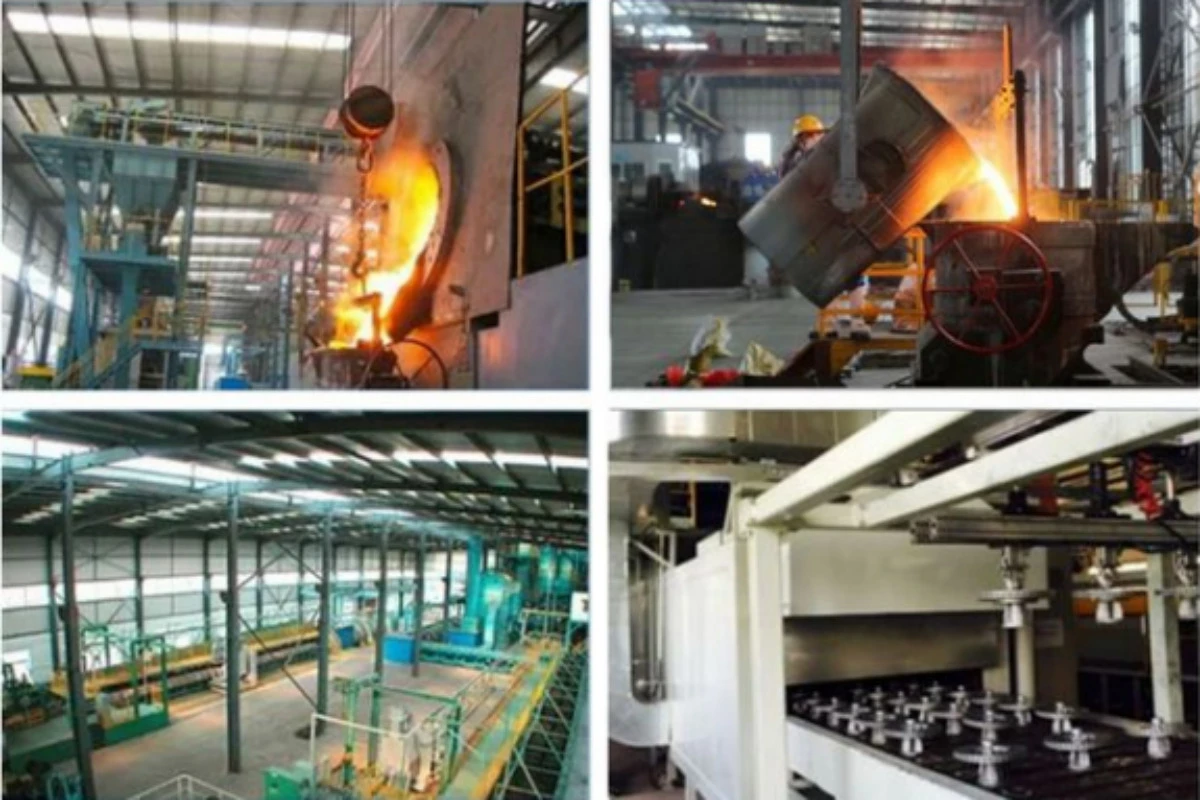
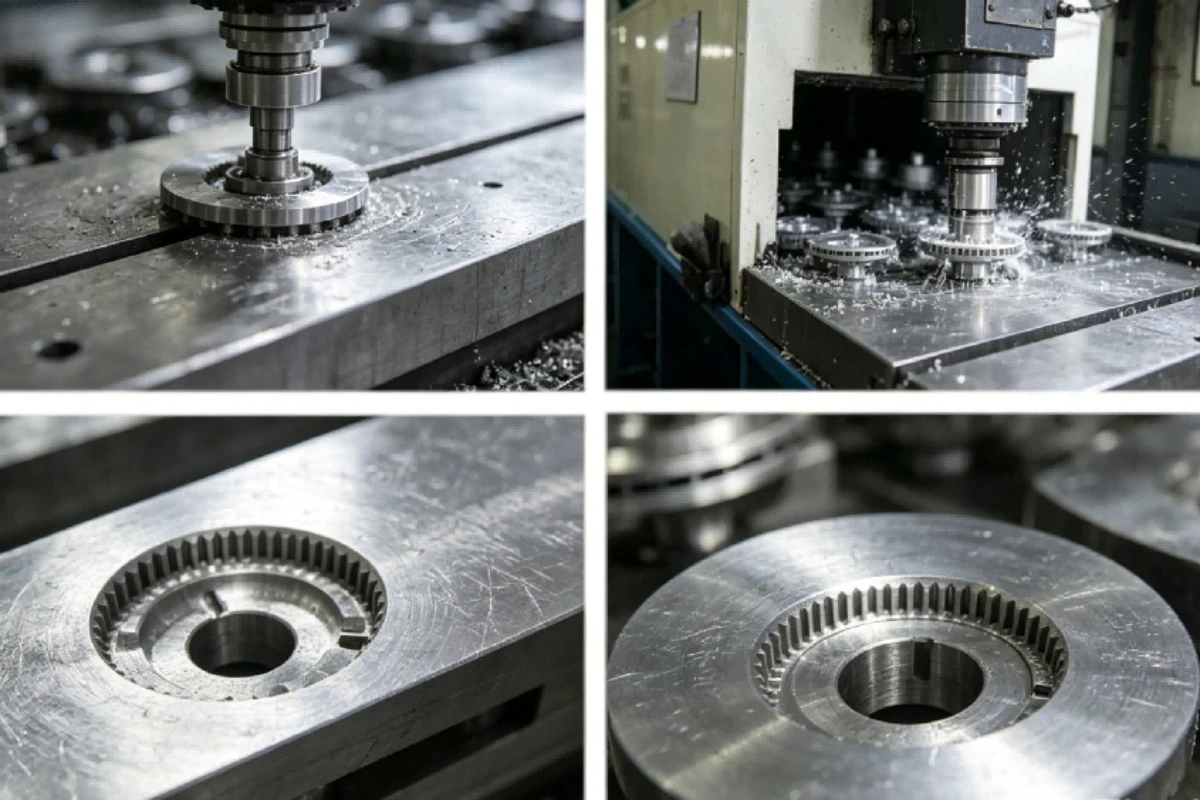
Top-tier modern machining workshops are no longer a simple arrangement of machine tools. Instead, they feature automated production lines assembled jointly with vertical CNC lathes, horizontal lathes and vertical machining centers via gantry robotic arms.
Robotic arms accurately complete material loading and unloading, and workpieces flow in an orderly manner between machine tools, realizing the intelligent manufacturing upgrade of "replacing manpower with machines".
This not only greatly boosts production capacity and product consistency, but also condenses the craftsmanship wisdom into programs and process design, ensuring every brake disc delivers the same precision commitment.
Vehicle owners with cars built on the MQB platform are highly sensitive to chassis performance, picking up even the faintest subtle vibrations. For our brake disc machining, raw castings are processed on CNC dual-spindle machine tools, with the braking surface and hub flange finished in a single clamping setup, restricting the end-face runout to within 0.03 mm.
Dynamic balancing after production is a critical procedure. While some manufacturers skip this step entirely for lightweight solid brake discs, every single disc we produce undergoes testing on an automatic dynamic balancing machine. Precisely removing excess material from the rear side of the hub flange keeps residual unbalance below 85 g·cm, far exceeding the official standard for Volkswagen aftermarket replacement parts. As a result, once installed, the steering wheel and seats remain consistently stable whether cruising at high speeds or creeping forward with light brake pressure at traffic lights, free of annoying tiny tremors. The quiet operation of rear brake discs hinges entirely on this unseen precision in mechanical processing.
Delivery,shipping And Serving
Original Factory Equivalent Warranty Terms
For Rear Brake Disc of AUDI Q2 5Q0615601B applicable to Audi Q2 and Skoda Karoq, the manufacturer's warranty covers either 80,000 kilometres or 12 months, whichever comes first. In compliance with VAG original TIS brake specifications, under regular driving on paved roads, casting porosity, metallurgical material defects and out-of-tolerance factory dimensions are all covered under free warranty. Damage to disc surfaces resulting from unauthorised big brake caliper modification, severe off-road abuse on unpaved terrain or improper installation workmanship is excluded from warranty compensation.
After-sales Response Timeframe
If peeling coating, factory defects on disc surfaces or mismatched fitting dimensions are found upon customer receipt of goods, customers shall take multi-angle photos and send them to the dedicated after-sales email. We will release a final settlement plan within 40 hours, with options including free replacement of new products or partial refund against the corresponding payment amount. Where quality inspection confirms factory production defects, all inbound and outbound cross-border shipping fees shall be borne by the manufacturer.
FAQ
Q: My car is a 2015 Audi A3 Sportback 1.4T, and the required part number identified is 5Q0615601B. However, the mechanic claims the 272mm brake disc for the Volkswagen Golf Mk7 is also compatible. Can these parts actually be used interchangeably?
A: If the part numbers match, they are essentially the identical component. Vehicles built on the MQB platform feature high part commonality. The Audi A3, Golf Mk7 and Skoda Octavia mostly share this single part number when fitted with solid rear brake discs measuring 272x10mm. Stick strictly to the part number 5Q0615601B, or measure the old removed disc with a ruler: it can be installed perfectly if its outer diameter is 272mm and center bore is 65mm. For maximum certainty, provide the last seven digits of your vehicle identification number to our customer service team for an instant accurate verification.
Q: After replacing the brake rotors with part number 5Q0615601B on a 2021 Skoda Karoq, a high-pitched squeaking noise occurs during gentle low-speed braking. Is this caused by defective brake rotors?
A: In most cases, the rotors themselves are not faulty. The rear brake housing on the MQB platform is compactly structured. Frequent stop-and-go urban driving tends to glaze brake pad surfaces, and residual winter de-icing agents can also trigger abnormal noises. Cleaning the friction faces of brake pads with isopropyl alcohol is the preferred solution. Replacement of 5Q0615601B brake rotors is only required when unilateral groove depth exceeds 0.35mm, lateral runout surpasses the Audi/Skoda specified limit of 0.04mm, or rotor thickness drops below the minimum limit of 8mm.
Q: For the Audi Q2 fitted with 5Q0615601B rotors, how often should brake inspections be performed under regular driving conditions? Is a revised maintenance interval needed for frequent highway driving?
A: For mixed urban and highway daily use, brake inspection is recommended every 20,000 kilometers or alongside tire replacement. For regular long-distance highway commuting (over 3,000 kilometers monthly), inspections should be shortened to every 15,000 kilometers. Key inspection items include remaining rotor thickness no less than 8mm, end face runout no more than 0.035mm, and no severe corrosion on the center bore to eliminate potential high-speed braking hazards in advance.
Q: In regions where de-icing chemicals are used in winter, what practical advantages does the 5Q0615601B rotor have over original-equipment rotors?
A: Its triple-layer graphene zinc-aluminum ceramic coating delivers three times higher salt spray resistance than standard factory paint coatings, effectively protecting the center and bolt holes from corrosion induced by de-icing agents. Made of high-carbon GG20 cast iron, the rotor features superior deformation resistance and resists thermal distortion after intensive high-speed braking. Precision-controlled Ra surface roughness minimizes brake pad glazing, fundamentally fixing the inherent squeaking issue of German vehicles during low-speed light braking and fully meeting Audi Q2 and Skoda Karoq owners' stringent requirements for refined driving experience.
Last News
Intelligent Manufacturing Upgrade: Automated Production Lines Drive Dual Improvement in Quality and Scale
Meanwhile, a silent transformation is taking place on the manufacturing side. Leading component manufacturers are adopting large-scale automated and intelligent production lines to boost product quality and operational efficiency.This upgrade not only breaks through production capacity bottlenecks but also ensures the consistency of product dynamic balance and dimensional accuracy through precise robotic arm operations and real-time online inspection, solidifying the foundation of product quality right from the production source.
Hot Tags: rear brake disc of audi q2, China rear brake disc of audi q2 manufacturers, suppliers, factory