
Product Introduction
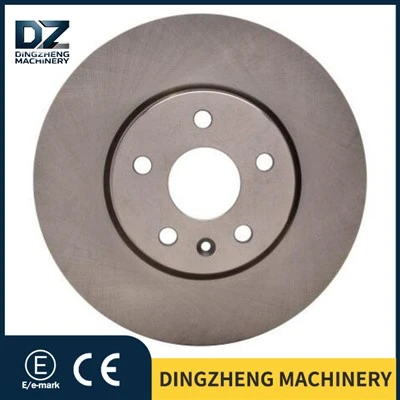
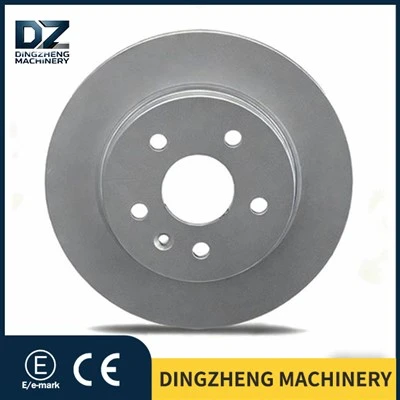
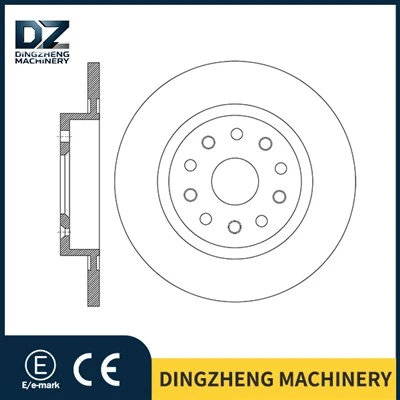
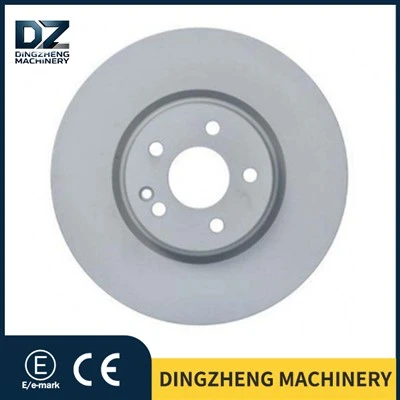
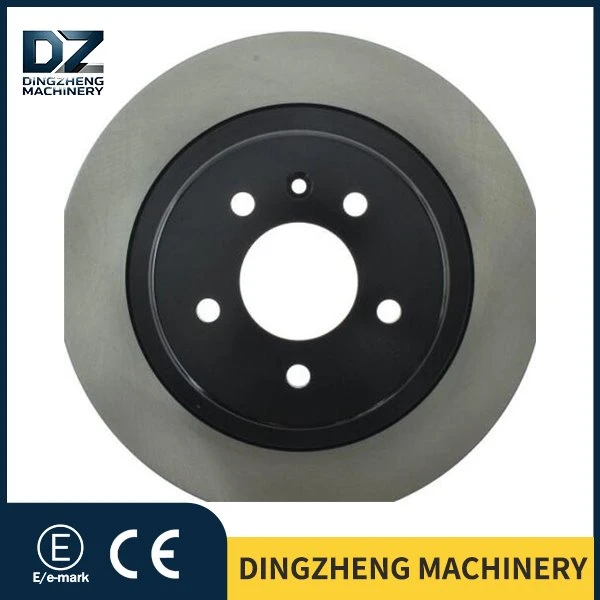
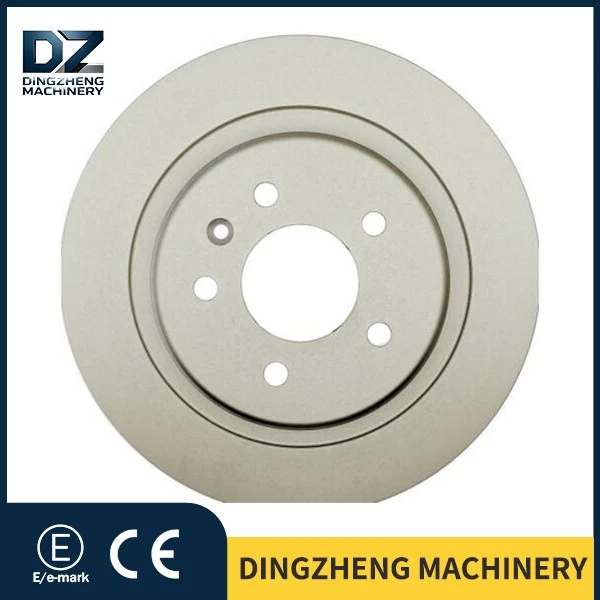
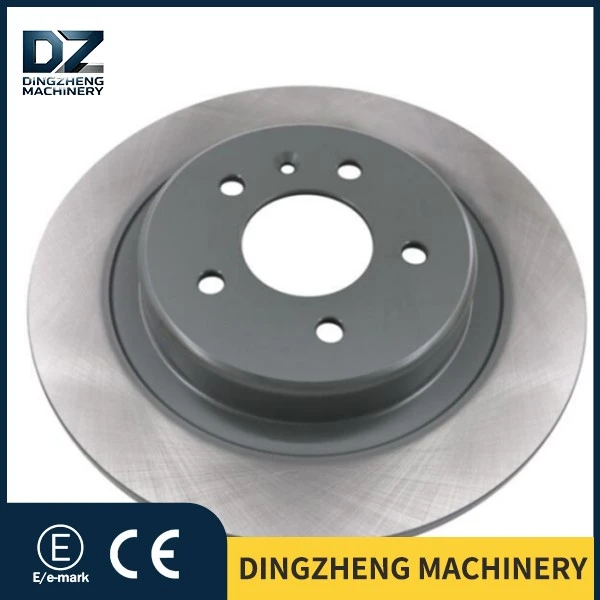
As an essential component of the disc braking system, the BUICK 13506241 rear brake disc is one of the final actuators of vehicle braking performance. Manufactured from high-strength, high-temperature resistant alloy cast iron or composite materials, it is securely connected and rotates synchronously with the wheel at high speed. During braking, the brake pads inside the caliper, under hydraulic pressure, form a high-pressure, large-area friction pair with both sides of the brake disc surface, efficiently converting kinetic energy into heat. This heat is then quickly dissipated through the ventilated or drilled structure of the brake disc. This not only ensures the vehicle achieves smooth and prompt braking response under various road conditions but also guarantees the continuous reliability of the system under high-load operation.
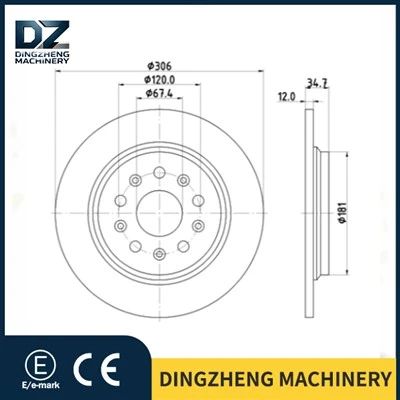
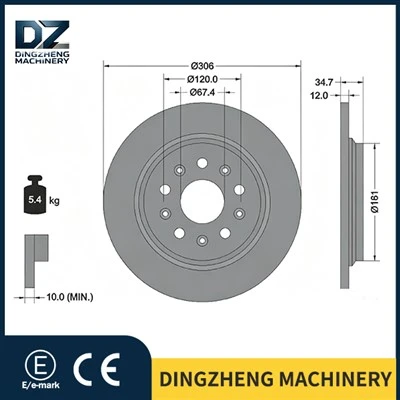
Product Parameter
|
Location |
Rear Brake |
Diameter |
315mm |
|
Brake Disc Thickness |
12mm |
Minimum Thickness |
10mm |
|
Centering Diameter |
70.7mm |
Height |
45mm |
|
Number Of Holes |
5 |
Pitch Circle Diameter |
115mm |
|
Solid Or Vented |
S |
Weight |
6.2kg |
Car Model


SAIC General Motors Buick Envision 28T 2.0 4WD 2014/10-
Reference No.
There are different corresponding codes for the BUICK 13506241 rear brake disc
|
OE |
13583675 |
TRW |
DF8133S |
Surface Treatment
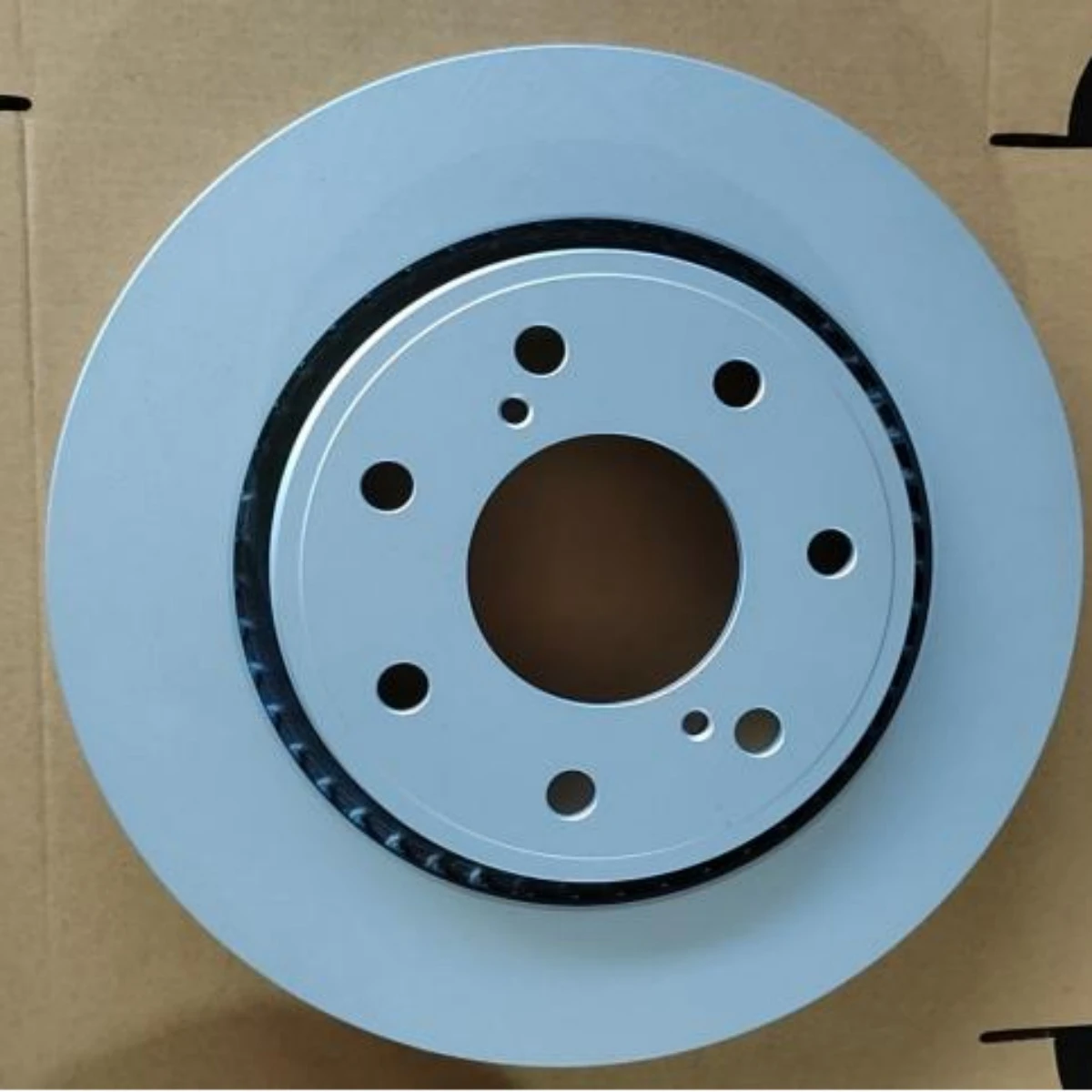

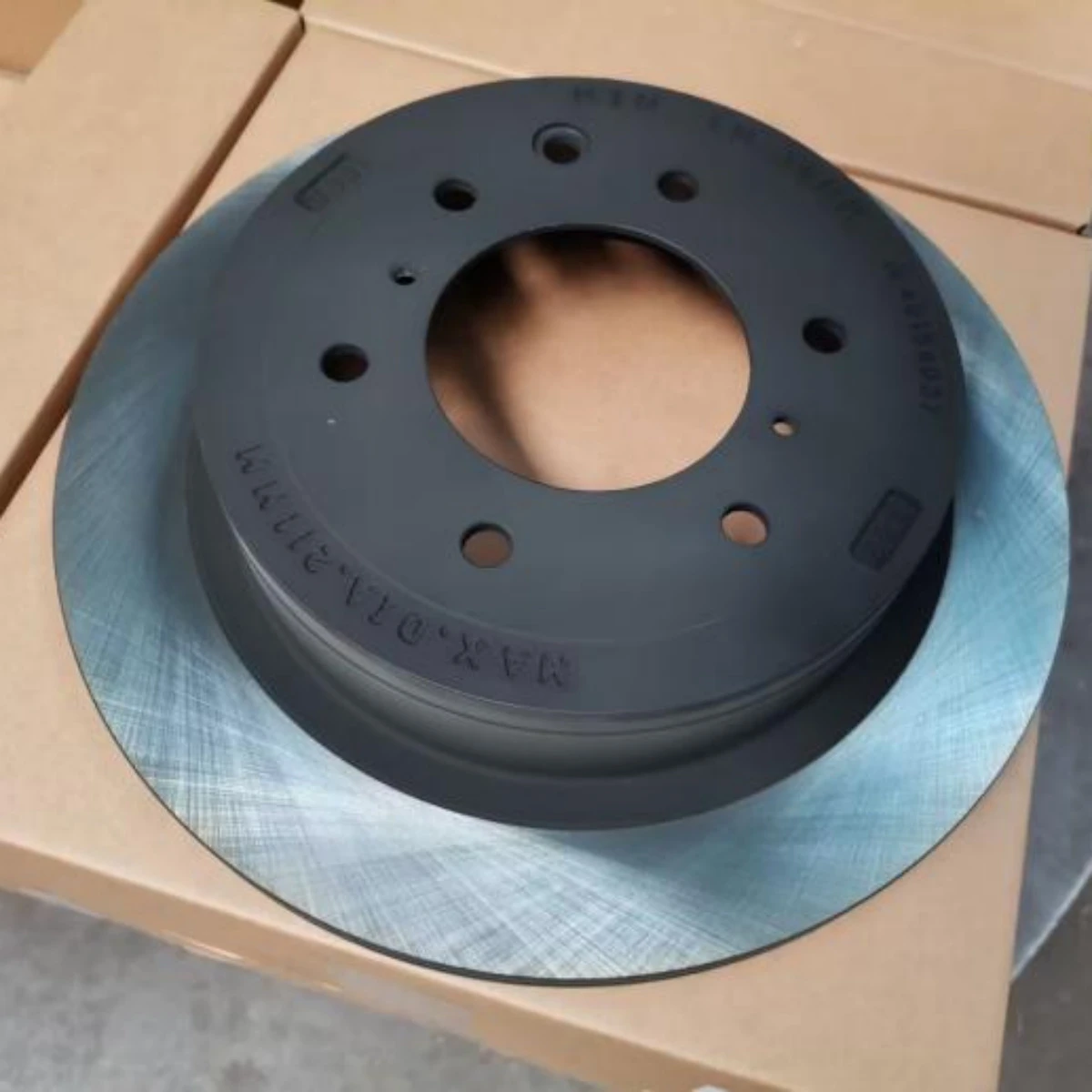
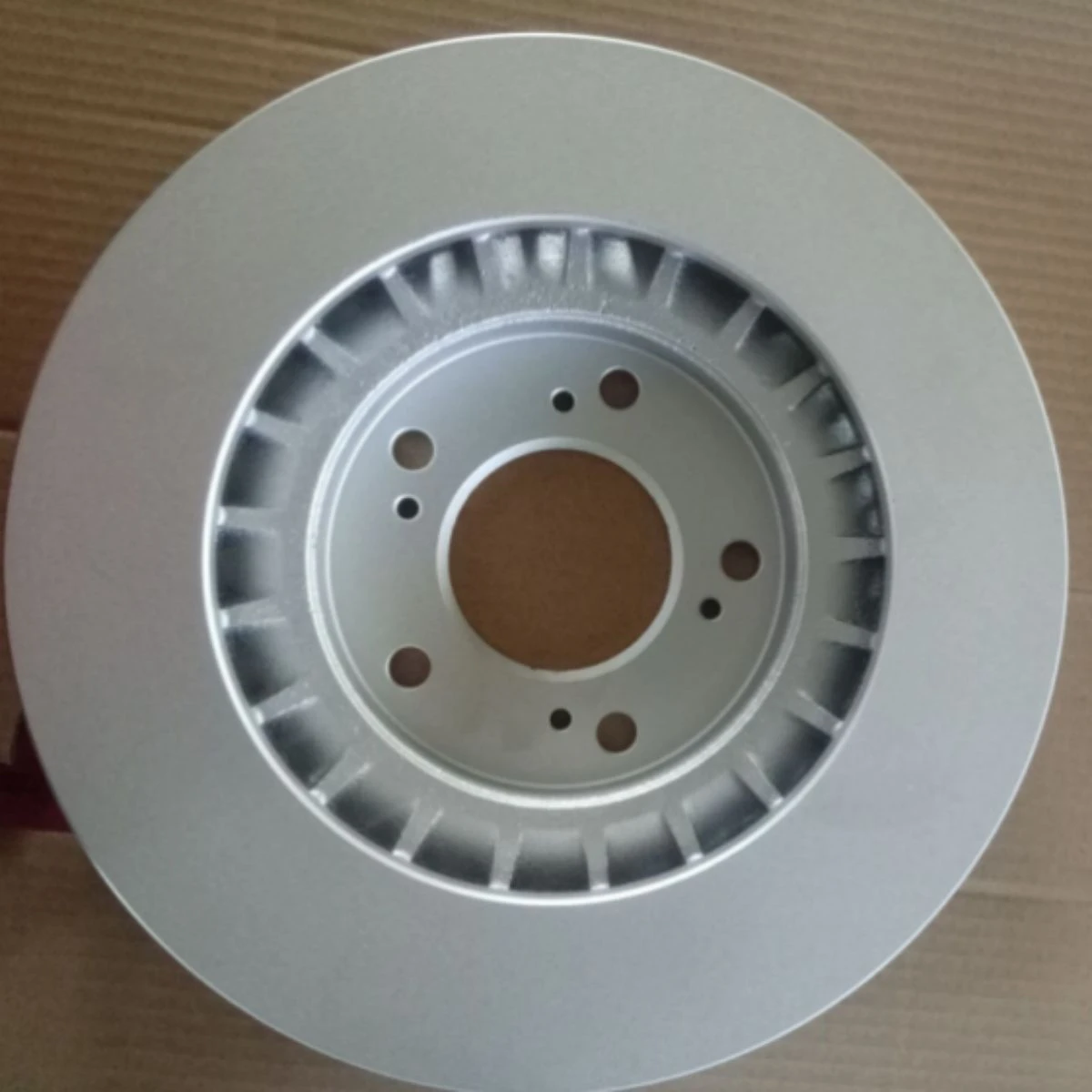
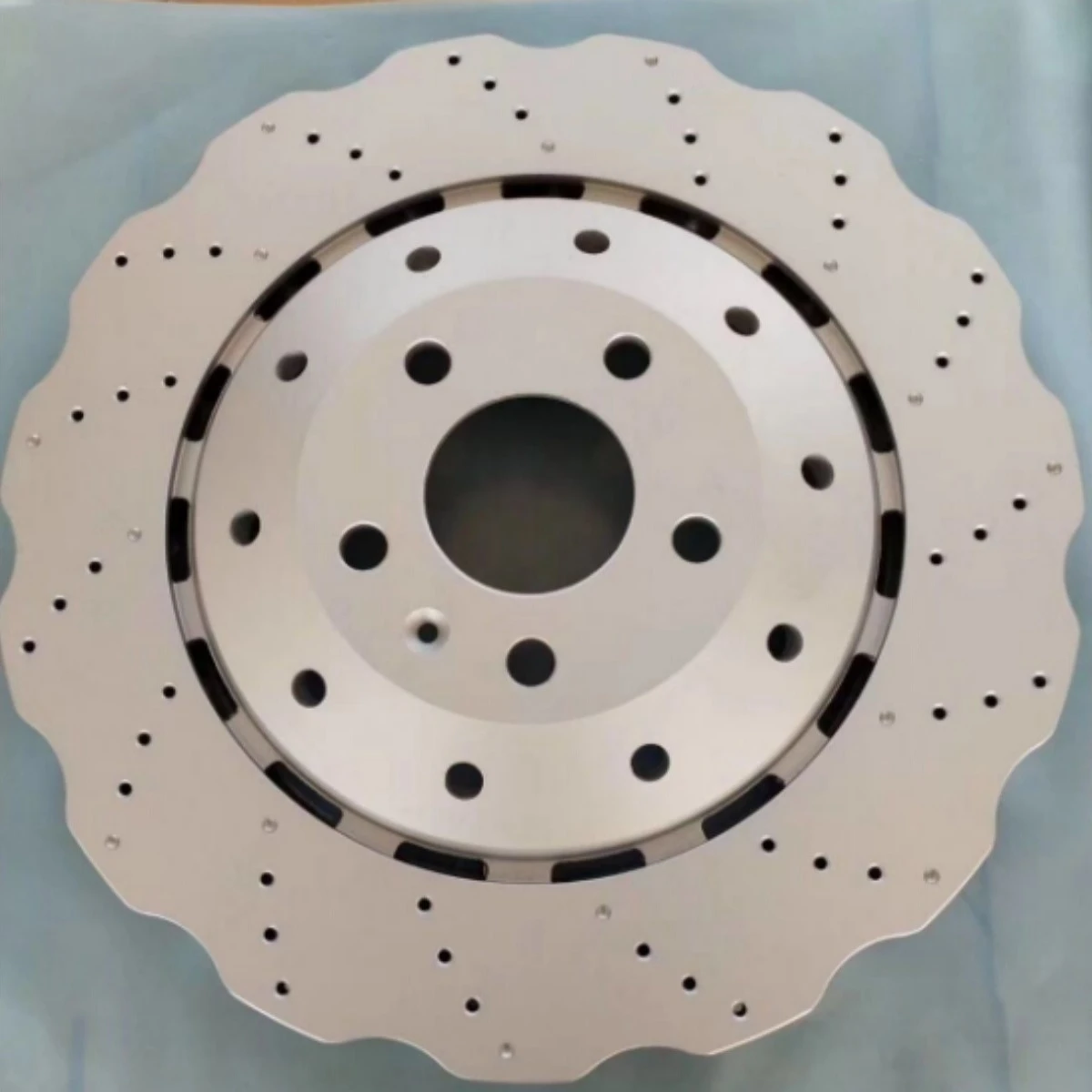
In northern North America, large volumes of de-icing salt are spread on road surfaces in winter, while coastal Australia features highly saline and humid ambient air. Most low-cost aftermarket replacement brake rotors for Buick available on the market only receive a simple single-layer plain black paint finish, leading to severe penetrating rust on flanges and inner bore of bolt holes within just a few months, which becomes a leading cause of return and exchange requests from overseas vehicle owners. We have developed a chromium-free zinc-aluminum dual-layer sealed anti-corrosion coating exclusively for the solid rear rotor marked part number 13506241, creating notable advantages in anti-rust performance and service life through optimized raw material selection and production processes.
Step 1: Oxide layers on rough cast blanks are removed via dust-enclosed sandblasting to Sa2.5 cleanliness standard. A base zinc-aluminum anti-corrosion coating is first dip-deposited with a fixed dry film thickness of 17μm and cross-hatch adhesion rated Class 0; the coating resists peeling or flaking under alternating hot and cold thermal cycling, and passes neutral salt spray lab testing with zero rust formation after 745 hours, reliably adapting to diverse overseas driving conditions involving salt corrosion, heavy rainfall and frigid cold. A high-temperature resistant eco-friendly top seal coat is then applied externally, bringing total coating thickness to 24~29μm. The coating avoids carbonization, cracking or massive peeling under instantaneous braking heat up to 390℃.
Step 2: All surfaces including flange end faces, inner walls of bolt holes and outer rotor rims receive full-enclosed spray coating with no uncovered gaps, except the braking friction surface which is specially masked off. This design eliminates rust triggered by trapped pooled water and contaminants at the source. The full coating formulation complies with the EU REACH environmental regulation and has passed random environmental inspections by European and American customs, preventing cargo detention at ports due to non-compliant environmental indicators.
Step 3: The low thermal emissivity top coat facilitates heat dissipation of solid rotor surfaces and cuts the occurrence rate of thermally induced fatigue cracks caused by repeated temperature swings of the rotor. Practical testing verifies this coating extends the service life of the 13506241 brake rotor by approximately 22%.
Machining Workshop
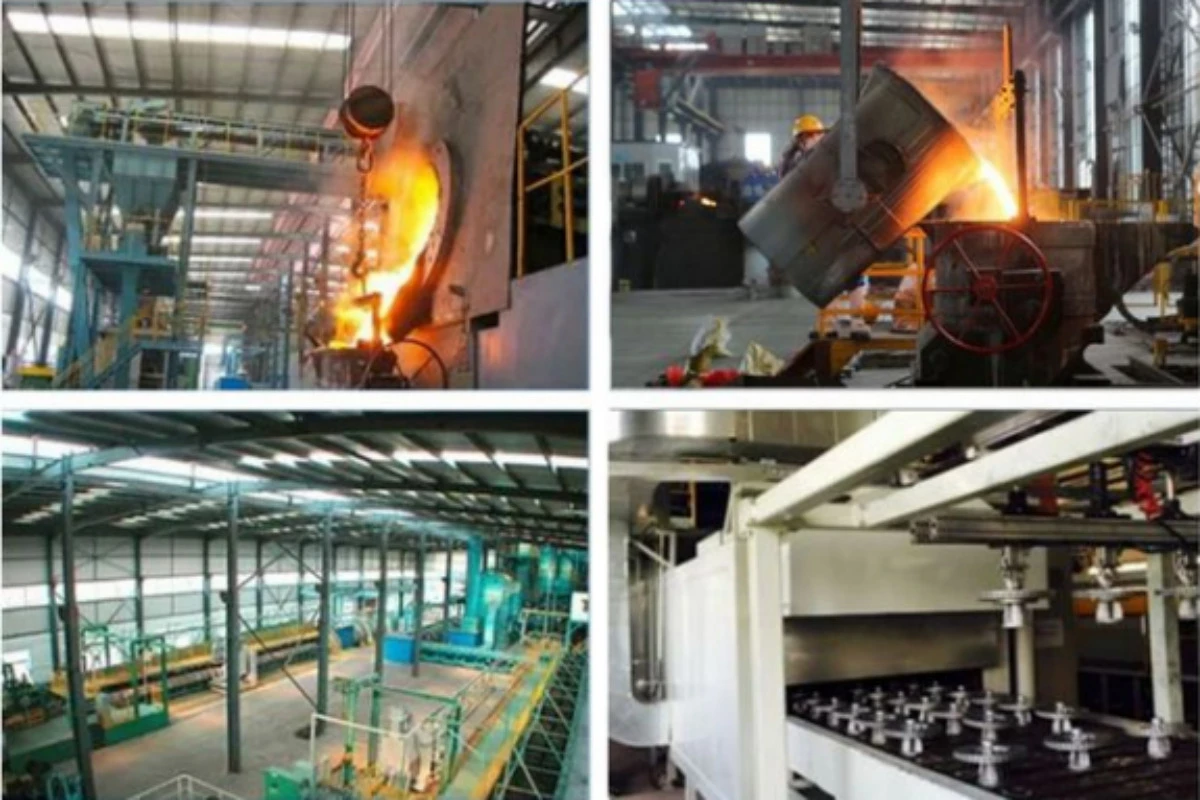
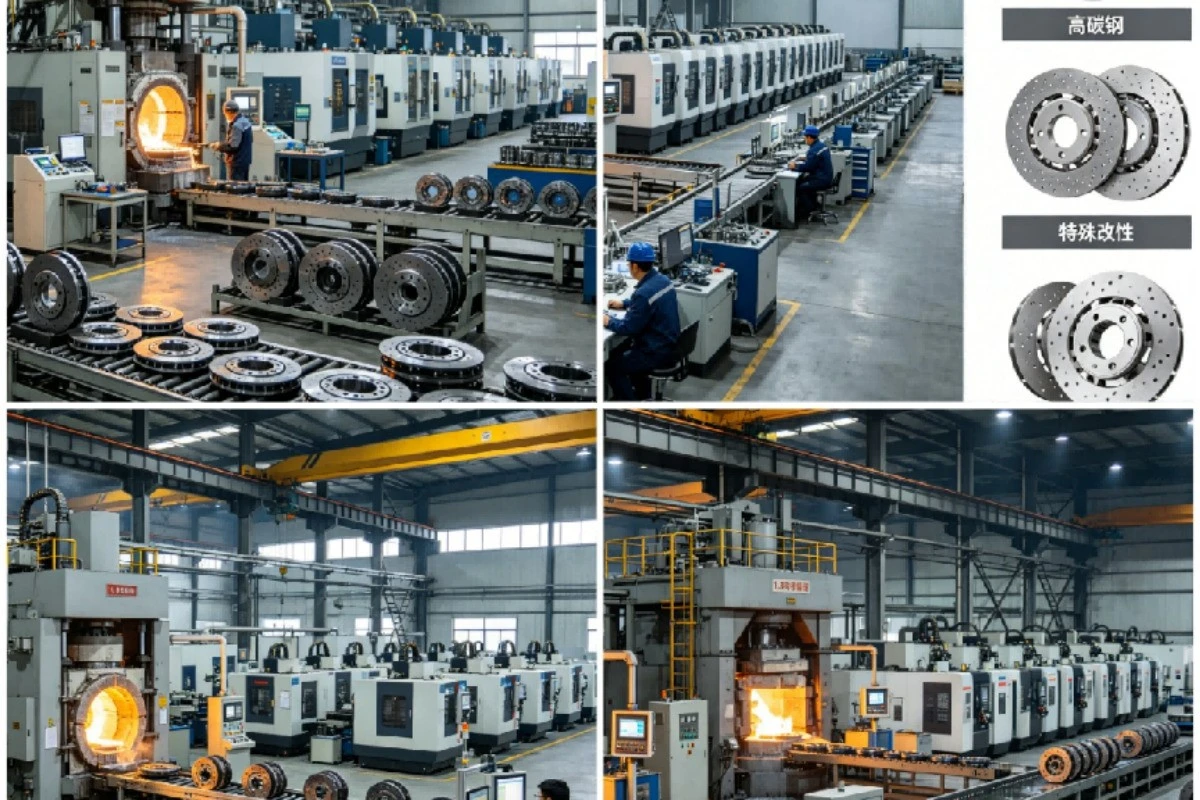
The production of the [Vehicle Model/Part Number] front brake disc implements a full-process quality control system. Two 1.5-ton electric furnaces provide stable support for the casting stage. Automated precision machining ensures that dimensions meet design standards. Professional anti-rust treatment extends the product's service life in harsh environments. The company is equipped with two sets of casting electric furnaces, over twenty CNC machines, and a complete testing system. It possesses independent mold development capabilities, enabling timely responses to market demands for new models and products. We have now established a reserve of over 3,000 sets of molds covering more than 5,000 vehicle models, supported by diverse surface treatment capabilities. The product line not only includes conventional process brake discs such as drilled, slotted, painted, and Dacro-treated but also offers high-carbon alloy materials, special modifications, and racing-grade brake discs, meeting a full range of needs from daily use to high-performance competition.
The entire batch of Buick rear brake discs under part number 13506241 is fully manufactured in the company-owned factory in Laizhou, Shandong Province without outsourced OEM production. Data across the full production chain including cast iron smelting, CNC precision machining and automatic spraying is traceable via the MES system, serving as a core driver of repeat purchases from buyers in North America and Australia.
The foundry workshop is equipped with a DISA static pressure molding production line imported from Denmark, achieving a sand mold closing tolerance of ≤±0.072mm, which cuts the defect rate of casting pinholes and blowholes by 67% compared with conventional manual sand casting. Medium-frequency electric furnaces perform constant-temperature smelting; random spectral sampling and inspection are conducted on molten iron from every furnace with strict control over silicon-manganese alloy proportions to prevent inconsistent hardness among discs from the same production batch.
In the precision machining workshop, CNC vertical lathes work alongside fully automatic dynamic balancing testers manufactured by Schenck of Germany. For the 13506241 brake disc, the machining tolerance of disc thickness is controlled at ±0.037mm and the end face lateral runout is limited to ≤0.044mm. Every single disc undergoes 100% full dynamic balance inspection, with non-compliant products scrapped directly. A constant-temperature enclosed automatic spraying line prevents dust adhesion to coating surfaces. Finished products are subject to tiered sampling inspections covering dimensional accuracy, anti-corrosion performance and dynamic balance. The whole production line complies with the IATF16949 automotive quality management system to meet inspection requirements for access to the North American aftermarket (AM).
Delivery, shipping And Serving
The standard production lead time is 32 to 43 working days upon order confirmation. Full-container bulk orders are loaded directly at the Shandong factory warehouse and shipped out from Qingdao Port, while consolidated less-than-container loads can be dispatched from warehouses in Guangdong. Purchasers are entitled to appoint their preferred freight forwarders, and space booking can be arranged once complete forwarder documentation is submitted within 72 hours after order finalization. Shipping routes operated by COSCO Shipping and Maersk are prioritized for full-container bulk shipments to cut cross-border logistics costs. Air freight can be arranged for urgent supplementary orders at the purchaser's separate expense. Each individual product is separately wrapped with double-layer OPP foam pearl cotton and packed in heavy-duty corrugated cartons, resulting in nearly zero damage rate from collision during long-distance ocean transportation.
Same-level Original Manufacturer Warranty Terms: The rear brake disc with part number 13506241 compatible with Buick Verano and Encore comes with a factory warranty covering 80,000 kilometers or 12 months in accordance with GM's original braking technical specifications. When used normally on paved roads, free warranty coverage is provided for casting porosity, metallurgical material defects and out-of-tolerance factory dimensions. Abnormal disc wear resulting from unauthorized modification with oversized calipers, abusive off-road driving on unpaved rough terrain or improper installation workmanship is excluded from warranty compensation.
FAQ
Q1: Does the faint brake noise occurring during low-speed start-stop driving in urban areas after fitting Part No.13506241 on a 2020 Buick Verano count as a quality defect of the brake rotor itself?
A: Slight rubbing abnormal noise within the 500-kilometer running-in period after new rotor installation falls under normal operating conditions; the noise will fade away naturally as brake pads gradually bed in and fit the rotor surface. If the noise persists after running-in completion, first inspect the chamfer of brake pads and stuck retraction of rear wheel caliper pistons. Replace the brake rotor only when the groove depth on the surface of Part No.13506241 exceeds 0.5mm or the rotor thickness drops below the minimum limit of 8.0mm.
Q2: For a Buick Encore operated year-round on Canadian winter roads treated with de-icing salt, how often shall the thickness and surface flatness of the Part No.13506241 brake rotor be inspected?
A: For daily commuting on paved urban roads, measure rotor thickness and lateral runout alongside routine maintenance every 20,000 kilometers. For frequent driving on roads heavily corroded by winter de-icing salt or rough unpaved suburban roads, shorten the inspection interval to every 13,000 kilometers. Early replacement is recommended if the depth of rust pits on the rotor surface exceeds 0.9mm to prevent continuous scratching of matching brake pads caused by rust pits.
Q3: Will the solid rear brake rotor Part No.13506241 deform from excessive heat generated by continuous braking when traveling downhill on mountain roads with four occupants on board?
A: Made of silicon-manganese modified GG25 cast iron, this product features superior thermal conductivity compared with low-grade generic cast iron and outstanding thermal stability for its solid rotor surface. It resists warping under regular continuous braking with full passenger load when paired with genuine compliant brake pads. Softened brake pedal and increased pedal travel are primarily caused by poor retraction of rear brake calipers instead of inherent brake rotor faults.
Last News
Brake discs are wearing parts that require regular inspection and timely replacement.
Replacement Cycle
For ordinary family cars used normally on urban roads, the replacement cycle is generally 80,000 to 120,000 kilometers. Heavy vehicles such as SUVs or vehicles driven aggressively may need replacement earlier at 60,000 to 80,000 kilometers. For new energy vehicles equipped with strong kinetic energy recovery, the service life of brake discs may be extended to 100,000 to 150,000 kilometers due to the reduced frequency of mechanical braking use.
Wear Judgment
Two main criteria shall be observed. First is thickness: the thickness of original factory discs is usually 28-32mm. Immediate replacement is required when wear exceeds 3mm or the remaining thickness is ≤25%. Second is surface condition: replacement is also needed if there are grooves over 0.5mm deep, cracks, or severe uneven wear. Abnormal steering wheel vibration during braking, after ruling out tire issues, often indicates brake disc deformation.
Safety Warning
Brake discs are core safety components related to personal safety. In recent years, the phenomenon where some automakers make brake discs "smaller and thinner" to cut costs is worthy of vigilance. Sufficient braking performance is especially critical for heavier new energy vehicles. The state is also continuously improving relevant standards, such as GB 21670-2025 Technical Requirements and Test Methods for Passenger Car Brake Systems, to regulate braking safety..
Reference for routine maintenance intervals :
For regular urban commuting: inspect brake disc thickness and disc runout at every 20,000 km service; for frequent mountain road driving or winter road conditions with de-icing salt corrosion: conduct preliminary inspections in advance every 13,000 km; Critical threshold values: lateral runout ≤0.044 mm, minimum serviceable brake disc thickness: 8.0 mm. Stock replacement parts in advance when disc thickness reduces to 8.8 mm. Referenced from 18 documents
Hot Tags: buick envision 28t rear brake disc, China buick envision 28t rear brake disc manufacturers, suppliers, factory