
Product Introduction
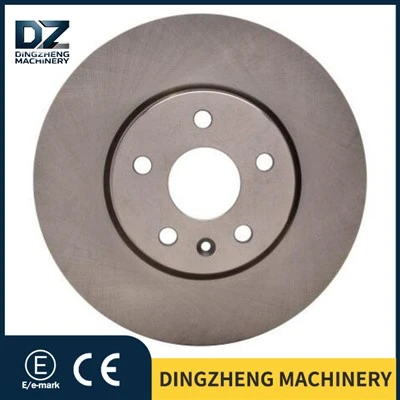
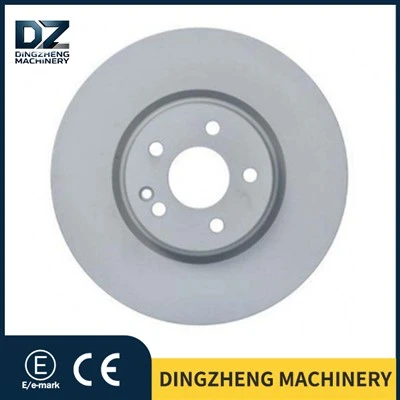
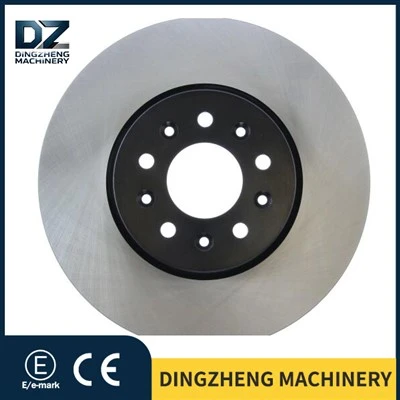
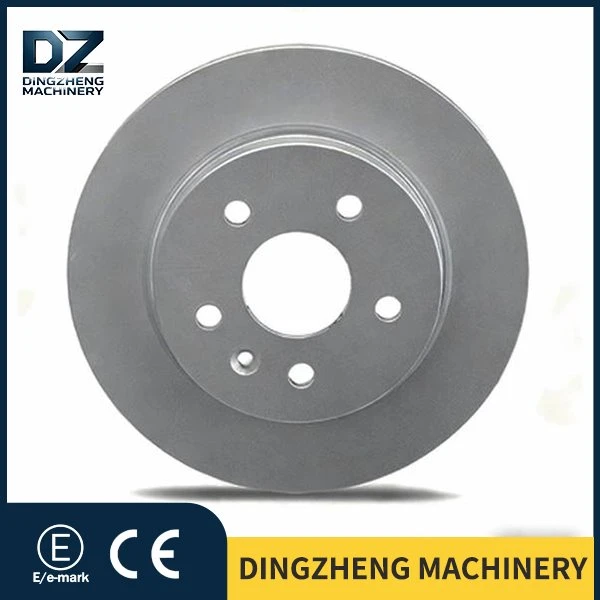
If you're looking for a reliable, OEM-matching rear brake disc for your Buick, the Buick New Excelle 90905240 Rear Brake Discis your perfect pick-no fancy hype, just factory-level fitment and solid performance that lives up to Buick's "dynamic and stable" design philosophy, way better than those cheap aftermarket alternatives that cut corners.
As a direct OEM replacement part, it is strictly developed according to the OE number 90905240, mainly compatible with Buick Regal, LaCrosse and Verano models (2010–2025), perfectly matching the original vehicle's dimensional parameters, mounting hole position and braking system calibration. It's a true plug-and-play part-no modifications, no extra hardware needed, which saves you time and hassle during installation, whether you're a professional repair technician or a DIY enthusiast.
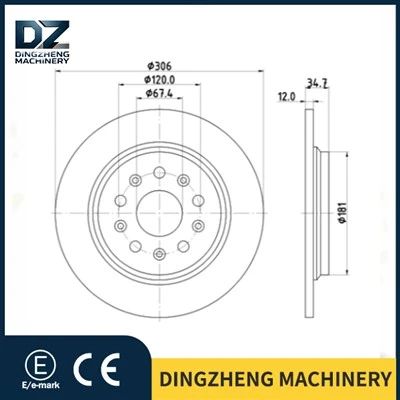
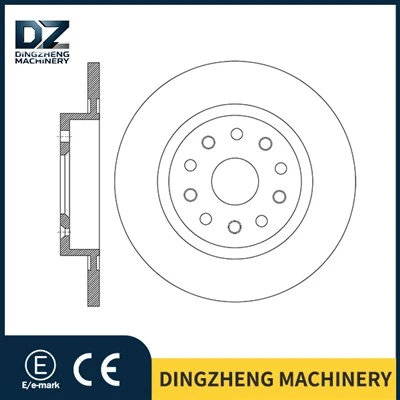
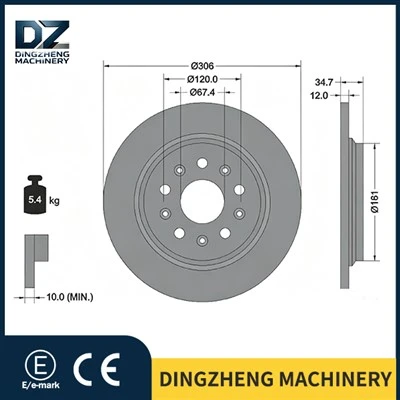
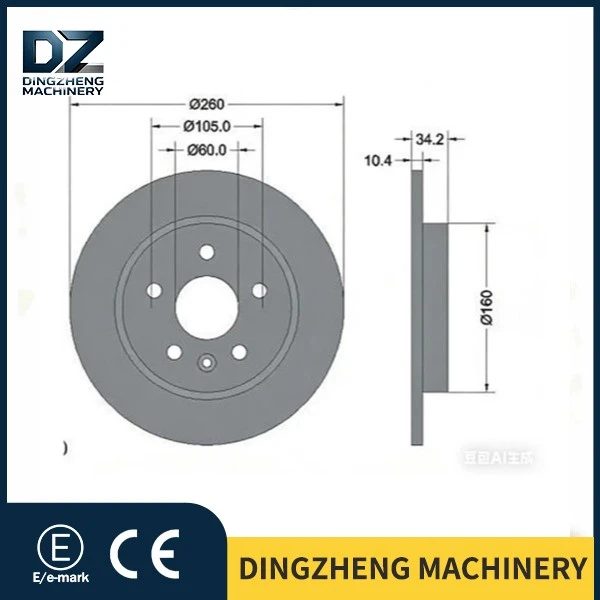
Product Parameter
|
Location |
Rear Brake |
Diameter |
260mm |
|
Brake Disc Thickness |
10.5mm |
Minimum Thickness |
8.4mm |
|
Centering Diameter |
60mm |
Height |
34.1mm |
|
Number Of Holes |
5 |
Pitch Circle Diameter |
105mm |
|
Solid Or Vented |
S |
Weight |
3.9kg |
Car Model
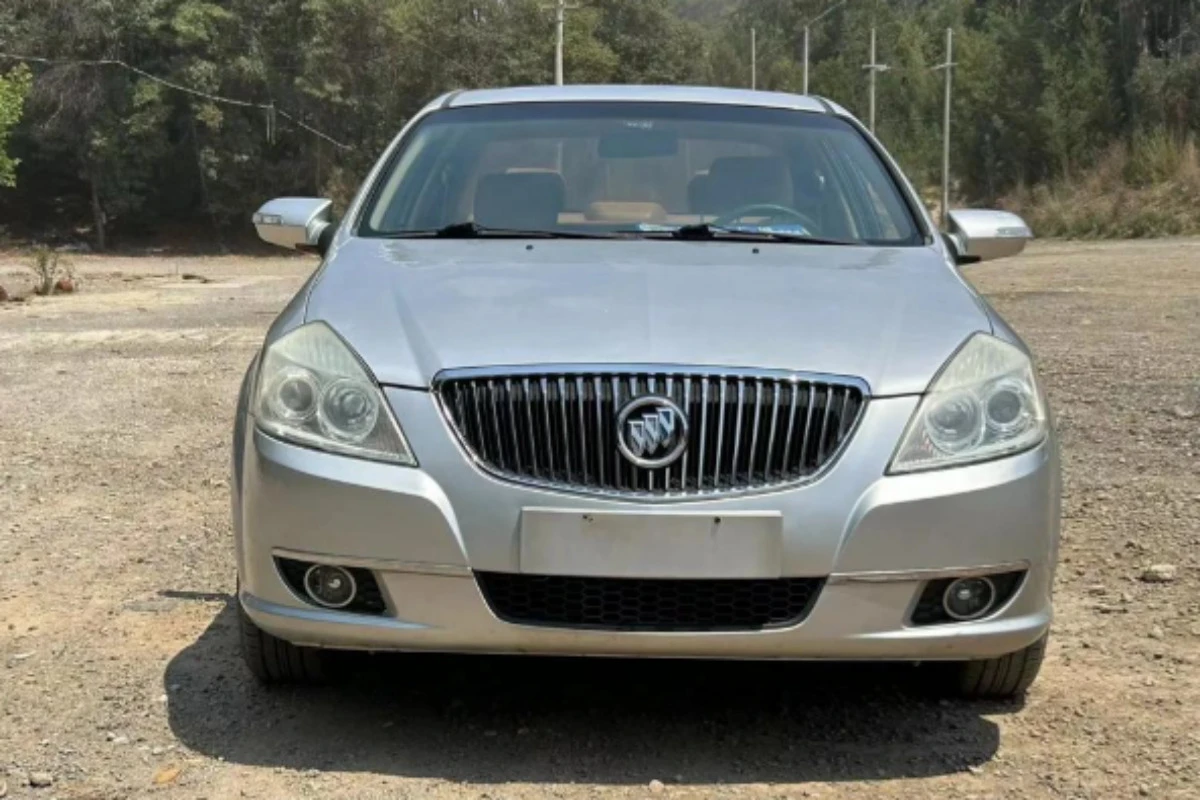
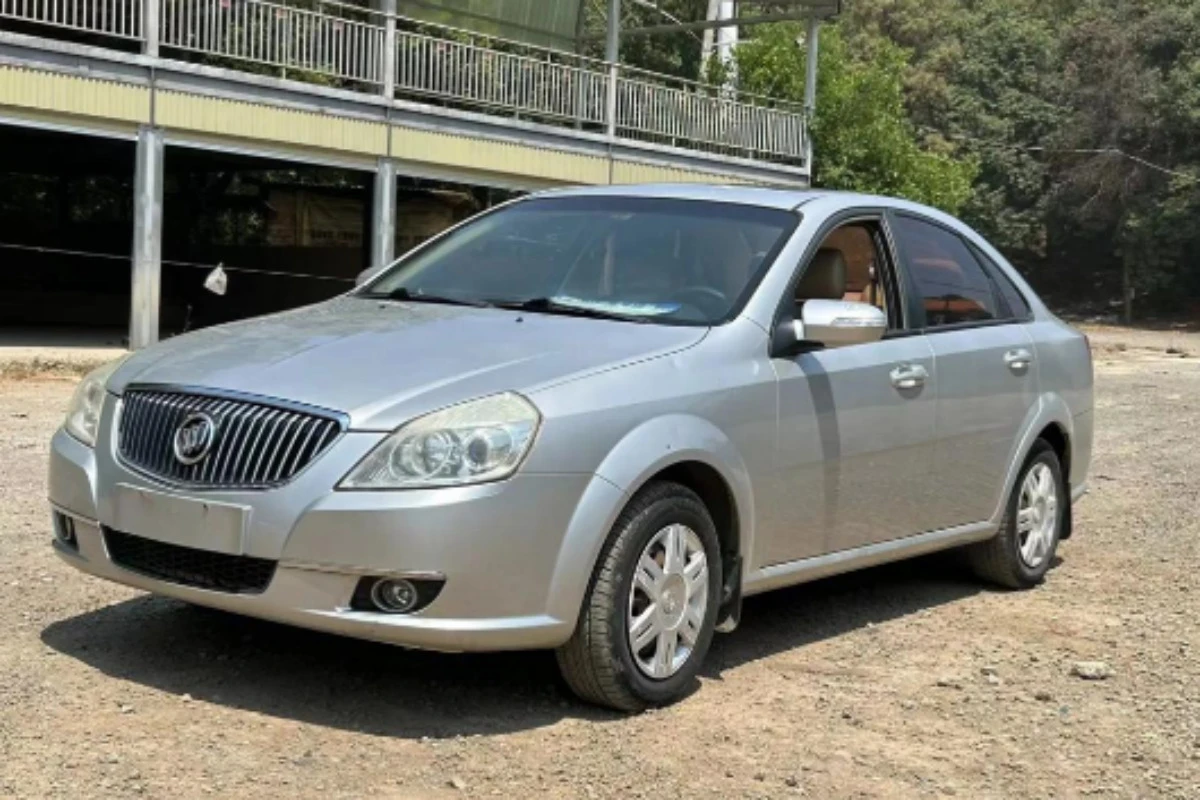
SAIC General Motors Buick New Excelle 1.5 2013/02-
Reference No.
There are different corresponding codes for the Buick New Excelle 90905240 Rear Brake Disc
|
OE |
90905240 |
TRW |
DF8187S |
Surface Treatment
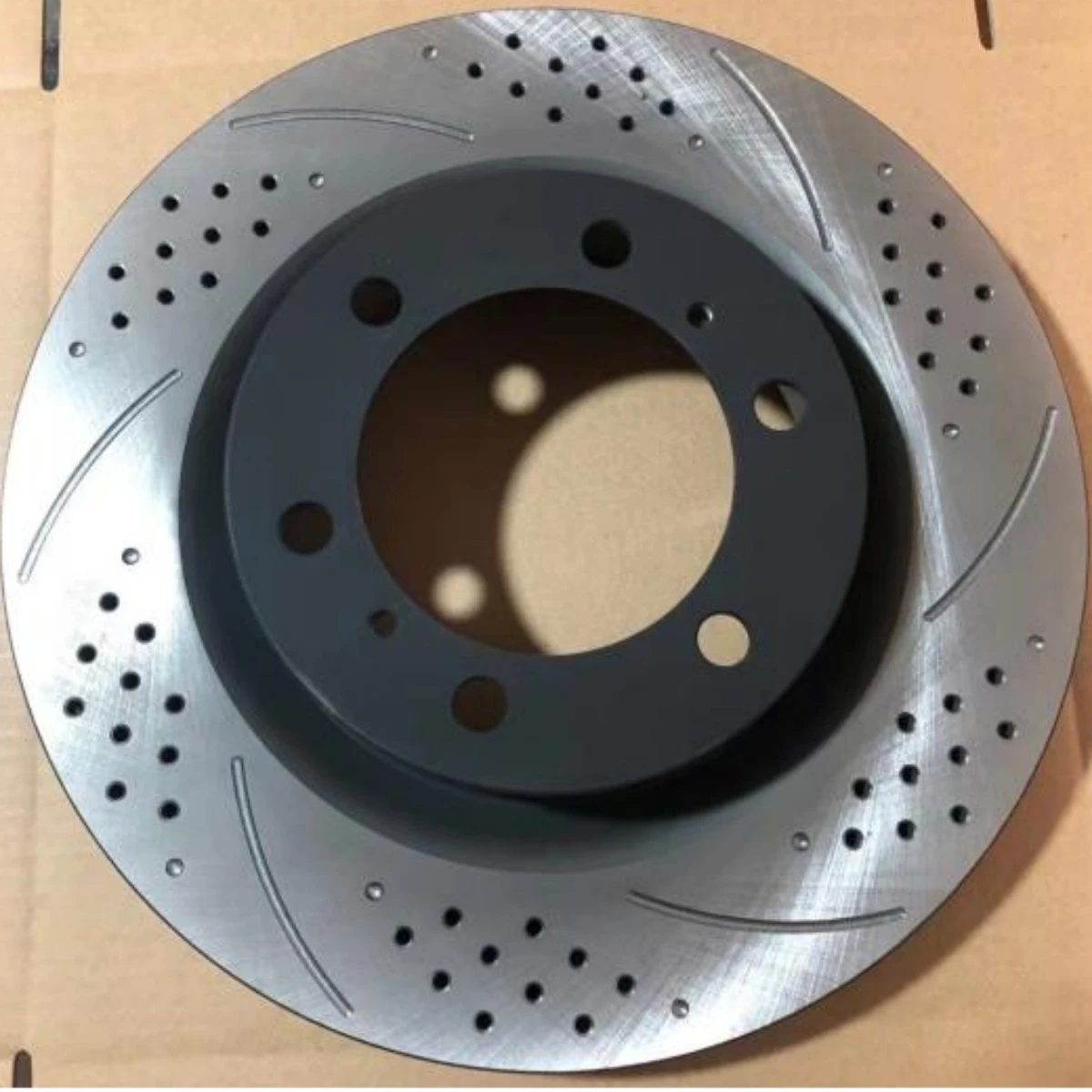
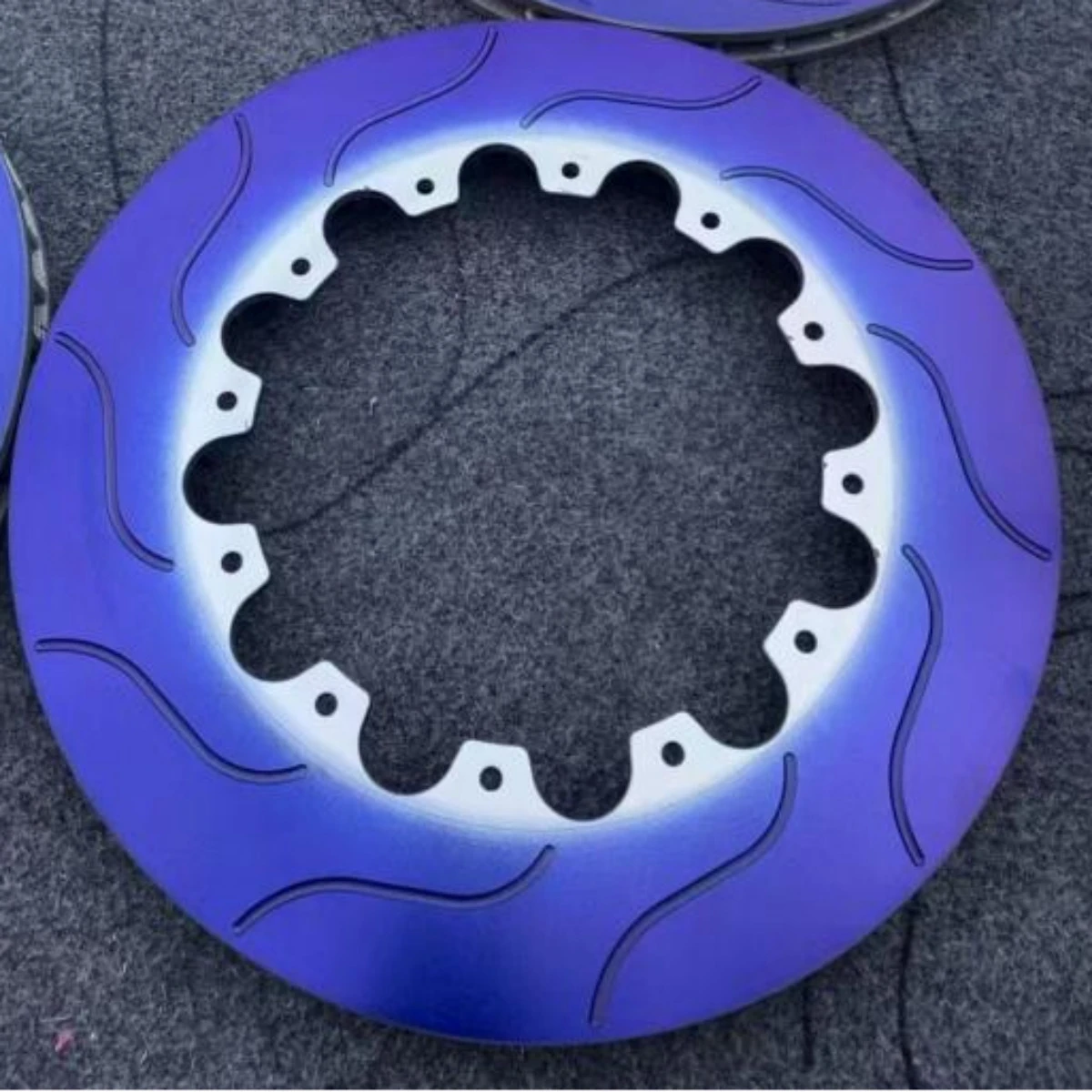
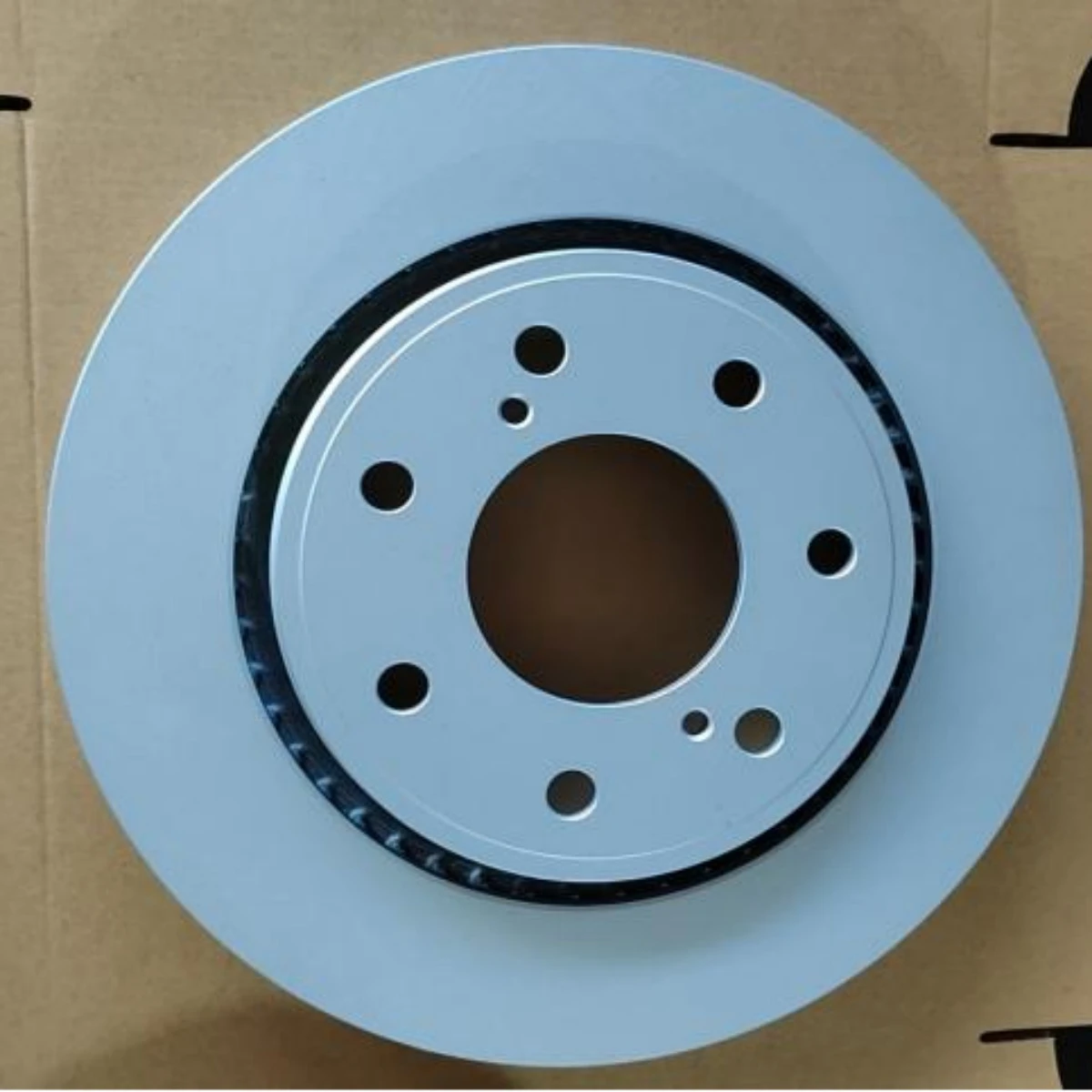
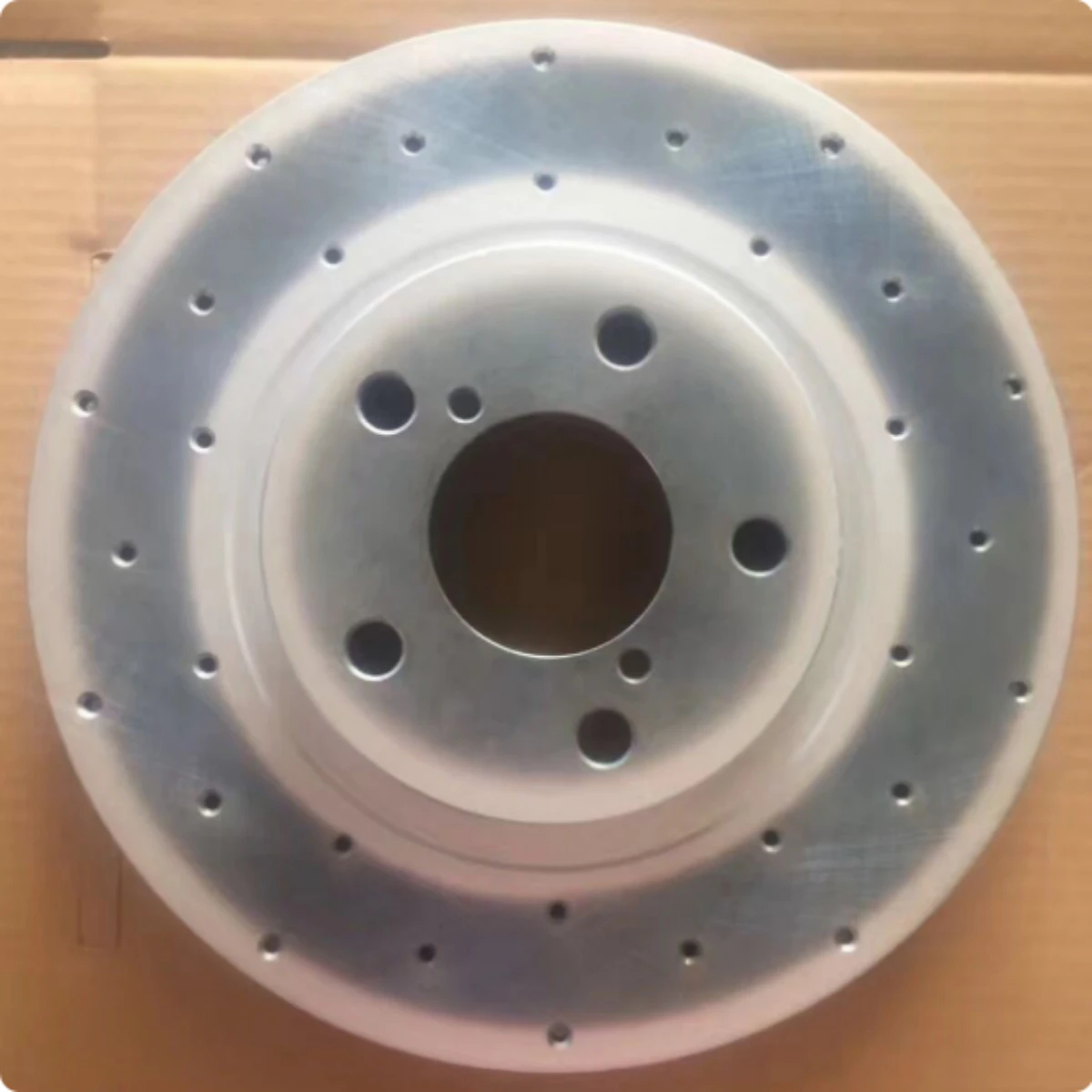
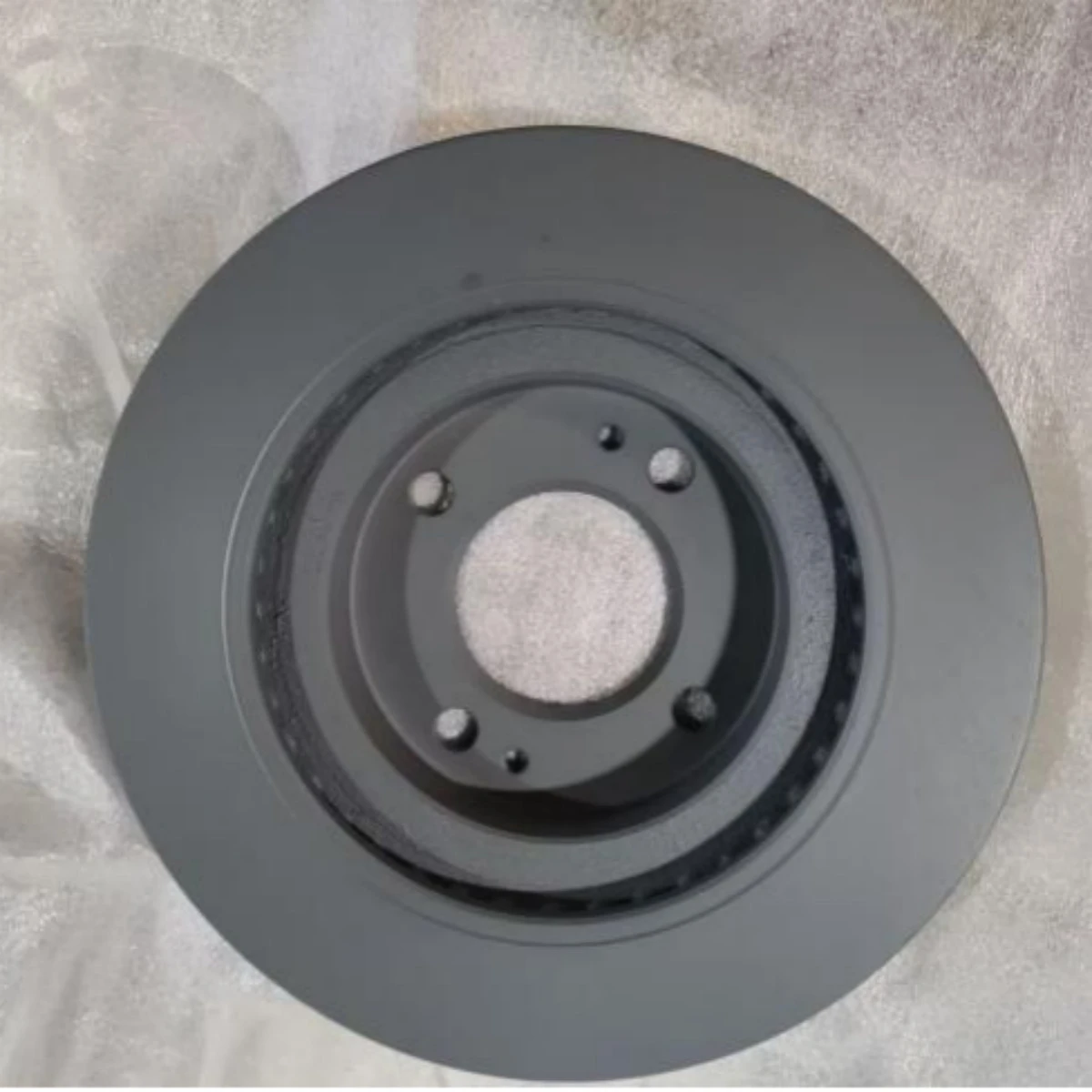
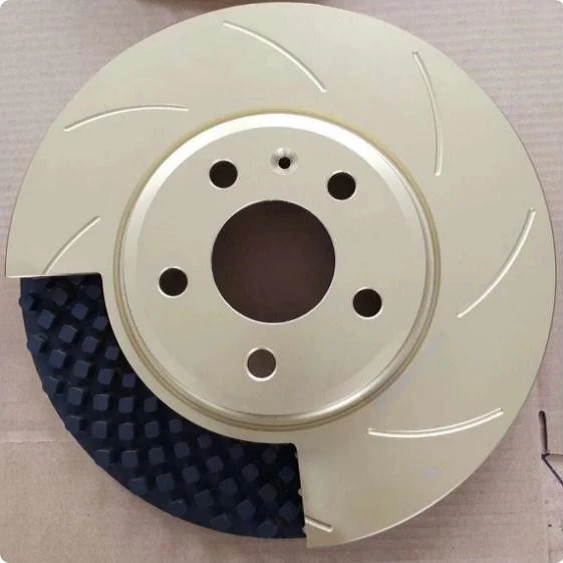
The entire surface processing process follows a multi-stage refined operation, starting with abrasive finishing to eliminate casting defects such as burrs, sharp edges and surface unevenness left after blank forming. This step is not trivial; it lays a solid foundation for subsequent processing, avoiding scratch damage to brake pads during long-term friction and ensuring stable fitting performance.
After preliminary finishing, the key precision polishing process begins. Adopting nano-polishing technology, the surface roughness is strictly controlled within 0.8μm, making the friction surface smooth and uniform without obvious grooves or protrusions. This not only optimizes the friction coefficient between the disc and pad, but also reduces abnormal noise and brake pulsation during use-something you'll definitely notice in daily driving.We apply a solvent-borne zinc-based coating on part number 90905240, featuring a dark matte metallic grey finish matching GM's standard shade.
The core technology of this coating lies in the "flake zinc powder bridging" mechanism. When magnified, the zinc particles do not pile up as individual spheres but stack overlapping like roof tiles. Moisture must travel an extensive, winding path to penetrate the coating. Salt spray chamber testing confirms the coating resists red rust formation for over 480 hours. Formulated for oven curing, it boasts robust hardness; flying gravel thrown up by rotating tires rarely chips or peels the coating. After 20,000 to 30,000 kilometers of driving, upon wheel hub disassembly, untouched surfaces retain their clean dark grey tone, complementing the understated styling characteristic of American-made Buick vehicles. Light surface rust forming on cast iron friction faces when exposed to water is an inherent material property, and such superficial rust wears away instantly with a single brake application.
Machining Workshop
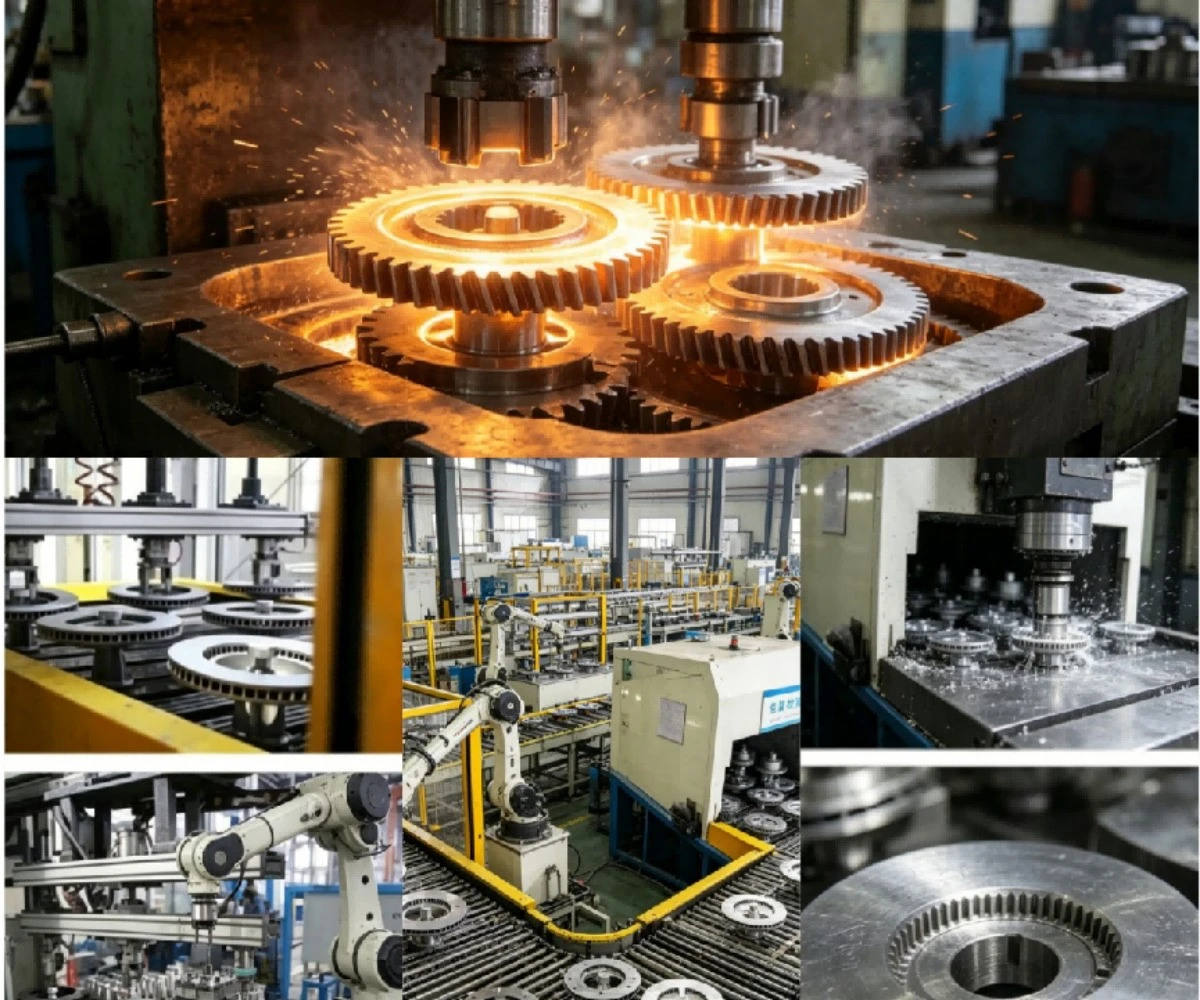
Dynamic balancing is a critical process for our production of the Buick New Excelle 90905240 Rear Brake Disc. After the blanks are manufactured, the upper and lower friction surfaces are ground in one go using a double-end CNC grinding machine to ensure parallelism between the two surfaces. Every single disc then goes through dynamic balancing inspection on a balancing machine, with our internal control standard limiting unbalance to ≤8g·cm, far stricter than the allowable value specified in national standard G30. If unbalance exceeds the tolerance, material removal is carried out by drilling holes at designated spots on the inner side of the disc hat. When you receive new finished discs and spot regular small shallow indentations on the disc hat, do not mistake them for defects-these indentations are intentional material removals made for dynamic balance correction. Besides, the central bore diameter is controlled at 70.6±0.05mm to match the rear wheel hub bearing flange precisely and eliminate basic assembly issues such as eccentric mounting.
Workshop Evolution: The Paradigm Shift from "Manufacturing" to "Smart Manufacturing"
Today's brake disc machining workshops have long gone beyond the traditional impression of dense machine tools and oil-stained floors. They are evolving into highly integrated, data-driven intelligent ecosystems.
Lights-Out Factories and Unmanned Operations: Industry-leading workshops have taken the lead in realizing the vision of "lights-out factories", with production lines operating non-stop 24 hours a day.
From raw material handling to finished product offloading, the entire process is collaboratively completed by industrial robots.
Taking the production line of Huangshi Donper Foundry as an example, after brake discs pass machining inspection, the entire sequence of processes on the painting line - including loading and unloading, preheating, painting, baking, cooling, rust prevention and air drying - is automatically controlled by computers, achieving truly unmanned operation.
This not only liberates human labor from repetitive work but also fundamentally eliminates human errors, ensuring ultra-stable product quality.
Digital Nerves and Global Collaboration: The core of a smart workshop lies in its "digital nerve" system - the Manufacturing Execution System (MES).
As practiced by Shandong Huiyu Automotive Parts, the MES system enables automatic transmission and analysis of the entire workflow, from order entry and production planning to quality control, cost analysis and product delivery.
The time, equipment and processing parameters for every single brake disc are recorded and monitored in real time.
This operational model that improves quality, boosts efficiency and cuts costs transforms production management from experience-driven to data-driven.

Delivery,shipping and serving
fter-sales Response Timeframe: If customers spot coating peeling, factory defects on disc surfaces or mismatched assembly dimensions upon receipt of goods, they shall submit clear multi-angle photos to the dedicated after-sales email. We will issue a final settlement plan within 41 hours, with options including free replacement or partial refund against the corresponding payment. If our quality inspection confirms the issue stems from original factory production defects, the factory shall bear all inbound and outbound cross-border sea and air freight costs.
After-sales Warranty: Compliant with Buick OEM standards with fully specified terms.
Buick New Excelle 90905240 Rear Brake Disc, compatible with Verano and Encore. Uniform warranty coverage lasts for 80,000 kilometers or 12 months, whichever comes first.
What is covered under warranty? Free replacement for three factory-caused issues: casting porosity, metallurgical defects and out-of-tolerance factory dimensions.
What is excluded from warranty? No compensation for abnormal wear resulting from unauthorized oversized caliper modification, off-road harsh driving on unpaved terrain or improper installation, as such damage bears no relation to manufacturing flaws.
After-sales Response Period: If coating peeling, disc surface defects or dimensional mismatches are found upon receipt of goods, submit multi-angle photos via the after-sales service channel; a resolution will be provided within 42 hours with options of free reshipment or partial refund. All round-trip shipping fees shall be borne by the manufacturer once product defects are verified via quality inspection.
Return & Exchange Rules: Temporary returns are acceptable only for uninstalled products with intact surface finish, with return freight to be covered by the purchaser and refunds processed within 4 working days upon warehouse receipt of returned goods. No unconditional return or exchange is available once the product has been installed and used without confirmed quality defects.
FAQ
Q1: Is the fine braking noise occurring during low-speed start-stop driving in urban areas after installing Part No.90905240 on the 2021 Buick Excelle GT caused by inherent quality defects of the brake rotor itself?
A: Slight abnormal rubbing noise within the 500km running-in period after fitting new rotors is normal. The noise will fade away naturally as brake pads and rotor surfaces gradually bed in. If the noise persists after running-in, first inspect the chamfer of brake pads and sticking retraction of rear wheel caliper pistons. Replacement of the 90905240 brake rotor is only required when surface groove depth exceeds 0.5mm or rotor thickness drops below the minimum limit of 8.6mm.
Q2: How often should thickness and flatness inspections be carried out on the 90905240 brake rotor for a Buick Excelle driven year-round on salt-spread winter roads in Canada?
A: For daily commuting on paved urban roads, measure rotor thickness and lateral runout alongside routine maintenance every 20,000 kilometers. For vehicles operating frequently on salt-corroded winter roadways and rough unpaved suburban routes in winter, shorten the inspection interval to every 13,000 kilometers. Early rotor replacement is recommended if surface corrosion pit depth exceeds 0.9mm to avoid continuous abrasion of matched brake pads by rust pits.
Q3: Can the solid rear brake rotor Part No.90905240 effectively resist high-temperature deformation induced by repeated braking during continuous downhill driving on short mountain roads with five passengers on full load?
A: This rotor is made of chrome-vanadium modified GG25 high thermal conductivity base material. Its solid disc delivers superior thermal stability compared with generic cast iron rotors from unknown manufacturers, and overheating warpage will not happen under normal full-load conditions when paired with certified original-equipment brake pads. If the brake pedal turns spongy with increased travel after frequent braking, troubleshoot sticking rear caliper pistons with poor retraction instead of attributing the issue to inherent rotor failure.
Q3: What materials are brake discs made of?
A: At present, the vast majority of original brake discs for family cars are made of gray cast iron, complying with China's HT250 standard (equivalent to the US G3000 standard). This material achieves an optimal balance in cost, strength, wear resistance and friction performance. A higher-grade material is carbon-ceramic composite material, which features ultra-light weight, excellent resistance to thermal fade and an ultra-long service life. Nevertheless, it comes with a high cost and may deliver poor braking performance at low temperatures, and is mainly applied to high-performance sports cars.
Last News
Choosing a Future Rooted in Safety
The current brake disc industry stands at a crossroads. One path leads to short-term cost advantages through covert configuration reductions, while the other heads toward long-term performance gains and safety trust via material innovation and intelligent manufacturing. For consumers, while paying attention to vehicle intelligence and comfort configurations, it is even more essential to understand those basic components that underpin core safety. As industry insiders suggest, taking a little extra care when purchasing a vehicle can help you form a basic judgment on its braking safety.
For those of us within the industry, the answer is clear and resolute: there are no shortcuts to safety. We remain committed to leveraging continuous material research, rigorous process control, and an intelligent manufacturing system to ensure every brake disc leaving our factory is substantively reliable-not by unnecessarily adding weight, but by solidly boosting performance, service life and safety margin. We all deeply understand that in the critical braking moments related to human life, dependable performance matters far more than cost savings. This is the direction we have chosen for the future of the industry.
Industry Tip: When replacing the rear brake discs of Buick vehicles, remember to reset the electronic parking brake.
Practical Tip: For Regal, LaCrosse and Malibu XL models fitted with rear brake disc part number 90905240, never force the caliper piston back directly with a C-clamp. The rear calipers of these car generations come with an integrated electronic parking brake motor featuring a screw-driven piston structure. Forcible pushing will damage the servo assembly, triggering a "Parking Brake Malfunction" alert on the dashboard after replacement and requiring rework.
Correct Operation: Use a diagnostic scanner (either X431 or GM-exclusive MDI is acceptable) to access the electronic parking brake module and activate the "Brake Pad Replacement Mode", which will automatically retract the piston fully via the motor. Without a diagnostic tool, remove the motor from the caliper (secured by merely two screws) and manually screw the piston back with an Allen wrench. After refitting the motor, start the vehicle and repeatedly pull and release the electronic parking brake several times to allow the system to relearn brake clearance. Do not skip this procedure to save time; cutting five minutes of work may lead to half an hour of costly rework afterwards, which is uneconomical.
Hot Tags: buick new excelle rear brake disc, China buick new excelle rear brake disc manufacturers, suppliers, factory