
Product Introduction
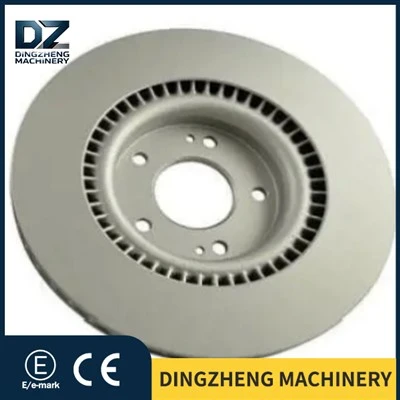
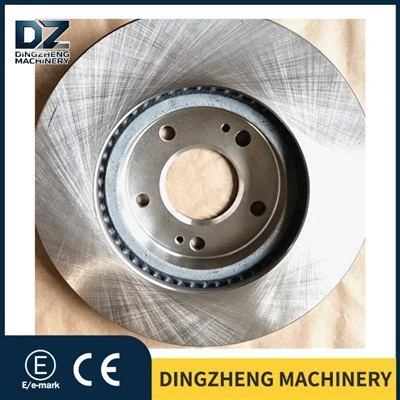
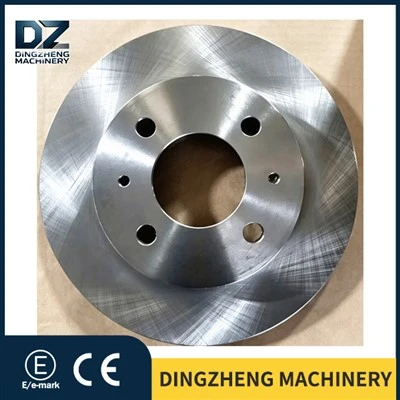
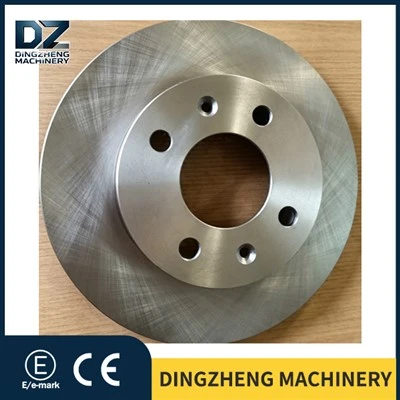
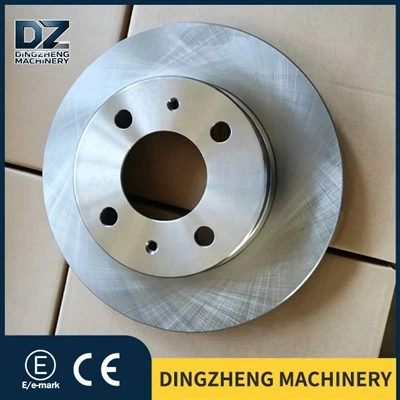
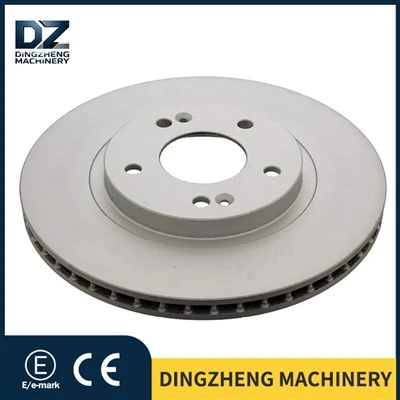
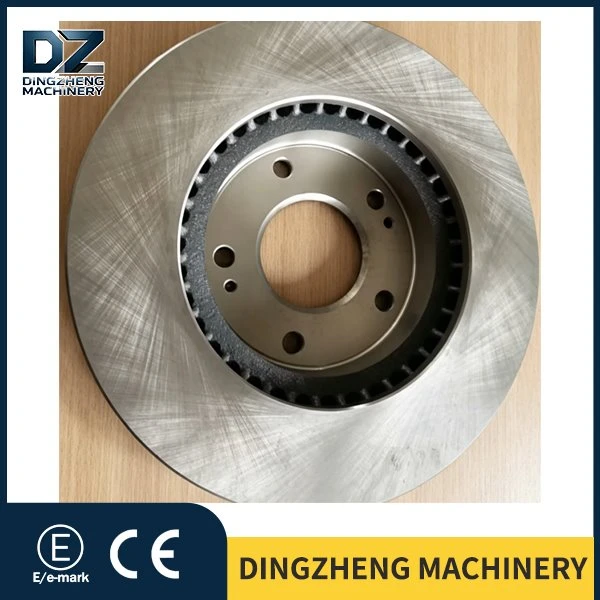
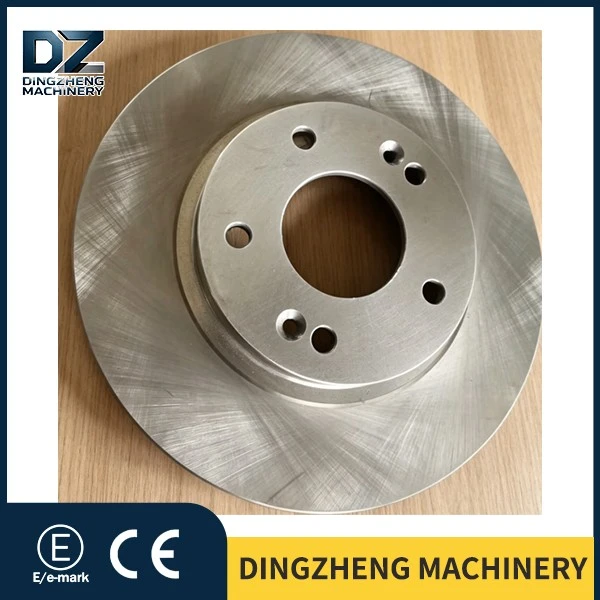
This front brake disc OE 517122H000 is direct‑fit for 4th‑gen Hyundai Elantra HD. Widely stocked by repair shops in Europe, Southeast Asia and CIS, it matches original mounting holes with no extra modification.Made of G3000 high‑carbon grey cast iron, it resists brake squeal and pedal vibration in city stop‑go and highway driving. Strict inspection guarantees lateral run‑out ≤0.05 mm, Ra ≤1.6 μm, dimensional tolerance ±0.035 mm, DTV ≤0.009 mm. Minimum discard thickness is stamped on disc edge for quick technician reference.Each rotor gets dynamic balance test to reduce high‑speed steering shake. Manufactured under IATF‑16949 and meets ECE‑R90 export standards. Normal‑road service life reaches 80 000 km. Suitable for bulk wholesale, repair‑chain supply and small retail orders, it is a reliable cost‑effective spare part for global Elantra HD owners.
Product Parameter
|
Location |
Front brake |
Diameter |
275mm |
|
Brake Disc Thickness |
26mm |
Minimum Thickness |
24mm |
|
Centering Diameter |
69mm |
Height |
47.4mm |
|
Number Of Holes |
5+2 |
Pitch Circle Diameter |
114.3mm |
|
Solid Or Vented |
F |
Weight |
6.30kg |
Car Model
The front brake disc with the model number 517122H000 for HYUNDAI is compatible with a wide variety of vehicles, as detailed below:
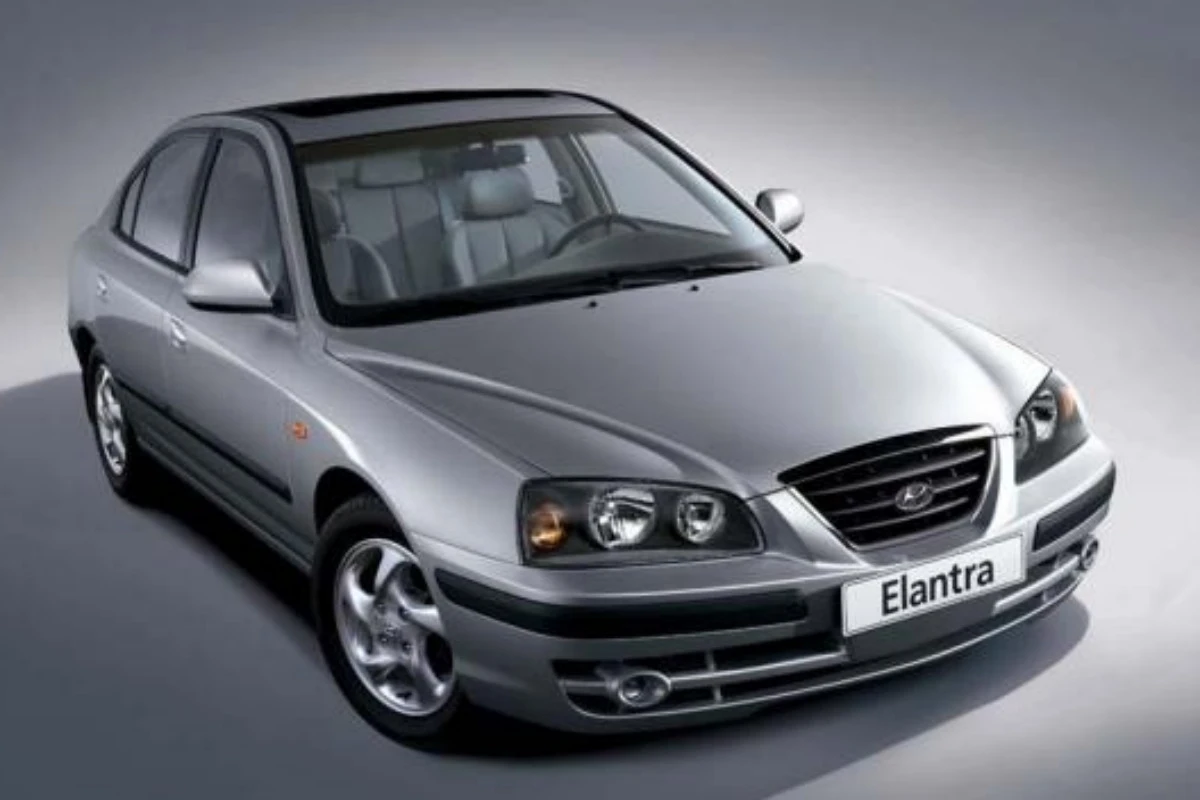
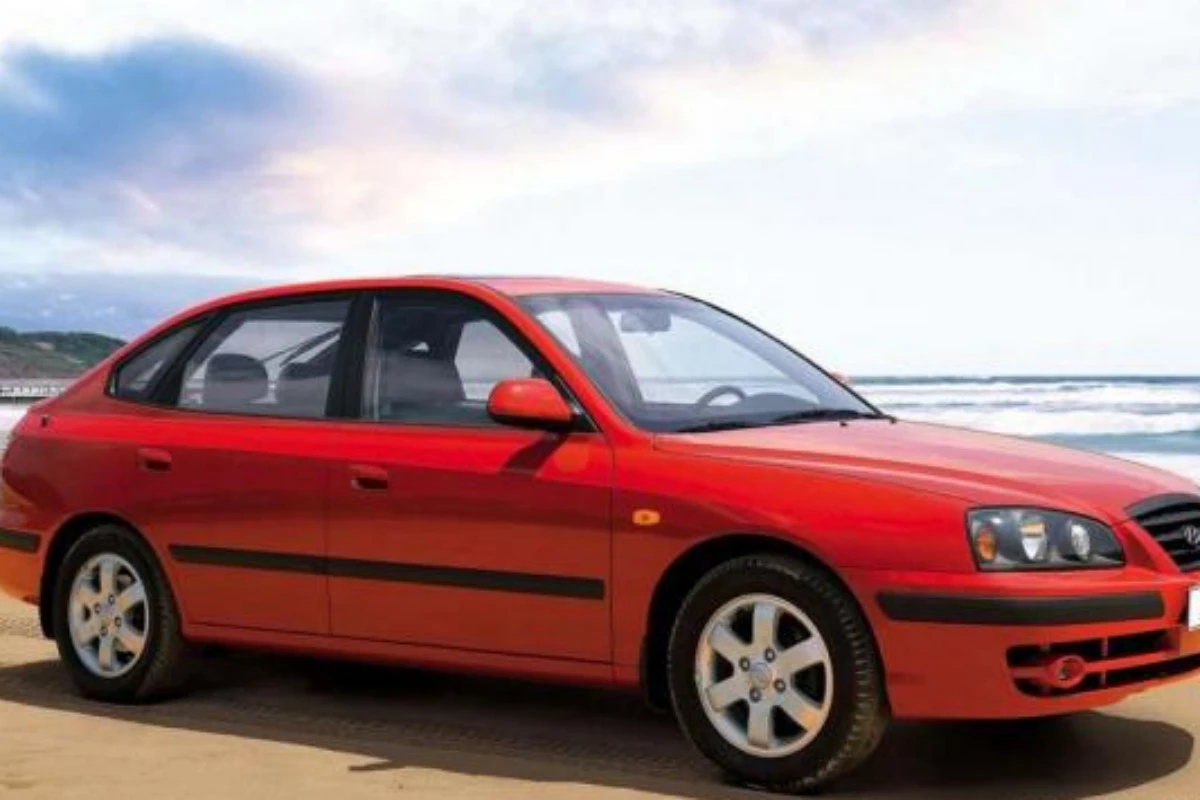
HYUNDAI Elantra 4-2.0L F/inj. (16V) DOHC (D) 2009-2010
HYUNDAI Elantra 4-2.0L F/inj. (16V) DOHC ULEV (D) 2007-2008
HYUNDAI Elantra 4-2.0L F/inj. (16V) SULEV (D) 2007
Reference No.
There are different corresponding codes for the front brake disc for HYUNDAI 517122H000
|
ACDelco |
18A2459 |
GIRLING1 |
604922 |
|
AIMCO |
31435 |
HERTH+BUSS JAKOPARTS |
J3300500 |
|
AET |
24.0126-0157.1 |
MEYLE |
37-15 521 0016/PD |
|
BENDIX |
145921 |
OE |
51712-2H000 |
|
BENDIX |
PRT5921 |
RAYBESTOS |
980504 |
|
BREMBO |
09.9997.20 |
RAYBESTOS |
980504R |
|
BLUE PRINT |
ADG043154 |
SWAG |
90 93 2688 |
|
CENTRIC |
120.51023 |
TRW |
DF4922 |
|
CENTRIC |
121.51023 |
WAGNER |
BD126533 |
|
FEBI BILSTEIN |
32688 |
Surface Treatment
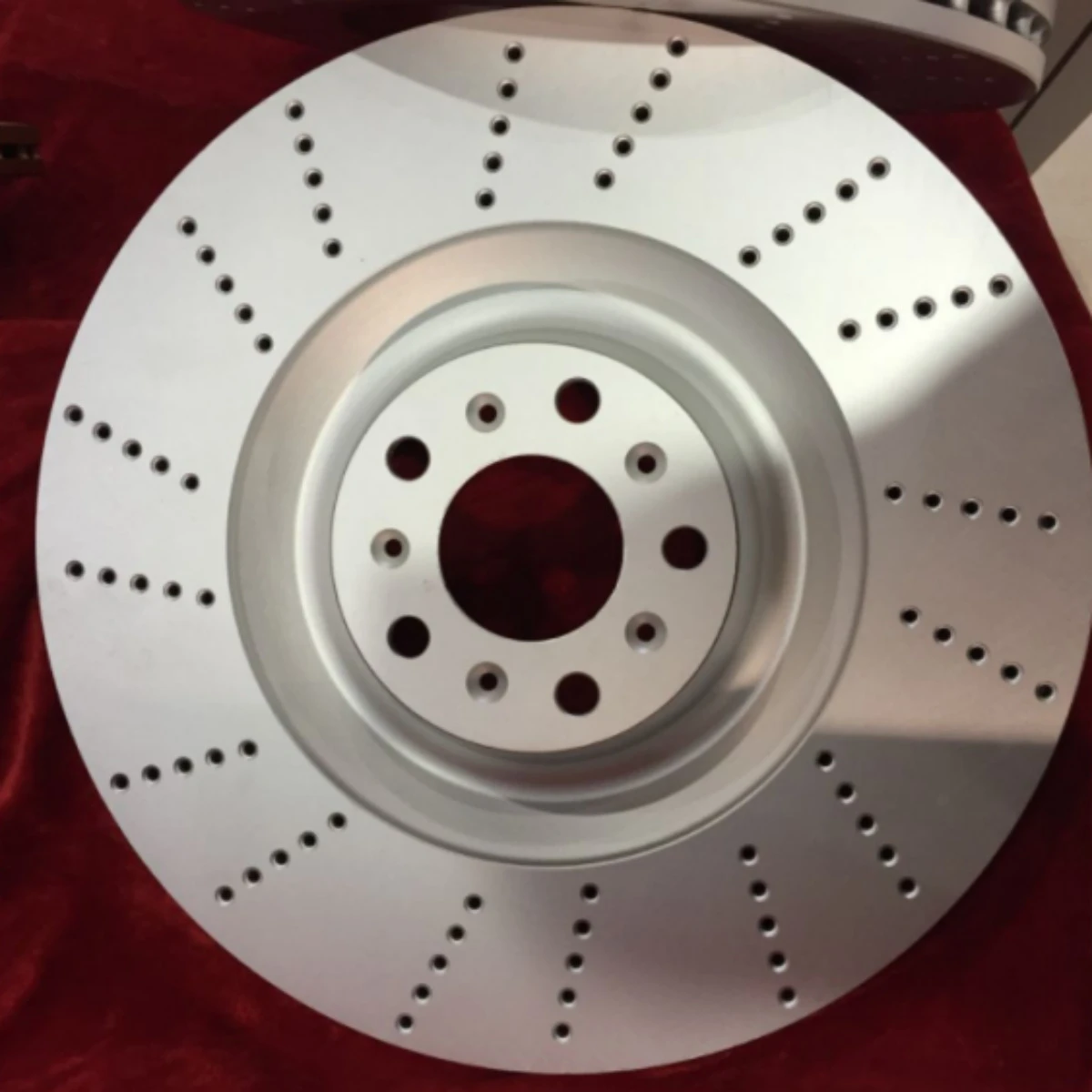
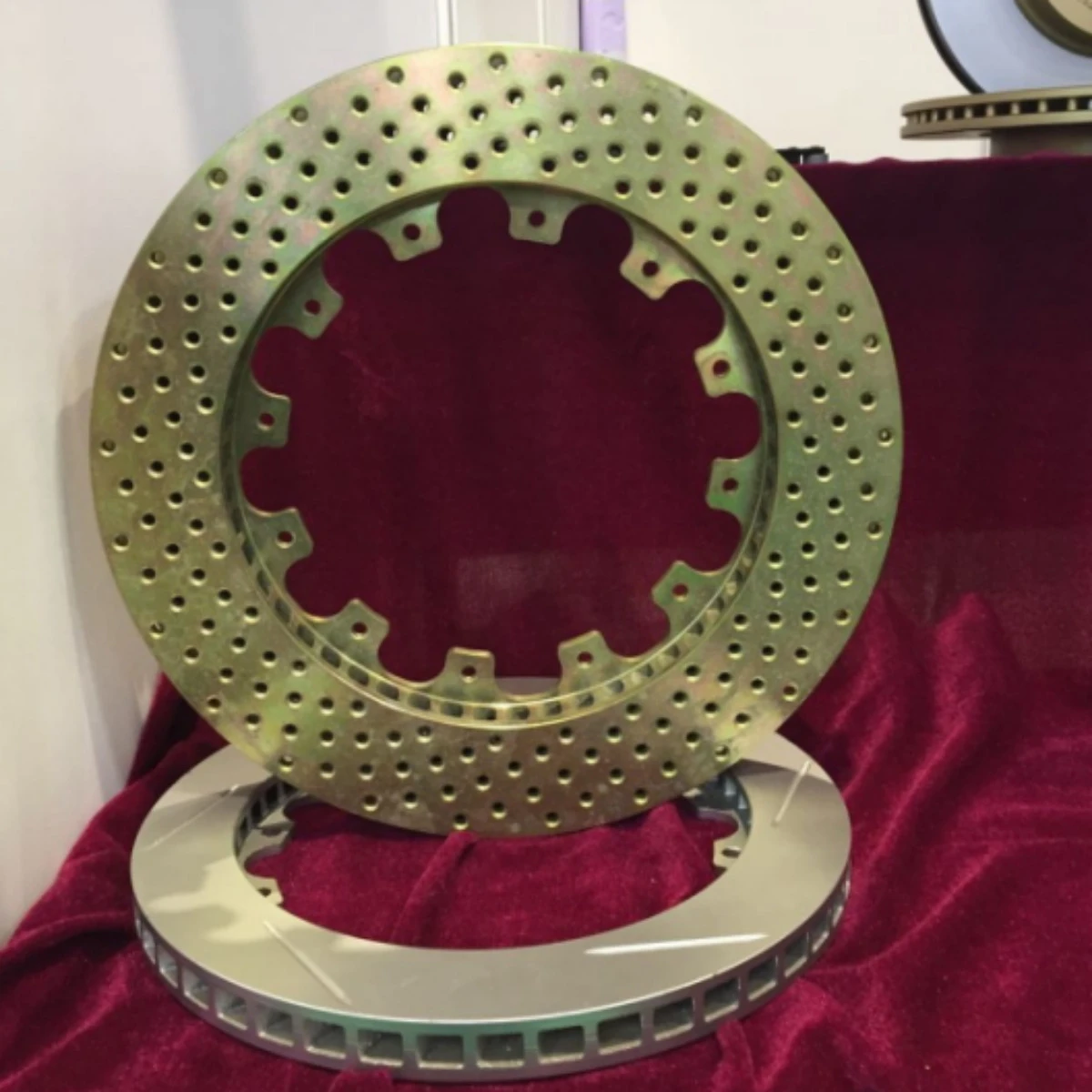
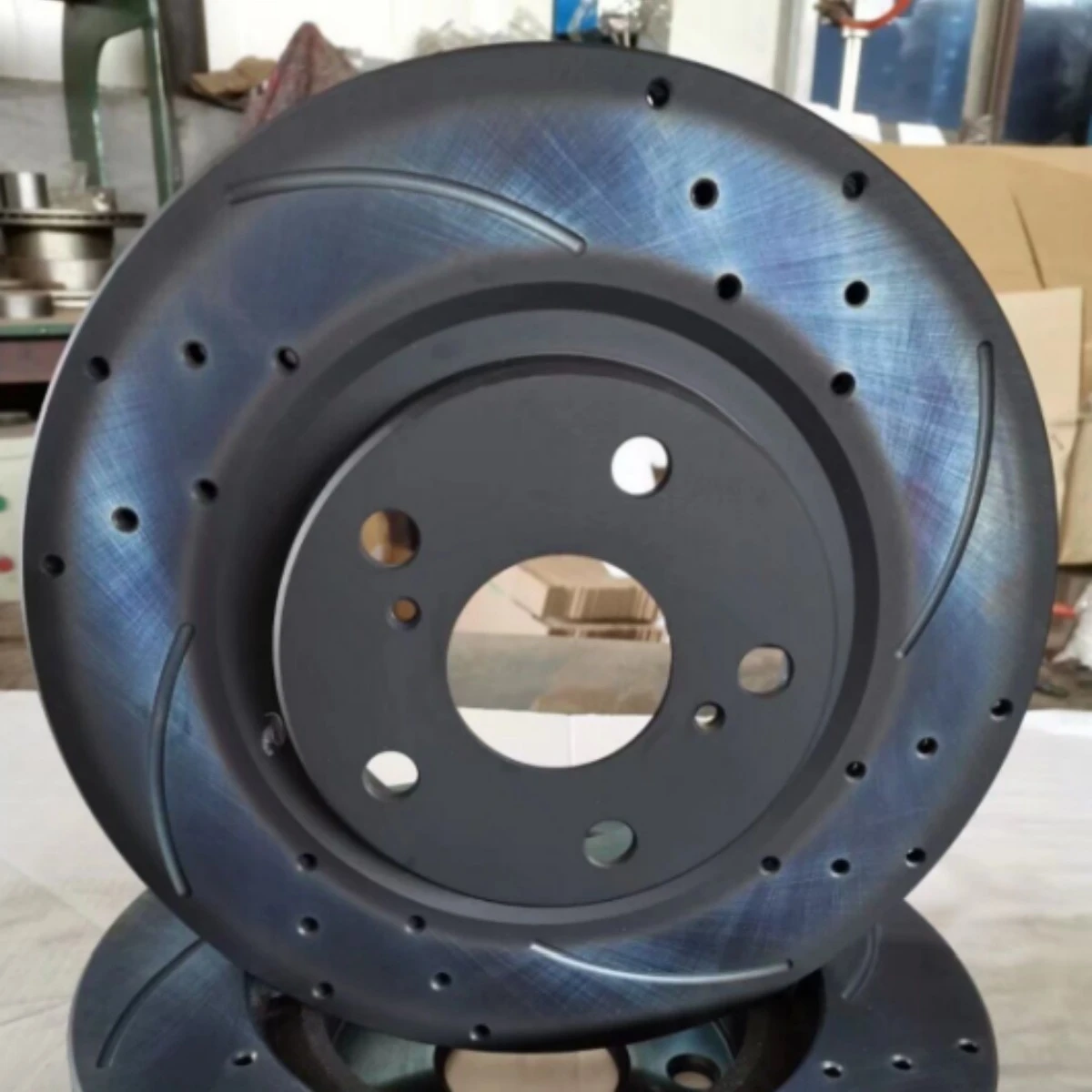
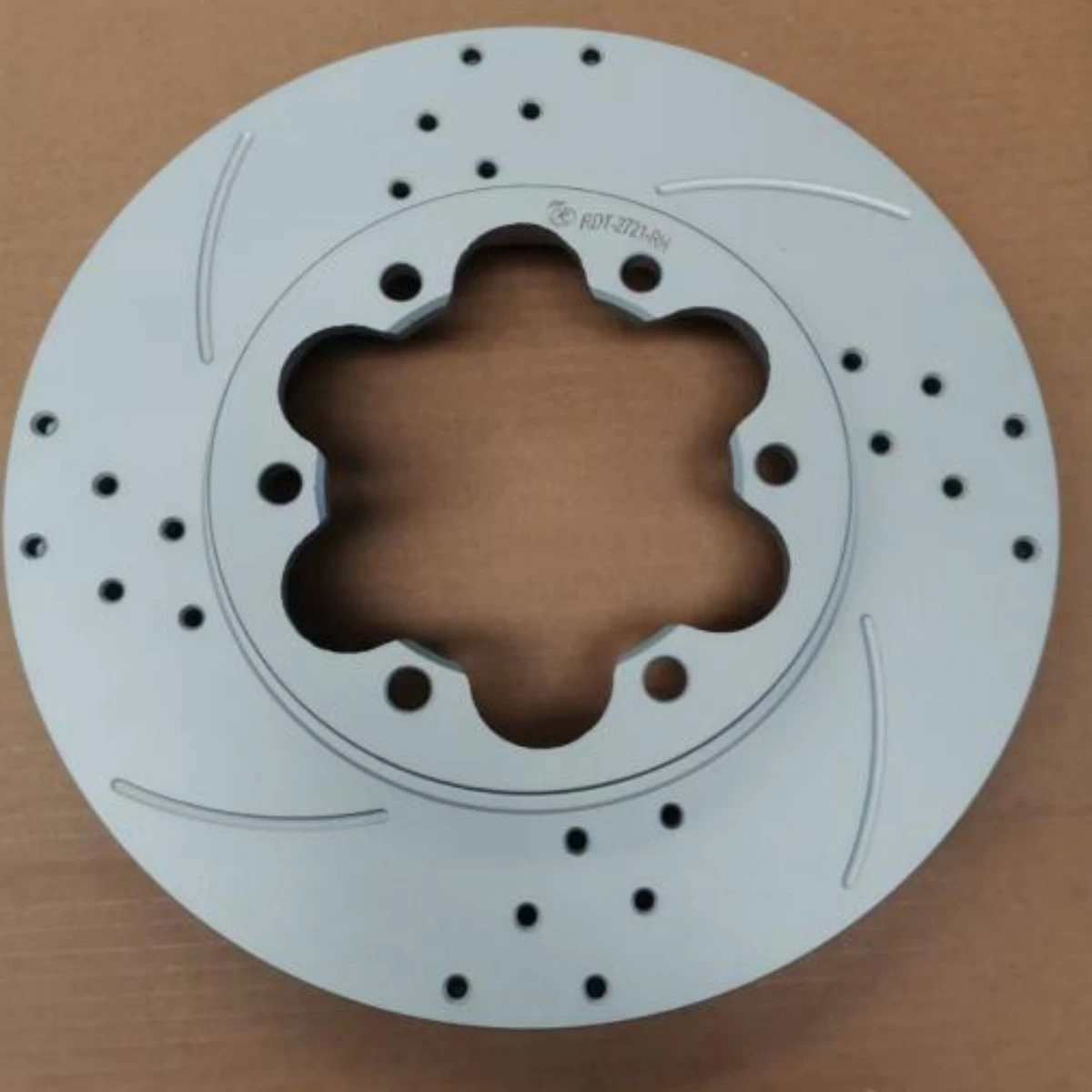
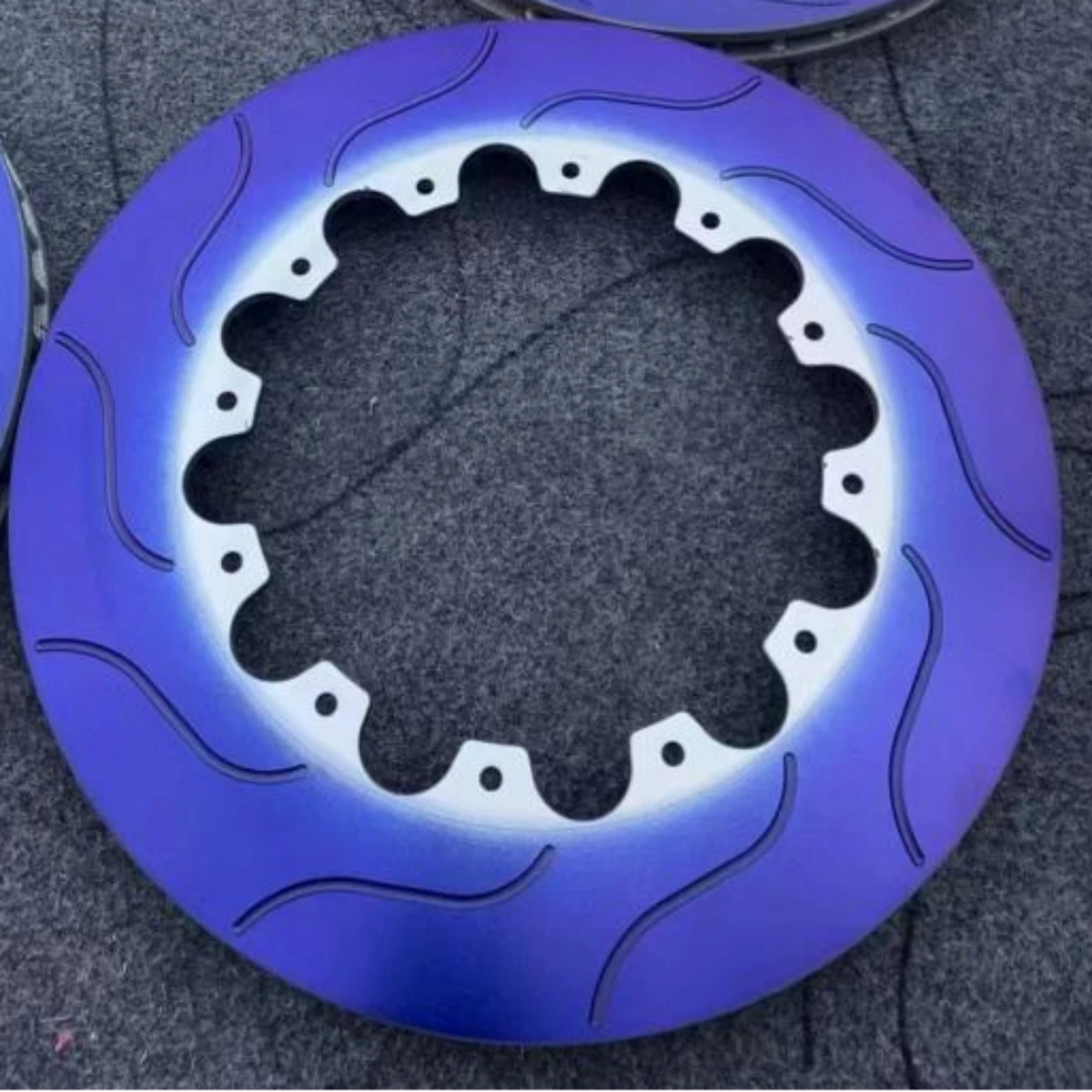
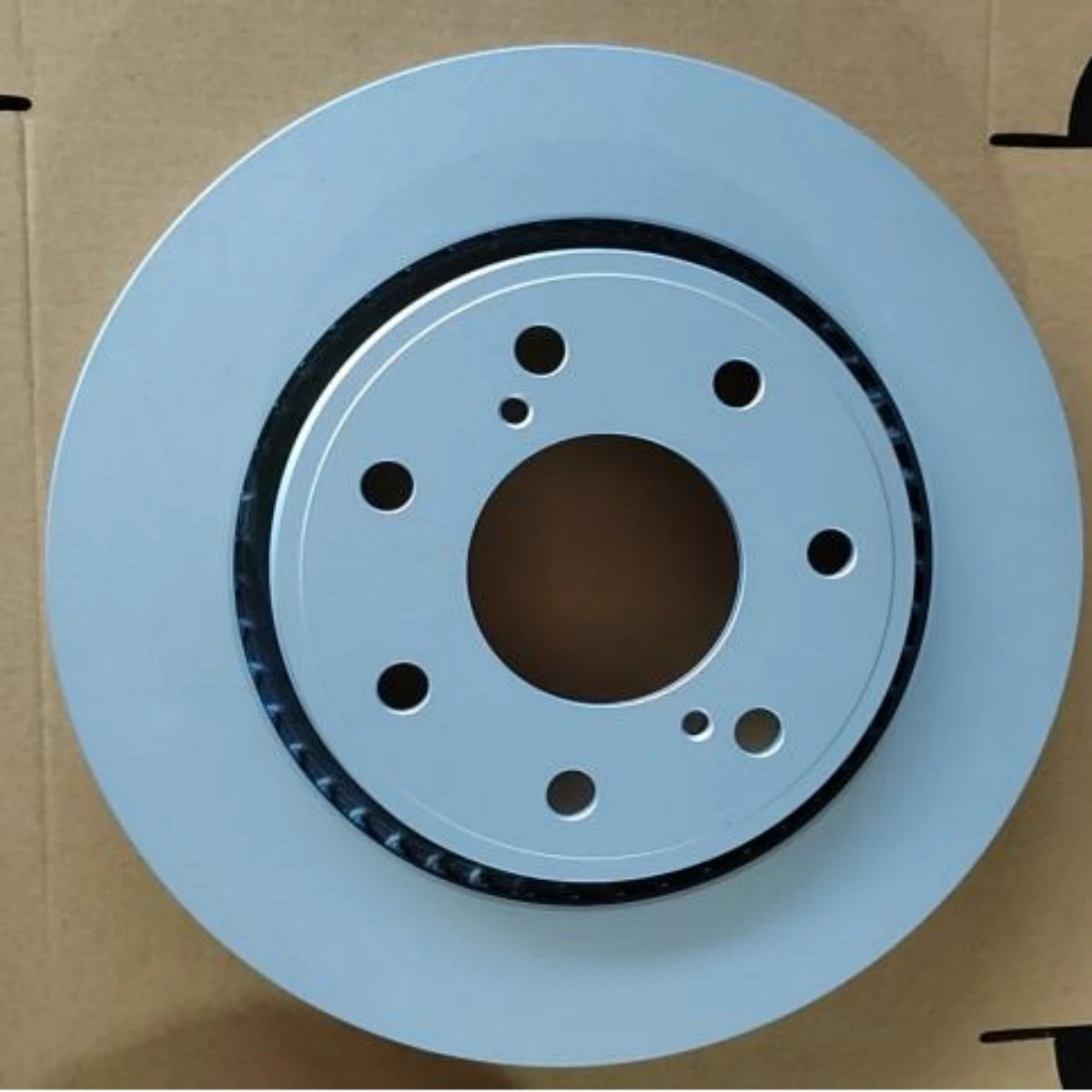
This product employs composite surface treatment technology, which combines a self-healing zinc–aluminum–magnesium ternary alloy coating with precision turning and polishing of the friction surfaces. In simple terms, this represents the mainstream eco-friendly rust prevention technology used in the industry as of 2026. It differs entirely from traditional electrophoretic coating or spray painting methods and offers the following unique advantages:
1. Process Step
- Pre-treatment: First, perform sandblasting for rust removal and ultrasonic degreasing; this ensures surface cleanliness up to Sa2.5 grade and thoroughly removes oxide scale and oil contamination.
- Coating application: Using high-pressure airless spraying technology, a zinc-aluminum-magnesium ternary alloy coating is uniformly applied to the brake disc surface, with the coating thickness maintained between 22 and 32 micrometers.
- Curing treatment: Cure at 280°C for 25 minutes to establish a strong metallurgical bond between the coating and the substrate.
- Precision turning of friction surfaces: Perform micron-level precision turning and polishing on the brake friction surfaces to remove the surface coating and ensure a stable friction coefficient.
- Sealing treatment: Apply a layer of transparent organic sealant to non-frictional surfaces to further enhance rust prevention performance and self-repair capability.
2. Core Advantage
- Self-Repairing Function: If the coating sustains minor scratches, the zinc-aluminum-magnesium alloy reacts with oxygen and moisture from the air to form a dense protective layer, automatically repairing the damaged area.
- Exceptional rust prevention performance: The salt spray test duration exceeds 720 hours – doubling the rust protection lifespan compared to traditional electrophoretic coatings. Even under harsh operating conditions, the surface remains rust-free for extended periods.
- Chrome-free eco-friendly: Free from harmful substances such as hexavalent chromium; complies with EU RoHS, REACH, and EU 7 emission standards.
- Strong adhesion: The bonding force between the coating and the substrate exceeds 6 MPa; the coating does not peel or crack even at high temperatures, ensuring a service life equal to that of the brake disc.
Machining Workshop
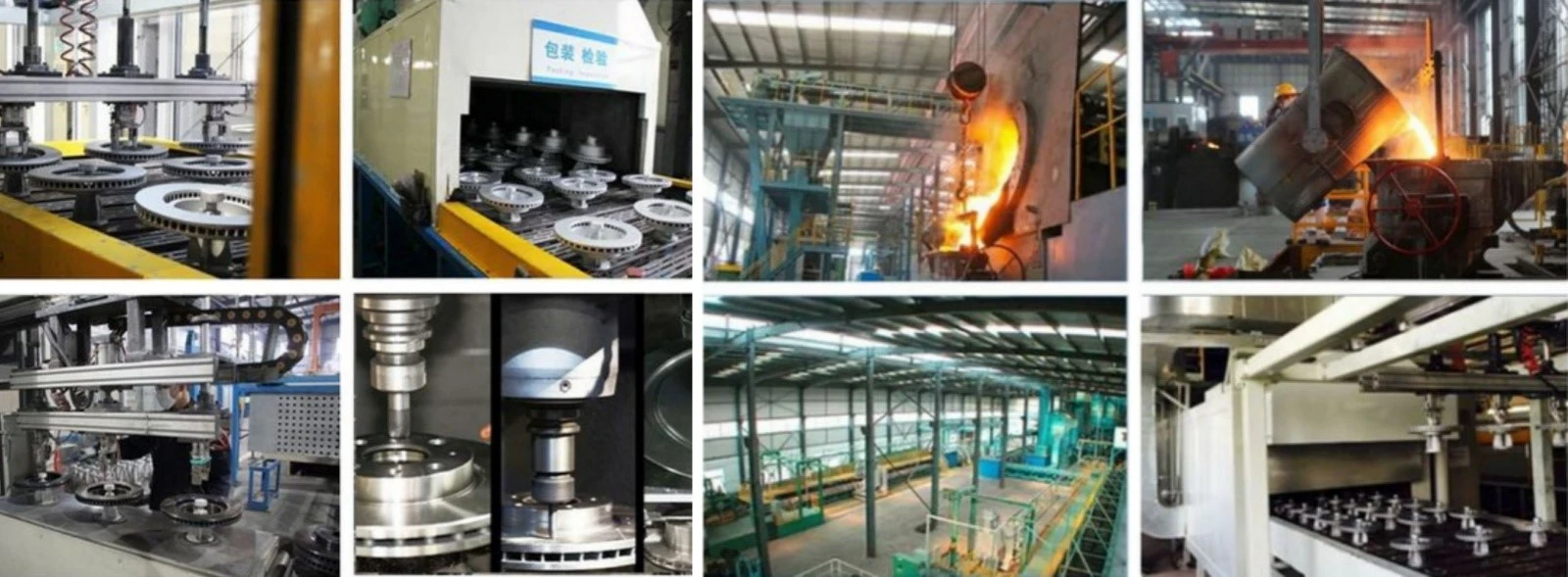
We have 19 years of professional manufacturing experience in Korean-style brake discs. Our workshop has obtained three certifications including IATF-16949, ECE R90 and AMECA. We produce high-quality brake products tailored for compact car platforms of Hyundai and Kia. Compared with ordinary brake disc production workshops, we possess the following core advantages:
1. Advantages of exclusive production lines and technologies
- Digital twin production line: Digital twin technology is applied to simulate the whole production process to identify and resolve potential problems in advance, raising the one-pass qualification rate of castings to over 96.5%.
- AI visual quality inspection: The AI visual inspection system is adopted to conduct 100% online inspection on disc surface defects, dimensional deviations and coating quality with an inspection accuracy of 0.01mm and zero missing inspection rate.
- Micro-alloy smelting technology: The composition of molten iron is precisely controlled with an alloy element addition accuracy of ±0.01%, guaranteeing uniform material quality of every brake disc.
- Internal stress relief process: Castings undergo 24-hour aging treatment to completely eliminate internal stress and prevent deformation and cracking during service.
2. Key processing details
- Casting process: The temperature of molten iron is strictly controlled at 1410±10℃. In-stream inoculation technology is adopted to form fine and uniform graphite flakes and keep the hardness ranging from HB185 to HB225 steadily.
- Turning process: German imported CNC lathes are used to finish machining both sides in one clamping, achieving a parallelism tolerance within 0.025mm and avoiding errors caused by repeated clamping.
- Vent groove machining: Special milling cutters process 32 straight rib vent grooves at one time. The dimensional error of vent grooves is no more than 0.1mm to ensure even heat dissipation.
- Dynamic balancing process: Automatic integrated dynamic balancing detection and correction machines are equipped, delivering a balancing accuracy within 11g·cm, which is far superior to industrial standards.
Delivery,shipping and serving
This front brake disc [Front brake disc for HYUNDAI Elantra 4 517122H000] comes with a quality warranty of 80,000 kilometers or 12 months, whichever comes first.
Warranty coverage
Metallurgical casting defects such as slag inclusions and pinholes, machining dimension deviations, and non-stress manufacturing blistering and peeling of surface electrophoretic coating.
Non-warranty situations
Thermal deformation of the disc caused by irregular torque of caliper bolts during installation; abnormal eccentric wear resulting from failure to follow running-in specifications; disc surface damage caused by worn-out, glazed or mismatched old brake pads; excessive thermal load damage incurred from racing and track use.

FAQ
Q: Which Korean car models share the same front brake disc with my Hyundai Elantra (HD)?
A: The part Front brake disc for HYUNDAI Elantra 4 517122H000 is compatible with Hyundai Elantra HD (2006-2010), Tucson (2.0/2.7L models from 2005 to 2010), Coupe hardtop (2004-2006) and other vehicles built on the same platform such as Kia Cerato.
Interchangeable parts for the same platform include 517121H000, 517122C000, 517122E300 and more. Your vehicle identification number can match any of these four part numbers generally. Note that the Sonata NF adopts brake discs with an outer diameter of 280mm, which cannot be used interchangeably with the 275mm 517122H000 discs. Relevant specifications need to be verified separately.
Q: My Tucson often carries full loads on mountain roads. Will the 517122H000 brake disc suffer heat fade during long downhill driving?
A: Ventilated brake discs excel in heat dissipation. The ventilation ribs of 517122H000 keep circulating air to dissipate heat while the wheels rotate. Combined with engine braking, the disc temperature will hardly reach dangerous levels. It is recommended to check disc thickness and runout every 20,000 kilometers under regular use. For vehicles frequently running fully loaded on mountain roads, the inspection interval should be shortened to 12,000 kilometers. The minimum allowable thickness is 24.0mm. Early replacement is advised when the thickness drops to 24.8-25.0mm to reserve sufficient running-in space for new brake pads.
Q: Slight squeaking occurs when braking gently after installing new brake discs. Is this normal?
A: Minor friction noise within the initial 500-kilometer running-in period is normal. It results from the initial fitting between rough surface peaks of the disc and friction materials of brake pads, and the noise will disappear naturally after tiny iron scraps wear off. If the noise persists after running-in, check whether the old brake pads have glazed shiny surfaces due to repeated high temperatures instead of attributing the issue to brake disc defects. Glazed brake pads feature increased surface hardness and reduced friction coefficient, and replacing the pads can resolve the problem. Replacement is required if the groove depth on the disc exceeds 0.5mm or lateral runout goes beyond 0.06mm.
Q: Euro 7 standards have taken effect in 2026, and China is set to launch China 7 emission standards. How long can my cast iron brake disc still serve? Will laser cladding brake discs become mandatory replacements in the future?
A: Euro 7 and upcoming China 7 standards apply to type approval of new vehicles rather than existing cars already in service. Cast iron brake discs will remain available in the aftermarket for decades. Laser cladding hard-coated brake discs represent the industrial development trend, yet they cost far more than conventional cast iron discs and require massive production line upgrades. Such discs will be mainly equipped on brand-new original vehicles in the short term and will not dominate the aftermarket. The Front brake disc for HYUNDAI Elantra 4 517122H000
will remain a practical and cost-effective option for you for at least the next decade. Upgrading to carbon-ceramic discs can be considered when their prices drop to a few hundred yuan.
Last News
The global brake industry is undergoing profound transformations toward green development, intelligence and extended service life in 2026. The Euro 7 emission standards of the European Union will be officially enforced at the end of 2026, imposing strict limits on brake particulate emissions. Meanwhile, the revised Technical Specifications for Maintenance of Commercial Vehicles issued by the Ministry of Transport tightens the wear limit of brake disc thickness from the original 2mm to 1.5mm, further raising driving safety standards.
Keeping pace with the latest industrial trends, this product adopts the following cutting-edge technologies:
Micro-alloying technology
Trace elements such as niobium and vanadium are added to refine the microstructure of cast iron matrix, improve wear resistance and thermal fatigue resistance, and extend the service life by 20%.
Zinc-aluminum-magnesium self-healing coating
Compliant with Euro 7 emission standards, it is chromium-free and eco-friendly. It withstands salt spray tests for more than 720 hours, doubling the anti-rust lifespan of traditional electrophoretic coatings.
Digital twin manufacturing
Digital twin technology is applied to optimize the structure of ventilation grooves, boosting heat dissipation efficiency by 15% and reducing braking noise simultaneously.
Hot Tags: front brake disc for hyundai elantra 4, China front brake disc for hyundai elantra 4 manufacturers, suppliers, factory