
Product Introduction
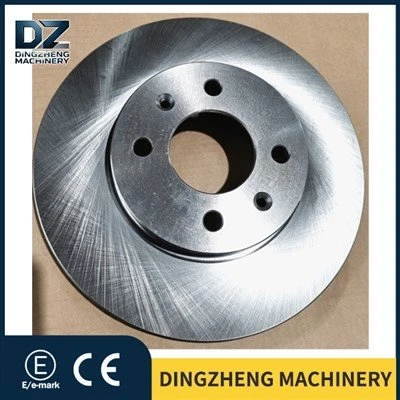
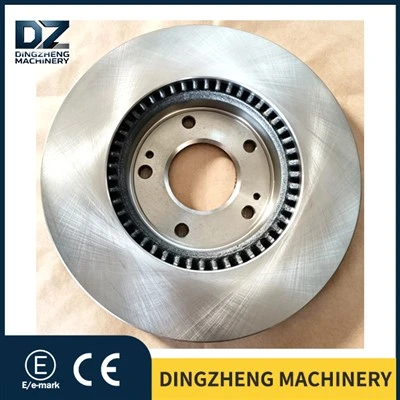
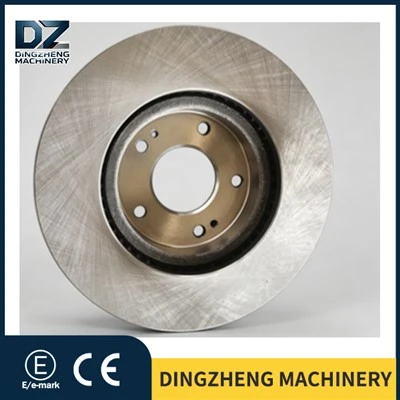
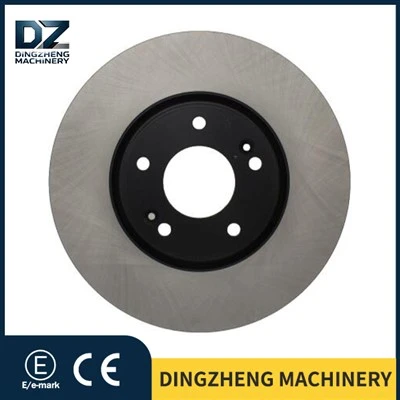
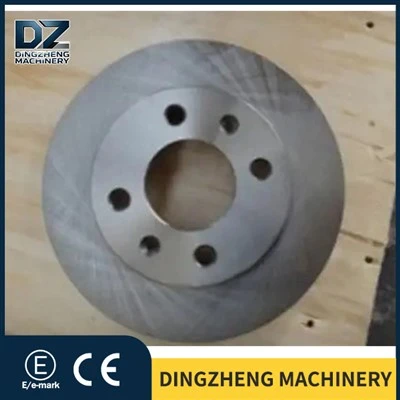
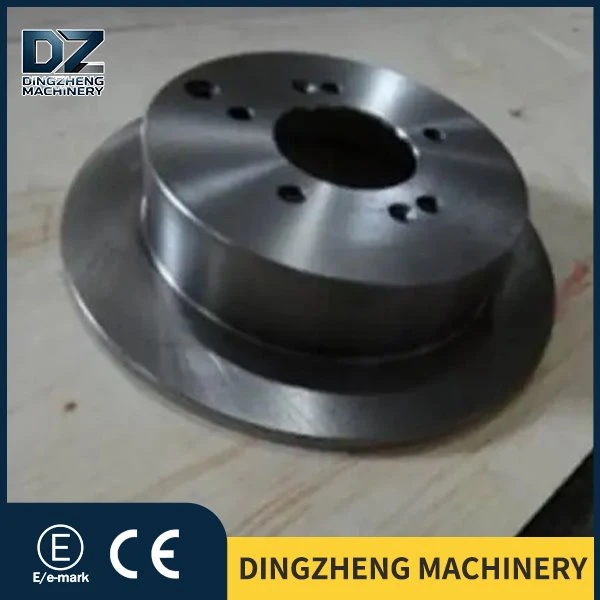
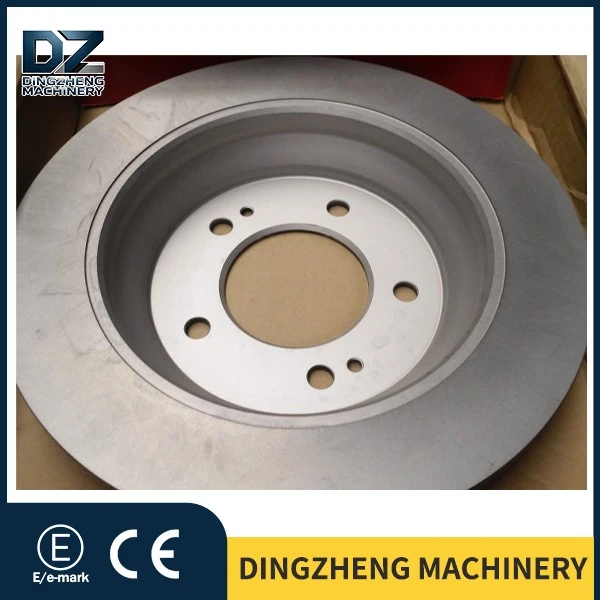
Today, I'd like to introduce a rear brake disc that has consistently performed well in sales – the Kia Carens' new rear brake disc, with the original equipment part number OE-58411A4000. This component is specifically designed for the fourth-generation Kia Carens (equivalent to the RP chassis) models produced from 2012 to 2018, covering both the 1.7 CRDi diesel and 2.0 GDi gasoline powertrains. In European and Southeast Asian repair markets, this replacement part enjoys a notably high repurchase rate.
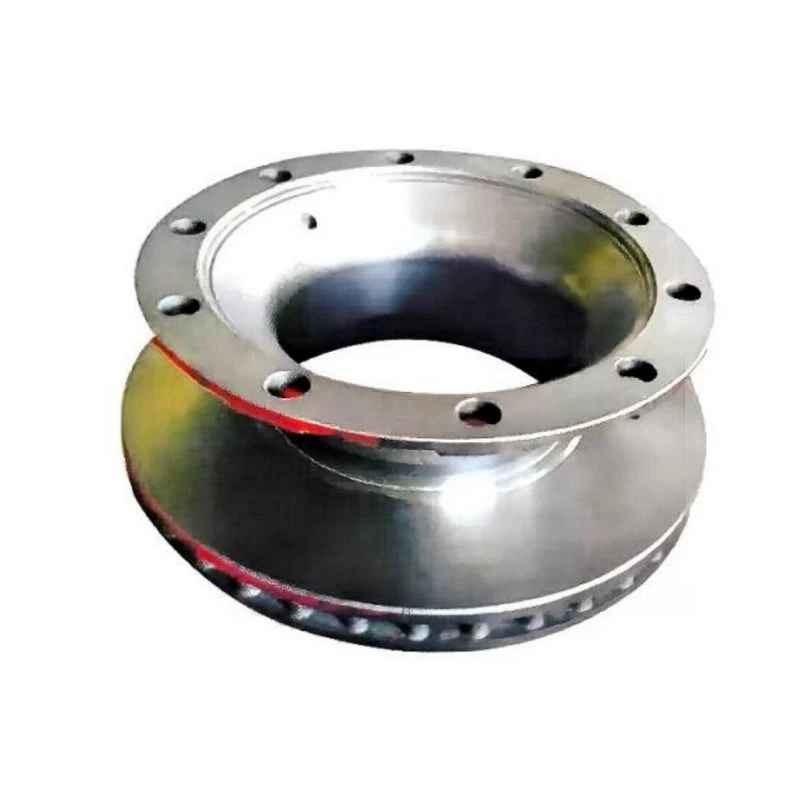
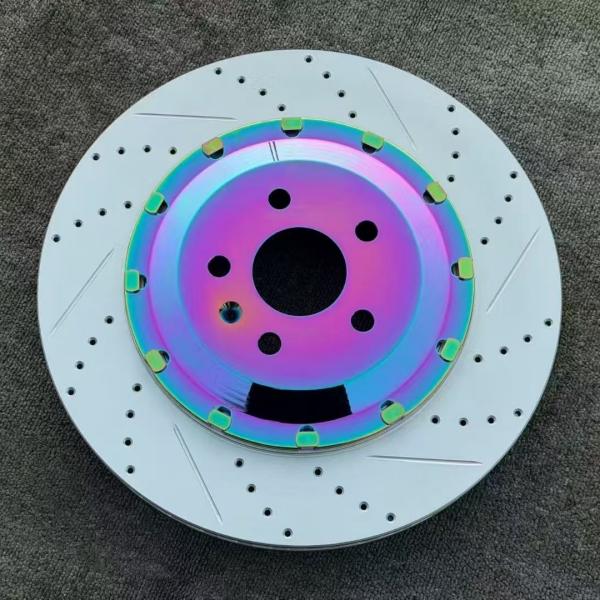
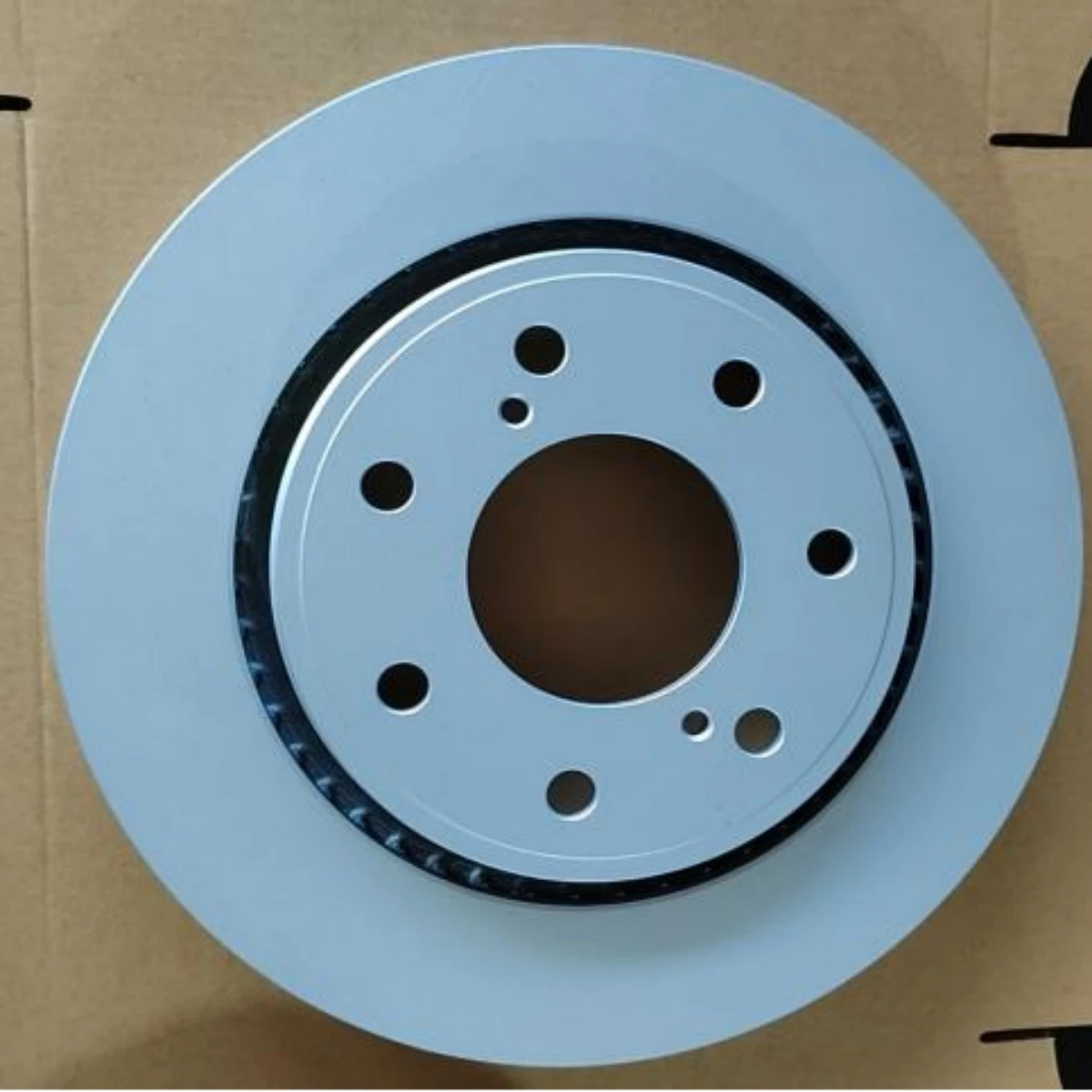
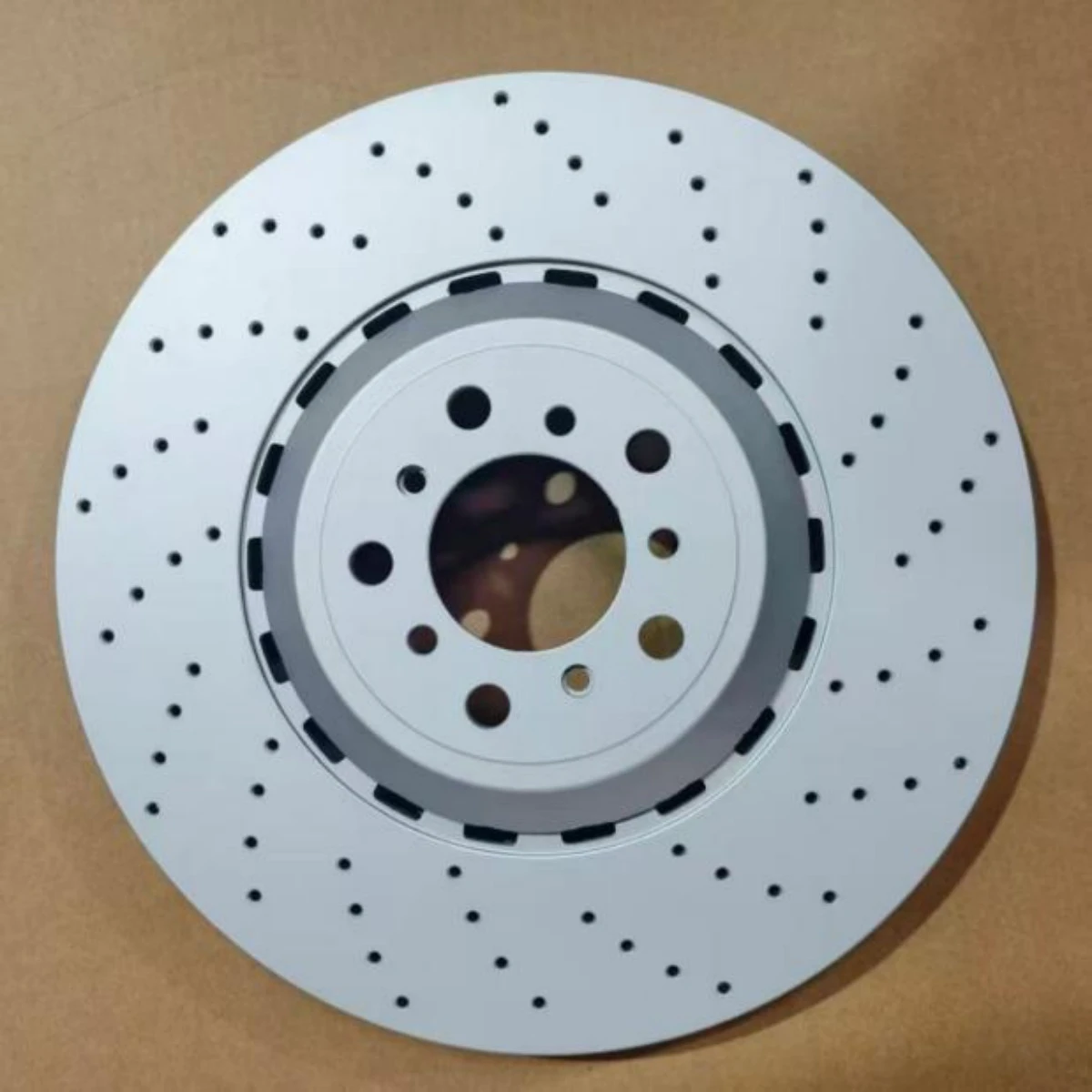
The Kia Sportage rear brake disc OE-58411A4000 features a solid-disc structure with a factory-calibrated diameter of 284 mm, standard thickness of 10 mm, wear limit thickness of 8 mm, central mounting hole diameter of 58.1 mm, five-hole installation, and a pitch circle diameter (PCD) of 114.3 mm. The contact surface between the disc and the wheel hub maintains flatness within a tolerance range of ±0.035 mm, with post-installation lateral runout ≤0.05 mm, ensuring no steering wheel vibration during braking. Numerous repair shops report that this brake disc provides a highly linear pedal response, virtually indistinguishable from original equipment components.
Regarding materials, the rear brake disc OE-58411A4000 in the new Kia K5 employs high-carbon gray cast iron HT250, with carbon content controlled between 3.8% and 4.2%. Its microstructure features a pearlitic matrix reinforced with uniformly distributed type A graphite, resulting in a friction coefficient stable between 0.38 and 0.42. This formulation offers several advantages: it exhibits minimal thermal degradation during prolonged braking; shows reduced susceptibility to premature uneven wear when used in rainy seasons or humid coastal environments; and performs reliably over standard urban road conditions even after 80,000 kilometers of operation.
Surface Treatment
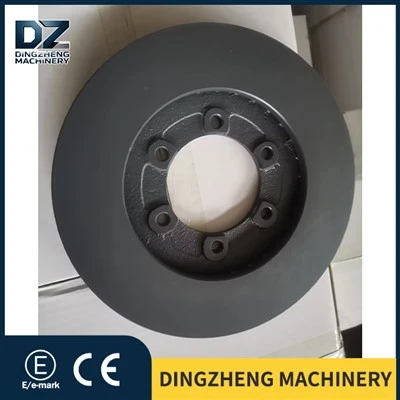
Procurement teams generally prioritize rust prevention: if a product develops rust during the 30–40-day sea voyage to port, it may be rejected by customers, resulting in losses. Kia's new Jiale rear brake disc (OE-58411A4000) features a three-layer composite coating on its non-friction surface, distinct from standard black paint finishes. The details of each coating layer are described below:
The first layer consists of a zinc-based phosphating primer, with the phosphating film thickness controlled at 8–12 μm. The entire brake disc is immersed in a phosphating bath to form a dense zinc phosphate crystalline film on the metal surface; salt spray testing demonstrates no red rust formation for up to 72 hours. Its primary function is to enhance the adhesion of subsequent coatings and prevent topcoat detachment.
The second layer is a water-based epoxy zinc-rich primer with a dry film thickness of 20–25 μm and a zinc powder content of ≥80%. Applied using cathodic electrophoresis (ED electrophoresis), it provides uniform coverage of corners and edges inaccessible to manual spraying. Corrosion protection is achieved through a sacrificial anode method: upon damage to the topcoat, zinc oxidizes first, preventing rusting of the cast iron substrate. Independent salt spray tests demonstrate a resistance duration of up to 240 hours.
The third layer is a UV-curable acrylic topcoat with a dry film thickness of 15–20 μm and a semi-matte gloss level of 60–70 degrees. It employs an eco-friendly water-based formulation free from harmful heavy metals such as lead and cadmium, complying with RoHS and REACH regulations. After UV curing, it achieves adhesion meeting ISO 2409 Grade 0 standards and exhibits excellent paint retention resistance.
After applying the three-layer coating process, the entire non-friction surface of this brake disc withstands a salt spray test for 500 hours without developing red rust-equivalent to two years of normal use in coastal regions with high salt concentrations-with no visible rust on either the mounting surface or the rim. The friction surface remains uncoated, allowing direct installation upon unpacking without requiring additional sanding or rust removal. During initial braking, there is no smoke emission or unpleasant odor, ensuring an excellent user experience.
(The following content repeats the original text; the original text ends here.) The cast iron substrate can withstand salt spray testing alone for up to 240 hours, demonstrating strong rust resistance. The third layer is a UV-cured acrylic topcoat with a dry film thickness of 15–20 μm and a gloss level of semi-matte (60–70 degrees). The OE-58411A4000 topcoat used on the rear brake disc of this Kia K5 features an eco-friendly water-based formulation free from harmful heavy metals such as lead and cadmium, complying with RoHS and REACH regulations and meeting EU export requirements. The topcoat is cured in a UV curing oven, achieving an adhesion grade of Grade 0 per ISO 2409 standards and showing no paint detachment under a 100-square-mesh blade test.
After three-layer coating application, the rear brake disc (OE-58411A4000) of this new Kia K5 passes a comprehensive salt spray test on its non-friction surface, demonstrating 500 hours without red rust formation-equivalent to two years of normal use in coastal regions with high salt concentrations-with no visible rust on both the mounting surface and rim edge. The friction surface features a special non-coating treatment, allowing direct installation upon delivery without manual sanding or rust removal; initial braking tests show no smoke emission or unusual odors.
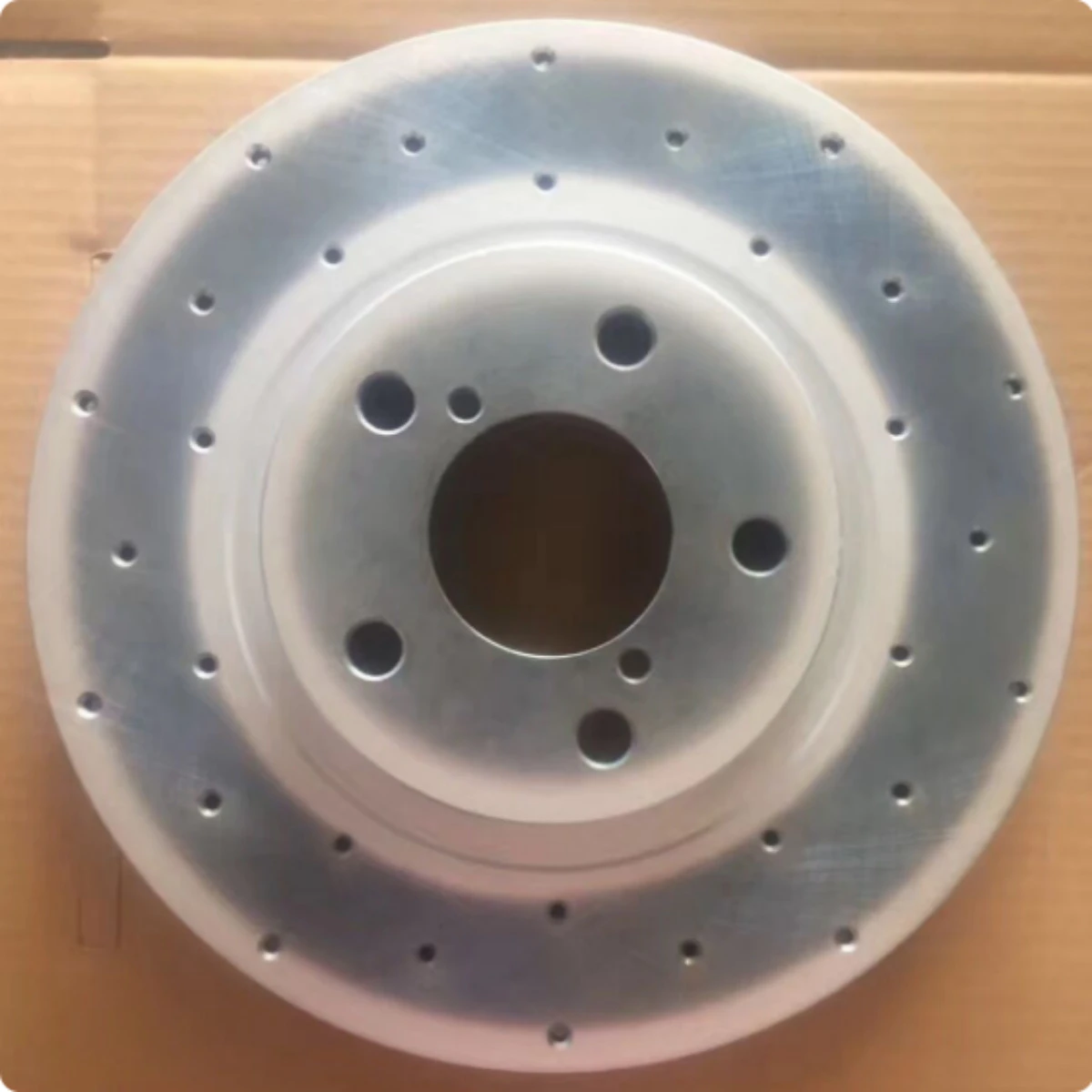
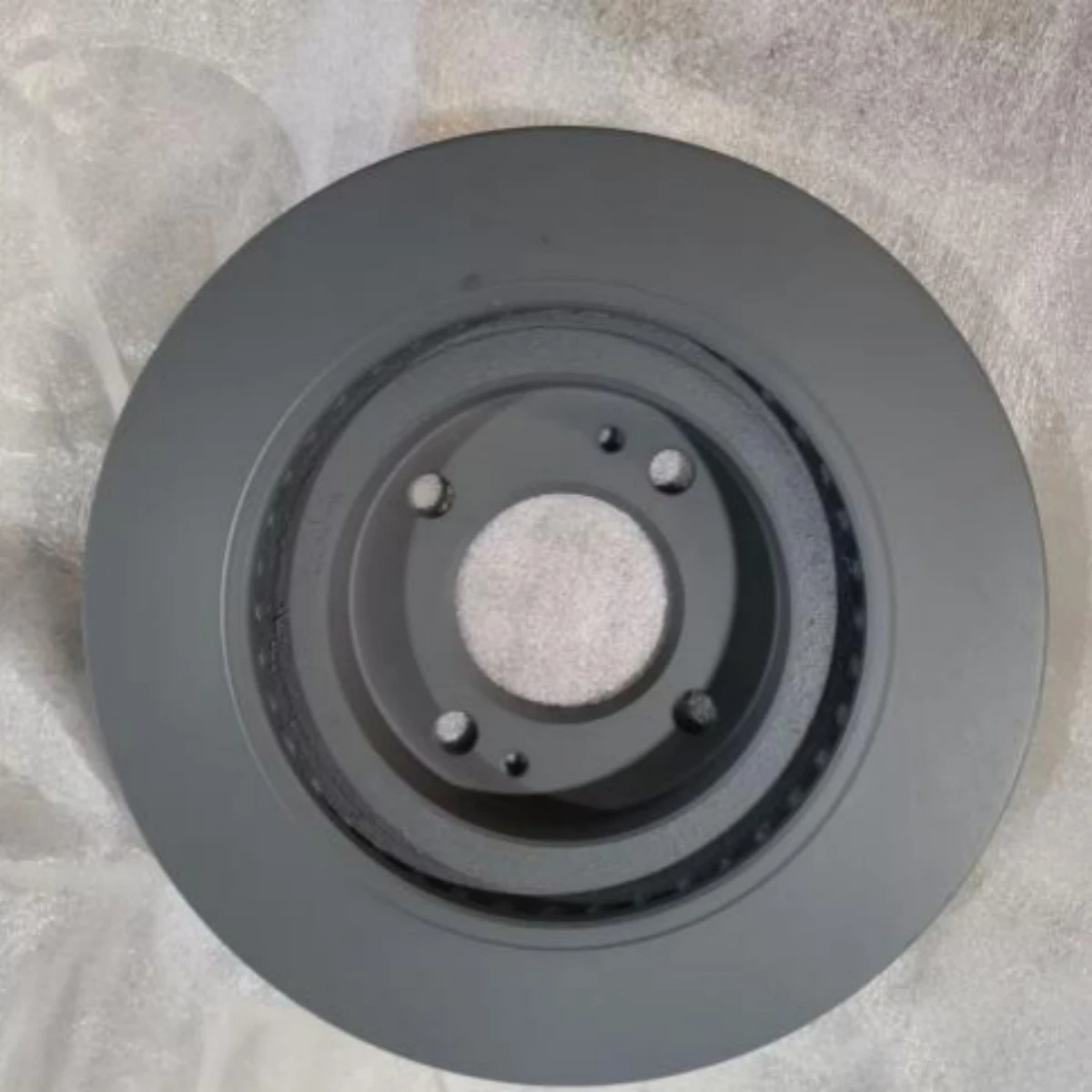
Product Technical Parameters
All dimensions and performance data are strictly calibrated and manufactured in accordance with industry standards.
|
Technical Item |
Specification |
Technical Item |
Specification |
|
Mounting Position |
Rear Brake |
Disc Outer Diameter |
284mm |
|
Standard Thickness |
10mm |
Minimum Wear Limit Thickness |
8.4mm |
|
Hub Centering Diameter |
76mm |
Overall Height |
45mm |
|
Mounting Hole Quantity |
5+2 |
Pitch Circle Diameter (PCD) |
114.3mm |
|
Disc Structure Type |
Solid Type |
Net Weight |
4.04kg |
Compatible Vehicle Models
This rear brake disc is applicable to multiple vehicle models with stable compatibility and accurate fitting size. The detailed applicable models are listed below:

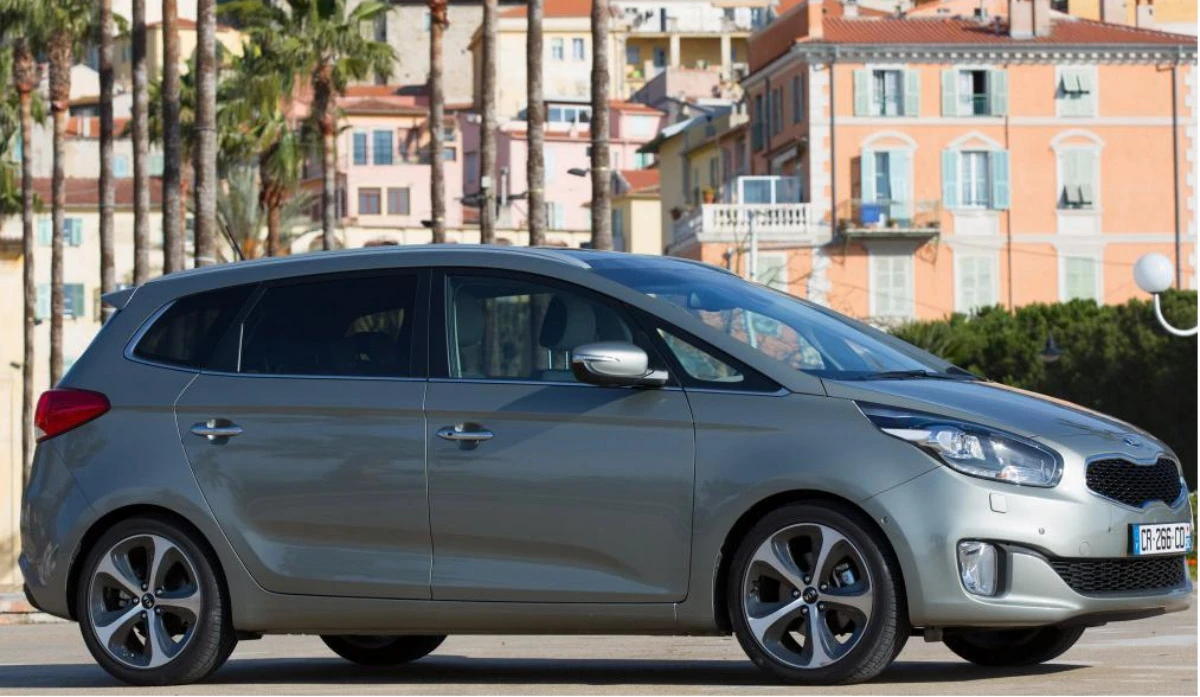
Kia Carens Jan 2013-
Cross Reference Part Numbers
This product corresponds to a variety of mainstream brand part numbers and OE codes, which can perfectly replace the original parts. The detailed cross-reference information is as follows:
|
Brand Code |
Part No. |
OE Factory Code |
OE Number |
|
TRW |
DF8150S |
OE |
58411A4000 |
Machining Workshop & Production Process
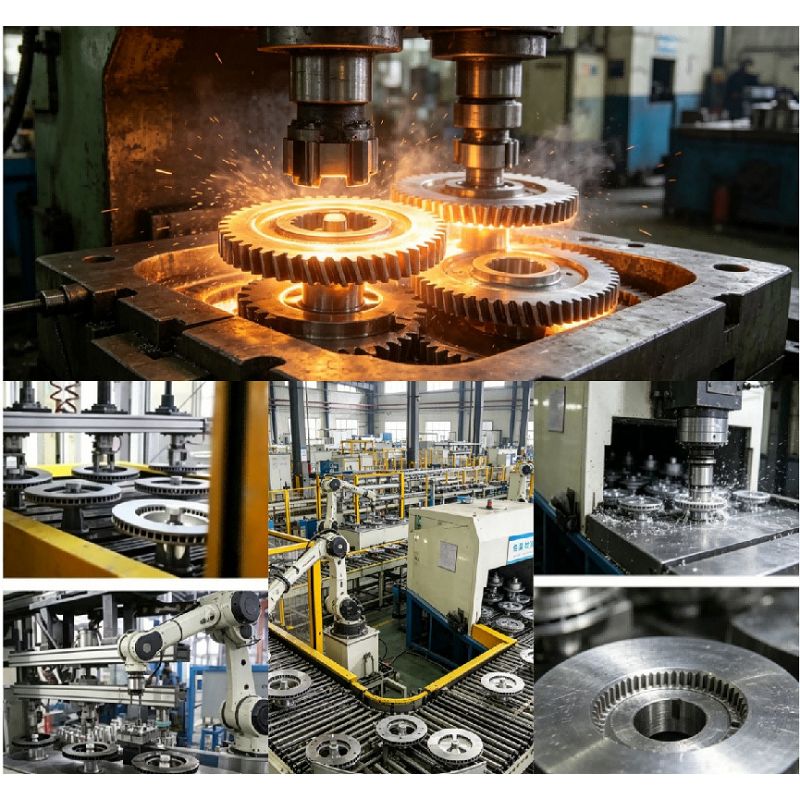
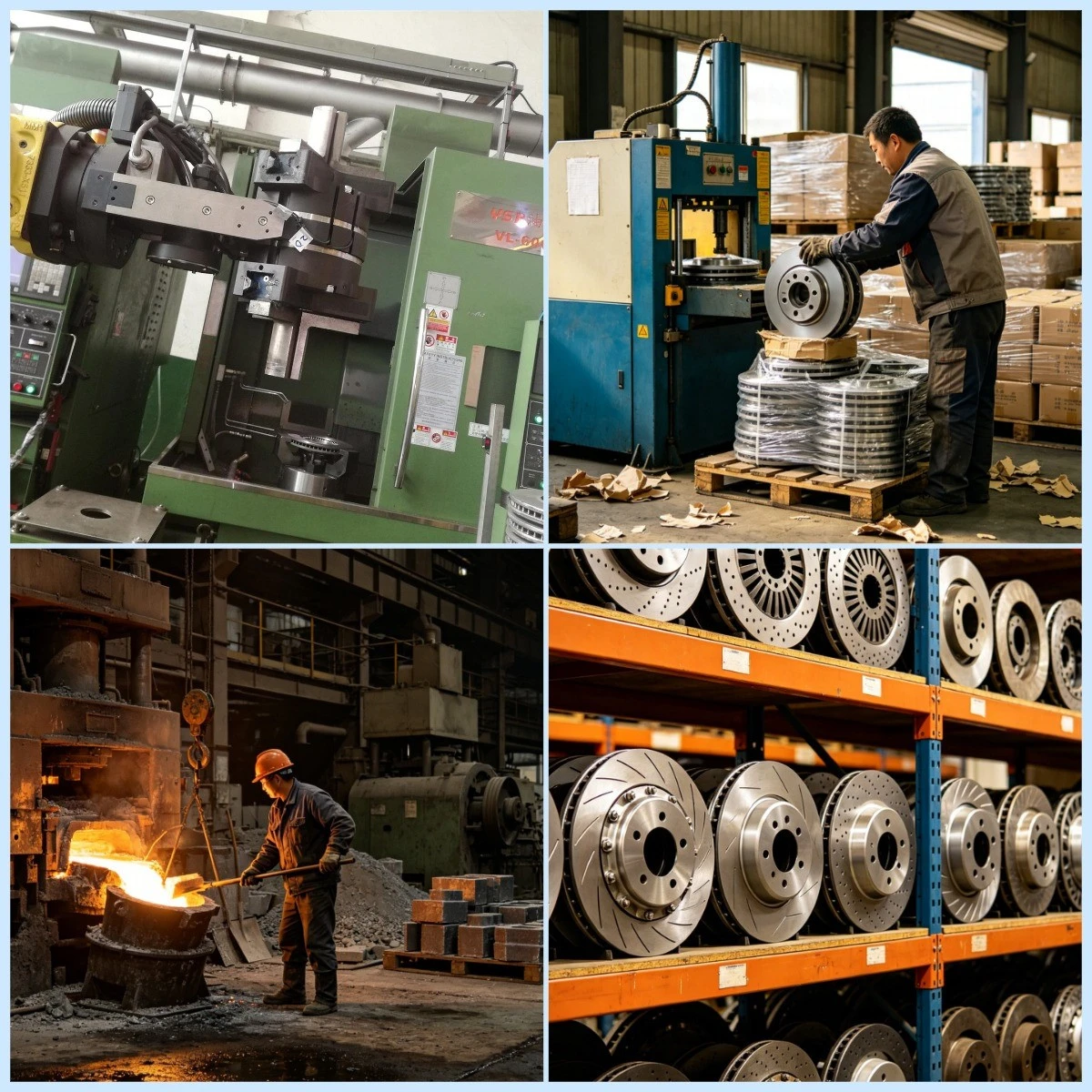
Let's now turn to our production capabilities. Many long-term customers have visited our factory in Laizhou, Shandong Province, where we've been manufacturing brake discs for nearly two decades as a specialized manufacturer. For the new Kia K5's brake disc (OE-58411A4000), the entire manufacturing process takes place in a temperature-controlled CNC workshop, with the ambient temperature maintained at approximately 20°C year-round-precisely two degrees. This rigorous control is essential to prevent thermal expansion and contraction from compromising dimensional accuracy, especially for safety-critical components like brake discs where even minor deviations are unacceptable.
For the manufacturing of processing components, Kia's new Excelle rear brake discs (OE-58411A4000) are produced entirely using vertical CNC lathes from Taiwan's Youjia, with a total of 12 dedicated machines. Each machine is equipped with an online measurement probe that automatically checks key dimensions after each part is manufactured, triggering immediate alarms and rejecting any units exceeding tolerance limits. The precision grinding of friction surfaces employs CBN (cubic boron nitride) cutting tools, ensuring surface roughness Ra remains consistently below 1.6 μm and delivering a smooth matte finish rather than the coarse texture typical of conventional machining tools.
Dynamic balancing is a dedicated manufacturing process. Every Kia Sylphy rear brake disc (OE-58411A4000) undergoes full automation in a precision balancing machine, ensuring residual imbalance remains below 5 g·cm-a critical parameter determining brake stability during high-speed braking. Many budget models skip this step, resulting in steering wheel vibration even at 120 mph; our discs maintain perfect stability up to 160 mph. Each disc's dynamic balancing data is meticulously recorded, enabling complete batch traceability.
Our quality control system consists of three key stages. The first is initial inspection: the first product produced per shift undergoes comprehensive testing across all 18 full-size parameters, with production commencing only after passing these checks. The second stage involves process monitoring: every two hours, inspectors randomly select five samples to measure thickness variation (DTV); our internal control standard sets DTV ≤ 0.009 mm, which is stricter than the original OEM specification of 0.012 mm. The third stage covers final inspection prior to packaging: 100% of products are inspected for appearance, dimensional tolerance, and thickness; sampling is performed at a ratio corresponding to an AQL level of 0.65 for metallographic analysis and hardness testing. The entire workshop operates six dedicated quality control stations, with quality control personnel accounting for 18% of the total production line workforce.
The production of Kia's new Jiale rear brake discs (OE-58411A4000) is fully governed by the IATF 16949 quality management system. Each batch carries a unique batch number, production date, and inspector identifier, enabling precise traceability to specific batches of molten metal or manufacturing machines in case of issues. We have also obtained ECE R90 certification; this model has successfully passed comprehensive dynamometer testing, with all parameters-including braking force decay, thermal cracking, and wear rate-falling within ±15% tolerance limits, ensuring immediate compliance for European customers upon customs clearance.
Delivery & Shipping Service
Regarding packaging, the standard export packaging for the rear brake discs (OE-58411A4000) of the new Kia K5 consists of two discs per box, separated by an OPP foam spacer to prevent surface damage. The boxes are made from five-layer corrugated cardboard and bear a neutral English brand mark. When shipped as a full pallet, they are reinforced with wrap film and packing tape. A 20-foot container can hold approximately 12,000 discs. For custom packaging or branding requirements, the minimum order quantity per model is 2,000 discs. We can assist you in designing packaging specifications, with production commencing only after final approval.
For logistics port operations, we default to Qingdao Port, located approximately a two-and-a-half-hour drive from the factory, making container transport highly convenient. For maritime shipping, we have long-term contracts with COSCO Shipping and Maersk, ensuring stable cargo space availability and minimal container shortages during peak seasons. Delivery times are approximately 32–35 days to major European ports, about one week to Southeast Asia, and around 18 days to Melbourne, Australia. We support all three trade terms: FOB, CIF, and DDP, depending on your customs clearance requirements.
The after-sales warranty policy is as follows: The warranty period for the original equipment (OE) brake disc (model 58411A4000) in the new Kia K5 is 80,000 kilometers or 18 months from installation, whichever comes first. The warranty covers issues such as cracking, abnormal wear, and severe vibration not caused by human error. If a quality issue arises, please send us photos or videos; our technical department will provide a determination within 24 hours. Upon confirmation of the issue, we will either replace the part or issue a refund, with all shipping costs covered. Our annual quality claim rate is approximately below 0.3%, which is considered very low within the industry.
Frequently Asked Questions (FAQ)
Q1: How can I confirm that this is indeed the original equipment (OE) rear brake disc for the new Kia K5 with part number 58411A4000? How do I verify the OE number?
A: The most reliable method is to check the part number engraved on your vehicle's original disc. Original Kia discs typically bear "58411A4000" or "58411-A4000" at the rim edge; a match confirms authenticity. If the disc is worn off, you can use the Vehicle Identification Number (VIN) to consult the parts catalog-the rear disc for Carens RP models from 2012 to 2018 generally uses this number. If unsure, please provide your VIN so our sales team can assist with verification.
Q2: What is the recommended installation torque for the rear brake disc (OE-58411A4000) on the new Kia K5? Do I need to use a special bolt?
A: The manufacturer specifies an installation torque of 98–100 Nm for the hub bolts. It is advisable to tighten them diagonally using a torque wrench; avoid direct high-pressure tightening with a pneumatic tool, as this may cause deformation of the disc. Hub bolts that show no thread slippage or stretching deformation can be reused; simply inspect their threads for integrity before installation. During installation, ensure all rust and dirt on the hub flange surface are removed, otherwise the vehicle may shake during operation.
Q3: What is the minimum wear thickness required for this brake disc, and at what level should it be replaced?
A: The original factory brake disc (OE-58411A4000) for the new Kia K5 has a thickness of 10 mm, with a minimum allowable thickness of 8 mm, meaning the wear limit is 2 mm. The outer edge of the disc typically bears the marking "MIN TH 8mm". In practice, it is recommended to grind the disc down to approximately 8.5 mm before replacement; avoid using it at its maximum thickness, as thermal degradation during repeated high-speed braking could pose a safety hazard. Both left and right discs must be replaced simultaneously, and the thickness difference between them must not exceed 0.01 mm.
Q4: What brake pad model is compatible with the Kia Sportage's rear brake disc OE-58411A4000? Are there any recommended OE numbers?
A: The matching rear brake pad OE number is 58302A4B10, which corresponds to Kia's original specification with dimensions of 122.6 mm × 43.3 mm × 15 mm. Corresponding models from mainstream brands such as Bosch (0986494653) and Tekstar (2469401) are also interchangeable. It is advisable to replace both the old and new pads simultaneously, as wear patterns on the old pad may not match those on the new one, potentially causing vibration or noise.
Latest News
Let's first discuss some recent industry developments with our automotive parts partners – please take note. First, the EU has introduced new regulations: starting in 2025, environmental requirements for replacement brake components in the EU market have been further tightened. The REACH Regulation now specifies several restricted substances, primarily targeting heavy metals and certain organic volatiles in coatings. Our rear brake disc designed for the new Kia K5 (model OE-58411A4000), manufactured using a water-based paint system, shows no detectable levels of lead, cadmium, or hexavalent chromium (all classified as ND), fully complying with Appendix 17 of the latest REACH regulations. Exporting to the EU therefore poses no risk of cargo detention.
The second trend involves changes in brake disc design driven by the development of new energy vehicles. Modern electric vehicles generally have greater weight and are equipped with energy recovery systems, resulting in reduced braking frequency; consequently, brake disc surfaces are more prone to rusting and stickiness. Although the Kia K5 is a gasoline-powered vehicle, this trend provides valuable insights for after-sales product selection-choosing brake discs with superior rust resistance has become increasingly important, particularly in humid environments or scenarios with low vehicle usage. Brake discs featuring three-layer coatings are significantly more durable than those with a single-layer black finish, substantially reducing after-sales complaint rates.
Hot Tags: rear brake disc kia carens, China rear brake disc kia carens manufacturers, suppliers, factory