

Product Introduction
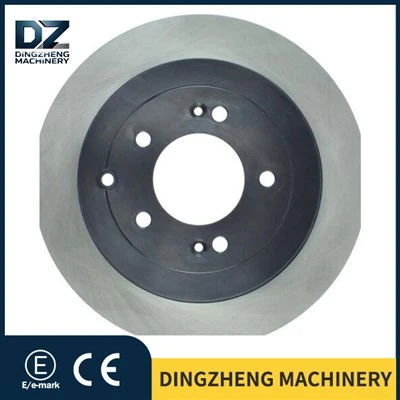
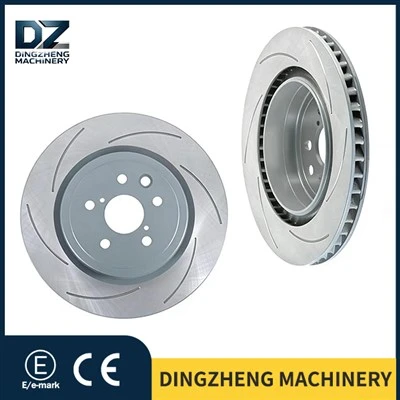
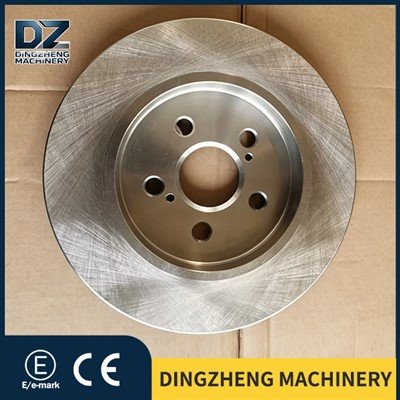
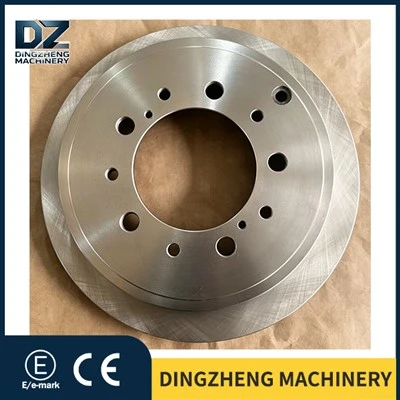
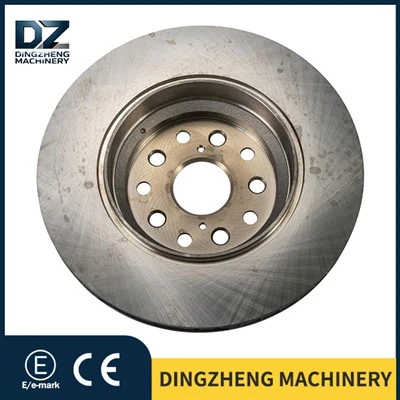
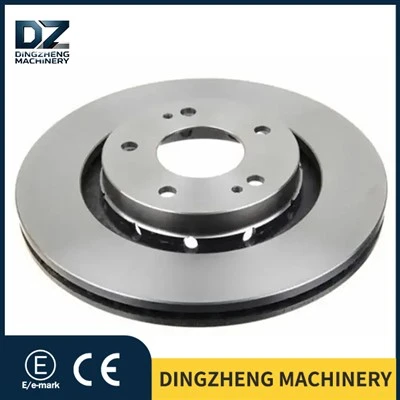
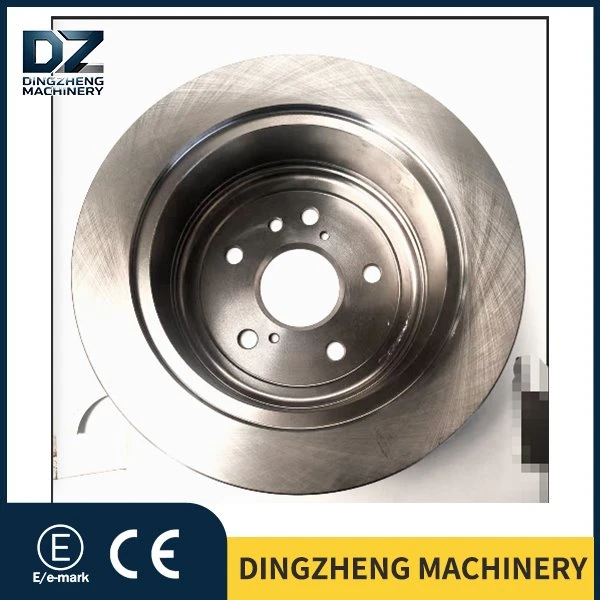
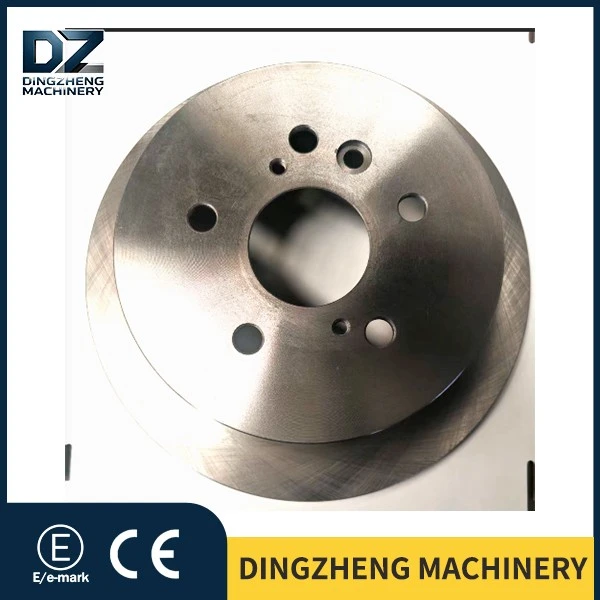
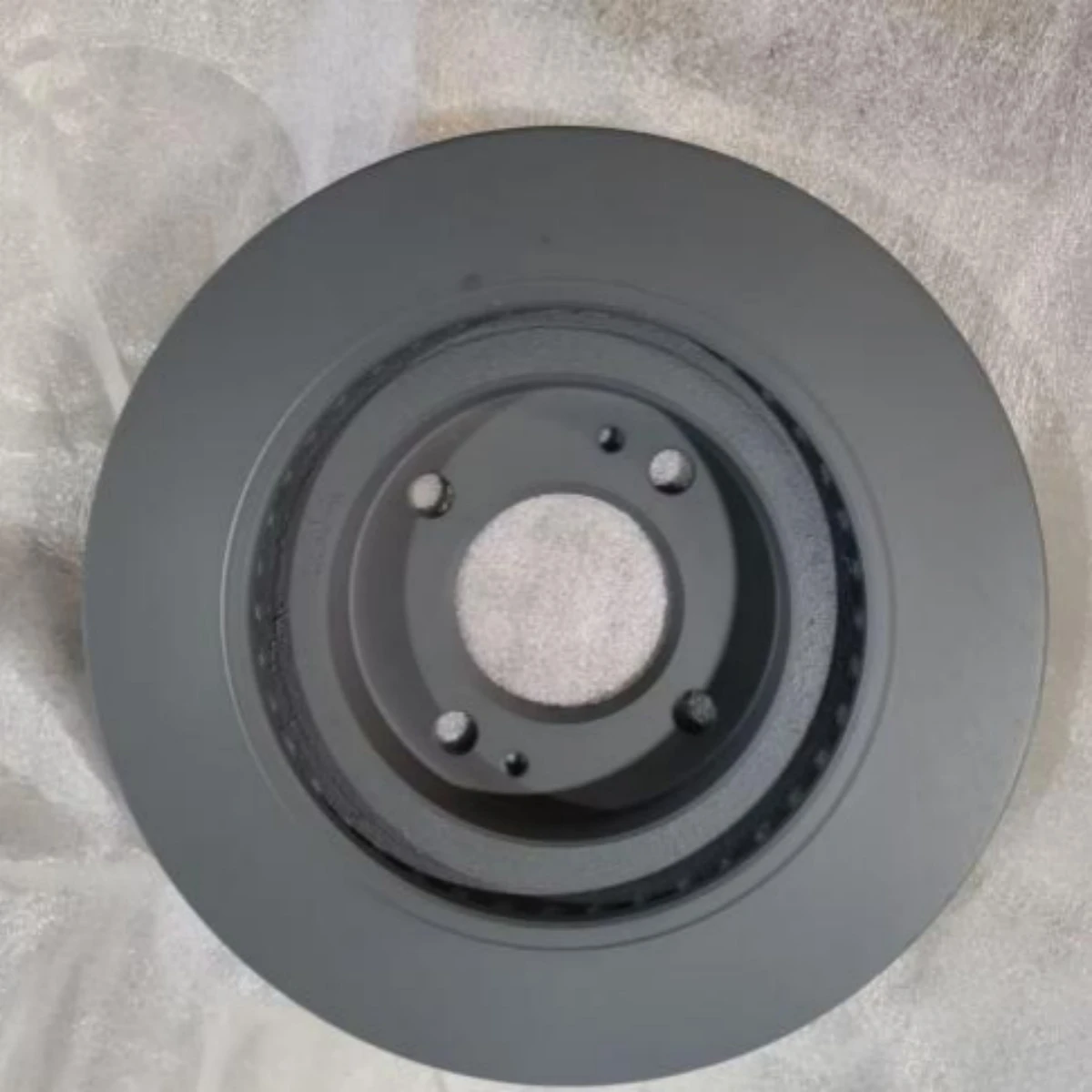
This Lexus RX rear brake disc number 4243148041 is a rear axle brake rotor specially designed for Lexus LX/GX/RX series models. It has an outer diameter of 288mm and a standard thickness of 10mm, featuring a solid disc structure. Many LX owners may wonder: the LX570 is fitted with ventilated front brake discs, so is a solid rear brake disc sufficient? The answer is yes. During braking, the vehicle's center of gravity shifts forward, and the front wheels bear approximately 60% to 70% of the total braking load. Using solid discs for the rear wheels is fully reasonable in terms of structure. Additionally, solid discs are inherently quiet during low-speed braking, free from the whooshing wind noise typical of ventilated discs.
The disc is made of GG25 high-carbon grey cast iron, a grade equivalent to China's HT250 under German standards. Many people mistakenly believe that a harder brake disc is always better, yet thermal conductivity, rather than mere hardness, is the core performance indicator for brake discs. GG25 has a carbon content ranging from 3.00% to 3.50%, with graphite evenly distributed in the matrix in the form of thin elongated flakes, forming a miniature heat conduction network inside the metal. Frictional heat generated during braking spreads rapidly across the entire disc via this graphite network, preventing hot spots and deformation caused by localized heat accumulation. Once hot spots occur, the brake pedal will vibrate, which is one of the most troublesome issues for vehicle owners.
Compared with many replacement brake discs on the market made of GG20 or even GG15, GG25 boasts around 25% higher tensile strength (250MPa versus 200MPa). This means under harsh working conditions that impose continuous stress on rear brake discs, such as prolonged downhill driving or emergency high-speed braking, our brake discs are far less likely to develop and expand micro-cracks. For LX owners who occasionally tow small trailers or travel with a full load of camping gear, this extra safety margin brings tangible reliability.
Product Parameter
|
Location |
Rear Axle |
Diameter |
288mm |
|
Brake Disc Thickness |
10 mm |
Minimum Thickness |
8.5mm |
|
Centering Diameter |
62mm |
Height |
69.4mm |
|
Number Of Holes |
5+2+1 |
Pitch Circle Diameter |
114.3mm |
|
Solid Or Vented |
S |
Weight |
5.1kg |
Car Model
The rear brake rotor of LEXUS 4243148041 is compatible with a wide range of cars, as follows:




RX (_U3_) 300 (MCU35_)2003-2008
RX (_U3_) 330 (MCU38_)2003-2006
RX (_U3_) 330 AWD (MCU38)2003-2008
RX (_U3_) 350 AWD (GSU35_)2006-2008
RX (_U3_) 400h (MHU38_)2005-2008
RX (_U3_) 400h AWD (MHU38_)2004-2008
HARRIER (_U3_) 2.4 4WD (ACU35_)2003-2012
HARRIER (_U3_) 3.0 4WD (MCU35_, MCU36_)2003-2008
HARRIER (_U3_) 3.3 4WD2003-2008
HARRIER (_U3_) 3.3 Hybrid 4WD (MHU38_)2005-2012
HARRIER (_U3_) 3.5 4WD (GSU35_, GSU36_)2005-2008
Reference No.
There are different corresponding codes for The Rear Brake rotor of LEXUS 4243148041
|
OE |
424310E011 |
OE |
4243148041 |
|
AIMCO |
31356 |
OTHER |
980211 |
|
BREMBO |
08.A111.10 |
Surface Treatment
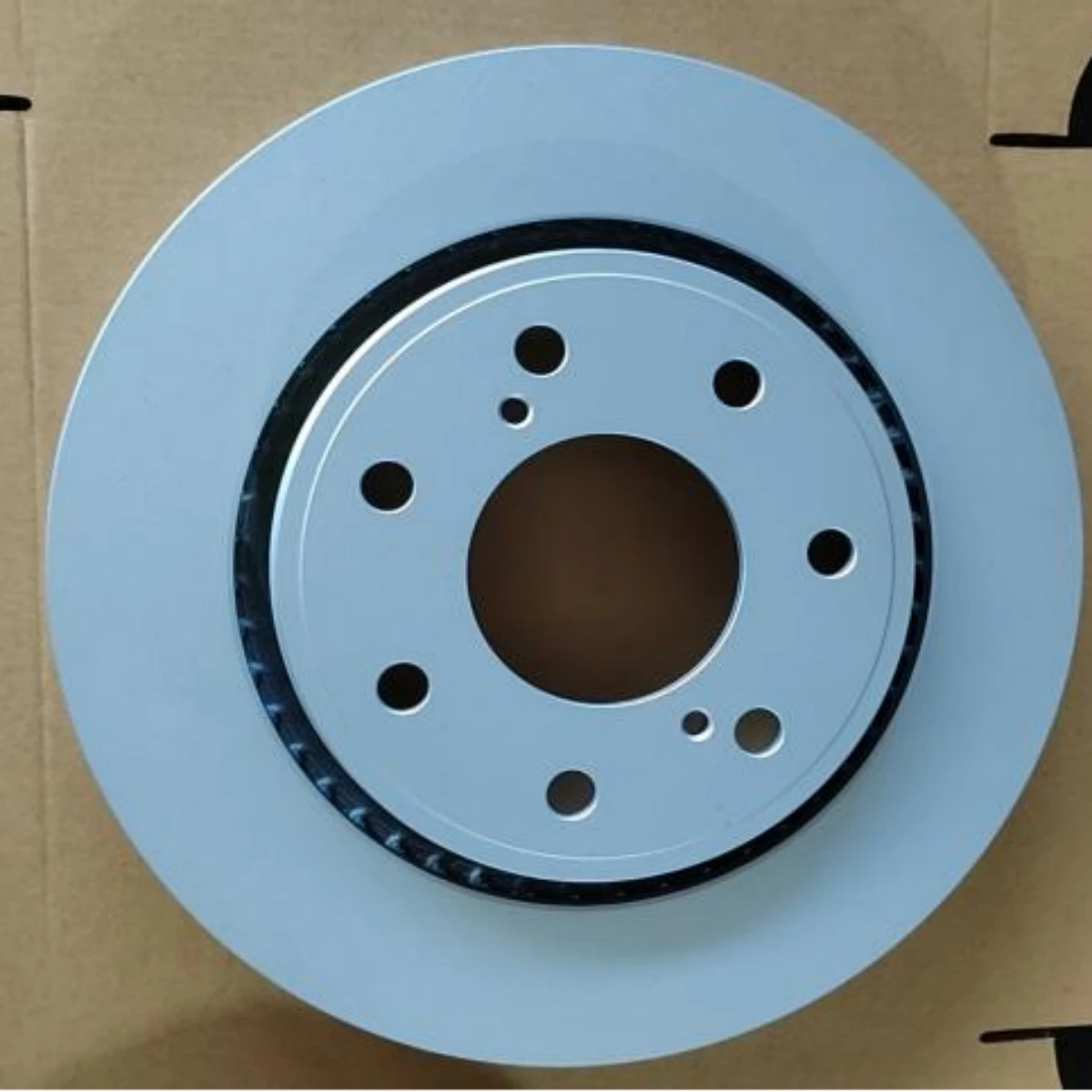
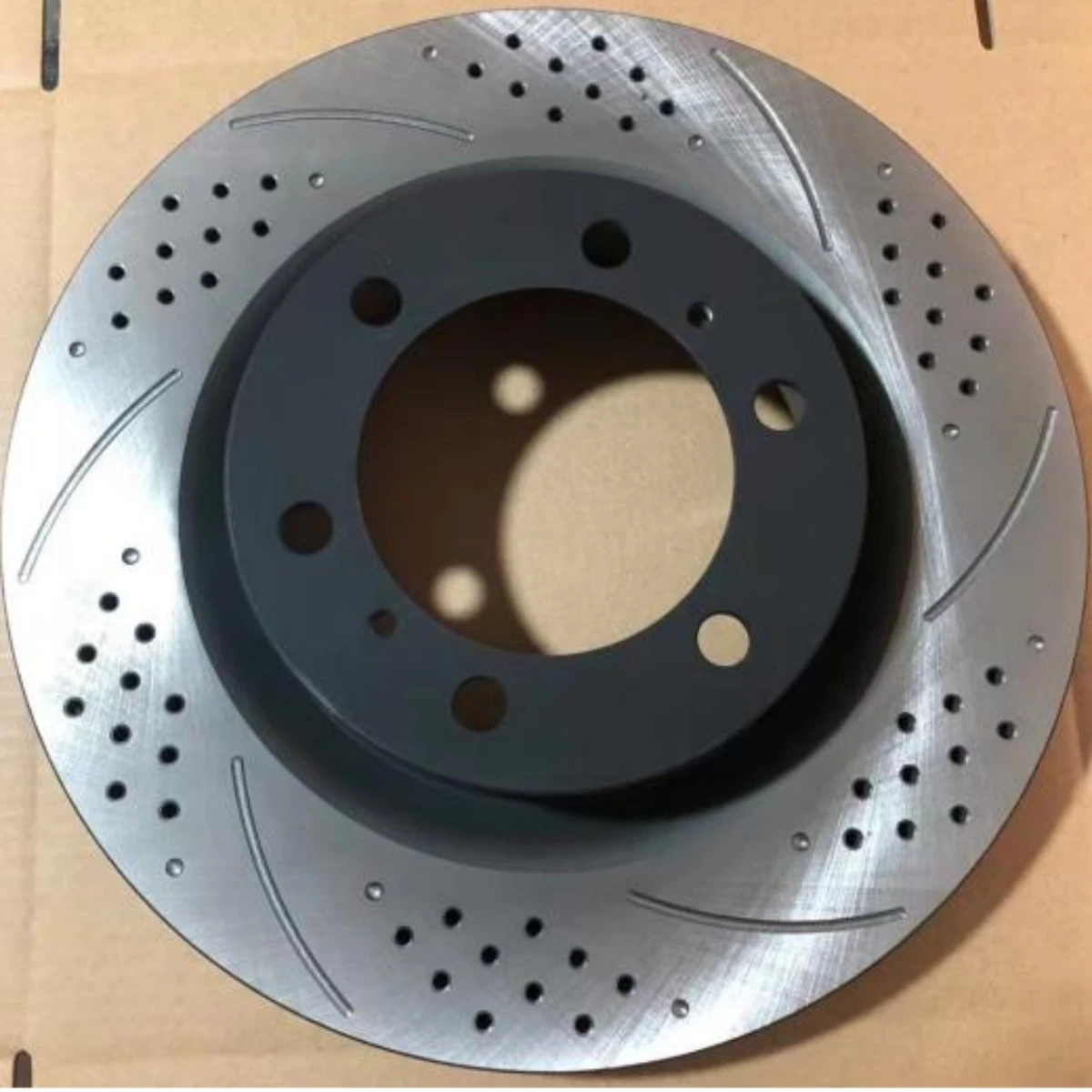
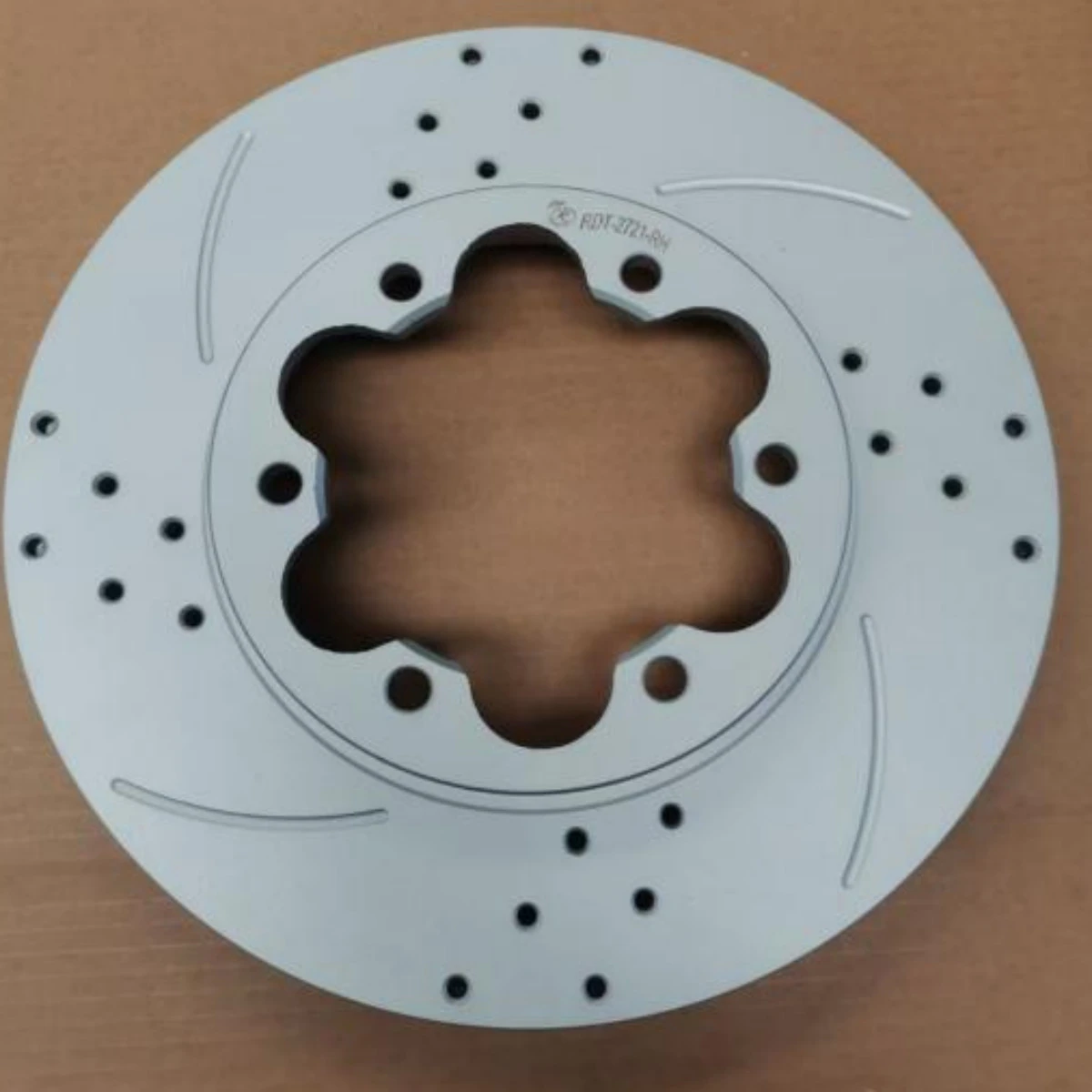
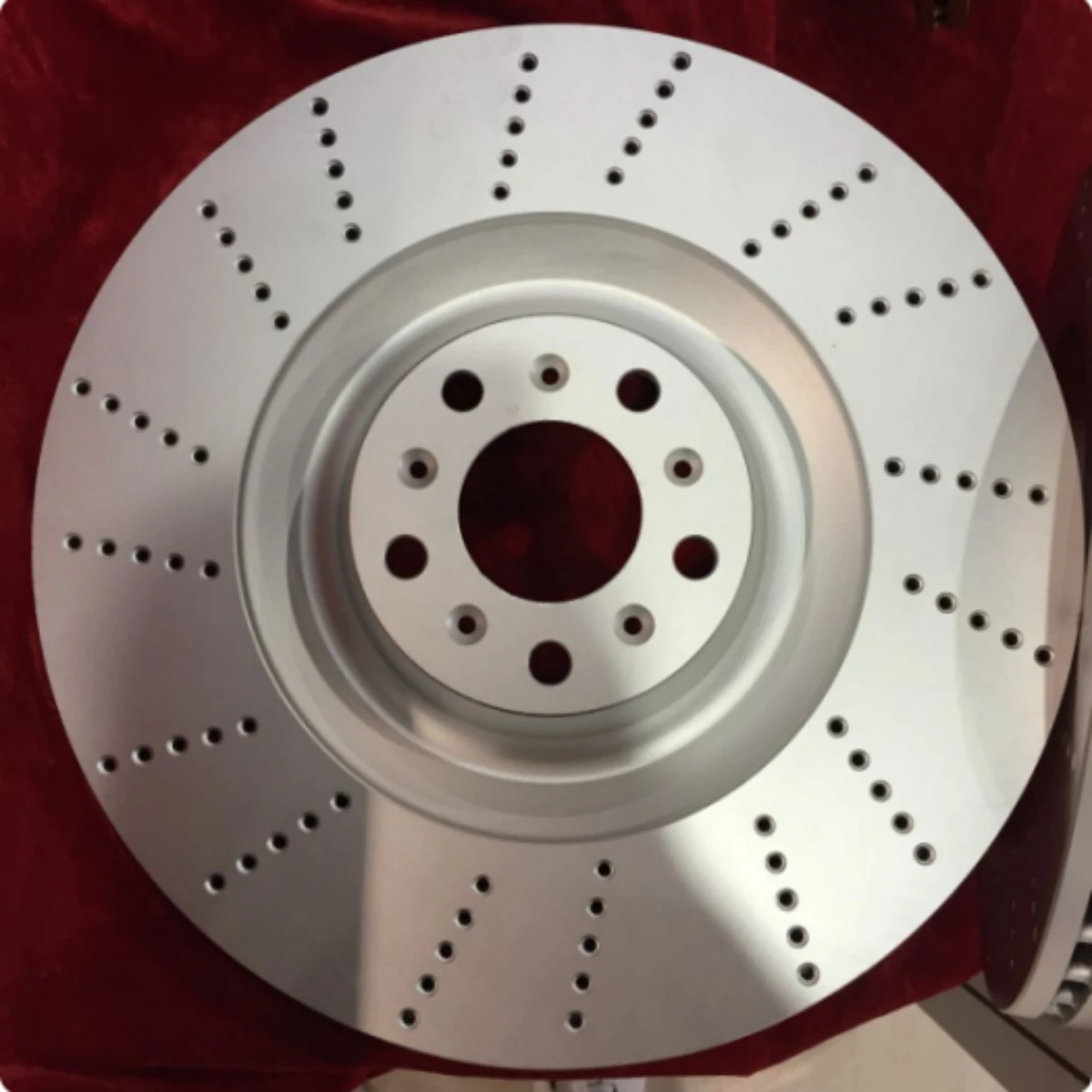
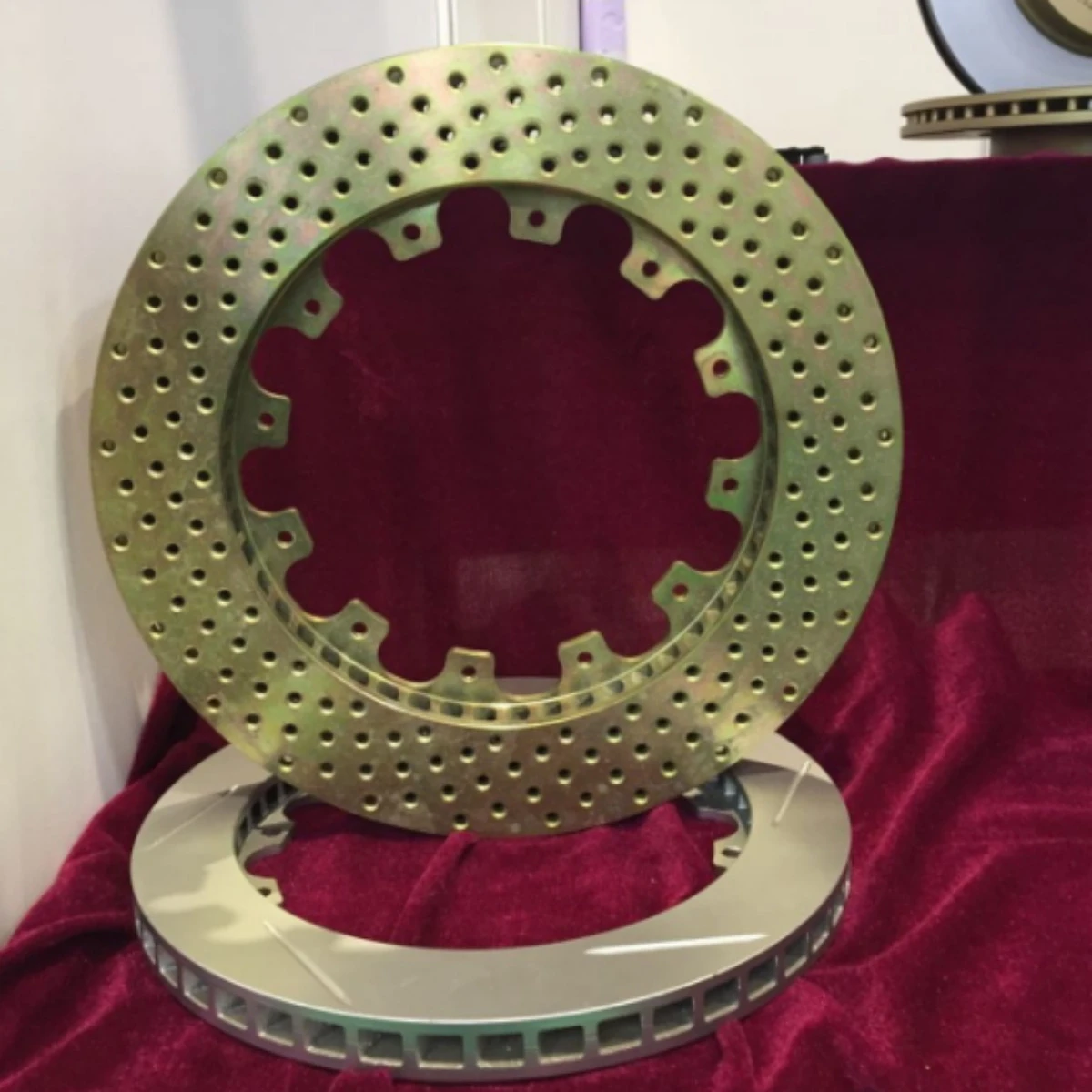
Surface Coating Technology: More Than Just Aesthetics
The coating on brake discs essentially addresses two key issues: rust formation before installation, and the anti-corrosion durability of non-friction surfaces after the discs are fitted on vehicles.
The traditional method is applying anti-rust oil. It is low-cost, yet the oil evaporates quickly. Rust spots will emerge after just two to three months of storage. Additionally, the oil has to be thoroughly removed with cleaning agents prior to installation, otherwise the braking performance will be compromised. A step up from this is conventional spray paint. However, its paint film is thin and brittle. Chipping caused by bumps during transportation will lead to rust spreading from the damaged areas.
We adopt a water-based anti-rust coating process for the Lexus RX rear brake disc 4243148041
Which combines spraying and low-temperature curing. Compared with traditional oil-based paints, the water-based formula contains no heavy metals or chromium, complying with the EU ECE R90 certification for environmental protection. This eliminates the need for extra environmental compliance procedures when exporting to European markets. Practically speaking, this coating features two major optimized properties:
Coverage Rate: The disc is treated in different zones during spraying. A thin coat is applied on friction surfaces, so the coating can be quickly worn off by brake pads during initial braking without hindering brake force build-up. Non-friction surfaces, including the central mounting surface, edges and ventilation grooves, are coated with standard thickness to form a complete anti-rust barrier.
Temperature Resistance: The cured coating remains stable below 400°C and will not carbonize or peel off under high braking temperatures. Referencing the performance data of GEOMET® 360 coating, the salt spray resistance test result ranges from 250 to 720 hours (varying by base material and application process). Our coating system meets the same technical standards.
In short, the brake disc arrives clean and ready for use. Its non-contact surfaces deliver reliable rust resistance after installation. There is no need to wipe off oil in advance, and the disc can be mounted directly after unpacking.
Machining Workshop
Casting and Machining: From Molten Iron to Finished Products
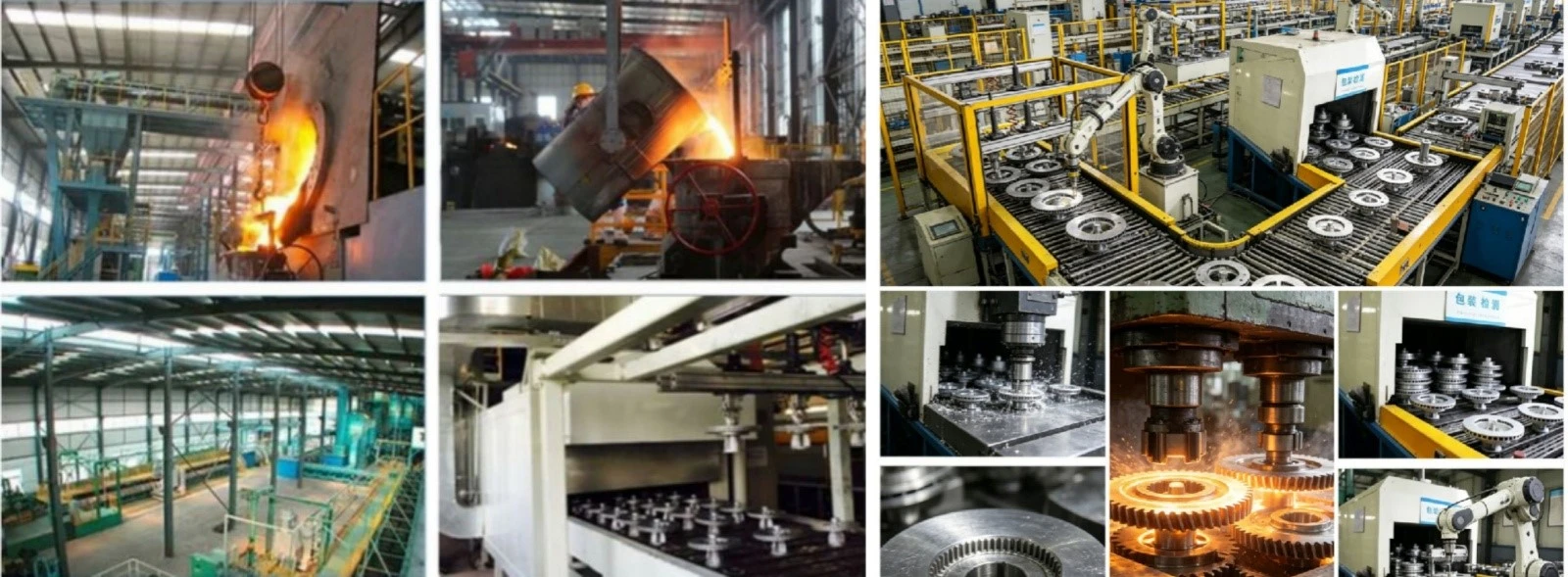
Every rotor undergoes full-process quality control from molten iron to the finished product.
Melting Process: The workshop is equipped with German direct-reading spectrometers. Rapid composition tests are conducted on each batch of molten iron before pouring. Pouring is only permitted when five key indicators including carbon equivalent, silicon content and manganese-sulfur ratio are kept within the designed range. These indicators are strictly monitored because a mere 0.1% difference in carbon content can lead to a noticeable change in friction coefficient, while excessive silicon content will cause deviations in hardness control. The spectrometer delivers test results within 30 seconds, and all data is automatically uploaded to the traceability system, so every disc can be traced back to its specific melting batch.
Casting Process: Fully automatic static pressure molding lines are adopted to ensure uniform compactness of sand molds and high dimensional consistency of castings. The biggest challenge in brake disc casting lies in cooling speed control. Excessively fast cooling results in overly high hardness, whereas overly slow cooling distorts the graphite structure. Our process parameters have been verified through multiple rounds of trials to optimize the length and distribution of graphite flakes, balancing thermal conductivity and mechanical strength.
Machining Process: Precision turning is performed on CNC lathes with articulated industrial robots for material loading and unloading, replacing manual chuck clamping. The friction surfaces on both ends are finish-turned in a single clamping setup, with the end runout controlled within 0.05mm. Every disc undergoes 100% dynamic balance inspection before delivery. Those exceeding the unbalance tolerance will be trimmed to meet standards. This is a full inspection rather than random sampling. Poor dynamic balance will cause pedal vibration during high-speed braking, which makes vehicle owners immediately suspect defective brake discs. Therefore, we never cut corners on this procedure.
Final Quality Checks Before Delivery: Products have to pass three strict inspections before shipment: full dimensional inspection (outer diameter, thickness, center hole diameter and flatness of mounting surface), full dynamic balance testing and visual appearance inspection (for casting defects, coating integrity and label legibility). Any unqualified products will be sent back for remelting, and we never compromise on quality.
Warranty Instructions
This rear brake rotor for 【Lexus LX/GX/RX | Part Number: 4243148041】 is covered by the manufacturer's quality warranty for 80,000 kilometers or 12 months, whichever comes first.
The warranty covers the following manufacturing defects:
- Metallurgical defects (blowholes, shrinkage porosity and inclusions) in GG25 high-carbon grey cast iron
- Dimensional deviations beyond the designed tolerance range during casting
- Abnormal paint peeling or rusting caused by poor adhesion of surface coating
- Failure to meet factory dynamic balance standards
The following situations are not covered by the warranty:
- Damage caused by improper installation (e.g., cracking due to hard hammering, loosening damage from insufficient bolt torque, abnormal runout of the end face resulting from uncleaned hub mounting surface)
- Consequential damage caused by stuck caliper pistons or abnormal wear of brake pads
- Thermal cracks resulting from excessive heat fade under track or racing conditions
- Rotor damage caused by continued use after the rotor wears down below the minimum thickness of 8.5mm
Claim Process
Submit photos of the damaged rotor surface and thickness measurement data via the after-sales channel. We promise to provide a solution within 48 hours - you may choose between product replacement or a full refund.
Logistics Arrangement
All orders for this rotor are shipped from the warehouse of our factory in Shandong. A single rotor weighs approximately 4.8 kilograms. Each set is packaged with double-layer shockproof thickened EPE foam and a 5-ply corrugated outer carton to prevent collision damage during transit. We support designated freight forwarders. Please provide the contact information of your freight forwarder and warehouse code within 72 hours after order confirmation.
The standard production and delivery lead time is 30 to 45 working days upon order confirmation. For bulk wholesale orders, we recommend full container sea freight via COSCO or Maersk to cut down unit shipping costs. Expedited air shipping via FedEx or DHL is available for urgent orders, with additional air freight charges calculated based on the destination and actual weight.
After-sales Service & Return Policy
- After-sales Support
If the received rear brake rotor has surface defects, dimensional deviations or coating abnormalities, please submit photos as evidence and micrometer measurement data. We will offer a solution including product replacement or full refund within 48 hours. Every rotor undergoes 100% full dimensional inspection before leaving the factory: outer diameter tolerance ±0.1mm, thickness tolerance ±0.05mm, and end face runout ≤0.05mm. All inspection data can be traced back to the corresponding production batches.
- Return & Exchange Policy
- Manufacturing quality issues: Free replacement, with return shipping fees borne by us. New products will be dispatched within 3 working days.
- Non-quality related returns: The customer shall bear return shipping fees. The product must be uninstalled and kept in original packaging. Return and exchange procedures will be completed within 5 working days.
- Logistics damage: Please inspect the goods on the spot upon receipt. If you find damaged packaging or dented rotors, take photos for evidence and refuse acceptance. We will arrange reshipment immediately after settling claims with the logistics provider.
FAQ
Q: Is Lexus RX rear brake disc 4243148041 compatible with the rear brake caliper bracket of the Lexus LX570?
A: This part number is mainly designed for the rear axles of Lexus RX, GX, Highlander and other models, with an outer diameter of 288mm. The rear brake disc of the LX570 is a 345mm ventilated disc, so they have different part numbers. Please check whether the OE part number corresponding to your vehicle's VIN is 4243148041 before purchasing. If you are unsure, take a photo of the part number on the side of the old disc and send it to our after-sales team for confirmation.
Q: Can this rotor withstand the continuous braking force on the rear wheels during long downhill drives?
A: The GG25 high-carbon material features better thermal conductivity and thermal fade resistance than the ordinary GG20 material. Additionally, the solid disc structure offers sufficient heat absorption capacity under moderate loads. It can fully handle regular long downhill drives on mountain roads as long as it is not used under extreme track conditions. It is recommended to use engine braking to share part of the load when driving down long slopes, which applies to brake discs of all brands.
Q: Is it normal to hear occasional swishing noises after installing the new disc?
A: Slight swishing sounds are normal during the running-in period (the first 200 to 300 kilometers), as the brake pads and disc surface are forming an even contact surface. If the noise remains noticeable after the running-in phase, check for foreign objects embedded in or glazing on the brake pad surface. Further inspection is required if there are grooves deeper than 0.5mm on the disc surface or excessive runout on the end face.
Q: How to clean brake discs covered with mud and sand after off-roading?
A: First, rinse off large mud and sand particles with a water gun. Do not spray cold water on a hot disc, as thermal shock may cause deformation. Then wipe the disc surface with isopropyl alcohol or dedicated brake cleaner. Avoid using gasoline or carburetor cleaner, as they will corrode the coating. Replace the disc if corrosion pits are deeper than 1mm or the disc thickness is less than 8.5mm.
Q: Are the small rust spots around the edge of the newly installed brake disc a quality defect?
A: No. Brake discs are made of cast iron. Light surface rust on the friction surface is normal when exposed to humid conditions during transportation and storage. The light rust on the friction surface will be worn off with the first brake application after installation. The coating on non-friction surfaces provides long-term rust protection. If deep rust appears on uncoated areas several months after installation, please take photos and contact our after-sales service for handling.
Last News
Installation Tips
Replacing brake rotors may seem straightforward, yet overlooking several key details can lead to problems after installation.
Removing the old rotor: On many older LX/GX models, the brake rotor tend to seize to the wheel hubs at the centering surfaces due to prolonged exposure to high temperatures and humid conditions. Never strike the rotor with a sledgehammer. Cast iron brake rotors are highly brittle, and uneven force will easily cause them to crack. Here is the correct method: Locate the two pre-drilled M8 threaded holes on the rotor (present on most vehicles compatible with part number 4243148041). Insert two M8 bolts into the holes symmetrically and tighten them alternately to push the old rotor out evenly. If rust buildup is severe, spray WD-40 or a penetrating lubricant around the central bore and let it sit for ten minutes before attempting removal.
Notes on installing new brake rotors:
- Clean the wheel hub mounting surface: After removing the old rotor, rust and dirt usually accumulate on the hub flange. Use a wire brush or fine sandpaper to polish it thoroughly and keep the surface flat and clean. This step is critical. An uneven surface or foreign debris will cause excessive runout of the new rotor, resulting in brake vibration when braking.
- Do not apply anti-seize compound: Never use copper-based anti-seize compound or grease on the wheel hub mounting surface. Many people apply these substances for easier future disassembly. However, under the high temperature generated during braking, the compound will liquefy and flow onto the friction surface, contaminating the brake pads. It will also lead to inaccurate torque readings and improperly tightened bolts.
- Bolt torque: Tighten the fixing bolts in a symmetrical cross pattern. The recommended torque is approximately 103 Nm. Refer to the official Lexus service manual for your specific vehicle model for the exact value, as specifications may vary slightly among different model years of LX and GX series. Always use a torque wrench instead of tightening the bolts by feel.
- Inspect new brake pads: It is highly recommended to replace the brake pads along with the rotors. Worn old pads have worn into the grooves of the old rotor, which will result in insufficient contact area when paired with a flat new rotor. This reduces braking performance and prolongs the running-in period.
Running-in of new brake rotors: For the first 200 to 300 kilometers after installation, avoid sudden hard braking and prolonged continuous braking. This allows the brake pad material to gradually form an even transfer film on the rotor surface. Poor running-in will cause localized overheating and glazing spots, which may lead to abnormal brake noises later. It is normal to feel a spongy brake pedal or slightly weakened initial braking performance right after installation, and the condition will return to normal once the running-in period is completed.
Hot Tags: lexus rx rear brake disc, China lexus rx rear brake disc manufacturers, suppliers, factory