
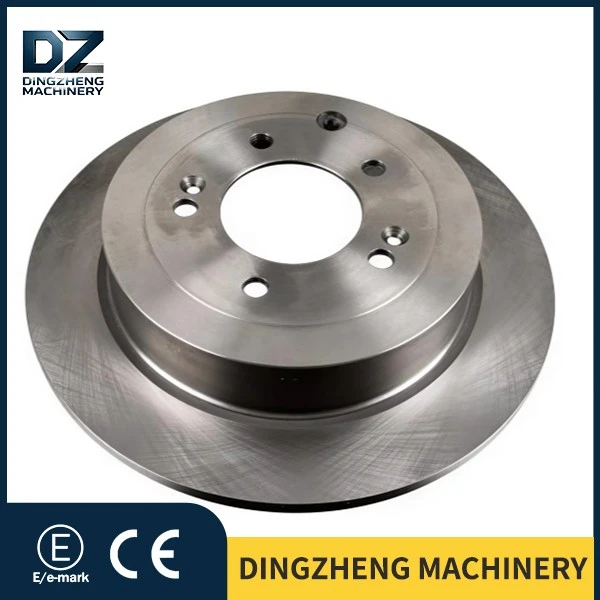
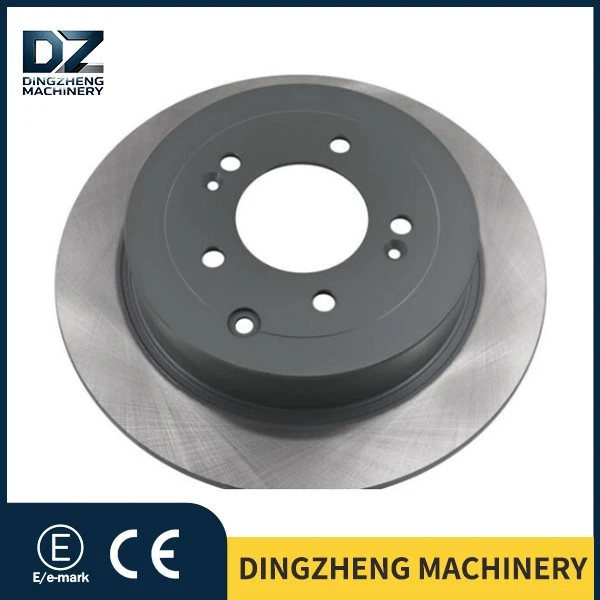
Product Introduction
The original factory design prioritizes perfect compatibility with the vehicle's electronic brake assist systems such as ABS and ESP, delivering linear and predictable braking force. Its surface adopts original factory-standard processing technology, which ensures braking performance while optimizing noise control and dust suppression.
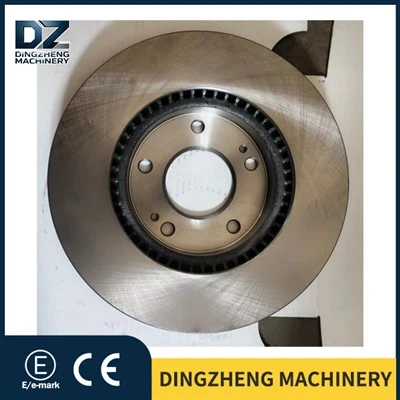
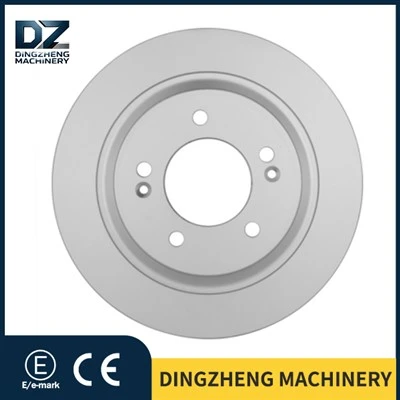
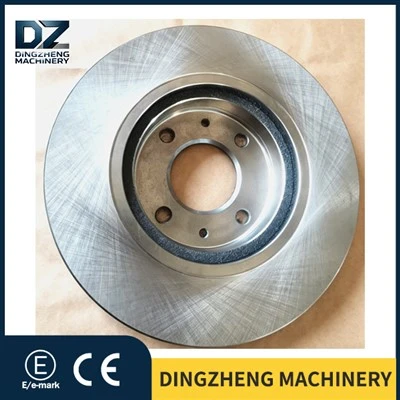
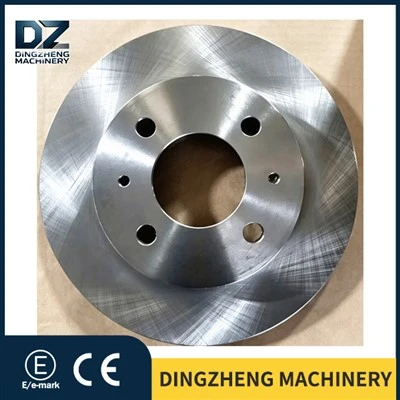
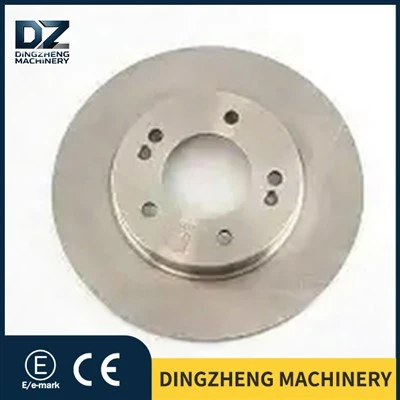
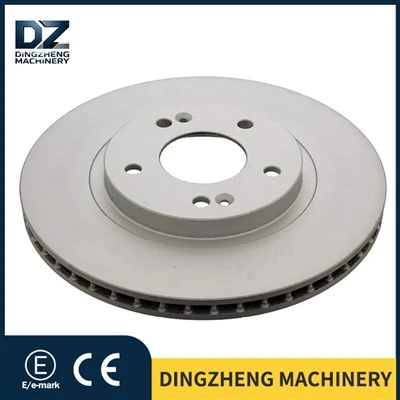
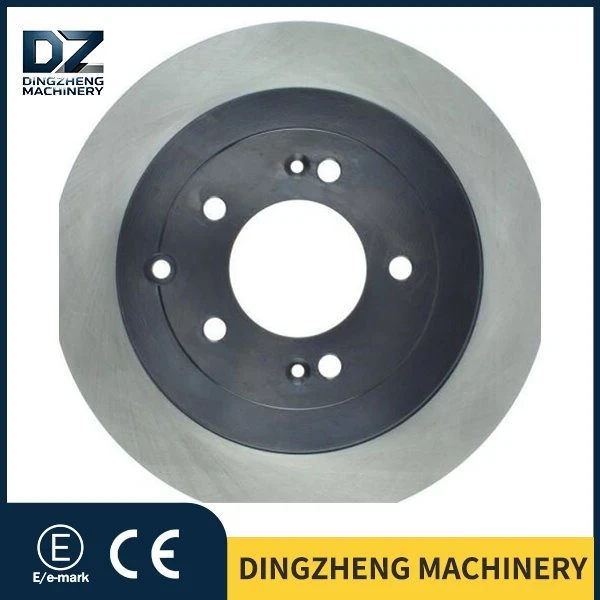
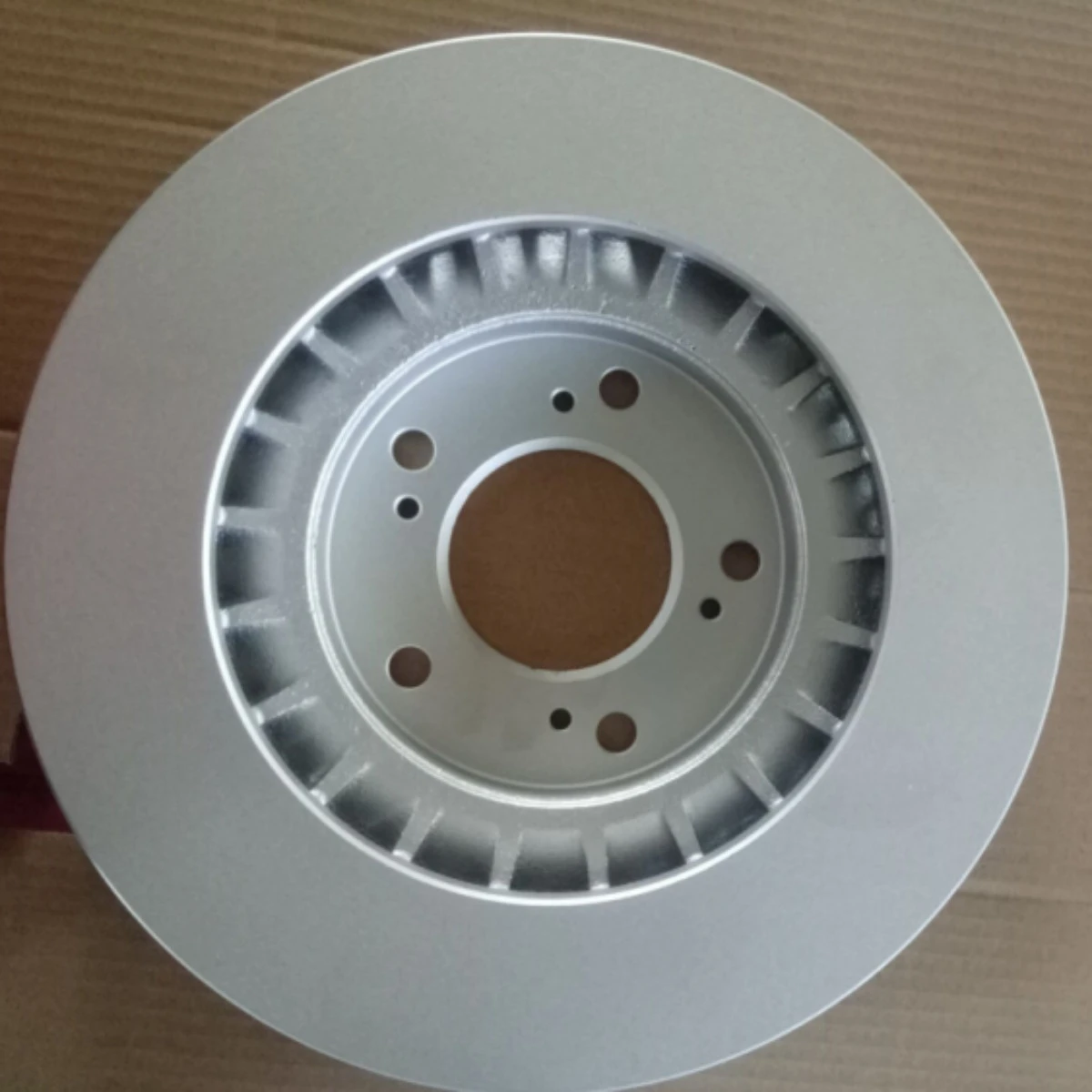
The Rear Brake Disc for HYUNDAI TUCSON 58411D3000 is a solid brake disc that meets original factory specifications. Featuring precise dimensions, reliable gray cast iron material and anti-rust coating technology, it provides fundamental and effective safety protection for the rear wheel braking system of compatible Hyundai models. Choosing it means opting for the original matching degree and stability that perfectly fit the vehicle's braking system.
Product Parameter
|
Location |
Rear Brake |
Diameter |
302mm |
|
Brake Disc Thickness |
10mm |
Minimum Thickness |
8.4mm |
|
Centering Diameter |
76mm |
Height |
54.5mm |
|
Number Of Holes |
5 |
Pitch Circle Diameter |
114.3mm |
|
Solid Or Vented |
S |
Weight |
5.4kg |
Car Model


HYUNDAI TUCSON (TL, TLE) 2.0 2015/05-2023/05
HYUNDAI TUCSON (TL, TLE) 2.0 CRDi 2015/05-2023/05
HYUNDAI TUCSON (TL, TLE) 2.0 CRDI All-wheel Drive 2015/05-2023/05
KIA SPORTAGE IV (QL, QLE) 2.0 TGDI 2015/01-2022/10
KIA SPORTAGE IV (QL, QLE) 2.0 TGDI AWD 2015/01-2022/10
Reference No.
There are different corresponding codes for the rear brake disc for HYUNDAI 58411D3000
|
BLUE PRINT |
ADG043226 |
KAVO |
BR4246C |
|
BOSCH |
0986479E43 |
OE |
58411D3000 |
|
FREMAX |
BD0579 |
PROTECHNIC |
PRD5548 |
|
HERTH+BUSS JAKOPARTS |
J3310538 |
TRW |
DF8267 |
Surface Treatment
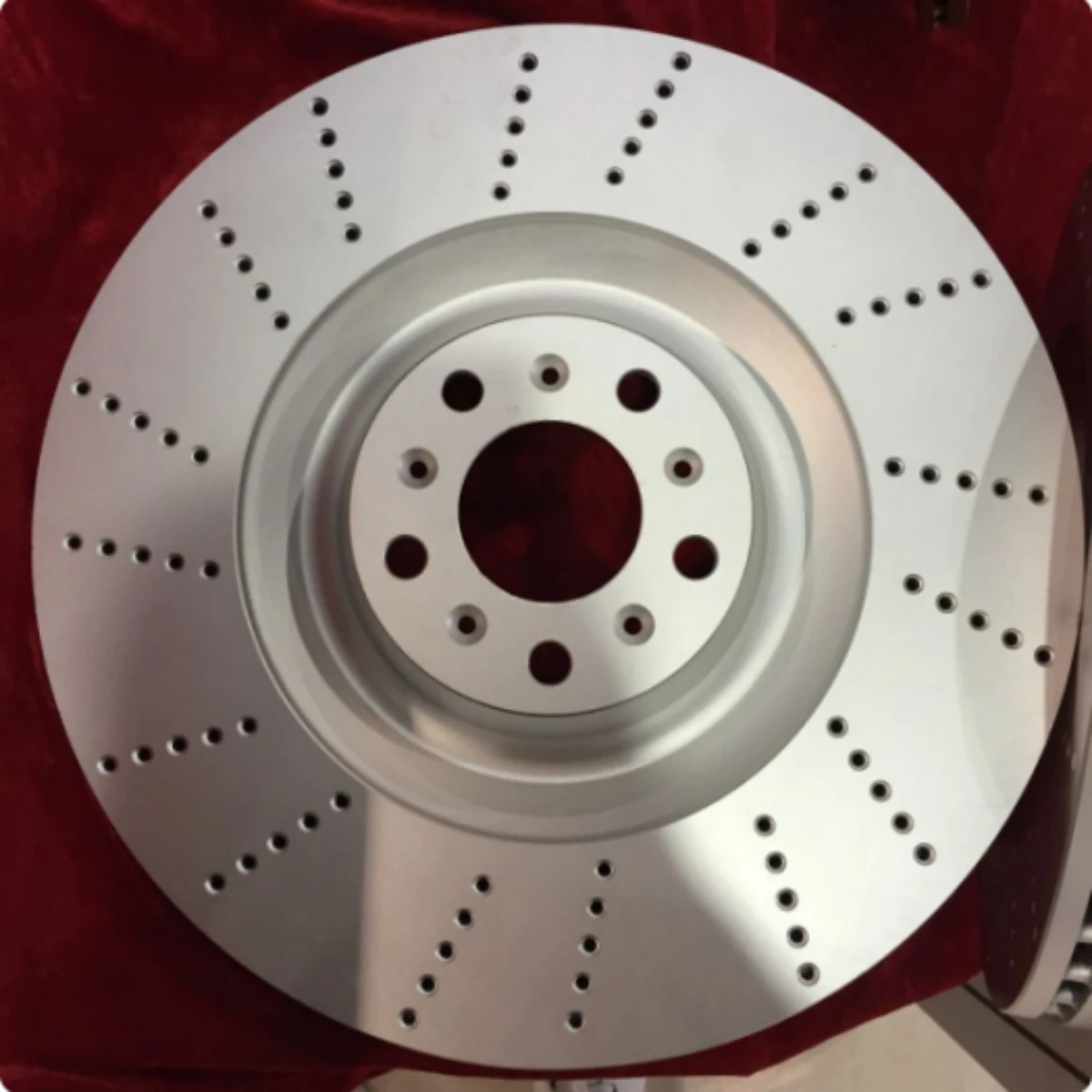
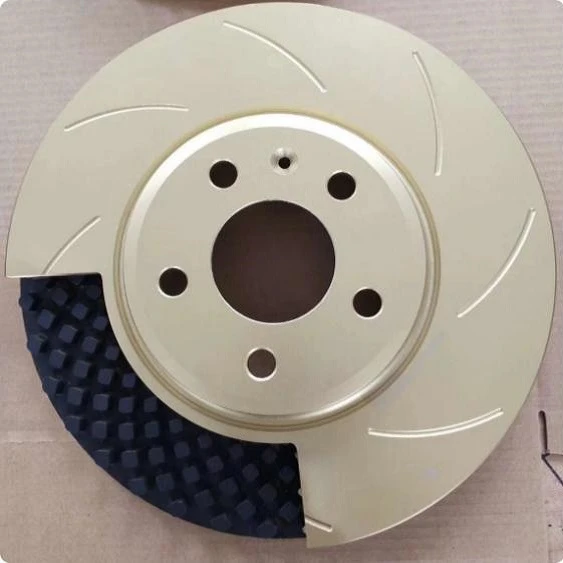
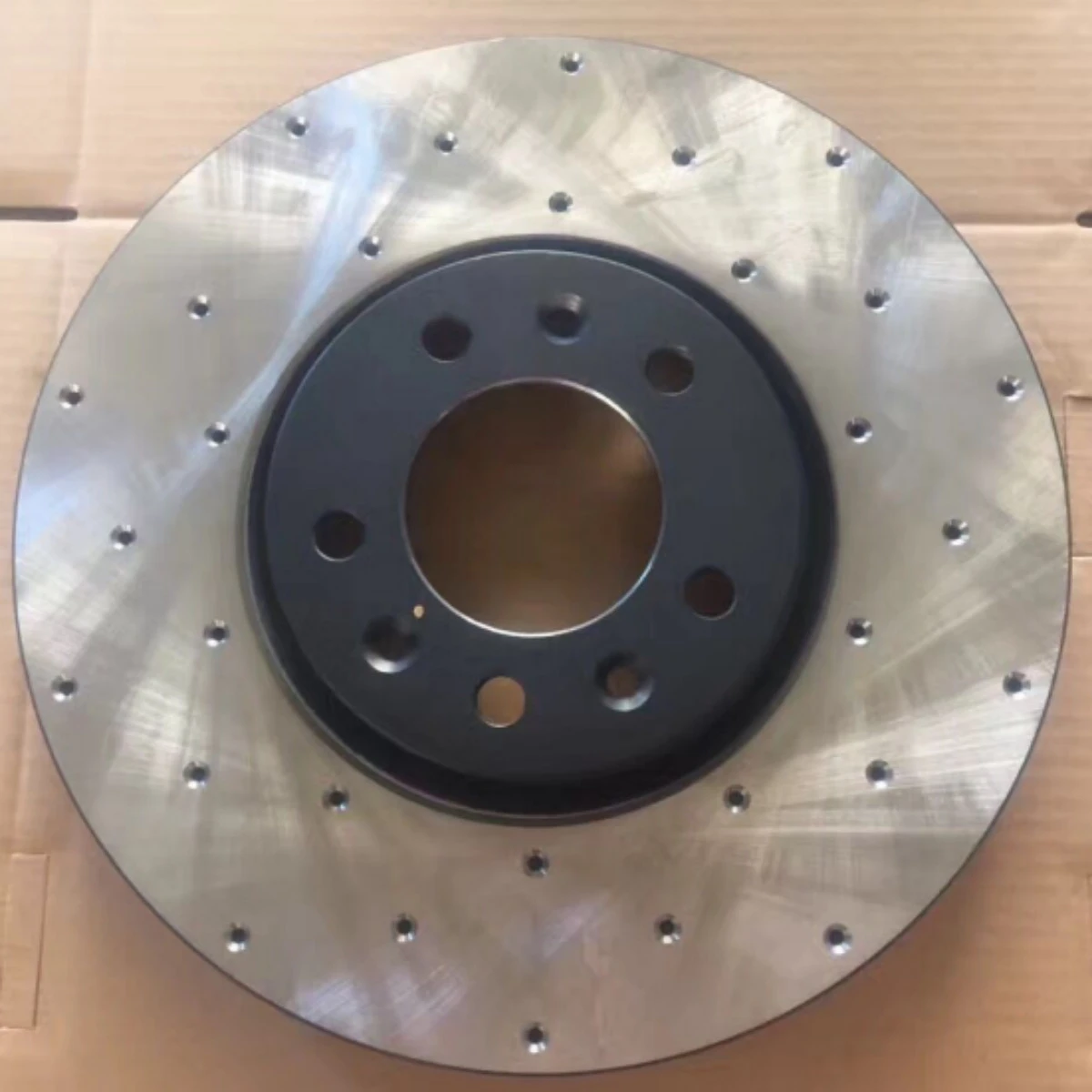
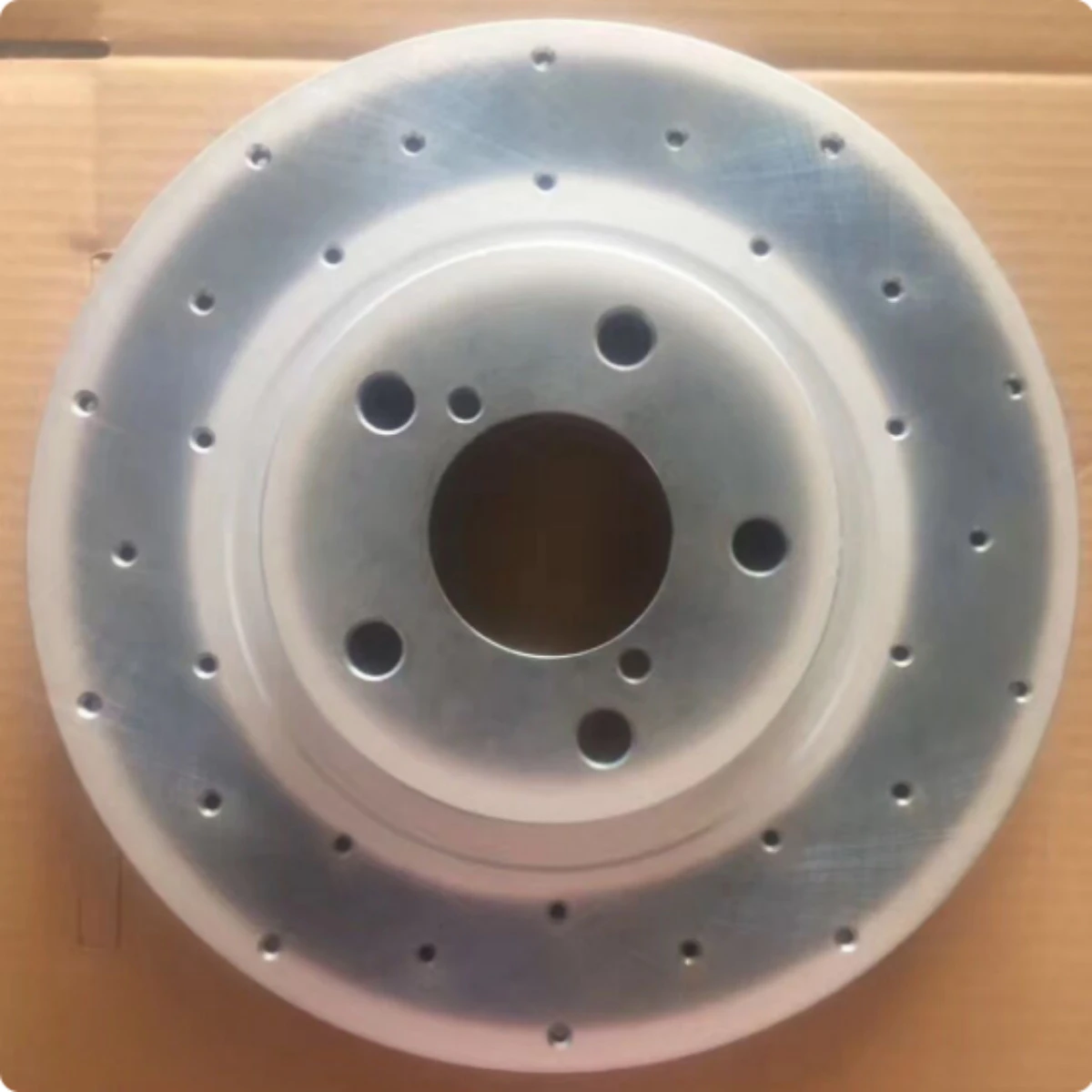
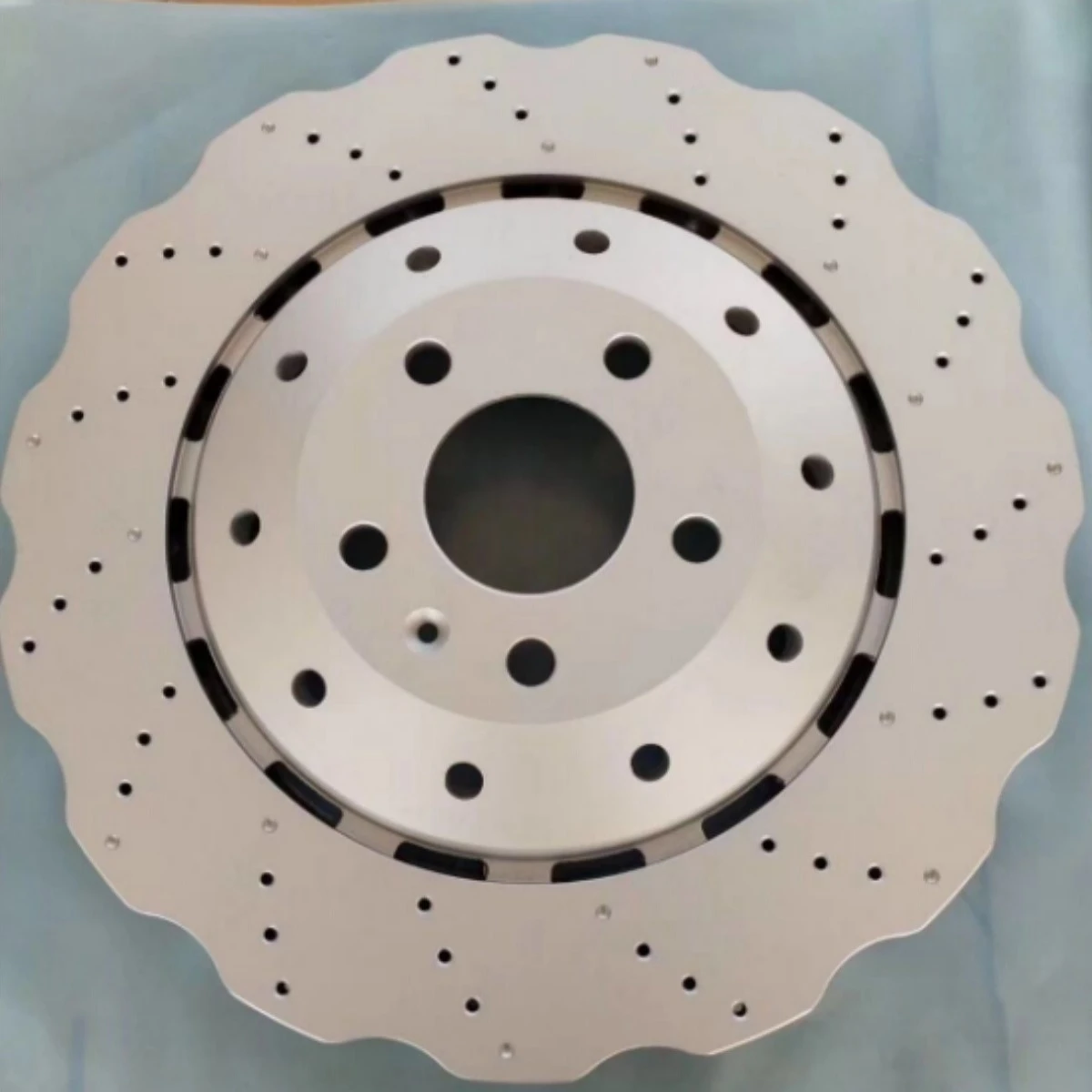
Future Battle: Laser Cladding and Integrated Grinding for Euro 7 - A Technological Revolution Under Environmental Regulations
With the upcoming implementation of the world's strictest Euro 7 emission standard, extremely stringent limits have been imposed on particulate emissions generated by braking systems (targeting below 3 mg/km). This has sparked another revolution in brake disc surface technology: laser cladding of hard coatings.
This technology is no longer merely for rust prevention; its core objective is to drastically reduce wear and dust generation. It uses high-energy lasers to fuse and weld hard alloy materials (such as carbides) directly onto the preheated friction surface of brake discs, forming an extremely wear-resistant protective layer. The real challenge lies in subsequent processing: how to efficiently and precisely grind this hard, rough coating down to a flawless surface finish?
Industry leaders such as EMAG have delivered an integrated solution. Its dedicated VLC 450 DG grinding machine is designed with deep synergy for the laser cladding process. Adopting vertical double-end face grinding technology, it enables simultaneous machining from top and bottom via two spindles. The cross-hatch grinding pattern not only delivers optimal tribological performance but also supports real-time quality monitoring during processing.
For different coating systems (single-layer or double-layer), the machine can adjust grinding parameters and adopt quickly replaceable grinding wheel rings, cutting tool change time to under ten minutes, perfectly meeting the production demands for high volume, high precision and high cycle efficiency. This marks the evolution of brake disc surface treatment from an independent single process to an intelligent manufacturing system integrating "cladding-grinding".
Machining Workshop
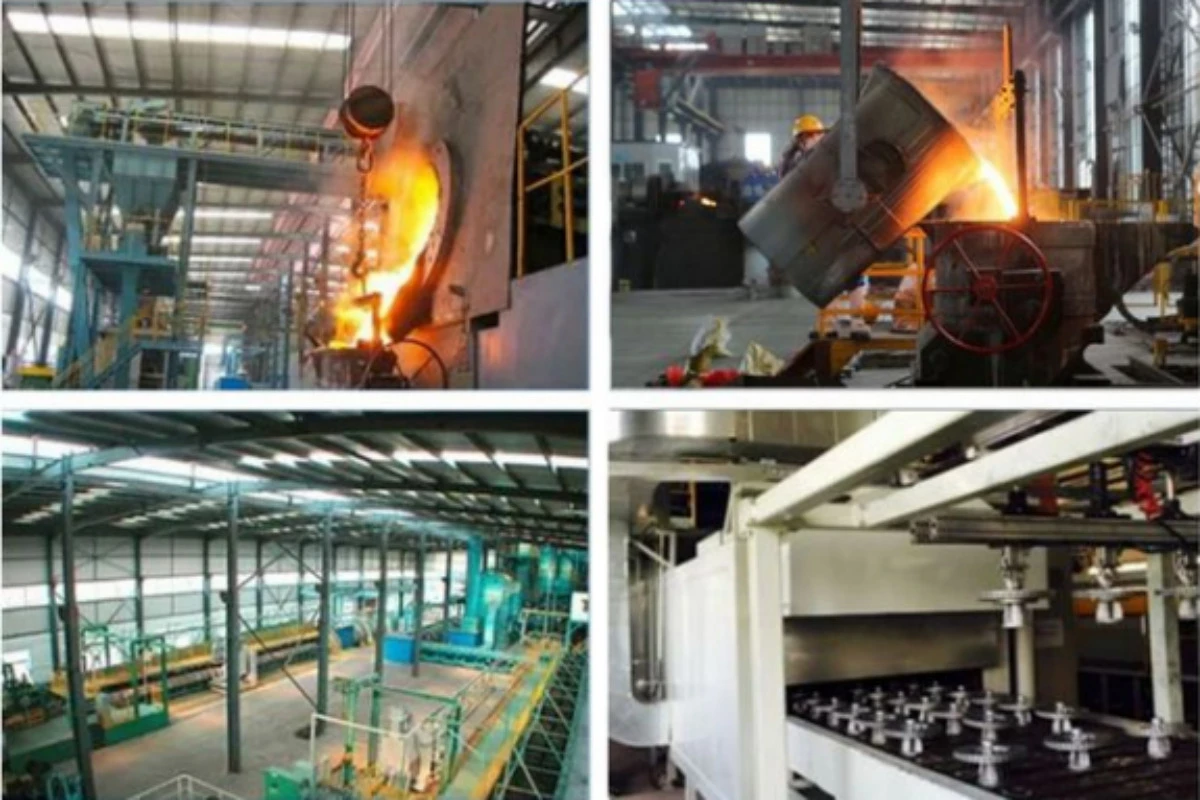
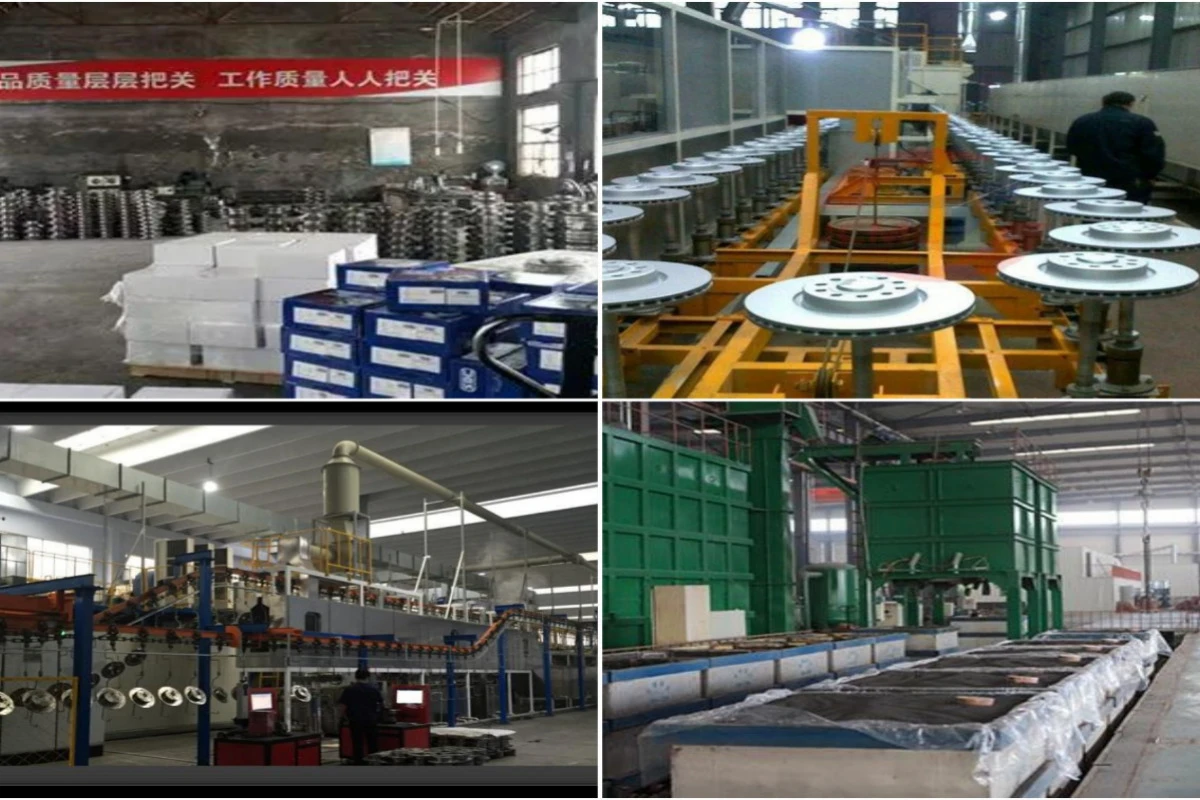
This workshop has built a professional machining production system exclusively for theRear Brake Disc for HYUNDAI TUCSON 58411D3000. The product is compatible with all models of HYUNDAI TUCSON and serves as a core safety component for vehicle chassis. This is a solid rear brake disc with original factory standard parameters: outer diameter 302mm, standard thickness 10mm, wear limit thickness 8mm, central positioning hole diameter 69mm, 5-hole mounting structure, pitch circle diameter 114.3mm, and a net weight of 5.4KG per unit. Adopting HT250 gray cast iron as the unified base material, it features excellent wear resistance, high temperature resistance, low thermal deformation coefficient and superior braking stability, fully complying with original factory assembly standards.
Positioned for refined mass production of a single product category, the workshop caters to three major business scenarios: OEM supporting for vehicle manufacturers, wholesale for overseas aftermarket and retail replacement parts. It strictly abides by the manufacturing specifications for modern auto parts and the ISO/TS16949 automotive quality management system. Focusing on high precision, low runout and zero defects, it addresses common industry problems of traditional brake discs, such as uneven machined end faces, excessive radial runout, unqualified dynamic balance and abnormal braking noise.
Delivery,shipping and serving

FAQ
1. Do you accept small trial orders?
Yes, we welcome small trial orders for new customers to test our product quality and service. There is no minimum order quantity for most standard brake disc models.
2.Why do brake discs warp?
The main reasons for brake disc deformation are as follows:
Direct flushing with cold water under high temperature;
Improper installation or uneven torque;
Long-term driving on bad road conditions, uneven force;
Poor heat dissipation of brake system, resulting in local overheating;
Quality problems of brake disc material.
Last News
Core Growth Drivers:
Outbreak of New Energy Vehicles
The popularization of electric vehicles serves as a key driver of market growth. New energy vehicles feature heavier body weights and widely adopt regenerative braking technology, which imposes higher and more unique requirements on the performance and reliability of braking systems, directly boosting the demand for high-end brake discs.
Rising Importance of the Aftermarket
The scale proportion of the automotive aftermarket is increasing significantly, rising from 35% to 45%, and has become a crucial track for industrial competition.
Driven by Policies and Safety Regulations
Increasingly stringent emission standards across countries (such as the Euro 7 regulations limiting brake dust) and safety standards (including China's new version of Technical Requirements and Test Methods for Passenger Car Braking Systems implemented in 2025) have forced the technological upgrading and iteration of brake discs.
Hot Tags: rear brake disc for hyundai tucson, China rear brake disc for hyundai tucson manufacturers, suppliers, factory