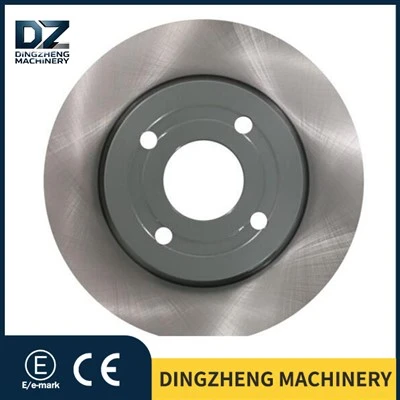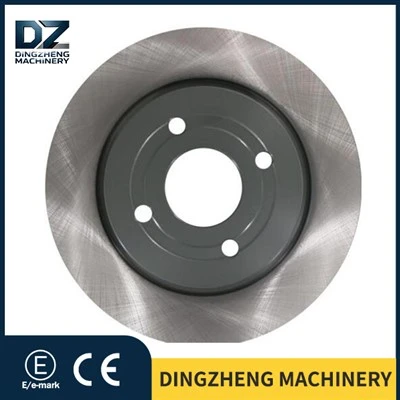

As vehicle performance and intelligent technologies continue to evolve, braking systems have become an integral part of overall vehicle safety and driving quality rather than simply a means of slowing down. As a core friction component in a disc braking system, the brake disc must deliver consistent braking force across a wide range of speeds, loads and road conditions. Audi offers sedans, SUVs, high-performance models and electrified vehicles, so brake disc development must balance performance, safety and everyday driving comfort.
Safety and consistency form the foundation of Audi brake disc design. During braking, the rotor is exposed to frictional forces from the brake pads as well as significant heat generated at the friction interface. To maintain stable braking performance, engineers must consider material strength, wear resistance, thermal stability and rotor construction. Properly matching disc dimensions with the vehicle's braking system helps maintain predictable braking performance across different operating conditions.
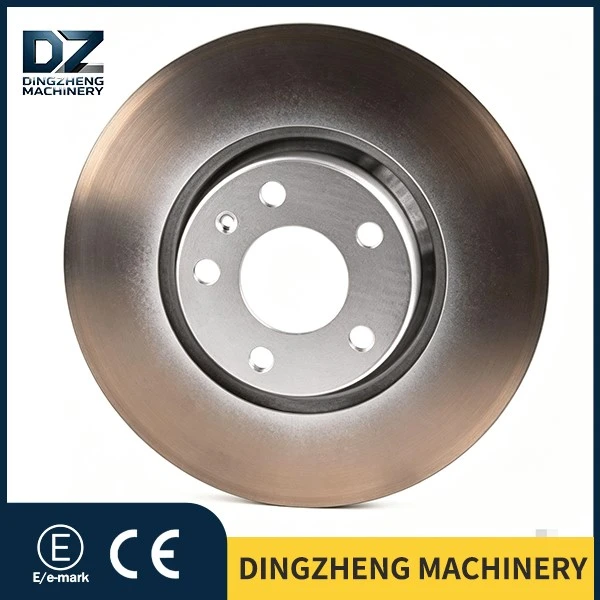
Efficient thermal management is particularly important for performance-oriented brake systems. High-speed driving and repeated braking can generate substantial thermal loads, and inadequate heat dissipation may affect braking consistency. Brake discs can therefore incorporate ventilation features designed to promote airflow through the rotor and improve heat dissipation. High-performance applications place additional demands on both materials and structural design because of their greater braking loads.
Braking refinement is also an important design objective. Parameters such as thickness consistency, lateral runout and friction-surface quality influence how evenly the brake pads contact the rotor. Precision manufacturing and rigorous inspection can help reduce the potential for brake judder, abnormal noise and uneven wear, contributing to a smoother and more progressive braking feel.
Weight optimization is another key consideration in modern Audi braking systems. By refining rotor geometry and material distribution, engineers can reduce unnecessary mass while maintaining the required strength and durability. Reducing unsprung mass can benefit vehicle efficiency, handling and overall ride quality. On electrified vehicles, friction braking must also operate in coordination with regenerative braking, making integration with the vehicle's broader braking strategy increasingly important.
Audi vehicles can differ substantially in powertrain configuration, performance level and braking-system specification. Brake discs must therefore be correctly matched with the caliper, brake pads, wheel hub and electronic braking controls to ensure reliable system performance.
Looking ahead, Audi brake disc development is expected to continue emphasizing efficient thermal management, lightweight construction, durability and system integration. Advances in materials, structural engineering and manufacturing technology will support more precise, stable and reliable braking performance across a wide range of driving conditions.