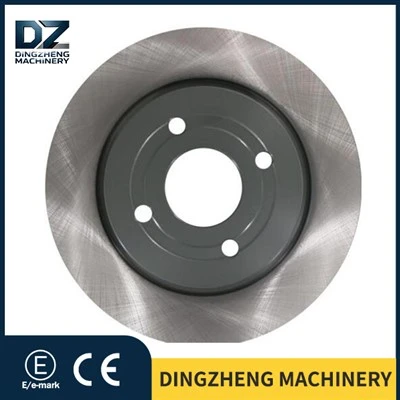

As automotive technology continues to evolve, braking systems are facing increasingly demanding requirements for safety, stability and driving comfort. As a key friction component in a disc braking system, the brake disc must provide dependable stopping power while maintaining consistent performance across different speeds, vehicle loads and road conditions. Nissan's lineup includes sedans, SUVs, MPVs and electrified vehicles, so brake disc development must account for differences in vehicle weight, powertrain characteristics and real-world operating conditions while maintaining a careful balance between safety and performance.
Safety is a fundamental consideration in Nissan brake disc design. During braking, the disc is exposed to continuous friction and significant heat generated by contact with the brake pads. Engineers therefore need to consider material strength, wear resistance and thermal stability when developing the component. Appropriate material selection and optimized rotor construction can help maintain reliable performance over extended periods of use and provide consistent braking capability.
Smooth and predictable braking is another important design objective. Factors such as disc dimensional accuracy, thickness consistency, lateral runout and surface quality can influence how evenly the brake pads contact the rotor. Precision machining and rigorous quality control help minimize the potential for brake judder, abnormal noise and uneven wear, contributing to a smoother and more refined braking experience.
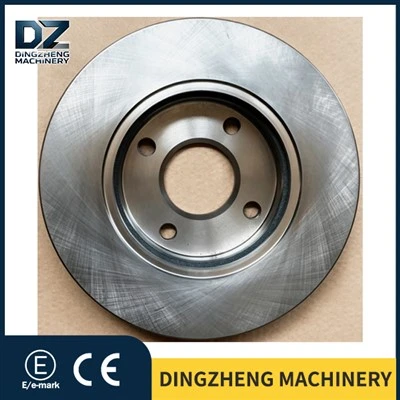
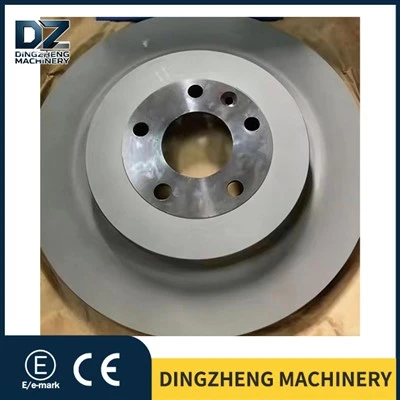
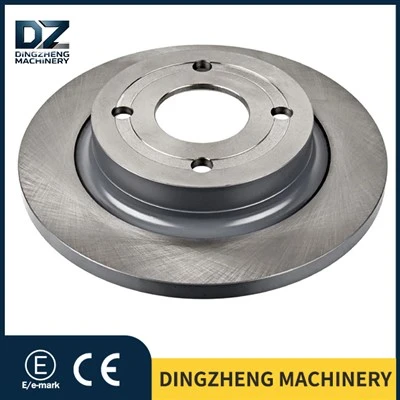
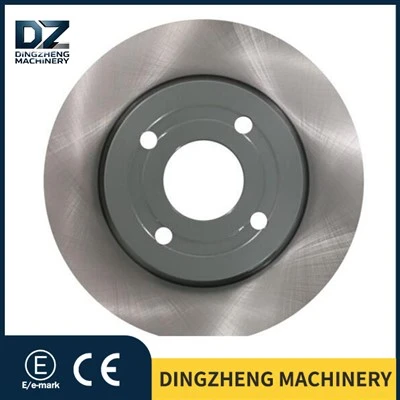
Thermal management is also central to brake disc engineering. Repeated braking can generate substantial heat, and insufficient heat dissipation may affect braking performance. By optimizing disc thickness and ventilation features according to the expected braking load, engineers can improve heat transfer and thermal stability. On applications with higher braking demands, ventilated brake discs use internal cooling passages to promote airflow and help reduce rotor temperatures.
Durability and efficiency are also considered throughout the design process. Optimizing materials, structural geometry and manufacturing methods can help achieve the required safety and durability while controlling component weight and production costs. For electrified vehicles, lightweight engineering and coordination with regenerative braking systems are becoming increasingly relevant to overall brake-system development.
Application-specific fitment is another important aspect of Nissan's approach. Different Nissan vehicles can have significantly different dimensions, weights, powertrain configurations and braking systems. Brake discs must therefore be developed for the requirements of specific vehicle platforms and properly matched with the calipers, brake pads and wheel hubs.
Looking ahead, Nissan brake disc development will continue to focus on safety, stability, durability and weight optimization. Advances in materials engineering, digital design and precision manufacturing are expected to further improve braking performance and overall efficiency, helping modern vehicles deliver reliable and consistent safety on the road.