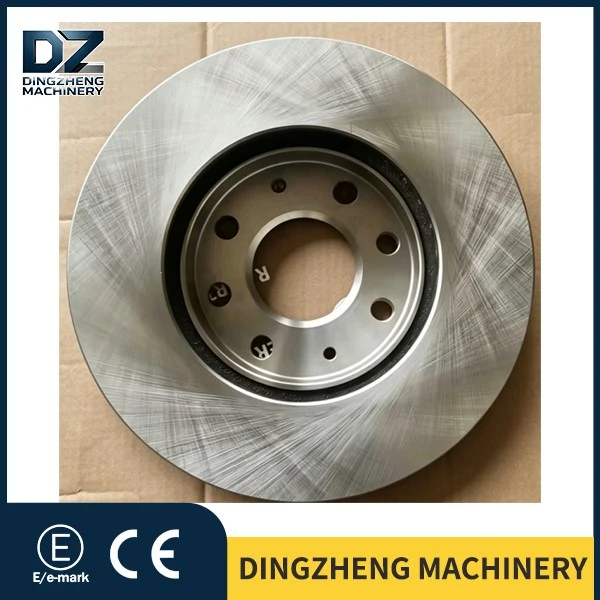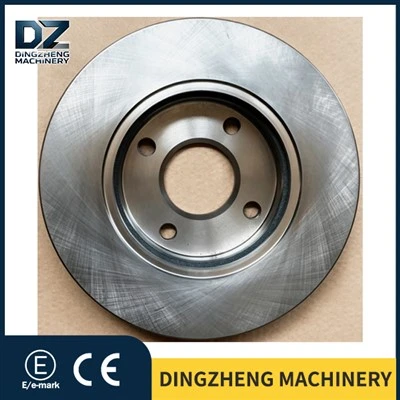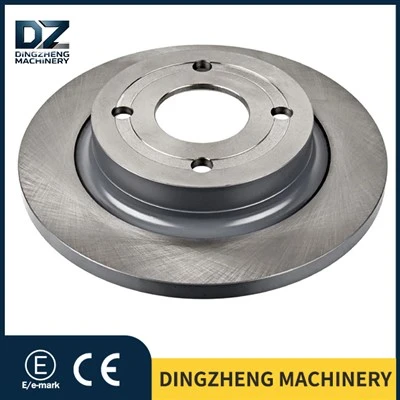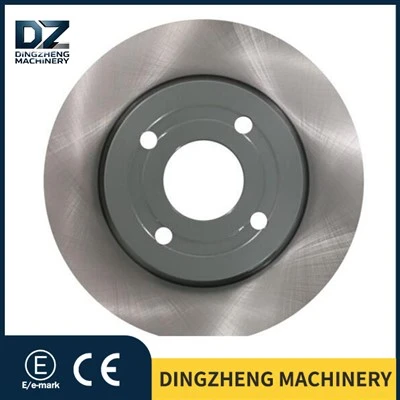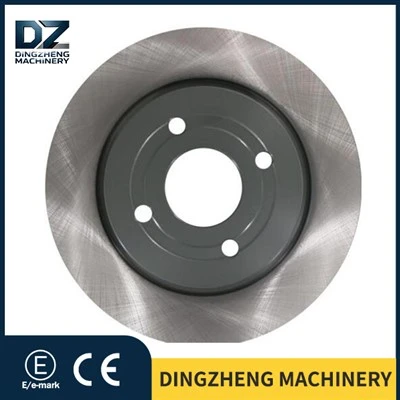

As automotive engineering continues to advance, greater attention is being placed on the design and performance of braking components. The brake drum is a core component of a drum braking system. It generates braking force through friction with the brake shoes, allowing the vehicle to decelerate and stop. Chevrolet offers a diverse range of vehicles, including passenger cars, SUVs, MPVs and pickup trucks. Because these vehicles differ in weight, powertrain configuration and operating conditions, brake drum dimensions and construction can vary according to the requirements of each application.
A typical Chevrolet brake drum consists of the drum body, internal friction surface, wheel-hub mounting area and associated mounting features. Unlike a disc brake, a drum brake places its friction surface inside the drum. When the braking mechanism is activated, the brake shoes move outward and press against the inner surface of the rotating drum, generating friction and braking force. This enclosed configuration provides a degree of protection for the internal braking components and can reduce their direct exposure to the external environment.
Material selection is an important foundation of brake drum construction. Automotive brake drums are commonly manufactured from cast iron because of its strength and wear resistance. Since braking generates considerable heat, the material must also provide adequate thermal stability to withstand repeated temperature changes without excessive dimensional distortion. Appropriate material selection helps the drum maintain reliable performance throughout its service life.
Thermal management is another consideration in brake drum design. Although drum brakes have a relatively enclosed structure, heat generated during braking still needs to be dissipated effectively. Some brake drums use optimized dimensions, wall thickness and external geometry to improve heat transfer. For vehicles exposed to higher braking loads, appropriate structural design can help limit excessive heat accumulation during repeated braking.
Manufacturing precision also affects braking performance. The roundness, dimensional accuracy and surface condition of the drum's internal friction surface must be carefully controlled to ensure even contact with the brake shoes. Excessive wear, deformation or irregularities on the inner surface can contribute to brake judder, abnormal noise or uneven braking force.
Brake drum specifications can vary across Chevrolet models, model years and equipment configurations. When replacing a brake drum, the exact vehicle specification and original equipment dimensions should be verified, including drum size, mounting arrangement and compatibility with the braking system. The brake shoes, wheel hub and related mechanisms should also be inspected during the replacement process.
Overall, Chevrolet brake drums are characterized by proven construction, dependable operation and good durability. As braking technology continues to evolve, future brake drum development is expected to focus on improved materials, thermal management and lightweight structural design, supporting more stable and reliable braking performance across a broad range of vehicle applications.