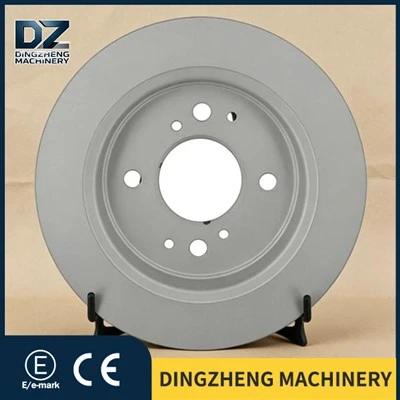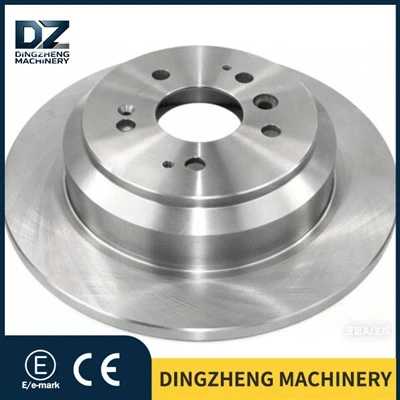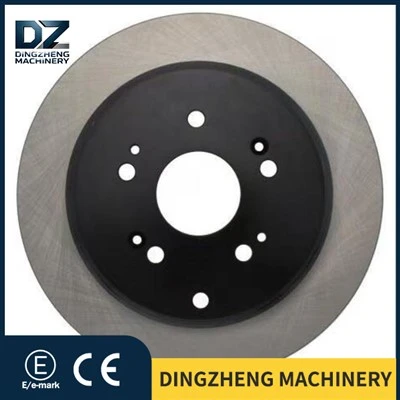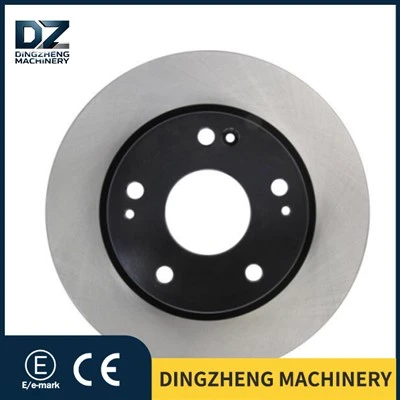

Product Introduction
Precise Adaptation
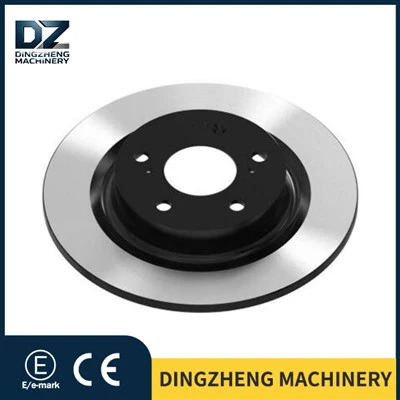
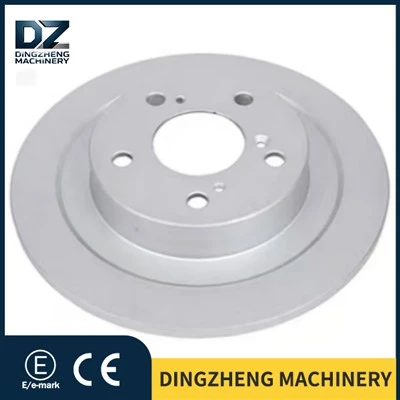
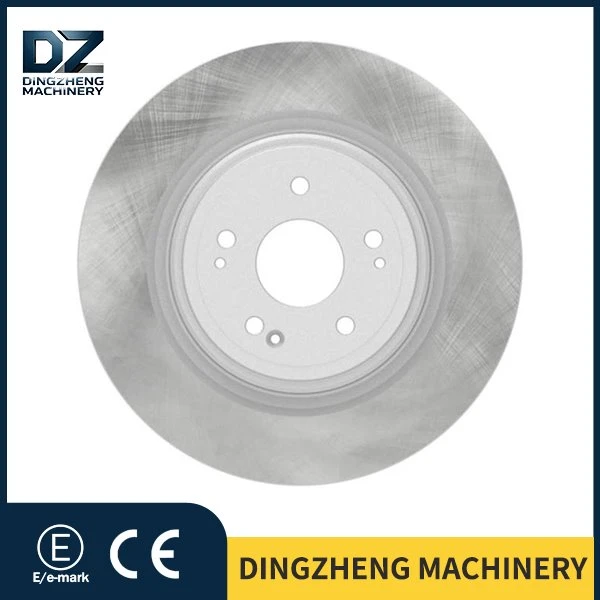
This component is specially designed to fit the rear wheel braking system of specific model years and Honda vehicle models (such as some Honda Avancier models). Before purchase, be sure to check the vehicle VIN code or detailed configuration to ensure full compatibility.
Professional Installation
The installation of brake discs requires professional tools and techniques, including cleaning the mounting contact surfaces and precise torque control. It is recommended to have the operation performed by a professional technician, and follow the standard running-in procedure after installation to achieve the optimal matching state between brake pads and brake discs.
Product Parameter
|
Location |
Rear Brake |
Diameter |
329.5mm |
|
Brake Disc Thickness |
11mm |
Minimum Thickness |
9mm |
|
Centering Diameter |
64.15mm |
Height |
44.7mm |
|
Number Of Holes |
5 |
Pitch Circle Diameter |
114.3mm |
|
Solid Or Vented |
S |
Weight |
6.14kg |
Car Model

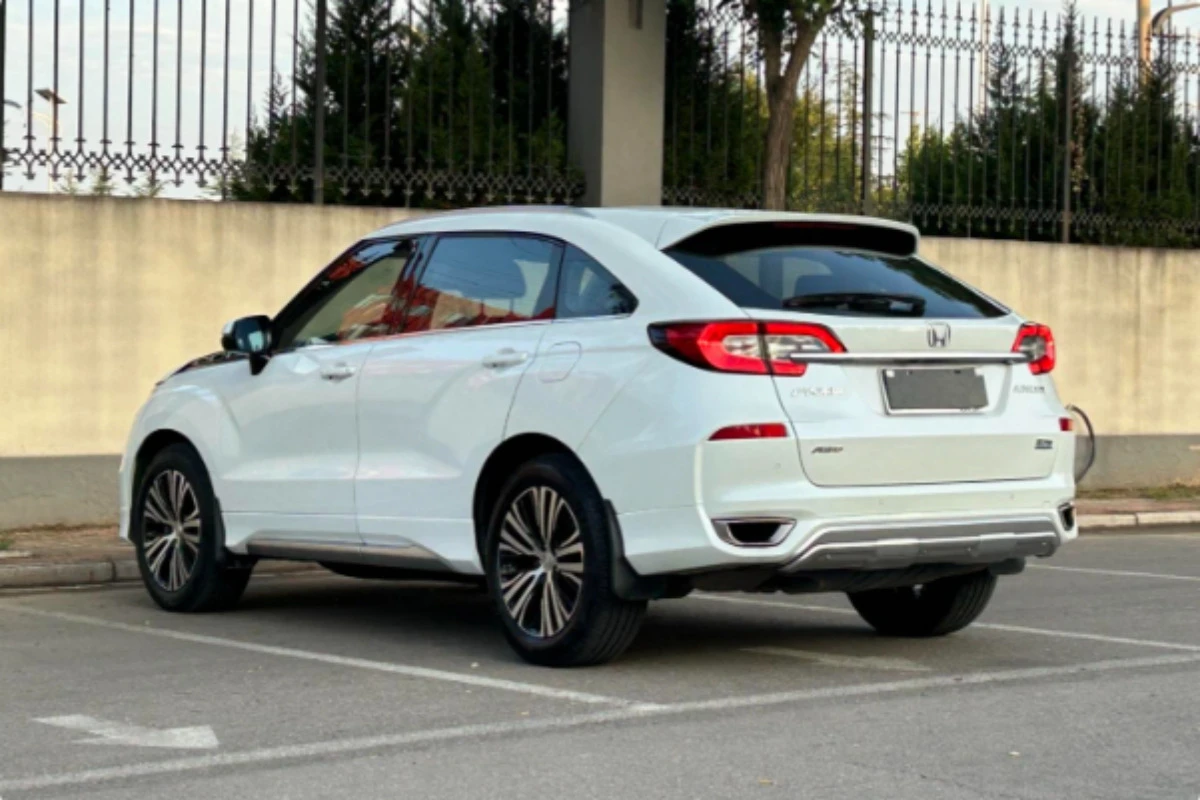
GAC HONDA AVANCIER (TG_) 370 T 2016/10
GAC HONDA AVANCIER (TG_) 370 T 4WD 2016/10-
Reference No.
There are different corresponding codes for the HONDA AVANCIER 42510THAH00 Rear Brake Disc
|
OE |
42510THAH00 |
TRW |
DF8338S |
Surface Treatment
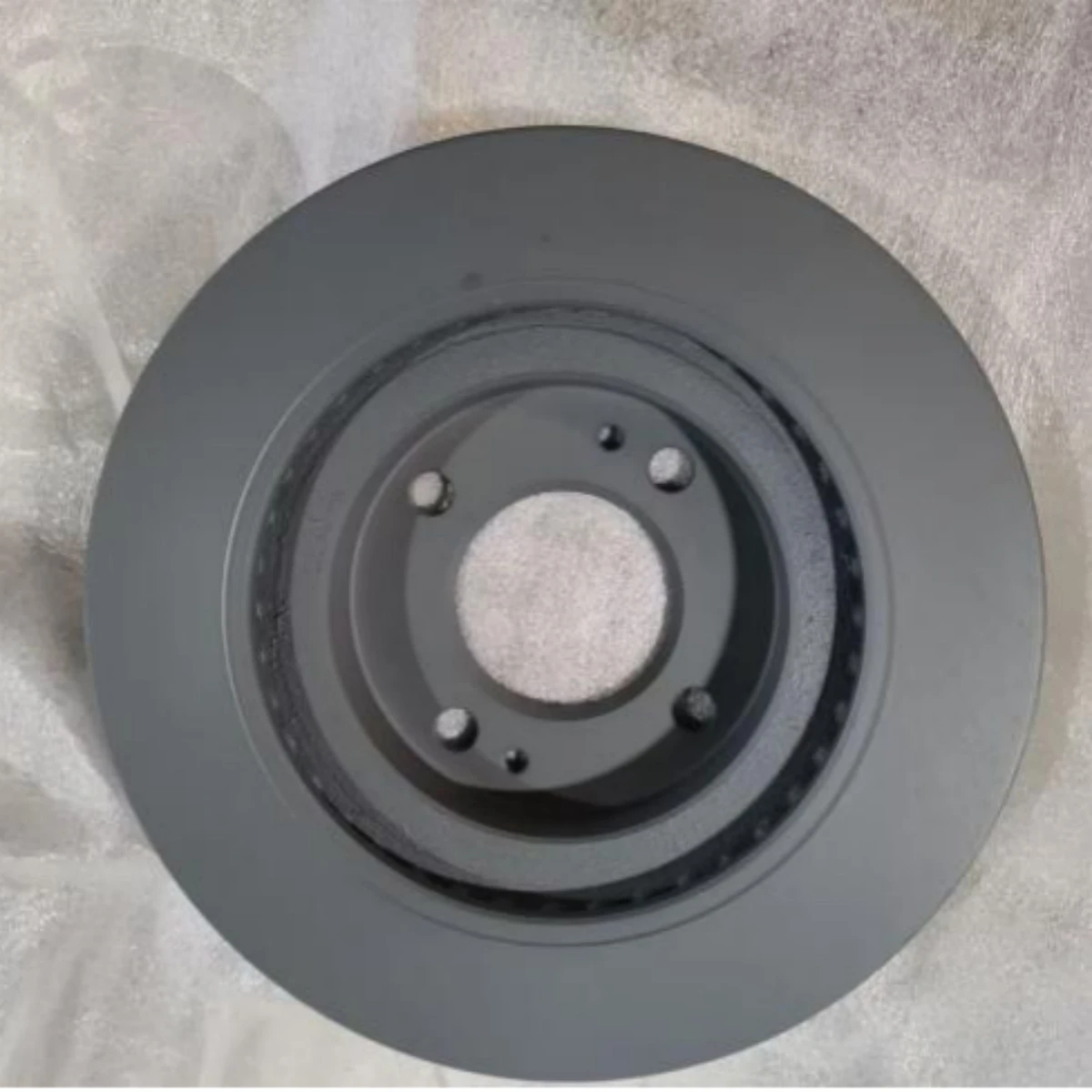
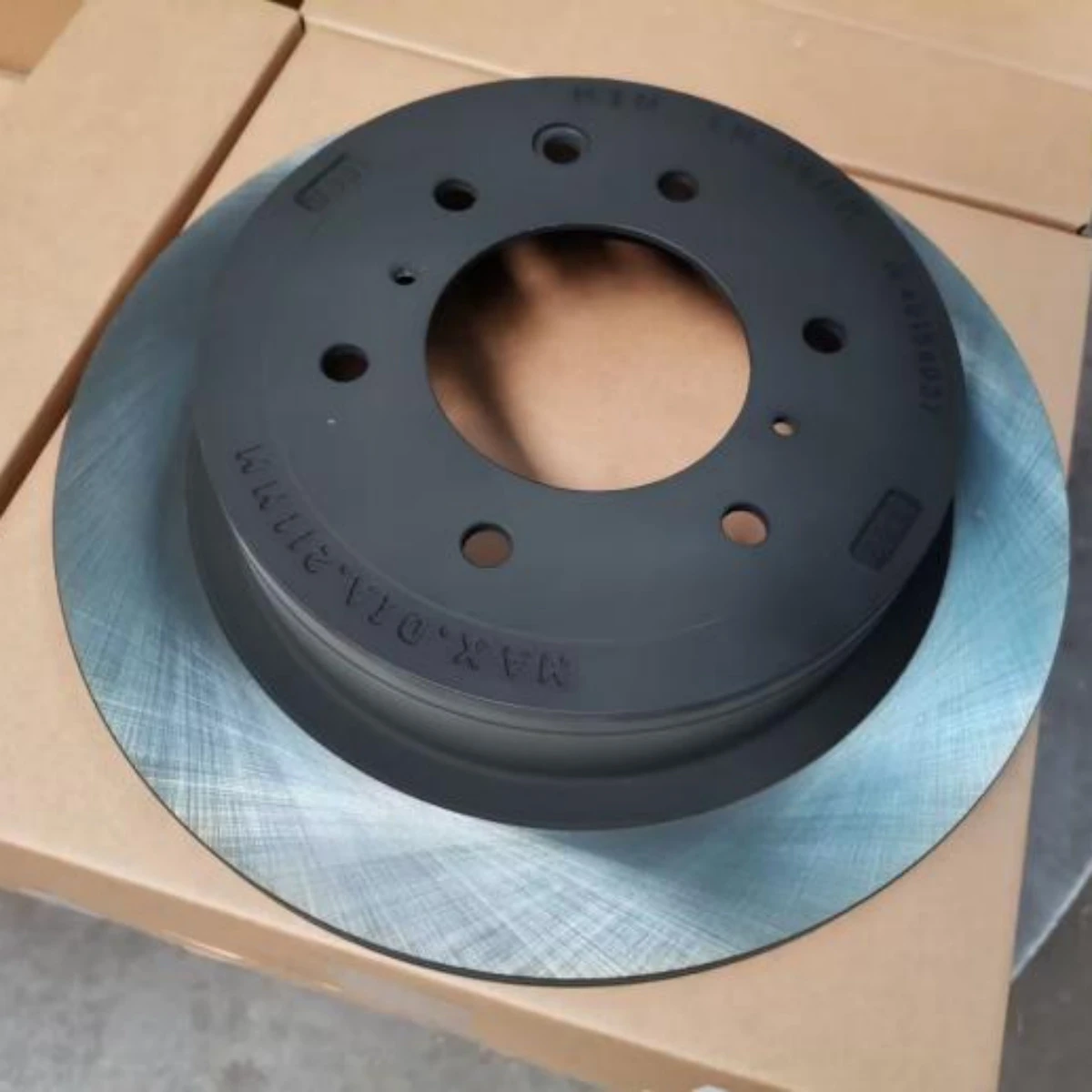
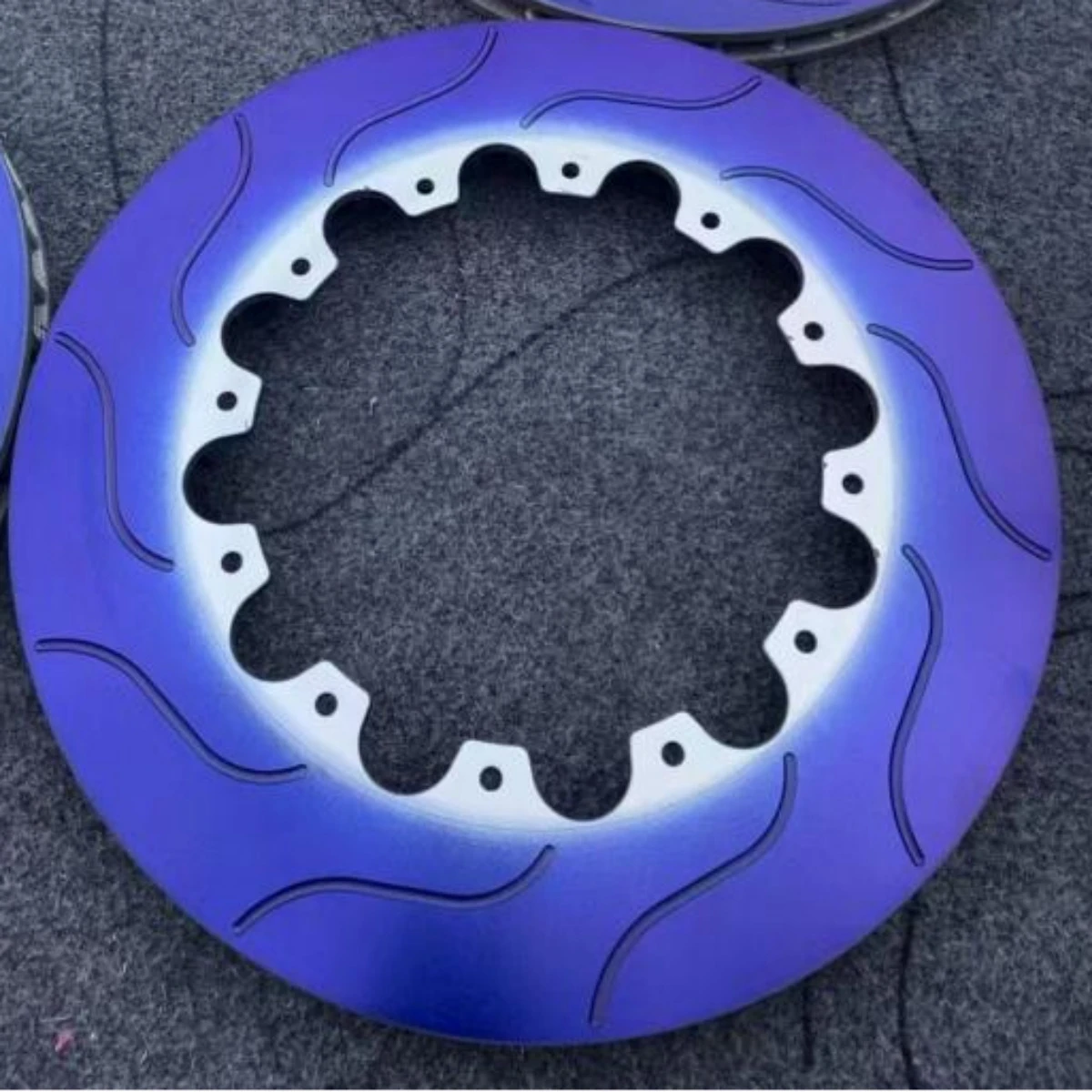
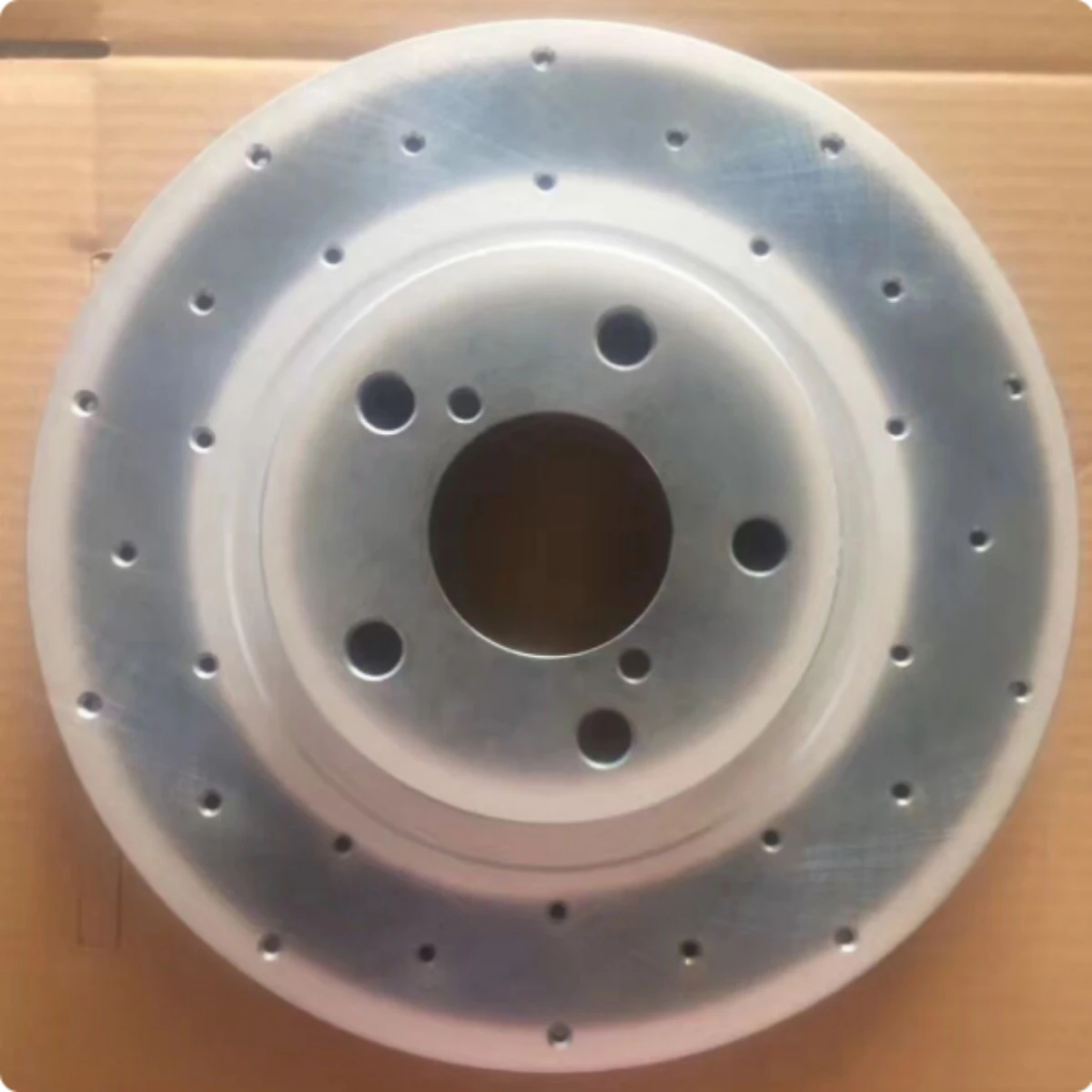
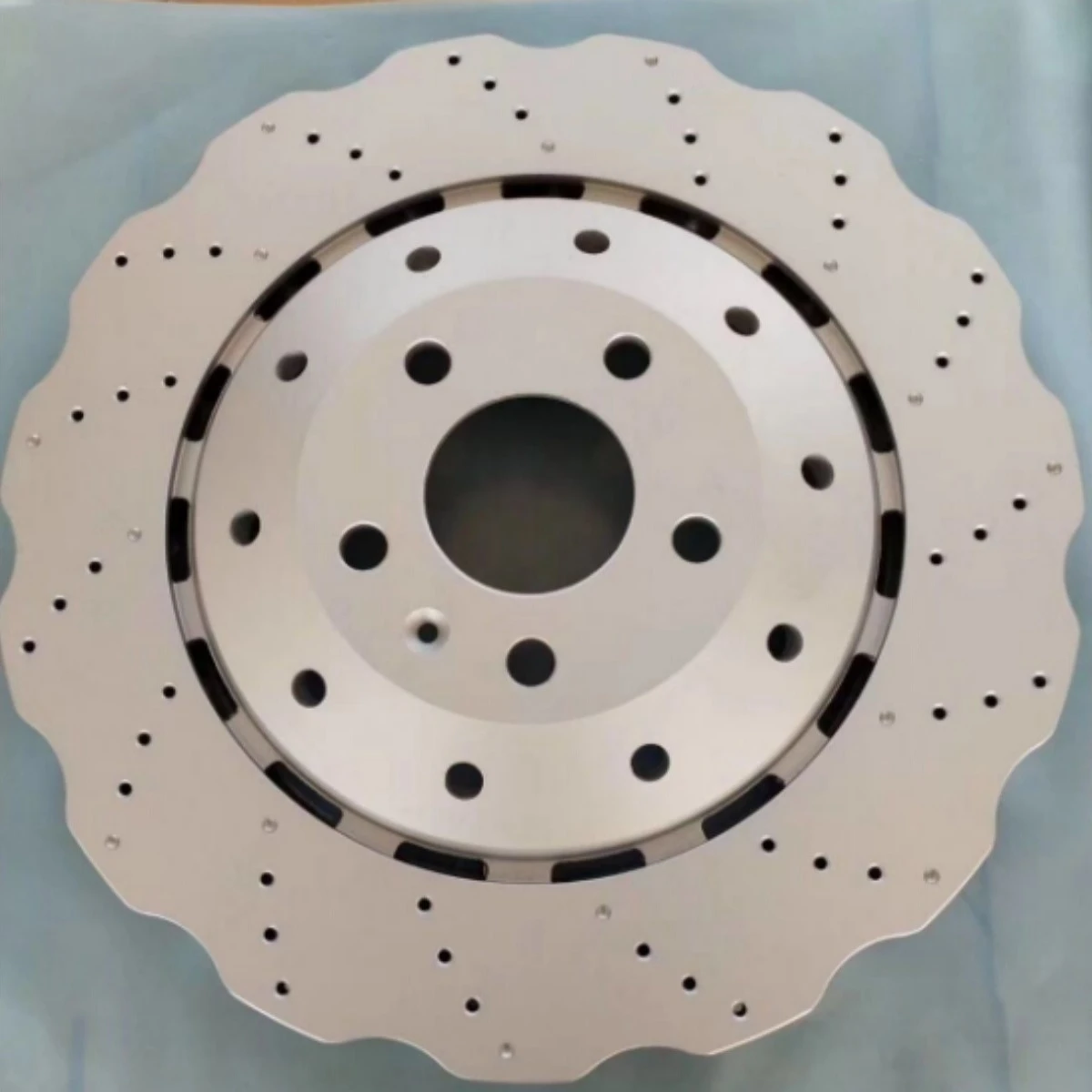
Brake disc surface treatment is more than just a protective layer-it's a critical process that bridges material performance and braking safety, directly determining the disc's service life, corrosion resistance and braking stability. No redundant gimmicks, just professional craftsmanship and practical effects that stand up to real-world use, perfectly Google search and official website display.
The entire surface treatment process follows a multi-stage refined workflow, starting with alkaline degreasing and derusting-a foundational step that removes oil stains, oxide scales and casting residues from the disc surface. This isn't just a simple cleaning; it ensures the subsequent coating adheres firmly, avoiding peeling or bubbling caused by impurities, which is a common flaw in cheap surface treatment.
The core link is plasma spray ceramic coating, an advanced technology that fuses ceramic particles with the disc surface through high-temperature plasma arc. Unlike traditional spray painting, this coating forms a dense, wear-resistant layer that enhances surface hardness to HRC 65+, improving wear resistance by 40% compared to conventional treatments. It also boasts excellent thermal stability, not fading or peeling even under high temperatures of 600℃ during frequent braking.
Machining Workshop
Surface Quality Determines Performance
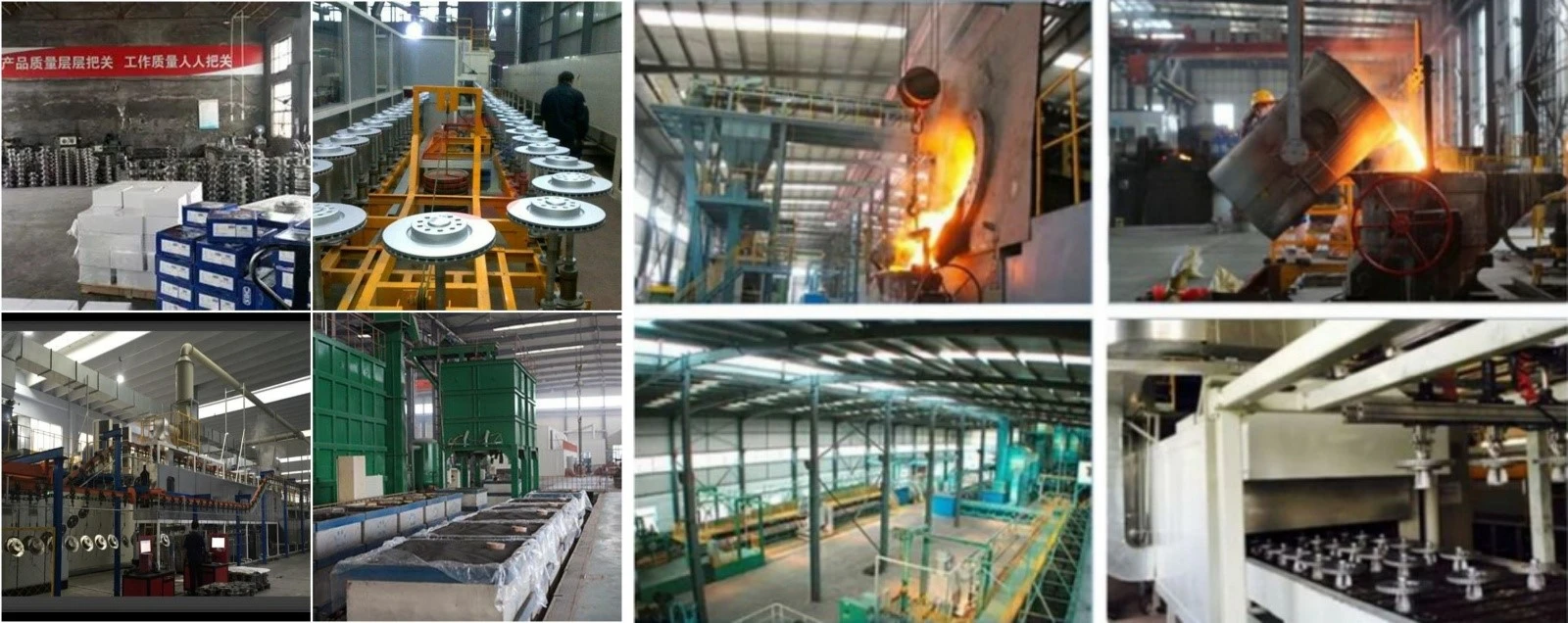
The roughness of the friction surface is not simply the lower the better; instead, it requires an optimized specific texture. This not only allows brake pads to run in quickly and establish a stable friction coefficient but also maintains excellent chip removal and heat dissipation performance. The high-speed grinding process is precisely designed to meet these requirements.
Indispensable Material Strengthening
Heat treatment is a core process to enhance the intrinsic performance of products. Through precisely controlled heating and cooling processes, the metallographic structure of cast iron can be modified, thereby greatly improving the hardness, strength, wear resistance and thermal fade resistance of brake discs.
Ultimate Protective Layer
The machined brake discs also need to be processed on an automatic spraying line, undergoing procedures such as preheating, painting and baking. This coating is mainly used to prevent oxidation and corrosion of the product during storage and service, and extend its service life.
Delivery,shipping and serving

FAQ
What are the main types of brake discs? How should I choose them?
Classified by structure and design, brake discs are mainly divided into the following types to meet different driving needs:
- Solid Disc: The most basic structure, offering a reliable and cost-effective solution for daily smooth driving.
- Vented Disc: A common configuration for the front wheels of mid-to-high-end vehicles nowadays. It features internal air ducts that boost airflow during rotation, delivering significantly better heat dissipation than solid discs and effectively resisting performance heat fade caused by continuous braking.
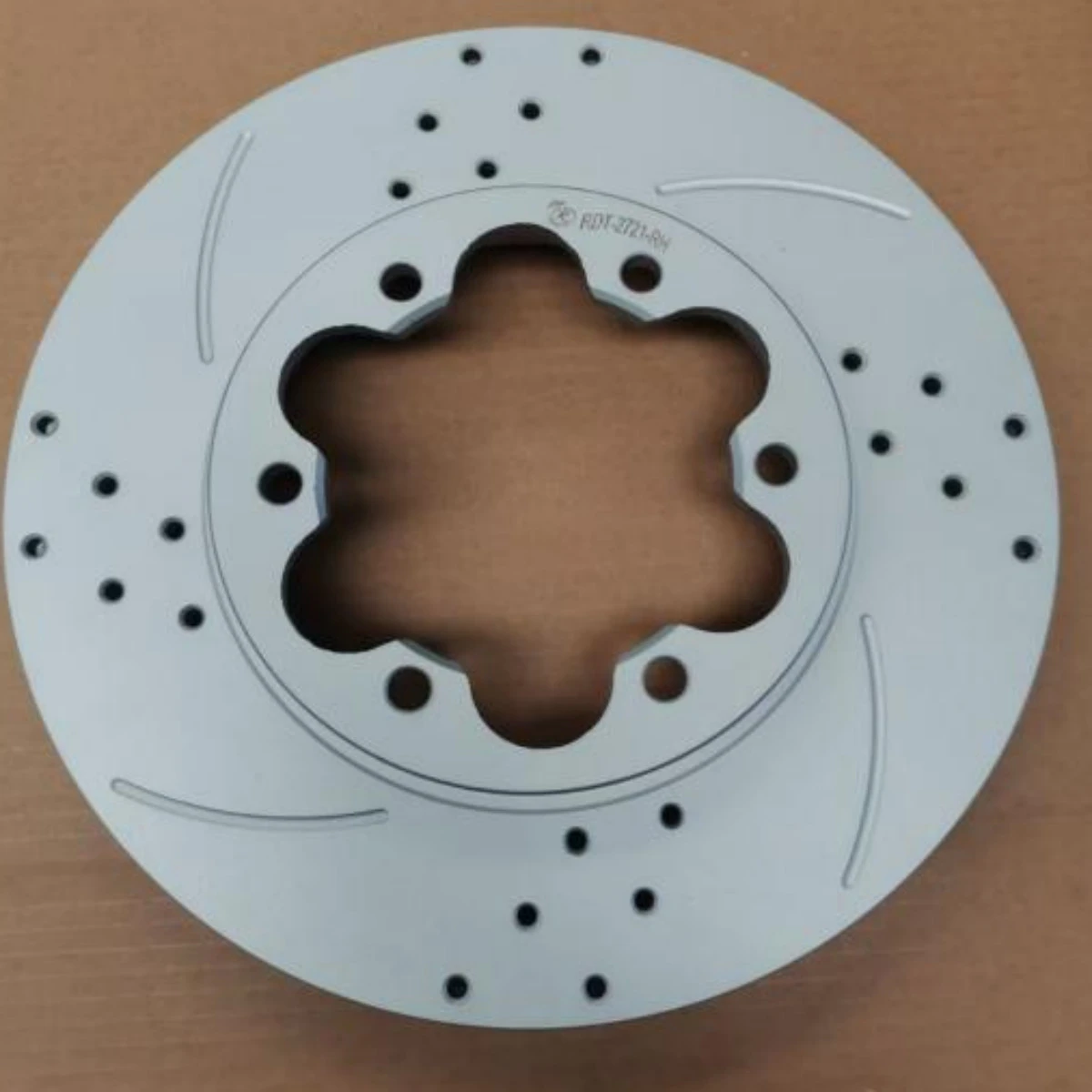
- Drilled Disc & Slotted Disc: These are generally regarded as performance upgrade options. Drilling aids heat dissipation and water drainage, while slotting scrapes off dust and gas from the brake pad surface, keeping the friction surface clean and improving the consistency of braking response. It should be noted, however, that they may slightly accelerate brake pad wear.
What is the function of the brake disc on a vehicle?
The brake disc (also known as a rotor) is the core rotating component of the disc brake system. Its primary function is to provide a stable and efficient friction surface. When you apply the brakes, the caliper pushes the brake pads to clamp tightly onto the rotating brake disc attached to the wheels. Through strong frictional force, the kinetic energy of the moving vehicle is converted into heat energy and dissipated, thereby slowing the vehicle down until it comes to a complete stop. It can be said that without the brake disc, the braking system cannot fulfill the fundamental task of stopping the vehicle.
Last News
We will continue to track the latest technological trends in the brake disc industry, update product iterations in line with global standards, and provide more reliable, environmentally friendly and cost-effective solutions for global customers. Stay tuned for more industry updates and technological breakthroughs.If you have any needs for our new products or want to learn more about our latest R&D progress, you can contact our customer service team at any time, and we will reply to you with the latest detailed information as soon as possible.
The brake disc industry is accelerating its transition toward "lightweight, intelligent, and eco-friendly" designs. Carbon-ceramic composites and smart monitoring technologies are poised to become the core competitive drivers over the next 3–5 years. Leveraging cost advantages and rapid response capabilities, domestic manufacturers are well-positioned to capture a larger share of the global market.
Hot Tags: honda avancier rear brake disc, China honda avancier rear brake disc manufacturers, suppliers, factory