
Product Introduction
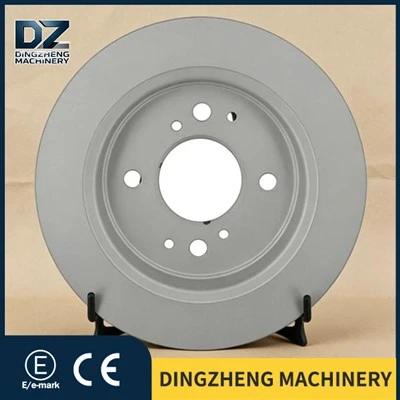
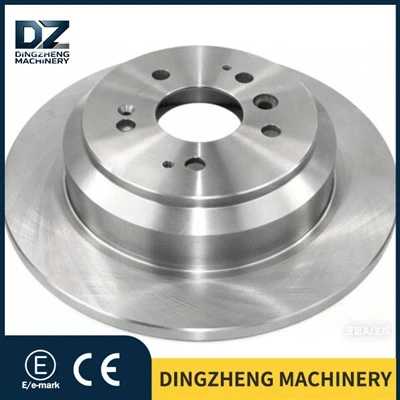
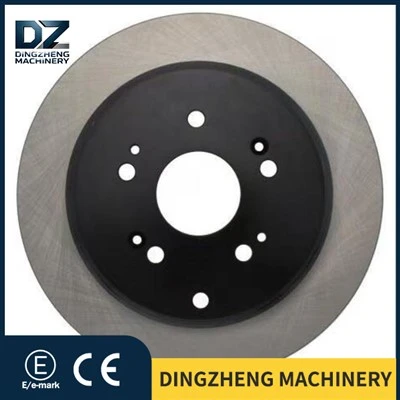
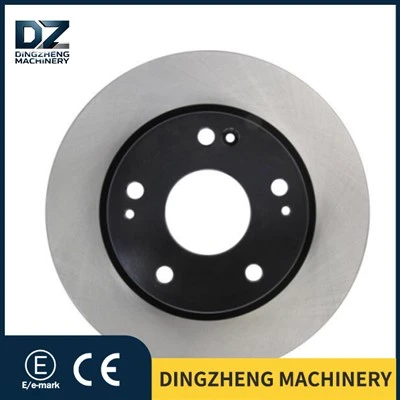
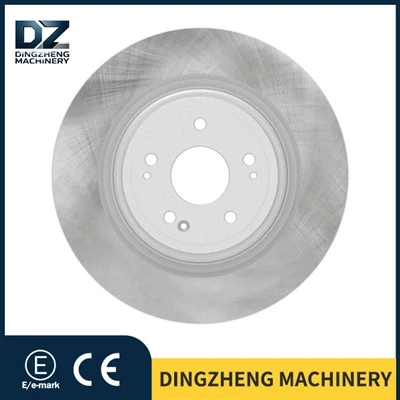
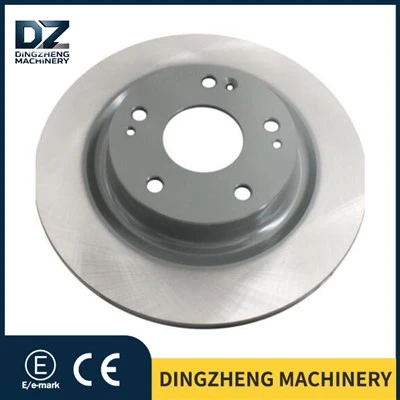
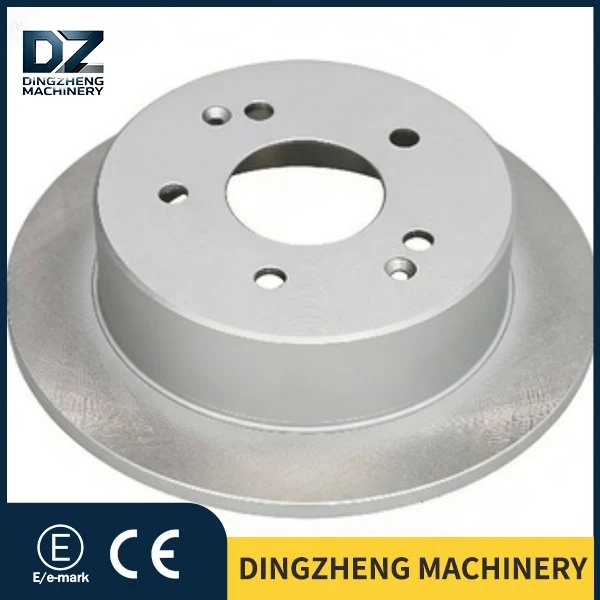
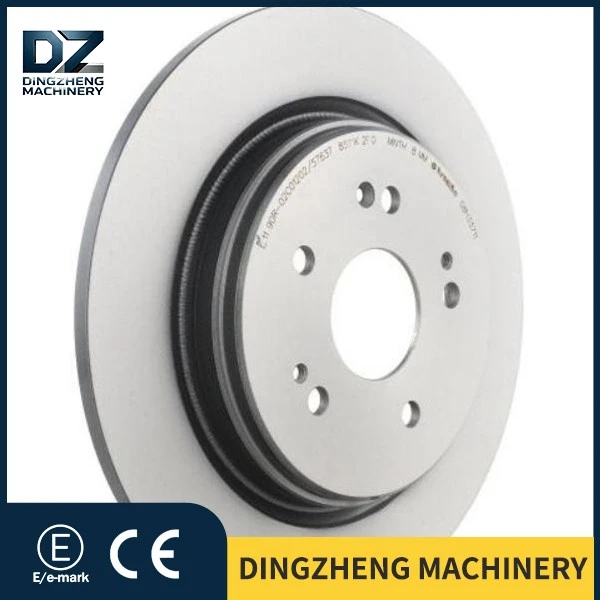
Crafted to perfectly fit Mazda's original chassis and braking layout, the HONDA CR-V V 42510TLAA00 Rear Brake Disc stands out as a premium aftermarket substitute designed for seamless vehicle adaptation and long-lasting operational stability. For anyone looking to renew worn braking components for Mazda models, this unit delivers trustworthy performance without overcomplicated fitting procedures or hidden quality flaws.
Molded and dimensionally calibrated following the original OE specification TK7826251A, this brake disc is engineered to suit mainstream Mazda crossover and sedan iterations across classic and recent generations. All spatial dimension benchmarks, fixing hole distribution and brake assembly matching angles are kept in full line with factory original standards. It achieves precise locus alignment with stock brake calipers and brake assemblies, requiring no manual trimming, spacing adjustment or auxiliary fittings during installation. Both professional service workshops and individual vehicle owners can complete assembly smoothly, cutting down installation workload and matching adaptation risks effectively.
Product Parameter
|
Location |
Rear Brake |
Diameter |
310mm |
|
Brake Disc Thickness |
10mm |
Minimum Thickness |
8mm |
|
Centering Diameter |
64mm |
Height |
39mm |
|
Number Of Holes |
9 |
Pitch Circle Diameter |
114.3mm |
|
Solid Or Vented |
S |
Weight |
4.9kg |
Car Model


HONDA CR-V V (RW_, RT_) 1.5 AWD (RW2) 2016/12-
HONDA CR-V V (RW_, RT_) 1.5 VTEC (RW1) 2016/12-
HONDA CR-V V (RW_, RT_) 1.5 VTEC AWD (RW2) 2016/12-
HONDA CR-V V (RW_, RT_) 2.0 e-CVT Hybrid (RT5) 2016/12-
HONDA CR-V V (RW_, RT_) 2.0 e-CVT Hybrid AWD (RT6) 2016/12-
Reference No.
There are different corresponding codes for the HONDA 42510TLAA00 rear brake disc
|
A.B.S |
18777 |
KAVO PARTS |
BR2328C |
|
BLUE PRINT |
ADBP430134 |
MEYLE |
31155230067/PD |
|
BORG&BECK |
BBD5574 |
MINTEX |
MDC2886C |
|
BOSH |
0986479G18 |
MOTAQUIP |
LVBD2064 |
|
COMLINE |
ADC4083 |
NISSHINBO |
ND8055K |
|
COMLINE |
AND7265 |
OE |
42510TLAA00 |
|
DELPHI |
BG5056C |
OE |
42510TNYE00 |
|
FEBI BILSTEIN |
179063 |
PAGID |
56061 |
|
HELLA |
8DD355132231 |
TEXTAR |
92306103 |
|
HELLA PAGID |
8DD355132231 |
ZIMMERMANN |
280319620 |
|
HERTH+BUSS JAKOPARTS |
J3314048 |
Surface Treatment
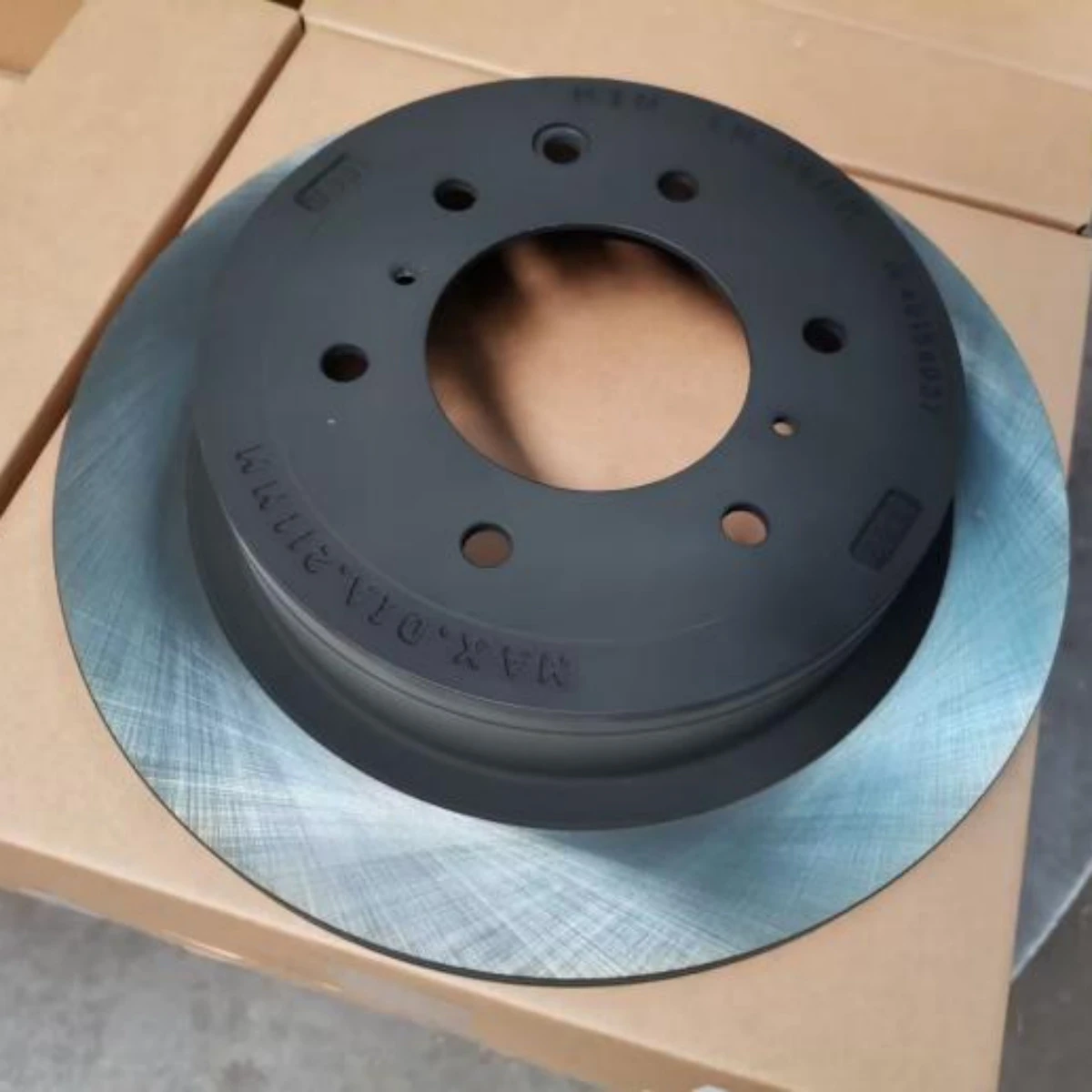
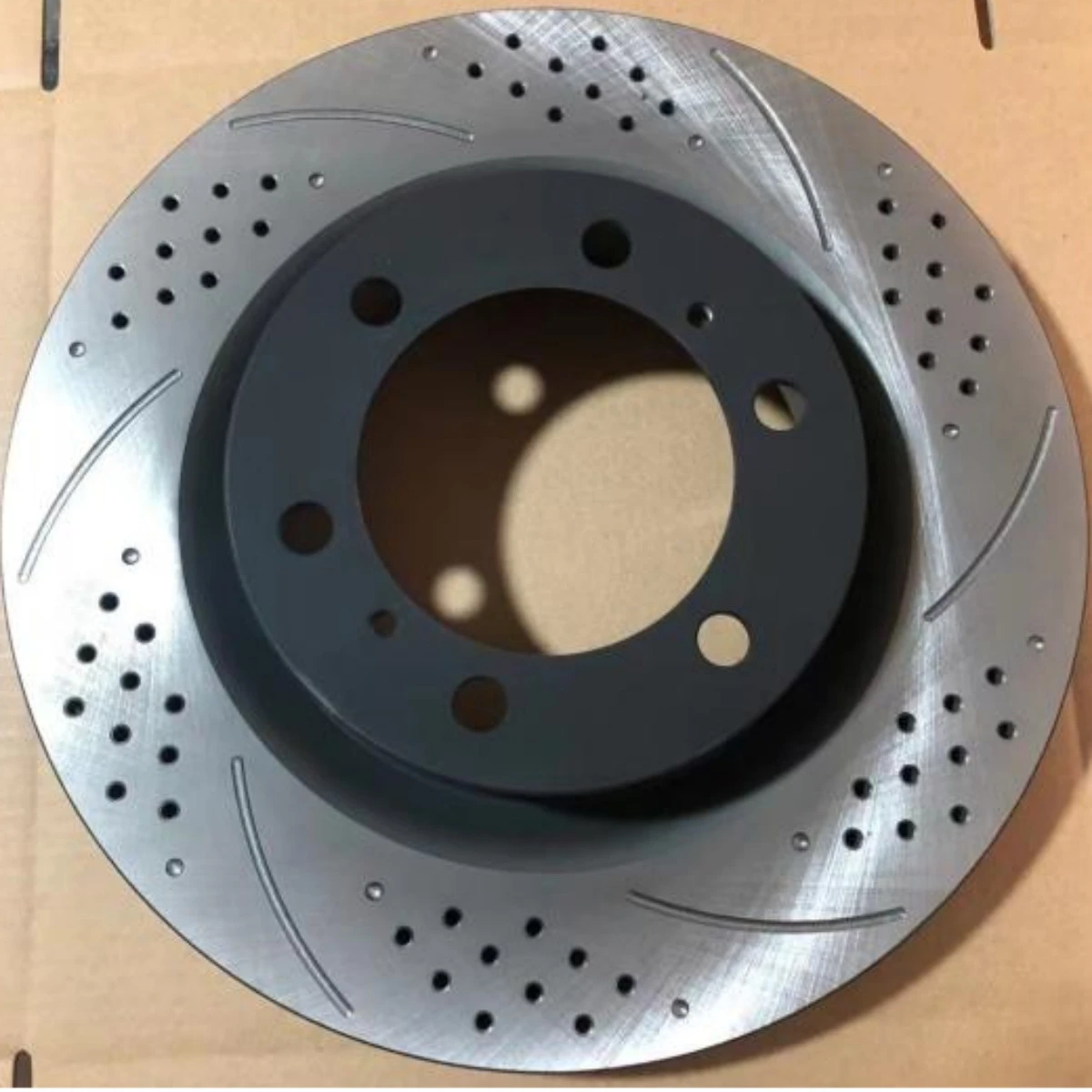
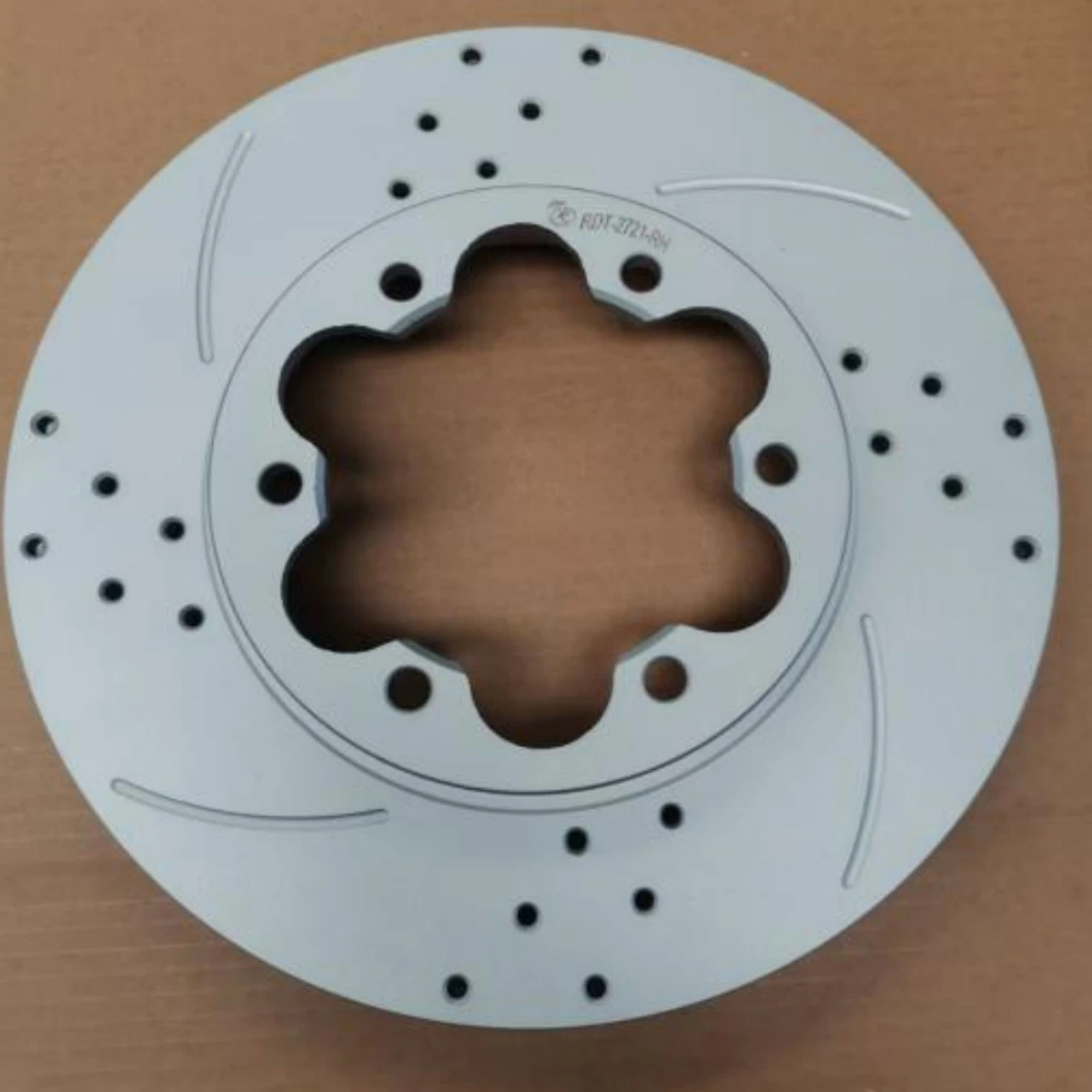
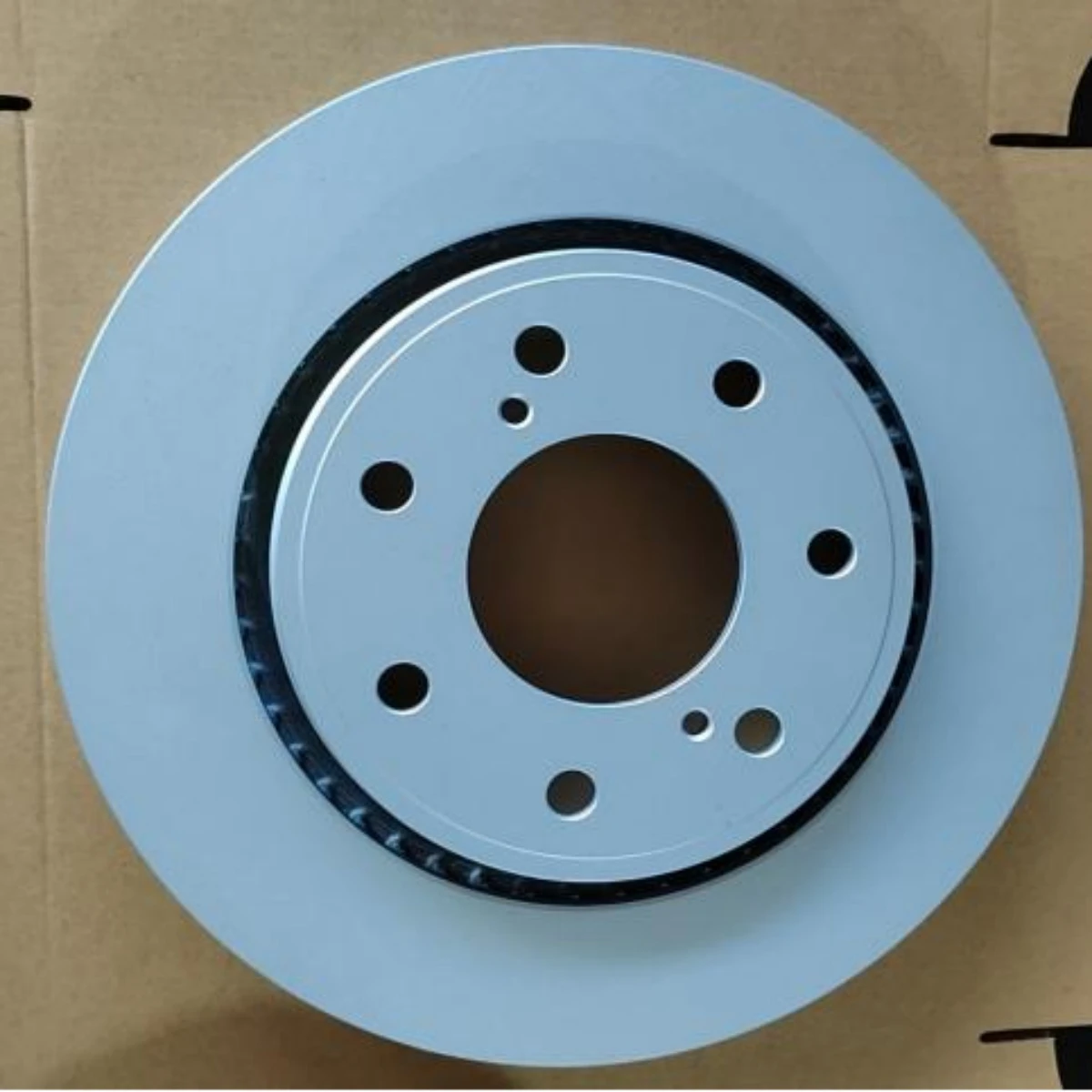
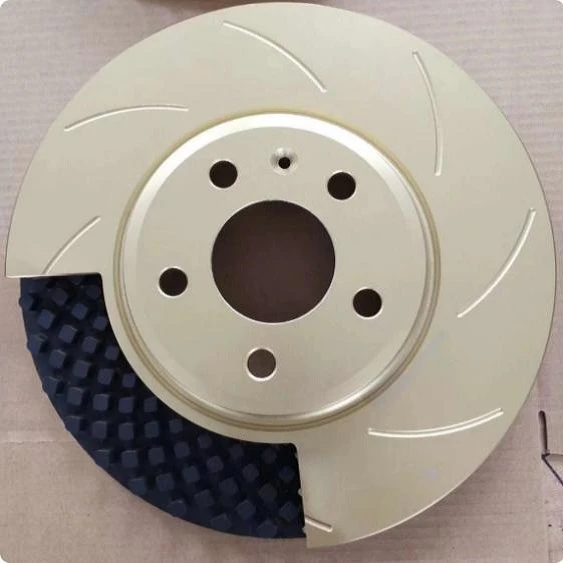
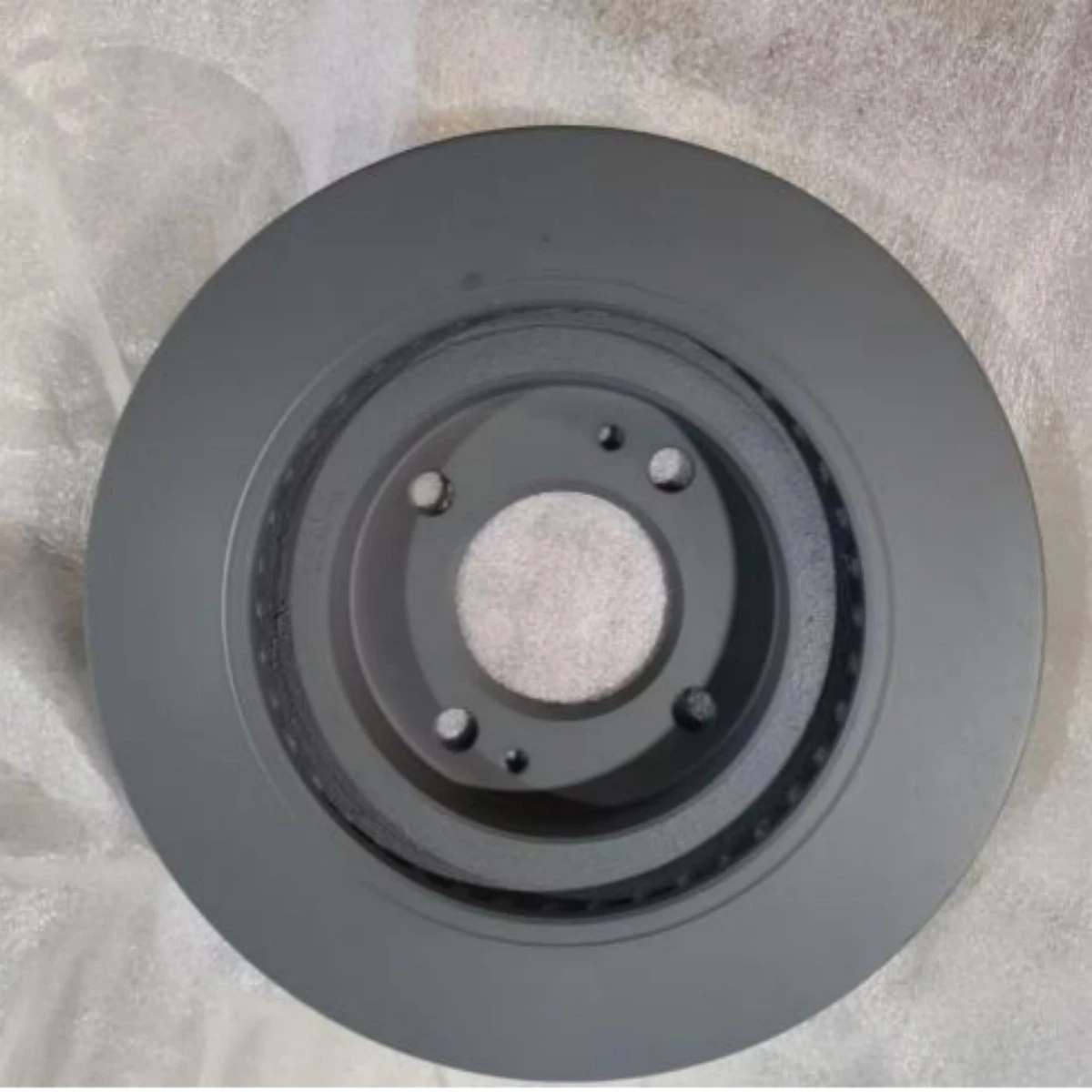
Performance Upgrade: A Coating Revolution from Protection to Functional Enhancement
As requirements for braking performance continue to rise, surface treatment has gone beyond mere rust prevention and entered a new stage of directly improving tribological performance and durability. Leading this advancement are various cemented carbide coatings and laser cladding technologies.
Tungsten carbide coatings, represented by Porsche's PSCB system, utilize high-velocity flame spraying and other techniques to form an ultra-hard tungsten carbide alloy layer on the surface of brake discs.
This protective "armor" can significantly reduce wear rates and brake dust emissions. Its high hardness delivers a more stable friction coefficient while endowing the disc surface with a distinctive bright silver finish.
A more cutting-edge advancement lies in Laser Cladding technology. This process employs a high-energy laser beam to instantly melt metal powders (such as cobalt-based alloys) and metallurgically bond them to the substrate, forming a high-performance coating that isnon-porous and crack-free.
Research shows that such coatings maintain a stable friction coefficient ranging from 0.29 to 0.44 under extreme braking conditions of high speed (up to 400 km/h) and ultra-high temperature (over 700℃). They also greatly inhibit the formation of thermal fatigue cracks, elevating overall durability to an unprecedented level
The refined development of Laser Metal Deposition (LMD) technology has also given rise to customized solutions for different vehicle models. A typical example is the dual-layer system designed for high-performance vehicles: a stainless steel bonding layer is first sprayed to guarantee adhesion strength, followed by a friction functional layer dominated by hard phases such as titanium carbide. This structure achieves an optimal balance in wear resistance, friction coefficient and thermal load resistance.
Machining Workshop
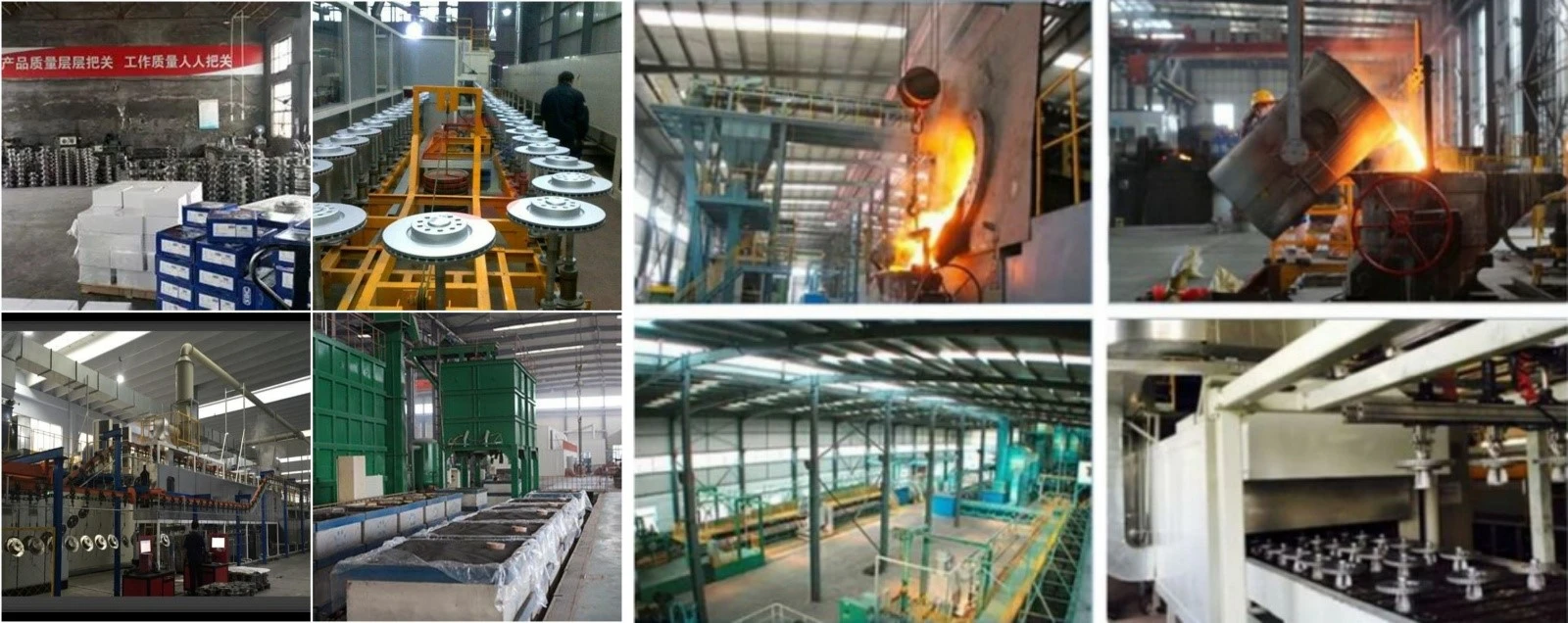
Behind the precise operation of automated equipment lies the relentless pursuit of optimal critical process parameters. The quality of brake disc machining is embodied in micron-level precision control across multiple dimensions:
Foundation of Geometric Accuracy
Consistency in thickness, absolute parallelism of mounting surfaces, and precise circular runout of friction surfaces form the physical basis for ensuring even fitting of brake pads and avoiding noise and abnormal vibration. This requires CNC machine tools to possess exceptional rigidity and long-term precision stability.
The Science of Surface Texture
The roughness of friction surfaces does not blindly pursue an ultra-low value; instead, it demands a scientifically optimized specific texture spectrum. This not only enables brake pads to quickly reach their optimal working state but also maintains efficient chip evacuation and heat dissipation channels.
Leap of Internal Performance Enhancement
Heat treatment serves as the core process to unlock the inherent performance potential of products. By precisely controlling heating and cooling curves, the microstructure of cast iron can be directionally modified, thereby greatly improving its hardness, wear resistance, and resistance to brake thermal fade.
Armor Against Time
Finished brake discs are further processed on automated coating lines through preheating, spraying, curing and other procedures. This coating layer mainly resists oxidative corrosion during storage and service, extending the service life of the brake discs.
Delivery,shipping and serving

FAQ
Q: Are HONDA CR-V V 42510TLAA00 Rear Brake Disc all made of iron? What other high-end materials are available?
Cast iron (especially gray cast iron) is currently the most widely used material. It has become the mainstream choice due to its excellent wear resistance, low cost and mature manufacturing process.
However, the pursuit of ultimate performance has given rise to more advanced materials:
Carbon-ceramic composite materials: Commonly used in top supercars. They feature outstanding advantages such as light weight, extremely strong thermal fade resistance and an ultra-long service life, but come with a very high manufacturing cost and slightly weaker initial braking force at low temperatures.
High-carbon alloy cast iron: An optimized version based on traditional cast iron. By adjusting chemical composition (such as increasing carbon and silicon content), it achieves a more stable metal structure and higher strength, making it a common option for high-quality aftermarket upgraded brake discs.
Last News
Changes in market demand first send ripples through the manufacturing sector. Positive signals of production capacity: To cope with the growth of demand in the global market, especially for high-end products such as carbon-ceramic materials, leading manufacturing enterprises are drastically expanding their production capacity. For instance, some enterprises have added 26 fully automated production lines, realizing full-process intelligent production from blanks to dynamic balance testing, spraying and packaging, with an annual production capacity reaching tens of millions of pieces. This represents not merely an expansion in scale, but also the assurance of ultimate consistency in product quality through automation.
The embryonic form of future "intelligent components": The industry's future vision has gone beyond simple physical manufacturing. Next-generation brake discs will be integrated with embedded sensors to monitor temperature and wear thickness in real time, predict remaining service life via AI algorithms, and proactively remind users of replacement needs. This means brake discs will evolve from passive-to-replace "mute components" into "sensing terminals" within the intelligent chassis system that actively report operational health status. Meanwhile, environmental concerns have also spurred conceptual research into collection and treatment technologies for brake dust.
Hot Tags: honda crrear brake disc, China honda crrear brake disc manufacturers, suppliers, factory