
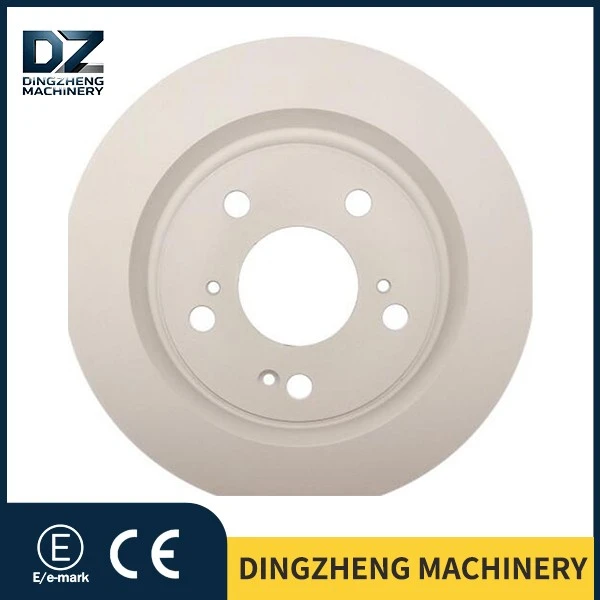
Product Introduction
System Matching Engineering
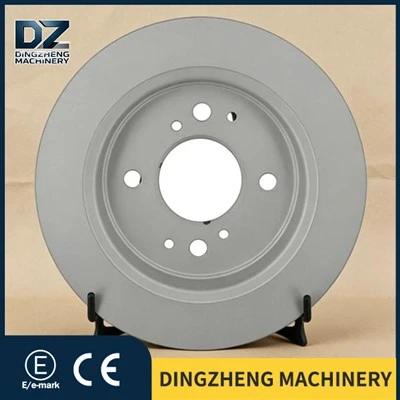
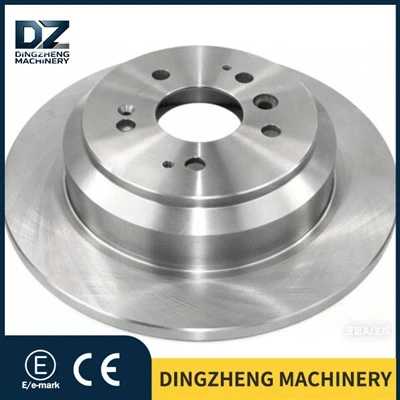
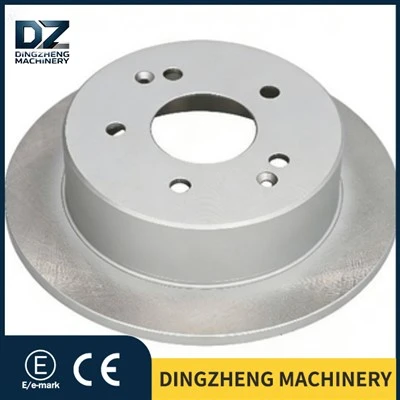
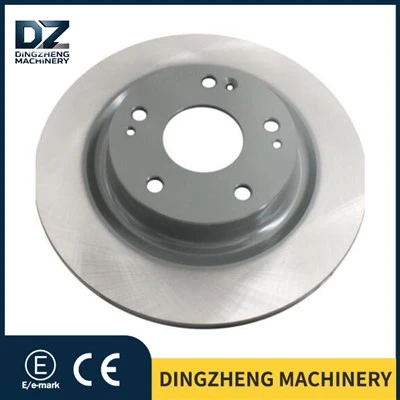
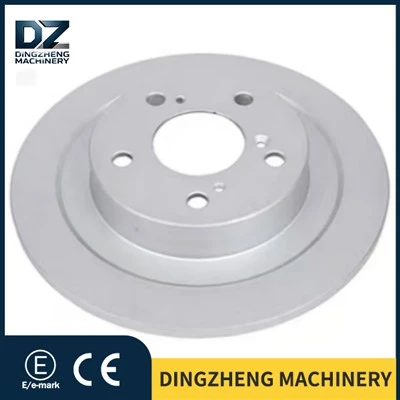
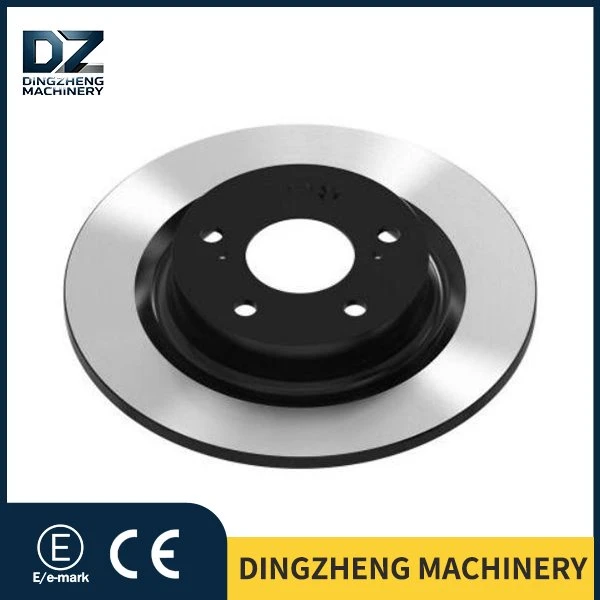
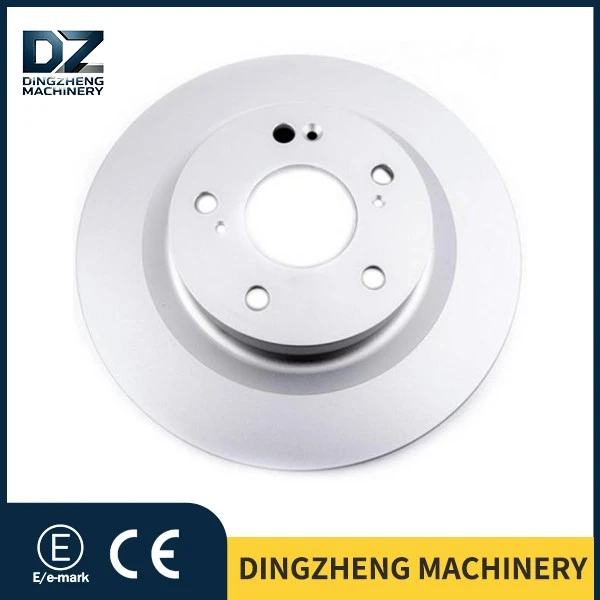
Every chamfer and every thickness of Rear Brake Disc of HONDA CIVIC X 42510TGHA00 is meticulously designed to achieve seamless coordination with the corresponding original factory calipers, brake pads and wheel speed sensors.
This precise matching ensures uniform pressure on the friction pair, serving as the physical foundation to eliminate abnormal wear, avoid brake noise (NVH), and guarantee the normal operation of electronic stability systems such as ABS and ESP.
Thermal Management Strategy
As a rear brake disc, it generally bears lower thermal load than the front wheel brake discs. The solid disc design meets the braking force requirements of the rear axle while delivering a concise and efficient solution.
Its heat capacity and surface area exposed to airflow are carefully calculated to achieve an optimal balance between heat dissipation and lightweight performance. For users with higher heat dissipation demands, upgraded options such as vented discs and slotted discs compatible with this vehicle model are also available on the market..
Product Parameter
|
Location |
Rear Brake |
Diameter |
305mm |
|
Brake Disc Thickness |
11mm |
Minimum Thickness |
9mm |
|
Centering Diameter |
70mm |
Height |
44mm |
|
Number Of Holes |
5 |
Pitch Circle Diameter |
120mm |
|
Solid Or Vented |
S |
Weight |
4.9kg |
Car Model


HONDA CIVIC X Hatchback (FC_, FK) 2.0 Type-R (FK8) 2016/09-
Reference No.
There are different corresponding codes for the Rear Brake Disc of HONDA CIVIC X 42510TGHA00
|
A.B.S. |
18691 |
MINTEX |
MDC2905C |
|
AP |
10054V |
NATIONAL |
NBD1954 |
|
APEC BRAKING |
DSK3491 |
OE |
42510TGHA00 |
|
BENDIX |
BDS2296 |
PAGID |
56084 |
|
BORG & BECK |
BBD5592 |
REMSA |
6210400 |
|
BRECO |
BV6210 |
ROADHOUSE |
6210400 |
|
BREMBO |
08D71311 |
TEXTAR |
92308403 |
|
DELPHI |
BG4995C |
VILLAR |
6283350 |
|
KAVO PARTS |
BR2318C |
WOKING |
D6210400 |
|
KAWE |
6210400 |
Surface Treatment
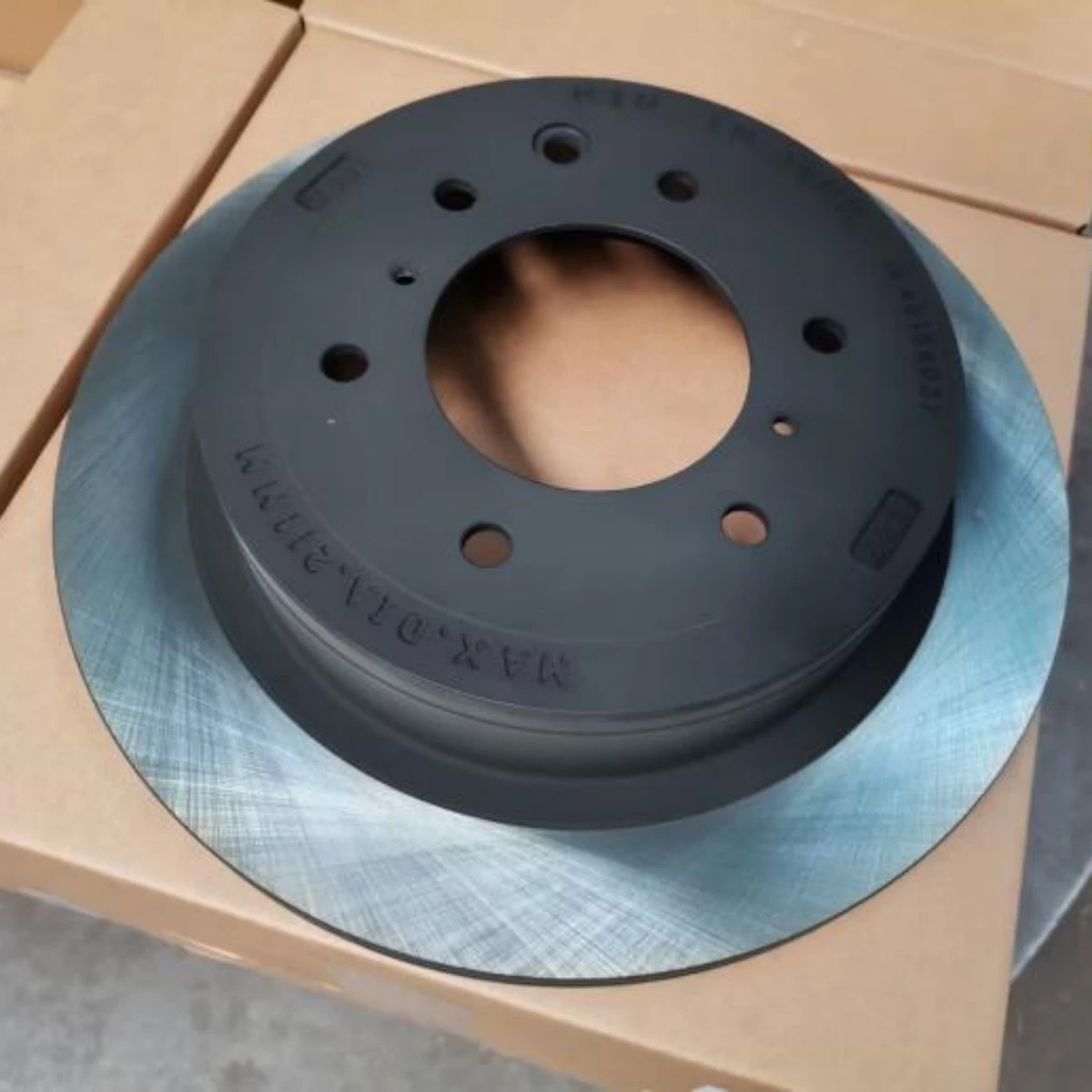
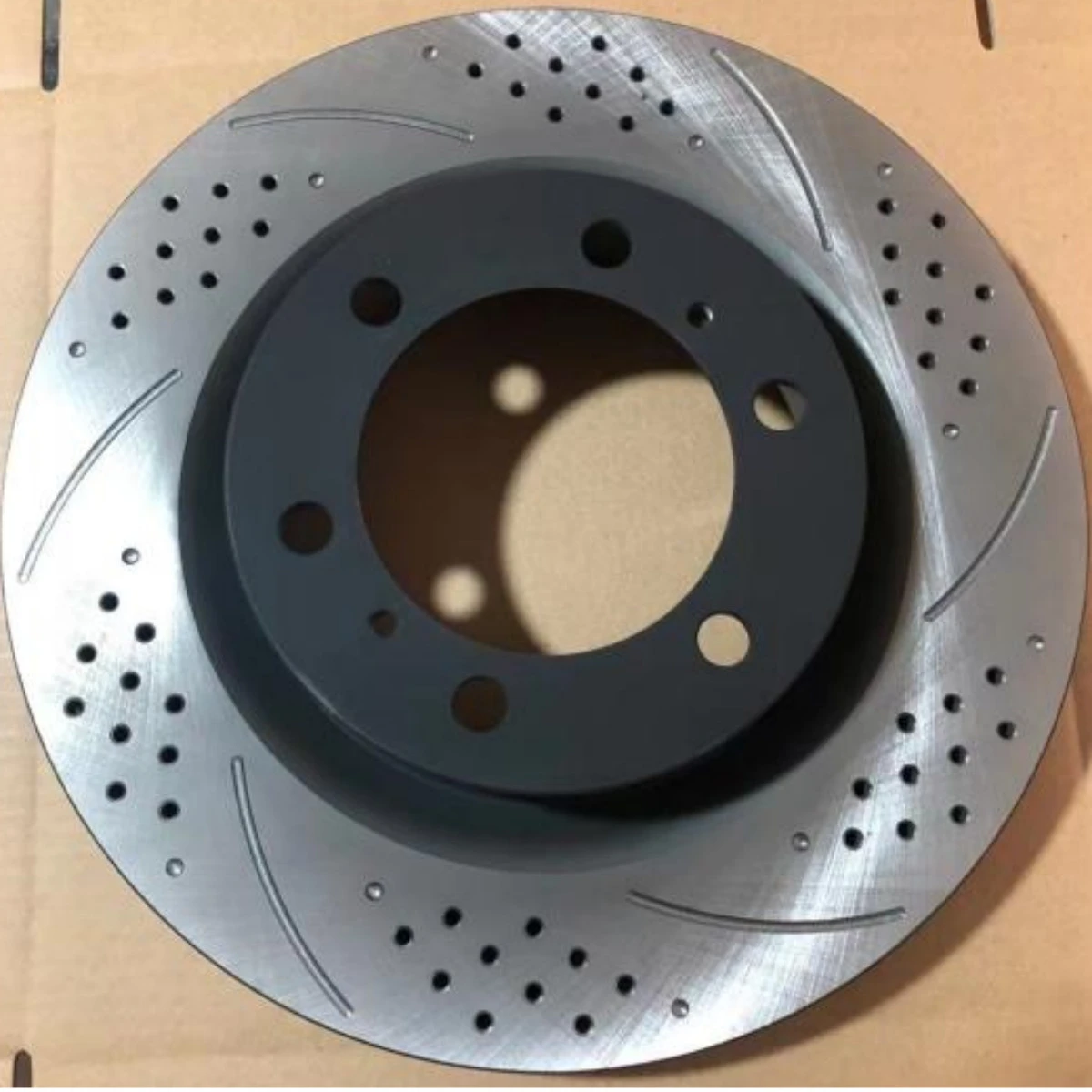
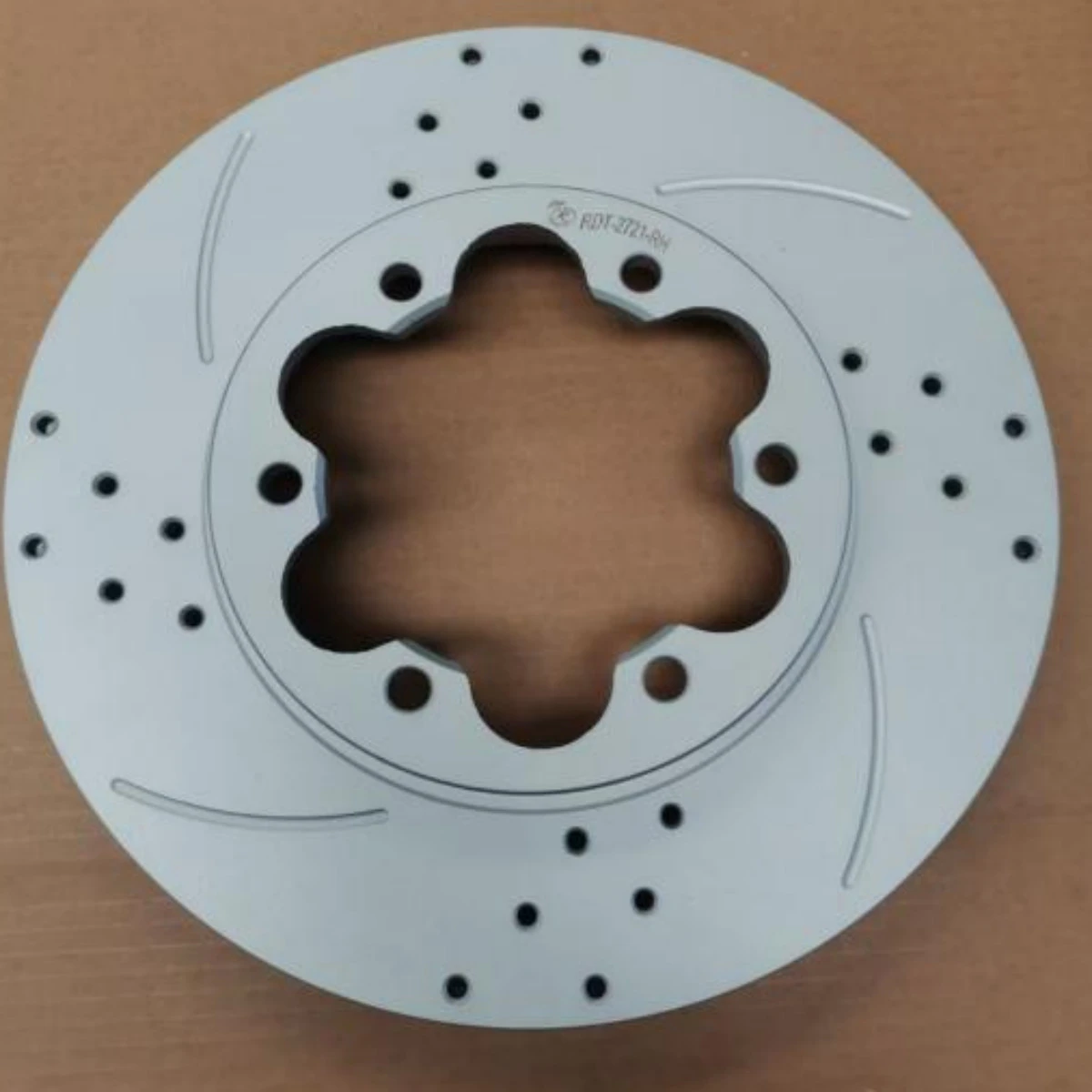
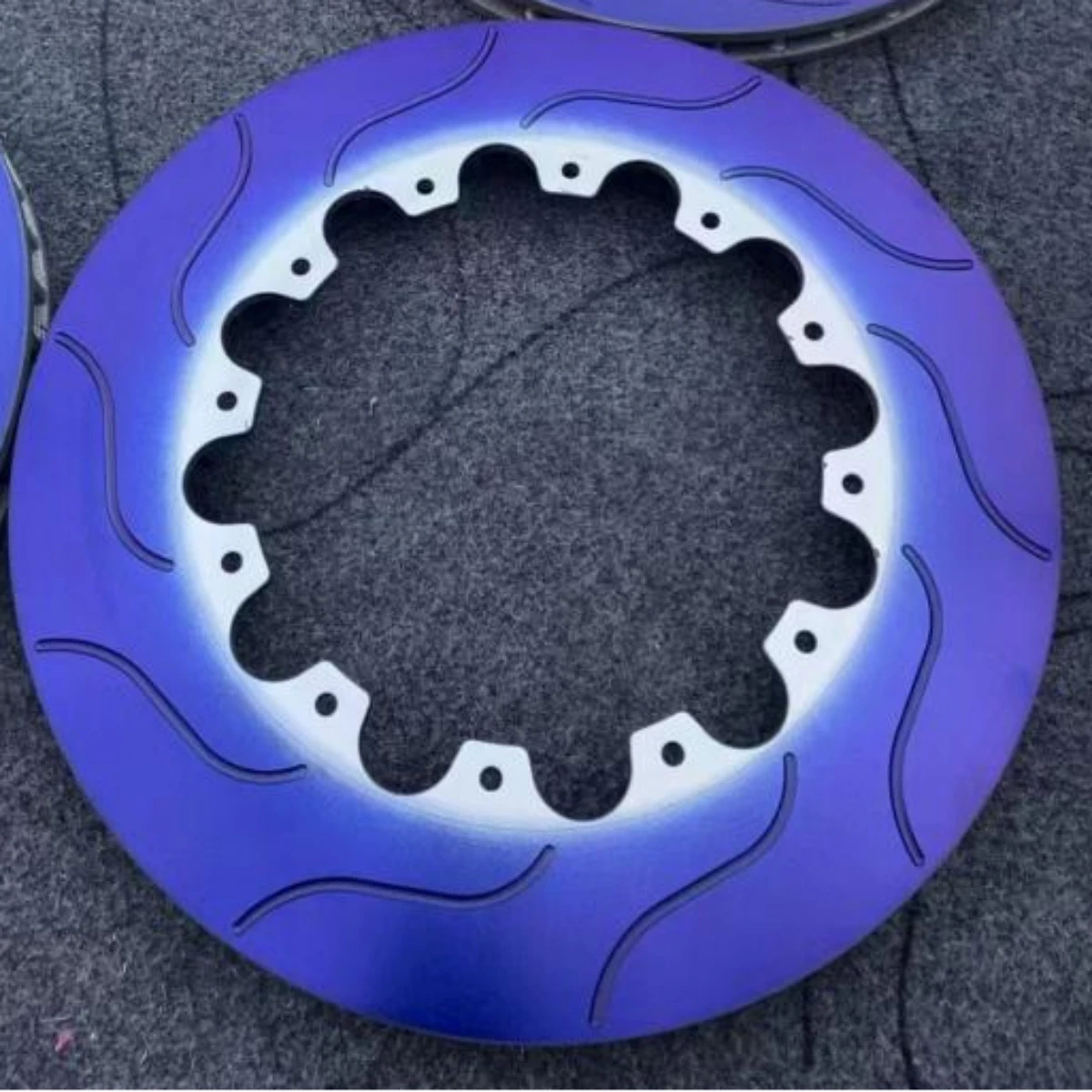
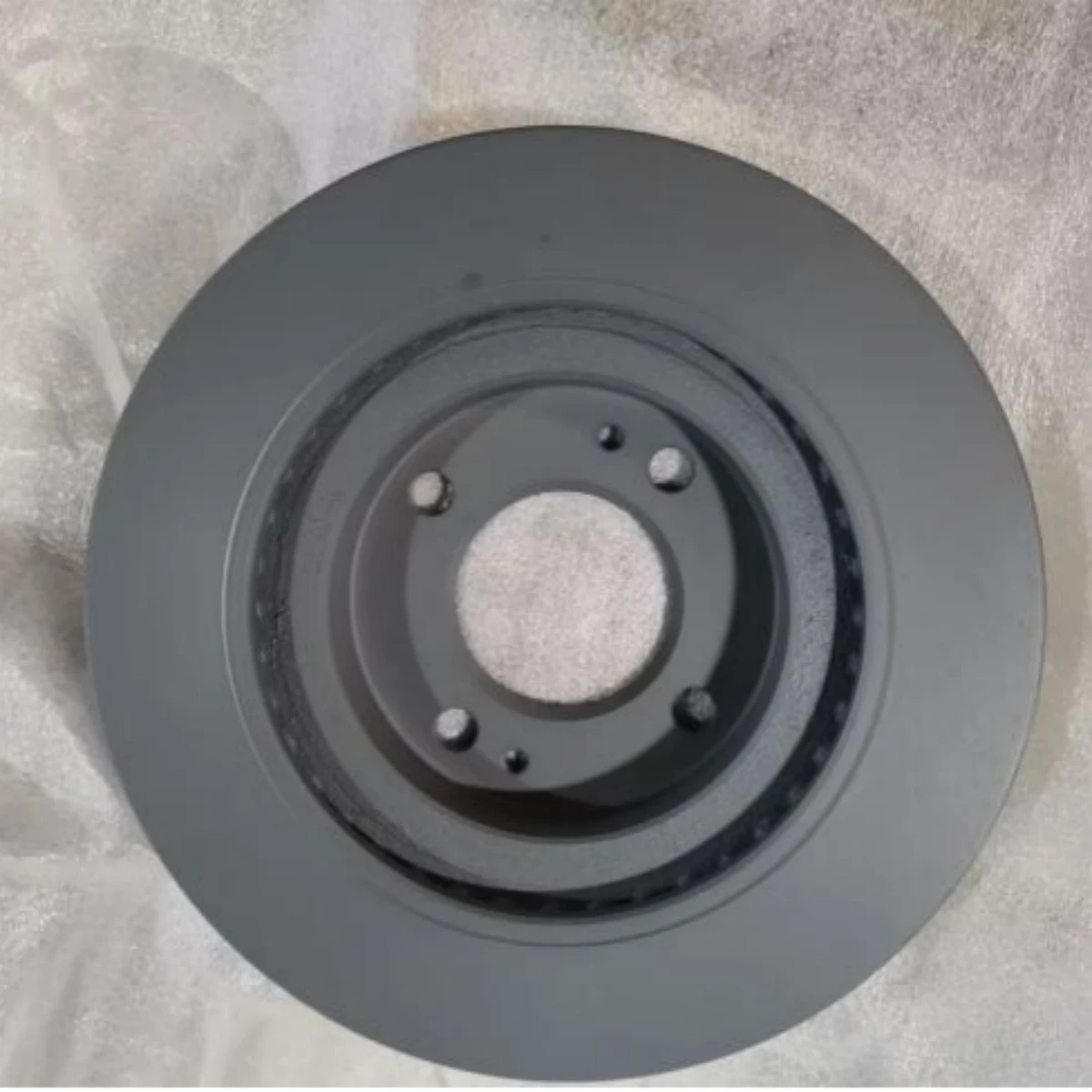
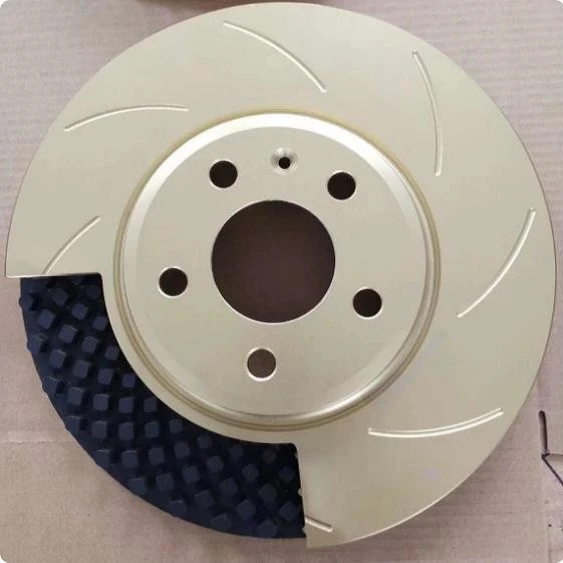
Strengthening Technology Penetrating into the Metal Matrix
If protective coatings are regarded as the "outer garment" of metal materials, heat treatment modification serves as reinforcement that penetrates deep into the metal "skeleton". Among relevant technologies, Ferritic Nitrocarburizing (FNC) is a revolutionary surface engineering technology.
In a controlled furnace atmosphere, this process infiltrates nitrogen and carbon elements into the surface layer of brake discs. As a result, a nitrocarburized compound layer approximately 10 to 30 micrometers thick (commonly known as the "white layer") is formed on the braking surface.
This layer boasts extremely high hardness, which can significantly improve the wear resistance and anti-seizure performance of brake discs.
More notably, a microscopic "porous layer" forms on the surface of the compound layer. This structure can effectively absorb vibration at the initial stage of braking, greatly reducing unpleasant braking noise and jitter, and directly improving driving and riding comfort.
By precisely controlling preheating oxidation, nitriding temperature (e.g., 520-580℃), atmosphere ratio (e.g., ammonia gas and carbon dioxide), and slow cooling process, it is possible to ensure the reinforcement layer is uniform and stable while preventing component deformation.
Machining Workshop
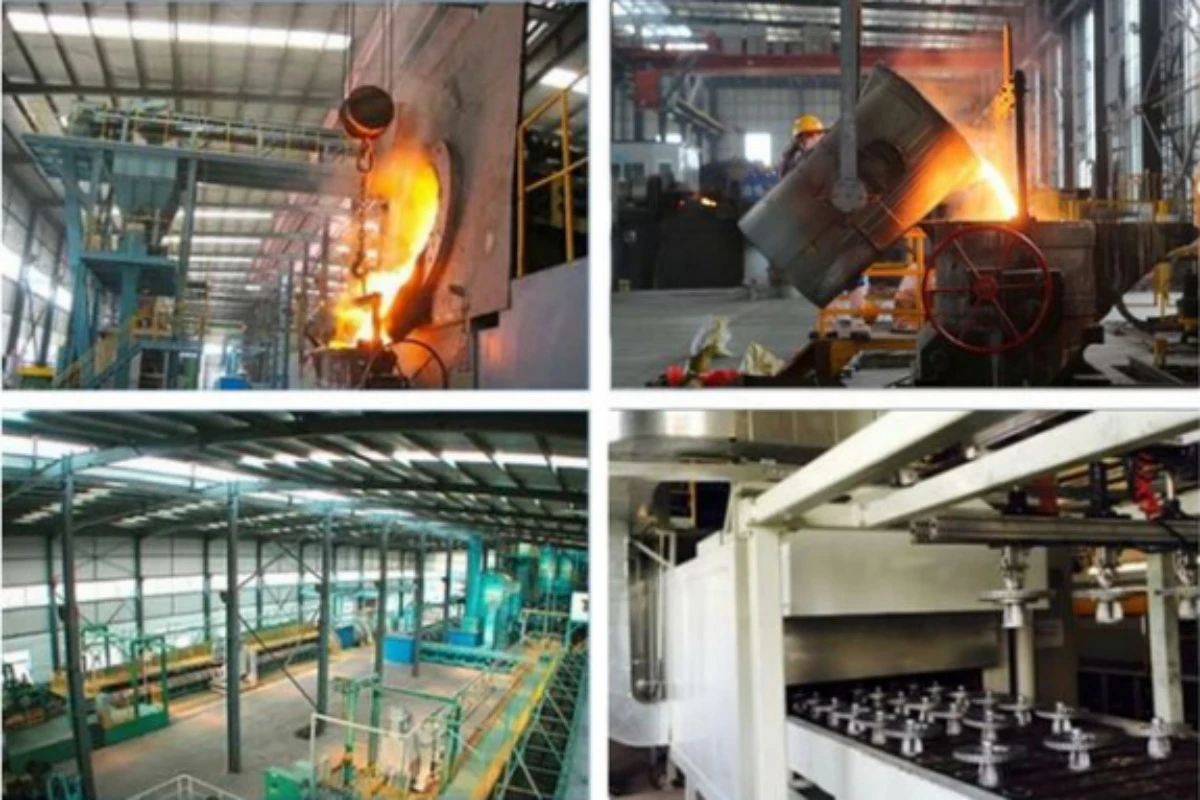
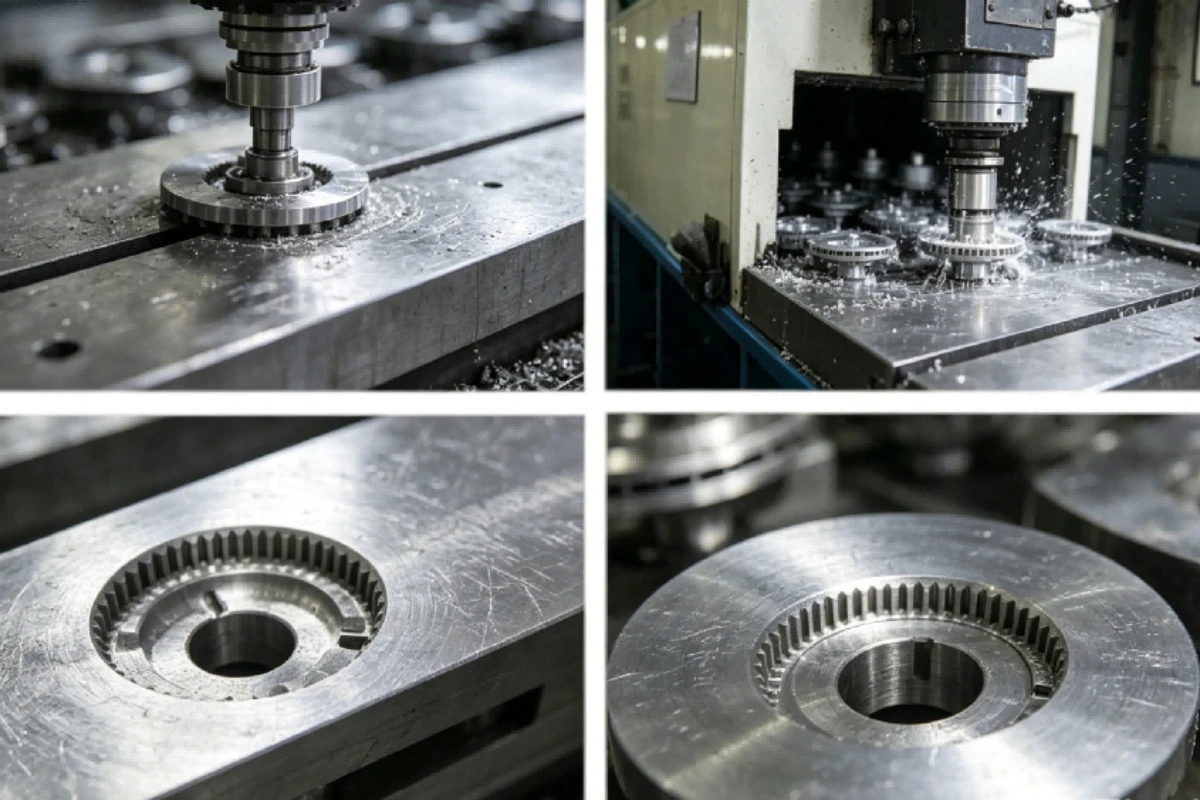
For the Rear Brake Disc of HONDA CIVIC X (model number 42510TGHA00), we employed the following manufacturing process.
Dynamic Precision Control System: Eliminating Thermal Deformation at the Submicron Level
Many people don't know that the biggest enemy of brake disc machining accuracy is not equipment error, but thermal deformation caused by cutting heat-even a 1℃ temperature change can lead to a 0.001mm dimensional deviation. To solve this problem, we have built a full-process dynamic precision control system that is completely different from the traditional static temperature control mode.
The system is based on a digital twin platform that simulates the entire machining process in real time. It collects data from 128 sensors distributed on each machine tool, including spindle temperature, cutting force, tool wear and ambient humidity, and performs submicron-level thermal deformation compensation every 0.1 seconds. For example, when the spindle temperature rises by 3℃ during continuous machining, the system will automatically adjust the tool feed position by 0.0025mm to offset the deformation. At the same time, we adopt an adaptive feed rate closed-loop control technology that adjusts the cutting speed in real time according to the hardness of the blank material, ensuring that the cutting force remains stable throughout the process.
To put it simply, this system turns "passive temperature control" into "active error compensation", making the dimensional accuracy of each brake disc consistent even during 24-hour continuous production. Our current disc thickness variation (DTV) control level reaches ±0.0012mm, which is 60% higher than the industry average standard.
Delivery,shipping and serving

FAQ
Q: There is a layer of rust on the surface of the brake disc, and there is abnormal noise when starting the car. Is there any problem?
A: Don't worry, this is a completely normal physical phenomenon. Brake discs are mainly made of cast iron, which is extremely prone to surface flash rust when exposed to humid air. You only need to drive normally and brake several times on a safe road section; the rust layer will be worn off naturally and the abnormal noise will disappear. However, if the vehicle has been parked for a long time and the rust is extremely severe, it may affect the flatness of the disc surface. In this case, do not force running-in and seek professional assistance instead.
Q: The brake disc gets extremely hot after aggressive driving. Can I wash the car immediately?
A: Never rinse it with cold water right away! The high temperature generated by braking puts the brake disc in a red-hot state (invisible to the naked eye). If cold water hits it suddenly at this moment, severe thermal expansion and contraction will cause the disc to deform, further leading to brake jitter in the future. The correct approach is to park the car and let it cool down naturally for a period of time.
Last News
Supply Chain Reconfiguration: Regionalized Production Hubs Cut Lead Times by 40%
The era of globalized, single-source brake disc supply is officially over. Latest import data shows that nearshoring and regional production now account for 32% of global aftermarket brake disc volume, up from 18% in 2024 . Major manufacturers have opened new production facilities in Mexico, Vietnam and Eastern Europe over the past six months, specifically to serve North American, Southeast Asian and European markets.
Here's what this means for your bottom line: average lead times have dropped from 45-60 days to 25-35 days, and ocean freight costs have fallen by 52% for regional shipments. At the same time, quality consistency has improved significantly, as regional hubs specialize in meeting local regulatory standards. We've optimized our own supply chain with dual regional production lines, ensuring uninterrupted supply even during global disruptions.
Hot Tags: honda civic x hatchback rear brake disc, China honda civic x hatchback rear brake disc manufacturers, suppliers, factory