
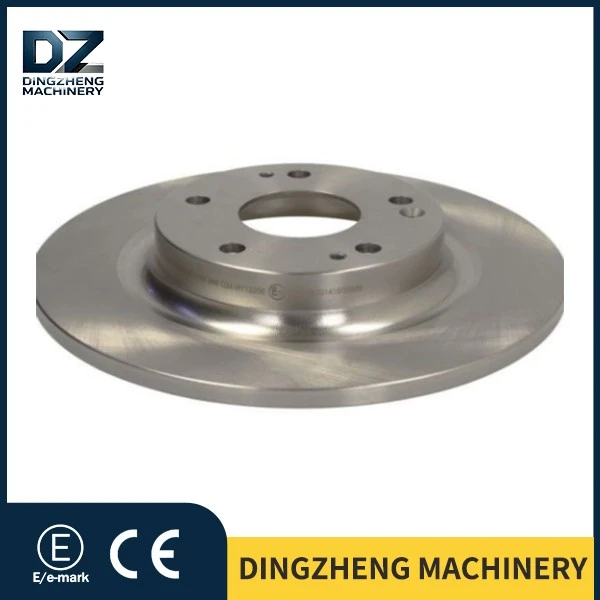
Product Introduction
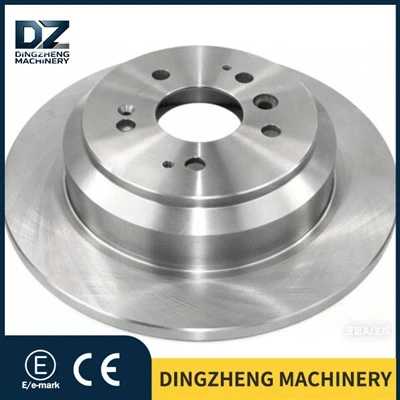
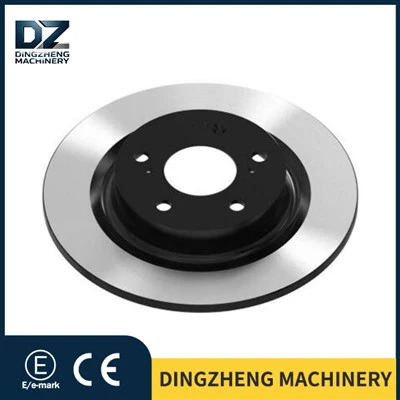
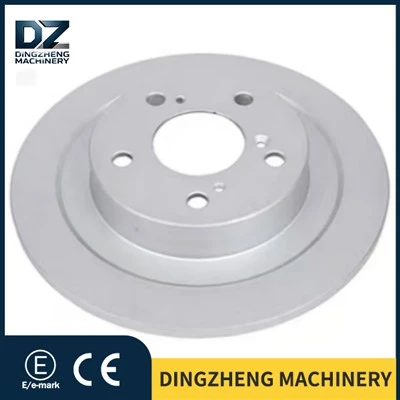
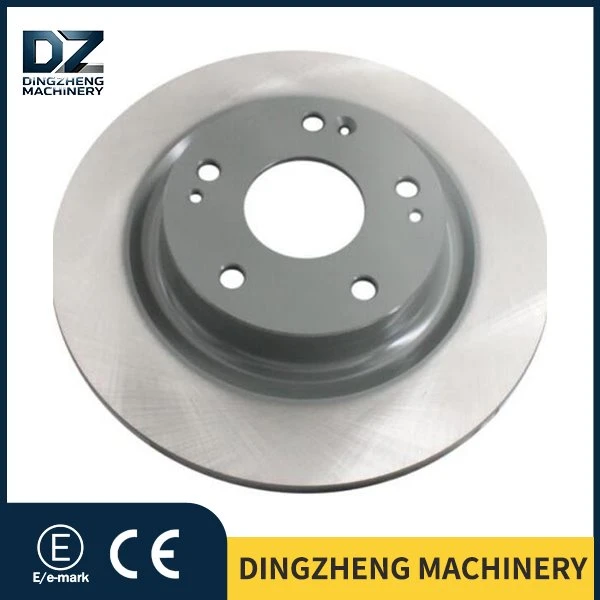
It is worth noting that as an original factory part number, HONDA CIVIC 42510TGNG00 Rear Brake Disc embodies the manufacturing consensus of the world's top braking brands. Leading brands renowned in the braking industry, including Italy's track-technology specialist Brembo, Germany's pioneering electronic braking supplier BOSCH, and TRW which integrates group-wide technologies, all offer replacement products fully equivalent to this part number. This indirectly confirms the timeless design and outstanding reliability of this specification. Meanwhile, there are manufacturers such as Yantai Huili in the market that hold patented innovative "three-layer composite forging technology" and "porous ventilation structure". Aiming for higher cost performance and extended service life (claimed to exceed 300,000 kilometers), they have injected new technological connotations into this classic part number. This provides you with a complete selection range covering original factory matching parts all the way to high-performance upgraded alternatives.
Product Parameter
|
Location |
Rear Brake |
Diameter |
282mm |
|
Brake Disc Thickness |
10mm |
Minimum Thickness |
8mm |
|
Centering Diameter |
64.2mm |
Height |
36.6mm |
|
Number Of Holes |
9 |
Pitch Circle Diameter |
114.3mm |
|
Solid Or Vented |
S |
Weight |
3.9kg |
Car Model


HONDA CIVIC X Hatchback (FC_, FK) 1.0 VTEC (FK6) 2016/09-
HONDA CIVIC X Hatchback (FC_, FK) 1.5 VTEC (FK7) 2016/09-
HONDA CIVIC X Hatchback (FC_, FK) 1.6 i-DTEC (FK9) 2016/09-
HONDA CIVIC X Saloon (FC_) 1.5 VTEC (FC1) 2015/09-
Reference No.HONDA CIVIC 42510TGNG00 Rear Brake Disc
There are different corresponding codes for the HONDA CIVIC 42510TGNG00 Rear Brake Disc
|
A.B.S. |
18619 |
NK |
312675 |
|
BLUE PRINT |
ADH243138 |
OE |
42510TGNG00 |
|
COMLINE |
ADC4032 |
SBS |
1815312675 |
|
HERTH+BUSS JAKOPARTS |
J3314046 |
ZIMMERMANN |
280319020 |
|
MDR |
MRD2Z401 |
ZIMMERMANN |
280319052 |
Surface Treatment
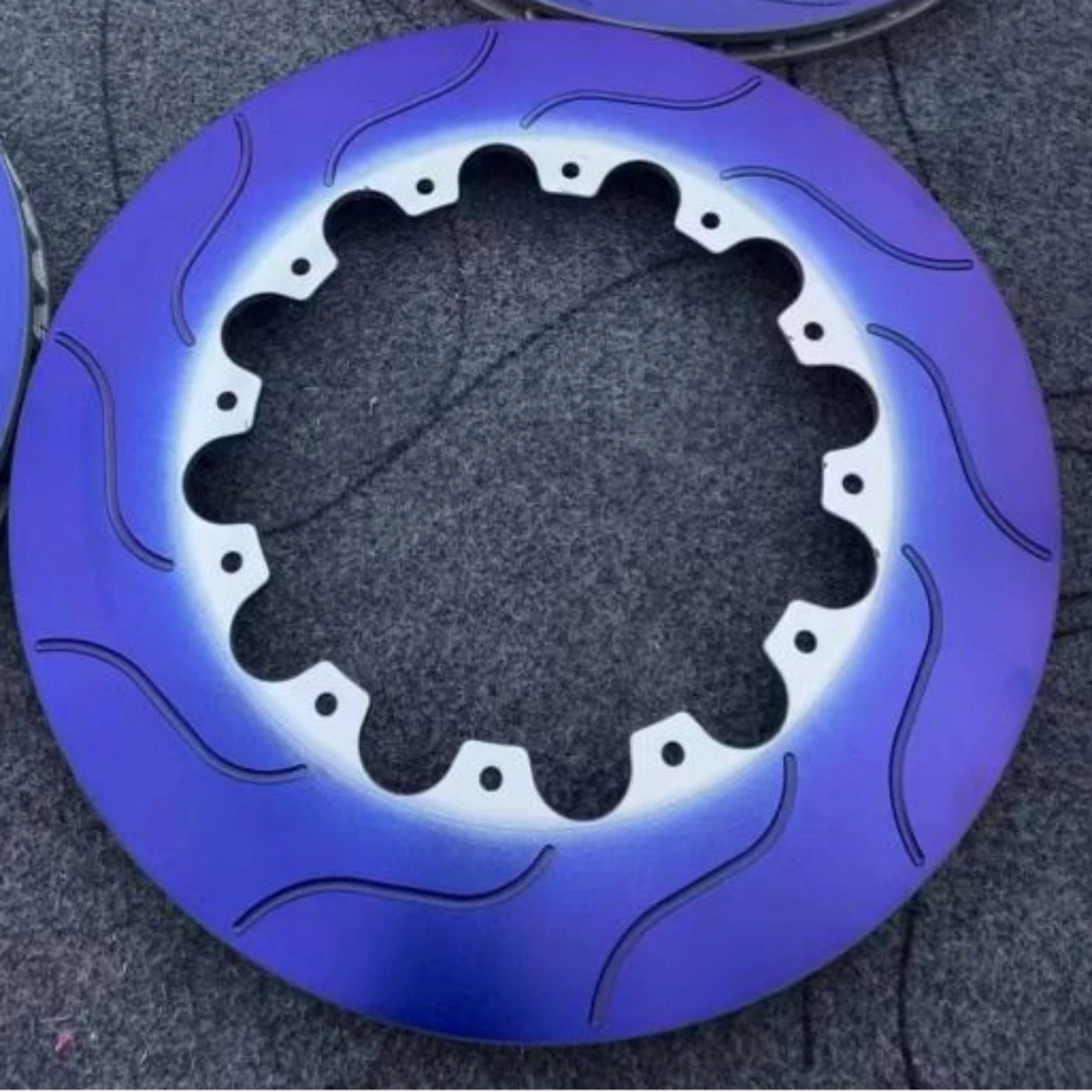
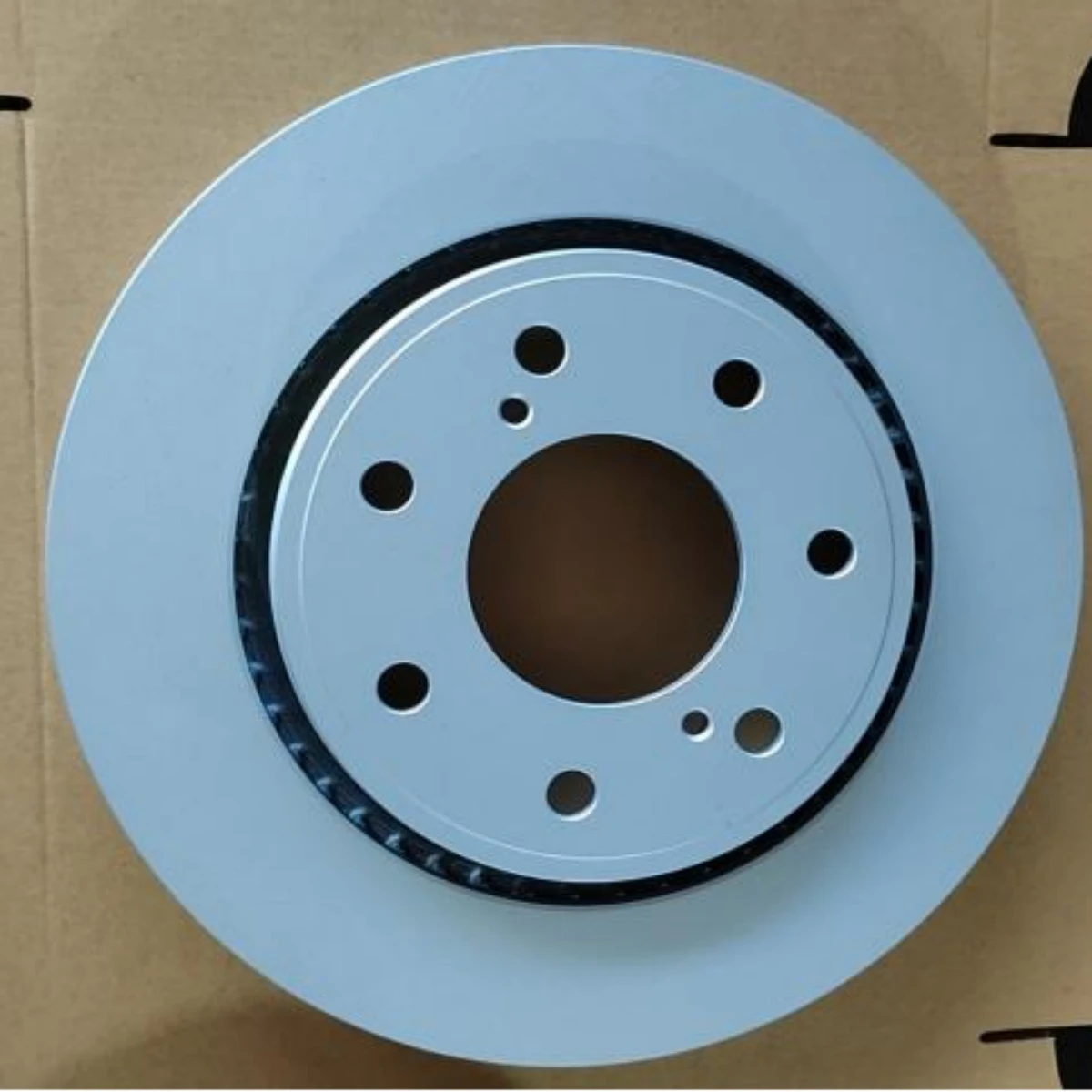
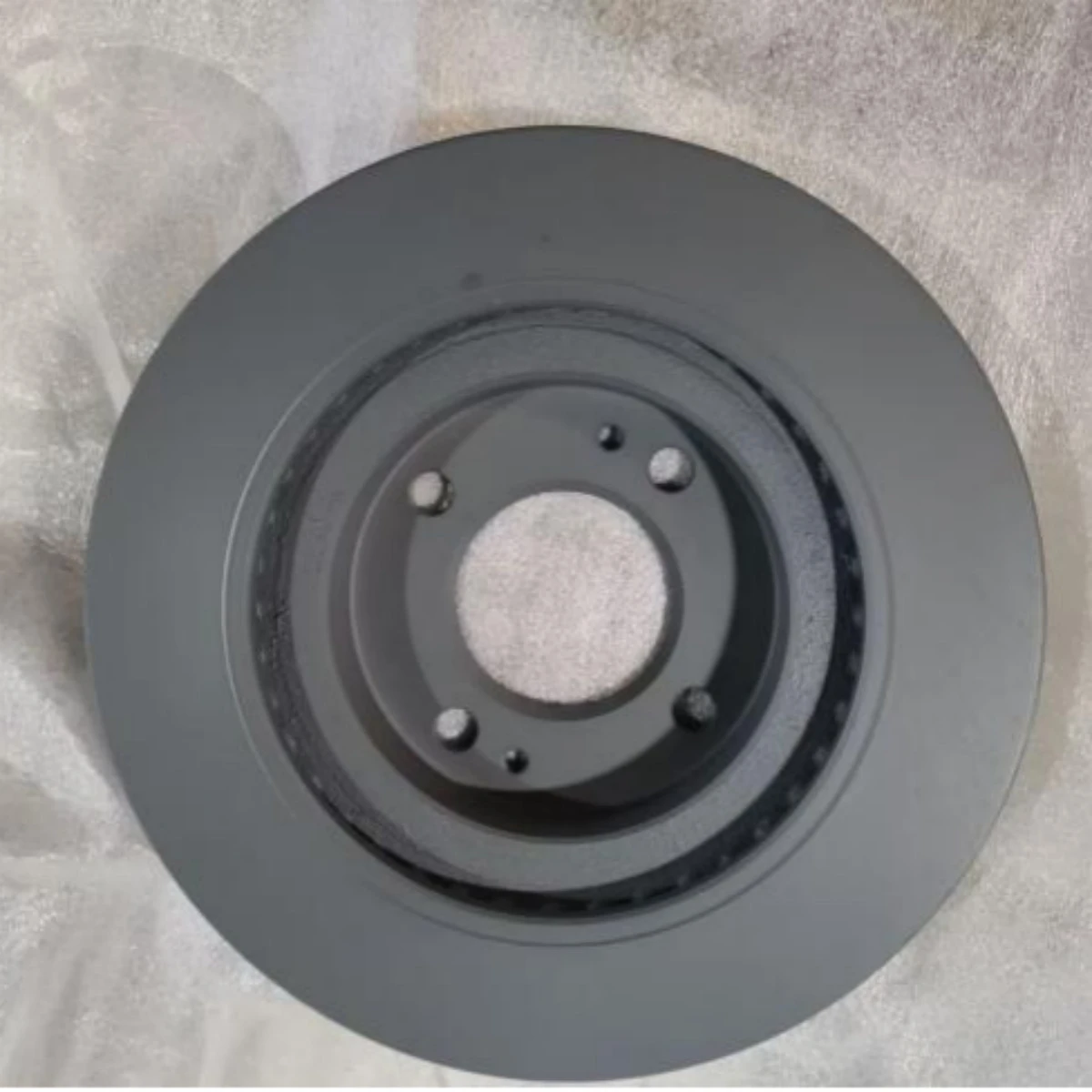
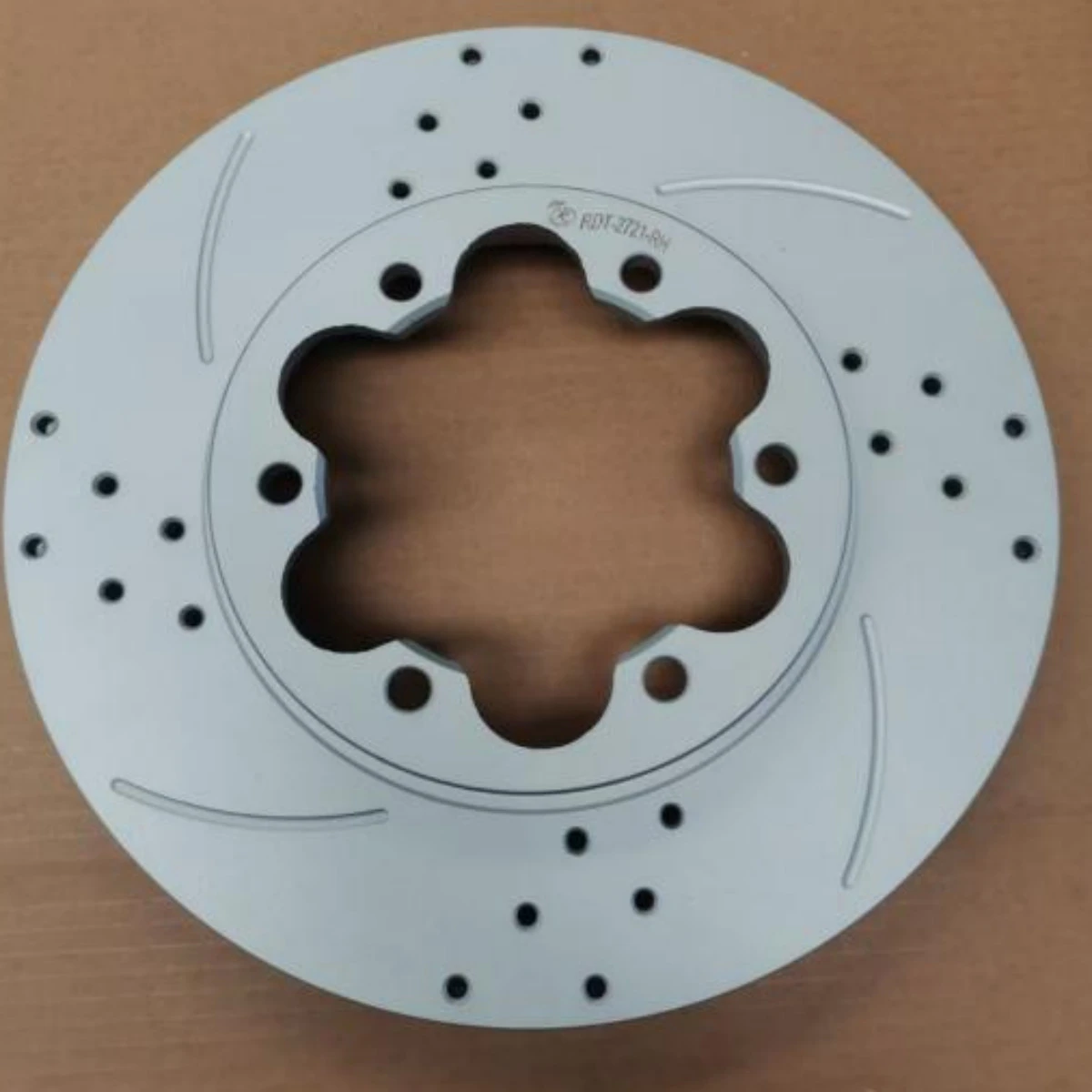
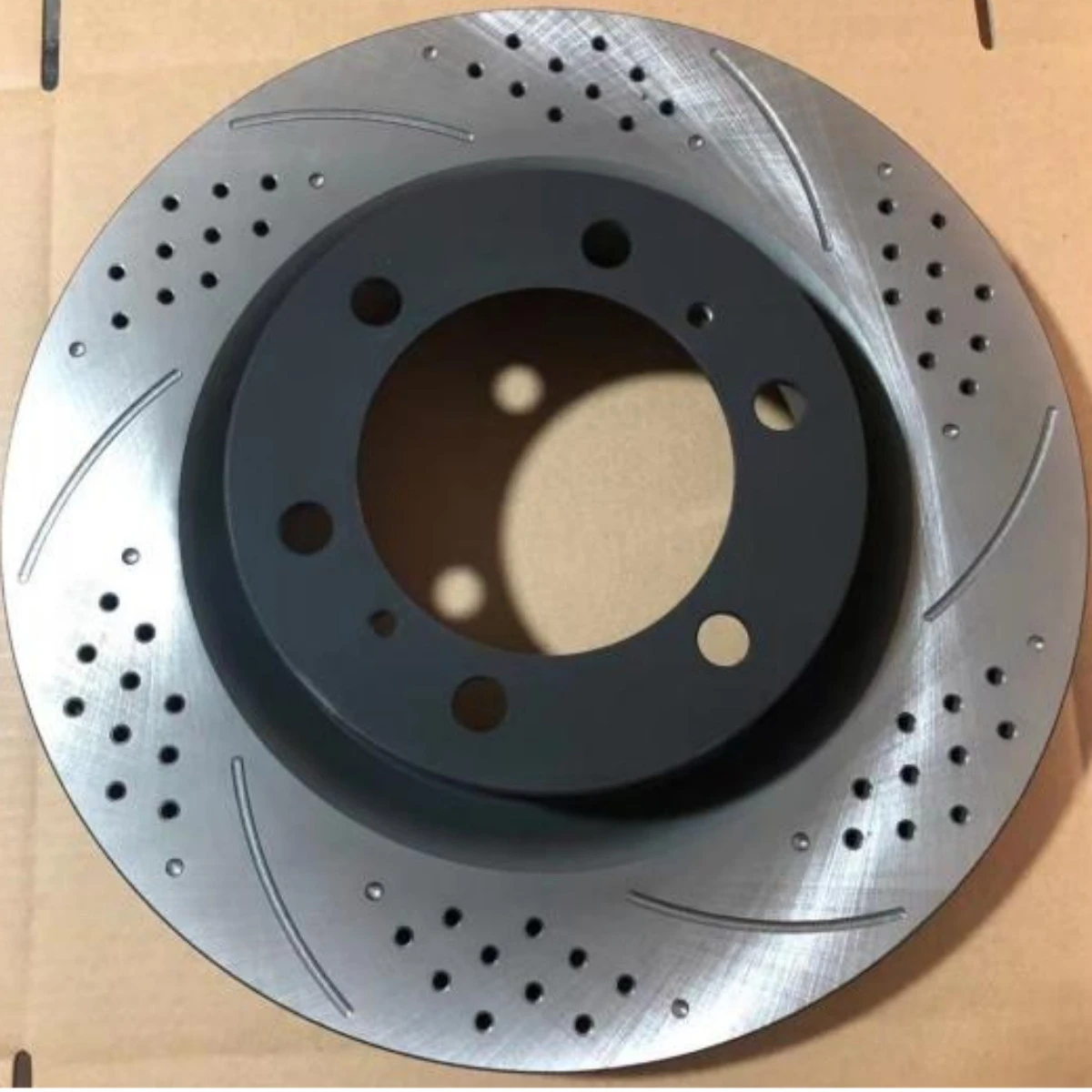
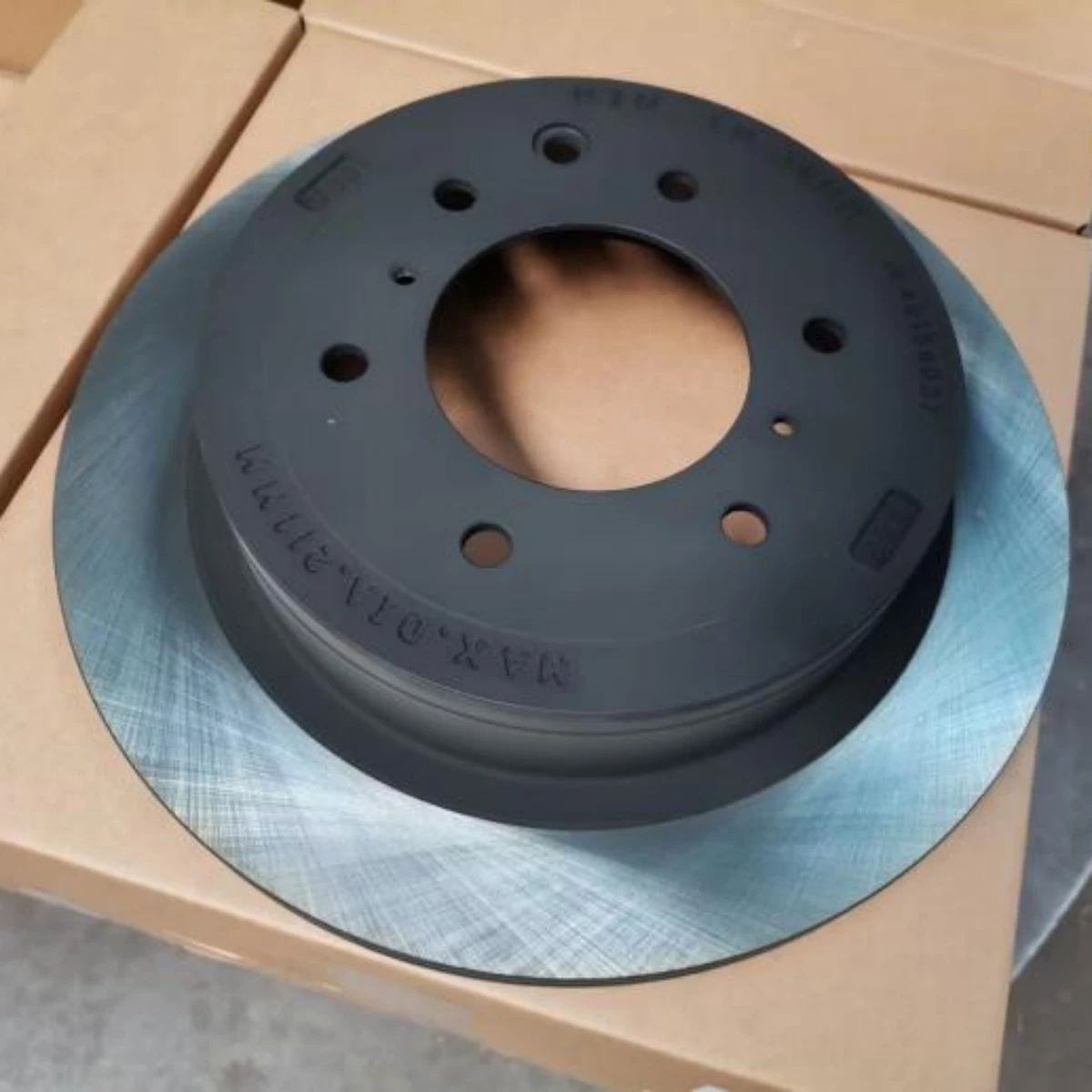
Laser Surface Treatment - High-Precision Energy Surgery Heading to the Future: As an innovative technology, lasers feature extremely high energy density and controllability to achieve localized reconstruction of brake disc surfaces, which is mainly divided into three categories:
Laser Surface Texturing
Lasers are used to carve precise micro-groove patterns (such as M-shaped grooves) on the friction surface. This not only effectively improves heat dissipation during braking and scrapes off debris at the friction pair interface, but also optimizes the stability of the friction coefficient. It serves as an active method to design NVH performance from the source.
Laser Surface Quenching
The laser beam rapidly scans and heats the surface, and quenching is realized through the rapid self-cooling of the substrate. Its revolutionary advantage lies in converting the harmful residual tensile stress commonly existing on machined brake discs into beneficial residual compressive stress. This compressive stress state is like pre-tightening a spring on the surface, which can significantly inhibit the initiation and propagation of cracks, and improve the fatigue life and deformation resistance of parts.
Laser Surface Cladding
High-performance alloy or ceramic powders are instantly fused and solidified with the substrate surface to form a brand-new wear-resistant and corrosion-resistant coating, providing a solution for extreme operating conditions.
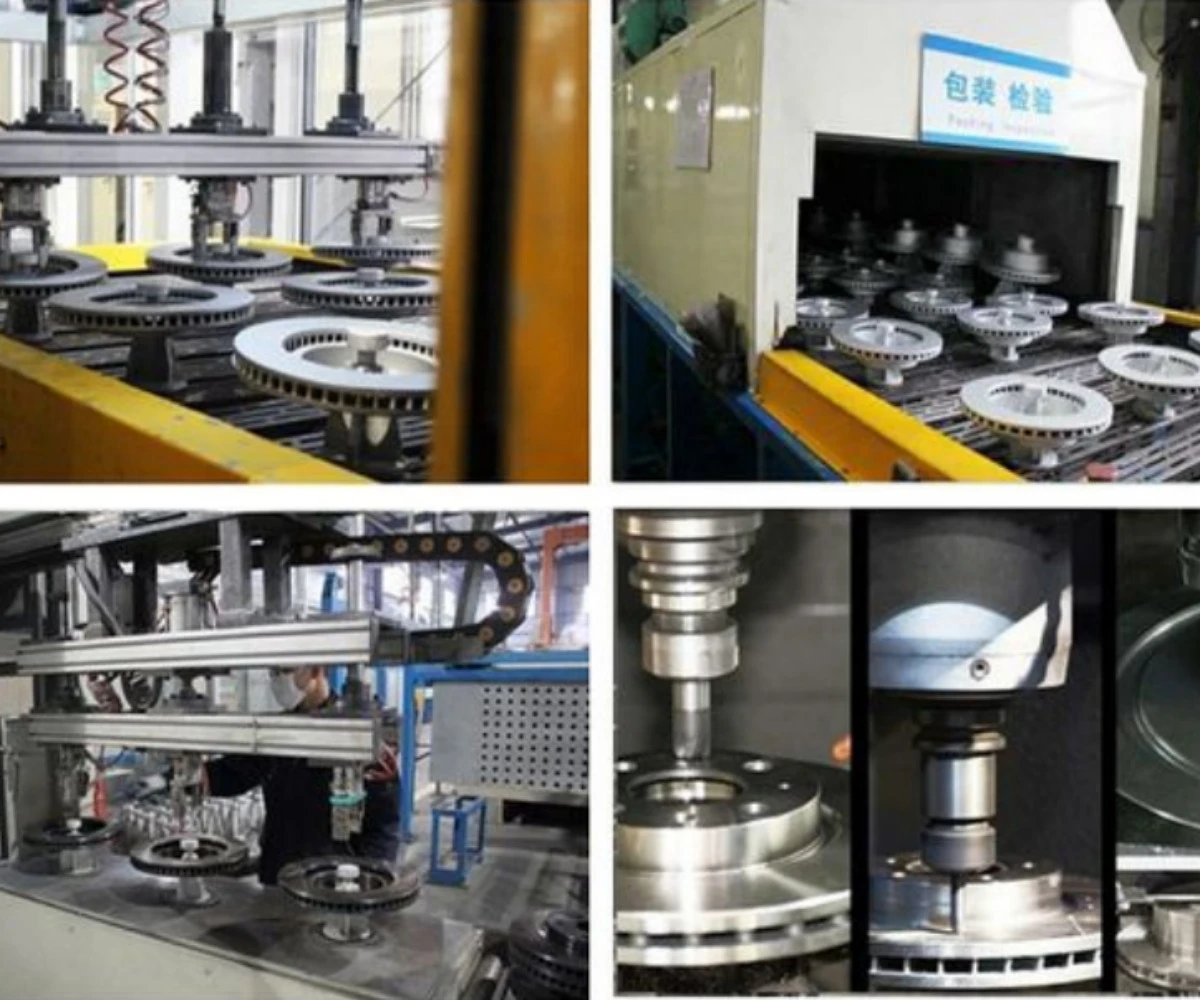
Machining Workshop
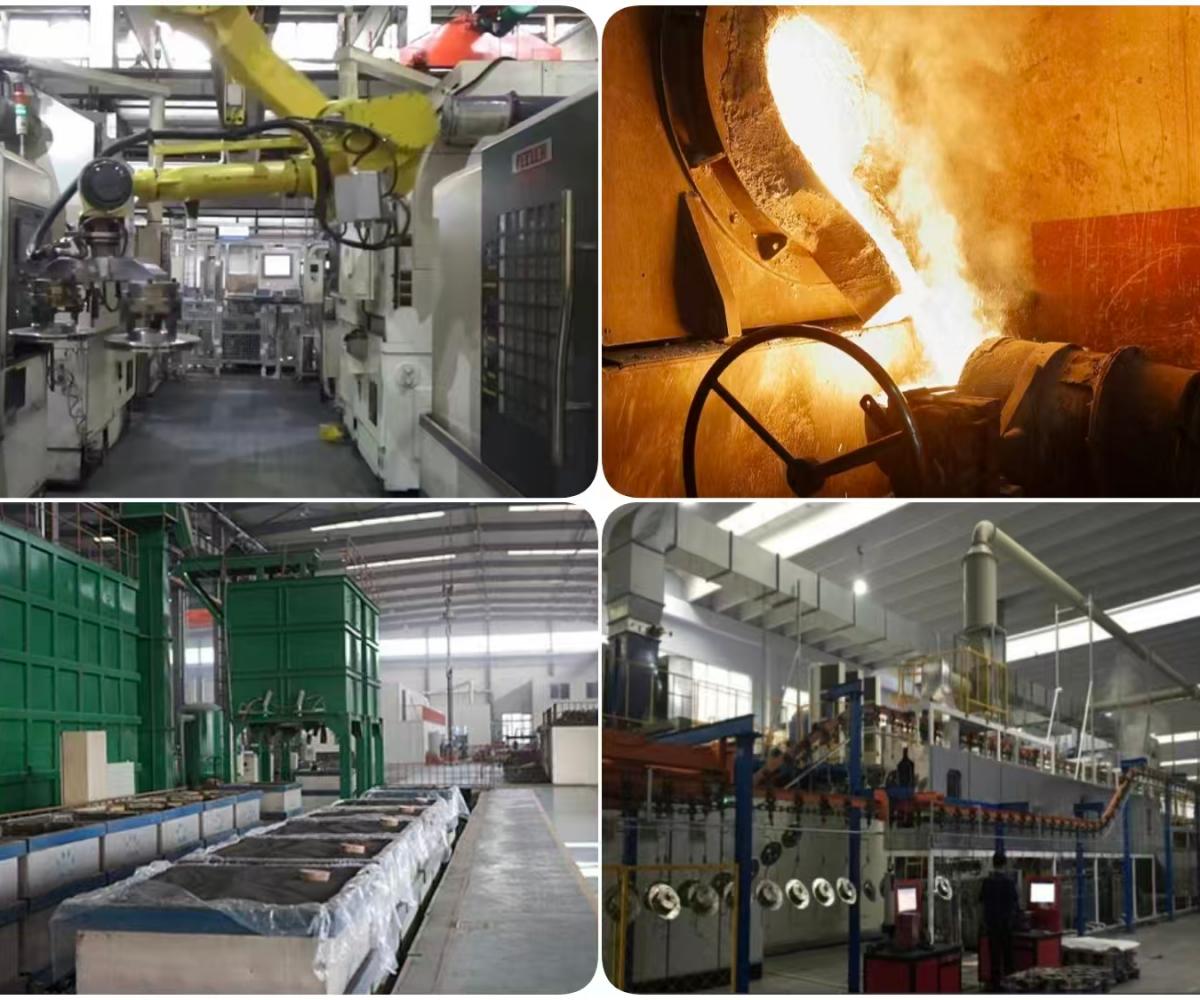
The process starts with rough turning. Usually, the large end face of the brake disc is taken as the rough reference, and a specially designed wedge-shaped jaw fixture is used to accurately clamp the inner side of the ventilation groove of the blank. This unique clamping method ensures uniform thickness of the braking surfaces on both ends of the disc during subsequent cutting, fundamentally guaranteeing consistent heat absorption and heat dissipation during future braking, and preventing thermal deformation and brake judder caused by uneven thickness.
Finish Turning and the Process Revolution of "Upper and Lower Double Tools": The finish turning stage is the most critical phase of precision control. At this point, the workpiece is repositioned with the finish-machined mounting flange end face as the reference. To tackle the global challenge of easy deformation of thin-walled parts, the cutting-edge process adopts the synchronous turning technology of "upper and lower double tools". Imagine two precision turning tools feeding and cutting simultaneously from the upper and lower end faces of the brake disc. This is not merely repetitive work; instead, it enables the cutting forces generated by the upper and lower tools to counteract each other, just like a craftsman polishing both sides of an exquisitely carved jade artifact with both hands at the same time. This greatly restrains the cutting deformation of the workpiece and controls the parallelism and flatness of the two braking surfaces to an ultra-high micron-level standard. This is not just machining, but an artistic balance of mechanics.
Evolution of Cutting Tools: From Cemented Carbide to CBN: A workman must first sharpen his tools if he is to do his work well. Faced with the high-volume and high-speed machining demands for cast iron parts, cutting tool materials have been upgraded from cemented carbide to cubic boron nitride (CBN) inserts. CBN tools rank second only to diamond in hardness. Their excellent wear resistance allows machine tools to perform stable cutting at a higher linear speed, greatly improving machining efficiency and surface quality, while reducing costs and downtime caused by frequent tool changes. For instance, the domestic BN-S300 grade CBN tool improves toughness through non-metallic binder technology and can even handle some rough machining tasks, achieving full-process coverage from roughing to finishing.
Delivery,shipping and serving

FAQ
Q: After installing brake rotors part number 42510TGNG00 on the 6th-gen CR-V, a squeaking noise occurs when moving the vehicle at low speeds. Is this caused by a manufacturing defect of the rotors themselves?
A: In most cases, the brake rotors are not faulty. The rear brake housing of the CR-V has limited internal space. Frequent stop-and-go driving in urban areas can lead to glazing of brake pads due to heat buildup, or road grit and sand getting trapped within the gaps of the friction assembly, resulting in abnormal noises. The preferred fix is to remove the brake pads, clean and sand their friction surfaces with isopropyl alcohol. Replacement of 42510TGNG00 brake rotors is only required if single-side groove depth on the rotor surface exceeds 0.42 mm, lateral runout surpasses the factory-specified limit of 0.05 mm, or rotor thickness wears down to the minimum service limit of 8.9 mm.
Q: How frequently should brake rotors fitted with 42510TGNG00 rotors on the 6th-gen CR-V be inspected during routine maintenance? Does regular fully loaded mountain driving require shortened inspection intervals?
A: For regular smooth urban commuting, rotor inspection is recommended every 20,000 kilometers or alongside every tire replacement. For sustained fully loaded operation and frequent hill-climbing mountain driving, the maintenance interval is reduced to inspection every 14,000 kilometers. Two critical measurements must be verified: remaining rotor thickness no less than 8.9 mm and lateral runout not exceeding 0.042 mm to proactively prevent potential braking hazards while driving.
Q: What advantages does the 42510TGNG00 rotor have over original-equipment rotors under stop-start congested urban driving conditions?
A: Chromium and molybdenum are blended into the base material to improve heat dissipation, with precisely controlled Ra surface roughness on friction faces, effectively preventing brake pad glazing from repeated low-speed braking in heavy traffic. An additional graphene composite anti-corrosion coating delivers far superior rust resistance compared to standard factory black-coated rotors in humid conditions, cutting down squeaking issues triggered by rust during rainy seasons, making it well-suited for daily family use of the CR-V.
Last News
Company Launches Enhanced High-Carbon & Racing Brake Disc Line for Honda & Toyota Models
We are pleased to announce the expanded launch of our high-carbon modified and performance racing brake disc series, covering HONDA CIVIC 42510TGNG00 Rear Brake Disc and popular Toyota/Lexus applications. Featuring advanced precision casting, improved thermal stability, and anti-fade properties, these discs deliver stronger stopping power and extended service life under extreme braking conditions. All products undergo rigorous dynamometer testing to meet OEM-quality standards.
New Eco-Friendly Surface Treatment - Laser Blue Phosphate & Anti-Rust Paint Upgrade
Our brake discs now feature an upgraded laser blue phosphate treatment and multi-color anti-rust spray painting (black/silver). This advanced coating provides superior corrosion resistance, better heat dissipation, and a cleaner, longer-lasting finish. The environmentally friendly process complies with global environmental standards while enhancing braking performance and durability.
Hot Tags: honda civic rear brake disc, China honda civic rear brake disc manufacturers, suppliers, factory