

Product Introduction
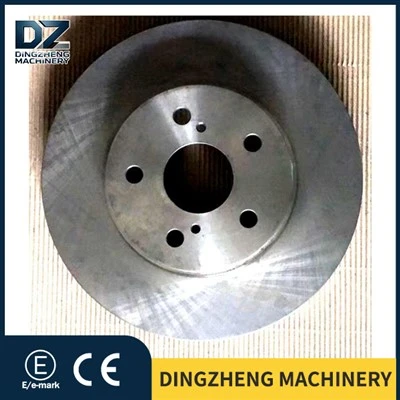
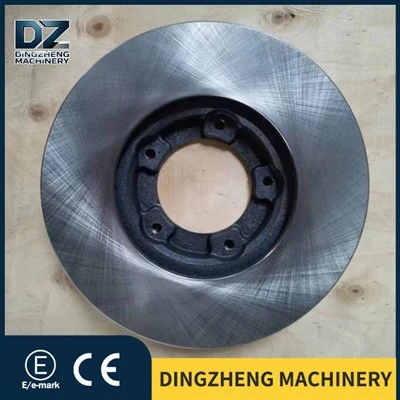
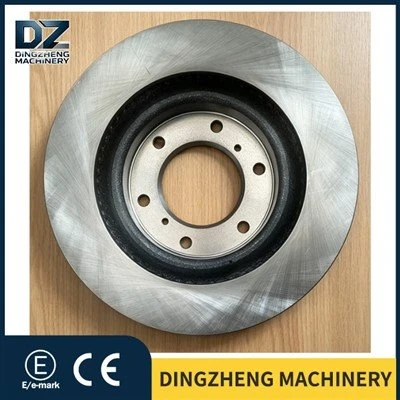
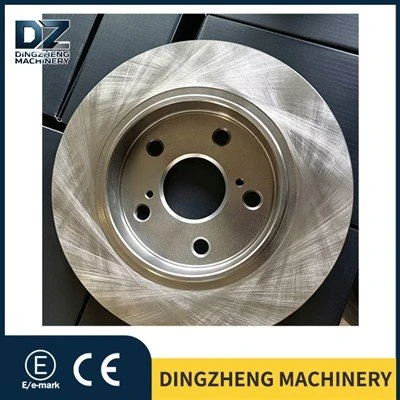
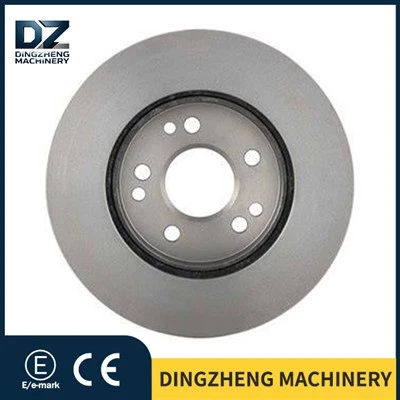
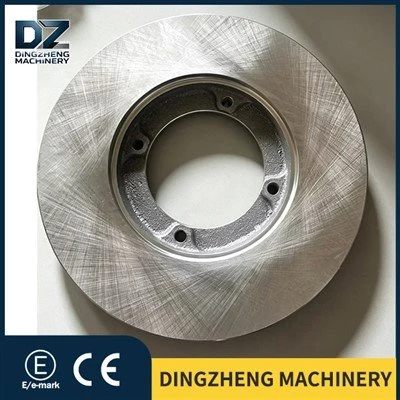
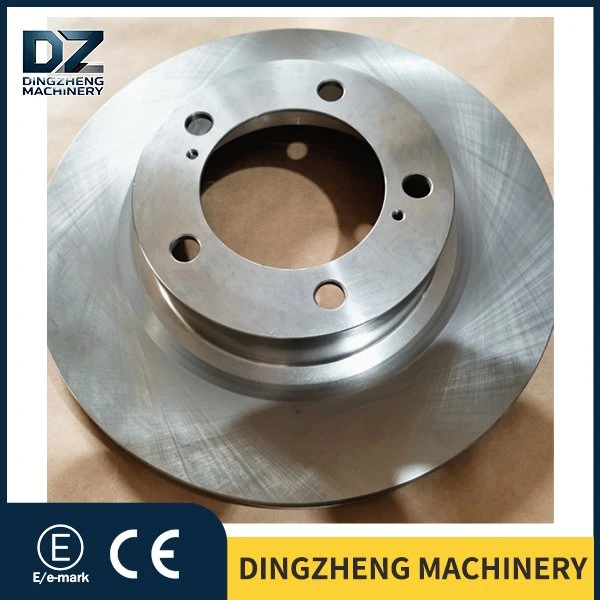
Hey guys, hold on a second and let me walk you through the robust build of this brake rotor. This is no flimsy part for ordinary family cars. It is a front brake rotor tailor-made for full-size pickups like the Tundra and large off-road SUVs such as the Sequoia.
Dimensions
It features an outer diameter of 354 millimeters and a standard thickness of 32 millimeters, with a single rotor weighing nearly 12 kilograms. As a large internally ventilated rotor, it is engineered to effectively dissipate the intense heat generated under heavy loads and hard braking, keeping brake fluid temperature stable.
Precise Fitment
The center locating hole measures 112 millimeters for a perfect fit during installation. It has 5 bolt holes on a pitch circle diameter of 150 millimeters. Its flange design locks firmly onto the wheel hub with zero play, eliminating annoying brake vibration at high speeds.
Replacement Threshold
Strictly specified in Toyota's official service manual, the minimum allowable thickness is 29 millimeters. Do not keep using it beyond this limit. Replace it promptly once it reaches this critical point to avoid major safety hazards.
To sum up, whether you plan to tow a camper for long-distance travels or simply want more reliable braking performance from this nearly three-ton heavy vehicle, this brake rotor will give you complete peace of mind in critical moments. In short, it is durable and dependable, delivering solid safety assurance.
|
Parameter Items |
Specification Data |
|
Outer Diameter (mm) |
354 |
|
Inner Diameter/Center Positioning Bore (mm) |
112 |
|
Standard Thickness (mm) |
32 |
|
Minimum Wear Thickness (mm) |
29 |
|
Number of Mounting Bolt Holes |
5 |
|
Ventilation Structure |
With internal ventilation grooves |
|
Material Grade |
GG25 high-carbon gray cast iron |
|
Single Piece Net Weight (kg) |
Approx. 11.7 |
Product Parameter
|
Location |
Front brake |
Diameter |
354mm |
|
Brake Disc Thickness |
32mm |
Minimum Thickness |
29mm |
|
Centering Diameter |
112mm |
Height |
83.2mm |
|
Number Of Holes |
5+2 |
Bolt Circle Diameter |
150mm |
|
Solid Or Vented |
F |
Weight |
11.48kg |
Car Model
The front brake disc for Toyota Tundra 435120C020 is compatible with a wide range of cars, as follows:
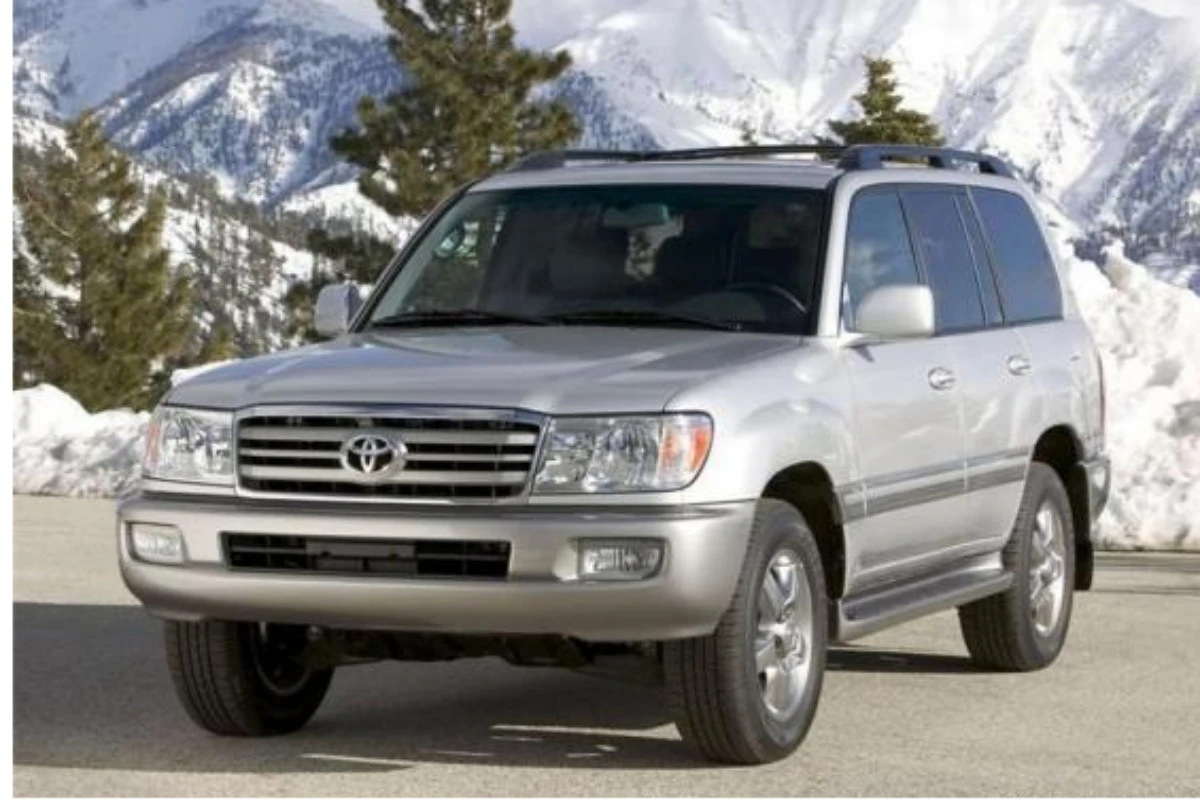
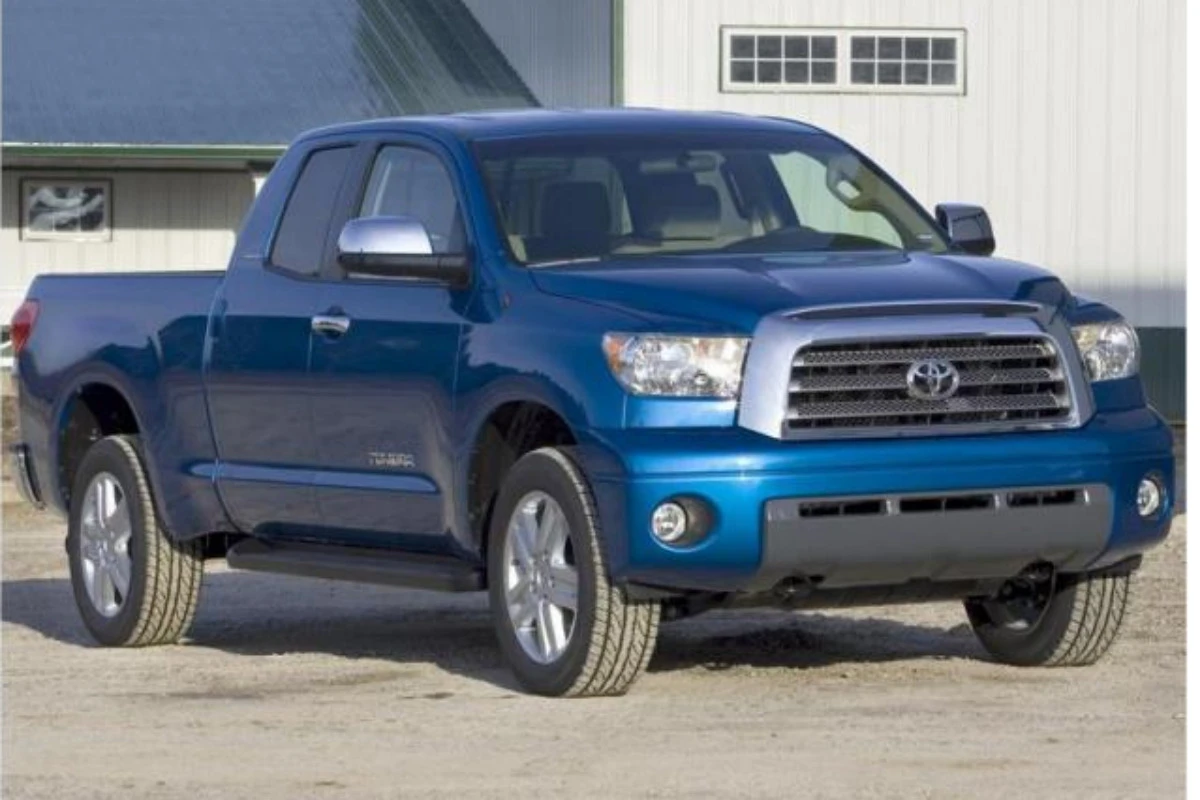
Toyota Land Cruiser 200 (J2) 4.5 D V8 (VDJ200) 2008-
Toyota Land Cruiser 200 (J2) 4.7 V8 (UZJ200) 2008-
TOYOTA TRUCK Sequoia V8-4.6L F/inj. (32V) DOHC 1URFE 2010
TOYOTA TRUCK Sequoia V8-4.7L F/inj. (32V) DOHC 2UZ-FE 2008-2009
TOYOTA TRUCK Sequoia V8-5.7L F/inj. (32V) DOHC 3URFE 2008-2010
TOYOTA TRUCK Sequoia V8-5.7L F/inj. (32V) DOHC Flex Fuel 3URFBE 2009-2010
TOYOTA TRUCK Tundra V6-4.0L F/inj. (24V) DOHC 1GR-FE 2007-2008
TOYOTA TRUCK Tundra V6-4.0L F/inj. (24V) DOHC 1GR-FE 2010
TOYOTA TRUCK Tundra V8-4.6L F/inj. (32V) DOHC 1URFE (M) 2010
TOYOTA TRUCK Tundra V8-4.7L F/inj. (32V) DOHC 2UZ-FE 2007-2009
TOYOTA TRUCK Tundra V8-5.7L F/inj. (32V) DOHC 3URFE 2007-2010
TOYOTA TRUCK Tundra V8-5.7L F/inj. (32V) DOHC Flex Fuel 3URFBE 2009-2010
Reference No.
There are different corresponding codes for the front brake disc for TOYOTA 435120C020
|
AIMCO |
31482 |
OE |
4351260210 |
|
BREMBO |
09.C500.11 |
OE |
435120C020 |
|
BENDIX |
145718 |
REYBESTOS |
980583 |
|
BENDIX |
PRT5718 |
RAYBESTOS |
980538R |
|
CENTRIC |
120.44156 |
WAGNER |
BD126490 |
Surface Treatment
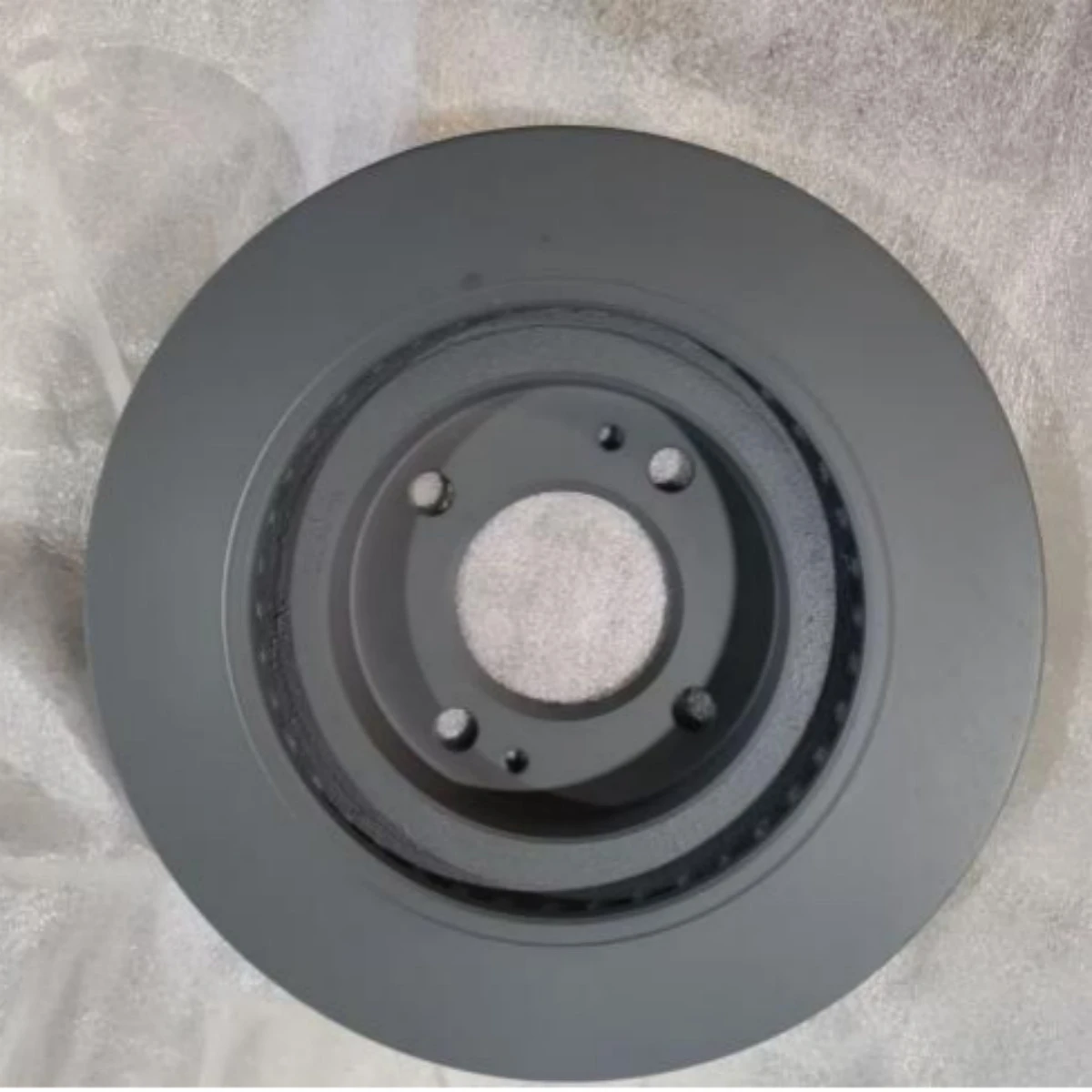
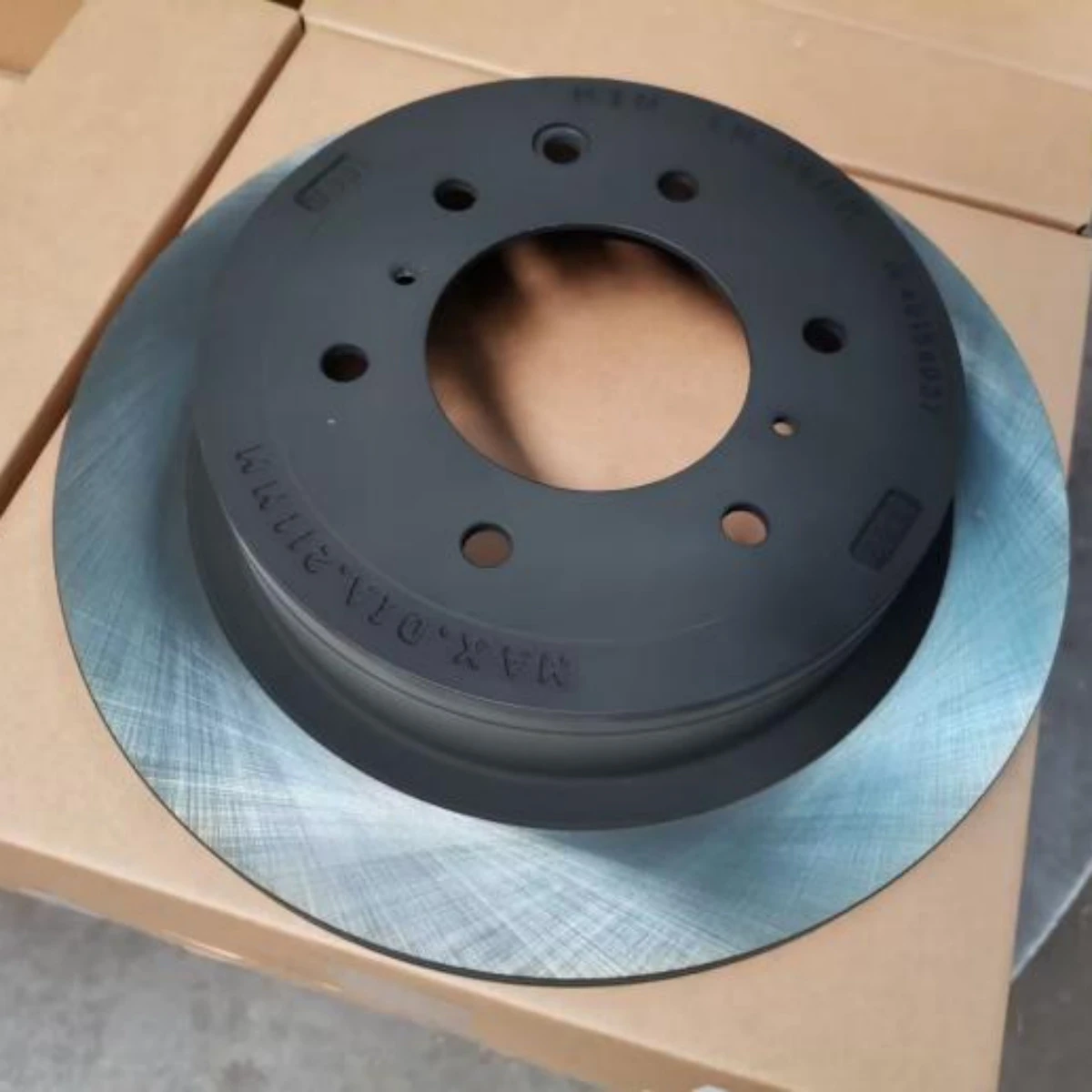
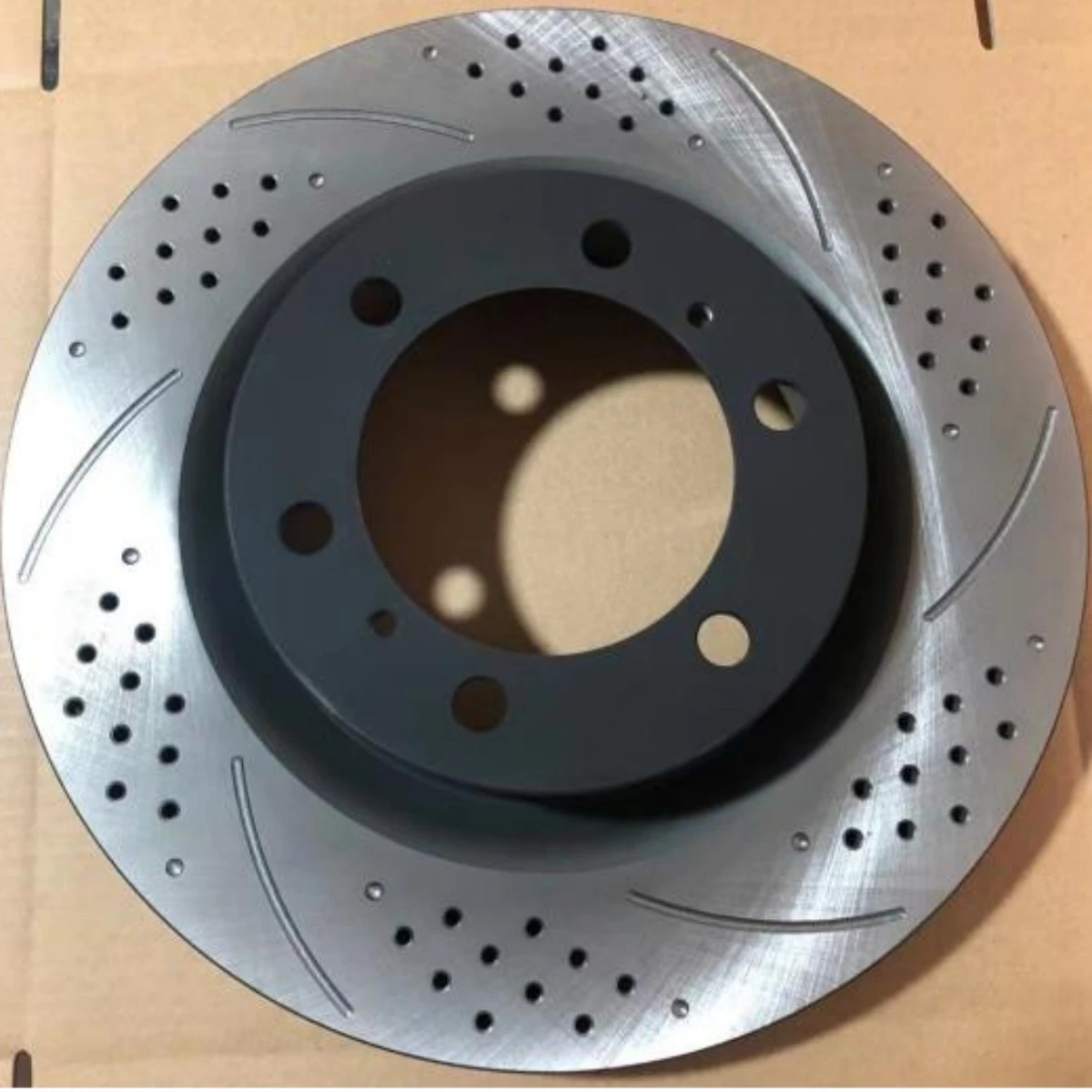
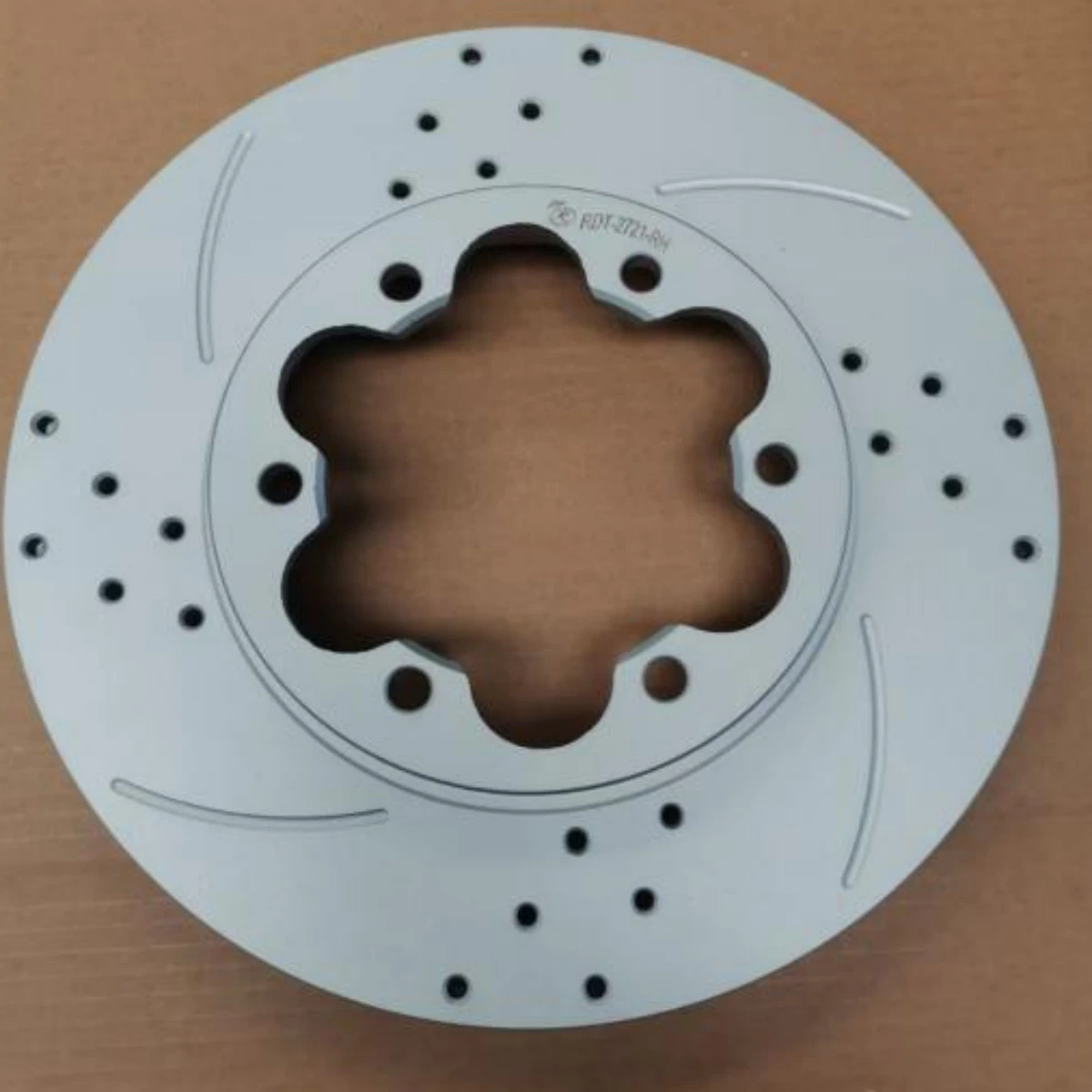
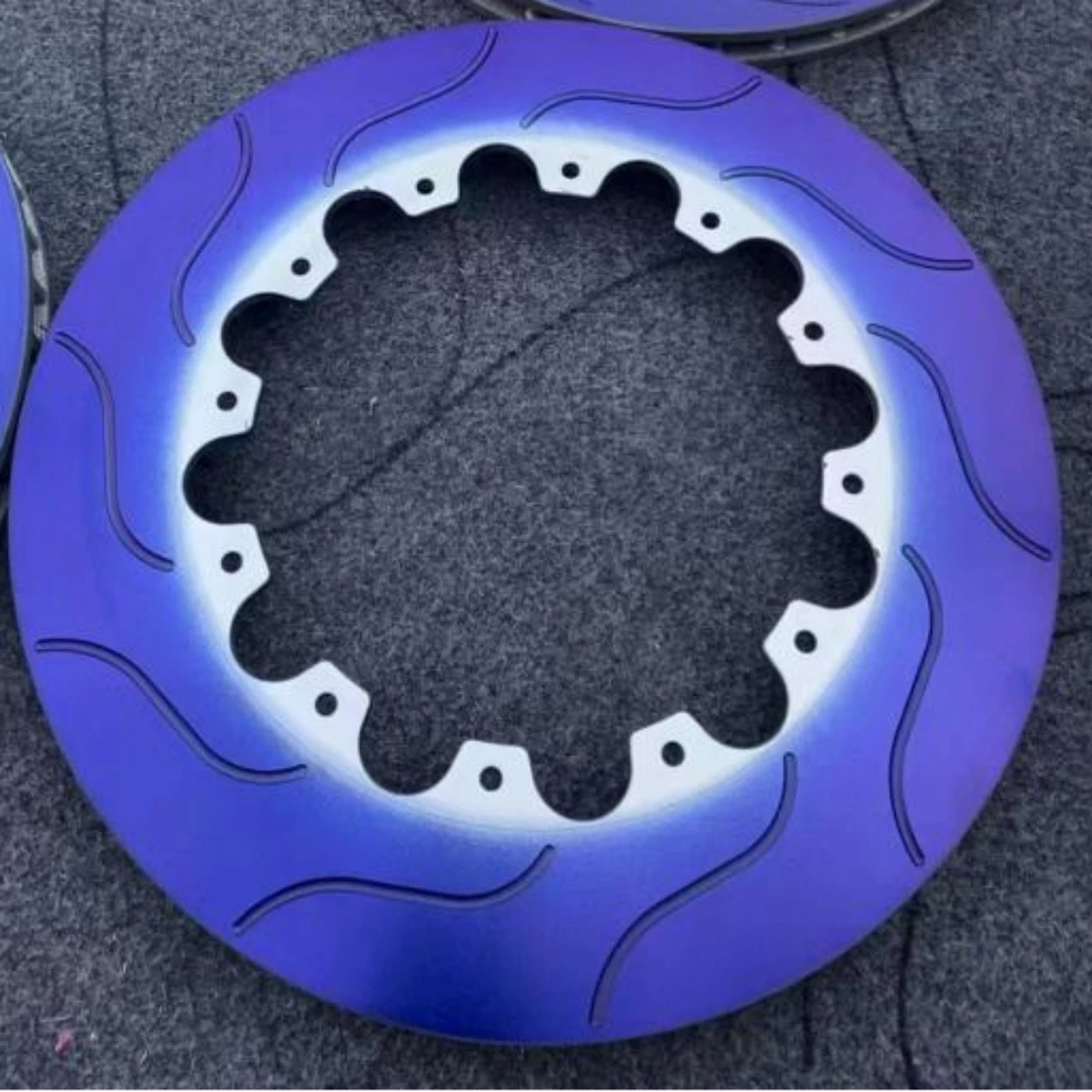
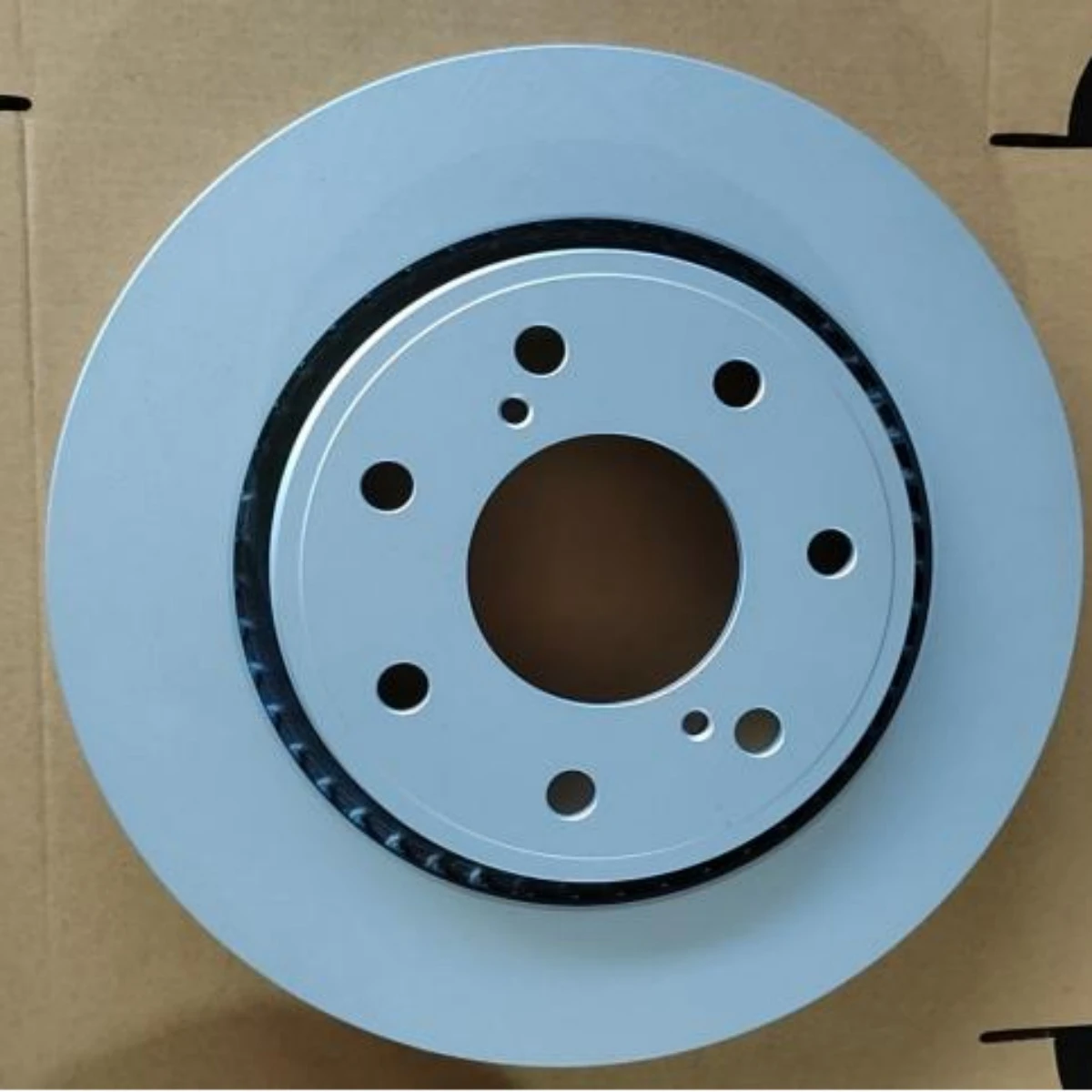
We have developed a full-process standardized surface treatment system exclusively forToyota Tundra front brake disc TA435120C020, with every procedure strictly complying with the rigorous demands of heavy-load towing and off-road conditions:
Precision CNC Turning: Imported cemented carbide cutters are adopted with precisely regulated feed rates to create a non-directional fine surface texture with Ra ≤ 0.8μm. This method eliminates chatter marks caused by excessive feed speed and built-up edge resulting from insufficient feed speed. The brake pads fit perfectly against the rotor surface right after installation, greatly shortening the running-in period and reducing abnormal braking noises.
Deep Ultrasonic Cleaning: The turned brake rotors undergo multi-tank ultrasonic cleaning. High-frequency micro-bubbles penetrate deep into ventilation grooves and surface micropores to thoroughly remove residual cast iron particles and cutting fluid. Hot air drying is performed immediately after cleaning to ensure a 100% firm bond between the subsequent coating and the base material, preventing blistering and peeling.
Automatic Zinc-Aluminum Coating Spraying: Robotic electrostatic spraying applies a uniform zinc-aluminum composite anti-rust coating with a thickness ranging from 8 to 12 micrometers. An overly thick coating impairs heat dissipation, while an overly thin one fails to deliver adequate rust protection. The coating is cured at 200°C to form a tough protective film that effectively resists corrosion from rainwater, de-icing agents and off-road mud. It passes salt spray tests for more than 48 hours.
100% Full Dynamic Balance Inspection: Every single brake rotor is tested on a high-precision dynamic balancer. Weight distribution is corrected via precision drilling to keep the dynamic balance accuracy within ≤40g·cm, a standard far exceeding industry norms. This prevents steering wheel vibration even when the Tundra is towing heavy loads at high speeds.
Machining Workshop
The Know-How in the Workshops
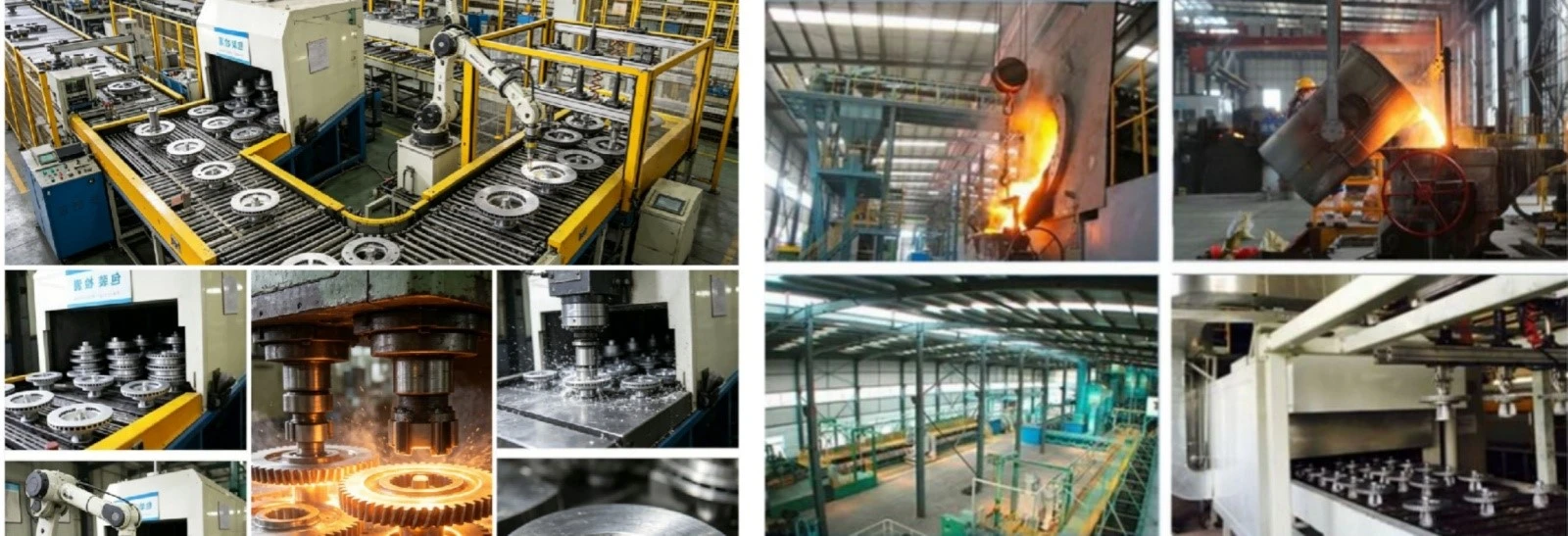
Let's start with rough casting. Step into the casting workshop, and you will find no romantic vibes whatsoever. All you can sense are the pungent fumes from casting, the roar of melting furnaces and the intense heat rolling over you. The rough casting of Toyota Tundra front brake disc TA435120C020 cannot be produced simply by pouring molten iron casually. We adopt the formula of GG25 high-carbon alloy cast iron. More than a dozen trace elements including C, Si, Mn, Cr, Cu and Sn must be blended in precise proportions. Even a tiny deviation will affect the hardness and thermal conductivity of the finished product.
Sparks fly every single day. The melting temperature is steadily maintained above 1400℃, and the molten iron is poured and formed at high speed via the Danish DISA moulding line. Samples are taken from every ladle of molten iron for spectral analysis before pouring. The silicon content and carbon equivalent on the furnace side must be strictly controlled; any ladle of molten iron exceeding the specified range has to be remelted. The pouring temperature and speed are monitored in real time by a digital system. Excessively fast pouring will lead to pores and slag inclusions, while overly slow pouring tends to cause cold shut defects. After casting, the rough castings are sent to heat treatment furnaces to relieve casting stress, and then undergo shot blasting to thoroughly remove surface sand shells and oxide scales. Only rough castings that meet all standards can proceed to the next process.
Precision machining is where true craftsmanship is put to the test. Once the rough castings are delivered to the precision machining workshop, their disc surfaces first undergo rough turning on a vertical CNC lathe, followed by semi-finish turning and finish turning. To guarantee the parallelism and uniform thickness of the two braking surfaces, we apply a process featuring simultaneous cutting with upper and lower double tools. The cutting forces generated by the two tools counteract each other, preventing the disc body from deforming due to unbalanced stress. The entire machining process is carried out with cutting fluid, which serves both to cool down the workpieces and flush away metal chips. Special multi-spindle drills and combination cutting tools are used for the drilling process, enabling five holes to be formed in one go with the position deviation kept within 0.1mm.
Delivery,shipping and serving
Warranty Statement: Reliable Protection Exclusively for Full-Size Pickups and Large Off-Road SUVs
We have full confidence in the cast iron material of these brake rotors, so we offer a manufacturer's warranty covering 80,000 kilometers or 12 months, whichever comes first. The products have been tested and certified in strict compliance with Toyota TIS high standards for brake systems. The warranty specifically covers common issues arising from daily heavy-load use, including casting pores, hidden cracks and abnormal peeling of the surface anti-rust coating.
Please note the following terms: These rotors are designed for Toyota Tundra and Sequoia, whose caliper bracket structures differ completely from those of ordinary passenger cars. Damage such as uneven wear or vehicle vibration caused by improper installation - including failure to fasten parts with a torque wrench to the specified torque, or installation without removing rust from the wheel mating surface - is not covered by the warranty. Proper tools ensure professional installation.
Shipping & Logistics: Careful Delivery to Your Hands
These front brake rotors with part number 435120C020 are shipped directly from our factory in Shandong. The standard production and delivery lead time is 30 to 45 days after order confirmation. Each single rotor weighs nearly 12 kilograms. We use double-layer packaging with OPP foam and custom thick cardboard for protection. Upon request, we can also add a wooden crate for extra safety to prevent bumps and scratches during transit.
For urgent orders with tight schedules, we offer expedited air freight at an additional shipping cost. You may appoint your preferred freight forwarder and share the relevant information in advance. Our team will fully cooperate on customs declaration and delivery coordination to ensure smooth handover.
After-sales Service & Return Policy: We Stand Behind Our Products
If you find any defects in appearance or dimensions upon receiving the goods, please take clear photos and send them to our dedicated after-sales channel within a timely manner. Within 48 hours after verification, if the product is confirmed to have dimensional errors or casting defects such as sand holes, you may choose either a free replacement or a full refund.
Our return and exchange rules are clearly stated as follows:
- Quality-related issues (Zero-defect Guarantee): For problems such as cracks on the rotor surface or abnormal non-artificial vibration after installation, we will bear all round-trip shipping costs and provide free replacements.
- Non-quality related issues (Wrong order/voluntary return): If you place an incorrect order or simply wish to return or exchange the product for personal reasons, you will be responsible for the return shipping fee. We will arrange the replacement shipment within 5 working days after we receive and inspect the returned item.
FAQ
Q1: I drive a Sequoia/Tundra and often need to tow heavy loads or drive down long downhill slopes. Can this brake rotor hold up?
A1: Rest assured. This brake rotor was fully designed with heat dissipation requirements for full-size pickup trucks under maximum towing conditions in mind. It is made of high-carbon alloy cast iron and features internal ventilation grooves, delivering reliable heat dissipation performance. Do keep in mind that after every heavy-duty use, let the brake system cool down naturally for a few minutes. Avoid pulling the parking brake tight immediately after stopping, as this will extend the service life of the entire brake system.
Q2: After driving off-road for a while, I hear a sharp squeaking noise when gently applying the brakes at low speeds. Is the brake rotor damaged?
A2: In most cases, it is not. The noise is mostly caused by fine sand and mud getting trapped in the gaps of the brake pads during off-roading. You can thoroughly clean the surface of the brake pads with isopropyl alcohol, which will usually fix the problem. However, if the squeaking persists after cleaning, use a depth gauge to measure the brake rotor surface. If the groove depth exceeds 0.5 millimeters, or there are severe rust pits deeper than 1 millimeter on the surface, you need to replace the brake rotor right away.
Q3: When I hit the brakes at high speed in my old Tundra, the vehicle shakes violently. Could this be a problem with the brake rotor?
A3: This issue is most likely caused by excessive lateral runout resulting from uneven wear on the rotor surface after heat fade. Toyota sets a very strict limit for this (the allowable face runout is generally within 0.05 millimeters). It is recommended to have a tire shop check the runout with a dial indicator. If the runout exceeds the limit, or the rotor thickness has worn down to the minimum limit of 29 millimeters, replace the rotor without hesitation.
Q4: How often should the front brake rotors be inspected normally? Are there any relevant guidelines?
A4: For daily driving on urban roads or paved roads, inspection is recommended approximately every 20,000 kilometers. If you frequently tow heavy loads or apply the brakes repeatedly on mountain roads, more frequent checks are needed, ideally every 12,000 kilometers. Focus on three key points: cracks on the rotor surface, whether the remaining thickness is below 29 millimeters, and abnormal vibration. Detecting and fixing problems early will let you drive with greater peace of mind..
Last news Exclusive Installation Parameters and Precautions
To ensure your vehicle delivers optimal performance, strictly follow the specifications from the official Toyota Service Manual during installation:
Compatible Caliper Model: Designed for the original front four-piston brake caliper assembly of Tundra and Sequoia. It is recommended to thoroughly clean grease and sludge off the caliper guide pins and reapply high-temperature grease before installation.
Recommended Simultaneous Replacement: It is highly advised to use high-performance ceramic brake pads that conform to original factory specifications (e.g., model 04465-0C030 and other equivalent part numbers). Pairing new components with existing parts enables smoother running-in.
Wheel Hub Bolt Torque: Use a torque wrench and tighten the bolts diagonally in two stages to approximately 150 N·m (refer to the manual for your specific vehicle model year for exact values).
Brake Fluid Requirements: Toyota Genuine DOT4 brake fluid is recommended, or qualified alternative fluids with a higher boiling point.
Running-in Procedure for New Brake Rotors: Do not drive aggressively right after installation. For the first 300 to 500 kilometers, avoid hard braking and sudden full stops. This allows brake pad material to transfer evenly onto the rotor surface, preventing brake vibration during future use.
Hot Tags: toyota tundra front brake disc, China toyota tundra front brake disc manufacturers, suppliers, factory