
Product Introduction
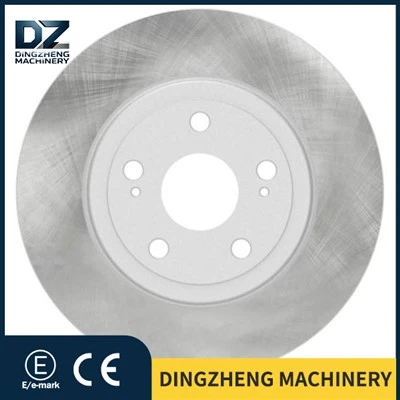
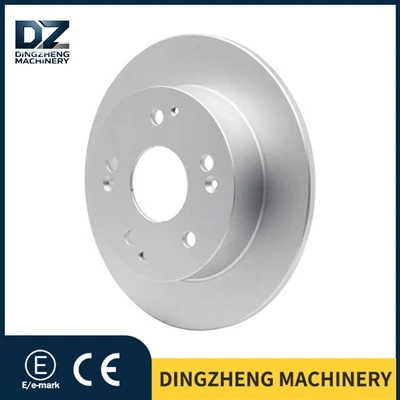
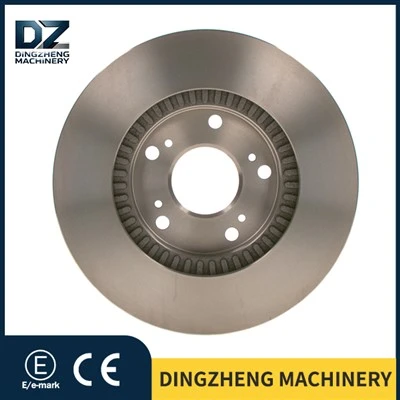
If you're looking for a reliable, OEM - matching rear brake disc for your BYD vehicle, the BYD s7 Rear Brake Disc NO.SE3502011 is your ideal choice. There are no fancy marketing gimmicks; just solid performance that aligns with BYD's energy - saving and safe driving philosophy, far outperforming those shoddy aftermarket parts that cut corners on quality.
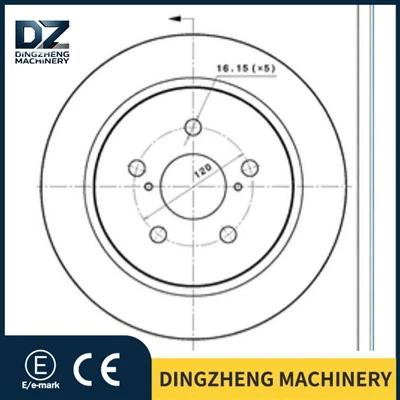
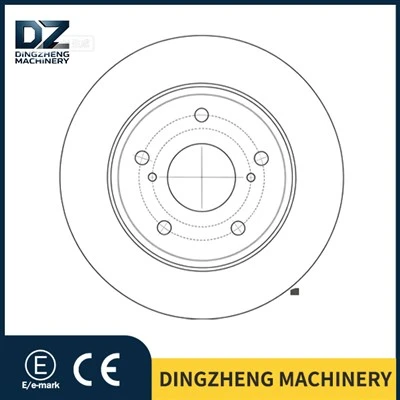
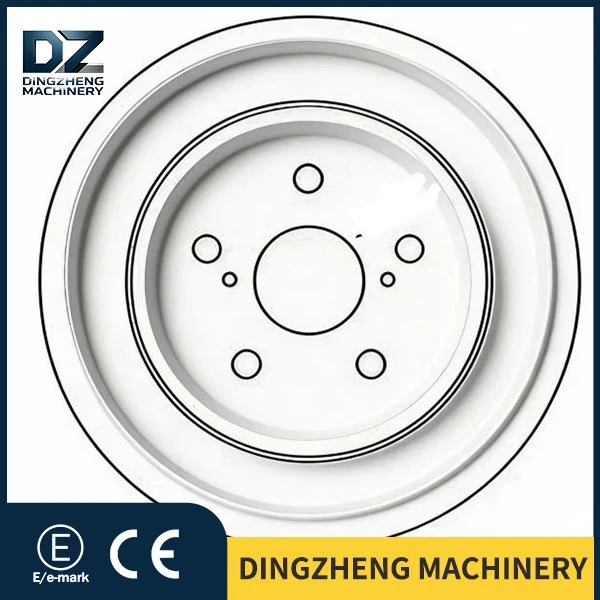
As a direct OEM replacement part, it is strictly developed in accordance with the OE number SE3502011. It is mainly compatible with BYD S7 (2014 - 2020), BYD Yuan Plus (Atto 3) and BYD Tang DM - i (2021 - 2025) models. It perfectly matches the original vehicle's dimensional parameters, mounting hole positions and braking system calibration, making it a true plug - and - play component. No modifications and no extra hardware are required. Whether you're a professional repair technician or a DIY enthusiast, you can complete the installation easily, saving time and trouble.
Product Parameter
|
Location |
Rear Brake |
Diameter |
309mm |
|
Brake Disc Thickness |
11mm |
Minimum Thickness |
9mm |
|
Centering Diameter |
62mm |
Height |
29.7mm |
|
Number Of Holes |
5 |
Pitch Circle Diameter |
120mm |
|
Solid Or Vented |
S |
Weight |
5.36kg |
Car Model


BYD S7 1.5T 2014/10-
Reference No.
There are different corresponding codes for the BYD s7 Rear Brake Disc NO.SE3502011
|
OE |
SE3502011 |
TRW |
DF8315S |
Core Advantages of High-Temperature Electrostatic Spraying Coating Technology for Brake Disc Surfaces
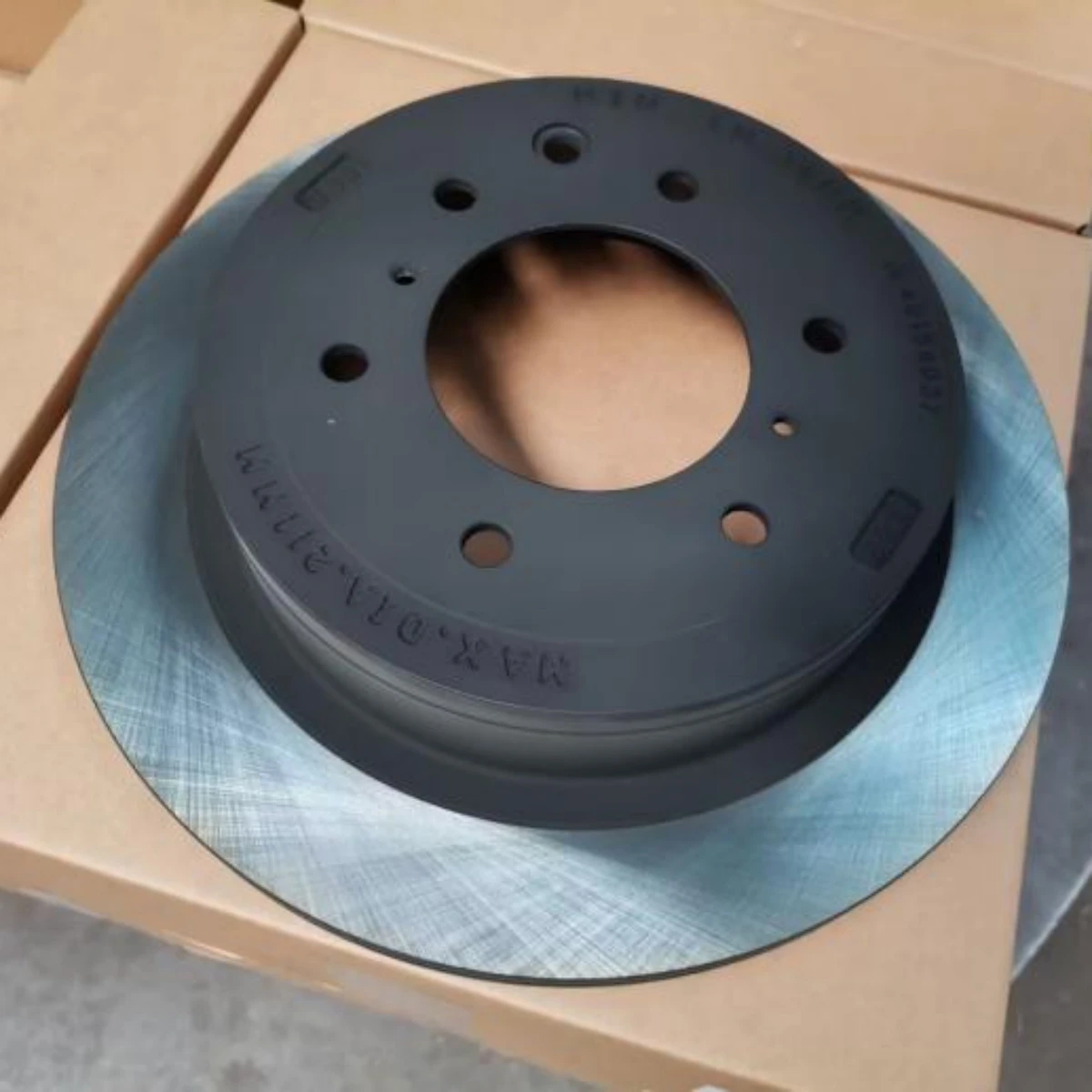
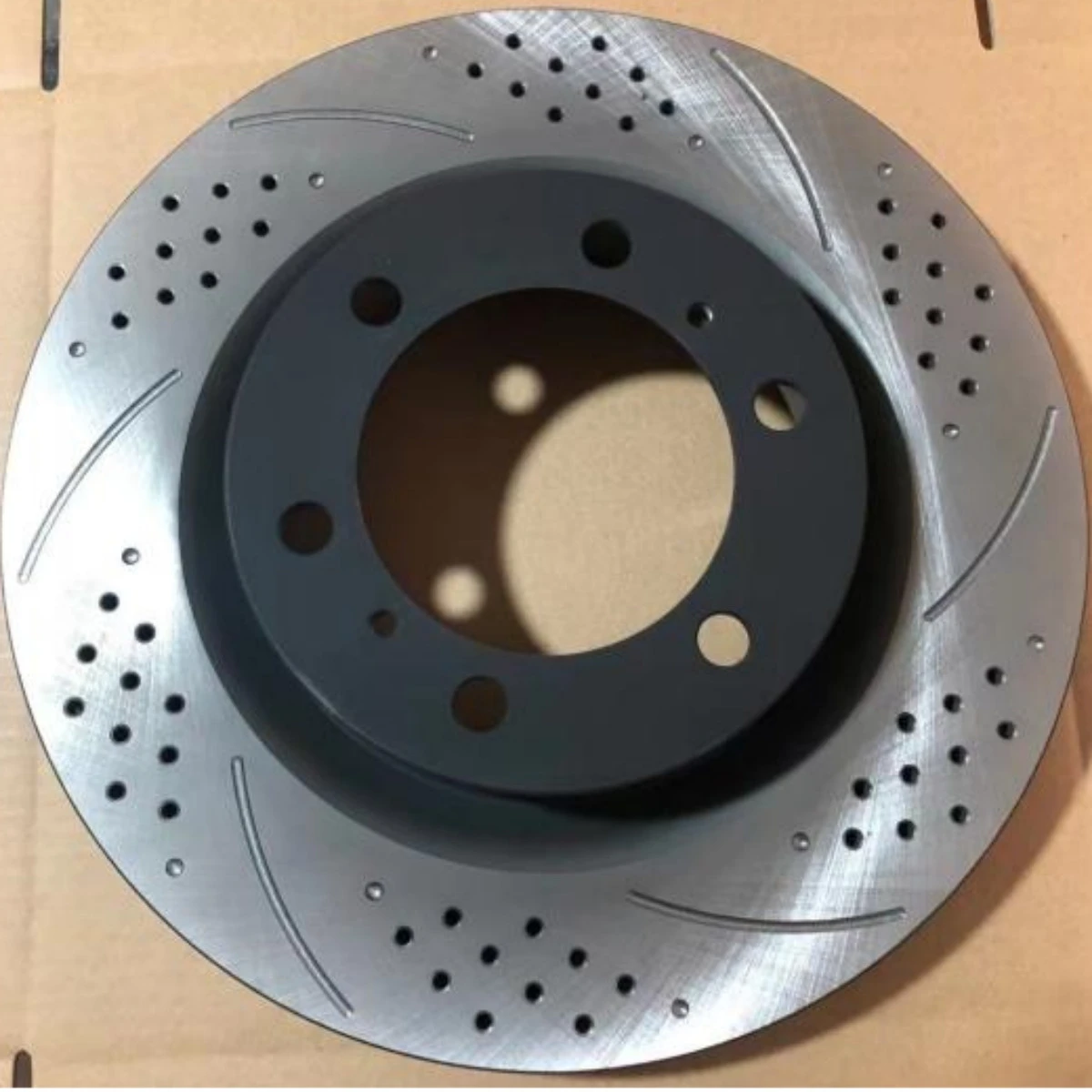
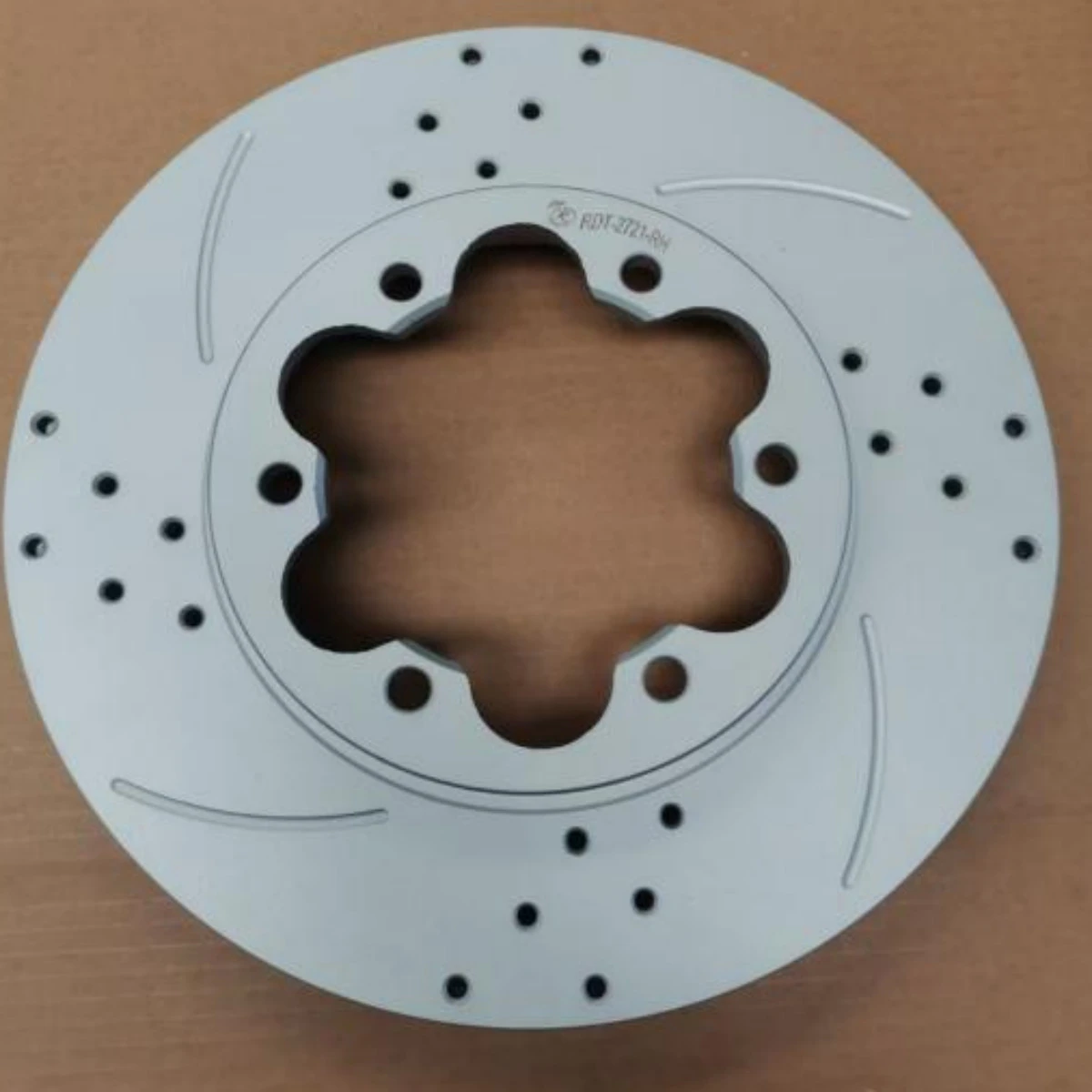
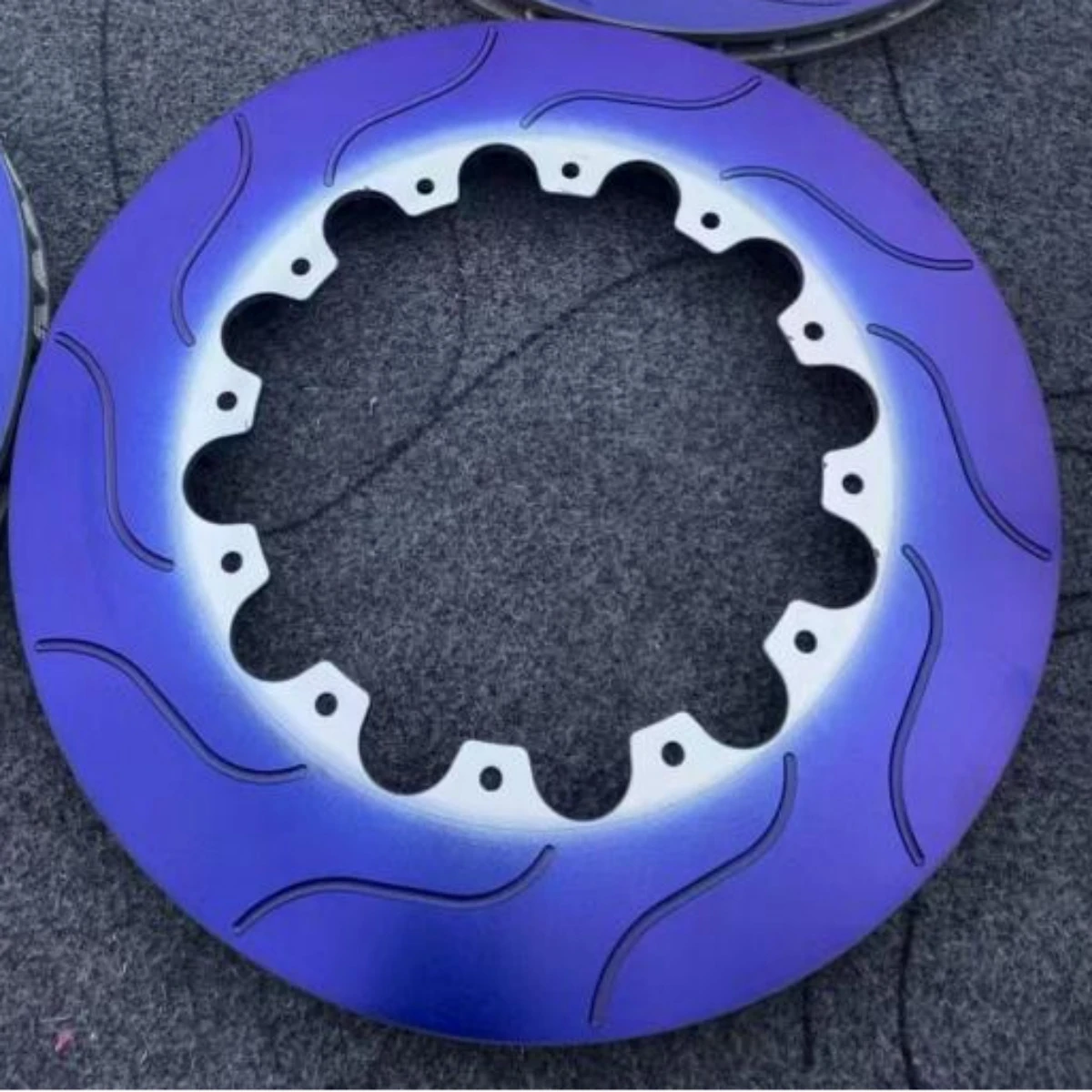
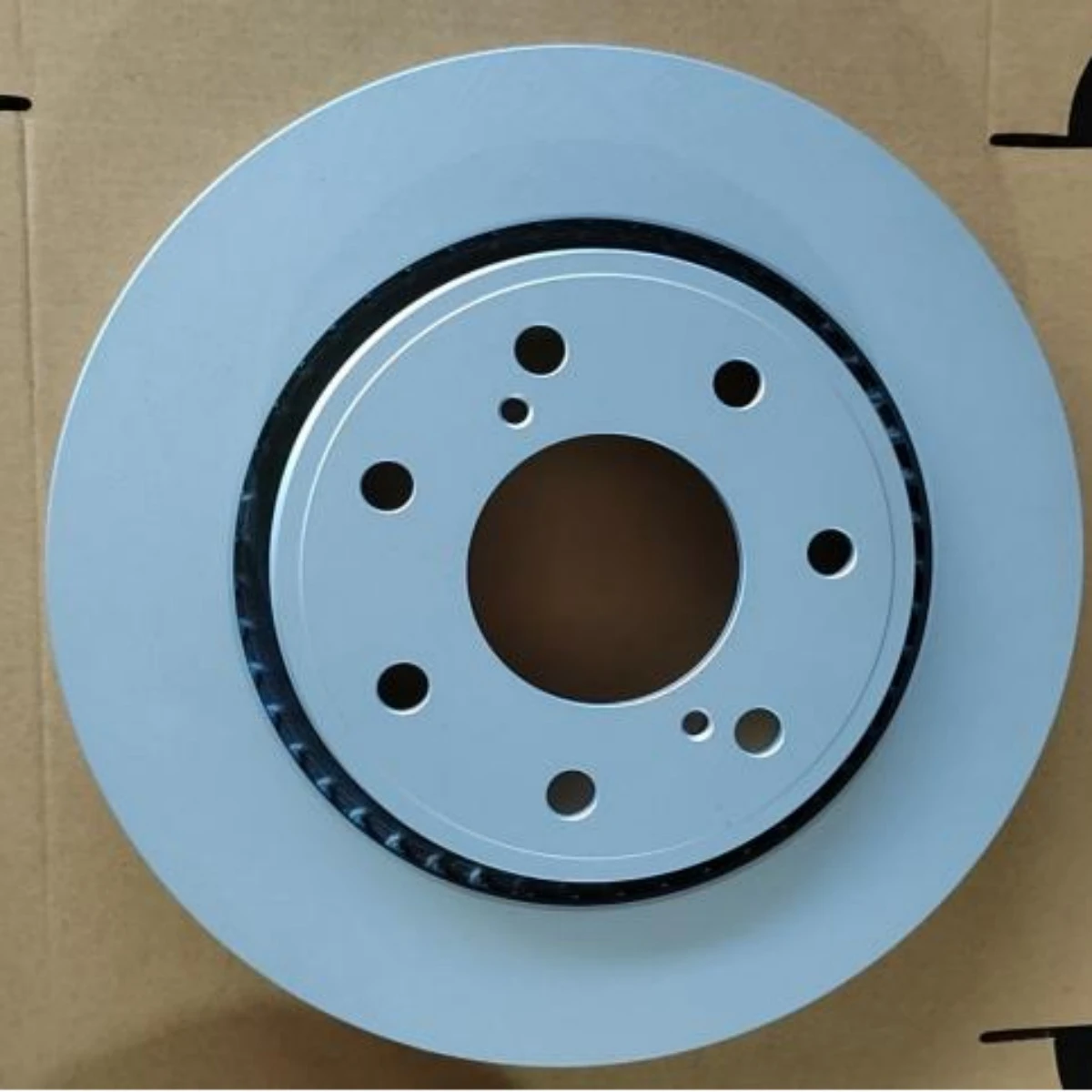
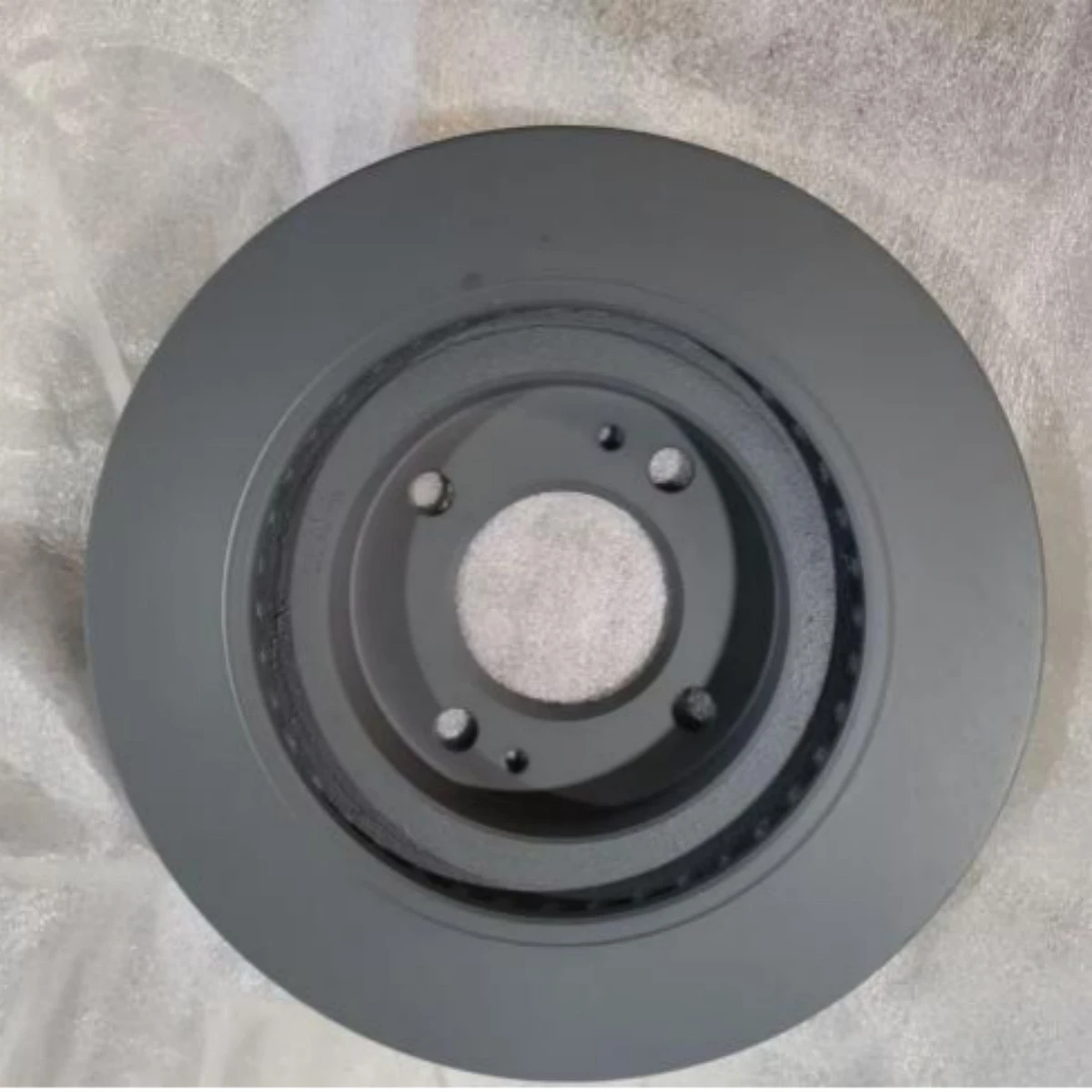
Most low-end brake discs on the market only receive basic spray painting, or are even delivered as bare discs without any coating. While they seem cost-effective in the short term, they bring numerous drawbacks after installation. Our BYD s7 Rear Brake Disc NO.SE3502011 adopts the fully automatic electrostatic powder high-temperature curing spraying technology. A uniform protective coating covers the entire disc except for the friction surface. It boasts remarkable practical advantages over ordinary spray-painted brake discs, which are listed as follows:
Excellent Salt Spray and Rust Resistance
The coating thickness is steadily maintained between 35μm and 40μm. After a 500-hour salt spray test, no peeling or rust spots occur. When installed on vehicles in coastal, rainy and high-humidity overseas regions, even if the car is parked outdoors for a long time, the edges and non-friction areas of the brake disc will be effectively prevented from rapid rusting. It also stops rust debris from falling off and getting trapped inside brake pads, which would otherwise cause abnormal noises.
High Temperature Resistance with No Coating Shedding, No Impact on Braking Performance
The surface temperature of the brake disc can reach up to 320℃ during braking. This electrostatic coating is cured at 280℃, so it will not melt, crack or peel off under sustained high-temperature braking. In addition, the coating does not cover the friction surface that contacts brake pads, so the original factory braking friction coefficient remains unchanged. There will be no issues such as soft braking or extended braking distance.
Reduced Initial Installation Noise and Improved Aesthetics
The smooth and uniform protective coating prevents slight oxidation of brand-new brake discs during production and transportation. There is no need to grind the disc surface before installation after replacement, which effectively reduces low-frequency noise during the running-in period of new brake discs. Meanwhile, it features an identical appearance to original factory brake discs, meeting the demand for non-destructive original modification among overseas vehicle owners.
Isolation Against Moisture Corrosion and Extended Service Life
The enclosed protective coating shields the metal substrate of the brake disc from corrosion caused by moisture in the air, road rainwater and de-icing agents. Compared with ordinary uncoated brake discs, its overall service life is increased by approximately 30%, lowering the frequency of replacement for vehicle owners..
Machining Workshop
Core Process Chain: A Forging Journey of Precision and Performance
Under the scheduling of the intelligent system, every brake disc blank embarks on a sophisticated transformation journey.
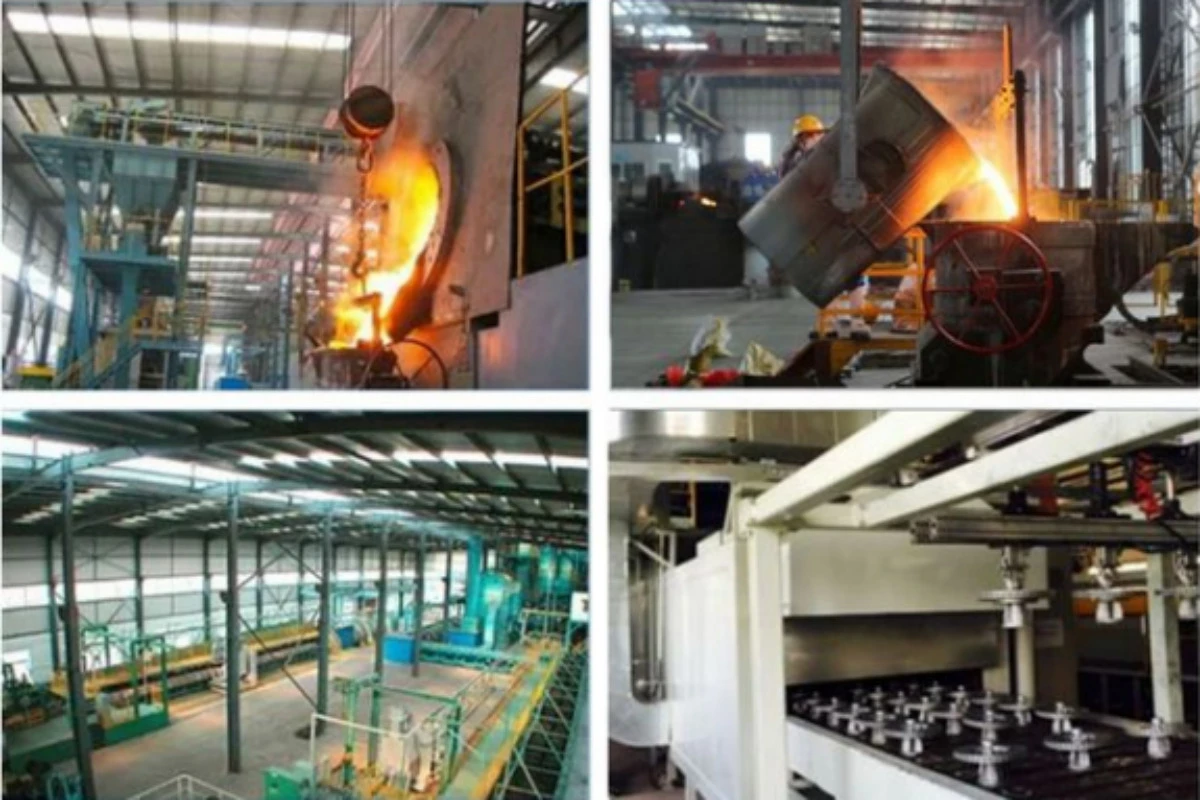
Precision Forming and Preliminary Machining: The project typically introduces world - leading equipment, such as Denmark's DISA Moulding Line, for high - precision casting.
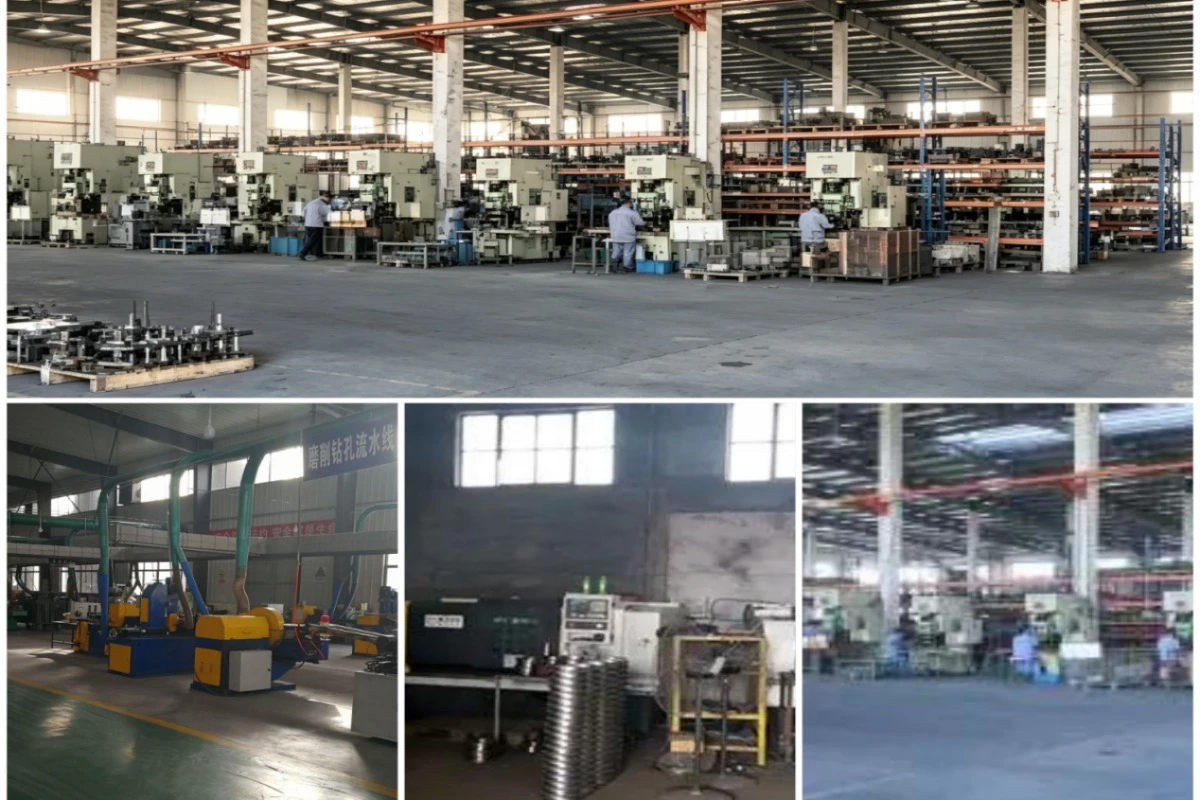
The blanks first enter the preliminary machining stage dominated by turning, a critical step that establishes the dimensional benchmark. High - precision CNC lathes perform turning on the outer diameter, inner diameter, and mounting surface of the brake disc, ensuring that its placement position and angle are properly calibrated, laying a uniform and stable foundation for subsequent processes.
Performance Enhancement: Heat Treatment: This is the process that endows brake discs with their core functional attributes. The preliminarily machined disc blanks are sent into temperature - controlled heat treatment furnaces. Through normalizing, quenching, tempering, and other processes, the wear resistance, strength, and hardness of their metallographic structure are greatly improved.
The quality of this process directly determines whether the brake disc can maintain stable performance without degradation under long - term high - load braking conditions. Hence, its process inspection standards must be extremely stringent.
Final Surface Refinement: High - speed Grinding and Finishing: High - speed grinding technology is essential for creating a smooth, quiet, and efficient braking contact surface. It improves the smoothness and flatness of the disc surface at the microscopic level, effectively reducing braking noise and abnormal vibration.
Subsequently, surface treatment is carried out to endow the product with a long service life and an attractive appearance. The fully automatic coating line applies a uniform anti - corrosion coating to the non - friction areas of the brake disc. Through preheating, spraying, baking, cooling, and other procedures, excellent anti - rust and weather resistance performance is achieved.
Delivery,shipping and serving
Response Time for Quality Issues: After customers submit real photos and video evidence of disc surface defects, dimensional discrepancies, coating abnormalities and other problems, our after-sales specialists will provide an initial solution within 36 hours. The original manufacturer will complete technical review within 2 working days. Customers do not need to follow up repeatedly throughout the whole process.
- Standard Production & Shipping Cycle: For regular orders, the standard delivery lead time is 26-40 working days after full payment is confirmed and received.
- Solution for Urgent Orders: To meet overseas customers' urgent restocking demands, we can arrange priority production in the workshop and expedited delivery via air freight. Customers need to pay the additional air freight difference separately for urgent orders.
- Freight Forwarder Cooperation Policy: We fully support customers to appoint their own freight forwarders for pickup. Customers only need to submit complete pickup documents to us within 48 hours after order confirmation, and our warehouse will complete all handover and outbound procedures accordingly.
- Packaging Solution: Each item is individually packed in a thickened honeycomb carton with shockproof foam corner protectors inside. This double-layer protection effectively prevents surface collision and coating scratches during sea and land transportation, making it ideal for long-distance cross-border shipping.

FAQ
Q1: BYD new energy vehicles are equipped with regenerative braking. Is the SE3502011 brake rotor compatible with the dual braking mode combining regenerative braking and physical braking?
A: Absolutely. This brake rotor has undergone 1000 cycles of alternating hot and cold braking tests before leaving the factory. It is fully compatible with the dual braking system of new energy vehicles. Frequent activation of regenerative braking will not cause rapid heat fade or deformation of the rotor surface. It works stably with the original vehicle's braking system for daily urban commuting and highway driving, and there is no need to turn off the factory-fitted regenerative braking function.
Q2: After installation in rainy coastal areas, how long will it take for the electrostatic spray coating of this product to develop rust and aging?
A: Under normal and standard vehicle usage conditions, the protective coating on non-friction surfaces can last for more than 3 years. Even in coastal areas with heavy salt spray, it can remain in good condition without obvious rust for 2 years. As long as the coating on the rotor surface is not scratched during installation, premature coating peeling and rusting can be effectively avoided.
Q3: How to quickly determine if the SE3502011 rear brake rotor on your vehicle needs an immediate replacement?
A: You can check against three official factory standards. First, the lateral runout of the rotor surface exceeds 0.05mm. Second, the actual thickness of the brake rotor is less than the minimum safety value of 20.3mm. Third, there are hard grooves deeper than 0.6mm or large areas of pitting corrosion on the rotor surface. If any of the above conditions is met, it is recommended to replace the brake rotor immediately
Last News
Solid "Performance Enhancement": Material Innovation and Intelligent Manufacturing Upgrade
In stark contrast to the aforementioned "down-specification" trend, the other end of the industry continues to increase investment in materials science and intelligent manufacturing, enabling brake discs to achieve continuous performance enhancement across key performance dimensions.
Material Revolution: Carbon-Ceramic Brake Discs Enter a Broader Market
- The downward penetration and application of high-end materials is an unmistakable trend. Carbon-ceramic brake discs (carbon fiber reinforced silicon carbide composite material) boast outstanding advantages such as low density, high temperature resistance (withstanding over 1400℃), stable friction performance and extremely long service life. They are expanding their application scope from top supercars to more high-performance vehicles and the new energy vehicle market.
- Weighing only half or even one-third of traditional cast iron brake discs of the same size, they greatly reduce unsprung mass, which directly helps improve vehicle handling and the cruising range of new energy vehicles.
- Domestic supply chain enterprises such as Chujing New Materials have clearly stated that they are paying close attention to the market opportunities brought by the vehicle lightweight trend for carbon-ceramic brake discs. Their subsidiary's related products have completed sample delivery and bench tests with vehicle manufacturers.
- With the advancement of new national standards such as energy consumption limits, the application scenarios of carbon-ceramic brake discs are expected to keep expanding.
Manufacturing Leap: Massive Expansion of Automated and Intelligent Production Capacity
- On the manufacturing side, leading enterprises are consolidating quality and scale barriers through large-scale investment in intelligent manufacturing. For instance, Friction One Brake Technology has recently added 26 fully automatic brake disc processing lines, covering the entire production process including blank processing, dynamic balance testing, surface finishing, high-temperature painting, quality inspection and packaging.
- This fully automated and intelligent production model has not only greatly boosted the enterprise's annual production capacity to 24 million pieces, but more importantly, achieved synchronous improvement in production efficiency and product quality. It can meet global market demand with stable and reliable manufacturing capabilities.
- This represents the mainstream direction of industrial upgrading: leveraging intelligent equipment and lean management to maintain and even improve product consistency and reliability while expanding production scale.
Hot Tags: byd s7 rear brake disc, China byd s7 rear brake disc manufacturers, suppliers, factory