
↵
Product Introduction
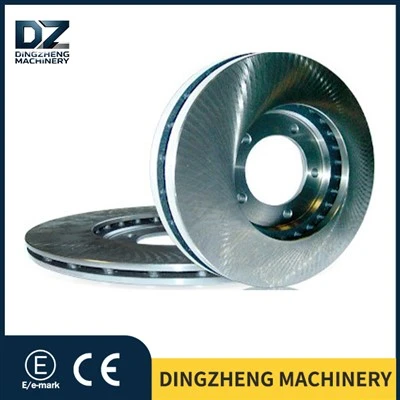
Choosing the BYD SONG 1131145800 Rear Brake Disc means making three key investments for your vehicle:
Consolidation of Safety Performance: The condition of the brake disc directly affects braking distance and pedal feel linearity. Replacing worn old discs can effectively eliminate brake jitter and abnormal noises caused by uneven disc surfaces, restoring direct and powerful braking feedback. It provides solid confidence assurance for drivers especially in emergency situations.
Durability Commitment of Materials and Craftsmanship: The product is cast from high-quality gray cast iron, which achieves an excellent balance among wear resistance, thermal fade resistance and cost.
Superior casting and processing technology ensures uniform internal structure and high thermal stability of the disc. It can effectively resist performance degradation and maintain stable braking force output even during continuous braking or on long downhill sections.
Outstanding Cost Performance: Compared with original parts at 4S stores, aftermarket brake discs of the same quality are usually more price-competitive.
With a reasonable investment, you can fully restore the performance of the vehicle's key safety system, avoid higher maintenance costs or potential safety risks caused by poor braking system conditions, making it a wise value investment.
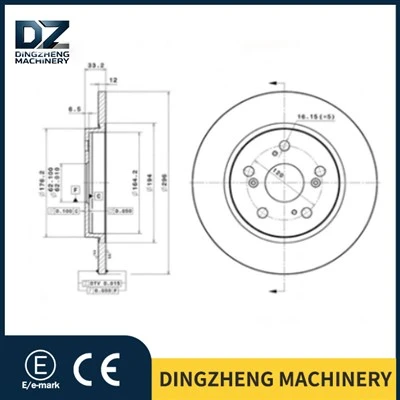
Product Parameter
|
Location |
Rear Brake |
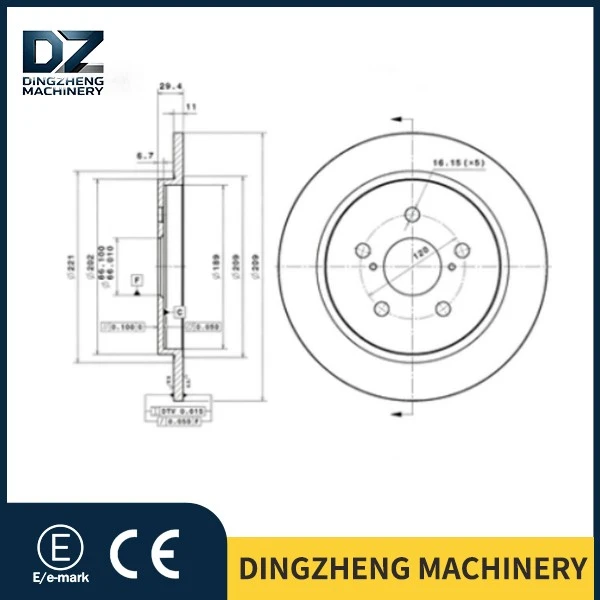
Diameter |
309mm |
|
Brake Disc Thickness |
11mm |
Minimum Thickness |
9mm |
|
Centering Diameter |
66mm |
Height |
29.5mm |
|
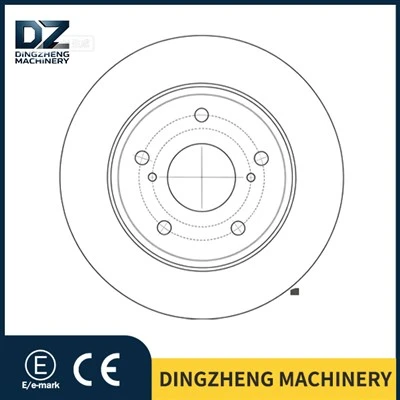
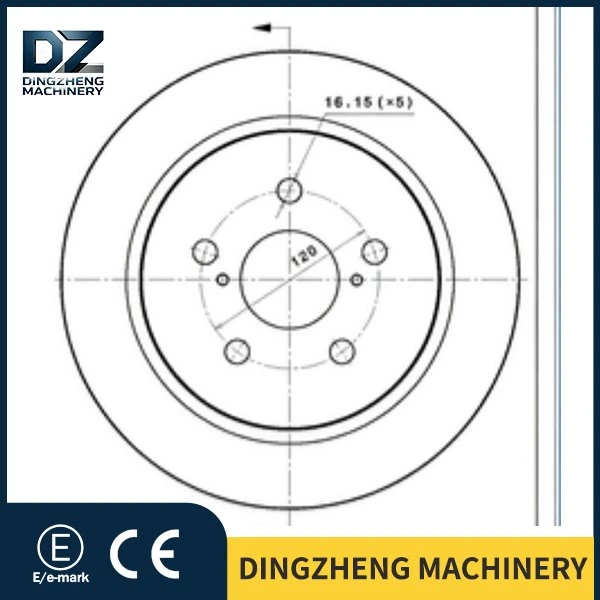
Number Of Holes |
5 |
Pitch Circle Diameter |
120mm |
|
Solid Or Vented |
S |
Weight |
5.32kg |
Car Model


BYD SONG 1.5 TI Hybrid 2015-2019
BYD SONG 1.5 TI Hybrid 2018-2019
BYD SONG EV 2017-
BYD SONG MAX DM Hybrid 2019-
BYD SONG MAX DM Hybrid 2019-2021
BYD SONG Pro DM Hybrid All-wheel Drive 2019-
BYD SONG PRO II DM-i Hybrid 2021-
Reference No.
There are different corresponding codes for the BYD SONG 1131145800 Rear Brake Disc
|
BREMBO |
08.F173.21 |
OE |
1266755000 |
|
OE |
1131145800 |
Surface Treatment
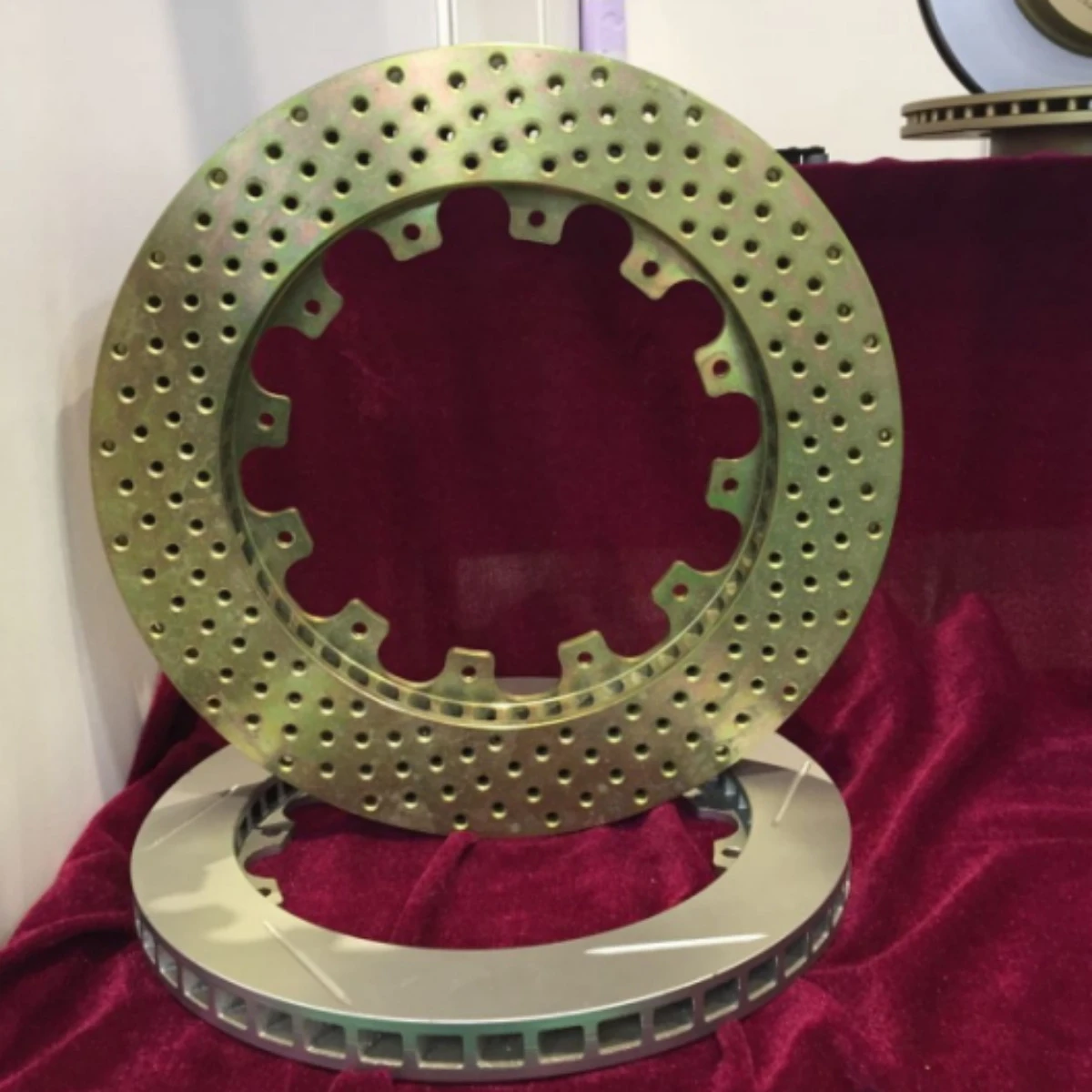
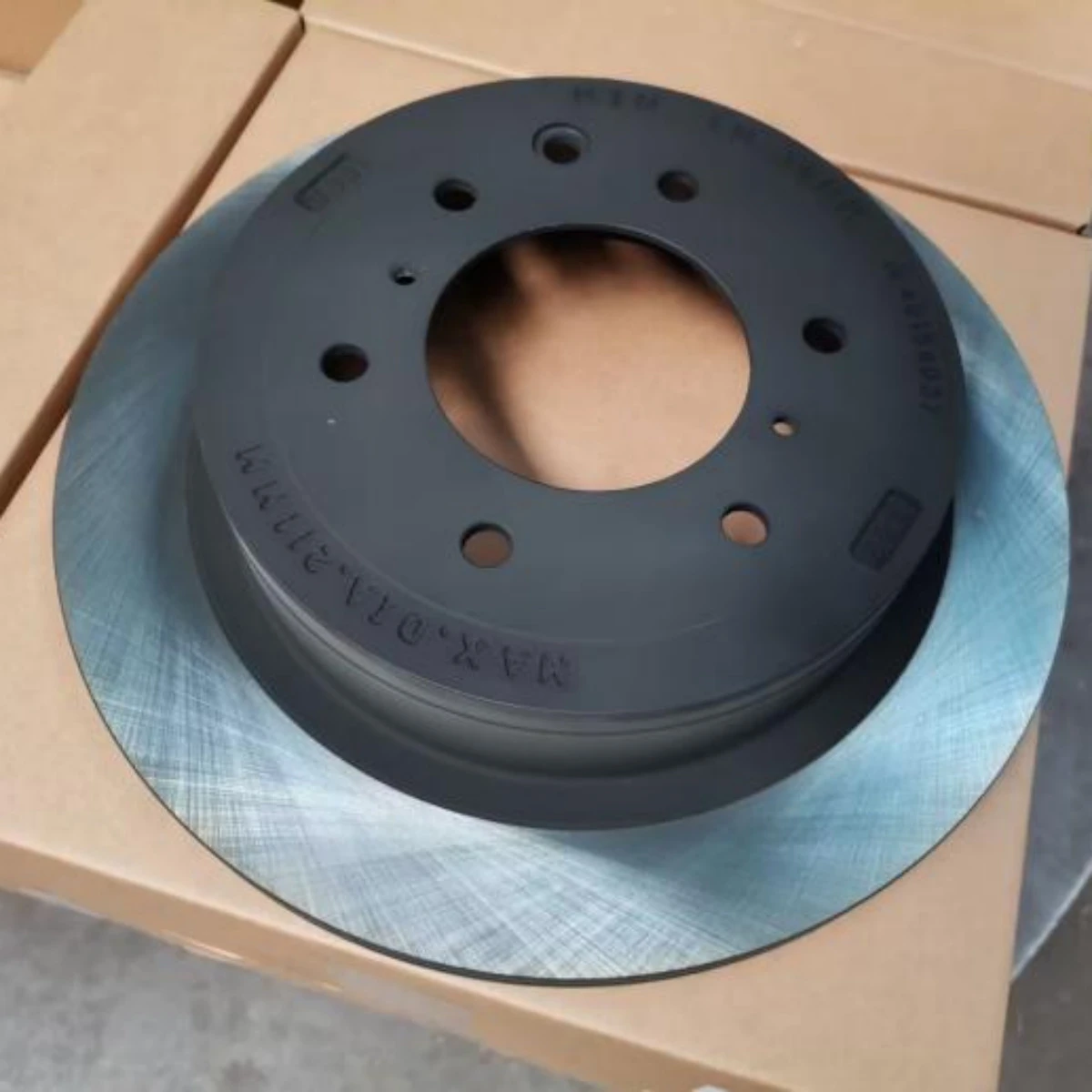
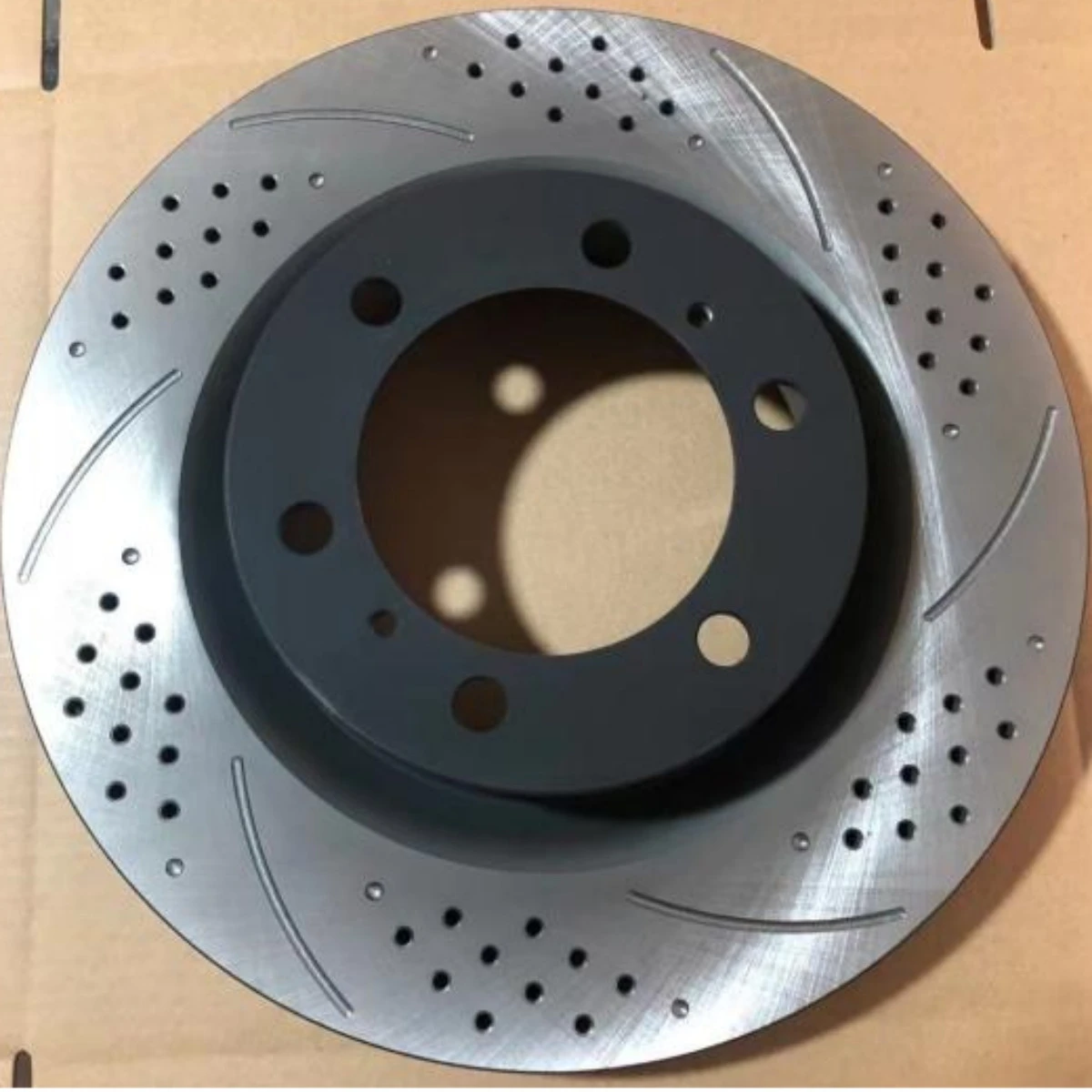
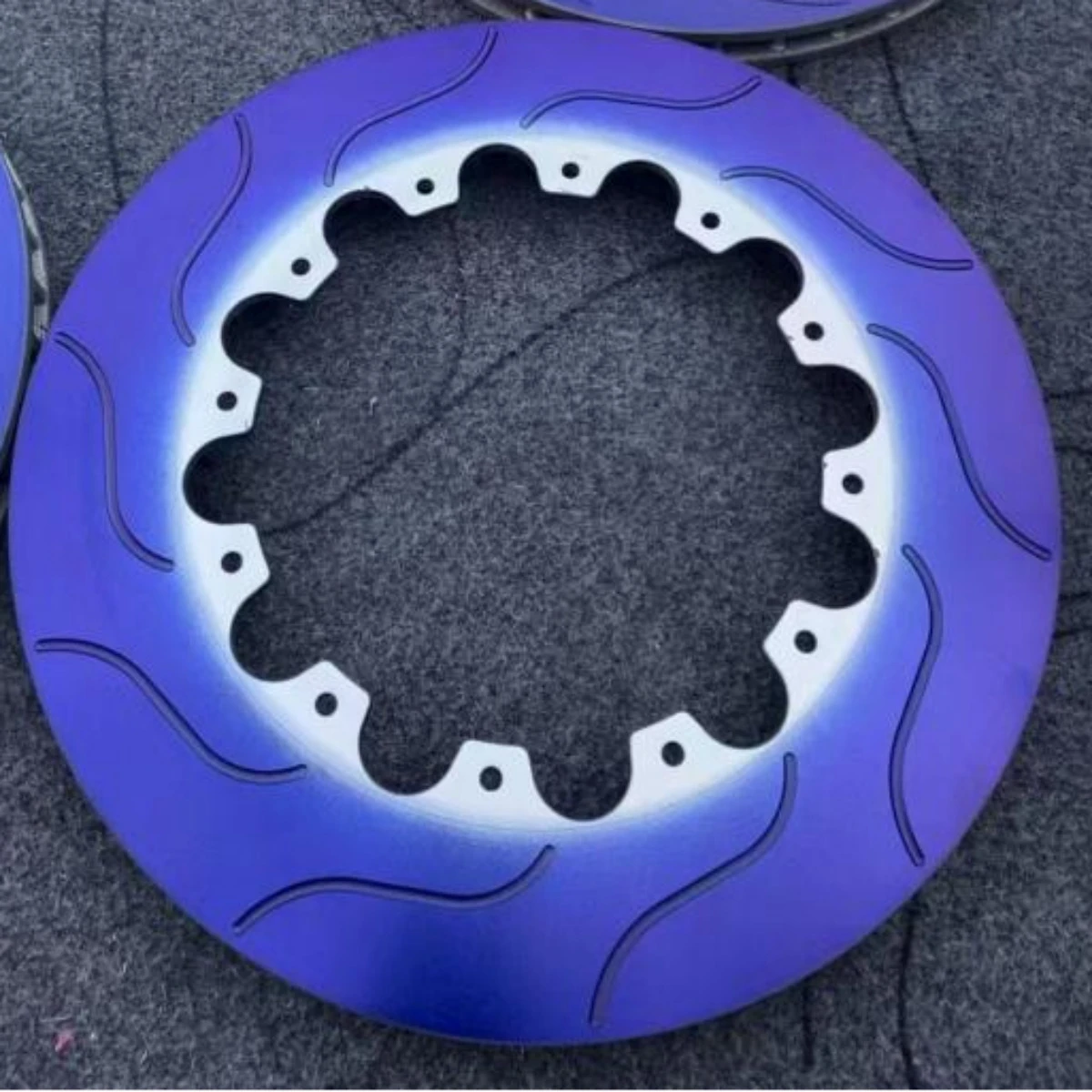

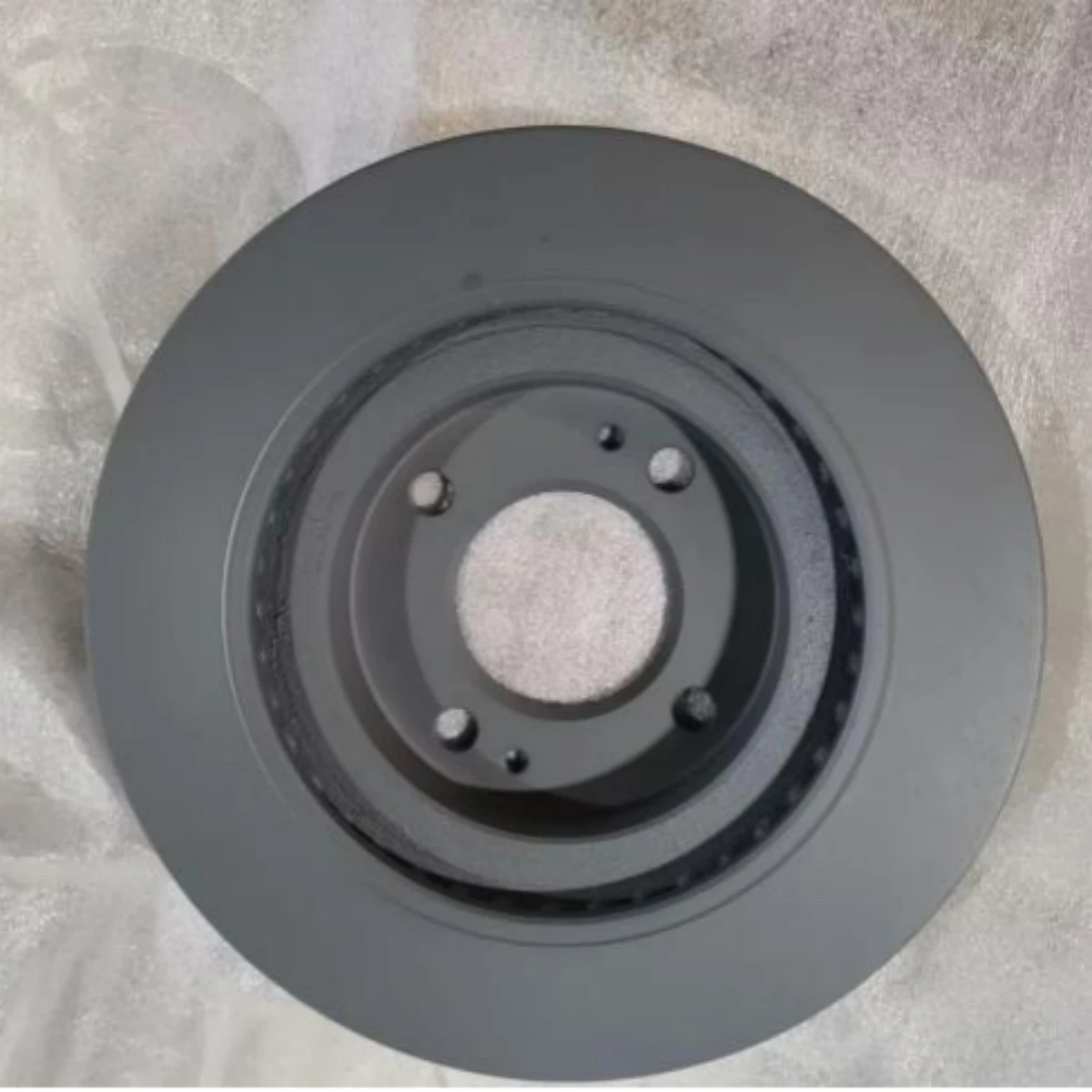
For non-working areas such as disc edge, mounting surface and side outline, we implement zinc-aluminum alloy infiltration passivation craft. Different from ordinary surface covering paint, this treatment permeates into metal lattice gaps and casting micropores at micro level, forming an internal and integrated isolation structure. It can effectively resist the corrosion intrusion of rainwater, road sediment, coastal humid air and winter deicing salt, fundamentally restraining surface floating rust and oxidative discoloration, and keeping the overall texture of the brake disc unchanged for a long time.
On the basis of passivation treatment, we attach a low-temperature polymer cured protective layer through constant temperature curing molding. The protective layer features ultra-high molecular adhesion and excellent thermal stability. It will not crack, peel or fade under the long-term high-temperature baking of frequent braking. More importantly, it will not cover and block the original heat dissipation channel of the substrate, retaining the inherent thermal conductivity and heat dissipation efficiency of FC30 high-performance cast iron and 6061-T6 aerospace aluminum alloy materials
Machining Workshop
In the core fine turning stage, all key dimensional indicators including outer diameter, inner bore, overall thickness and mounting hole pitch are calibrated to strict OE tolerance benchmarks. The equipment runs at matched spindle speed and feed rate to avoid forced cutting damage to the internal metal structure of the blank, maintaining the original mechanical toughness and thermal stability of refined cast iron materials. For dual-component brake discs built with FC30 high-performance cast iron friction ring and 6061-T6 aviation aluminum alloy hat, we apply customized compound milling technology. It ensures seamless linkage at the material joint, keeps perfect coaxiality and assembly tightness, and never weakens the tensile strength and lightweight advantage of the composite structure.
The friction plane adopts synchronous parallel grinding technology with micron-level precision control. The process optimizes flatness, parallelism and lateral runout of the working surface, effectively stabilizing the fit clearance between brake disc and caliper assembly. It avoids abnormal friction loss, pedal jitter and braking deviation caused by dimensional deviation, perfectly adapting to daily urban travel and high-intensity sport driving scenarios.

Delivery,shipping and serving

FAQ
I often hear different terms such as "Brake Disc",and"Brake Rotor. What is the difference between them?
There is no difference. They are just different names for the same component. In English, it is usually called BRAKE DISC or BRAKE ROTOR. Regardless of the name variation, its core function and importance remain unchanged at all times.
What are the common types of brake discs on the market and how should I choose them?
They are mainly divided into three major categories to meet different driving needs:
Solid Disc: It has the most basic structure, serves as a reliable option for daily commuting, and offers outstanding cost performance.
Ventilated Disc: It is the most common standard "high-performance" configuration for most vehicles. The radial air ducts in the interlayer of its double-layer disc body can drive air flow like a turbine to achieve active heat dissipation, effectively resisting heat fade during continuous braking. It is especially suitable for the front wheels of vehicles or models that focus on driving experience.
Drilled/Slotted Disc: This is an advanced design based on the ventilated disc. Drilling holes aims to raise the heat dissipation limit and improve wet-road performance; slotting mainly optimizes the cleanliness of the friction surface, scrapes off debris and exhausts gas to ensure stable braking force. These discs are mostly used on high-performance vehicles or in the car modification market.
The key to selection lies in matching your driving style and the original factory settings of your vehicle. For aggressive driving or frequent mountain road travel, ventilated or drilled discs are a more reliable choice; for urban daily commuting, a high-quality solid disc or original ventilated disc is more than sufficient.
Last News
At present, new energy vehicles have become the core driving force changing brake disc design logic. Due to the popularization of regenerative braking system, the actual utilization frequency of physical brake discs is greatly reduced, which easily causes surface dormant rust and uneven friction layer deposition. Meanwhile, the overall vehicle weight of EVs is higher than fuel cars, putting forward stricter requirements on the thermal load resistance and structural stability of brake discs. More and more manufacturers are launching vehicle-specific optimized brake discs, adopting improved alloy cast iron formula and optimized internal heat dissipation runner design to solve the pain points of easy rust and thermal recession for new energy models, and this targeted customized product line has gradually become a mainstream profit growth point in the aftermarket.
Hot Tags: byd song rear brake disc, China byd song rear brake disc manufacturers, suppliers, factory