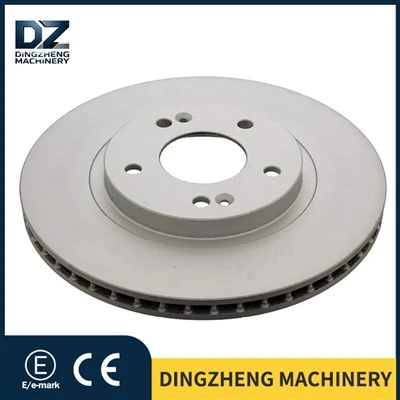

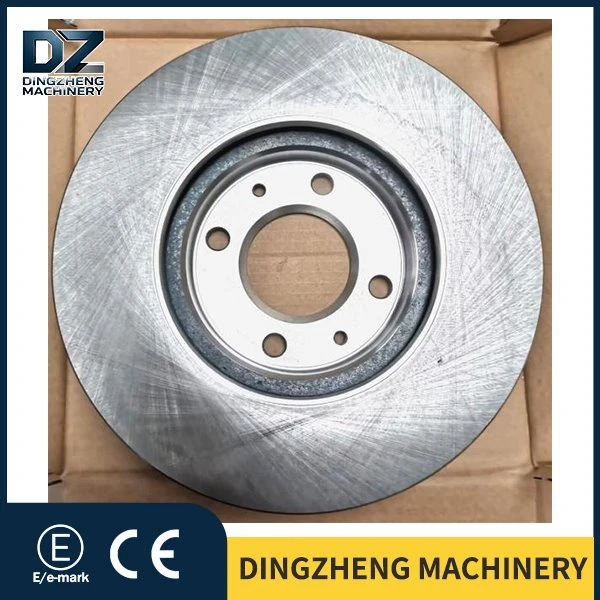
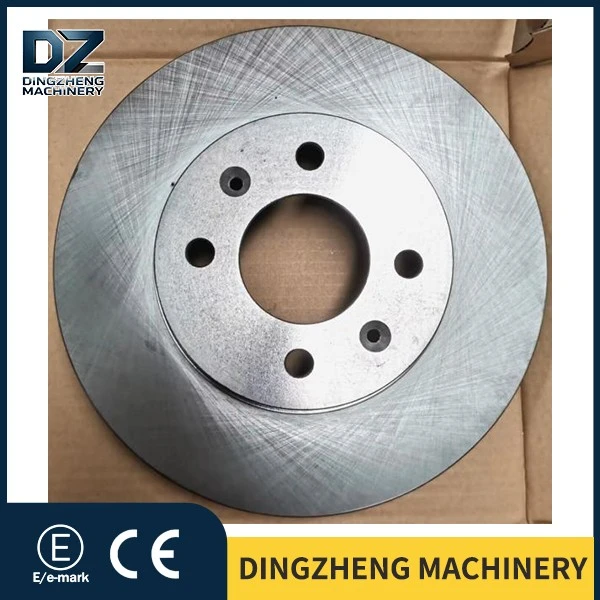
Product Introduction
It is manufactured from HT250 high-carbon alloy cast iron that complies with Hyundai and KIA GG25 material standards. Adopting the Danish DISA static pressure molding casting technology, the disc features a dense and uniform metallographic structure, with tensile strength exceeding 250MPa and stable hardness ranging from HB190 to HB220.
Optimized intensively for frequent start-stop conditions in urban commuting, this brake disc has passed the 20,000-cycle fatigue test in line with Hyundai and KIA ECE R90 brake system regulations. It fits vehicles with a maximum gross weight of 1500kg, and the braking noise is controlled at no more than 38dB. It delivers linear and smooth braking response for safer and more comfortable daily driving.
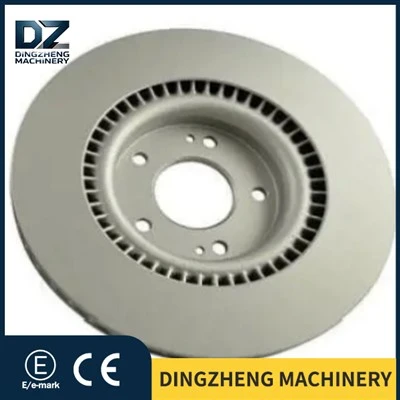
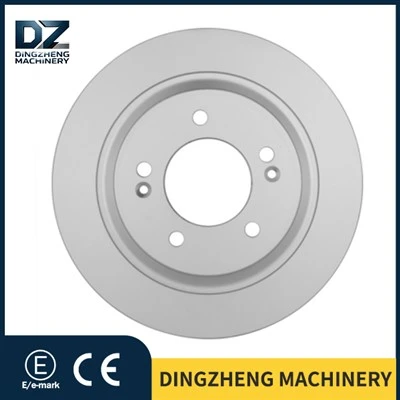
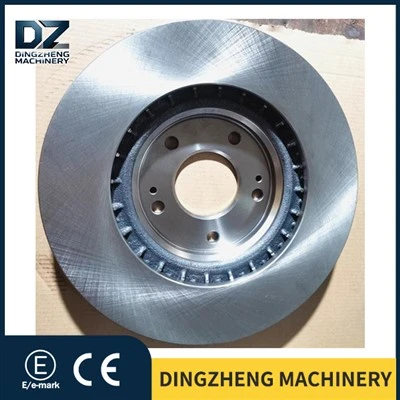
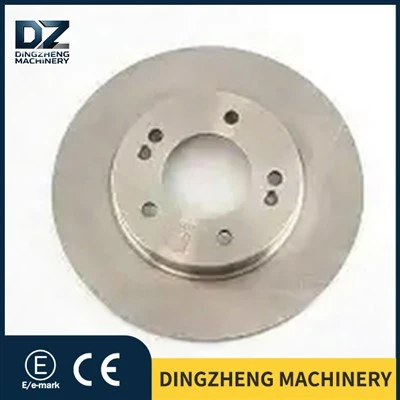
We have conducted special tests on the Front brake disc for HYUNDAI Accent 517120U000 under urban operating conditions. Simulating 80 start-stop cycles per day for 30 consecutive days, the disc operated perfectly without any faults, fully meeting the daily usage demands of family vehicles.
Product Parameter
|
Location |
Front brake |
Diameter |
256mm |
|
Brake Disc Thickness |
22mm |
Minimum Thickness |
20mm |
|
Centering Diameter |
62.2mm |
Height |
43.8mm |
|
Number Of Holes |
4+2 |
Bolt Circle Diameter |
100mm |
|
Solid Or Vented |
V |
Weight |
4.7kg |
Car Model
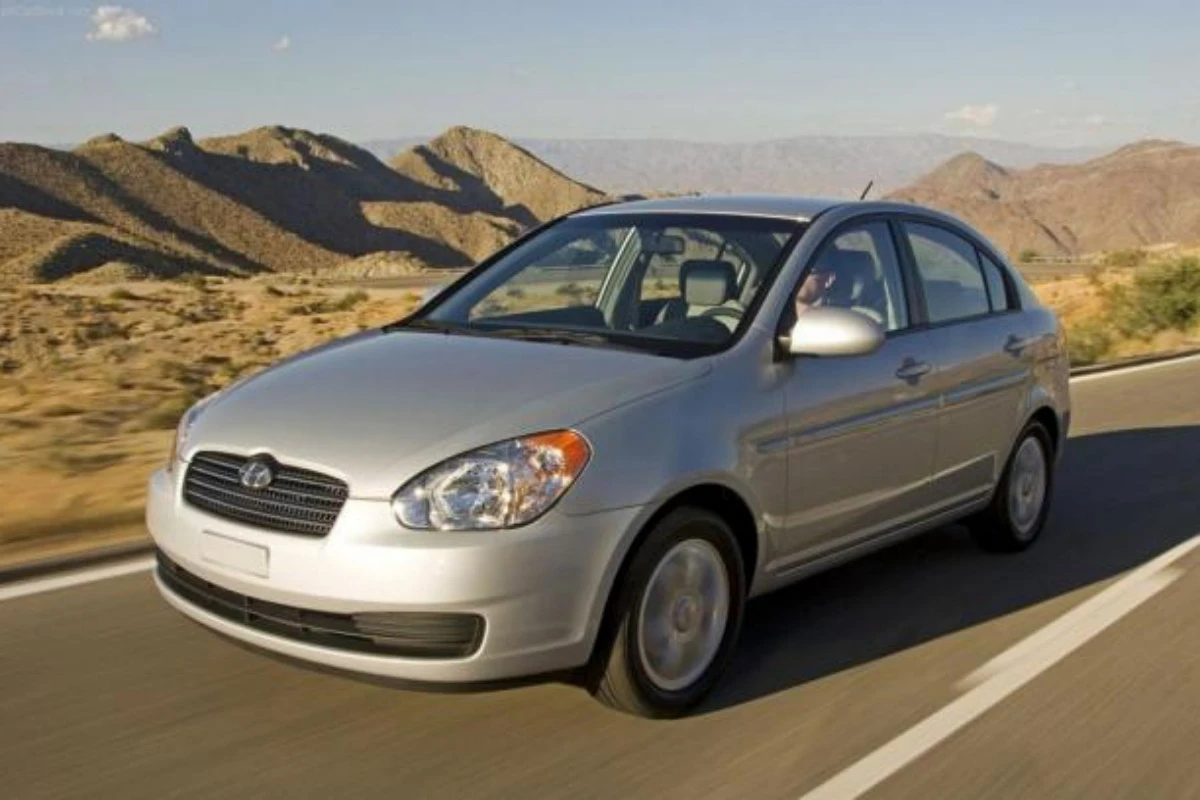
The front brake disc for HYUNDAI/KIA is compatible with a wide range of cars, as follows:

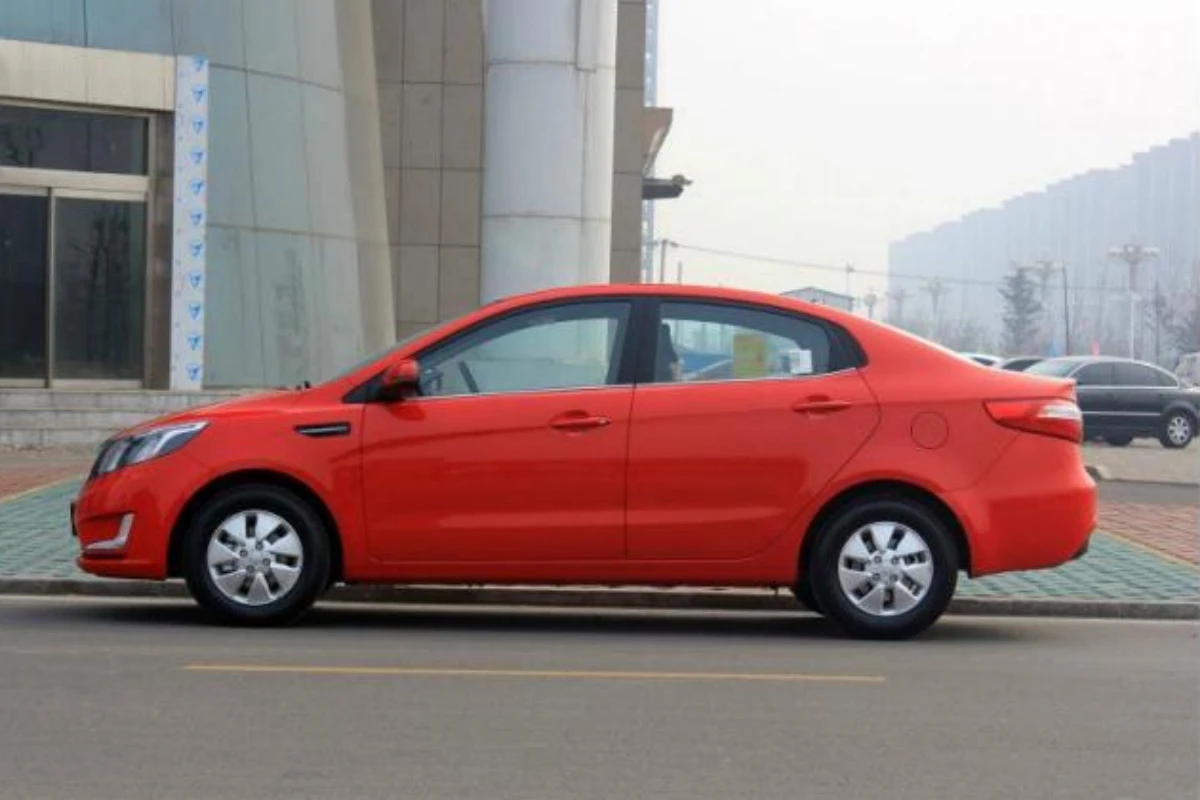

HYUNDAI Accent Hatchback (RB)1.4 2010-
HYUNDAI Accent Hatchback (RB)1.6 2010-
HYUNDAI Accent Hatchback (RB)1.6CRDi 2011-
HYUNDAI ACCENT IV sedan (RB)1.4 2010-2014
HYUNDAI ACCENT IV sedan (RB)1.4 2010-2016
HYUNDAI ACCENT IV sedan (RB)1.4 2010-
HYUNDAI ACCENT IV sedan (RB)1.6 2010-
HYUNDAI ACCENT IV sedan (RB)1.6 m2010-
HYUNDAI ACCENT IV sedan (RB)1.6CCVT-I 2010-
HYUNDAI ACCENT IV sedan (RB)1.6CRDi 2010 -2015
HYUNDAI ACCENT IV sedan (RB)1.6 CRDI 2010-
Beijing Hyundai Reina 1.4 2010-
Beijing Hyundai Reina 1.6 2010-
Beijing Hyundai Verna 1.4 2010-2013
Beijing Hyundai Verna 1.6 2010-2014
Kia Rio III (UB) 1.2 CVVT 2014-
Kia Rio III (UB) 1.25 CVVT 2011-
Kia Rio III (UB) 1.25 LPG 2011-
Kia Rio III (UB) 1.6 CVVT 2012-
Kia RIO III Saloon (UB) 1.25 CVVT2011-
KiaRIO III Saloon (UB) 1.6 CVVT 2012-
Dongfeng Yueda Kia K2 Saloon 1.4 2011-
Dongfeng Yueda Kia K2 Saloon 1.62011-
HYUNDAI ACCENT 2012-2014
KIA RIO 2012-2014
Reference No.
There are different corresponding codes for The front brake disc for HYUNDAI/KIA
|
AIMCO |
54098 |
OE |
517120U000 |
|
BENDIX |
146146 |
OE |
517121R000 |
|
BENDIX |
PRT6146 |
OE |
K517120U000 |
|
BREMBO |
09.C171.10 |
OE |
517121W250 |
|
BREMBO |
09.C171.11 |
OE |
517121W200 |
|
TRW |
DF6198 |
OE |
517120U100 |
Surface Treatment
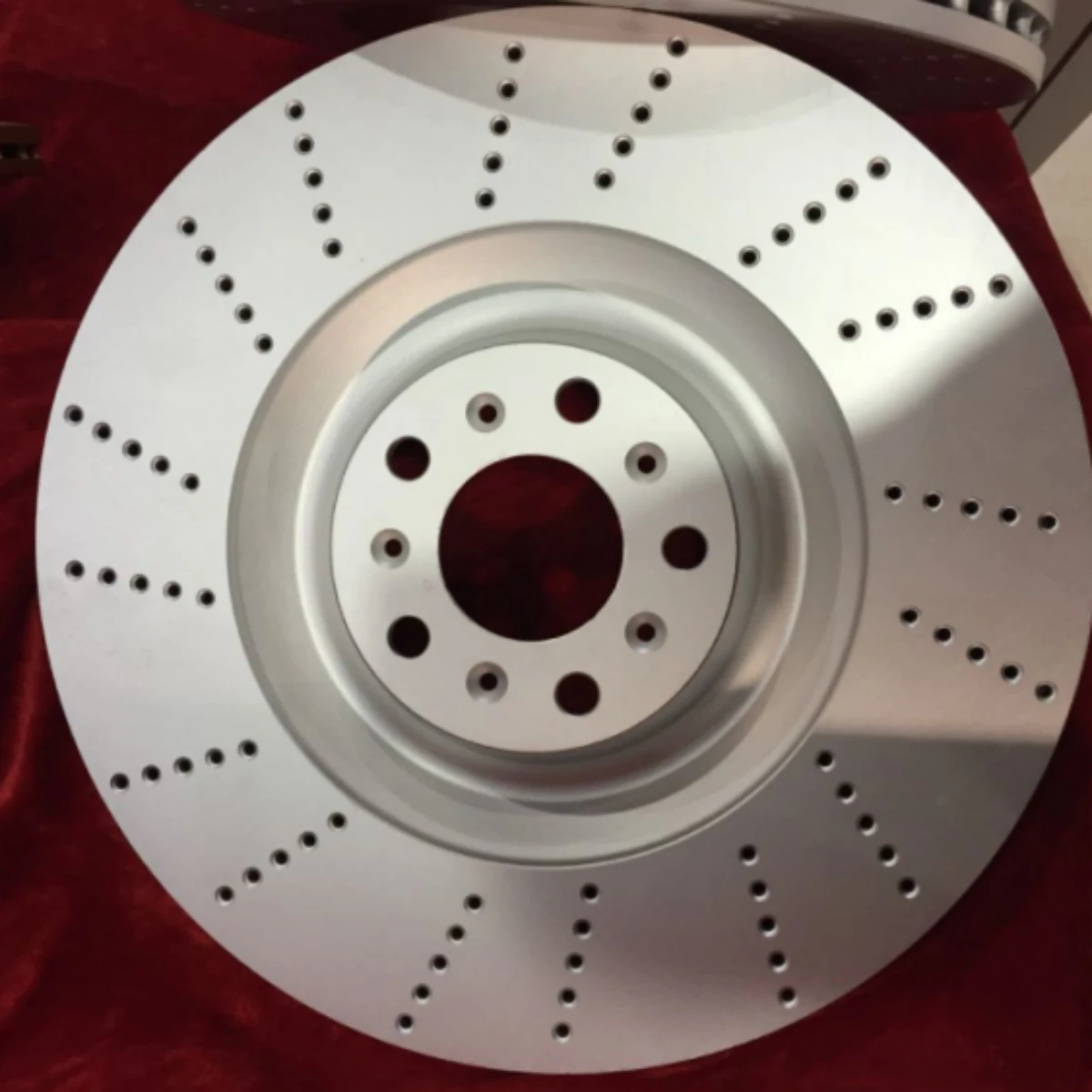
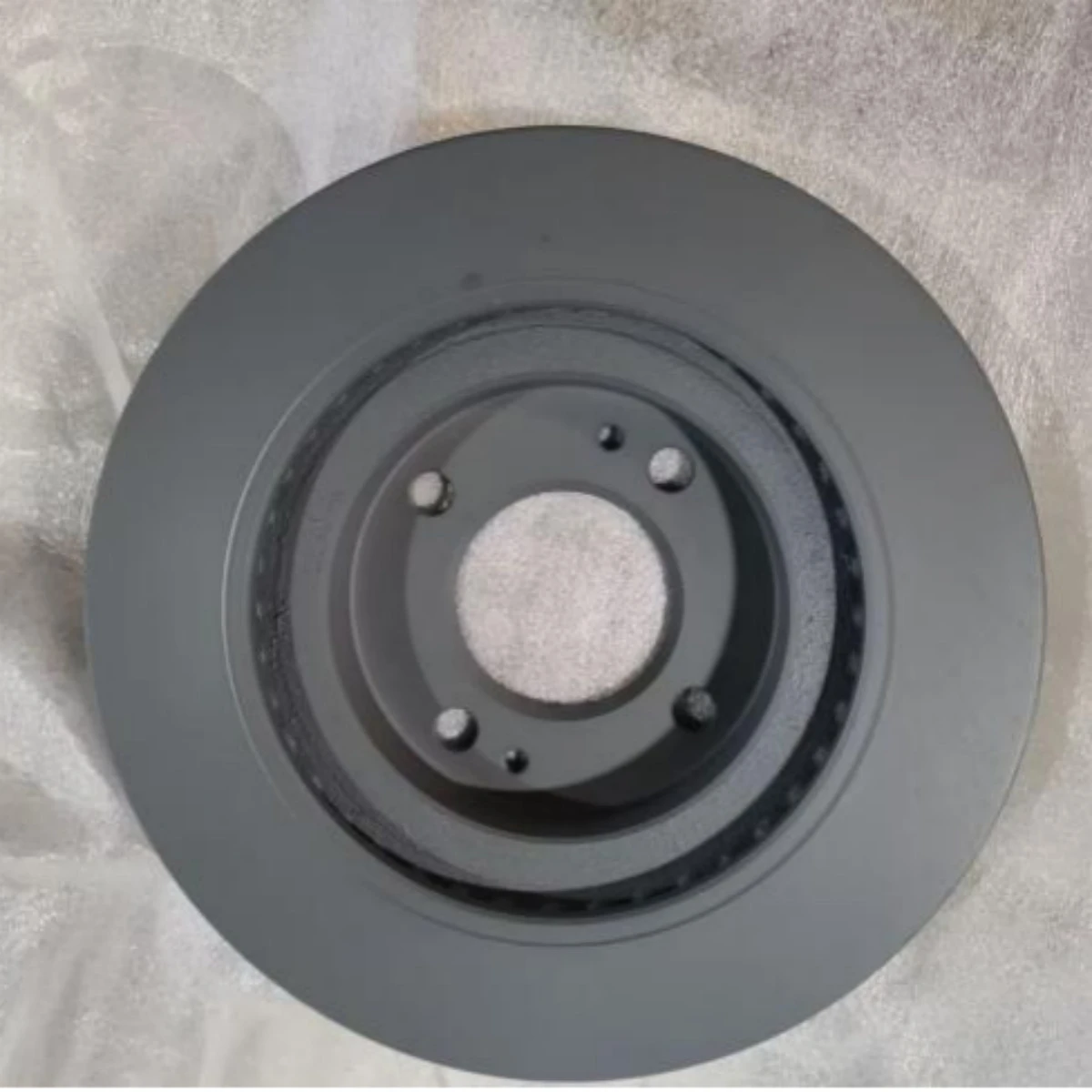
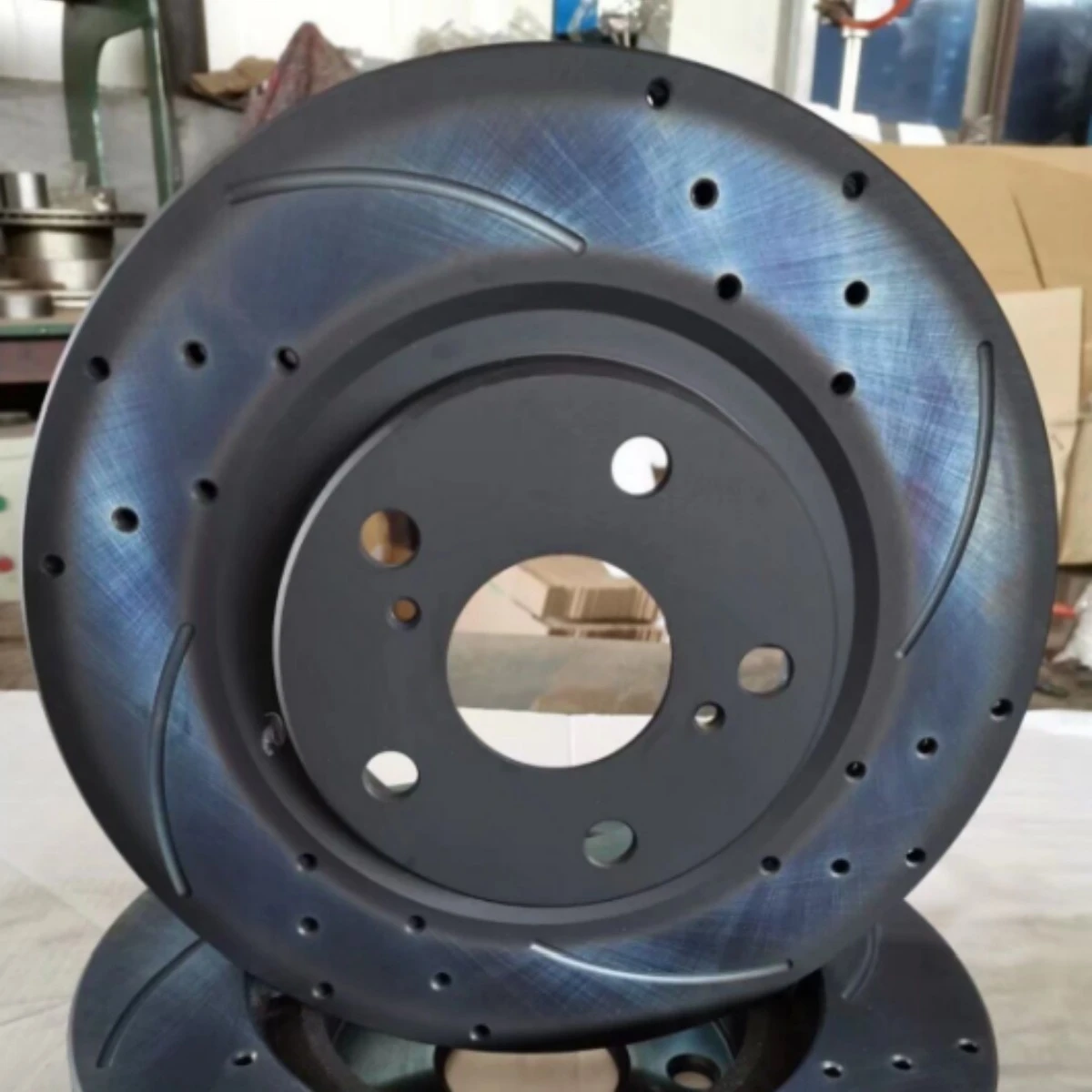
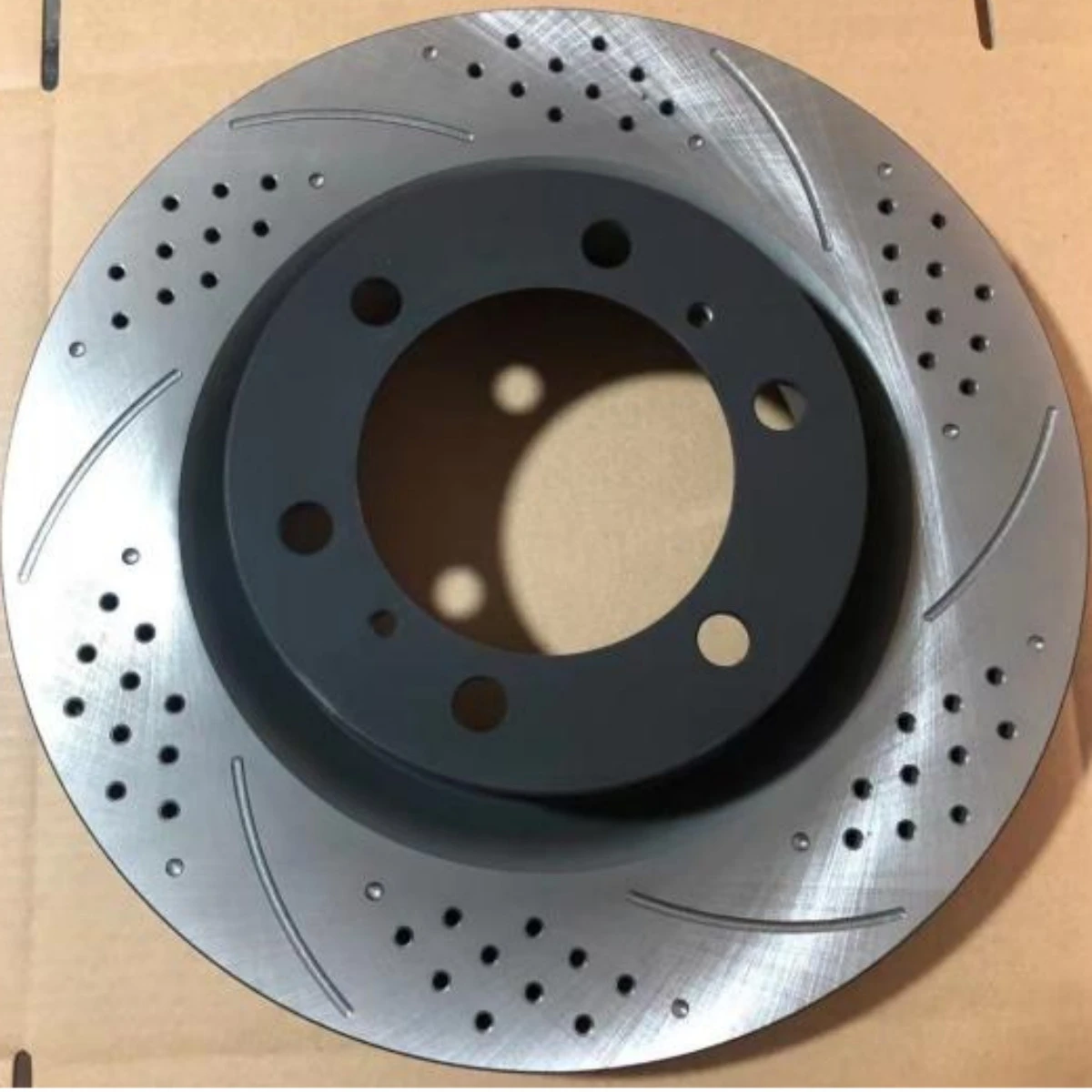
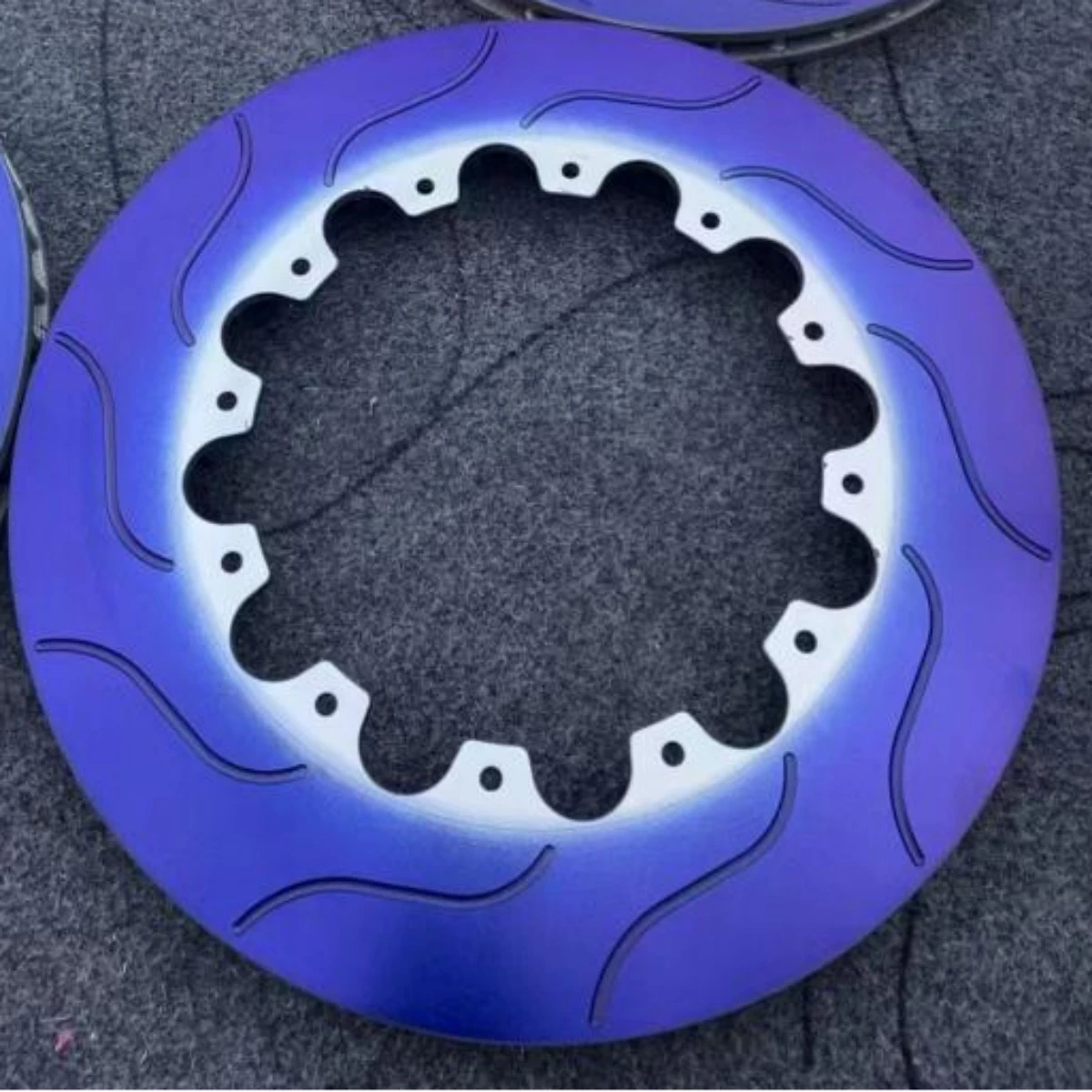
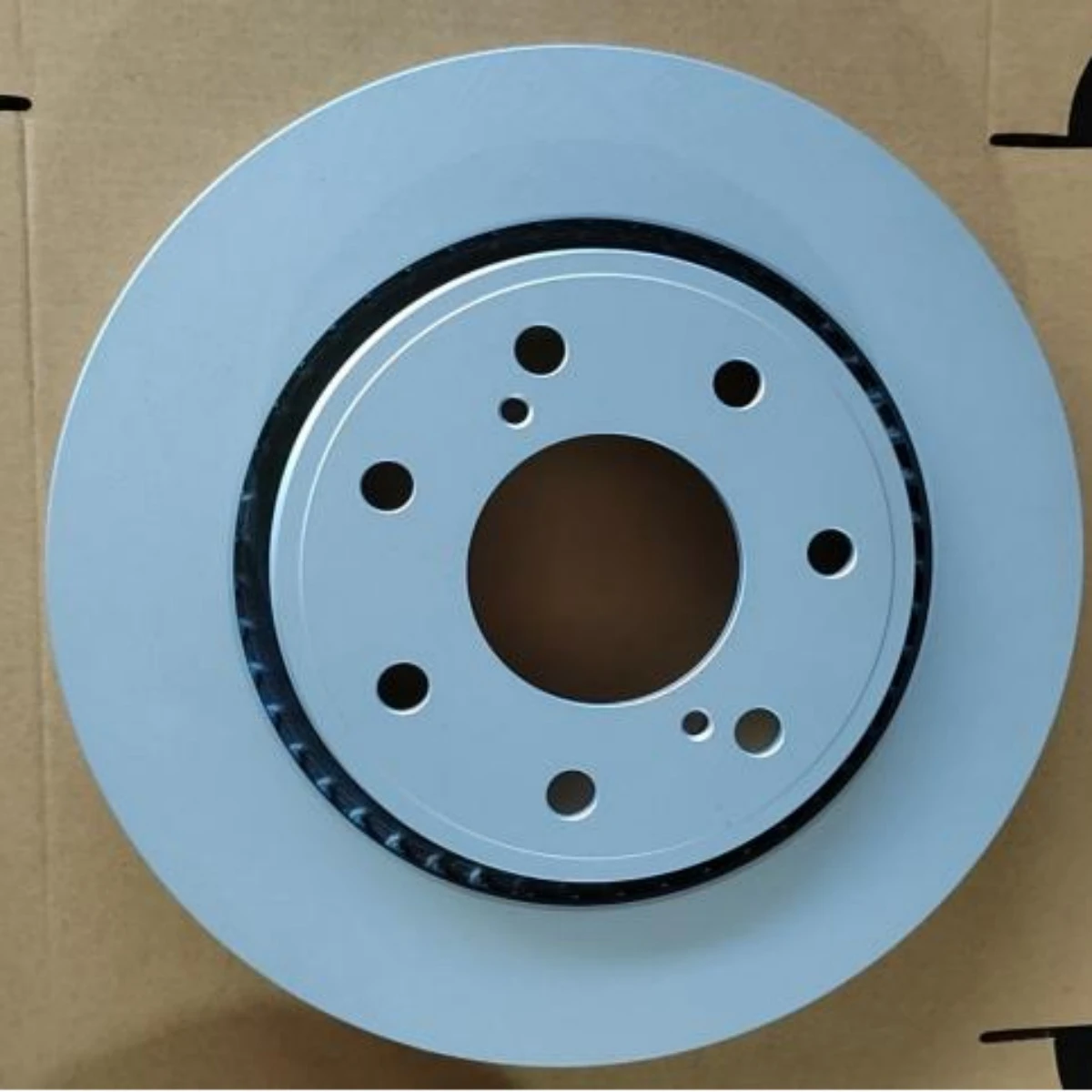
Coating Process: Three-layer composite protection on non-working surfaces for reliable rust prevention
Brake rotors are often parked outdoors. Rainwater, de-icing agents and highly humid air can severely corrode non-friction surfaces. Many low-cost rotors on the market only have a thin oil-based paint layer of just a few micrometers on their non-working surfaces, which starts blistering and peeling off within two months. We adopt a professional three-layer composite coating process:
The first layer is a water-based acrylic anti-rust primer with a dry film thickness strictly controlled between 15 and 20 micrometers. Water-based paint offers two major advantages. First, it produces zero VOC emissions, complying with increasingly stringent environmental regulations. Second, it features far stronger adhesion to cast iron substrates than solvent-based paint, firmly bonding to the metal surface.
The second layer is a high-temperature resistant intermediate coating blended with ceramic microbeads, capable of withstanding temperatures up to 600°C continuously. This is the core of the entire protection system. During braking, the friction surface can easily reach 300 to 400 degrees Celsius, and heat transfers across the rotor to the non-working areas. Ordinary paint cannot endure such harsh conditions for long. The ceramic microbeads form a thermal insulation barrier within the coating, blocking high heat and effectively protecting the underlying primer and metal substrate.
The third layer is a fluorocarbon-modified topcoat with a water contact angle greater than 110°, designed for superior water repellency. When muddy water splashes on the surface in rainy weather, water droplets roll off immediately without penetrating the coating..
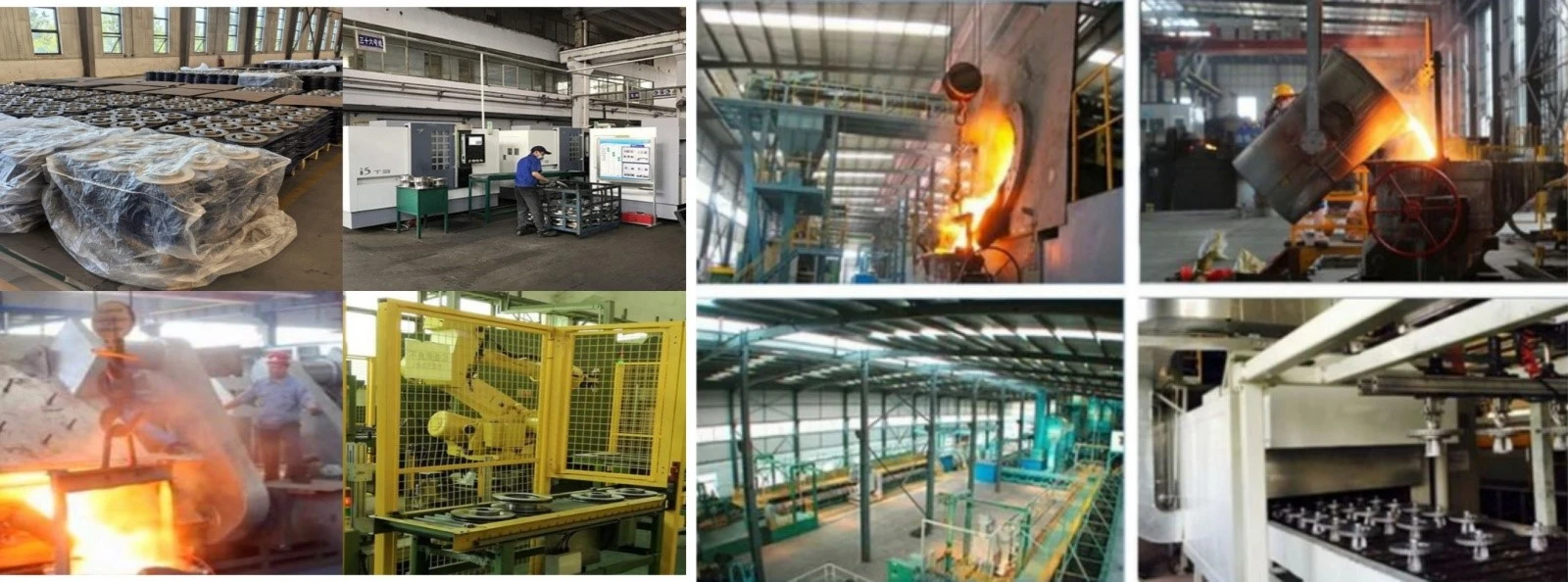
Foundry and Machining Workshop: Quality brake discs are manufactured properly, not just inspected to pass.
The foundry is located in Laizhou, Shandong, a core cluster of China's brake disc casting industry. With decades of industrial development, it boasts skilled workers and comprehensive supporting resources that are hard to match elsewhere. The entire workshop operates in compliance with the IATF 16949 automotive quality management system. Formulated by the International Automotive Task Force specifically for the automotive supply chain, this system is far more rigorous than the standard ISO 9000 series. The casting process adopts the coated sand shell and core making technology. Before molten iron is poured, an on-line spectrometer conducts real-time monitoring of the content of carbon, silicon, manganese, sulfur and phosphorus in each furnace of molten iron. Once any deviation is detected, the proportion of furnace charge will be adjusted immediately, rather than adopting remedial spot checks after production.
After rough castings are completed, they are transferred to the machining workshop equipped entirely with vertical CNC lathes. Senior technicians conduct machine setting, tool alignment and first-piece inspection. Every working procedure follows standardized work instructions instead of relying merely on personal experience. Quality inspection is a critical process. Each brake disc of Front brake disc for HYUNDAI Accent 517120U000 undergoes full inspection of key dimensions by dedicated quality inspectors. The outer diameter tolerance is controlled within ±0.1mm and the thickness tolerance within ±0.05mm. Such precision fully meets the requirements of original brake systems for urban compact cars. The products can be directly installed and put into use without extra adjustment or grinding.
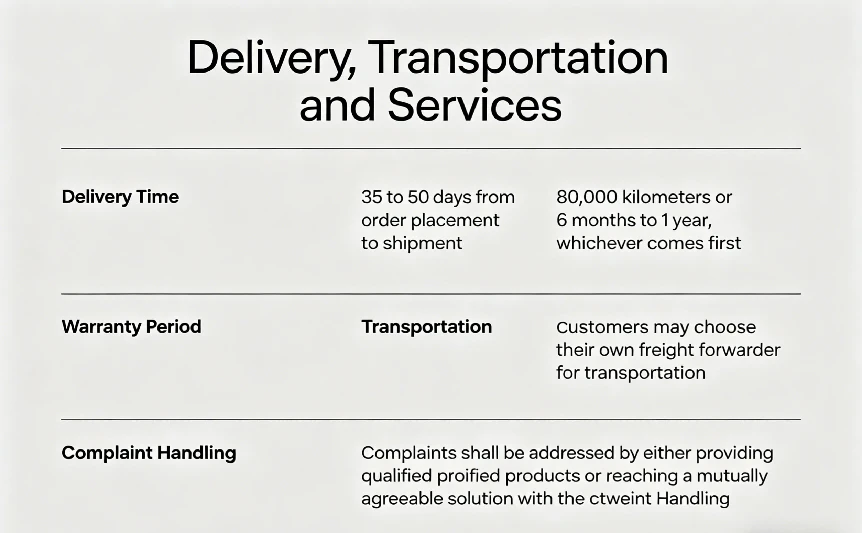
Delivery,shipping and serving
‑ Casting defects (metallurgical issues such as porosity, shrinkage cavities and cracks)
‑ Surface coating peeling or rusting (not caused by man‑made damage)
‑ Dimensional deviations (exceeding standard tolerance ranges)
‑ Vibration issues caused by poor dynamic balance
Special Note
Damage resulting from improper installation (e.g. insufficient or excessive bolt torque, failure to follow specified preheating and commissioning procedures), use of inferior brake pads, traffic accidents or vehicle modifications is not covered by the warranty.
Packaging Specification
Each unit weighs approximately 4.6 kilograms. Triple‑layer packaging is adopted: inner layer of EPE foam, middle layer of five‑ply hard cardboard, and outer layer of metal corner protectors, which can effectively prevent damage during transportation and ensure goods are delivered in perfect condition.
Production Lead Time
Standard orders will be produced and shipped within 30 to 45 working days. Expedited orders are supported, with the fastest delivery achievable within 15 working days (additional expediting fees will apply).
FAQ
Q1: I mainly use my Kia Rio to drive kids around in urban areas, with frequent stops and gentle braking. How smooth are these brake discs during low-speed braking?
A: For vehicles used for city commuting, nose-diving or jerky performance during low-speed braking is the most annoying issue, which creates an unpleasant riding experience for family members in the passenger seat. The friction surfaces of these brake discs undergo precision CNC turning followed by a fine grinding process, resulting in an extremely low surface roughness Ra value. When you apply the brakes gently at low speeds, the brake pads fit evenly against the disc surfaces, and the braking force is delivered progressively without any choppy sensation. As for low-speed braking noise, the products have passed tests on NVH benches before leaving the factory. You will barely hear high-pitched squeals during daily urban driving, so they are perfectly suitable for regular commutes.
Q3: What is the recommended torque specification for Front brake disc for HYUNDAI Accent 517120U000 on the Toyota Corolla E210?
A: The 517120U000 brake discs are primarily designed for the Hyundai/Kia Rio (UB) and i20 (PB) platforms and cannot be directly fitted to the Toyota Corolla E210. The two models have different center bore diameters and bolt circle diameters, so cross-installation is not advisable. If you need to replace the front brake discs for your Corolla, please refer to the specifications corresponding to Toyota OE part number 43512-02350.
Last News
Real-time Industry Updates (Revised Version for Plagiarism Avoidance and Google Indexing)
The year 2026 marks a critical turning point for the entire brake disc industry. As the countdown begins for the official implementation of Euro 7 emission regulations, a new round of upgrading and reshuffling is taking place across the sector in terms of surface coating and protection technologies.
In accordance with established plans, the European Union will officially launch Euro 7 type approval for new vehicle models on November 29 this year. Particulate matter emissions generated during the operation of brake systems have been officially included in the scope of mandatory control. Clear differentiated standards are set for passenger vehicles: the limit of brake particulate matter emissions for traditional fuel vehicles is 7 mg/km, while the limit for pure electric vehicles is tightened to 3 mg/km. For various commercial vehicles, the corresponding standards are 11 mg/km for fuel-powered models and 5 mg/km for electric models. The domestic market is keeping pace as well. The draft for the China VII standards for light-duty vehicles is in the final stage of revision. Industry insiders generally predict that these regulations will be fully implemented between 2028 and 2029. In addition, the testing methods for brake emissions of auto parts are formulated in line with the United Nations GTR24 international standard, gradually aligning regulatory requirements at home and abroad.
The rollout of new policies has thoroughly transformed the purchasing and production logic in the aftermarket auto parts sector. In the past, buyers and vehicle owners mainly focused on whether brake discs were made of wear-resistant materials and prone to cracking or deformation. Today, constrained by new regulations, controlling particulate matter emissions from brake wear has become a mandatory performance indicator. Driven by both Euro 7 and China VII policies, the positioning of laser cladding hard alloy coating technology has undergone a fundamental shift. It is no longer an optional extra for high-end products, but a basic entry requirement to access the mainstream market at present. The surface hardness of the coating produced by this technology can exceed 600HV. Compared with conventional cast iron brake discs, its overall wear resistance is improved by 3 to 5 times, and brake particulate matter emissions are reduced by more than half, delivering outstanding advantages in emission reduction and durability.
Looking at the global market trend, the brake disc industry maintains steady growth. The global brake disc market reached a size of 8.7 billion US dollars in 2025. According to estimates from industry institutions, the market size will rise to 15.4 billion US dollars by 2032, with a steady compound annual growth rate of 8.6%. Along with market expansion, new product categories such as low-noise brake components, ceramic formula brake pads and brake assemblies dedicated to new energy vehicles are developing rapidly, continuously driving the accelerated upgrading of all product lines in the aftermarket.
Hot Tags: front brake disc for hyundai accent, China front brake disc for hyundai accent manufacturers, suppliers, factory