
Product Introduction
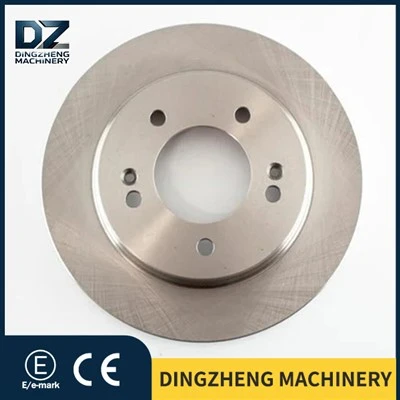
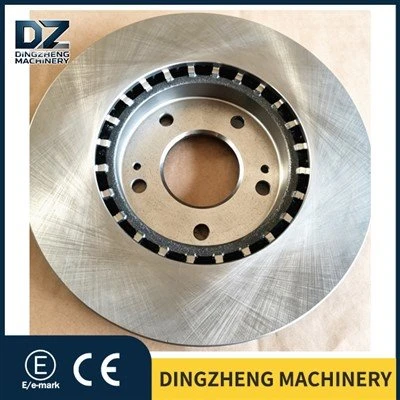
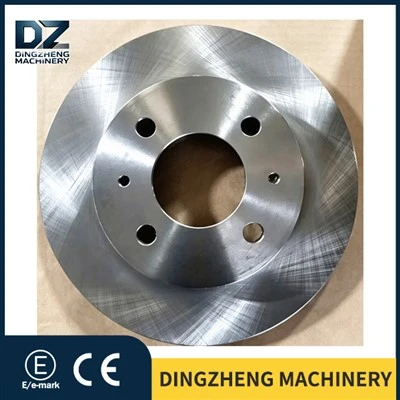
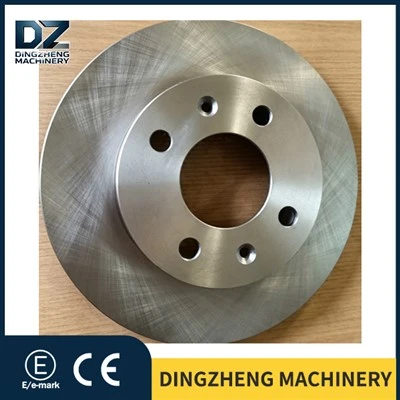
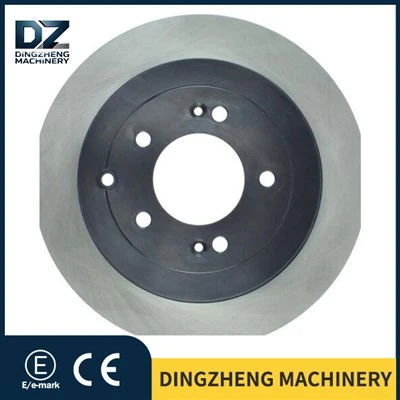
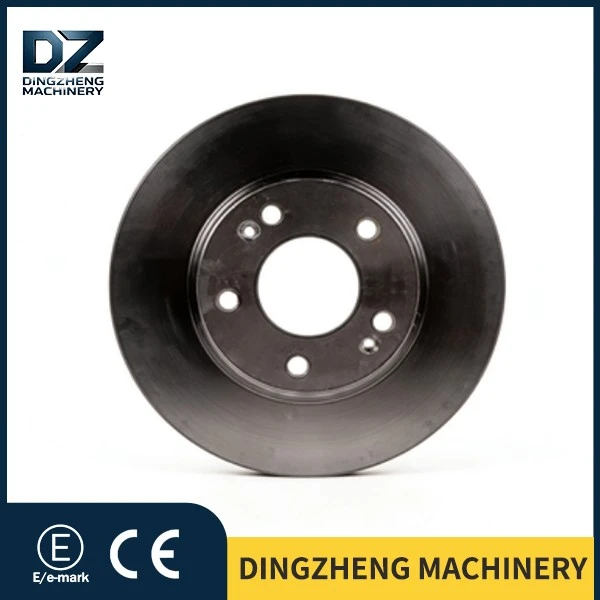
Every HYUNDAI i30 Rear Brake Disc 58411G4300 undergoes rigorous quality inspection in line with HYUNDAI M0012, ECE R90, and FMVSS 121 standards before leaving the factory. The inspection items include ultrasonic internal flaw detection, full-size geometric parameter calibration (mounting hole pitch, thickness tolerance, end face parallelism), dynamic balance calibration (tolerance controlled within ±3g), 1500-hour neutral salt spray test (corrosion resistance), and thermal fatigue test (simulating 100,000 cycles of braking). Unqualified products are directly eliminated, ensuring consistent quality and reliable performance.
With its OE-level precision, innovative material and process design, and targeted adaptation to HYUNDAI models, this brake disc perfectly meets the needs of aftermarket replacement, retail stocking, and bulk wholesale. It not only ensures stable braking performance and a long service life (75,000-95,000 kilometers under normal use) but also solves common pain points of HYUNDAI brake discs, making it a competitive choice for global HYUNDAI parts suppliers and repair services.
Product Parameter
|
Location |
Rear Brake |
Diameter |
272mm |
|
Brake Disc Thickness |
10mm |
Minimum Thickness |
8mm |
|
Centering Diameter |
76mm |
Height |
32mm |
|
Number Of Holes |
7 |
Pitch Circle Diameter |
114.3mm |
|
Solid Or Vented |
S |
Weight |
3.8kg |
Car Model


HYUNDAI i30 (PDE, PD, PDEN) 1.0 T-GDI 2016/11-
HYUNDAI i30 (PDE, PD, PDEN) 1.4 MPI 2016/11-
HYUNDAI i30 (PDE, PD, PDEN) 1.4 T-GDI 2016/11-
HYUNDAI i30 (PDE, PD, PDEN) 1.6 CRDi 2016/11-
HYUNDAI i30 Estate (PDE) 1.0 T-GDI 2017/03-
HYUNDAI i30 Estate (PDE) 1.4 MPI 2017/03-
HYUNDAI i30 Estate (PDE) 1.4 T-GDI 2017/03-
HYUNDAI i30 Estate (PDE) 1.6 CRDi 2017/03-
Reference No.
There are different corresponding codes for the HYUNDAI i30 Rear Brake Disc 58411G4300
|
A.B.S. |
18609 |
OE |
58411G4300 |
|
APEC BRAKING |
DSK3372 |
PAGID |
55917 |
|
BLUE PRINT |
ADG043231 |
PROTECHNIC |
PRD5555 |
|
COMLINE |
ADC4064 |
TEXTAR |
92291703 |
|
KAVO PARTS |
BR3295C |
ZIMMERMANN |
285353520 |
|
MINTEX |
MDC2797C |
Surface Treatment
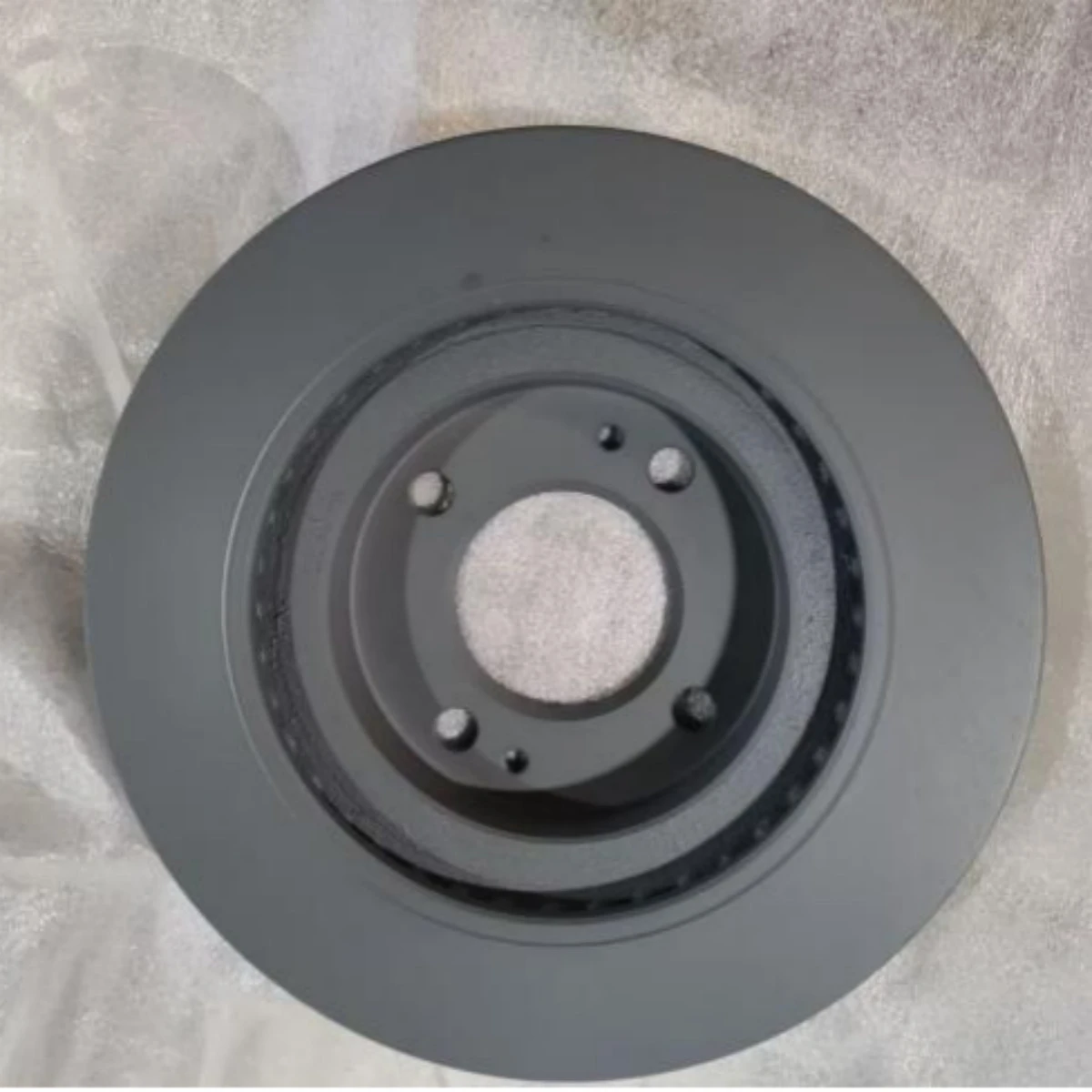
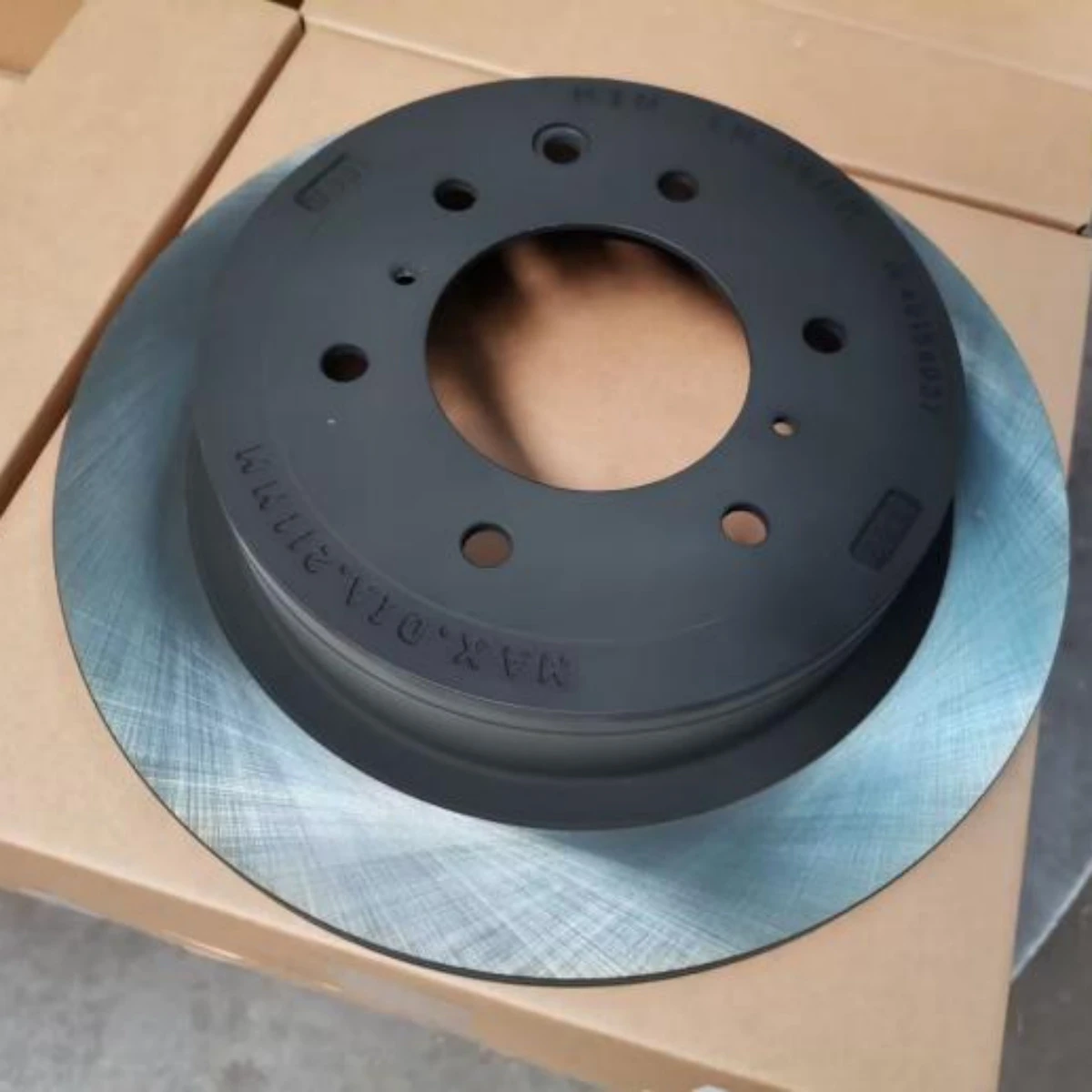
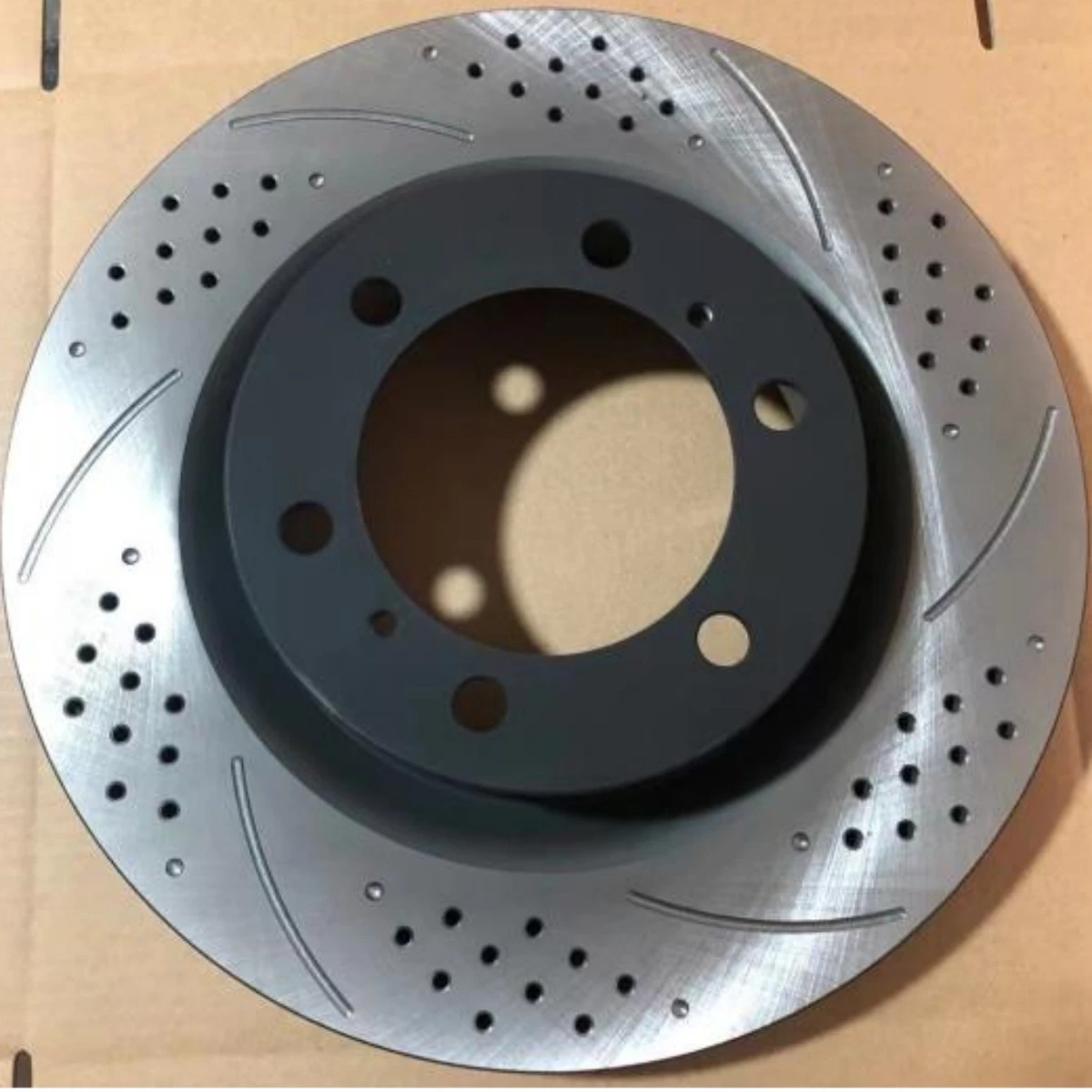
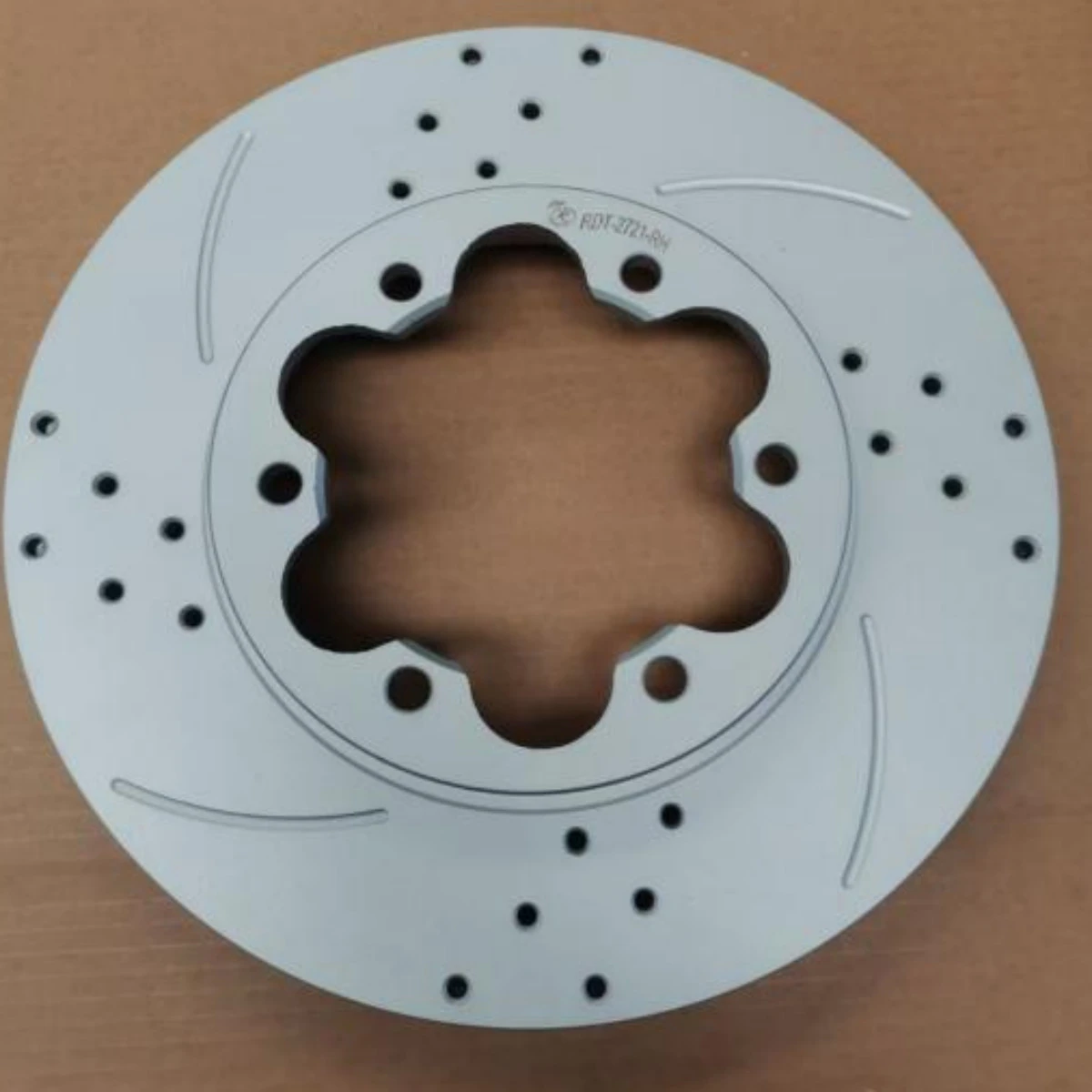
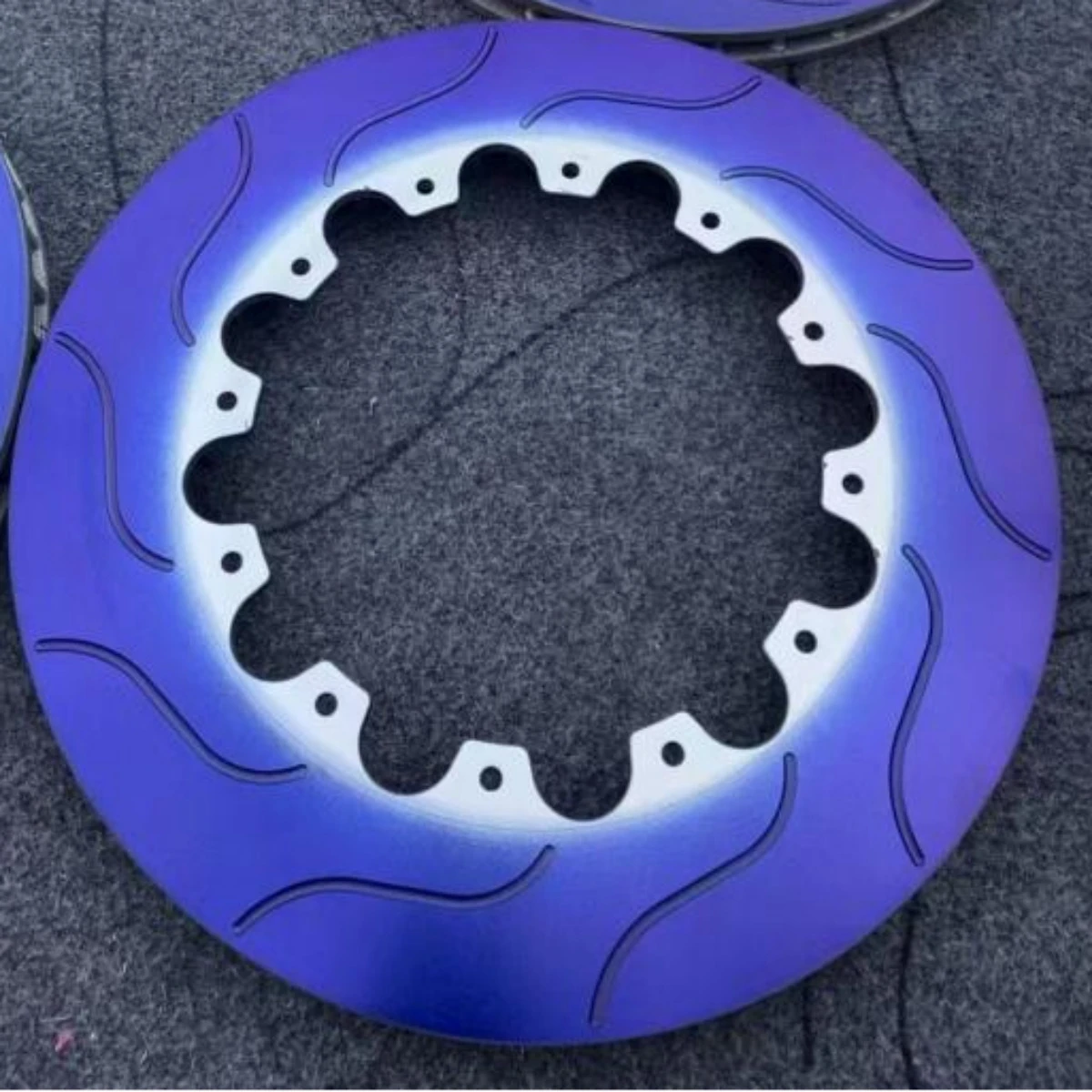
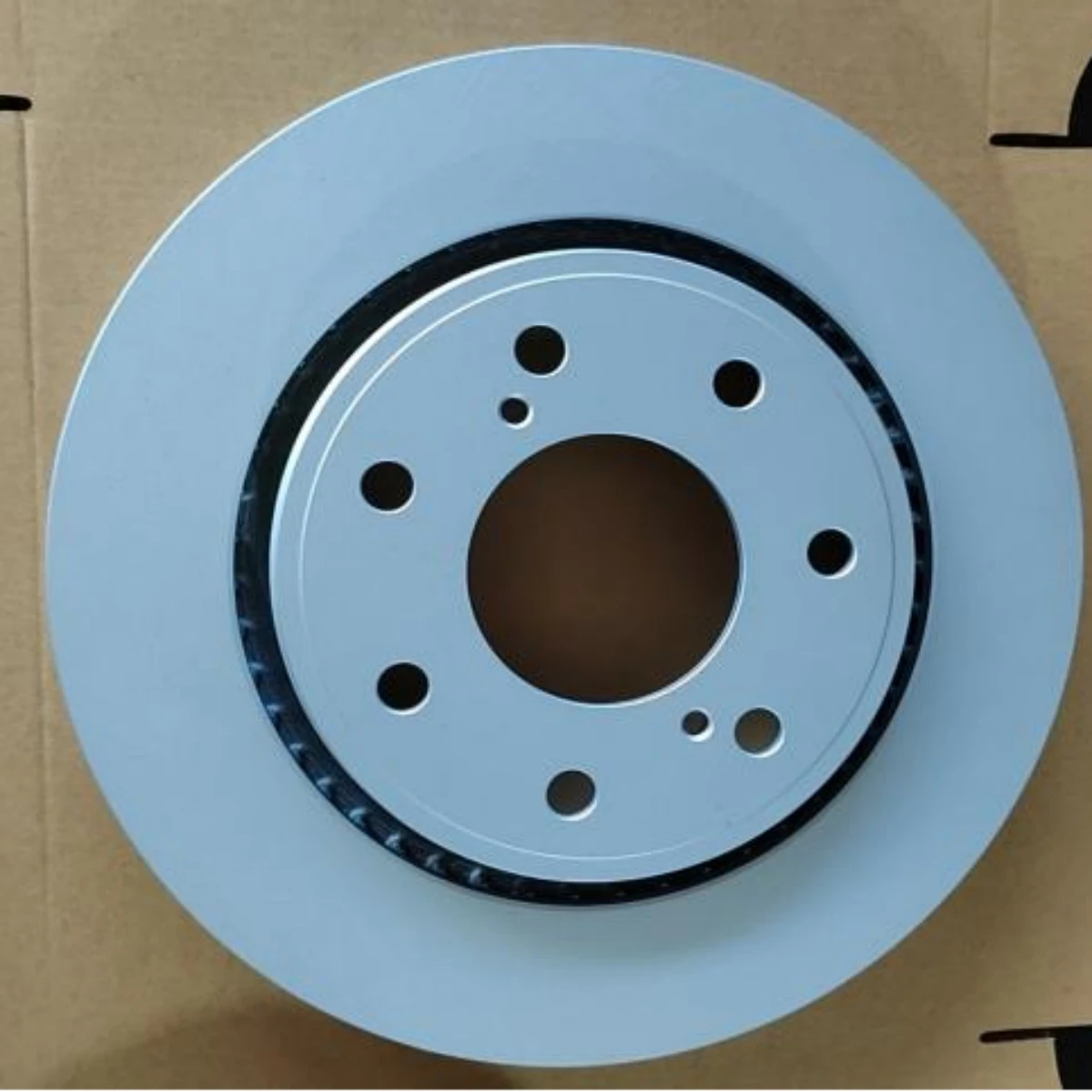
Cladding Protection: Equipping the disc with an isolation barrier
Unlike the "growth-type" infiltration process, the cladding process focuses on attaching a functional coating layer to the surface of brake discs to achieve specific purposes such as rust prevention, heat resistance and aesthetic enhancement.
High-Performance Spraying: The spraying of modern brake discs is far more sophisticated than ordinary painting. It starts with thorough surface preparation including ultrasonic cleaning and phosphate conversion treatment to guarantee coating adhesion.
Special coatings such as epoxy resin or polyurethane are then sprayed by automated equipment. These coatings require precise proportioning to deliver excellent resistance to salt spray, high temperatures (heat generated during braking) and gravel impact.
The staged drying and curing process after spraying is critical for the coating to form a stable network structure and exert optimal performance.
Evolution and Challenges of Traditional Processes: Historically, electroplated chromium (chrome plating) has been widely used for its high hardness and attractive appearance. However, its severe environmental pollution (chromic acid contamination) during production and inherent microcrack defects in the coating have posed enormous challenges amid increasingly stringent environmental regulations.
Dacromet (zinc-chromium film) coatings feature outstanding anti-corrosion performance and no risk of hydrogen embrittlement, yet they suffer from relatively insufficient hardness and wear resistance, and also involve the use of chromate.
The limitations of these traditional processes are driving the industry to shift toward more environmentally friendly and comprehensive new technologies such as nitrocarburizing.
Machining Workshop
Tool Revolution: The "Sharp Fangs" That Conquer Tough Cast Iron
HYUNDAI i30 Rear Brake Disc 58411G4300 blanks are mostly made of gray cast iron. The processing environment features heavy dust, posing severe wear and rigorous challenges to cutting tools. Cemented carbide tools, which were widely used in the past, have gradually fallen short in high-speed cutting performance and service life. Nowadays, cubic boron nitride (CBN) cutting tools have become the mainstream option. Boasting hardness second only to diamond and excellent wear resistance, they are particularly suitable for high-speed turning of cast iron. Some advanced non-metallic bonded CBN inserts (such as the BN-S300 grade) enhance toughness while maintaining high hardness, solving the problems of high brittleness and easy edge chipping of traditional CBN tools. They can even undertake rough machining tasks, realizing one-pass processing from roughing to finishing, greatly improving processing efficiency and reducing tool replacement costs.
Quality Finale: Verifying Absolute Stability Through Rotation
The completion of machining is not the end. Dynamic balance testing serves as the final inspection before brake discs leave the factory. On a dynamic balancing machine, the brake disc is driven to rotate at high speed, and sensors detect its unbalance under rotating conditions. Any mass eccentricity caused by uneven material quality or machining errors can be accurately captured and recorded. Only brake discs that pass this test and maintain perfectly stable operation like still water at high rotational speeds are qualified for the next process. Usually, product numbers, specifications and other information are permanently marked on the disc surface via pneumatic or laser marking, completing the traceable "identity authentication" of the product.
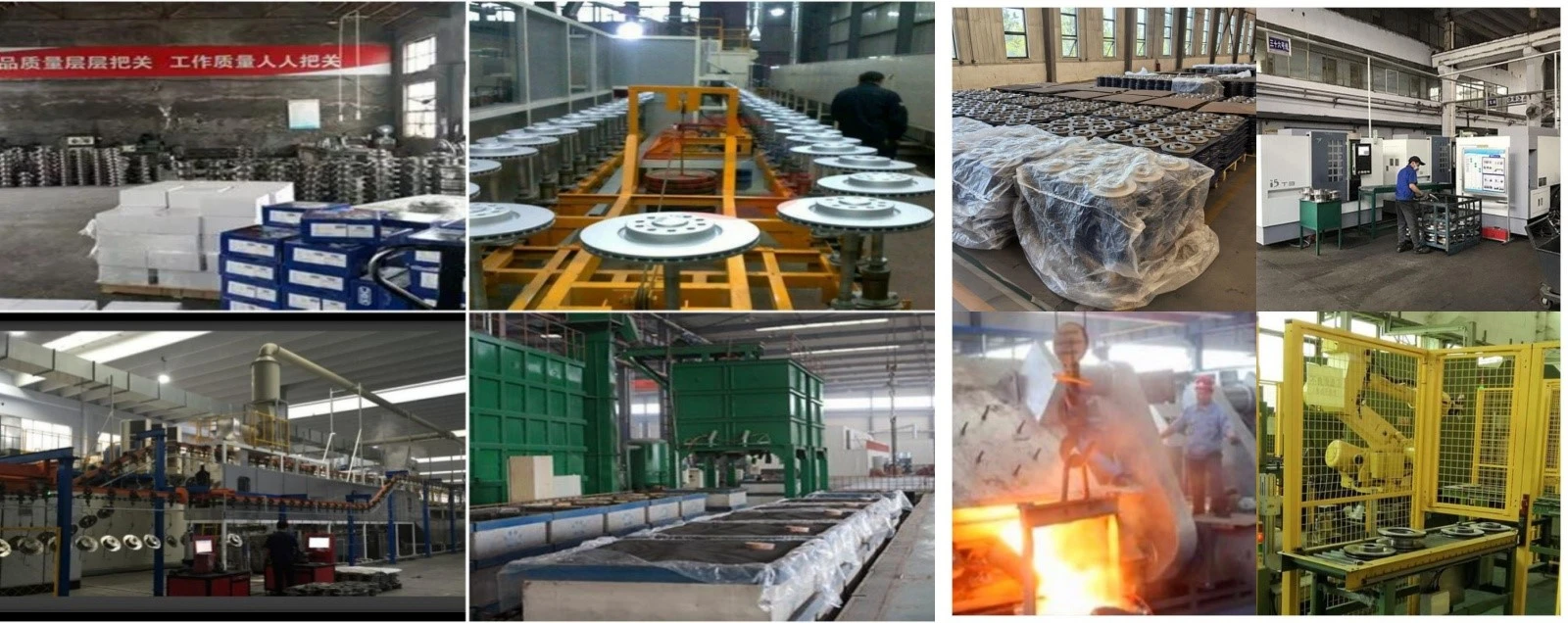
Delivery,shipping and serving

FAQ
Abnormal noise when braking? Slight friction noise may occur during the running-in period. But if there is a persistent hissing sound of metal rubbing against metal, it usually means the brake pads are excessively worn and need immediate inspection and replacement. Sometimes foreign objects trapped between the brake pads and the brake disc can also cause abnormal noises.
Will car washing damage brake discs? Yes, there are risks. After long-distance driving or aggressive driving, brake discs reach an extremely high temperature. If rinsed directly with cold water at this time, drastic thermal expansion and contraction may cause deformation, which further leads to vehicle vibration. The correct approach is to let the vehicle cool
Last News
The penetration of NEVs has completely changed the design logic and market demand of brake discs, which is a key trend that cannot be ignored. Unlike traditional fuel vehicles, NEVs rely heavily on regenerative braking, which leads to low frequency of physical brake disc use, easy occurrence of "dormant rust" and uneven friction layer deposition. This has promoted manufacturers to launch NEV-specific brake discs-optimizing the surface anti-corrosion structure, adjusting the friction coefficient, and even redesigning the heat dissipation channel to adapt to the working characteristics of NEVs. According to the latest industry report, the global market share of NEV-specific brake discs will rise from 18% in 2025 to 42% in 2030, and the demand for lightweight, corrosion-resistant and low-noise brake discs will continue to surge. Many manufacturers have begun to cooperate with NEV OEMs to develop customized brake discs, which has become a new profit growth point.
Hot Tags: hyundai i30 rear brake disc, China hyundai i30 rear brake disc manufacturers, suppliers, factory