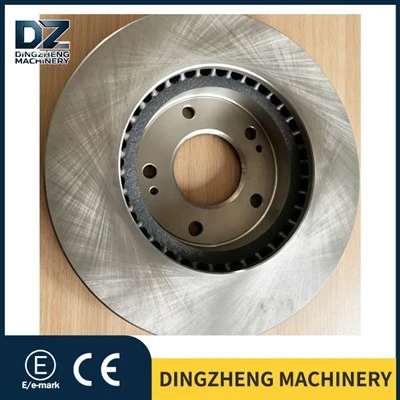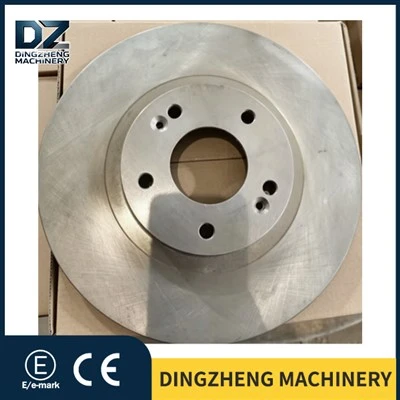

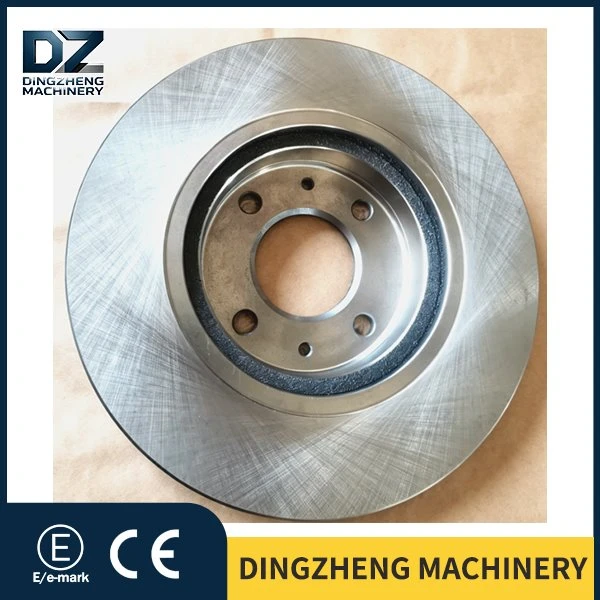
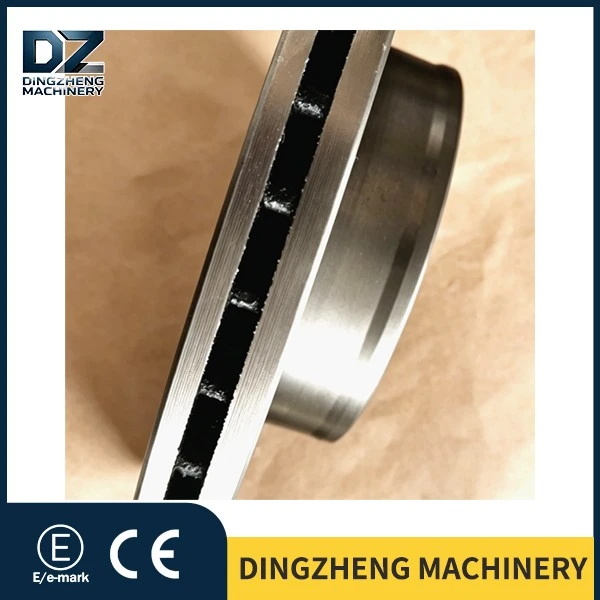
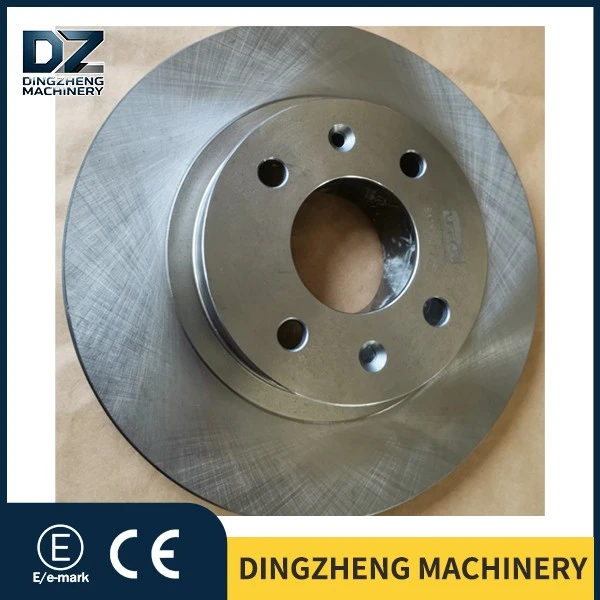
Product Introduction
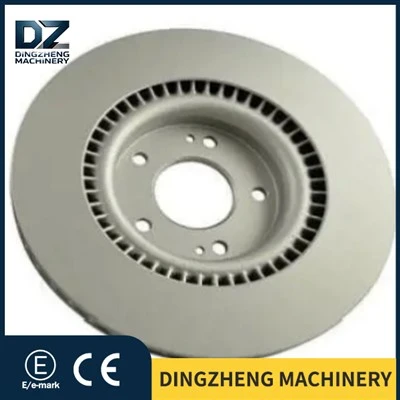
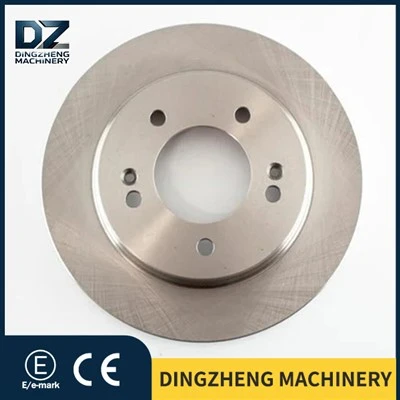
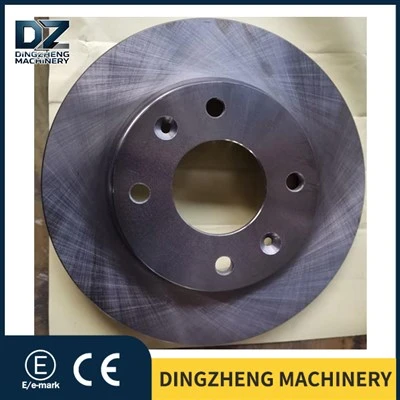
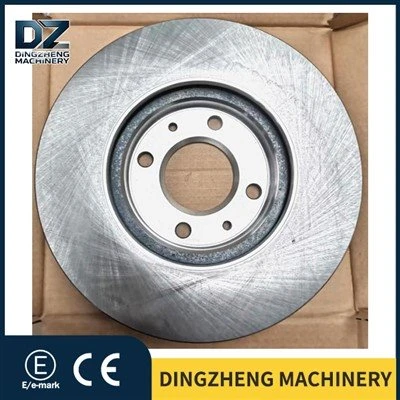
It is manufactured from HT250 high-carbon alloy cast iron, which complies with the GG25 material standard set by Hyundai and Kia. Adopting static pressure casting with Danish DISA molding machines, the product features a dense and uniform metallographic structure. Optimized specifically for frequent start-stop operations at low speeds in urban areas, this brake disc keeps braking noise below 38 decibels and delivers linear braking response, bringing a smoother and more comfortable daily commute experience.
We have certified this Front Brake Disc for HYUNDAI I10 517120X700 against the ECE R90 braking system standards of Hyundai and Kia. It has passed 20,000 fatigue tests and fits vehicles with a maximum gross weight of 1200kg, fully meeting the safety requirements of urban family cars.
Product Parameter
|
Location |
Front brake |
Diameter |
252mm |
|
Brake Disc Thickness |
18mm |
Minimum Thickness |
16mm |
|
Centering Diameter |
62.2mm |
Height |
48.7mm |
|
Number Of Holes |
4+2 |
Bolt Circle Diameter |
100mm |
|
Solid Or Vented |
V |
Weight |
4.52kg |
Car Model
The front brake disc for HYUNDAI/KIA 517120X700 is compatible with a wide range of cars, as follows:

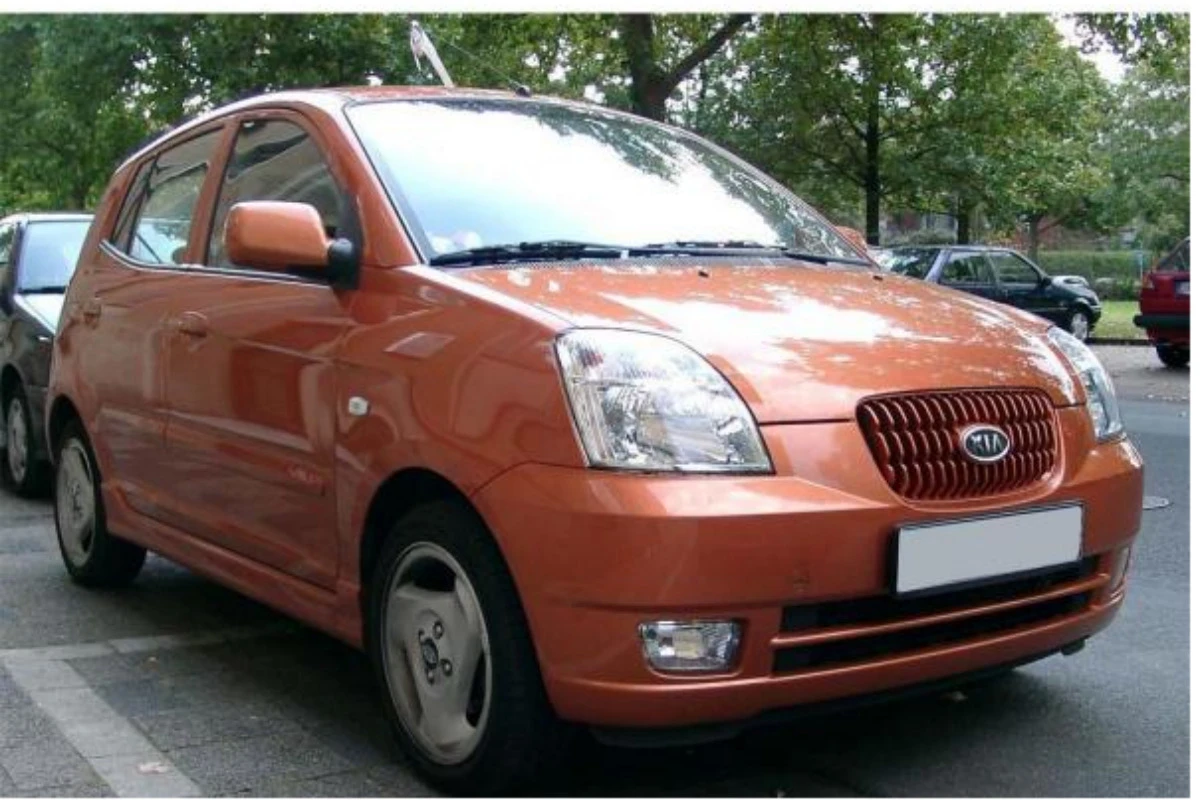

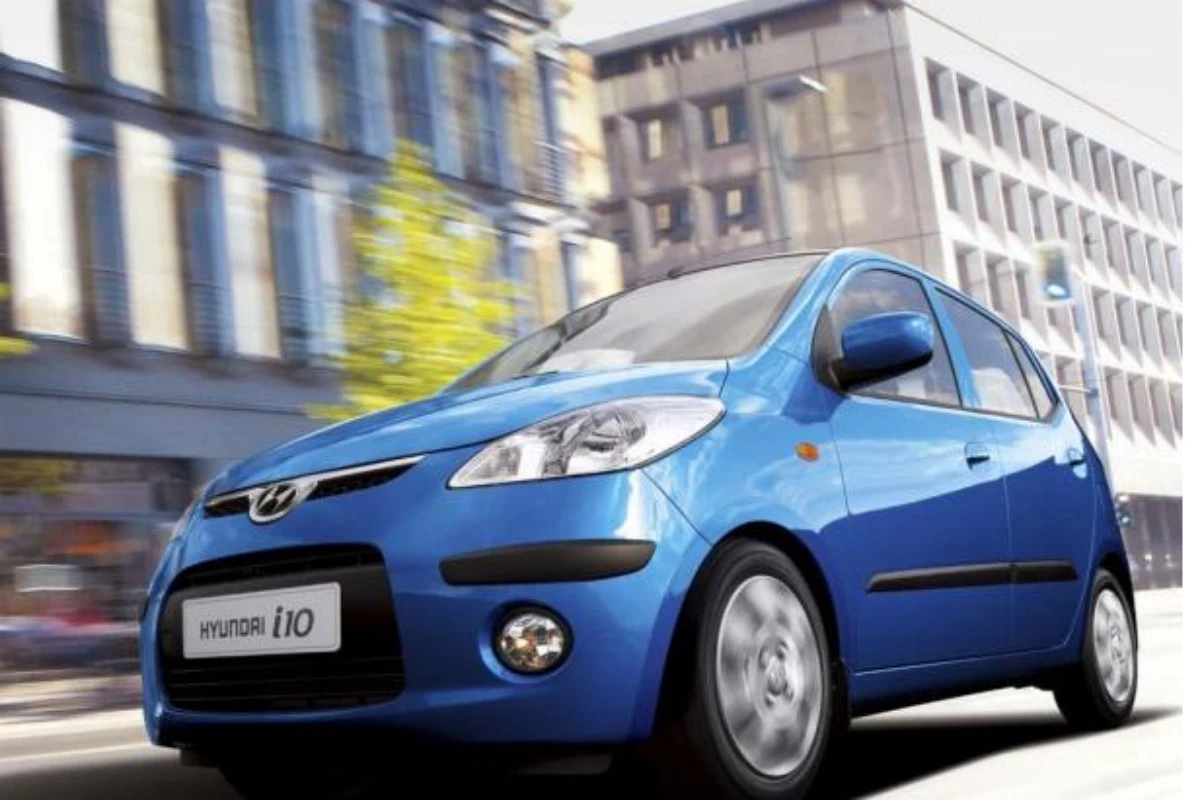
HYUNDAI i10 hatchback/two-door car 1.1 CRDi 2008-2011
Kia PICANTO hatchback 1.1 CRDi
Reference No.
There are different corresponding codes for the front brake disc for HYUNDAI I10
|
BENDIX |
562555BC |
OE |
51712B4000 |
|
BREMBO |
09.A867.10 |
OE |
517120X700 |
|
BRADI |
BS8868 |
AP |
25258 |
|
CAR |
142.1269 |
TRW |
DF6116 |
Advantages of Surface Coating Technology
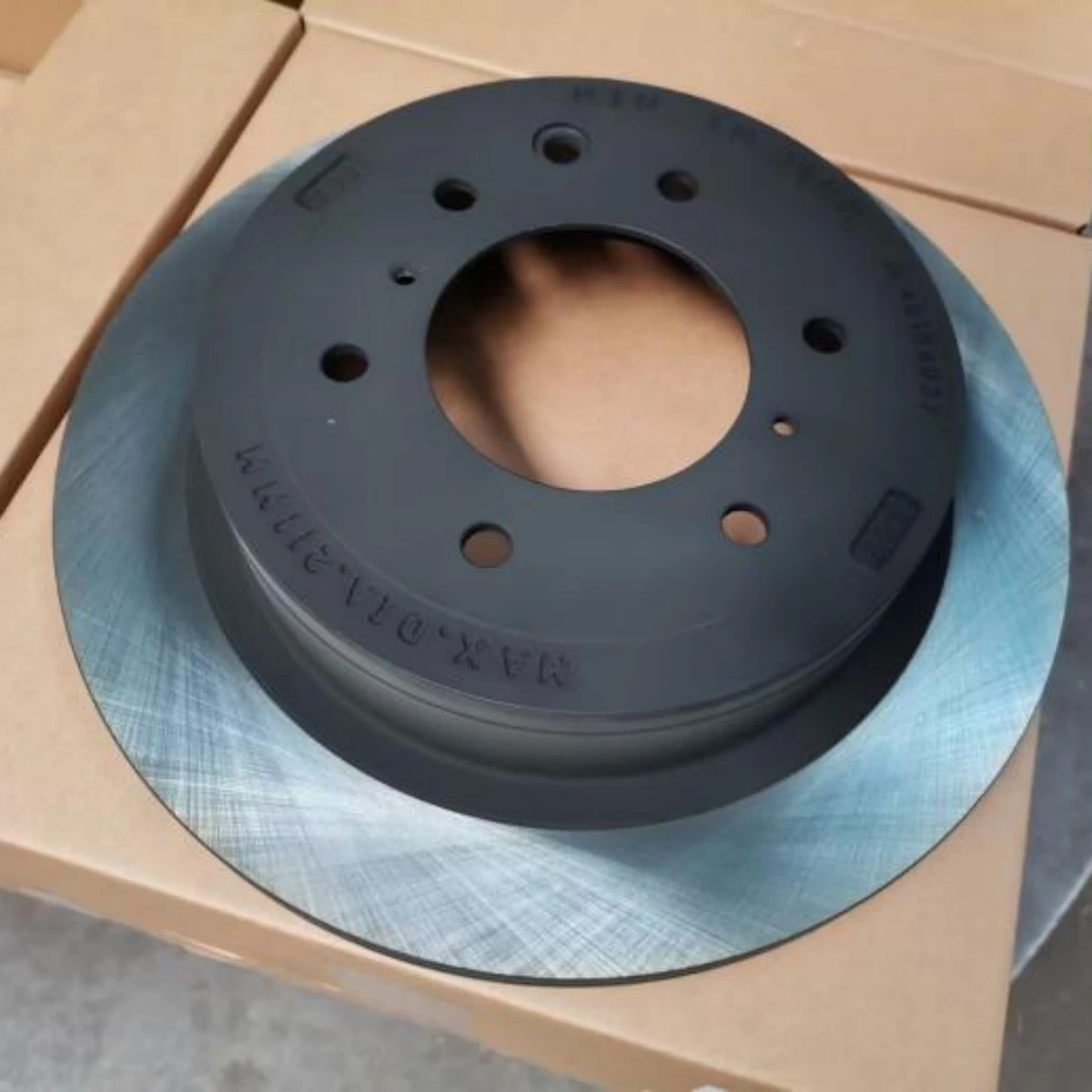
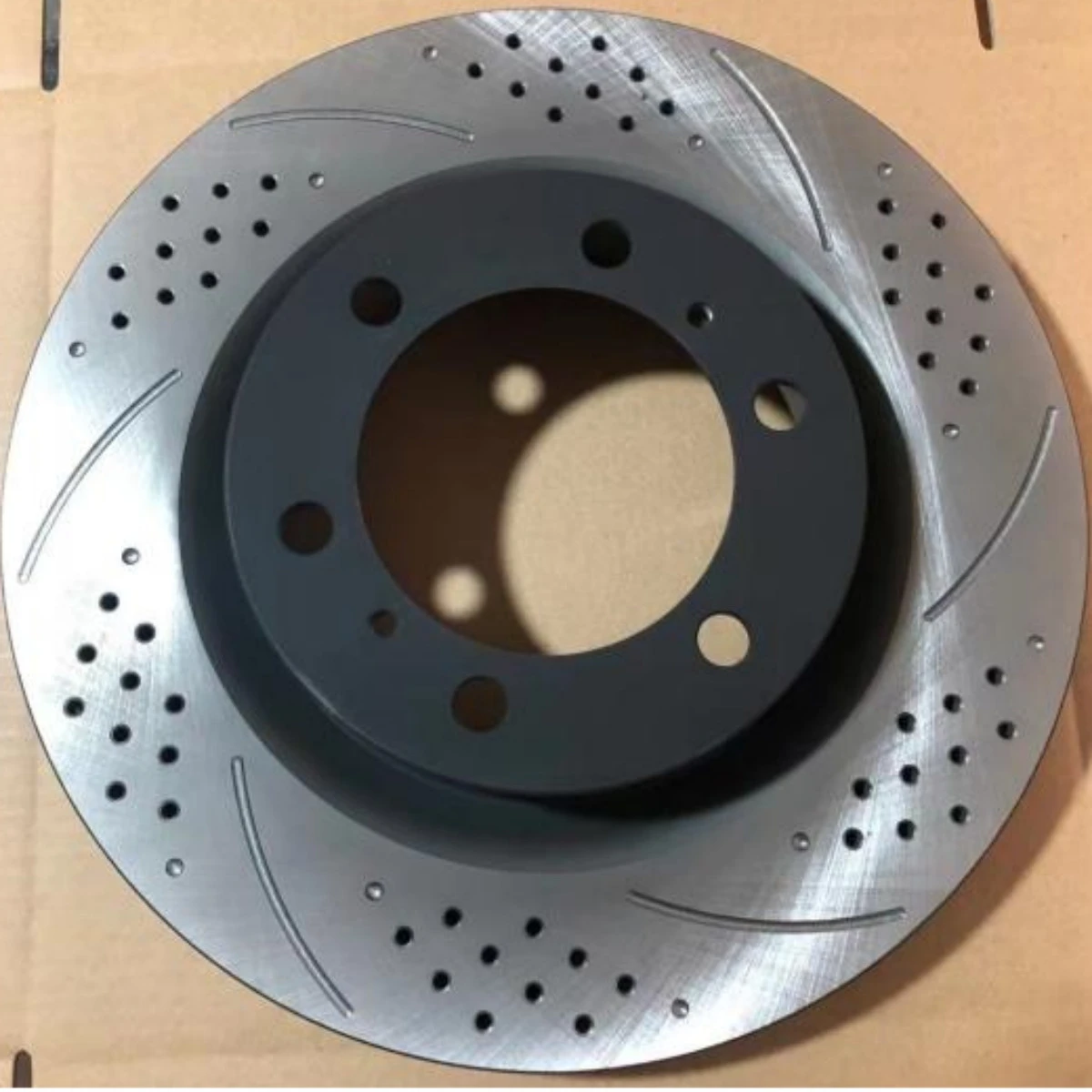
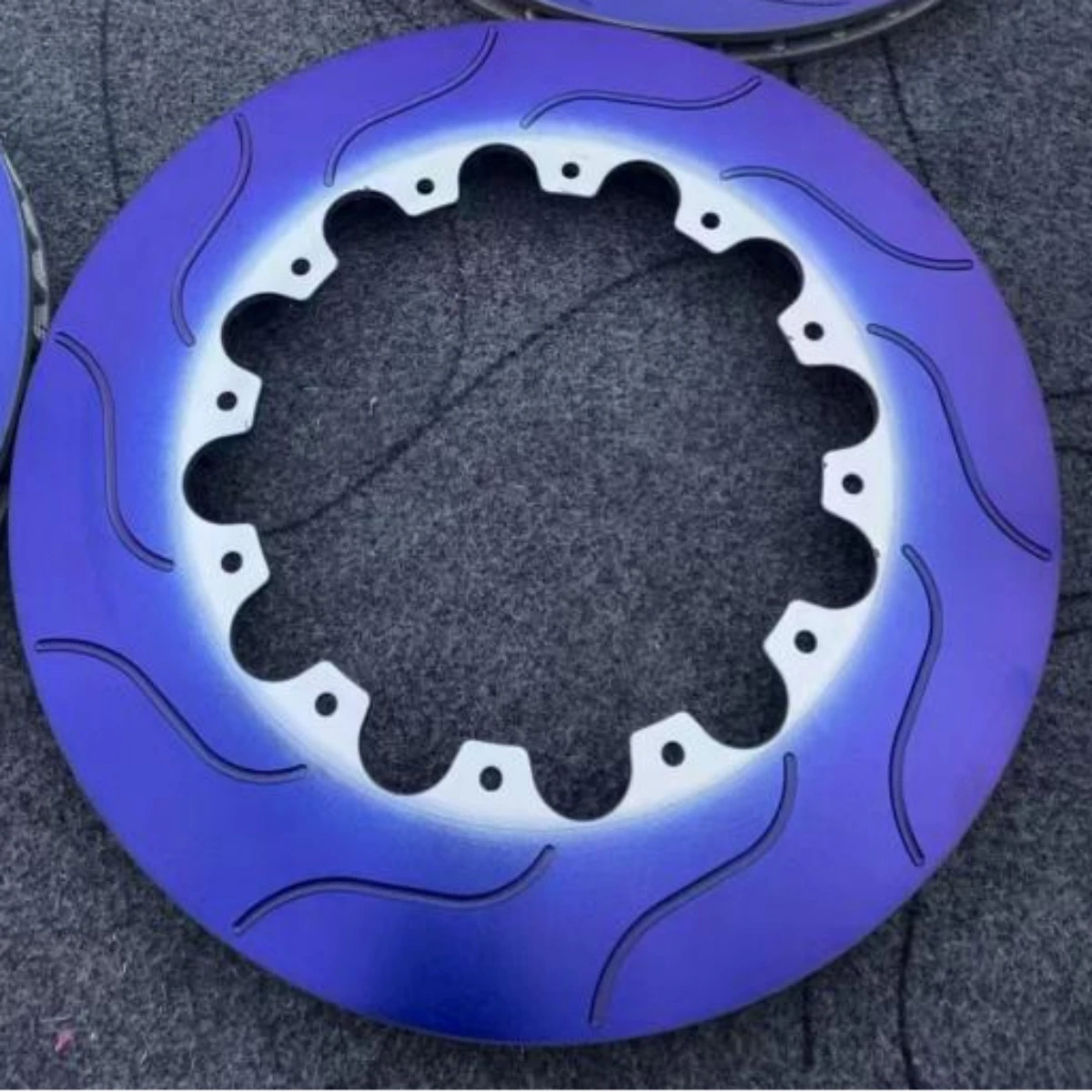
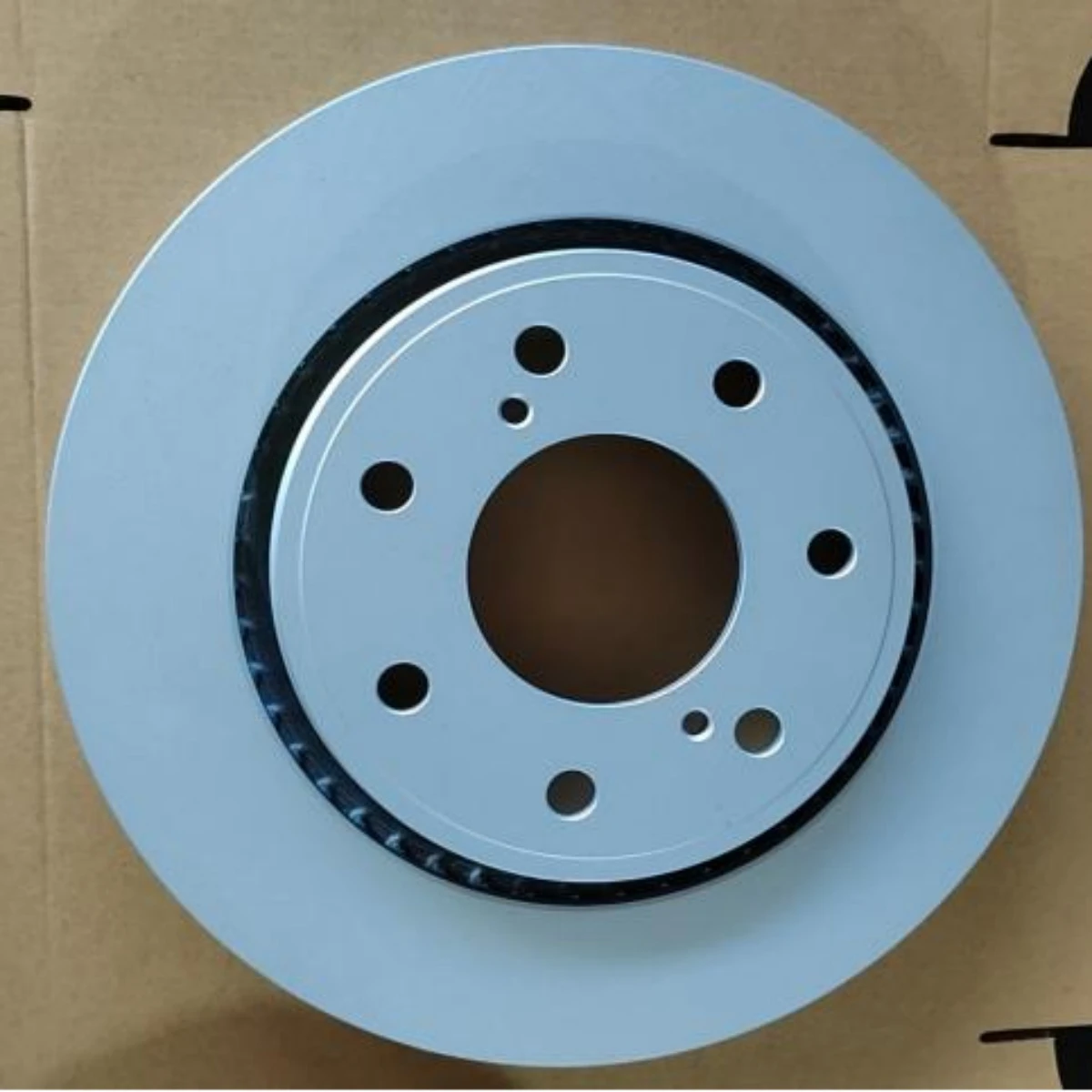
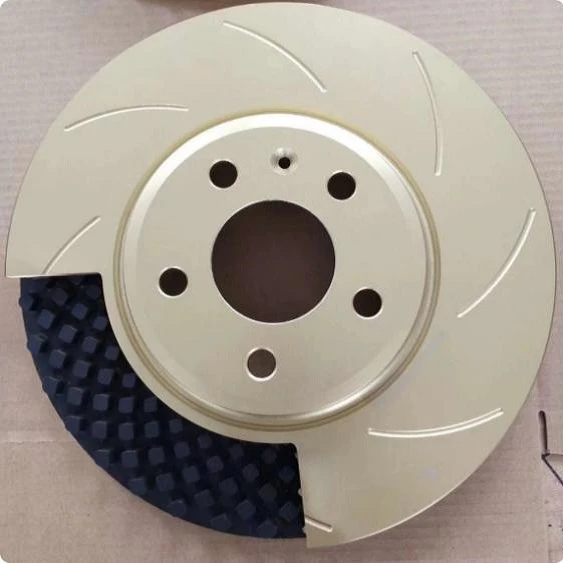
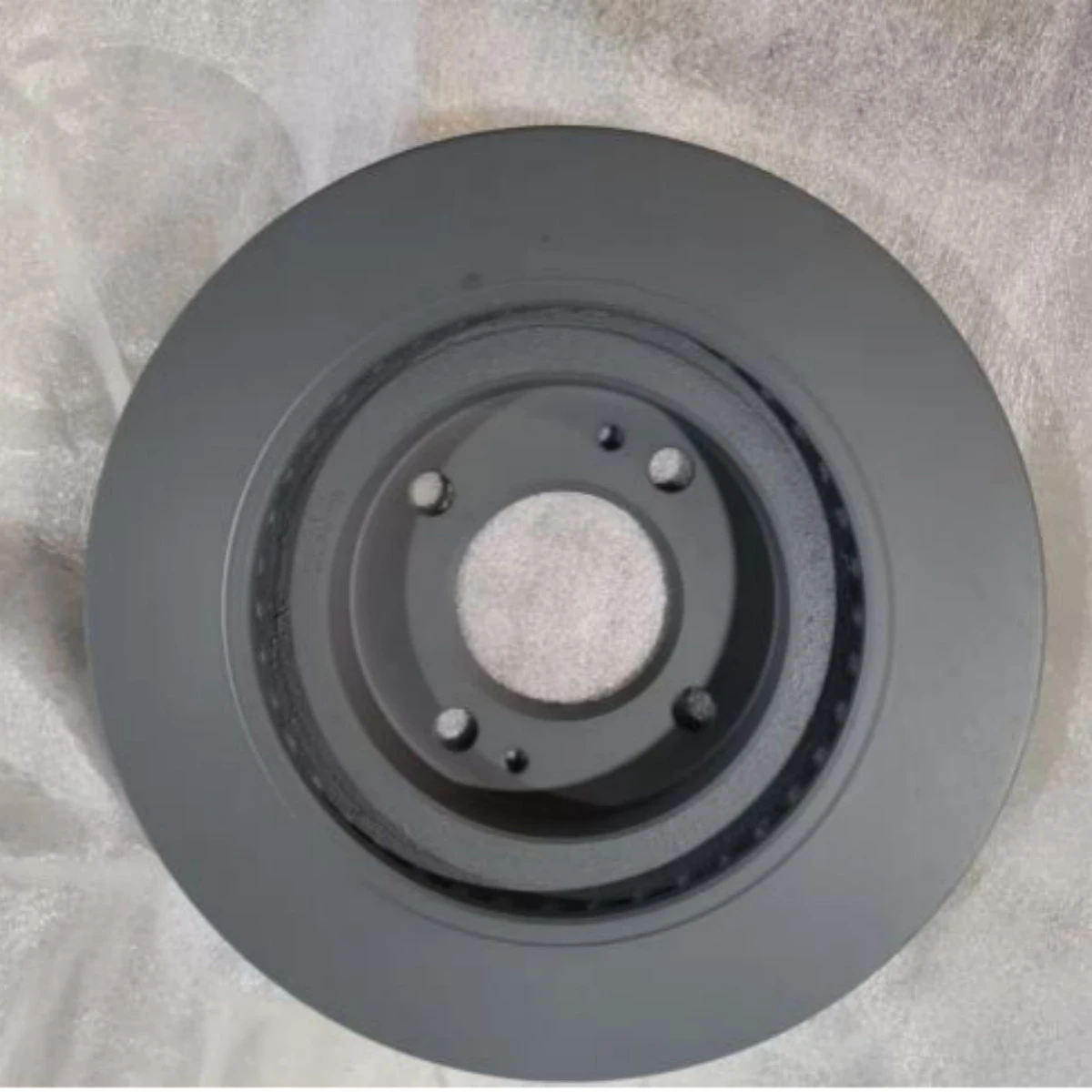
The graphene-reinforced water-based zinc-aluminum composite coating is our core technology, far superior to ordinary spray paint.
Three-layer Protective Structure
The bottom layer forms a metallurgical bond with the cast iron substrate, achieving a 0-level adhesion. The middle layer contains graphene nanosheets to enhance thermal shock resistance. Ceramic particles are added to the top layer to improve wear resistance.
Excellent Corrosion Resistance
No rust occurs after a 720-hour neutral salt spray test. Its anti-corrosion performance is more than three times that of conventional spray coatings. It can maintain stable appearance and performance for a long time even in humid coastal areas.
High Temperature Stability
It can withstand braking temperatures up to 400℃. The coating will not peel or crack under repeated thermal expansion and contraction, effectively preventing rust on the back and center hole of brake discs which may cause difficulty in disassembly.
Chromium-free & Eco-friendly
It complies with the EU RoHS standards. The VOC emission during spraying is lower than 50mg/m³, protecting both your vehicle and the environment.
Precise Coating Thickness
The coating thickness is controlled within 18-22μm, which will not affect the dynamic balance accuracy of the brake disc (≤5g·cm) and ensures no vibration after installation.
In short, this coating acts like an invisible armor for brake discs. You never need to worry about rust during daily driving, and the brake disc maintains good appearance and performance in rainy or snowy weather.
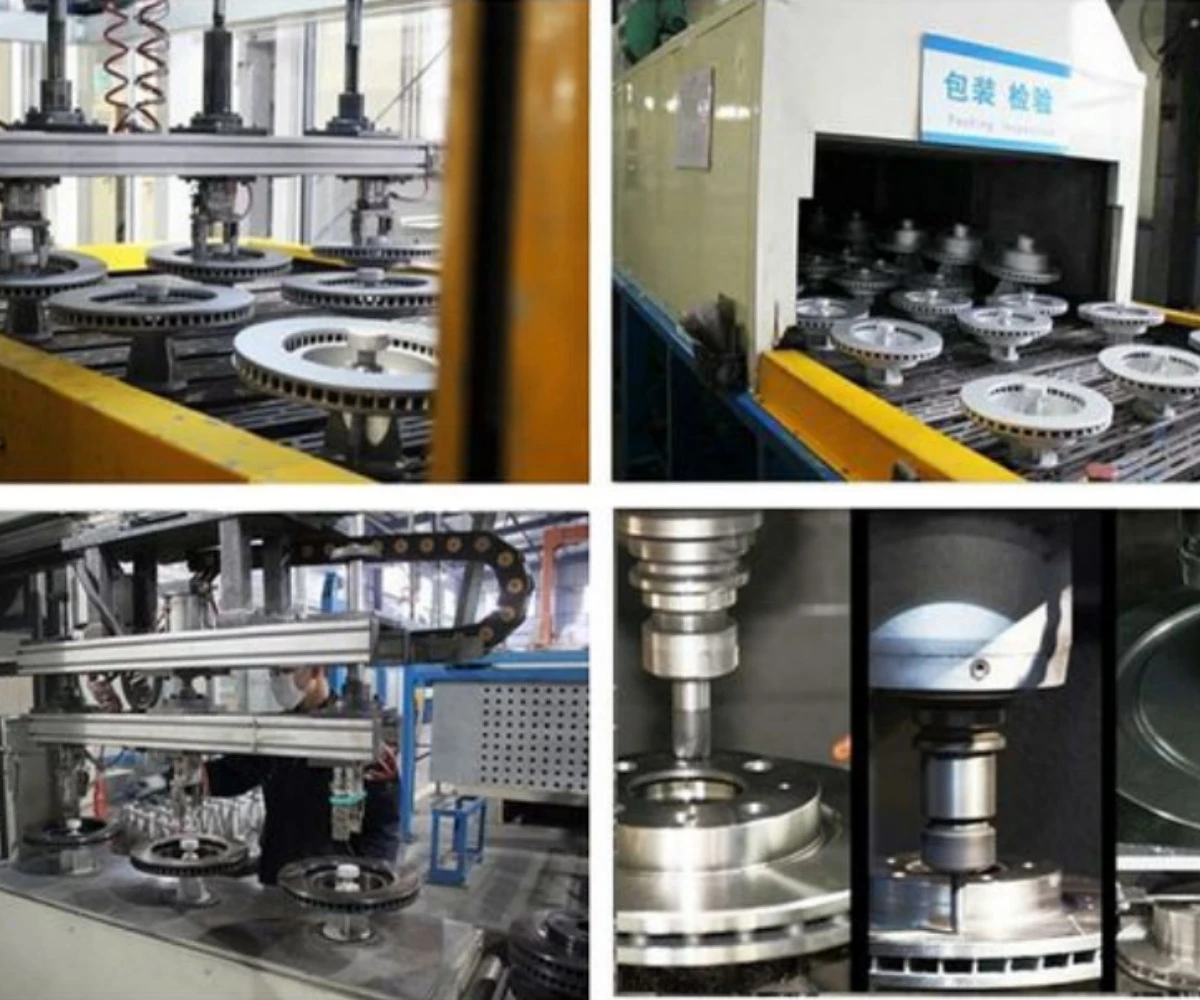
Foundry and Processing Workshop: Every step from molten iron to finished products is closely monitored by staff.
Advantages of Machining Workshop and Foundry Workshop
1. Highlights of the Foundry Workshop
- Danish DISA D3-B-555 Vertical Flaskless Molding Line: It has an hourly output of 400 molds. The dimensional tolerance of castings is controlled within ±0.035mm, delivering 50% higher precision than traditional sand casting.
- Static Pressure Molding Process: It ensures uniform sand mold compaction (hardness ≥85HS), effectively eliminating casting defects such as porosity and shrinkage porosity, with a casting qualification rate of 99.8%.
- Medium-frequency Induction Furnace Melting: The temperature of molten iron is precisely maintained at 1480±5℃, and the carbon equivalent is stabilized between 3.8% and 3.9%. This guarantees consistent material strength (≥250MPa) and hardness (HB190-220).
- Automatic Pouring System: Equipped with Italian CIME insulated pouring furnaces, it features stable pouring speed to prevent cold shuts and slag inclusions, and ensures a dense internal metallographic structure of brake discs.
2. Advantages of the Machining Workshop
- Dual-tool Opposite Cutting CNC Machine Tools: Double-sided machining is completed in a single clamping, with parallelism error ≤0.02mm. This ensures uniform thickness of brake discs and balanced stress during braking.
- Laser Micro-texturing Treatment: Spiral textures with a depth of 0.05mm are processed on the disc surface. The textures can quickly discharge brake dust, remarkably reduce braking noise and improve the running-in efficiency of brake pads.
- 100% Dynamic Balance Testing: German SCHENCK dynamic balancing machines are adopted, with unbalance controlled at **≤5g·cm** to avoid steering wheel vibration during high-speed driving.
- Ultrasonic Flaw Detection: It inspects internal cracks of brake discs to rule out metallurgical defects, which is our basic requirement for every product.
- Spectral Analysis: A 5% sampling inspection is conducted for each batch to verify that the material composition complies with HT250 standards, with no adulteration or cutting corners.
The workshop operates in compliance with the IATF 16949 automotive quality management system. During the casting process, on-line composition analyzers keep real-time track of the carbon equivalent and chemical composition of each batch of molten iron. Any deviation is adjusted immediately, instead of relying on random post-inspections as a perfunctory measure.
After the cast blanks are produced, they are transferred to the machining workshop, where all processing is carried out by skilled workers using high-precision CNC lathes. In the quality inspection stage, every single 517120X700 product undergoes 100% inspection of critical dimensions and dynamic balance by professional quality inspectors. The outer diameter tolerance is controlled within ±0.1mm and the thickness tolerance within ±0.05mm. No defective products are allowed to leave the factory.
Delivery,shipping and serving
Shipping Instructions
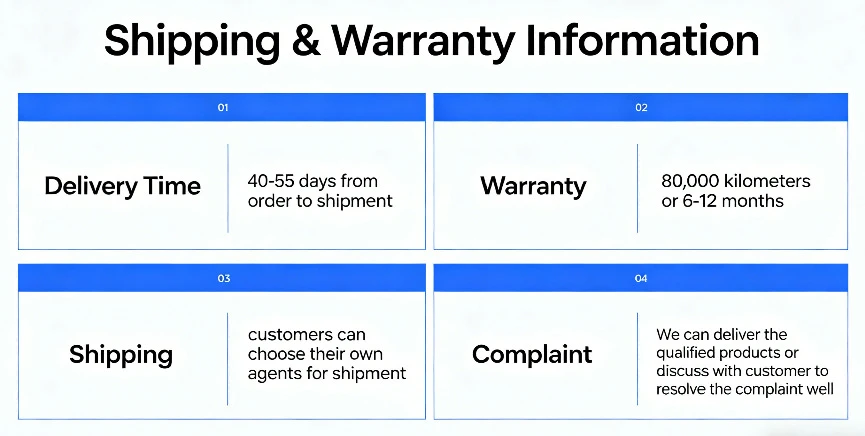
Each of these front brake discs (Front Brake Disc for HYUNDAI I10 517120X700) weighs approximately 4.5 kilograms. Every single disc is individually wrapped with double-layer OPP pearl cotton to avoid collision damage during transit. The standard production and delivery lead time is 30 to 45 working days after order confirmation. Goods are shipped from our factory in Shandong, and customers may appoint their own freight forwarders. Sea freight is the most cost-effective option for regular shipments, with Maersk and COSCO SHIPPING Lines recommended. Air freight can be arranged for urgent orders, and additional shipping fees will be calculated based on the actual weight.
After-sales and Warranty Terms
This front brake disc is covered by a warranty of 60,000 kilometers or 12 months, whichever comes first. The warranty covers casting defects, abnormal wear and peeling of surface coating. Damage caused by improper installation or accidental collision is not included in the warranty coverage.
FAQ
Q1: I mainly drive my Kia Picanto for urban commuting with frequent stop-and-go traffic and gentle braking. How does this brake disc perform under low-speed urban driving conditions?
A: The friction surface of this brake disc undergoes precision CNC machining followed by micro-grinding, keeping its surface roughness Ra value extremely low. During gentle braking at low urban speeds, the brake pads fit closely and evenly against the disc surface, so there will be no jerky pulsation. Meanwhile, barely any high-pitched squeal can be heard during low-speed braking, and its NVH performance fully meets the demands of daily commuting.
Q2: After rainy weather, I left the car parked for several days and noticed a thin layer of surface rust on the brake disc. Is this normal? Do I need to replace the disc?
A: This is completely normal and a common phenomenon for all grey cast iron brake discs. Our non-friction surfaces are fully coated for anti-rust protection and will not corrode. The friction surface is bare iron by nature; the light surface rust formed after rain will be worn off after driving a few kilometers. However, if the car is left parked for more than a month and the depth of rust pits exceeds 1.0mm, you will need to consider replacing the brake disc.
Q3: The steering wheel shakes slightly when I apply the brakes on the highway. Could this be caused by the brake disc?
A: Most likely not a problem with the disc itself, but we can run some checks. First, inspect the wheel mounting surface to see if there is any foreign matter trapped between the disc and the wheel. The 62.2mm central locating bore features a high-precision fit with the wheel, and even a tiny grain of sand stuck in between can lead to shaking. If the mounting surface is clear, use a dial indicator to measure the lateral runout. A reading exceeding 0.05mm may indicate disc deformation, in which case you can apply for warranty service
Last News
Industry Update: With the implementation of Euro 7 regulations, the coating technology sector is undergoing a major reshuffle.
For brake disc manufacturers, 2026 is an inevitable milestone. Starting from November 29, the European Union's Euro 7 regulations will apply type approval to new vehicle models, marking the first time that brake particulate emissions are included in mandatory regulatory control.
The draft for China's National Phase VII emission standards for light-duty vehicles will be released soon, which is expected to take effect between 2028 and 2029. The component-level testing methods for brake emissions will be directly aligned with GTR24.
What does this mean for brake discs? Simply put, manufacturers used to only focus on the wear resistance and crack resistance of brake discs, but now they also need to control particulate matter generated during braking. Driven by both Euro 7 and China's National Phase VII standards, hard coating technologies such as laser cladding have evolved from an optional enhancement to a basic market access requirement. The surface hardness of laser cladding coatings can reach no less than 600 HV, delivering 3 to 5 times higher wear resistance than conventional cast brake discs, while cutting brake particulate emissions by more than half.
The global brake disc market was valued at approximately 8.7 billion US dollars in 2025, and it is projected to reach 15.4 billion US dollars by 2032, representing a compound annual growth rate of 8.6%. Meanwhile, low-noise brake materials, ceramic-formula brake pads and brake systems dedicated to new energy vehicles are rapidly driving product upgrades in the aftermarket. Our coating processes have fully shifted to water-based and eco-friendly solutions, and we have sufficient technical reserves to cope with the upcoming regulatory upgrades.
Hot Tags: front brake discs for hyundai i10, China front brake discs for hyundai i10 manufacturers, suppliers, factory