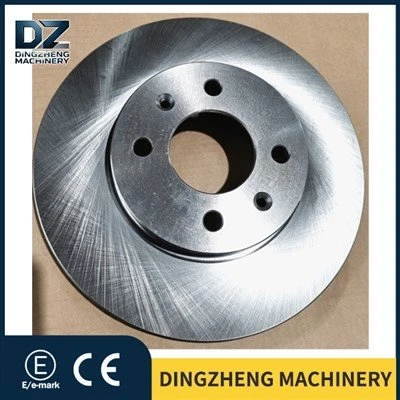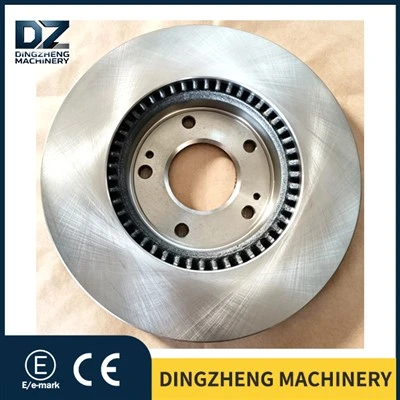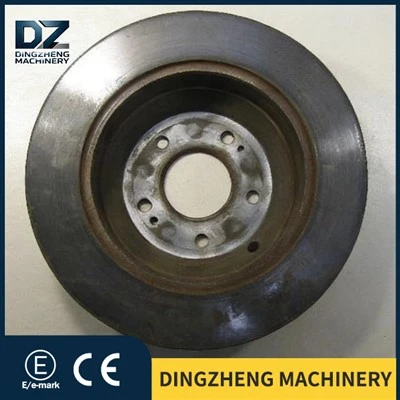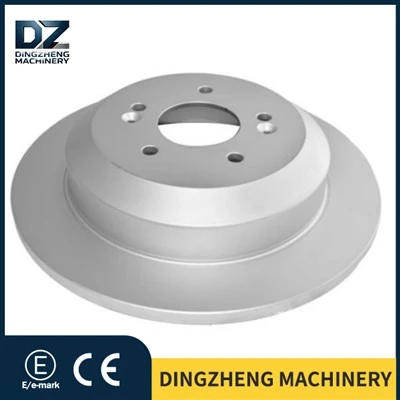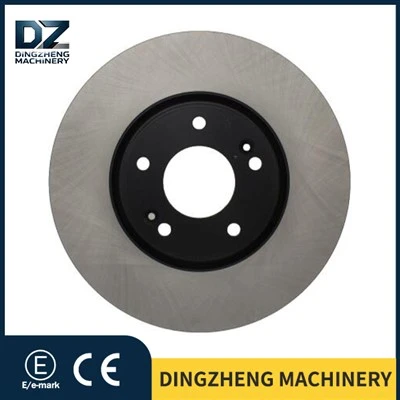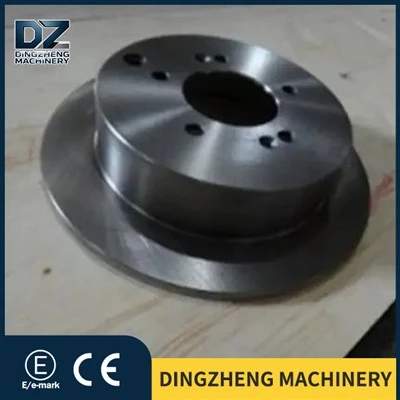

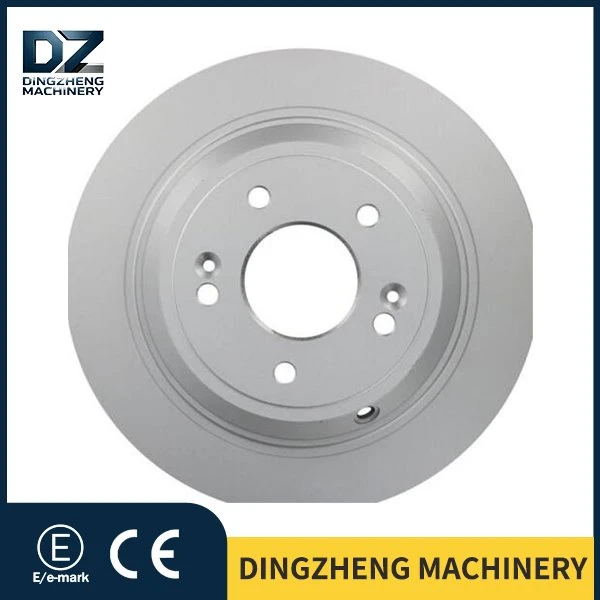
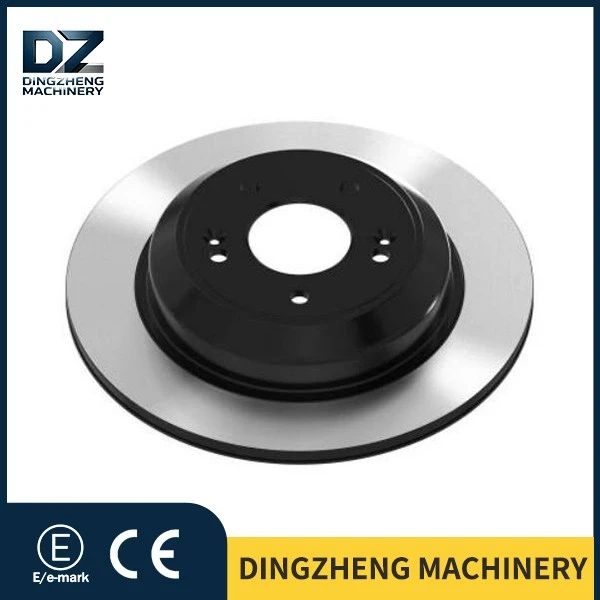
Product Introduction
Our casting workshop has been producing high-end brake discs for 18 years, with our core competitive advantage being the lost-fund vacuum casting process. Unlike traditional sand casting methods, the lost-fund process eliminates the steps of mold separation and mold removal. The dimensional accuracy of the castings can reach Grade CT7, and the surface roughness is Ra ≤ 6.3 μm. The occurrence rate of defects such as porosity and sand holes is reduced by more than 80%. Each batch of molten iron is analyzed using a German SICK direct-reading spectrometer, ensuring that the carbon equivalent is strictly controlled between 3.2% and 3.4%. As a result, the tensile strength of GG20 high-carbon cast iron exceeds 200 MPa, while its thermal conductivity and wear resistance are also outstanding.
After the castings undergo a 36-hour low-temperature aging treatment to eliminate internal stresses, they are transferred to a fully enclosed machining production line. We utilize Mazak CNC lathes; through two stages of precision turning, we can create a mirror-like, directionless texture with a surface roughness of Ra ≤ 0.6 μm. This texture ensures that, during the initial break-in period, the contact area between the brake pad and the brake disc reaches over 95%, resulting in exceptionally fast brake response and virtually no noticeable vibration during the break-in phase.
Product Parameter
|
Location |
Rear Brake |
Diameter |
314mm |
|
Brake Disc Thickness |
13mm |
Minimum Thickness |
11mm |
|
Centering Diameter |
69mm |
Height |
60mm |
|
Number Of Holes |
5 |
Pitch Circle Diameter |
114.3mm |
|
Solid Or Vented |
S |
Weight |
6.62kg |
Car Model


KIA STINGER (CK) 2.0 T-GDI 2017/06-
KIA STINGER (CK) 2.0 T-GDi 4WD 2017/06-
KIA STINGER (CK) 2.2 CRDi VGT 2017/06-
KIA STINGER (CK) 2.2 CRDi VGT 4WD 2017/06-
Reference No.
There are different corresponding codes for the rear brake disc of KIA
|
BLUE PRINT |
ADG043242 |
OE |
58411J5000 |
Surface Treatment
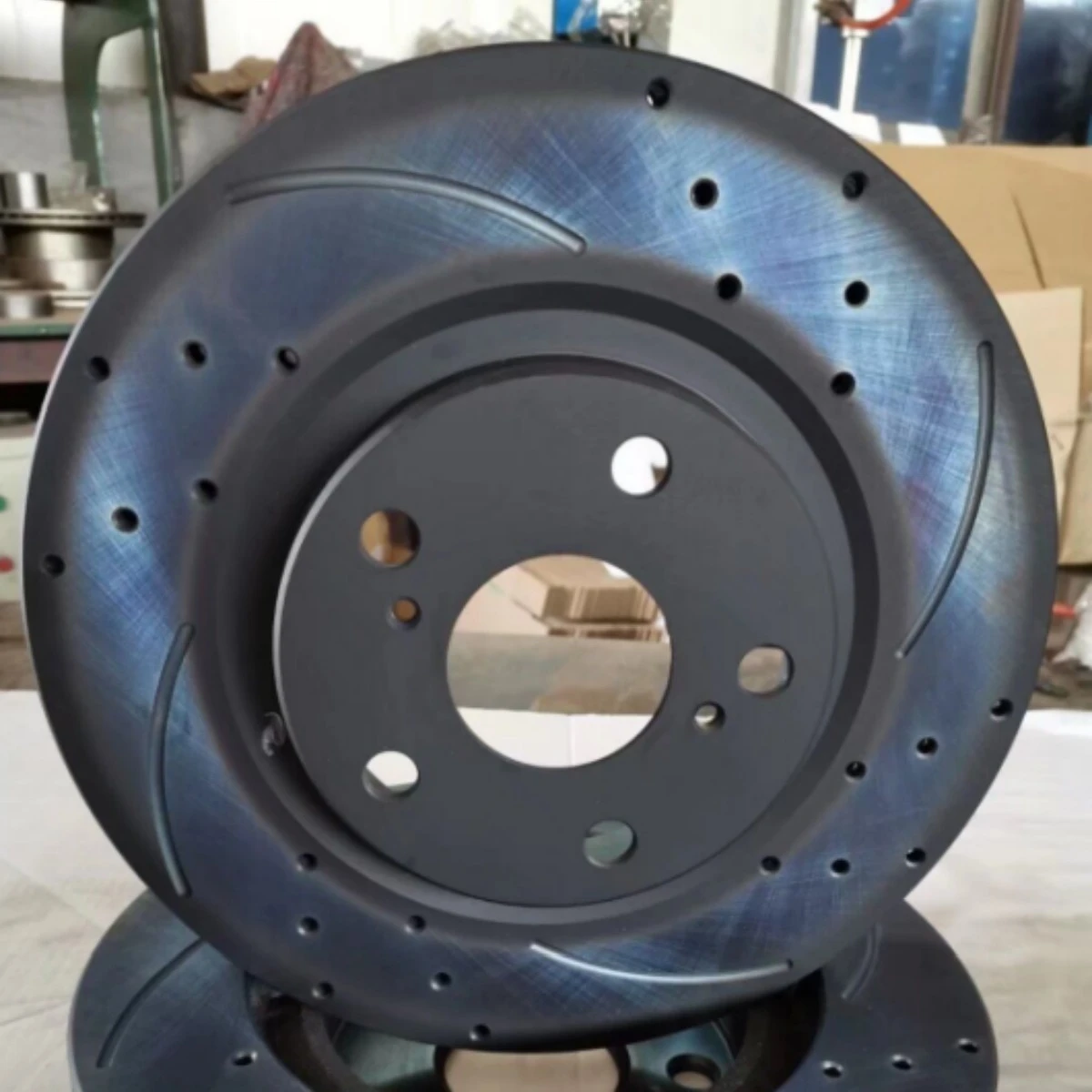
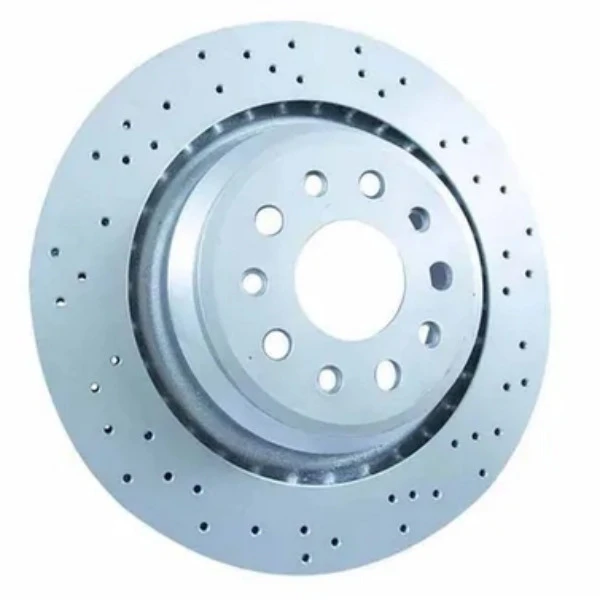
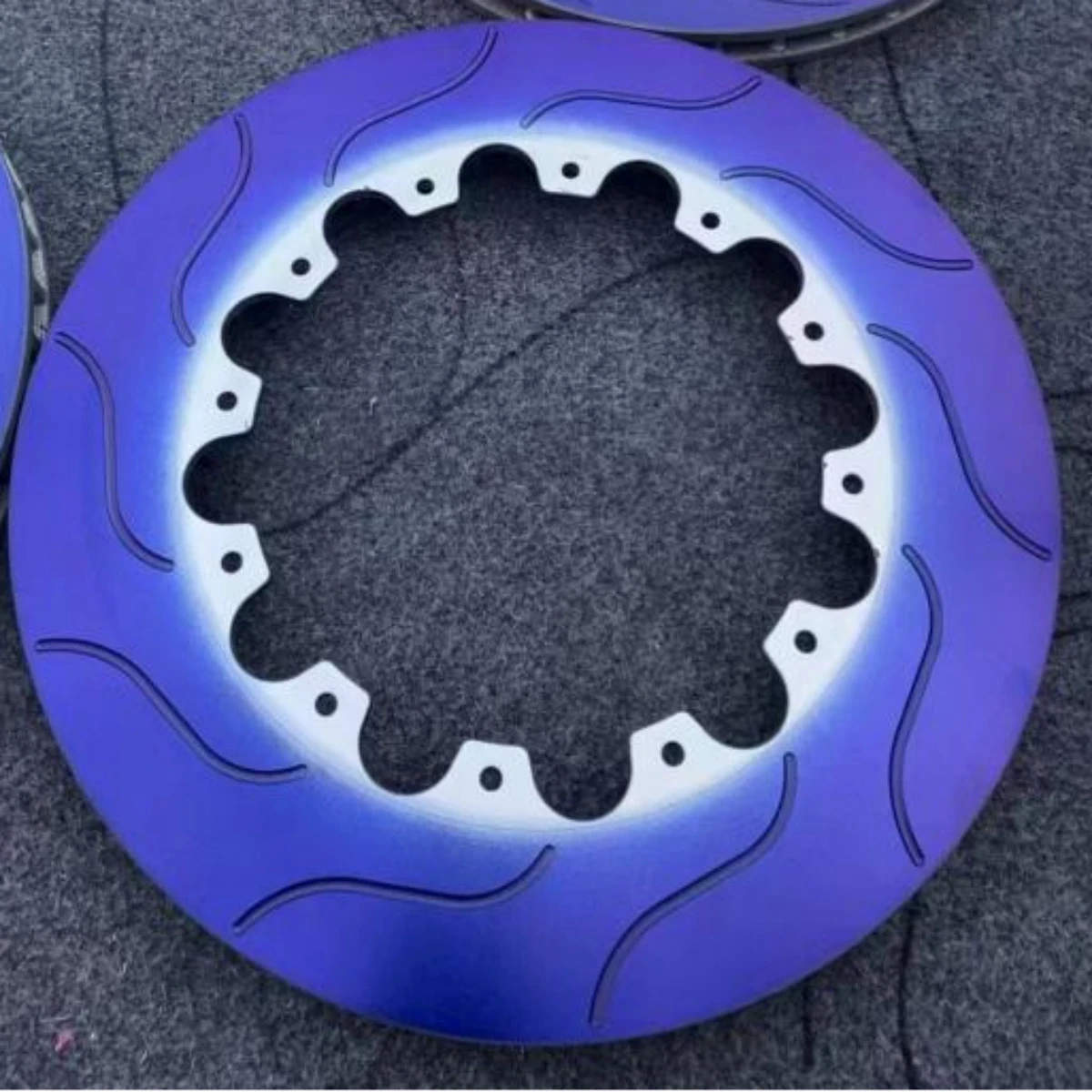
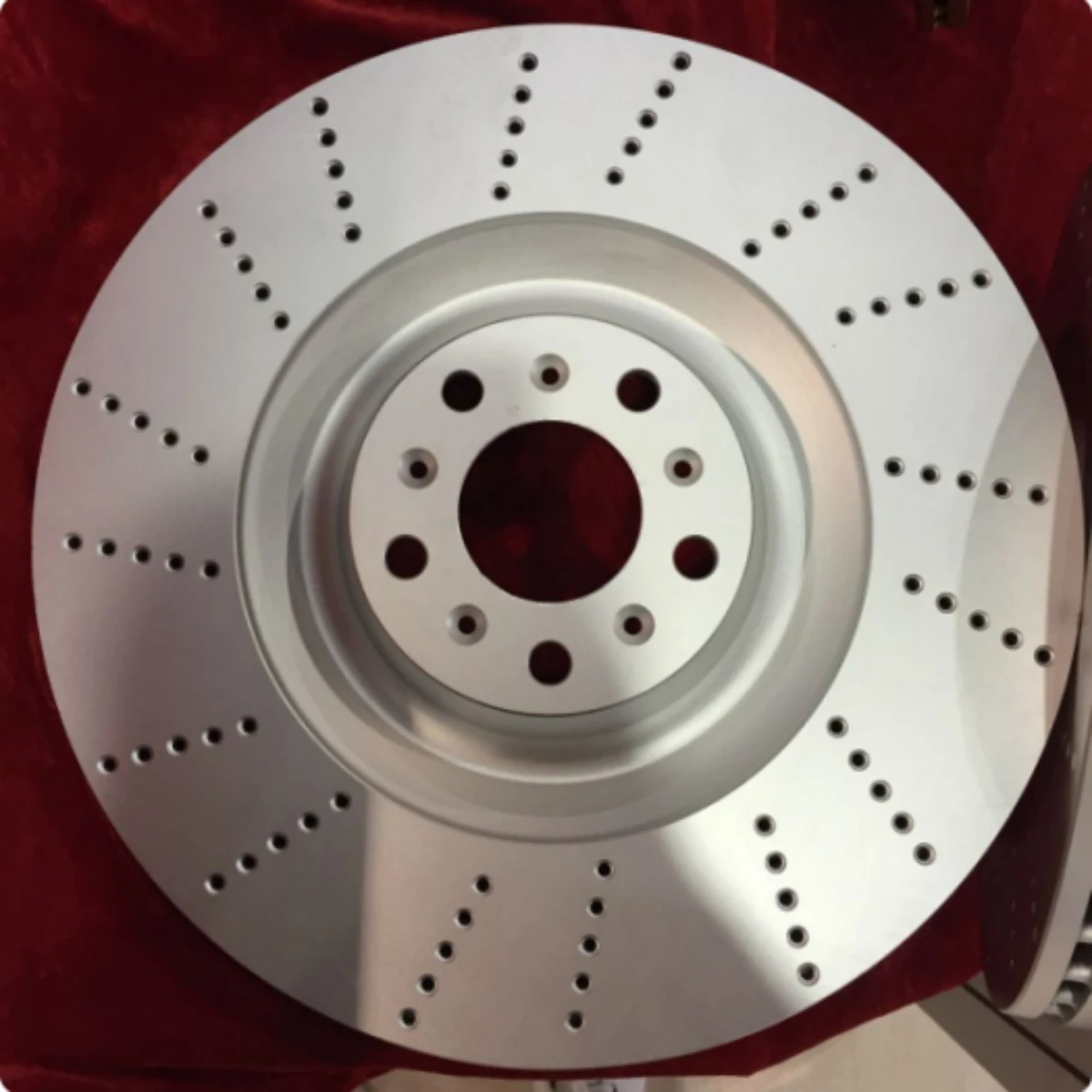
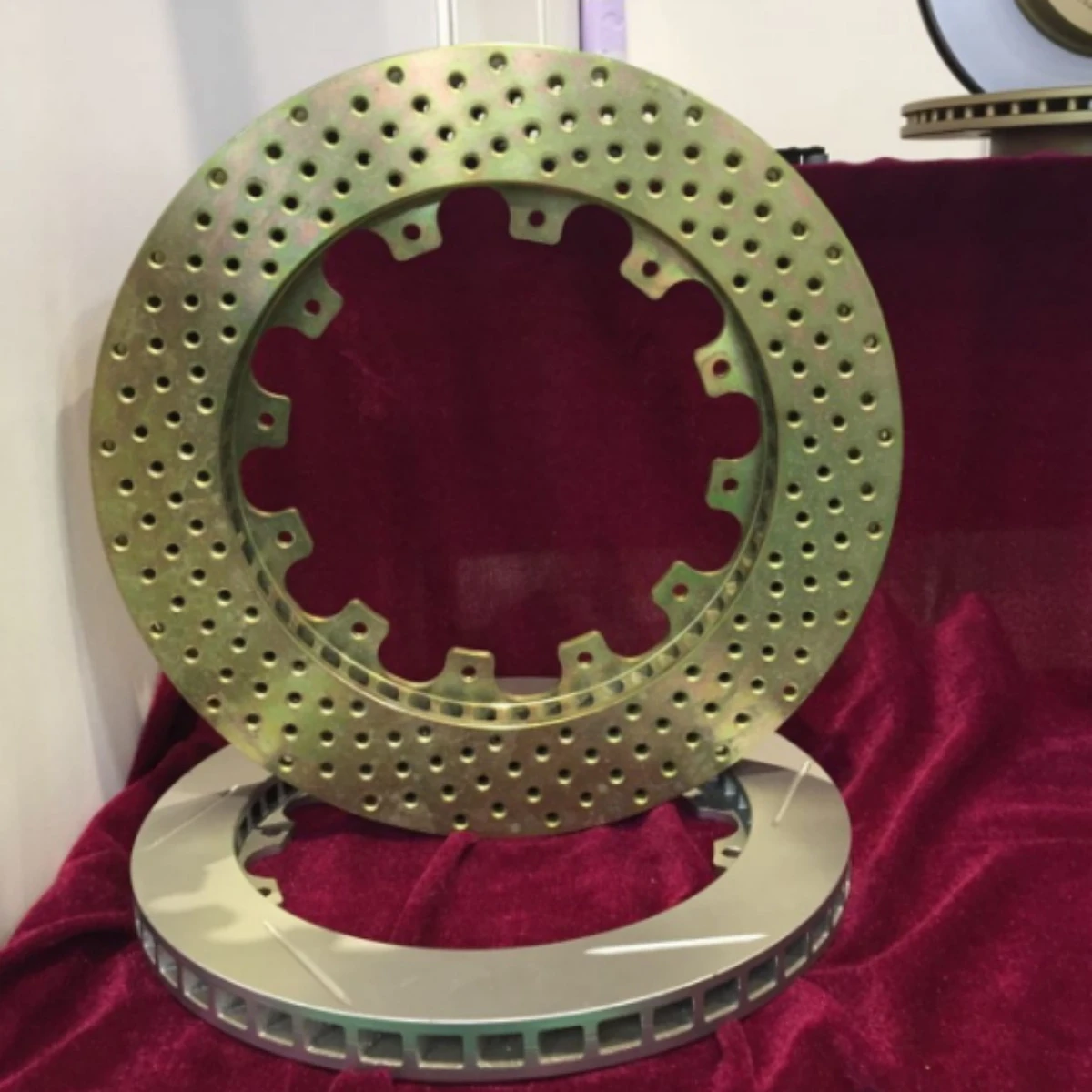

The surface treatmentte chnology for the Rear Brake Disc of KIA STINGER 58411J5000
is undergoing a comprehensive upgrade, with a future focus on enhanced braking performance, reduced environmental impact, and smarter system integration. The industry has transitioned from the traditional anti-rust oil protection era to an advanced technological era represented by laser coating, where different processes each have their applicable scopes and comprehensive benefit considerations. High-quality surface treatment can effectively improve the wear and corrosion resistance of brake discs, extendreplacement cycles, provide more reliable safety protection for vehicles. For end users, understanding these technological differences helps in formulating rational vehicle maintenance plans; for component suppliers, continuous investment in the research and development of surface treatment technology is the only way to maintain a leading position in the fierce market ompetition.
Machining Workshop
Many mistakenly see solid rear brake disc as cost-saving, but it is an engineering trade-off. Front brakes take over 70% of braking force, need ventilation grooves for heat dissipation; rear brakes work for auxiliary deceleration and parking, focus on short-term stability and durability, no need for strong heat dissipation.
Solid disc has no ventilation holes, dissipates heat via material thermal capacity and surface heat transfer. Same size, it has higher energy density and better short-term thermal storage than ventilated disc. It acts as thermal reservoir for frequent mild braking and sudden stops in city, avoids rapid thermal degradation, but requires stricter casting: mold cavity cross-section thickness varies greatly, molten metal must fill cavity quickly, or internal shrinkage voids will cause safety hazards.
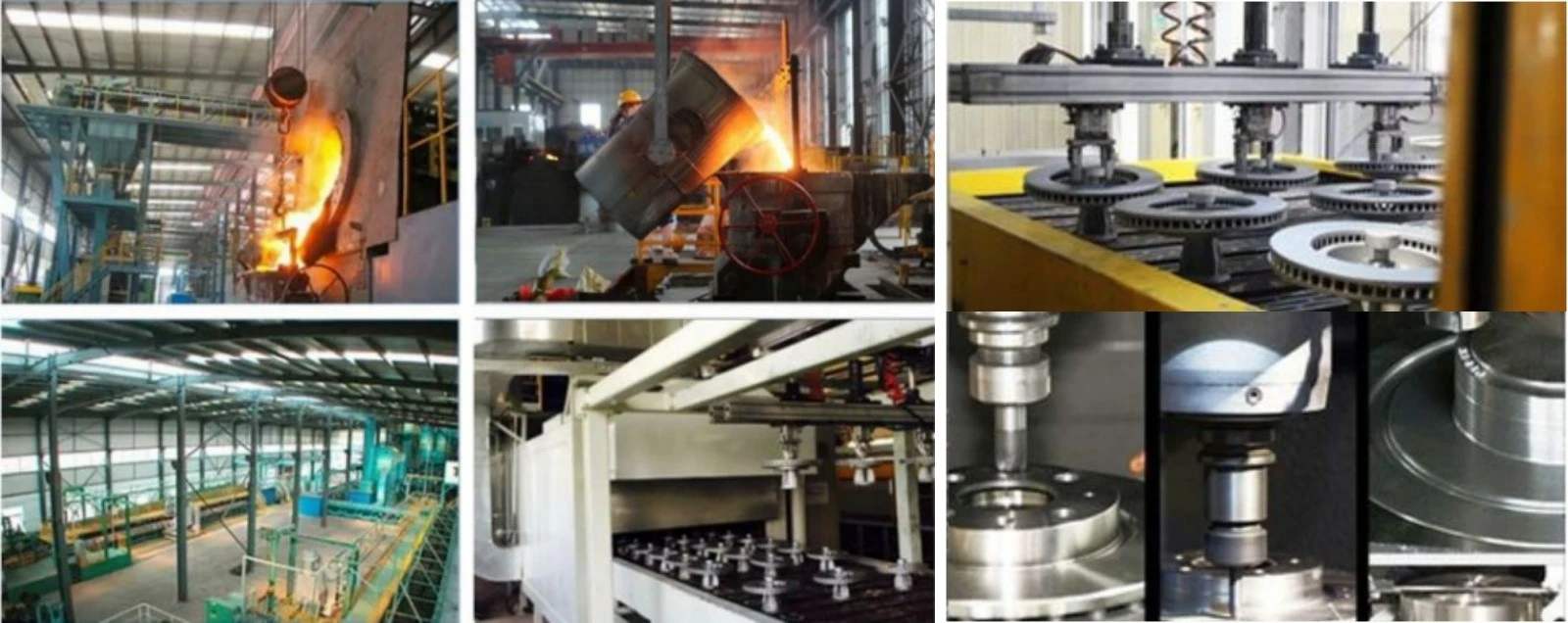
Casting workshop optimizes casting parameters for 13mm thick Kia 58411J5000 solid rear brake disc, uses Danish DISA dual-motor static pressure forming line, controls pouring cycle to the second to keep constant cooling rate.
German direct-reading spectrometer samples every 15 minutes, keeps carbon equivalent of GG25 high-carbon alloy cast iron between 3.3%–3.5%. Adding 0.2%–0.3% chromium and 0.4%–0.6% copper to molten iron enhances pearlite matrix proportion and stability, prevents local thermal softening or hard spots, eliminates brake vibration and abnormal noise.
Castings are held at 550℃ in annealing furnace for 6 hours to release internal stress and prevent deformation. After annealing, crawler sandblasting removes surface oxide scale and adhered sand for later machining.
In finishing, 13mm thick workpiece has less than 6mm machining allowance on each friction surface, which is very challenging. Traditional single-sided clamping cutting causes elastic deformation, leads to excessive parallelism error and brake vibration.
This product uses dual-tower synchronous opposing feed process: upper and lower tool holders cut from opposite sides at the same time, counteracts radial cutting forces, keeps parallelism within 0.03mm, thickness tolerance within ±0.04mm, outperforms industry standards.
After testing, machining path is optimized to generate uniform non-directional dense spiral texture, keeps surface roughness at Ra ≤ 0.8μm, which is optimal: too rough prolongs break-in period, too smooth reduces friction coefficient and increases braking distance.
Through full precise manufacturing process, Kia 58411J5000 solid rear brake disc matches original factory in braking performance and service life, with more competitive price.
Warranty Terms, Shipping Logistics and After-sales Support
Warranty Clause: This clause applies to the KIA Stinger (Model: 58411J5000); the warranty period for the rear brake discs is 80,000 km or 12 months, whichever occurs first. This product has been certified in accordance with Kia's Global Brake System Standard.
Transportation and Logistics Note: The net weight of each KIA Stinger (model 58411J5000) rear brake disc is 5.2 kg; the weight of a set of two brake discs is approximately 11.5 kg. We employ a three-layer protective packaging solution: each brake disc is first placed in a VCI rust-proof bag, then wrapped in 3 cm thick honeycomb cardboard, and finally stored in a custom reinforced corrugated cardboard box containing an air-filled bladder to prevent any movement during transportation.
The standard production and delivery cycle is 25–35 working days from the date of order confirmation. We accept designated freight forwarders appointed by our global customers; please provide the detailed contact information and warehouse receipt number of such freight forwarder within 24 hours after order confirmation.
Each brake disc is marked with a unique laser-specified serial number, enabling traceability back to the specific production batch and the inspecting personnel. The primary quality inspection standards are as follows:
-Diameter tolerance: ±0.10 mm; -Thickness tolerance: ±0.04 mm; -Lateral radial runout: ≤0.04 mm; -Dynamic balancing accuracy: ≤35 g·cm; -Parallelism: ≤0.03 mm. If you identify any manufacturing quality defects in the received KIA Stinger 58411J5000 rear brake disc, please send clear photographs or a video (no longer than 10 seconds) to our after-sales service department. We are committed to providing you with a clear resolution.
FAQ
Q1: Will the rear brake rotors be unable to withstand the load due to insufficient thickness when the Telluride carries seven people plus luggage on the highway?
The solid rotor has a total thickness of 13 mm, thinner than many vented rotors of the same class. However, its greatest advantage lies in material density and heat capacity. Chromium (Cr) and copper (Cu) elements cast into the GG25 alloy matrix increase the pearlite content, preventing local hard spots on the rotor surface under high-temperature thermal cycling during continuous braking.
It works perfectly for daily fully loaded driving or towing small trailers. Bear in mind that all stock rear brake rotors have a physical limit of heat fade during continuous braking on long downhill roads. It is recommended to use engine braking for assistance.
Q2: There is a squeaking noise from the rear wheels when reversing at low speed or driving out with a cold vehicle. Is there a fault with the brake rotors?
In over 90% of cases, the rotors themselves are not defective. The noise usually comes from instant friction between metal particles in the brake pads and the slight rust layer on the rotor surface, which will disappear after a few brake applications. If a persistent hissing sound occurs after off-roading or driving on dirt roads, gravel is most likely trapped in the gap between the pads and rotors. Simply clean the contact surface of the brake pads with carburetor cleaner. If the noise remains after cleaning, measure the rotors with a caliper carefully. Replace the rotors immediately if there are annular grooves deeper than 0.5 mm on the surface or if the thickness has worn down to the 11 mm minimum limit.
Q3: What precautions should be taken when replacing rear brake rotors on vehicles equipped with an electronic parking brake?
For vehicles fitted with EPB (higher trims of Telluride and Palisade), you must retract the rear caliper pistons by activating the service mode via a diagnostic tool before replacing the rear rotors. Prying the calipers or forcing the pistons back will burn out the EPB actuator motor directly. If you do not have a diagnostic tool, you may refer to publicly available online guides for manual EPB release methods for Kia and Hyundai vehicles (usually via specific key combinations). For safety and reliability, it is still advised to have the work done at a professional shop with proper equipment.
Last News
We have established a comprehensive, multi-level quality inspection system that runs through raw material procurement, the production process, and the final finished product. To actively adapt to market changes and exceed customer expectations, the company continuously invests in the research, development, and innovation of new products, deeply integrating green development concepts into our corporate strategy. As an enterprise with a sense of environmental mission, we vigorously promote resource recycling, striving to create more value for customers and contribute to the sustainable development of society while reducing our environmental footprint and optimizing operational costs. We adhere to a people-oriented approach, value employee growth, and are committed to building an open and mutually beneficial development platform.
"Quality and Integrity" have always been the unshakeable foundation of Dingzheng. "Guarding brake safety, protecting every journey, and undertaking corporate social responsibility"-this is the belief and commitment we will always uphold.
Hot Tags: rear brake disc of kia stinger, China rear brake disc of kia stinger manufacturers, suppliers, factory