
Product Introduction
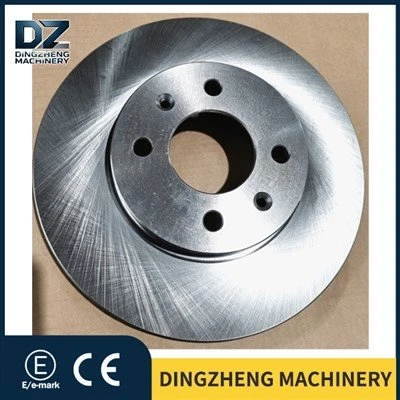
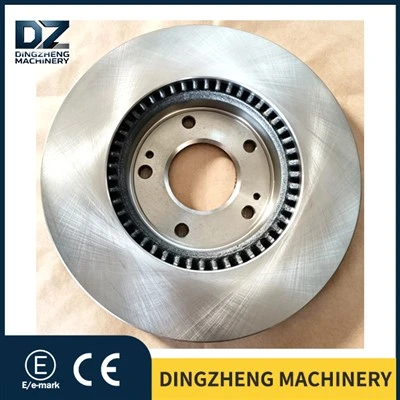
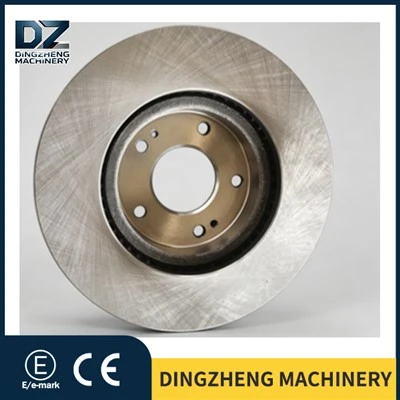
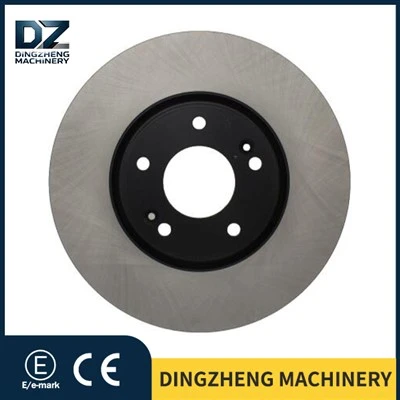
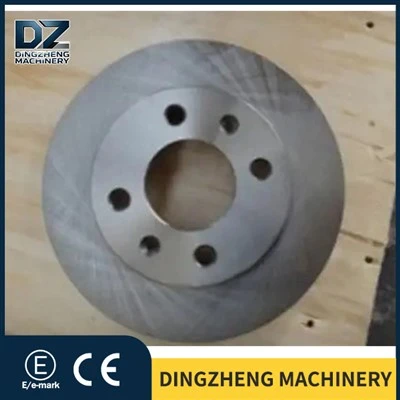
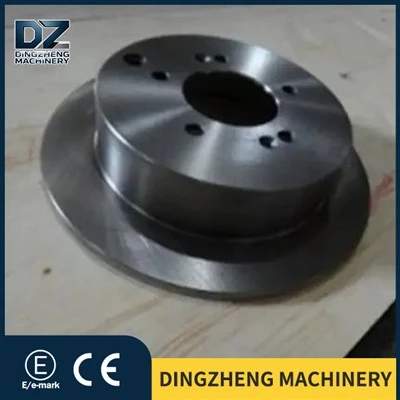
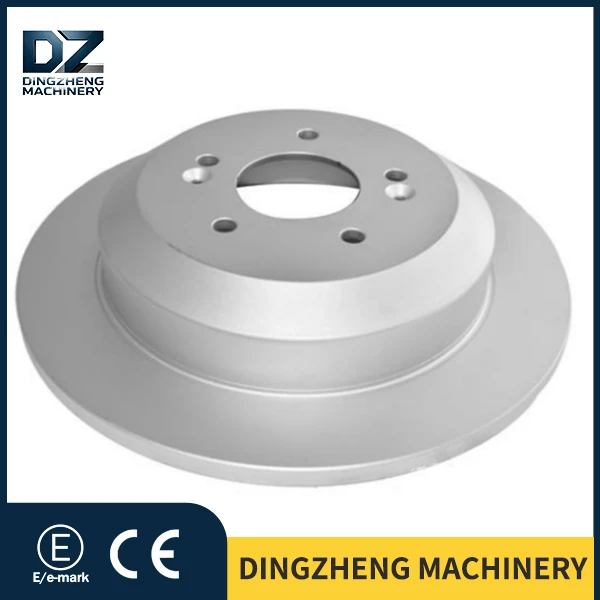
Tailored exclusively for Kia mainstream vehicle chassis layout, the Rear Axle Disc of KIA SEDONA 58411A9100 stands as a high-grade aftermarket alternative built for daily travel, long-distance driving and complex road conditions. For those seeking stable braking output and long-cycle replacement parts for Kia models, this unit delivers solid comprehensive performance with no redundant installation barriers or hidden quality shortcomings.
Developed in full accordance with the original OE specification 58411A9100, this rear axle disc is customized to match dedicated Kia vehicle lines. All overall outline dimensions, fixed aperture layout and assembly fit angle are calibrated to keep consistent with original factory design norms. It achieves seamless docking with the original car brake caliper and brake assembly structure, requiring no cutting, padding or secondary debugging during assembly. Professional maintenance staff and individual car owners can complete the installation process smoothly, greatly lowering adaptation risks and time cost in part replacement.
Product Parameter
|
Location |
Rear Brake |
Diameter |
324mm |
|
Brake Disc Thickness |
13.8mm |
Minimum Thickness |
12mm |
|
Centering Diameter |
69mm |
Height |
66.4mm |
|
Number Of Holes |
5 |
Pitch Circle Diameter |
114.3mm |
|
Solid Or Vented |
S |
Weight |
7.36kg |
Car Model


KIA SEDONA III (YP) 2.2 CRDI 2015-
KIA SEDONA III (YP) 2.2 TD 2015-
KIA SEDONA III (YP) 3.3 2015-
KIA SEDONA III (YP) 3.3 GDI 2014-
Reference No.
There are different corresponding codes for the Rear Axle Disc of KIA SEDONA 58411A9100
|
OE |
58411A9100 |
TRIALLI |
DF 0885s |
Surface Treatment
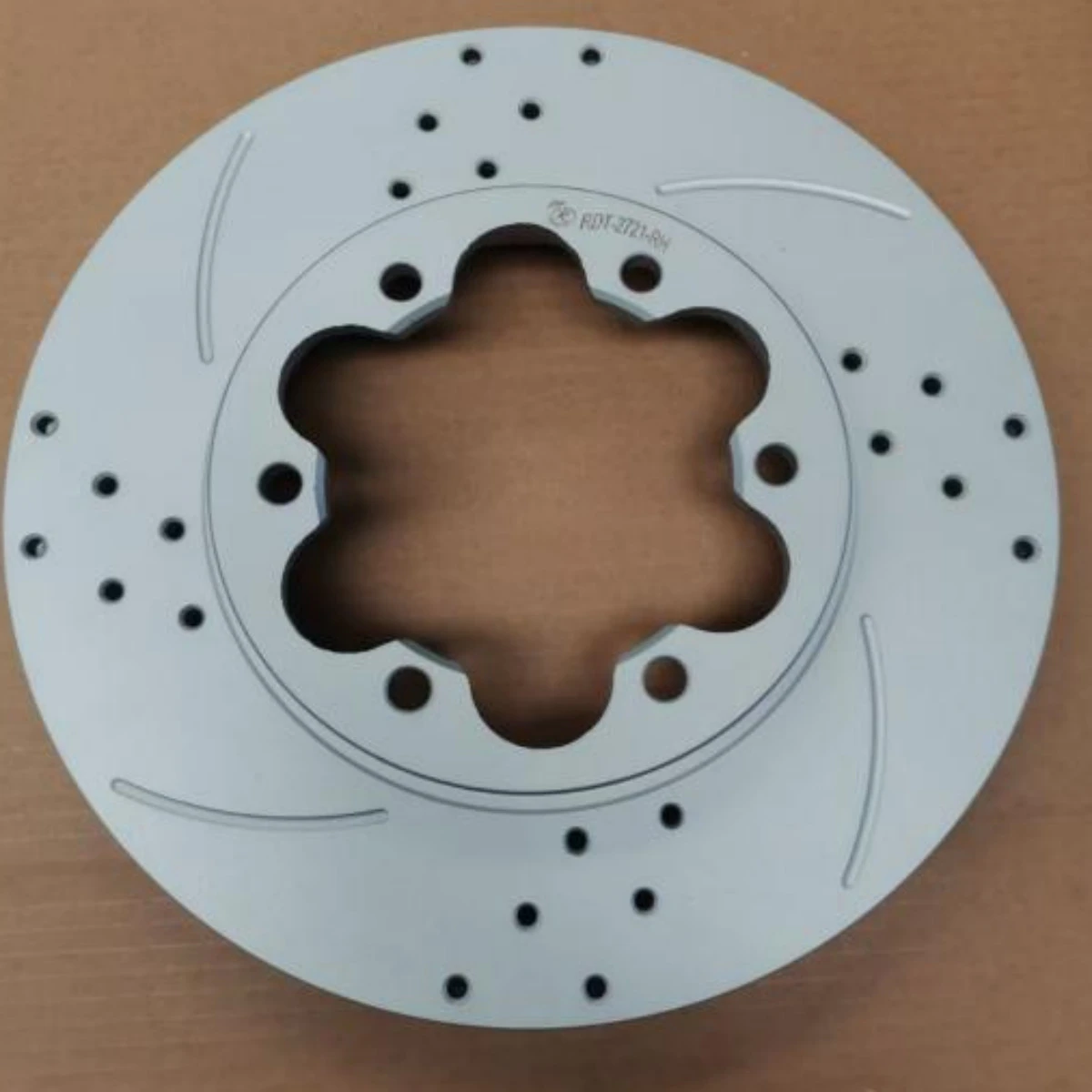
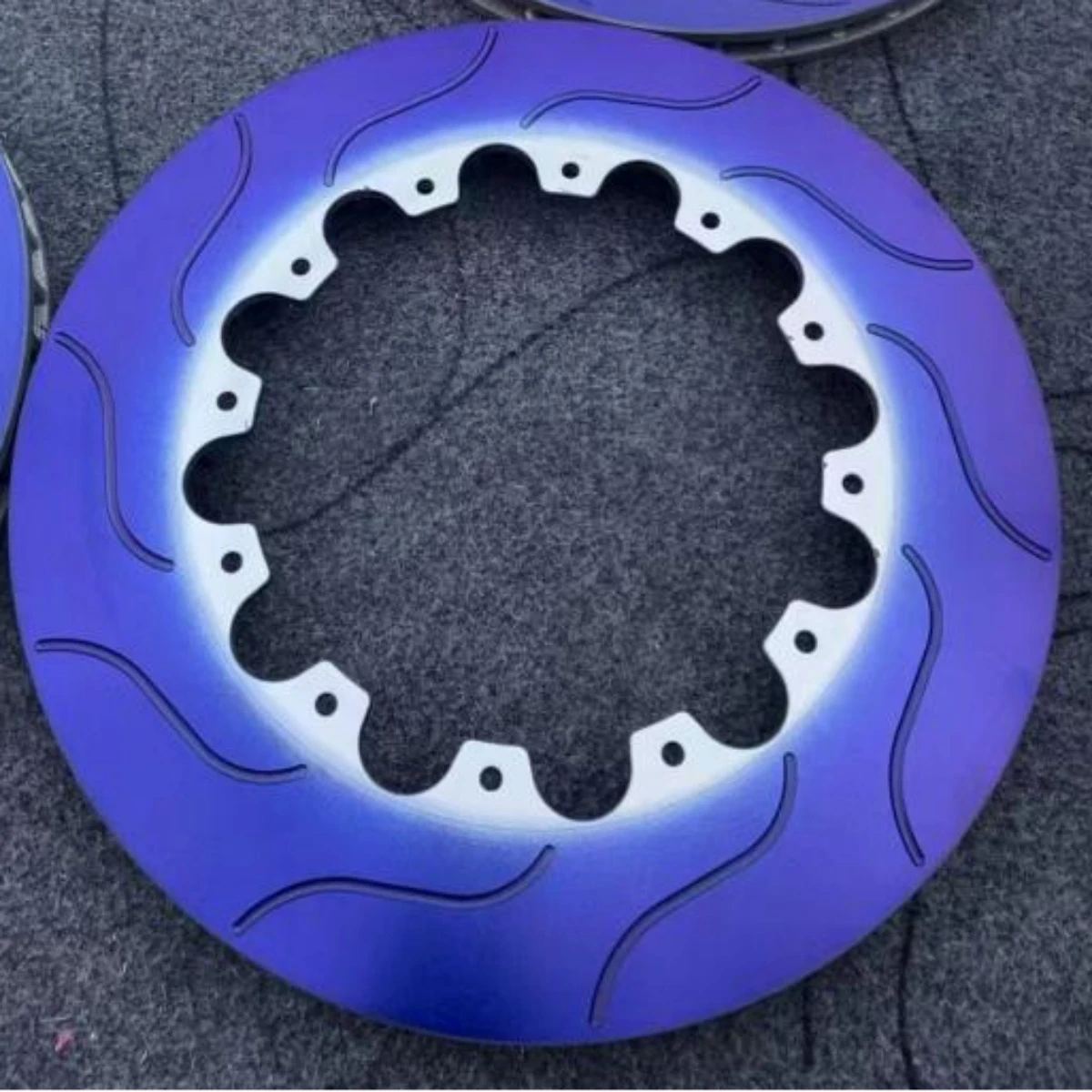
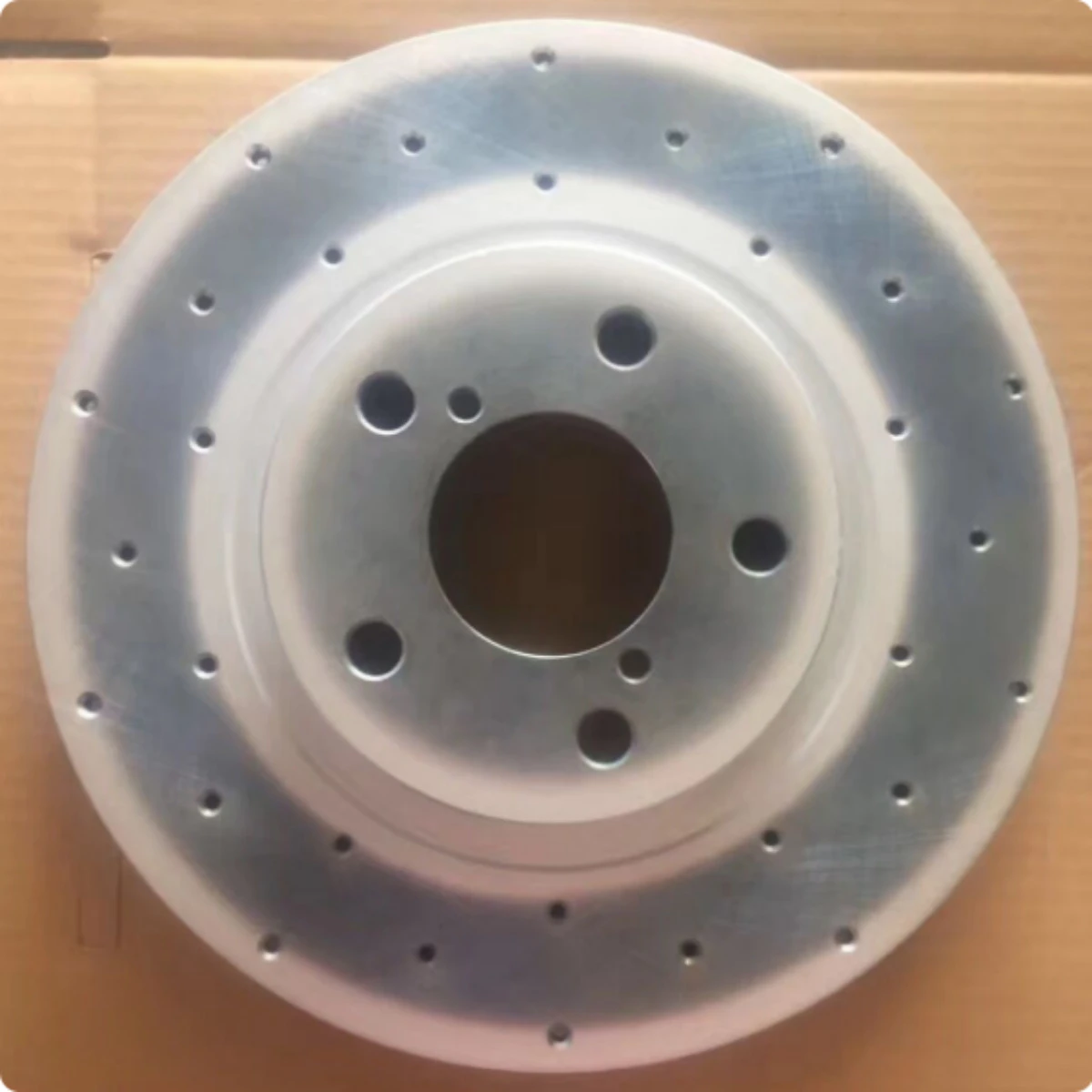
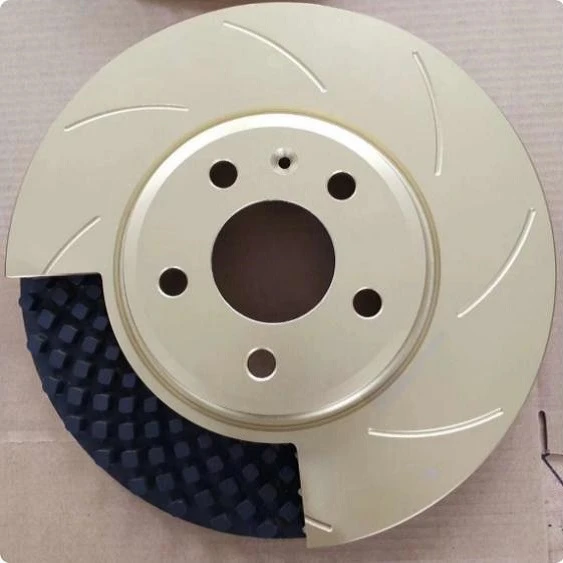
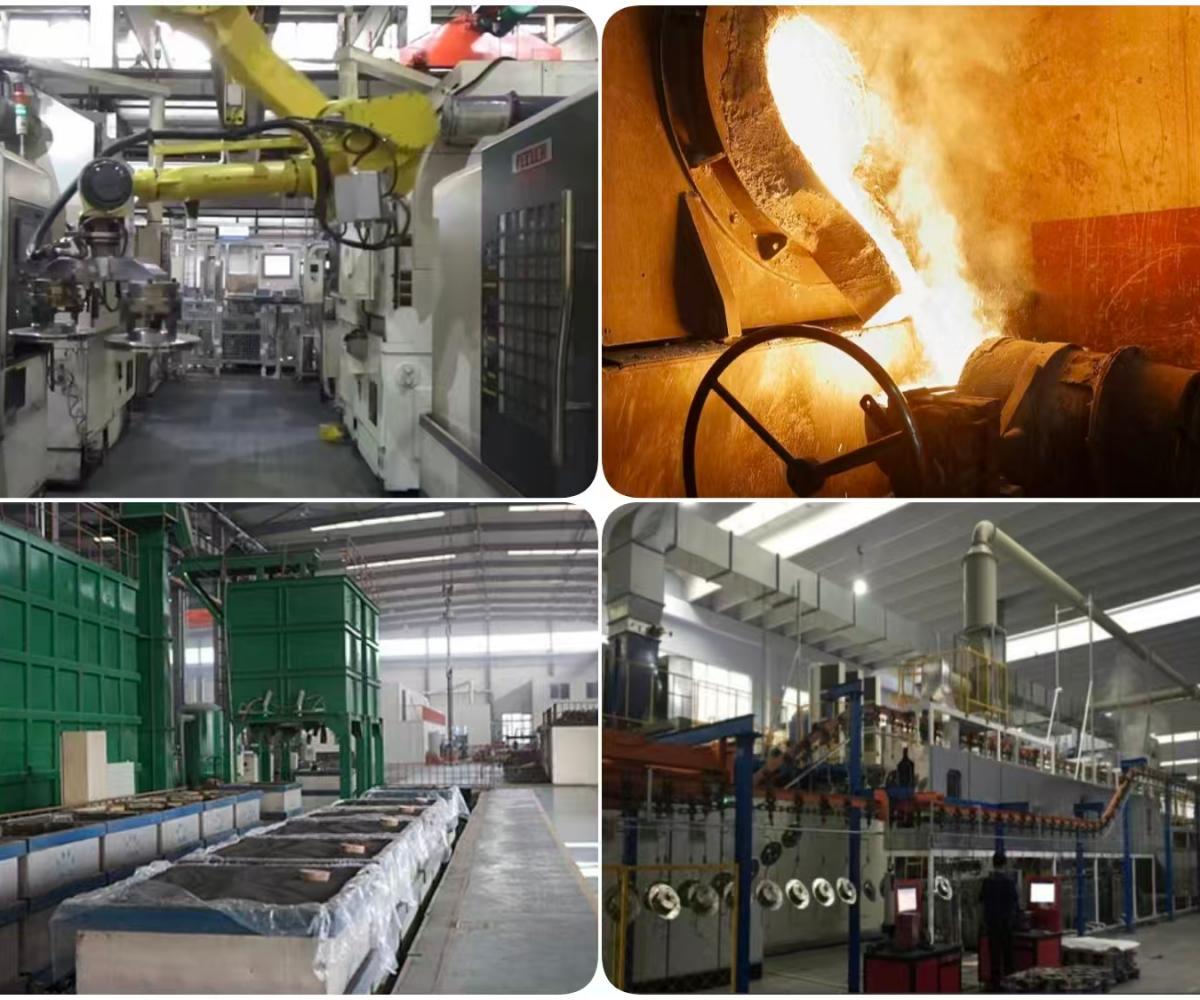
Basic Protection: Building the First Line of Defense Against Time Erosion
Most brake discs are made of cast iron as the base material. Their inherent susceptibility to environmental erosion makes surface protection an indispensable part of the manufacturing process. Rusting is not merely an aesthetic issue; severe corrosion can cause uneven disc surfaces, leading to brake judder and potential safety hazards.
Therefore, modern manufacturing processes first focus on equipping this "metal surface" with a durable protective coating.
The traditional galvanizing process prevents rust by forming a zinc-iron alloy layer, which works especially well in humid environments, yet it has limitations in coating thickness control and high-temperature resistance.
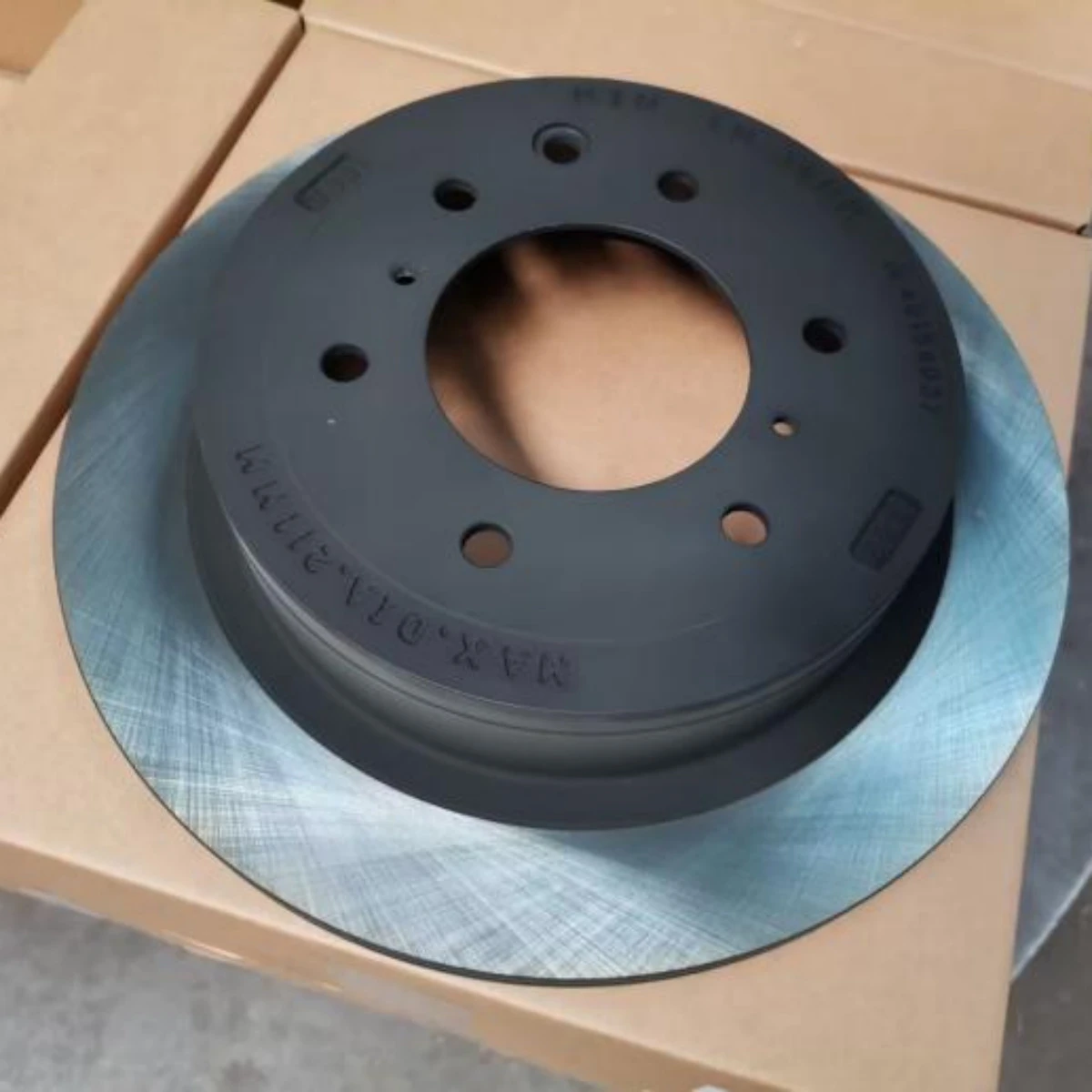
A more advanced and eco-friendly solution is chromium-free zinc-aluminum coating technology such as Geomet. Using water-soluble treatment solutions, it forms a protective film on the brake disc surface composed of multiple layers of micron-scale metal flakes and special inorganic binders.
This coating boasts outstanding corrosion resistance and delivers remarkable performance in stringent salt spray tests. Moreover, free of organic resins, it features excellent high-temperature resistance, achieving a perfect balance between protection and heat endurance.
Another widely adopted option is the Dacromet coating. Based on a zinc-chromium system, it forms a passivation film through chemical reactions, with corrosion resistance 5 to 8 times that of traditional electro-galvanizing.
Crucially, high-quality Dacromet coatings maintain a uniform thickness (typically ranging from 3 to 12 microns) and an appropriate friction coefficient, ensuring long-term anti-corrosion performance while having minimal impact on daily braking efficiency.

8888888888888888888888888
Machining Workshop
The Vein of Intelligent Production Line: The Smooth Interpretation of an Automation Concerto
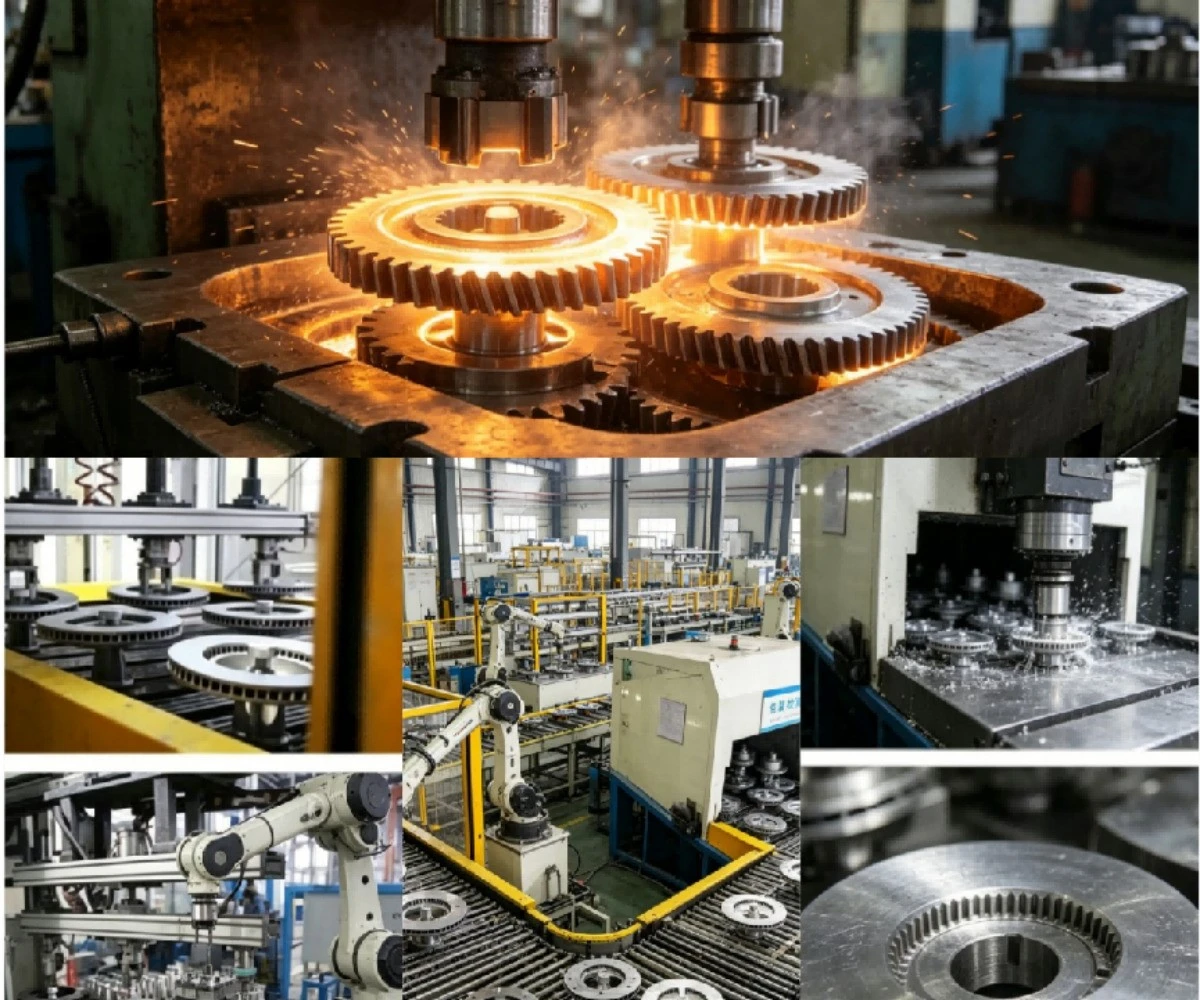
Stepping into such a workshop, you are greeted by a dynamic scene of smart manufacturing. Arrays of intelligent robotic arms act as well-trained "steel dancers", grasping and transferring workpieces at a steady rhythm.
The traditional labor-intensive loading and unloading mode has been completely revolutionized by integrated automatic production lines.
An advanced production line serves as a model of collaborative operation for various special-purpose machines and robots. The process usually starts with a CNC vertical lathe, which establishes the benchmark and shapes the contour of the disk surface.
Subsequently, the six-axis robotic arm precisely delivers the workpiece to the next station - the drilling and tapping machining center, which completes the precision processing of all mounting holes in one go and ensures absolute accuracy of the mounting hole spacing.
After that, the crucial high-speed grinding process performs the final finishing on the friction surface, a core step that endows it with excellent surface integrity and guarantees uniform friction and quiet operation.
All finished products must pass strict inspection and calibration by the dynamic balance tester to maintain stable posture during high-speed rotation and eliminate jitter from its physical root cause.
Finally, the automatic laser marking machine engraves a unique identification code on each product, enabling full-lifecycle quality traceability.
Delivery,shipping and serving

The delivery time
30-45 days from order to shipment.
Warranty
80,000 kilometers or 6-12 months.
Shipping
Customers can choose their own agents for shipment.
Complaint
We can delivery the qualified products or discuss with customer to resolve the complaint well.
FAQ
Q: Does part 432068H701 with ventilated rear brake disc structure suffer from brake fade or excessive disc temperature during daily fully loaded commuting?
A: Abnormal brake fade will not occur. For the first-generation X-Trail T30 and original Koleos, roughly 65% of total braking force is borne by the front wheels per their braking configuration. Factory-fitted rear ventilated discs are engineered to meet heat dissipation requirements under fully loaded SUV conditions and light off-road use. Model 432068H701 is manufactured from chromium-molybdenum modified GG25 high-carbon alloy paired with factory-spec spiral ventilation slots, delivering 45% higher heat dissipation efficiency than generic solid brake discs from no-name brands. Optimized metallographic structure grants it superior thermal deformation resistance versus stock standard cast iron discs. Under regular urban commutes, fully loaded downhill suburban driving and light off-pavement travel, disc surface temperature stays within safe operating limits without soft braking performance or disc warping. Conventional physical brake fade only emerges after prolonged heavy off-roading or repeated hard braking with full vehicle load on downhill stretches longer than 12 kilometers, which does not count as a product defect.
Q: Is immediate replacement required for rust forming on 432068H701 brake discs when driving amid inland Australian dust, winter road de-icing in Russia and rainy Southeast Asian road conditions? How to confirm if replacement criteria are met?
A: Replacement is unnecessary for superficial light surface rust, a common misconception frequently encountered by overseas vehicle owners. Thin yellow surface rust accumulated from vehicle parking can be fully polished off after 3 to 4 consecutive moderate brake applications with zero negative impact on braking performance. Many Russian vehicle owners rush into disc replacement upon spotting yellow oxidized disc surfaces; such discoloration is actually a naturally formed protective film generated by high operating temperatures that slows further deep rust penetration.
Official industry replacement benchmarks apply only when: corrosion pits on disc surfaces reach a depth of 1mm or more, localized wear grooves exceed 0.5mm deep, measured disc thickness drops below the minimum wear limit of 14.0mm, or lateral face runout surpasses the factory-set threshold of 0.05mm. Practical workshop guideline: pre-order replacement parts once disc thickness wears down to 14.8mm to reserve ample clearance for new brake pad bedding-in.
Q: What is the standard periodic maintenance inspection interval for 432068H701? How should inspection cycles be adjusted for severe road environments?
A: For routine driving on paved urban roads, inspect disc thickness, face runout and uniform wear alongside regular vehicle maintenance every 19,000 kilometers. Shorten the inspection interval to every 10,000 kilometers for harsh operating scenarios including high-temperature dusty inland Australia, northern Russian winters with road de-icing chemicals and high salt-spray coastal Southeast Asian regions. All core inspection items comply with original Nissan factory specifications: lateral disc face runout no greater than 0.05mm, no penetrating cracks, and unclogged, undeformed ventilation slots. Clearing dirt and sediment from ventilation slots plus applying high-temperature anti-squeal lubricant to caliper guide pins during each service extends the service life of 432068H701 by approximately 24% and eliminates roughly 80% of low-speed abnormal squeaking issues..
Last News
The current brake disc industry stands at a crossroads of multidimensional upgrading. In terms of materials, carbon-ceramic composite materials are bringing about a revolutionary leap in performance. In terms of safety, regulation and public opinion are correcting the excessive cost-oriented mindset, enabling core components to return to their essential value. In terms of manufacturing, automation and intelligence are reshaping production modes and product forms.
For consumers, this means there will be clearer high-performance evaluation dimensions when choosing vehicles or upgrading components in the future. For industry participants, it marks the end of an old era: the period relying merely on price competition is fading away, and an in-depth competition centered on core technology, safety credibility and intelligent manufacturing capabilities has officially begun. Those who seize the initiative in the integration of materials, safety and intelligence will set the standards for the next-generation braking systems. After all, no matter how automobiles evolve, what keeps us safe at a standstill is always the reverence for physical laws and the persistence in exquisite craftsmanship.
Hot Tags: rear axle disc of kia sedona, China rear axle disc of kia sedona manufacturers, suppliers, factory