
Product Introduction
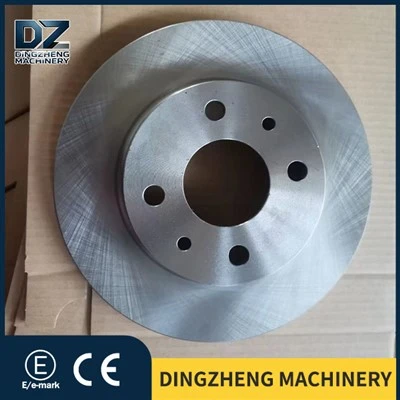
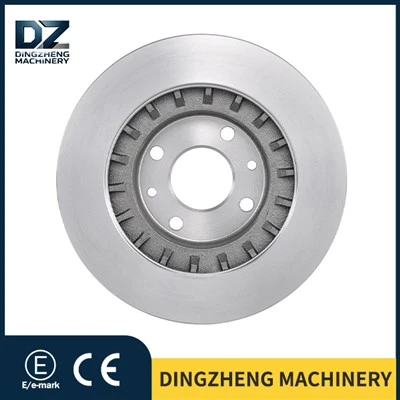
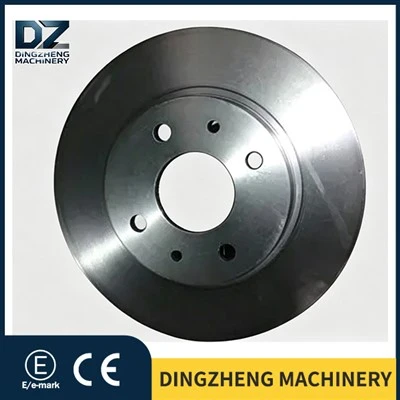
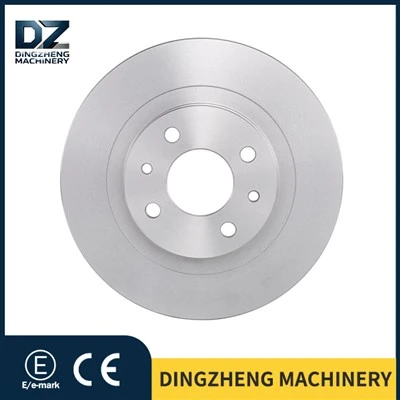
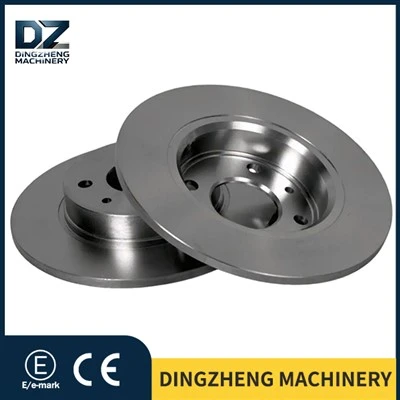
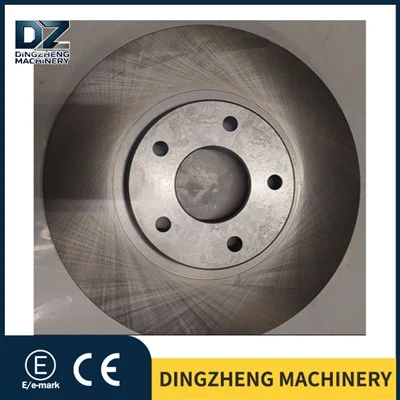
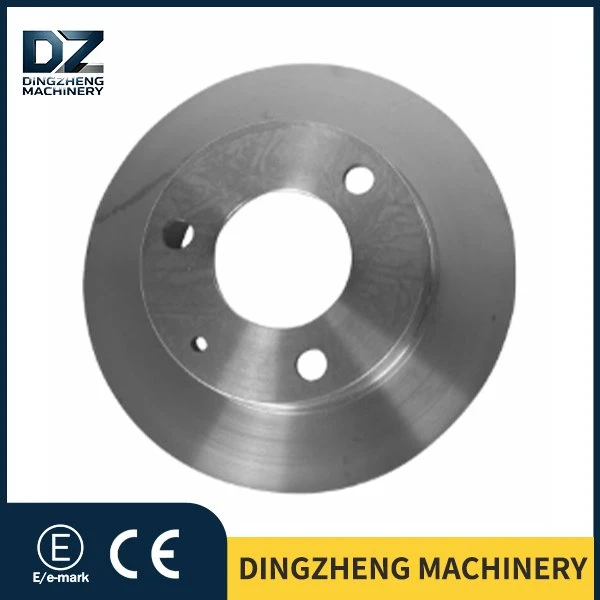
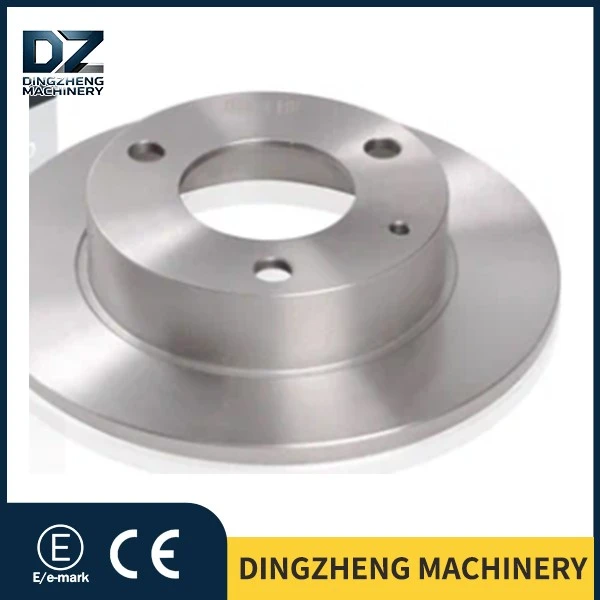
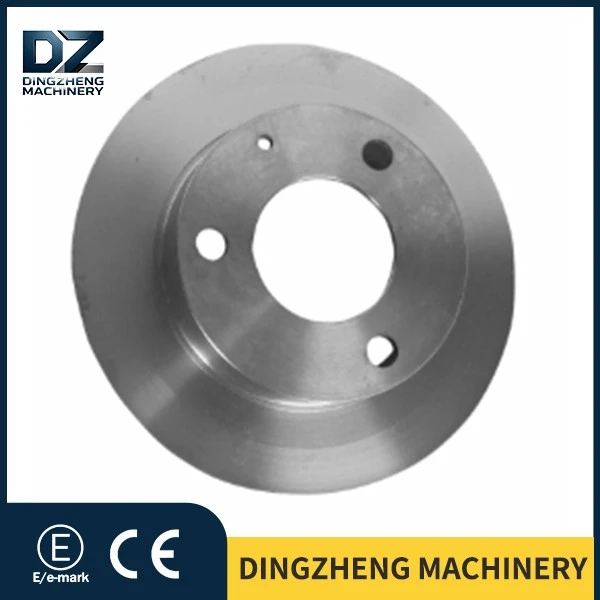
Veteran procurement professionals in the Russian and CIS markets know exactly what I'm about to tell you! The Lada OKA's compact two-door micro-car may seem small in size, but its brake system components must be matched with absolute precision-no room for error! For this Lada OKA front brake disc, the corresponding OEM part number is 1111-3501070; it is a replacement part specifically engineered for the front axle of VAZ-1111 series models! First, let me outline its compatibility range: this brake disc is perfectly compatible with Lada OKA models such as the 1111,11113, and later 11116 models featuring a front-disc/ rear-rotor braking layout; it can be installed on either left or right front wheel without any issues! Each disc weighs approximately 3.2 kg, has an effective friction diameter of 190 mm, a total thickness of 12 mm, a PCD (Pitch Circle Diameter) of 4×98 mm, and a center bore diameter of 58.6 mm. All dimensions have been precisely measured and calibrated against the original OEM drawings; once installed in the vehicle, no additional machining is required-brake calipers, brake pads, and wheel hub bearings all match their original positions directly-making the installation process incredibly hassle-free! Many customers ask: "Why does installing these same OKA brake discs sometimes cause the steering wheel to shake abnormally?" Hehe-the core issue lies in the thickness variation and lateral runout! Every single piece of our OE 1111-3501070 brake disc undergoes double-sided precision grinding before leaving the factory; the thickness variation (DTV) is strictly controlled within 0.009 mm, the lateral runout is ≤ 0.05 mm, and the surface roughness (Ra) is ≤ 1.6 μm! What does such high precision mean? Of course, once installed in the vehicle, the steering wheel remains perfectly stable when braking on the highway, and the brake pads wear more evenly-there's no need to worry about the frustrating issue of uneven pad wear! We have also invested significant effort into the material selection: we use genuine HT250 gray cast iron, with the carbon equivalent controlled between 3.8% and 4.1%, and the pearlitic matrix accounting for no less than 95%. This ensures both a stable braking friction coefficient and optimal heat fatigue resistance! The OKA weighs less than 700 kg, so the load on the front axle is not particularly heavy; however, road conditions in Russia during winter are notoriously poor, and frequent braking is quite common! With such a solid foundation, the brake disc is less prone to developing hot spots, cracking, or failure-making it a reliable choice for use.
Product Technical Parameters
|
Location |
Front brake |
Diameter |
301mm |
|
Brake Disc Thickness |
9mm |
Minimum Thickness |
7mm |
|
Centering Diameter |
62mm |
Height |
40.7mm |
|
Number Of Holes |
3+1 |
Pitch Circle Diameter |
98mm |
|
Solid Or Vented |
S |
Weight |
2.2kg |
Compatible Vehicle Models
The Front brake disc for LADA OKA 1111-350107 is compatible with a wide range of cars, as follows:

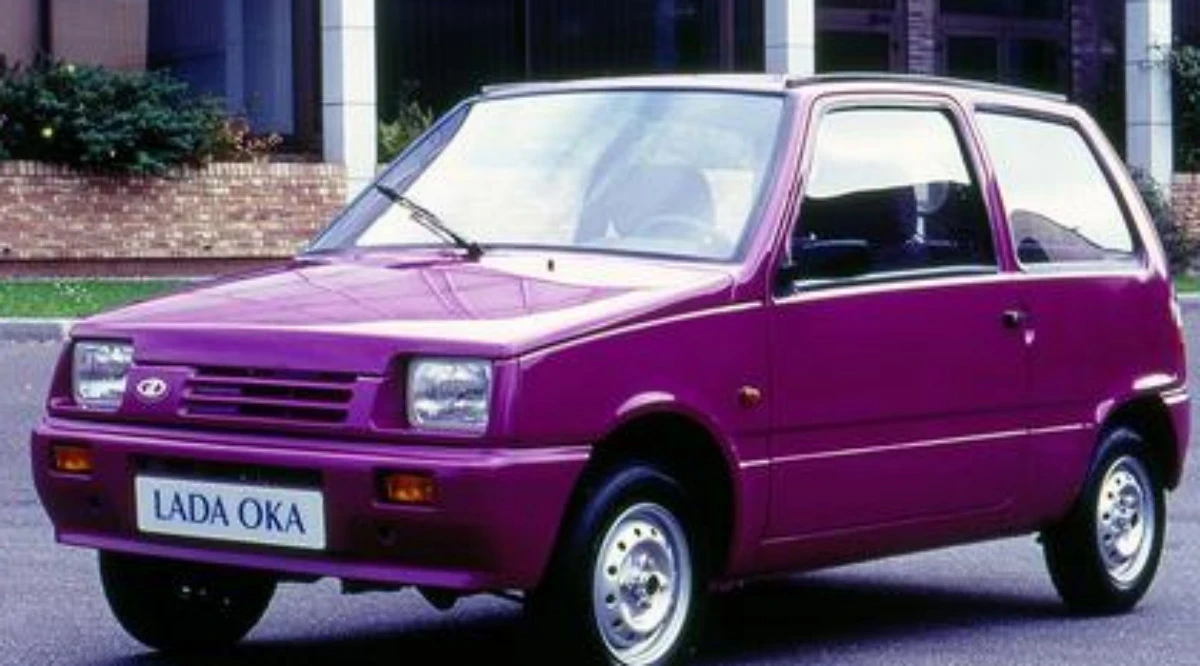
Lada (Imported) OKA (1111_) 1.0 (11116); 2004–2008;
Lada (Imported) OKA (1111_) 1.1; ASTRO (11301); 2002–2006;
Lada (Imported) OKA (1111_) 1.1; ASTRO (113011); 2006–2007
Cross Reference Part Numbers
The Front brake disc for LADA OKA 1111-3501070 corresponds to several different codes
|
Reference number |
OEM |
||
|
TRIALLI |
DF 110 |
OE |
1111-3501070 |
|
FENOX |
TB2111O3 |
OE |
11110-3501070-00 |
|
OE |
1111-3501070-10 |
Surface Treatment & Product Styles
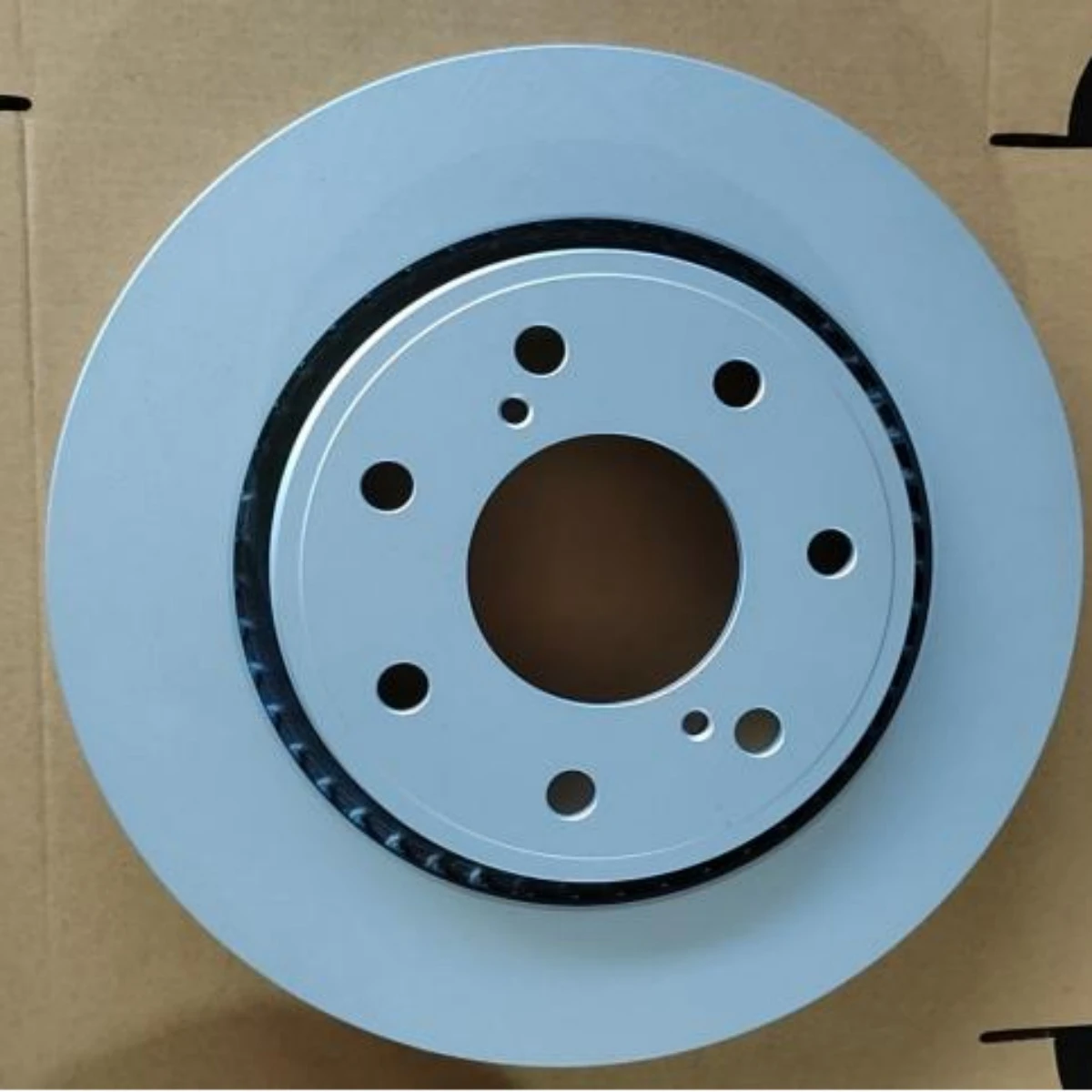
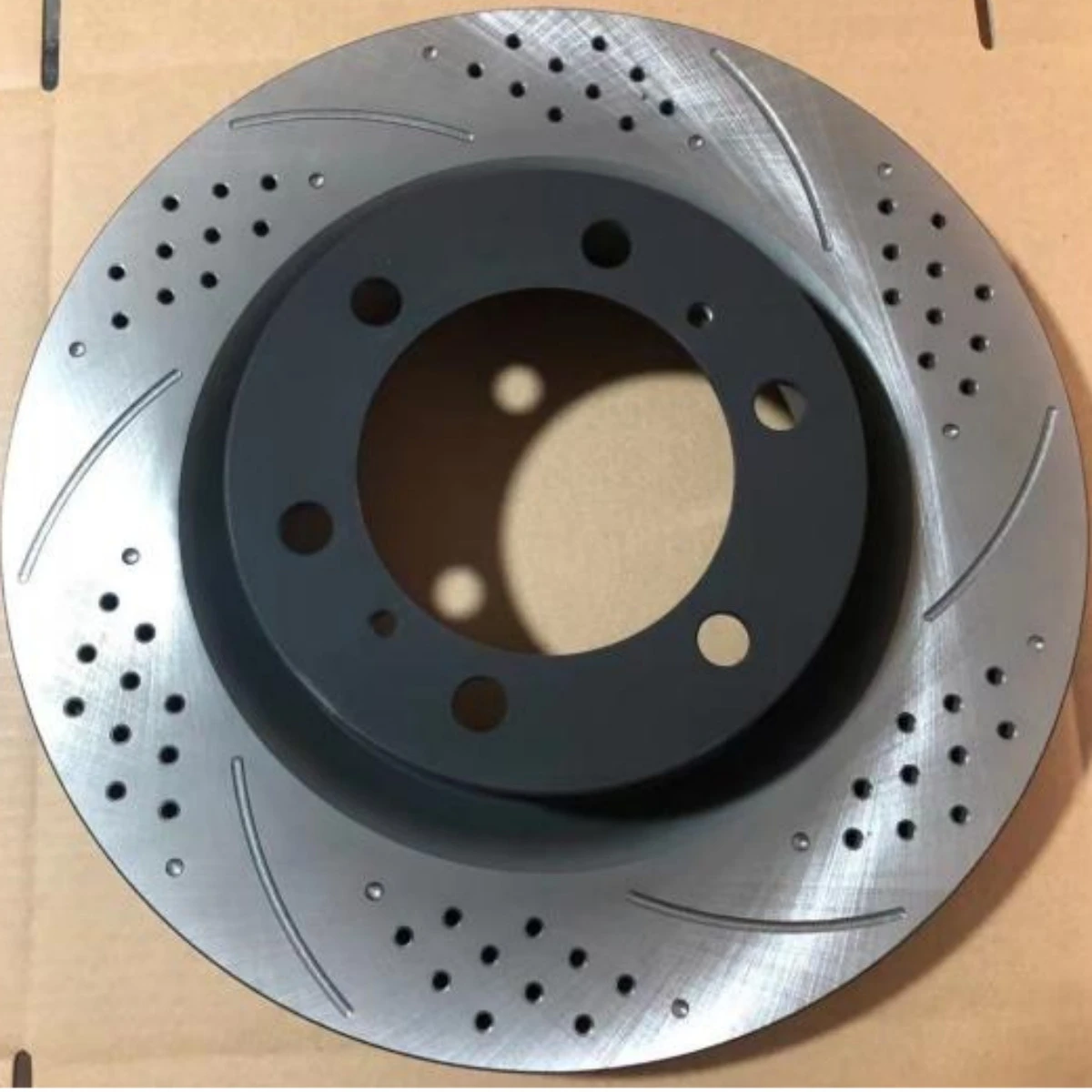
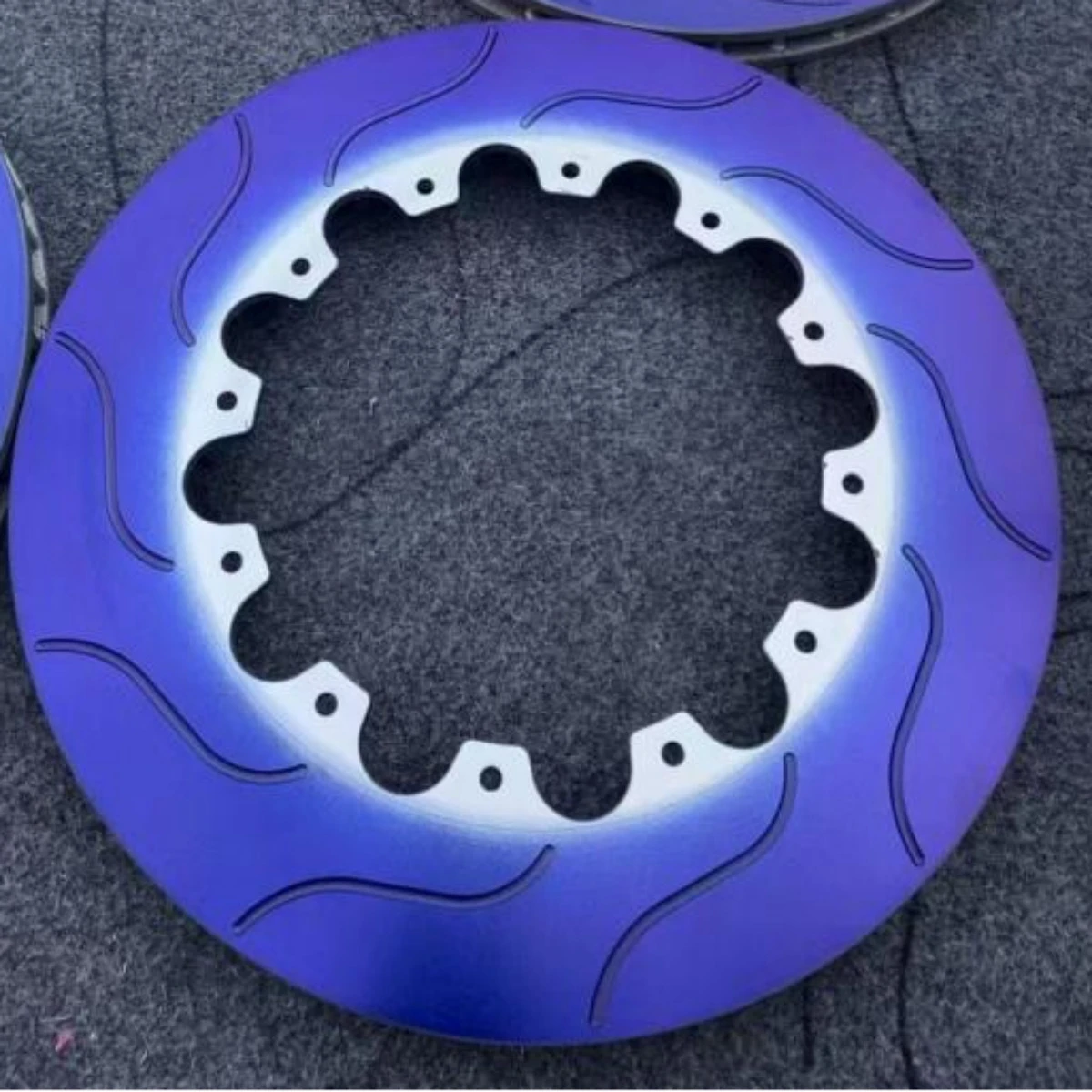
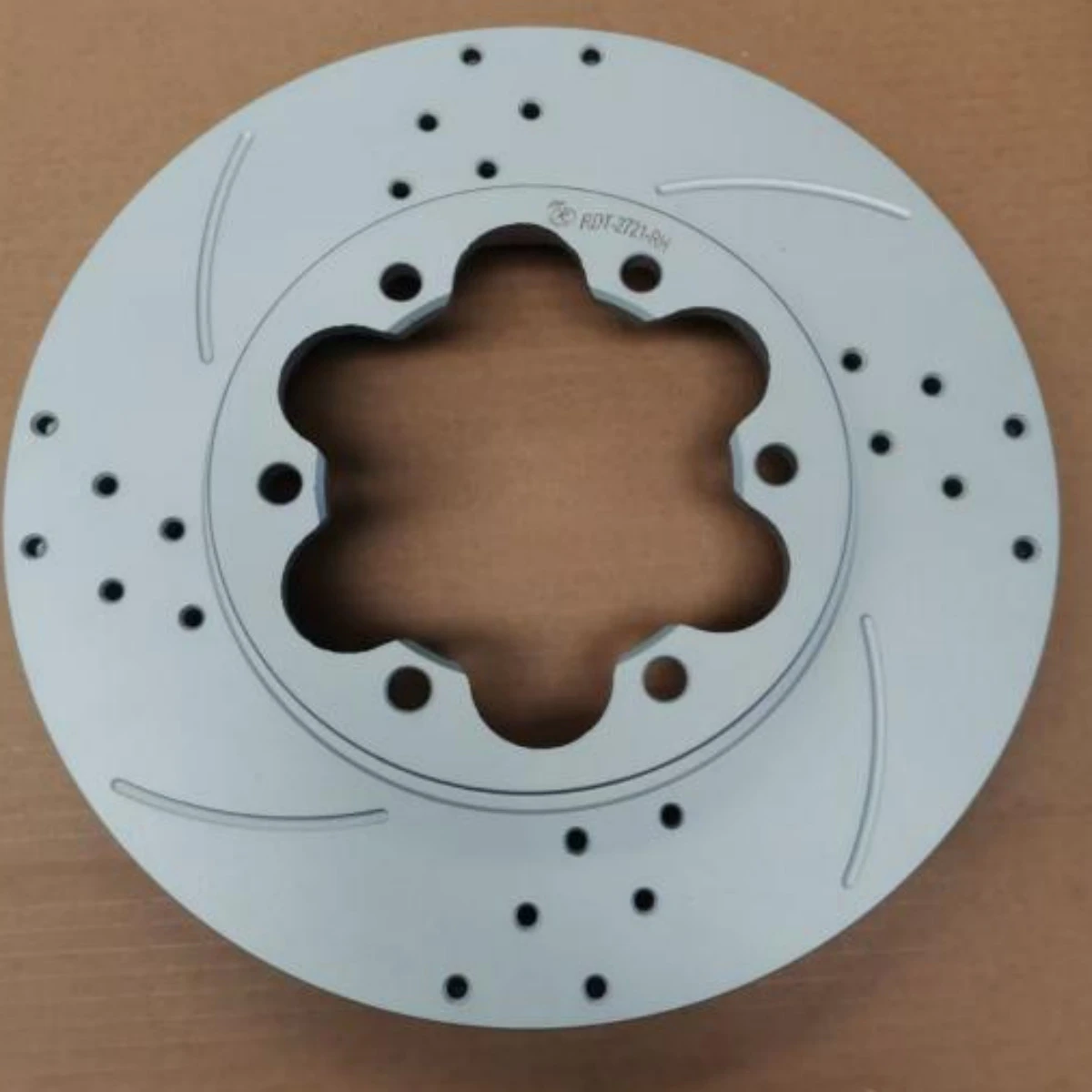
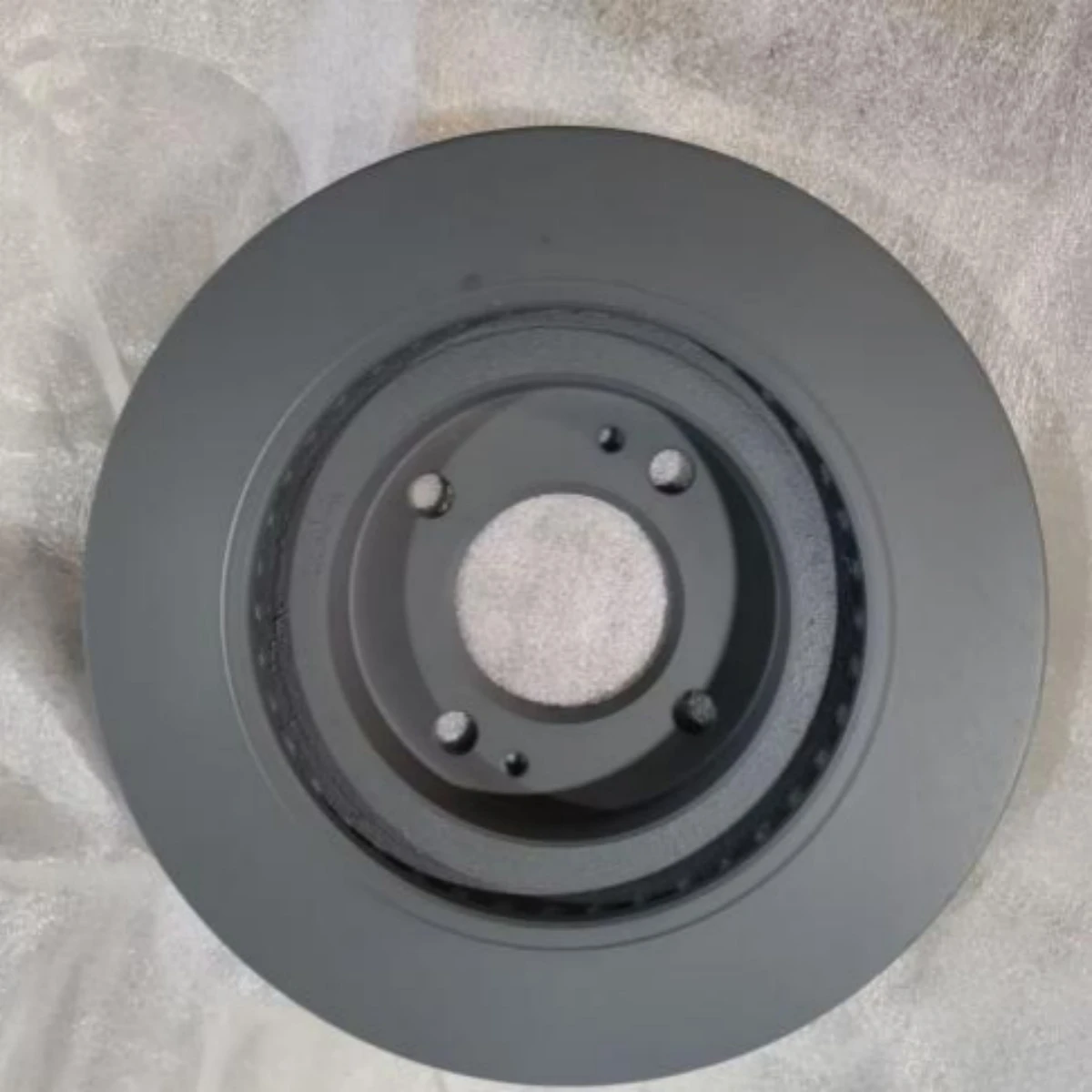
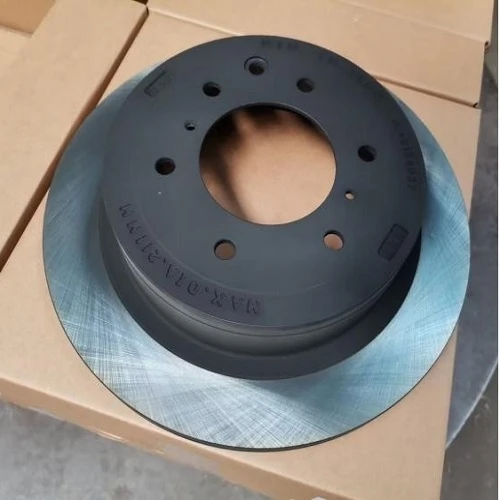
Brake discs often take anywhere from 30 to 40 days to arrive via sea freight, and may remain at overseas warehouses for several more months; if the anti-rust treatment is inadequate and rust forms on the disc surface, the customer will simply return the product upon unboxing-resulting in losses not only in payment but also in brand reputation. For the anti-rust treatment of the front brake discs for the Lada OKA, we employ a three-layer coating system rather than simply applying a single layer of paint.
First layer: Phosphating primer. Before spraying, the workpiece undergoes oil removal, pickling, water rinsing, and surface conditioning; it is then transferred to a zinc-calcium phosphating tank, where the phosphating film thickness is controlled at 8–12 μm. The purpose of this layer is to "lay a foundation" for the cast iron surface, enhancing the adhesion of subsequent coatings, while the phosphating film itself provides inherent rust prevention properties. Our phosphating bath parameters are as follows: total acidity is maintained at 22–26°, free acidity at 1.2–1.6°, bath temperature at 35–40°C, and immersion time at 8 minutes. These parameters were not determined arbitrarily but were finalized through hundreds of salt spray comparative tests, identifying an optimal process window.
Second layer: epoxy-rich zinc primer. After phosphating, apply a layer of epoxy-rich zinc primer with a dry film thickness of 20–25 μm. The zinc powder in the coating serves as a cathodic protection layer; even if a minor scratch occurs during surface transportation, the zinc will oxidize first, thereby protecting the cast iron substrate from rusting. The curing conditions for the primer are 160°C heat treatment for 20 minutes; the adhesion of the cured primer is tested according to the grid test method specified in GB/T 9286, and it must achieve Grade 0, meaning that no peeling occurs at the edges of the test grid.
Third layer: Acrylic topcoat. The outermost layer is a silver-gray acrylic topcoat with a dry-film thickness of 15–20 μm; its primary functions are weather resistance and aesthetic appeal. For this layer, we specifically selected a low-gloss formulation, with the gloss level controlled at 30–40 GU; once installed on the vehicle, it will not appear overly shiny or dazzling, while closely replicating the texture of the original factory parts.
The total coating thickness across all three layers ranges between 43–57 μm. After completion, samples are placed in a salt spray test chamber and subjected to continuous spraying according to the GB/T 10125 "Neutral Salt Spray" standard: after 96 hours, the surface must show no red rust; after 120 hours, the edges must show no bubbles. What does this data signify? In general, automotive parts manufacturers consider their products satisfactory only after achieving 48-hour performance; however, we have achieved 96 hours of performance, specifically designed to withstand the corrosive conditions caused by road de-icing salts during the winter in Russia.
There is another detail: the friction surfaces of the vehicle are not painted; however, we will apply a peelable anti-rust protective film to these surfaces. During installation by the customer, they simply peel off the film-this process will not affect the initial braking break-in period.
Production & Machining Workshop
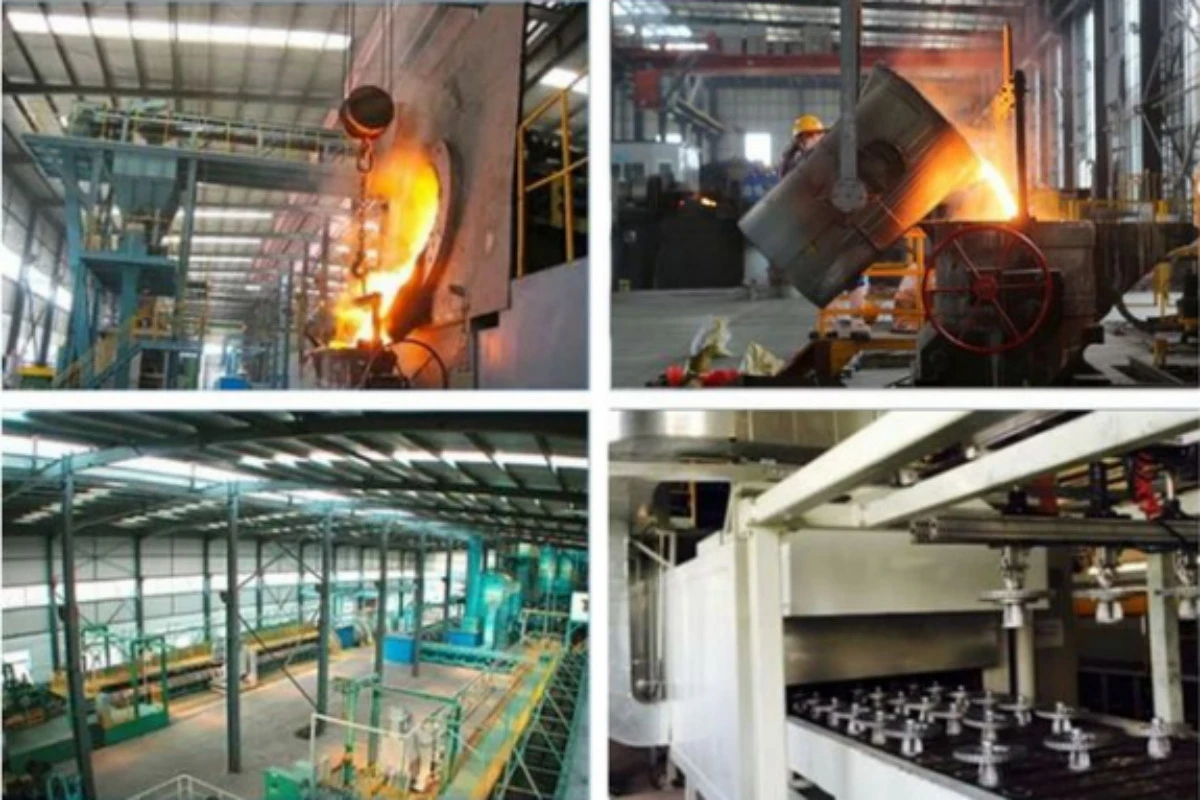
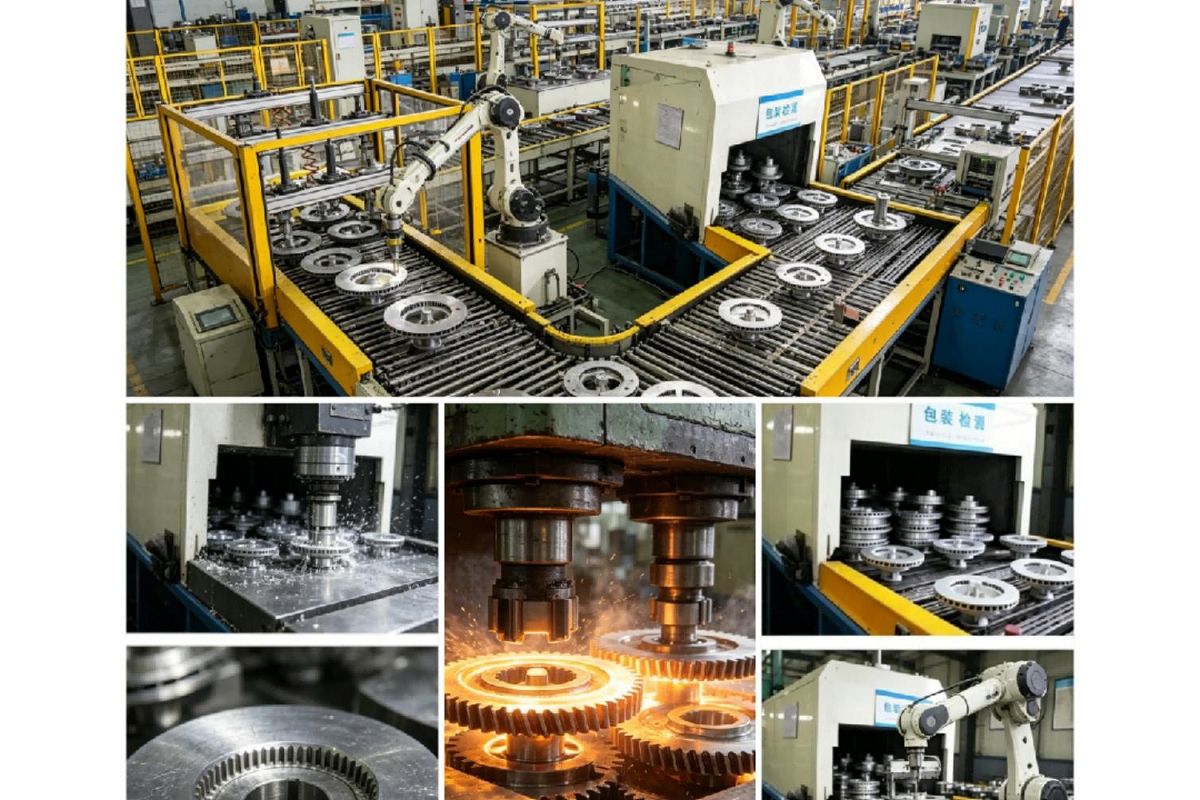
Constant temperature of our brake disc production workshop is controlled between 20℃ and 25℃, with humidity maintained at 45%–60%. Why is temperature and humidity controlled? The finish turning process is sensitive to ambient temperature. Significant temperature fluctuations in the workshop will cause thermal deformation of machine tools, which directly affects the surface precision of brake discs.
In terms of processing equipment, 8 Shenyang Machine Tool CK6150 CNC lathes are adopted for disc finish turning, equipped with German Schott chucks and Japanese Kyocera CBN inserts. Each lathe is fitted with an on-machine measuring probe. After machining one disc, the thickness and runout will be measured automatically, and the product will be alarmed and rejected immediately once out of tolerance. Four Taiwan Tontic TMV-850A machining centers are used for drilling operations. Four bolt holes and the central hole can be machined in a single clamping, with hole position accuracy of ±0.035 mm. Three Shanghai Shenman H50Q balancing machines are applied for dynamic balance correction. Single-sided weight removal balancing is carried out on every disc, and the residual unbalance is controlled at ≤5g·cm.
For inspection stations, six full-time quality inspection points are arranged in the workshop: incoming inspection of blanks, inspection after rough turning, 100% full inspection after finish turning, sampling inspection after drilling, sampling inspection after coating, and final inspection before packaging. The full inspection after finish turning covers every single disc. The thickness at six measuring points of each disc is tested with a micrometer, lateral runout is measured with a dial indicator, and Ra value is detected by a roughness tester. All data are uploaded to the MES system, generating traceable inspection records for each brake disc. As for sampling ratios, sampling inspection is conducted in accordance with AQL 1.0 after rough turning, AQL 0.65 after drilling, and AQL 1.5 after coating.
Regarding material control, spectral analysis is performed on every batch of gray cast iron blanks upon arrival using a German SPECTRO MAXx optical emission spectrometer. The five major elements including carbon, silicon, manganese, phosphorus and sulfur are tested batch by batch. Non-conforming blanks will be returned directly and prohibited from production lines. We have signed long-term agreements with three local foundries in Laizhou. The blank formulas are implemented in line with our technical requirements instead of purchasing ordinary castings casually from the market.
Delivery, Logistics & After-sales Service
Packaging Method: For each RADOKA brake disc, first wrap the disc in an OPP foam packaging bag, then apply a rust-proof protective film to the surface of the disc; next, pack the discs into 5 layers of corrugated cardboard boxes (with 4 units per box), using foam padding inside the boxes to prevent mutual impact during transportation. Logistics Solution: We assume shipment from Qingdao Port via sea freight to either St. Petersburg or Novorossiysk Port in Russia; the partner shipping companies are COSCO Shipping and Maersk; the transit time is 35–45 days. Warranty Terms: We provide a warranty of 80,000 kilometers or 24 months on the OE 1111-3501070 brake discs, whichever period expires first; the warranty period begins on the date the customer receives the goods.
Frequently Asked Questions (FAQ)
Q1: How can I confirm whether this disc matches my Lada OKA?
A: The most accurate method is to verify the part number engraved on the old disc; if you see "1111-3501070" or "1111-3501070-01", you can replace it directly. If the part number on the old disc is not clearly visible, you can measure three key dimensions: the disc surface diameter of 190 mm, the total thickness of 12 mm, and the center bore diameter of 58.6 mm; if all three measurements match, there should be no issue. Additionally, please confirm that your OKA uses front-disc brakes (some early batches used front drum brakes and are not compatible).
Q2: What is the installation torque for this brake disc?
A: The wheel hub bolt tightening torque is 98 Nm; it is recommended to tighten in a diagonal sequence over two stages: first, tighten to 50 Nm; then, increase the torque to 98 Nm. The torque for the brake disc mounting screws (if applicable) is 12 Nm. Before installation, please clean the wheel hub flange surface to ensure there are no rust marks or contaminants; otherwise, this may cause the disc surface to exhibit excessive runout.
Q3: What is the minimum order quantity (MOQ)? Can I request samples first?
A: For standard orders, the MOQ for each product is 200 units (approximately 50 boxes). Samples can be provided; the sample fee is charged at 1.5 times the factory price, and this fee will be deducted from the total payment once the order reaches 500 units or more. Samples are shipped via DHL or SF Express to Russia, with delivery taking 3–5 days; shipping costs may be either paid upon receipt or prepaid in advance.
Latest Company & Product News
Since 2025, the global brake disc industry has witnessed several noteworthy changes. First, the EU ECE R90 regulation completed a new round of revisions in January 2025, introducing more stringent requirements for brake disc friction performance testing and adding a new test item-the low-temperature friction coefficient test-at-10°C, which mandates that the reduction in friction coefficient under low-temperature conditions shall not exceed 15% compared to values measured at ambient temperature. Our Radaka OKA front brake discs have already undergone internal testing in compliance with the new standards, with their low-temperature friction coefficients remaining stable within the range of 0.38–0.42, thereby meeting all requirements; the E-Mark certification process is currently underway, and certification is expected to be obtained by the end of 2026.
Second, in July 2025, Russia updated its GOST 33997-2016 brake disc standard, tightening the requirement for the disc surface thickness difference from the previous 0.015 mm to 0.010 mm. Our DTV control value is 0.009 mm, which inherently meets stricter control requirements than those specified in the new standard; therefore, it remains unaffected.
Third, global attention toward brake dust emissions is steadily increasing, with the European Union considering incorporating brake discs into the particulate matter control scope of the Euro 7 emission regulations; although this regulation has not yet been formally implemented, industry requirements for brake disc surface materials and surface treatments are expected to become increasingly stringent in the future. We have already initiated R&D work on low-dust-formulated gray cast iron, with mass production anticipated to commence by 2027.
Hot Tags: front brake disc for lada oka, China front brake disc for lada oka manufacturers, suppliers, factory