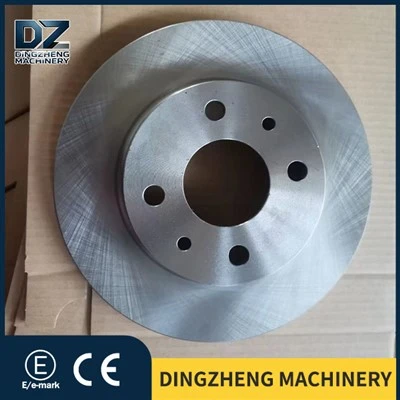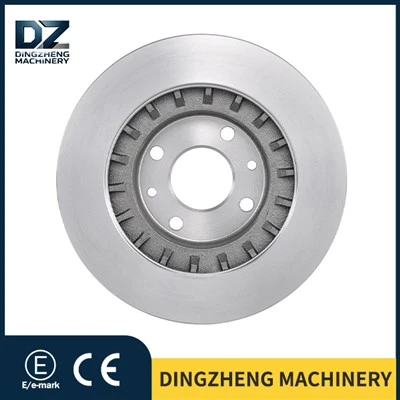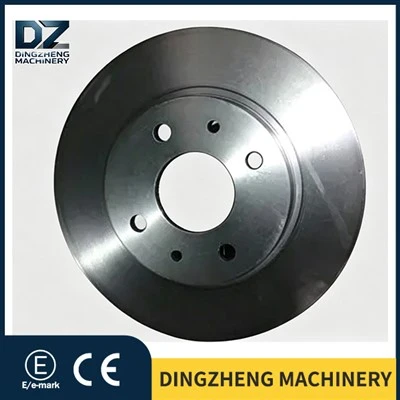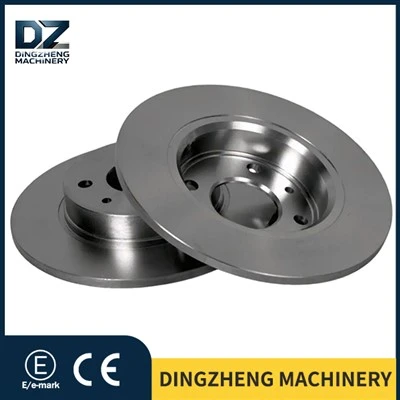

Product Introduction
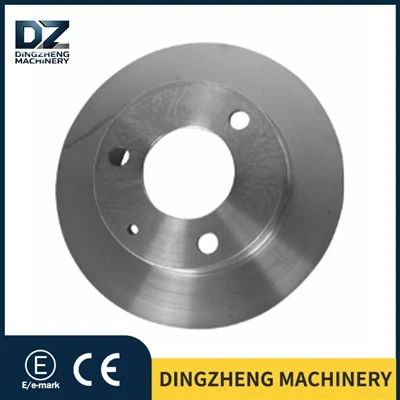
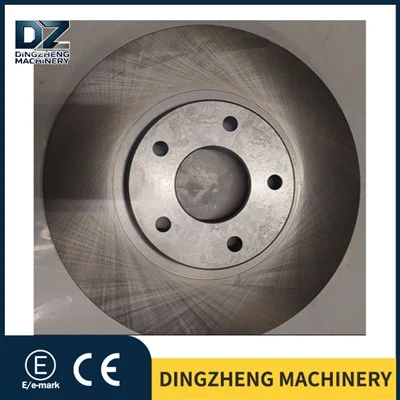
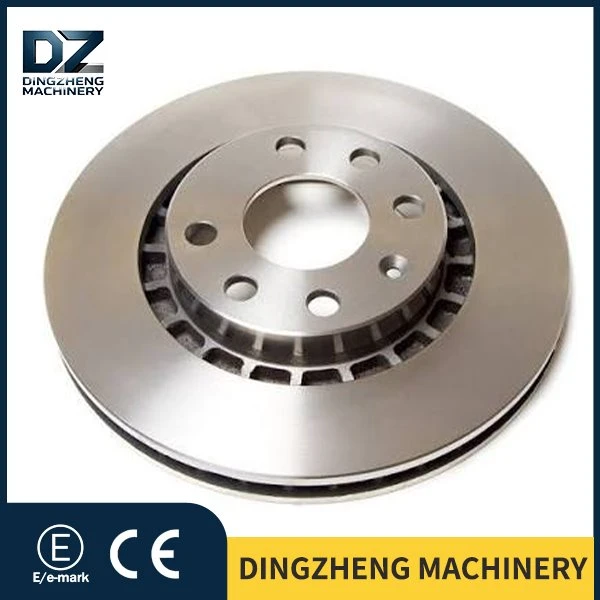
If you're currently working on a LADA VESTA, dealing with rear wheel brake shudder, severely uneven brake disc wear, or customer complaints about a "buzzing" vibration when braking at low speeds-chances are the rear brake rotors have reached the end of their service life. This OE-8450032639 rear brake disc is designed specifically to solve that problem.
This product is tailor-made for the LADA VESTA (2015–present), covering vehicles on the GF_ chassis platform, and is compatible with the 1.6L (21129/21179) and 1.8L (21179) naturally aspirated engine versions. Let's cut to the chase: this is an OE-grade direct replacement part. When you take it out of the box and mount it on the axle, the bolt alignment is spot-on-no shims, adapter flanges, or modifications required. Just remove the old one and install the new one; that's it.
Many workshop technicians have reported that some aftermarket discs on the market suffer from "uneven contact between the disc surface and the hub mounting surface" after installation. Once fitted, a slight axial runout can be felt when spinning the wheel by hand, and the car shakes as soon as the driver hits the brakes. Our approach is straightforward: we start with the flatness of the raw casting, and the precision machining process keeps the disc face runout within 0.02 mm-30% tighter than the original factory standard. The flatness of the disc surface is up to standard right out of the factory, eliminating the need for extra "bedding-in" after installation.
In addition, every disc undergoes dynamic balance calibration before leaving the factory, with unbalanced mass kept below 8 g·cm. This means no extra centrifugal vibration will be transmitted to the brake pedal during high-speed braking. For a family-oriented model like the Vesta, owners are actually more sensitive to brake pedal feel than performance car drivers-simply because they brake much more frequently during daily commutes.
In short: for Lada Vesta rear brake discs, look for OE-8450032639-installation precision is its greatest selling point.
Surface Treatment
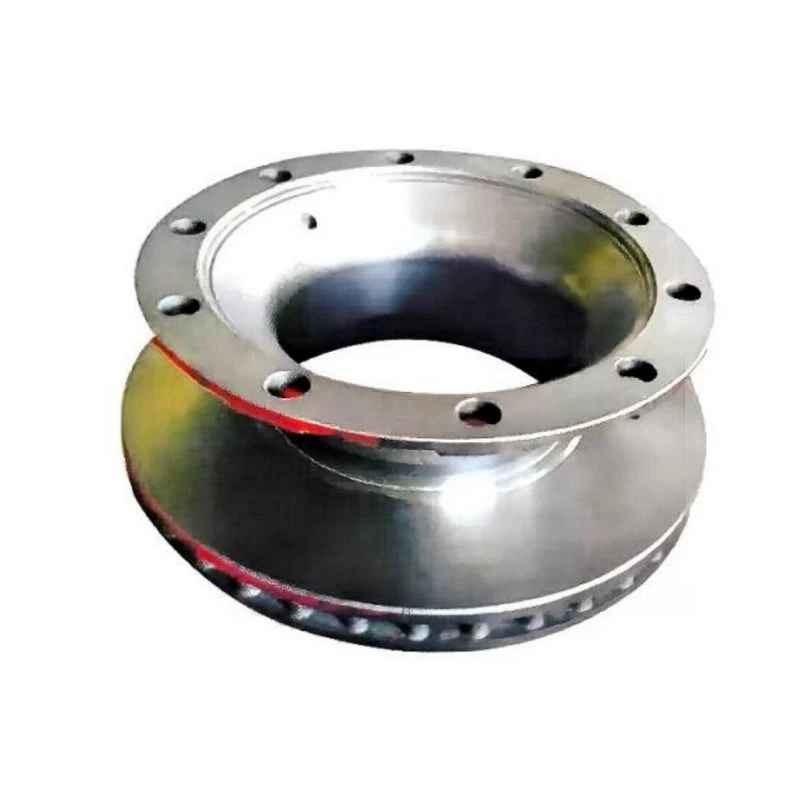

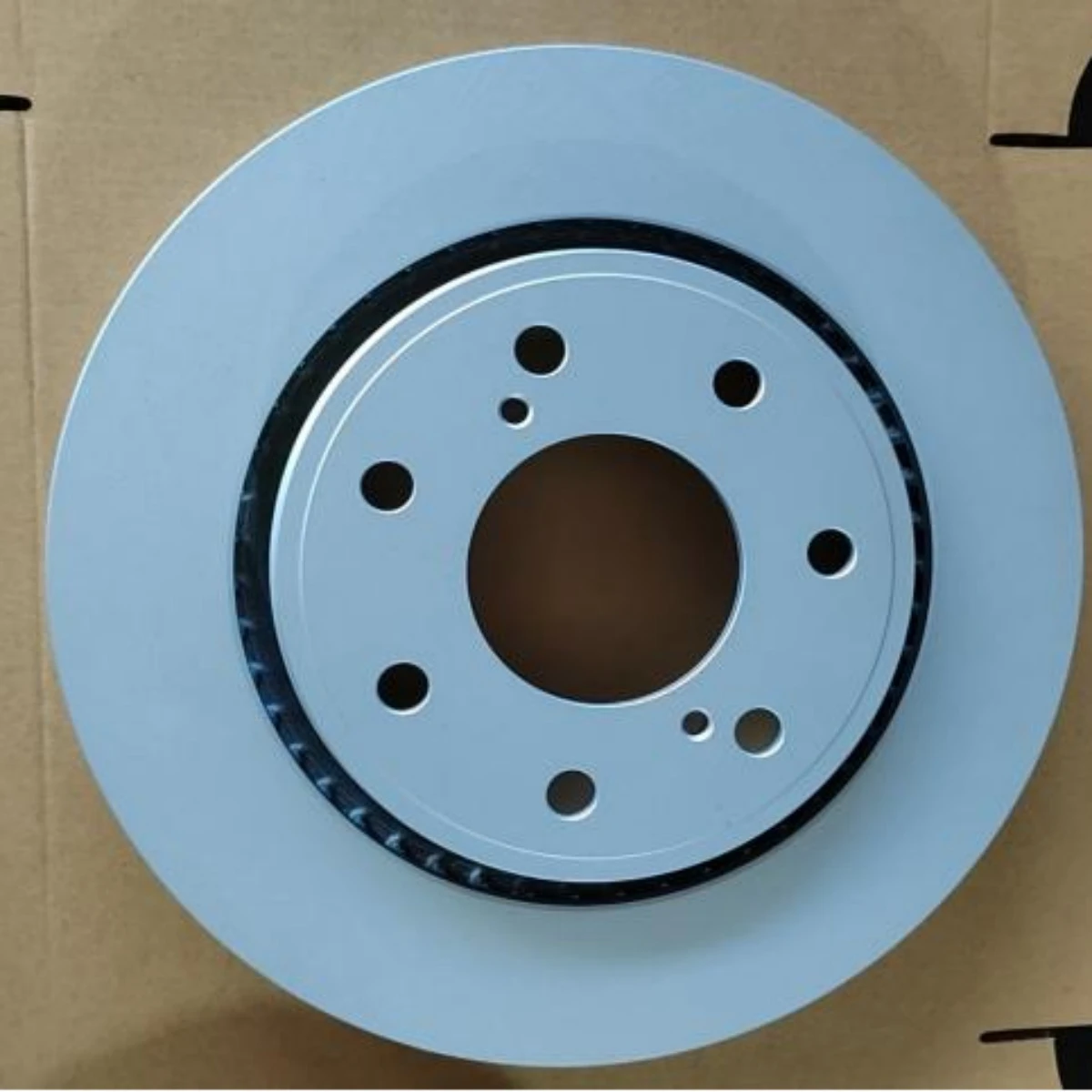

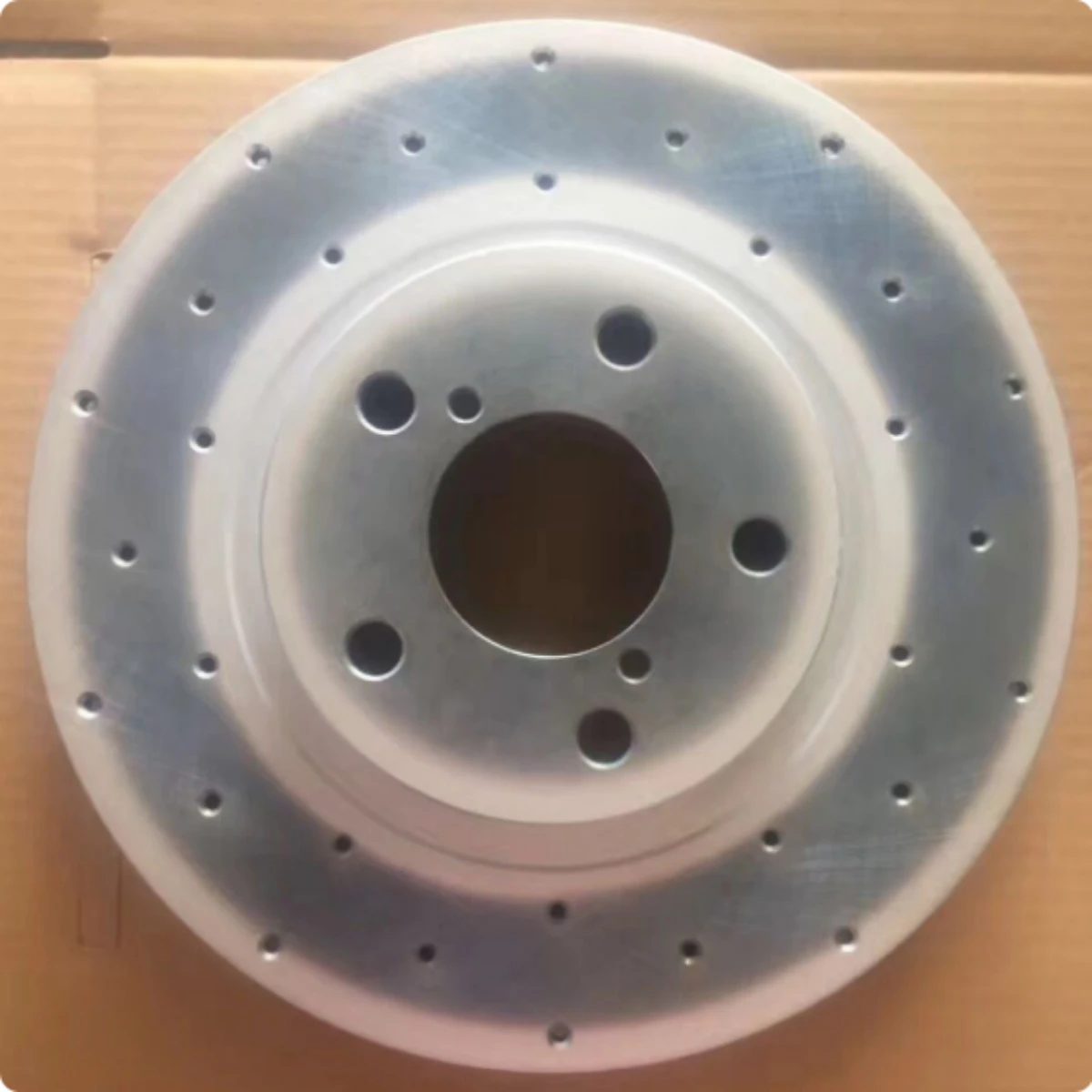
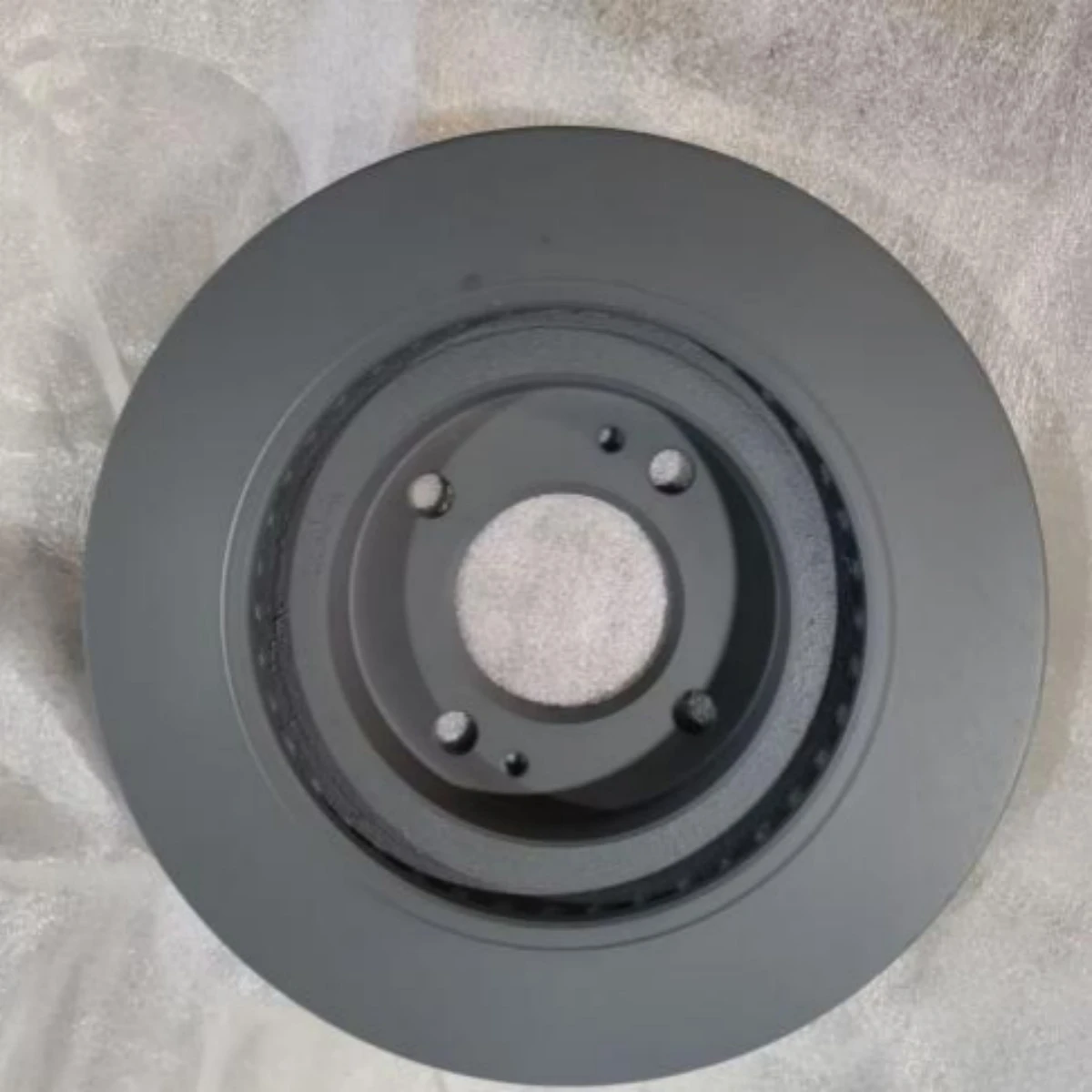
Brake disc rusting is a question overseas buyers ask about frequently. Especially when shipped to Southeast Asia or the Middle East, once humidity rises inside the container, opening it at the port reveals the entire disc surface covered in red rust, leading to immediate rejection by customers. Therefore, our coating solution is not as simple as "applying a layer of paint"; it features a four-layer structure broken down as follows:
- Remove scale from the blank surface to form a phosphating film base and enhance subsequent adhesion.
- Provide cathodic protection and block moisture from contacting the iron substrate.
- Fill the micro-pores of the primer, increasing the overall thickness and density of the coating.
- Resists UV aging and road salt corrosion, maintaining a matte black finish.
We don't make empty promises like "super rust-proof, never rusts." It is a physical law that surface flash rust appears on ferrous brake discs after being exposed to humid environments for a few days. However, what our coating guarantees is that the anti-rust layer in non-friction areas will not crack or peel under 500 hours of salt spray, truly protecting the internal structure of the disc and the mounting points from corrosion and seizing.
Product Technical Parameters
All dimensions and performance data are strictly calibrated and manufactured in accordance with industry standards.
|
Technical Item |
Specification |
Technical Item |
Specification |
|
Mounting Position |
Rear Brake |
Disc Outer Diameter |
260mm |
|
Standard Thickness |
11mm |
Minimum Wear Limit Thickness |
9mm |
|
Hub Centering Diameter |
76mm |
Overall Height |
46.5mm |
|
Mounting Hole Quantity |
5+2 |
Pitch Circle Diameter (PCD) |
114.3mm |
|
Disc Structure Type |
Solid Type |
Net Weight |
3.9kg |
Compatible Vehicle Models
This rear brake disc is applicable to multiple vehicle models with stable compatibility and accurate fitting size. The detailed applicable models are listed below:


Lada (Imported) VESTA (GFL_) 1.8 Sport (GFLS3) 2019-
Cross Reference Part Numbers
This product corresponds to a variety of mainstream brand part numbers and OE codes, which can perfectly replace the original parts. The detailed cross-reference information is as follows:
|
Brand Code |
Part No. |
OE Factory Code |
OE Number |
|
TRIALLI |
DF 095208 |
OE |
8450032639 |
Machining Workshop & Production Process
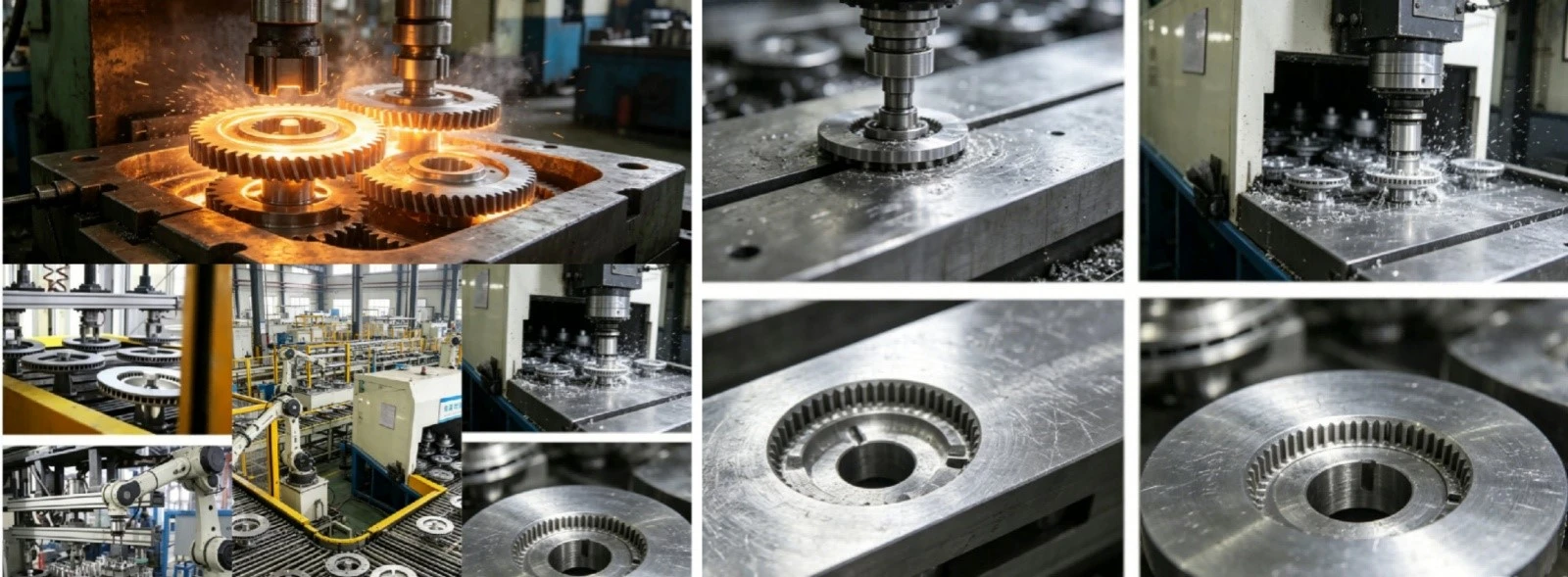
Full process chain:
Raw casting incoming → Ultrasonic testing (detection of internal shrinkage and cracks) → Rough turning → Finish turning (CAK6180) → End face correction (runout ≤0.02mm) → Dynamic balancing check → Surface phosphating pretreatment → Electrophoretic primer → Intermediate coat spraying → Topcoat curing → Coating thickness inspection → Final inspection (full dimensions + appearance) → Sealing and warehousing
Regarding the workshop environment, the precision machining workshop maintains a constant temperature, with temperature control limited to within ±1.5°C. Why is this point emphasized? Because cast iron parts exhibit a relatively high coefficient of thermal expansion and contraction. If the workshop temperature fluctuates by more than 3°C, once the machined parts have cooled down, their end face runout values will change. Therefore, a temperature-controlled workshop is not merely an optional feature-it is a prerequisite for ensuring machining accuracy.
Regarding core equipment, the precision turning process utilizes a Shenyang CAK6180 horizontal CNC lathe; its spindle radial runout does not exceed 0.005 mm, and its repeatability positioning accuracy is ±0.003 mm. The stability of this machine ranks among the top-tier levels among CNC machines in China. We perform first-piece inspections on each machine daily, and all data are duly recorded.
Regarding dynamic balancing inspections, the workshop is equipped with four dedicated dynamic balancing inspection stations. After each rotor undergoes precision machining, it must be tested on the machine. If any component exceeds the allowable imbalance limit, it will be marked separately for re-calibration; no non-compliant products are allowed to proceed further in the production process.
Regarding the sampling proportion, products are sampled at 15% prior to leaving the factory-while the general industry standard on the market is 5%, our sampling rate is three times that. The sampling items cover four dimensions: dimensional tolerances, end face runout, dynamic balance values, and coating thickness. If even a single item fails the inspection, the entire batch of products must undergo re-insEvery process has its corresponding quality inspection checkpoint; it's not a case of "finish and pass it on." Especially for the rough casting flaw detection step-many small workshops skip it entirely. The result? Cracks appear on the disc surface after just a few thousand kilometers of driving. The after-sales cost of such failures far exceeds the investment required for a single flaw detection process.pection.
Delivery & Shipping Service
Packaging Plan:
Disc Surface Protection
Full wrap with OPP pearl cotton, 3mm thickness, shockproof and scratch-resistant.
Outer Box
Five-layer double-corrugated rigid cardboard box, with corner protectors added to edges and corners.
Flange Mounting Position
EPE anti-collision cushion pads installed to prevent flange surfaces from collision and deformation during transportation.
Whole Box Marking
The outer box is labeled with three marks: "Fragile / Keep Dry / This Way Up". When loading into containers, it is secured with pallet straps.
Warranty Rules (calculated from the date of installation on the vehicle):
|
Warranty Item |
Coverage |
Description |
|
Warranty Mileage |
80,000 km |
Based on the vehicle's odometer |
|
Disc Cracking |
✅ Covered |
Material fatigue cracks not caused by external impact |
|
Factory Dynamic Balance Defect |
✅ Covered |
Brake judder after installation, confirmed by inspection to be due to excessive dynamic balance deviation |
|
Large-area Coating Peeling |
✅ Covered |
Flaking of coating in non-friction areas within the warranty period (excluding surface rust) |
|
Abnormal Brake Pad Wear |
❌ Not Covered |
Brake pads are wear parts and not covered by this disc warranty |
|
Off-road/Track Heavy Use |
❌ Not Covered |
Abnormal wear beyond normal daily road driving conditions |
|
Installation Errors (Over-torquing/Reversed Installation) |
❌ Not Covered |
Requires installation photos for verification |
Frequently Asked Questions (FAQ)
Q: Are the brake discs for high- and low-power models on the same chassis interchangeable?
A: For LADA VESTA models on the same chassis, regardless of whether it is the 1.6L or 1.8L engine version, the rear brake disc specifications are completely identical, with the same OE number 8450032639, so they are interchangeable. However, note that front brake discs vary between different models; this issue does not exist for rear discs.
Q: Is slight surface rust on delivered discs considered a quality issue?
A: A very thin layer of orange-yellow surface rust appearing on the friction surface (the area that contacts the brake pads) is not a quality issue. This is natural oxidation of the cast iron part after exposure to a humid environment. After installation, a few applications of the brakes will wear it off with the brake pads, and it does not affect braking performance or service life. What truly requires attention is whether the coating on non-friction areas is intact-damage to the coating falls within the warranty scope.
Q: Can matching brake pads with the same OE number be packed together as a complete set for shipment?
A: Yes. We provide the rear brake pad set (including shims and wear indicator) corresponding to OE-8450032639. We support combined packaging of discs and pads for shipment, with separate SKU codes for easy listing on independent websites. Combined packaging can reduce the logistics cost per item, and repair shops are more willing to purchase everything at once.
Latest News
Thickness measurement method to determine replacement timing:
Use a digital caliper to measure the thickness at 4 equally spaced points 10mm from the edge of the disc surface, and take the minimum value. If it is ≤8.4mm, directly recommend replacement to the vehicle owner. Do not just rely on "it can still brake"-when the thickness is insufficient, the emergency braking distance will increase significantly, which is a safety hazard, not a money-saving measure.
Dial indicator inspection for lateral runout:
Remove the wheel and secure the magnetic base of the dial indicator to the suspension control arm, with the indicator tip touching the disc surface 10mm from the outer edge. Slowly rotate the wheel one full turn and read the runout value. ≤0.05mm indicates a qualified genuine part; 0.05–0.10mm can be corrected by replacing the wheel hub bearing or reinstalling; >0.10mm means the disc is deformed and must be replaced.
Hot Tags: rear brake for lada vesta, China rear brake for lada vesta manufacturers, suppliers, factory