
Product Introduction
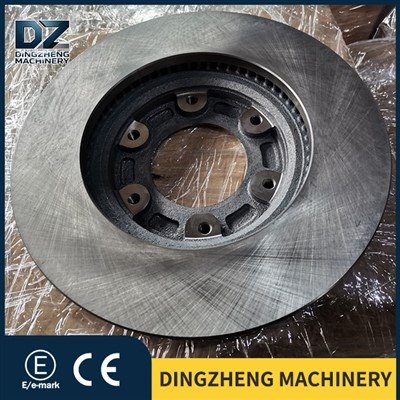
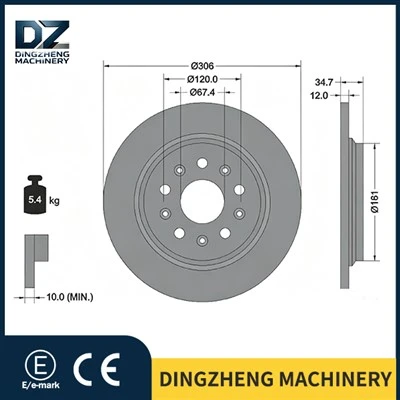
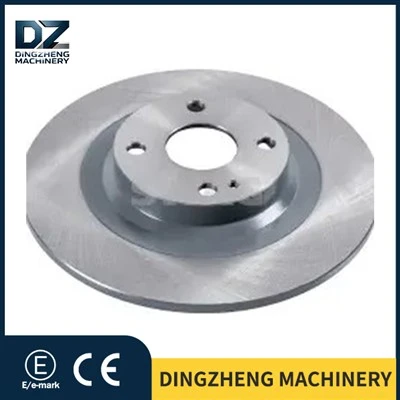
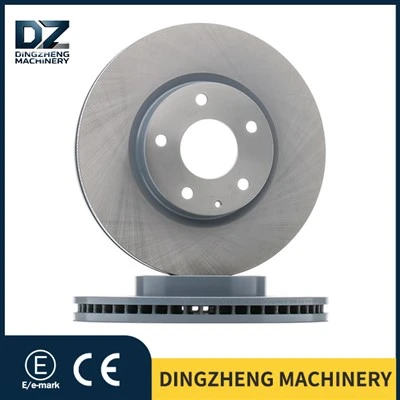
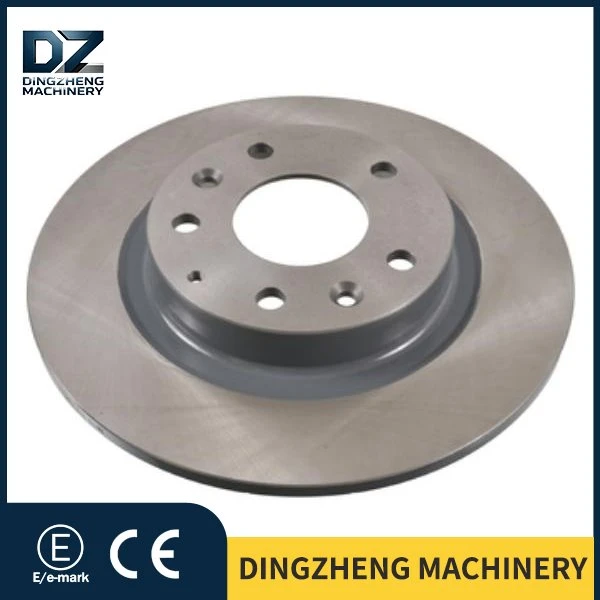
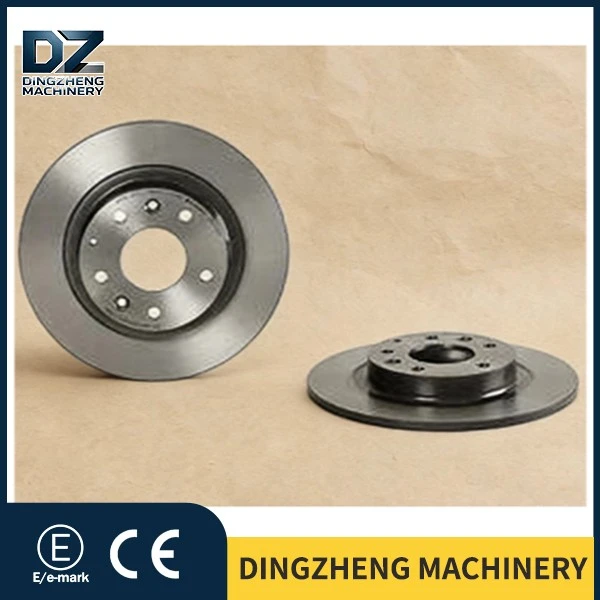
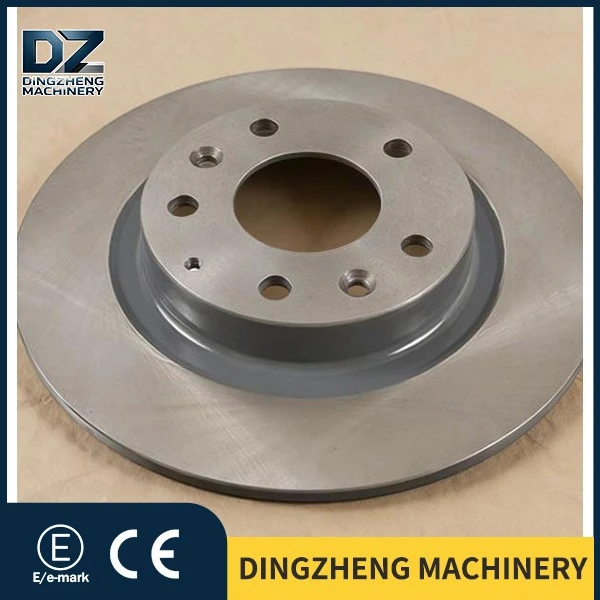
Outer diameter: 281mm / Inner diameter: 114.3mm / Standard thickness: 9mm / Minimum wear thickness: 7mm
Number of mounting holes: 5 / Center bore diameter: 68mm / Single disc weight: 3.9kg / Type: Solid without ventilation slots
Who are these parameters intended for? For mechanics and enthusiasts who always use calipers to inspect parts upon receipt. An outer diameter of 280mm is more than sufficient for vehicles weighing around 1.3 tons. Though the solid structure looks uncomplicated, it boasts high disc rigidity and stays stable without vibration even after long-term use. The minimum thickness of 8mm is the warning limit. Once it wears down to 8.5mm, you should start looking for a new brake disc. Do not wait for warning alerts - Mazda's rear wheels are not equipped with electronic wear indicators, so regular checks rely entirely on yourself.
Unlike aftermarket rear brake discs modified from front disc molds available on the market, the mold data of our D10E-26-251 is strictly replicated from Mazda's official repair manual. The hat height, center bore chamfer and bolt counterbore diameter are all reproduced on a 1:1 scale. This ensures the wheel fits perfectly onto the center step after installation, preventing the brake disc from shifting when tightening just a few bolts.
Product Parameter
|
Location |
Rear Brake |
Diameter |
281mm |
|
Brake Disc Thickness |
9.5mm |
Minimum Thickness |
7.5mm |
|
Centering Diameter |
68mm |
Height |
35.6mm |
|
Number Of Holes |
5+2+1 |
Pitch Circle Diameter |
114.3mm |
|
Solid Or Vented |
S |
Weight |
3.9kg |
Car Model


MAZDA CX-3 (DK) 1.5 D 2015/01-
MAZDA CX-3 (DK) 1.5 D AWD 2015/01-
MAZDA CX-3 (DK) 2.0 2015/01-
MAZDA CX-3 (DK) 2.0 AWD 2015/01-
Reference No.
There are different corresponding codes for the Rear Brake Disc of MAZDA CX-3 D10E26251
|
OE |
D10E26251 |
ZIMMERMANN |
370305820 |
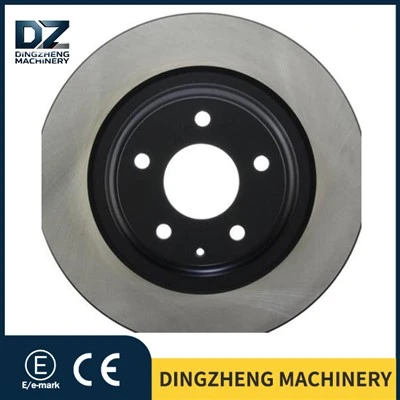
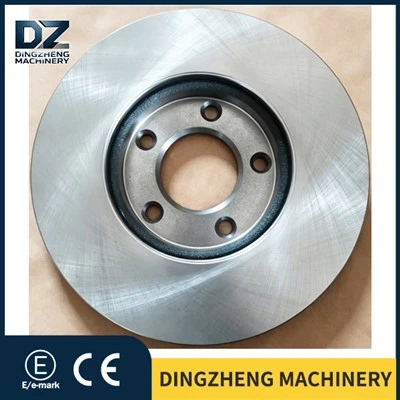
The silvery-grey coating on the surface is not just for show.
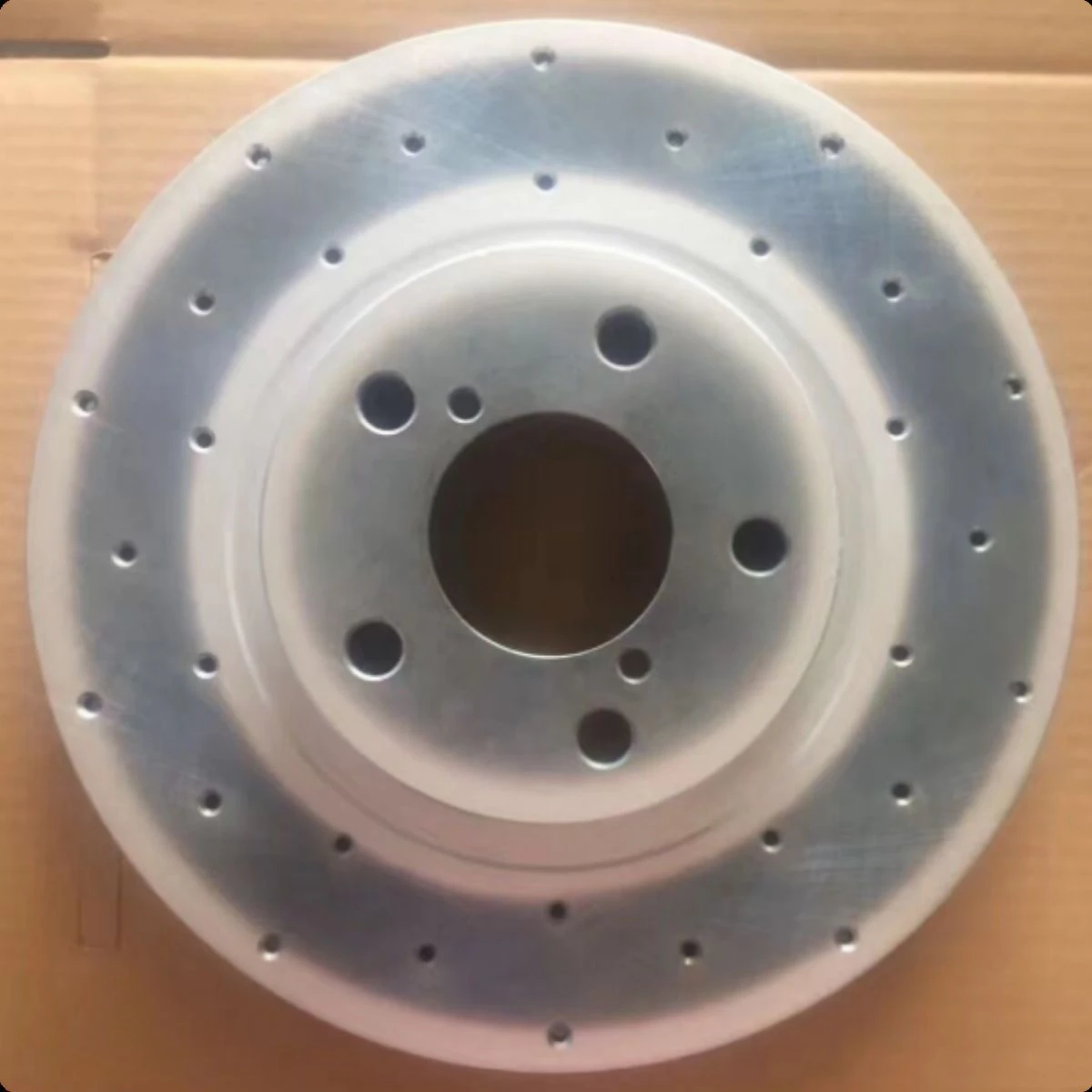
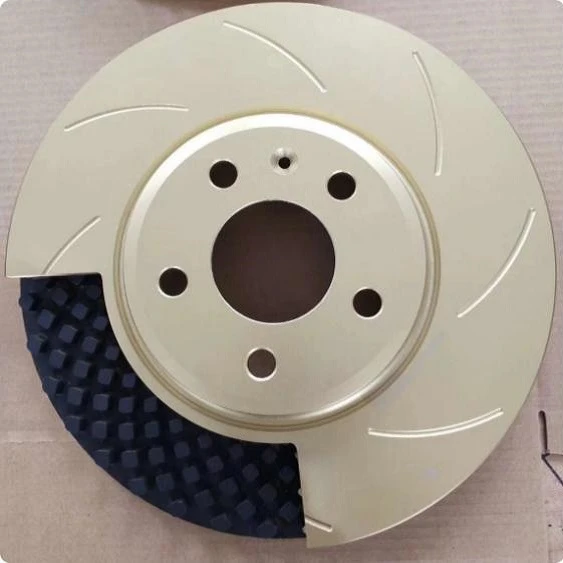
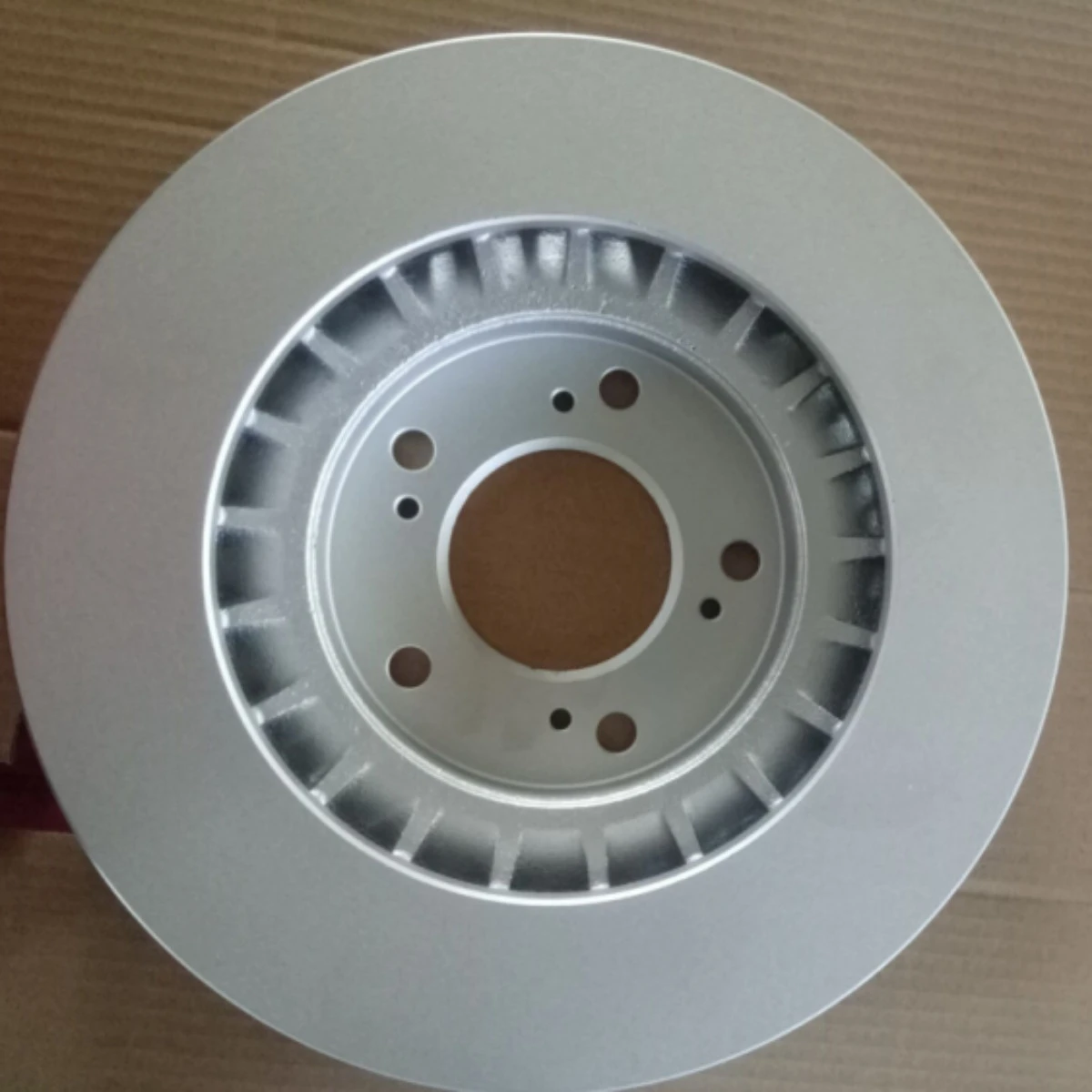
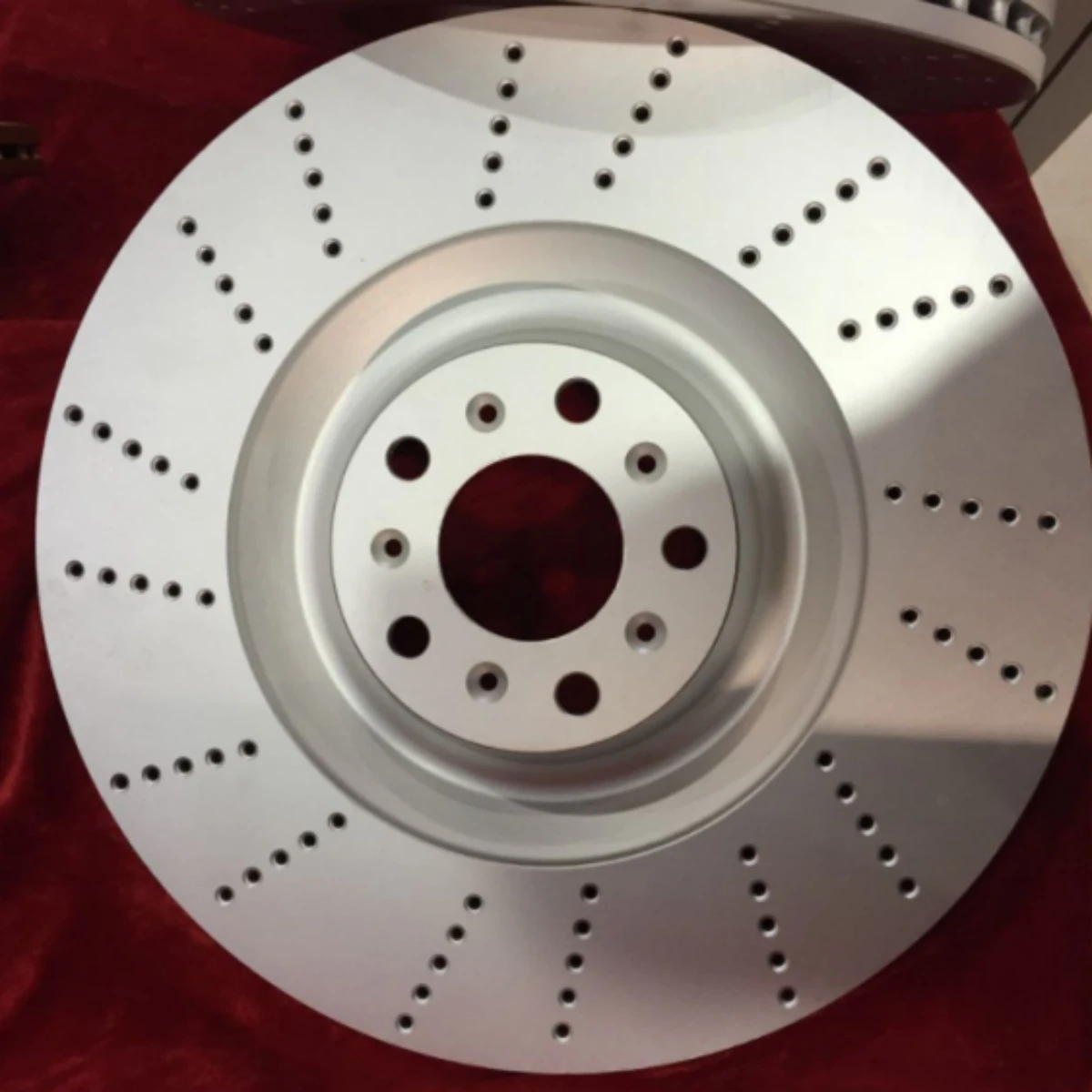
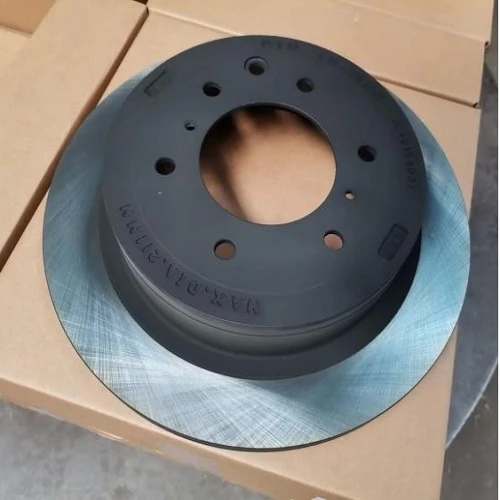
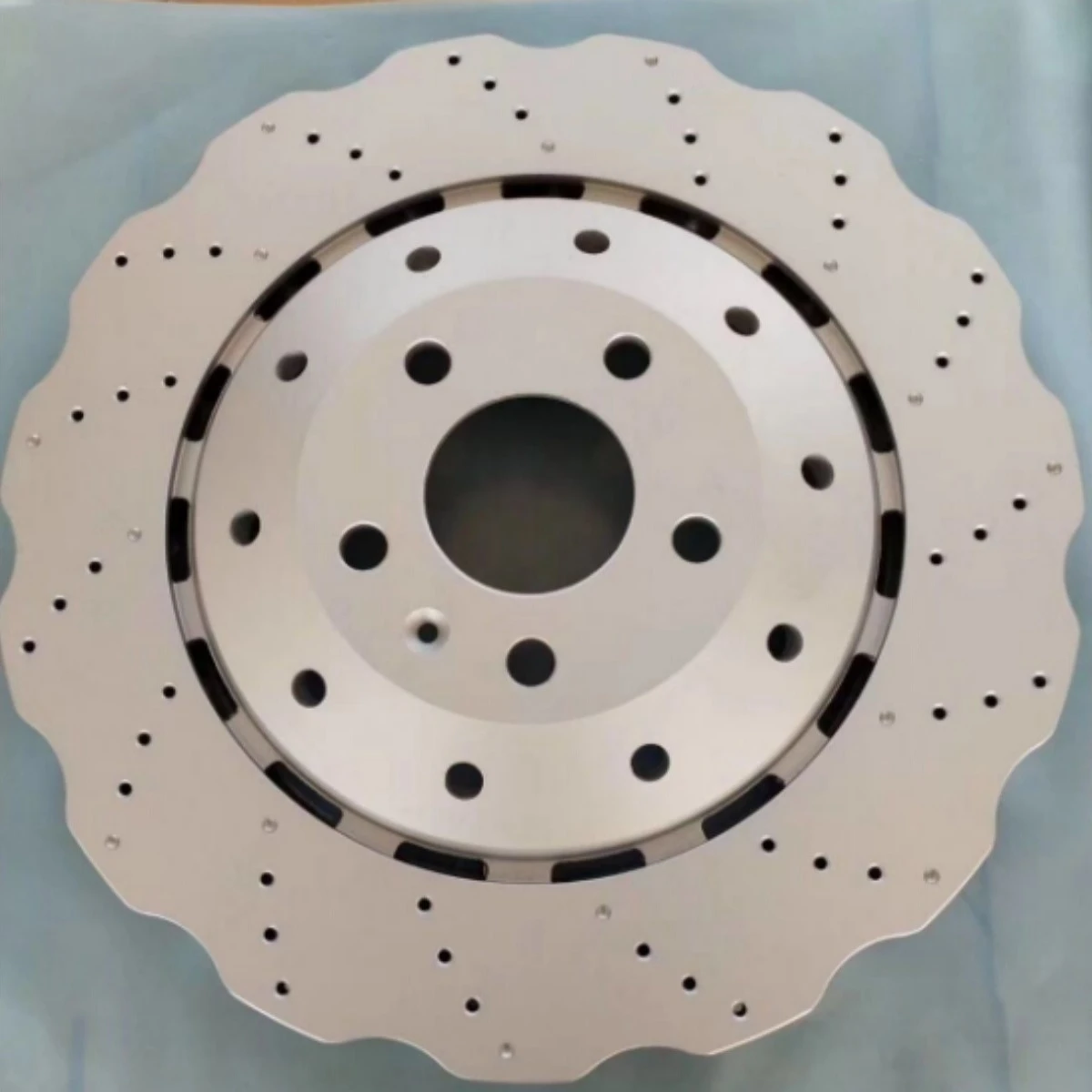
Many car owners wonder when they first get theR ear Brake Disc of MAZDA CX-3 D10E26251 rotors: "What's this spray coating? Won't it wear off as soon as I hit the brakes?" Let me clarify this here. The surface of these Mazda rear brake rotors is treated with a zinc-aluminum composite passivation coating, which is completely differet from ordinary anti-rust paint.
This coating offers three major advantages:
Full-coverage rust prevention
It coats the entire rotor surface, sides, center hub and inner walls of bolt holes. Even if the car is parked in a garage for a month, the rotor remains matte silver, free from the yellow rust powder that plagues uncoated iron rotors. The rear wheel wells of the Mazda 3 have relatively poor sealing, so mud and grime often splatter onto the rotors on rainy days. Without this protective layer, the rotor edges will start to corrode and flake off in just a few days.
No need for cleaning
Traditional rotors with anti-rust oil require thorough spraying with degreaser and wiping. Any residual oil will lead to brake slippage. These coated rotors can be installed directly without degreasing. Mechanics save extra work steps, and you cut down on labor costs.
Assists break-in process
The coating gradually wears off microscopically within the first few dozen kilometers of braking. The resulting surface roughness matches perfectly with new brake pads. The initial bedding-in is completed at around 300 kilometers, much faster than the harsh dry grinding required by conventional rotors.
In short, this coating on the brake rotors is not merely cosmetic. It delivers all-round benefits: effective rust protection, hassle-free maintenance and a smooth break-in experience.
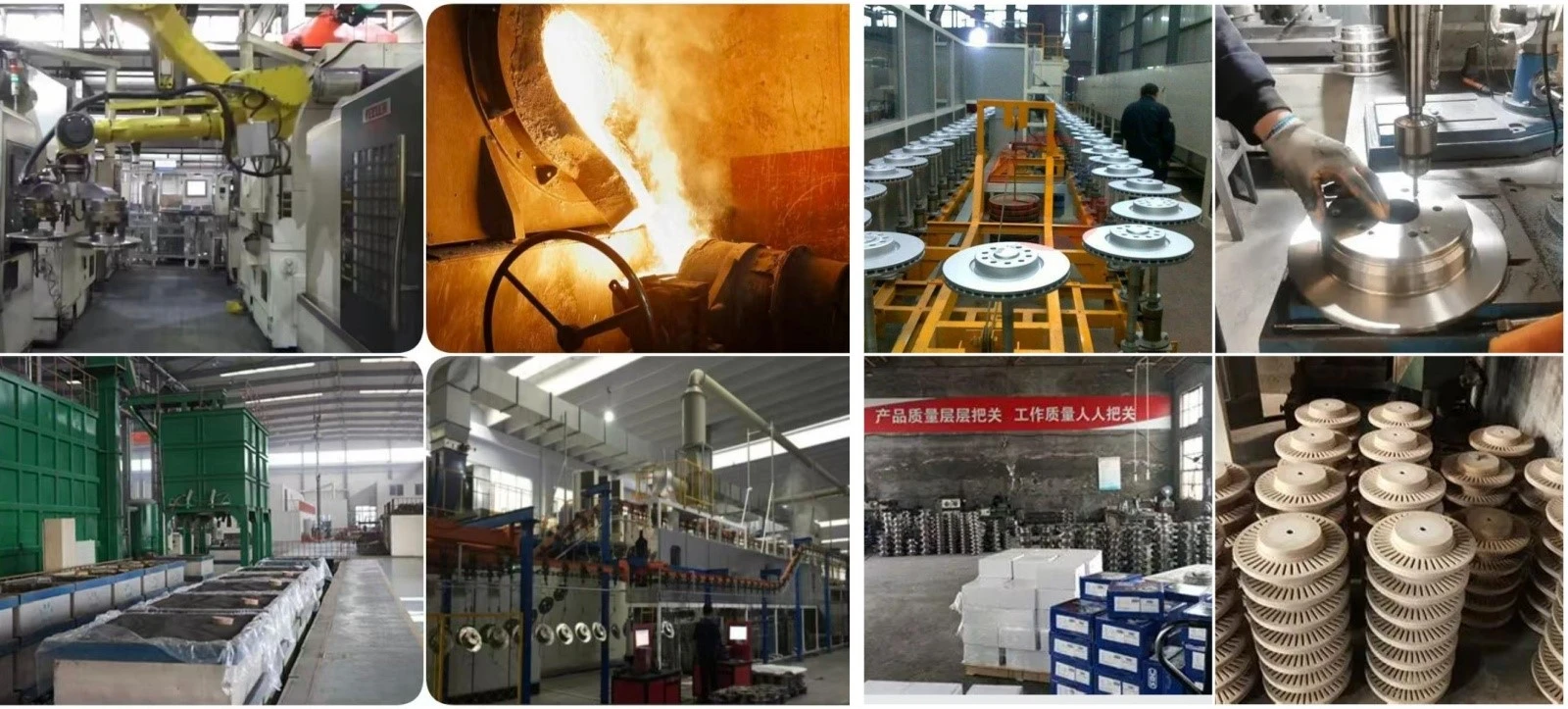
We Have Nothing To Hide About The Actual Conditions Of Our Factory And Workshops.
Any manufacturer bold enough to feature brake rotors like the D10E-26-251 separately must boast solid quality control capabilities. Our rotor blanks are produced at a casting base in Shandong. Every batch of molten metal from the electric furnace is tested with a spectrometer, with the contents of carbon, silicon and manganese strictly monitored. We only use G3000 grade grey cast iron and never mix in inferior recycled materials, which would otherwise cause uneven hardness of the rotors.
The machining workshop maintains a constant temperature, and we enforce strict quality control through three core procedures:
Single-clamp double-sided precision turning: The fixture stays fixed while the cutting tool processes the surface from outside to inside in one pass, which simultaneously controls the runout and thickness tolerance of the rotor surface. Our in-house full inspection standard sets the thickness tolerance at ±0.01mm and the runout below 0.04mm - stricter than the 0.05mm standard adopted by many original equipment manufacturers.
Two-stage dynamic balancing inspection: Each rough rotor undergoes dynamic balancing first, followed by a second check after precision turning. Any rotor with residual unbalance exceeding 15g·cm will either be corrected by drilling weight-reduction holes or discarded directly. All these efforts ensure that the steering wheel stays completely steady when you hit the brakes at 120 km/h on the highway.
Full-dimensional testing for every finished unit: Each rotor is inspected for outer diameter, center hole size, hub height and plate thickness one by one, with all test data recorded and filed for traceability. Should any defective rotor reach customers, we can trace it back to the exact work shift and production machine.
In short, we are not a small makeshift workshop. We produce brake rotors for Mazda following the manufacturing standards we use for European clients. Though the technology behind this type of rear brake rotor is not overly sophisticated, five years of on-road use will prove that our products are truly robust - a reputation earned by quality rather than empty words.
Delivery,shipping and serving
For this Mazda D10E-26-251 rear brake disc, we offer a warranty of 80,000 kilometers or 12 months, whichever comes first. The warranty covers manufacturing defects under normal operating conditions, such as casting shrinkage cavities, abnormal cracks on the disc surface, and large areas of blistering or peeling of the coating on unworn sections. Damages caused by modification, disc deformation due to incorrect torque installation, or abnormal wear resulting from mismatched brake pads are not covered by the free warranty service. However, you may still contact us for a replacement at cost price.
【Rear Brake Disc of MAZDA CX-3 D10E26251】The rear brake discs are individually packed with double-layer packaging consisting of OPP foam and corrugated cartons, which effectively prevents collision damage and deformation during transportation. All orders are shipped directly from our factory in Shandong and depart from Qingdao Port. The standard production and delivery lead time is 30 to 40 working days after order confirmation.
FAQ
Q: I replaced the rear brake disc with part number D10E-26-251 on my classic Mazda 3. There is a dull noise when braking gently at low speeds. Could this be caused by the brake disc?
A: Most likely it is not the brake disc, so there is no need to return it for now. Dust tends to accumulate between the brake pad backplate and caliper bracket due to the design of the Mazda 3's rear suspension, which leads to resonant dull noises. You can first remove the brake pads, clean the friction surfaces and the anti-noise shims on the backplates with isopropyl alcohol, then apply a thin layer of anti-squeal grease before reinstalling the parts. If the noise persists, use a dial indicator to measure the lateral runout of the brake disc. Only consider issues with the disc if the runout exceeds 0.05mm. Additionally, note that the first 300 kilometres after installing a new brake disc is the running-in period. Slight scraping sounds or occasional whirring noises are normal as the pads and disc wear into alignment, and the noise will fade after this period.
Q: I often carry seven passengers in my Mazda 5. Can the solid rear brake discs hold up? Will they overheat and fade when driving downhill?
A: Rest assured. The majority of the braking force on the Mazda 5 is distributed to the front wheels, and the rear wheels only bear 20% to 30% of the total friction workload. The 280mm solid brake discs are well within the safety limits for fully loaded vehicles travelling on long downhill roads. As long as your brake fluid has been replaced within the past two years (DOT4 specification is recommended for its high wet boiling point), the temperature of the brake discs will not exceed 350℃ during regular driving, which is far below the heat fade threshold of grey cast iron. That said, the situation is different if you drive downhill on race tracks with passengers on board. The discs work reliably for daily use.
Q: How do I routinely inspect this rear brake disc? Mazda vehicles don't come with brake pad wear sensors.
A: It's quite simple. Ask the mechanic to measure the disc thickness when you get an oil change, or you can buy a vernier caliper with a 25mm measuring range yourself. The minimum allowable thickness for Mazda D10E-26-251 brake discs is 8mm. However, we recommend replacing them when the thickness drops to around 8.5mm to leave sufficient run-in allowance for new brake pads. Additionally, check the disc surface for deep grooves caused by hard particles. If any single groove is deeper than 0.5mm, it is also advised to replace the disc in advance. Solid brake discs cannot be resurfaced, and excessive wear will compromise the safety margin.
Last News
Recently, an interesting trend has emerged in the braking system industry: brake pad formulas with low copper and low heavy metal content are being promoted worldwide. This means brake pads will exert greater wear on brake discs, raising higher requirements for the material uniformity and surface precision of brake discs. In the past, low-cost brake discs paired with high-metal brake pads could last for tens of thousands of kilometers, but such combinations will soon create deep groove marks on discs, just like the grooves on a vinyl record. Consequently, premium aftermarket brake discs now universally come with zinc-aluminum coatings and undergo precision dynamic balancing. This progress is essentially driven by regulations, and it benefits all vehicle owners - you can get quieter and more durable brake discs at the same cost.
Here is a tip for Mazda owners to check for uneven brake wear: If the floating pins of the rear brake calipers on Mazda3 and Mazda5 lack lubricant, the inner brake pads will wear abnormally, which in turn causes stepped wear on the inner side of brake discs. Every time you change tires, take a look at the brake discs from the inner side of the rear wheels. If the inner part of the disc is noticeably thinner than the outer part, or there is a prominent rusted ridge around the edge, it indicates that the brake calipers fail to retract properly. Always repair the calipers first before replacing the brake discs; otherwise, a new disc will get damaged in no time.
Hot Tags: rear brake disc of mazda cx 3, China rear brake disc of mazda cx 3 manufacturers, suppliers, factory