
Product Introduction
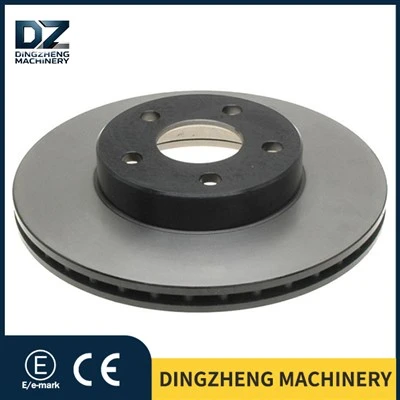
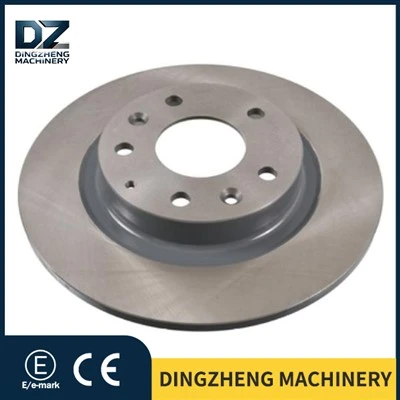
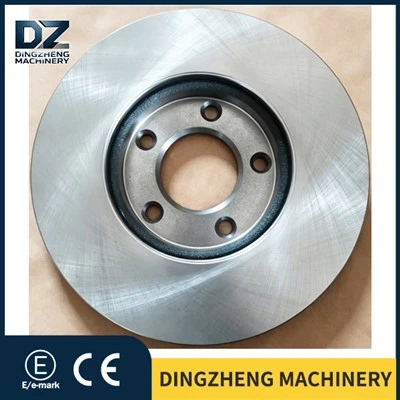
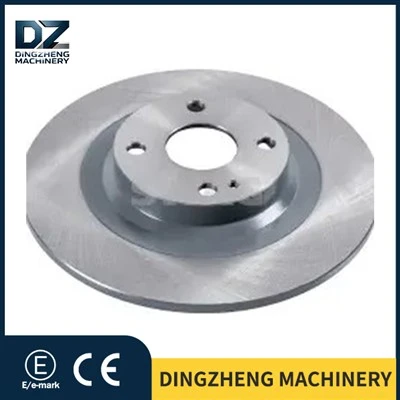
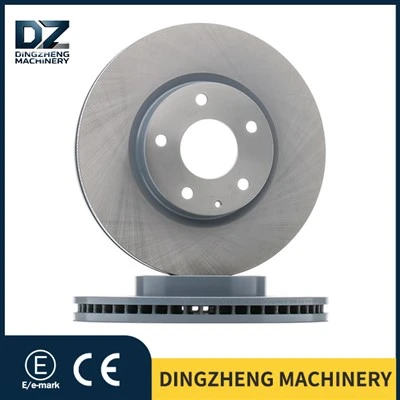
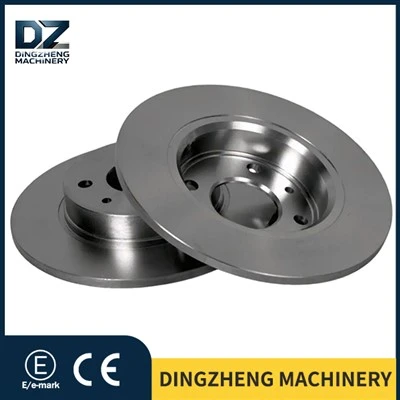
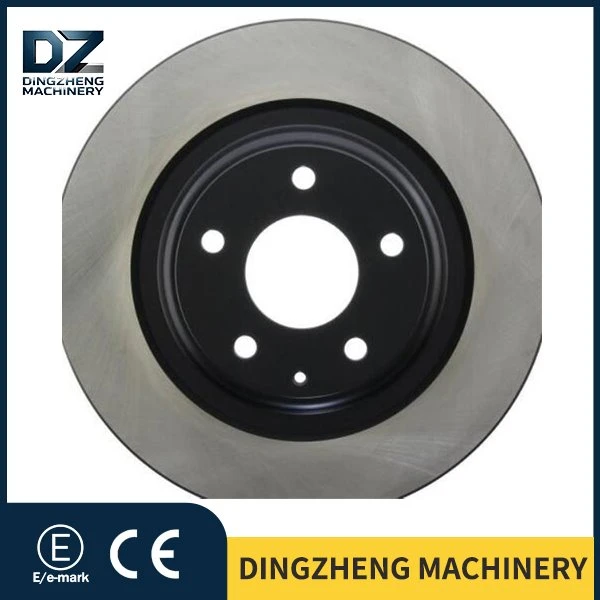
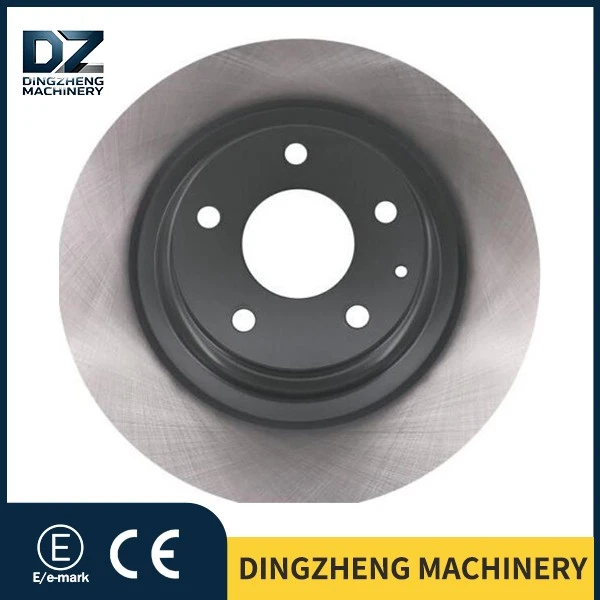
The excellence of this Rear Brake Disc of MAZDA CX-9 TK7826251A is rooted in a set of rigorous engineering parameters and manufacturing processes. These cold, precise figures are in essence a sincere commitment to safety.
Precise Geometry and Perfect Fit
As a vehicle-specific component, all its mounting dimensions match the original car perfectly. For instance, the precision of its center bore diameter and Pitch Circle Diameter (PCD) ensures a stress-free fit with the wheel hub, laying the foundation to eliminate vibration caused by improper installation. Referencing data of similar Honda rear brake discs, its design generally takes into account the optimal balance between heat dissipation and structural rigidity.
Material and Structure
Dual Strengths for Durability: It is most likely made of high-quality alloy cast iron. While delivering a favorable friction coefficient, this material also boasts outstanding wear resistance. More importantly, it undergoes strict heat treatment processes, which modify the internal metallographic structure of the metal to remarkably enhance tensile strength and thermal cracking resistance, maintaining structural integrity even under the high temperatures of repeated braking. The surface is usually coated with an anti-corrosion layer (such as eco-friendly Dacromet technology) to effectively resist rust and extend service life.
Millimeter-level Shaping and Ultimate Calibration
From rough casting to finished product, it goes through multiple processes including CNC turning and grinding. Dynamic balance correction is an indispensable procedure. This process eliminates microscopic uneven mass distribution of the disc, fundamentally preventing abnormal vibration that may transmit to the vehicle body during high-speed braking, and delivering a quiet and comfortable driving experience.
Product Parameter
|
Location |
Rear Brake |
Diameter |
324mm |
|
Brake Disc Thickness |
11mm |
Minimum Thickness |
9mm |
|
Centering Diameter |
68mm |
Height |
45mm |
|
Number Of Holes |
6 |
Pitch Circle Diameter |
114.3mm |
|
Solid Or Vented |
S |
Weight |
5.9kg |
Car Model


MAZDA CX-9 (TC) 2.5 T 2016/06-
MAZDA CX-9 (TC) 2.5 T AWD 2016/06-
Changan MAZDA CX-8 2.5 2018/12-
Changan MAZDA CX-8 2.5 AWD 2018/12-
Reference No.
There are different corresponding codes for the Rear Brake Disc of MAZDA CX-9 TK7826251A
|
BOSCH |
0986T15434 |
NIBK |
RN2237 |
|
FREMAX |
BD7318 |
OE |
TK7826251A |
|
KAVO PARTS |
BR4811C |
ZIMMERMANN |
370440620 |
Surface Treatment
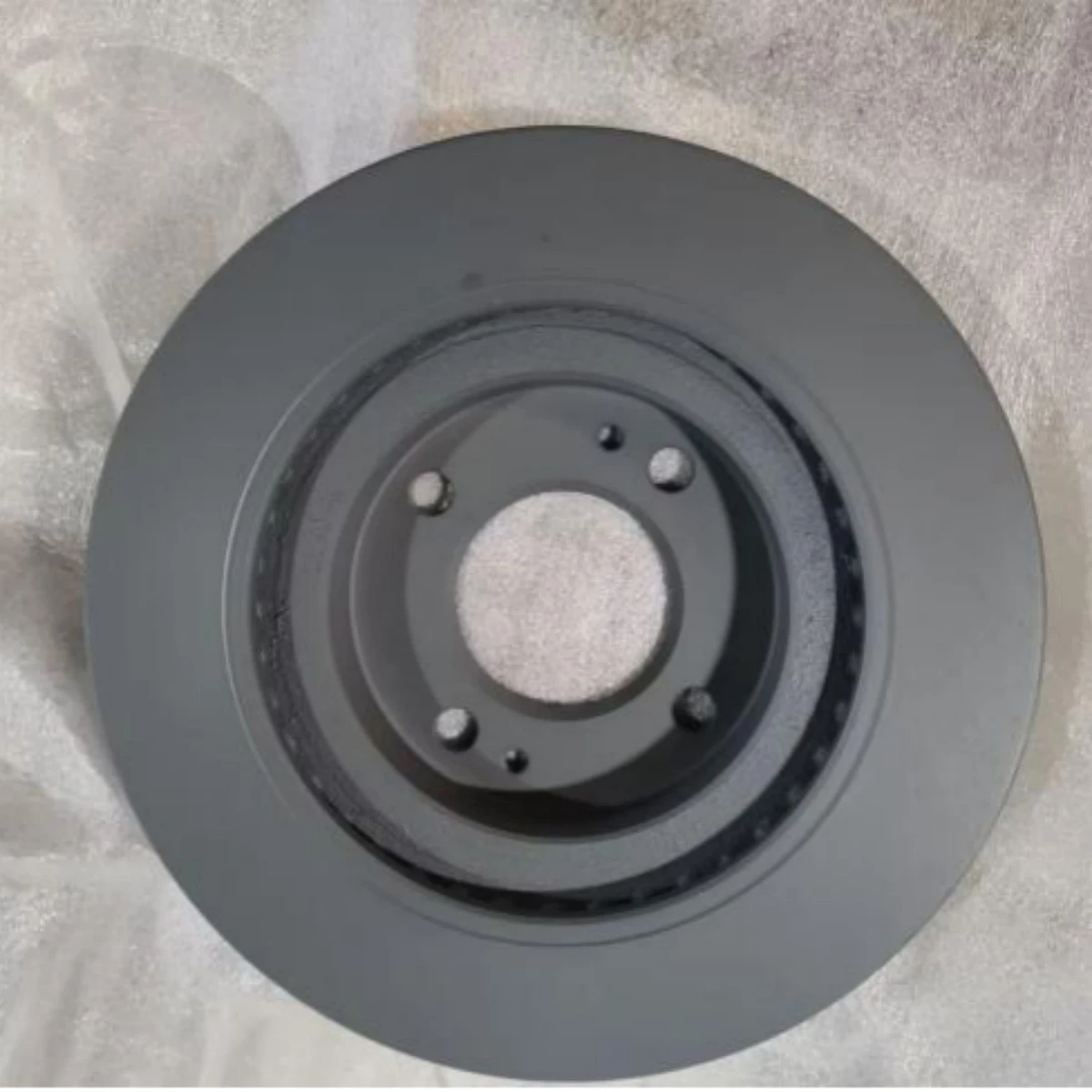
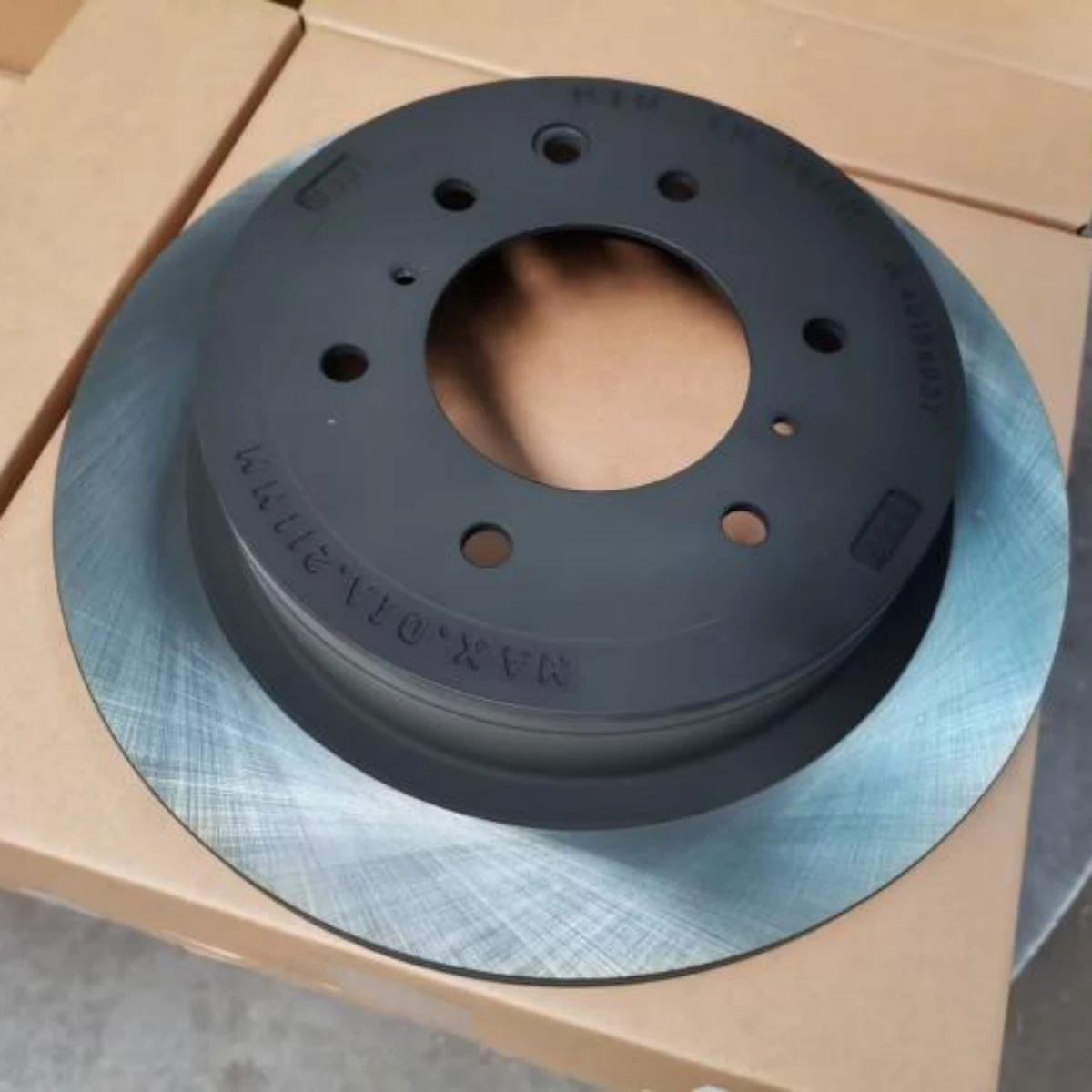
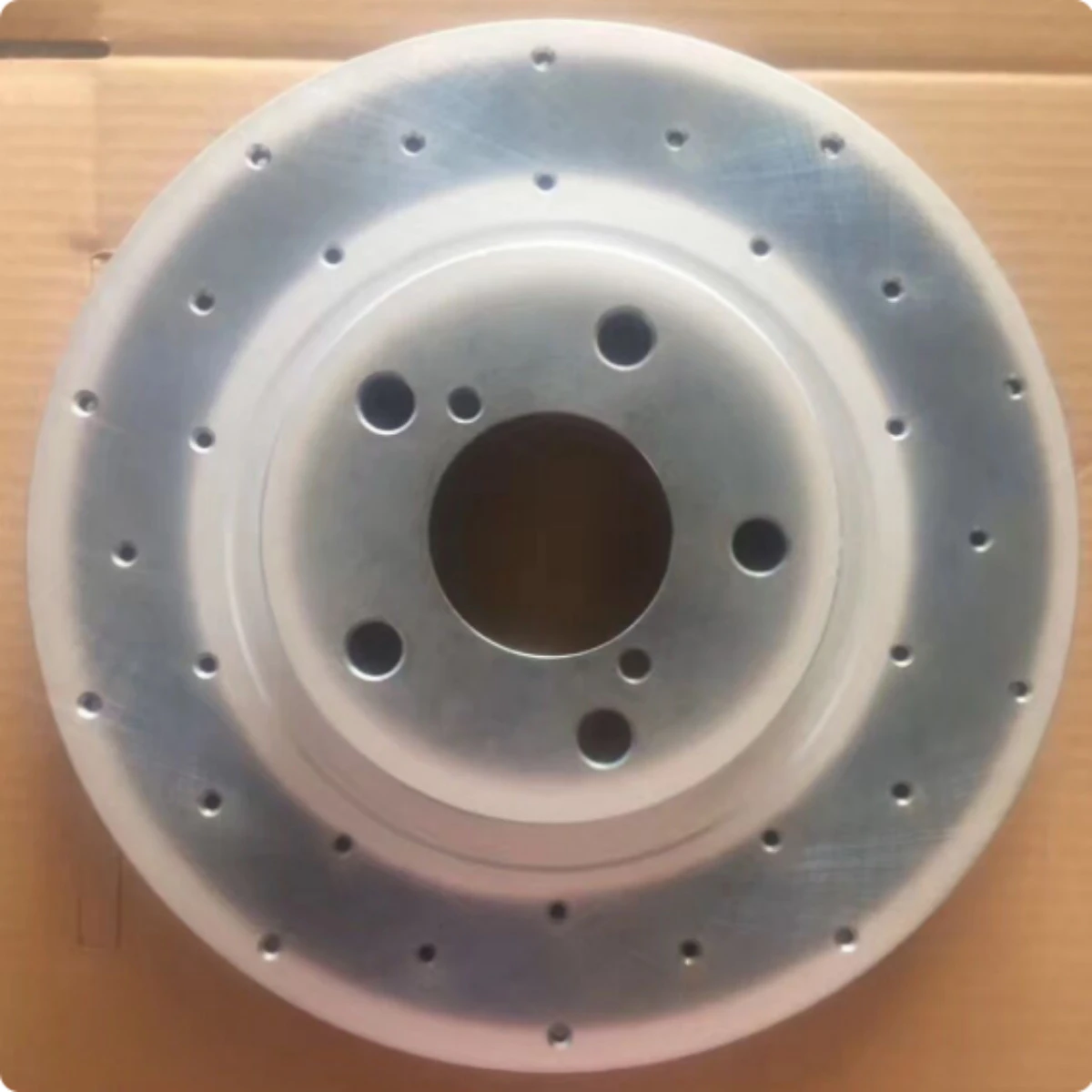
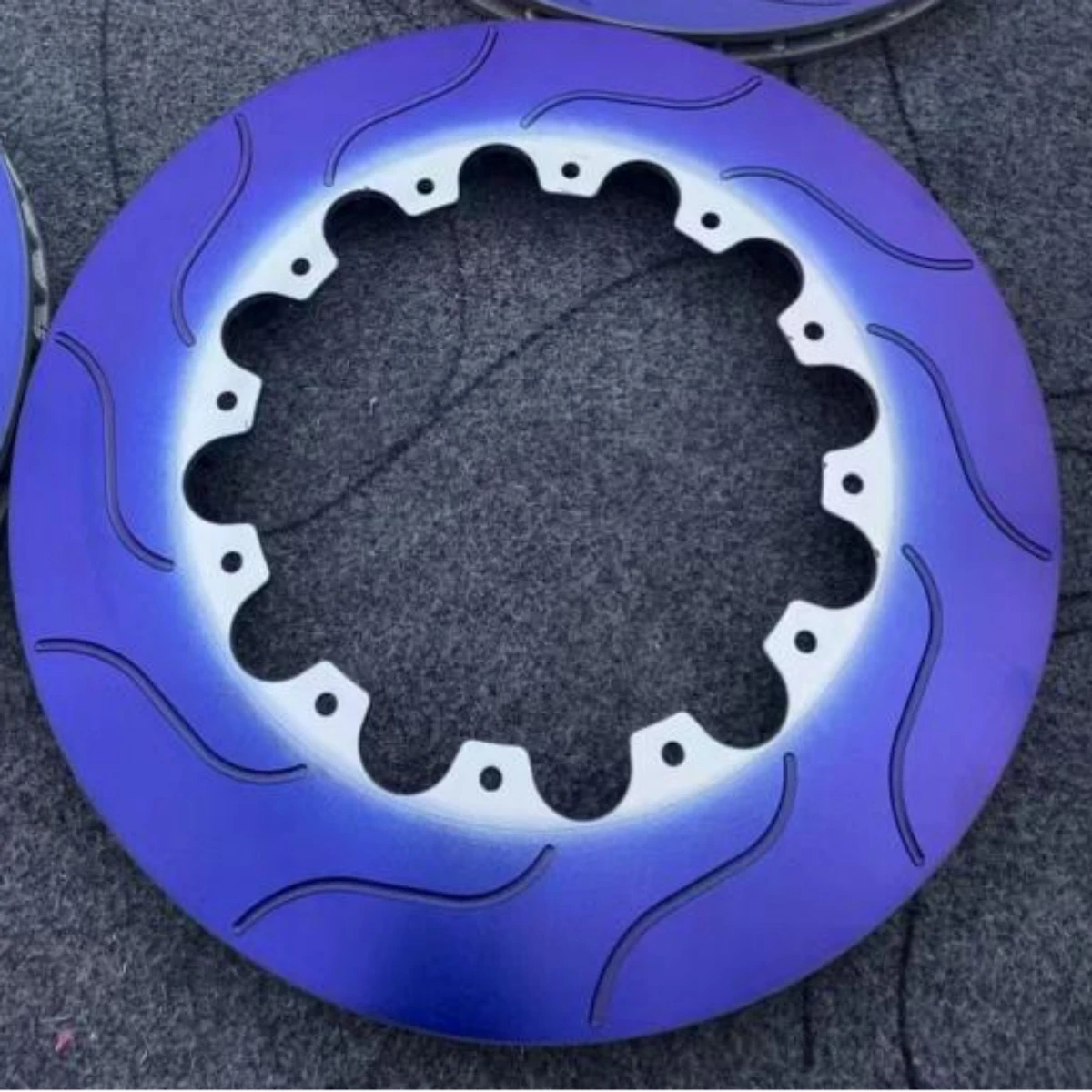
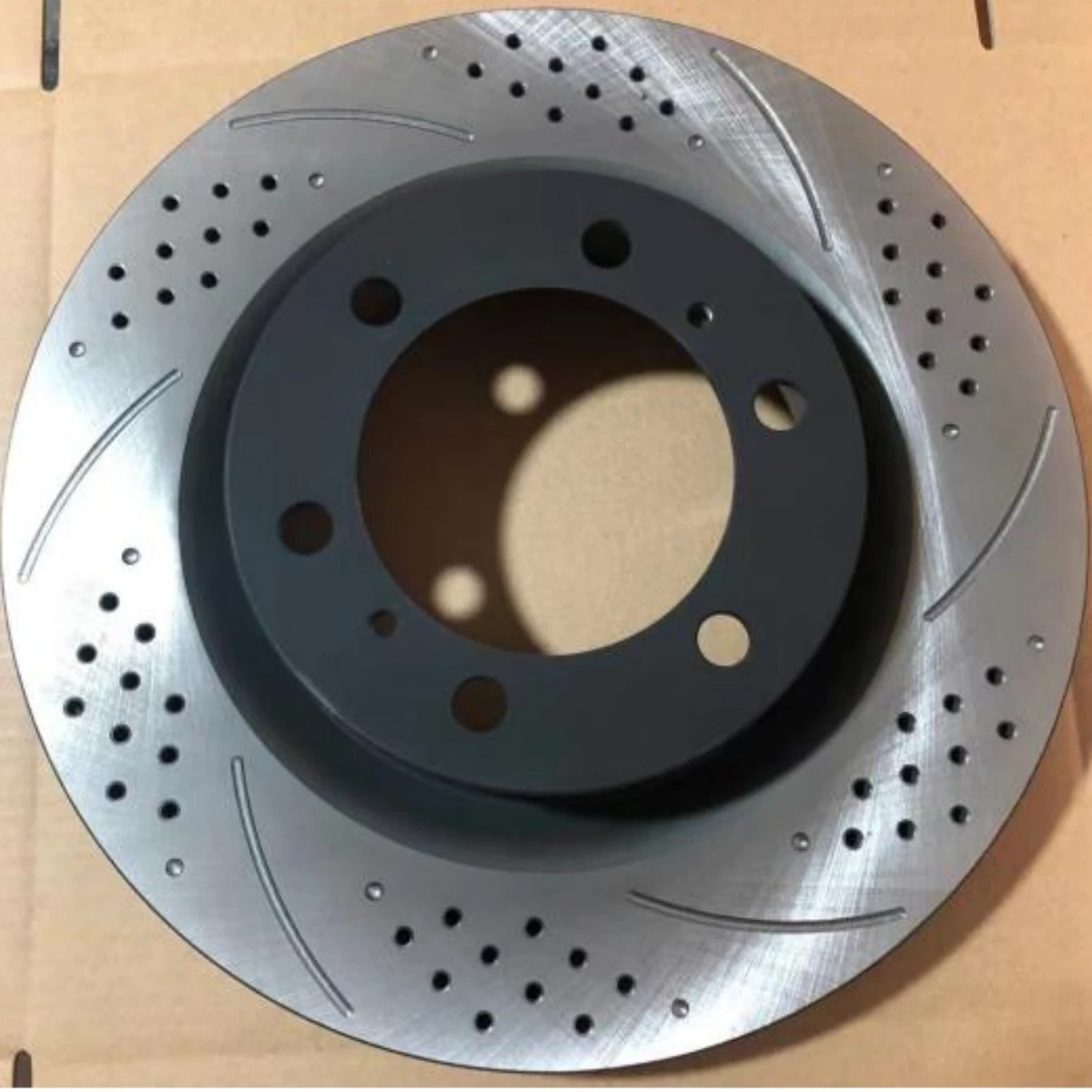
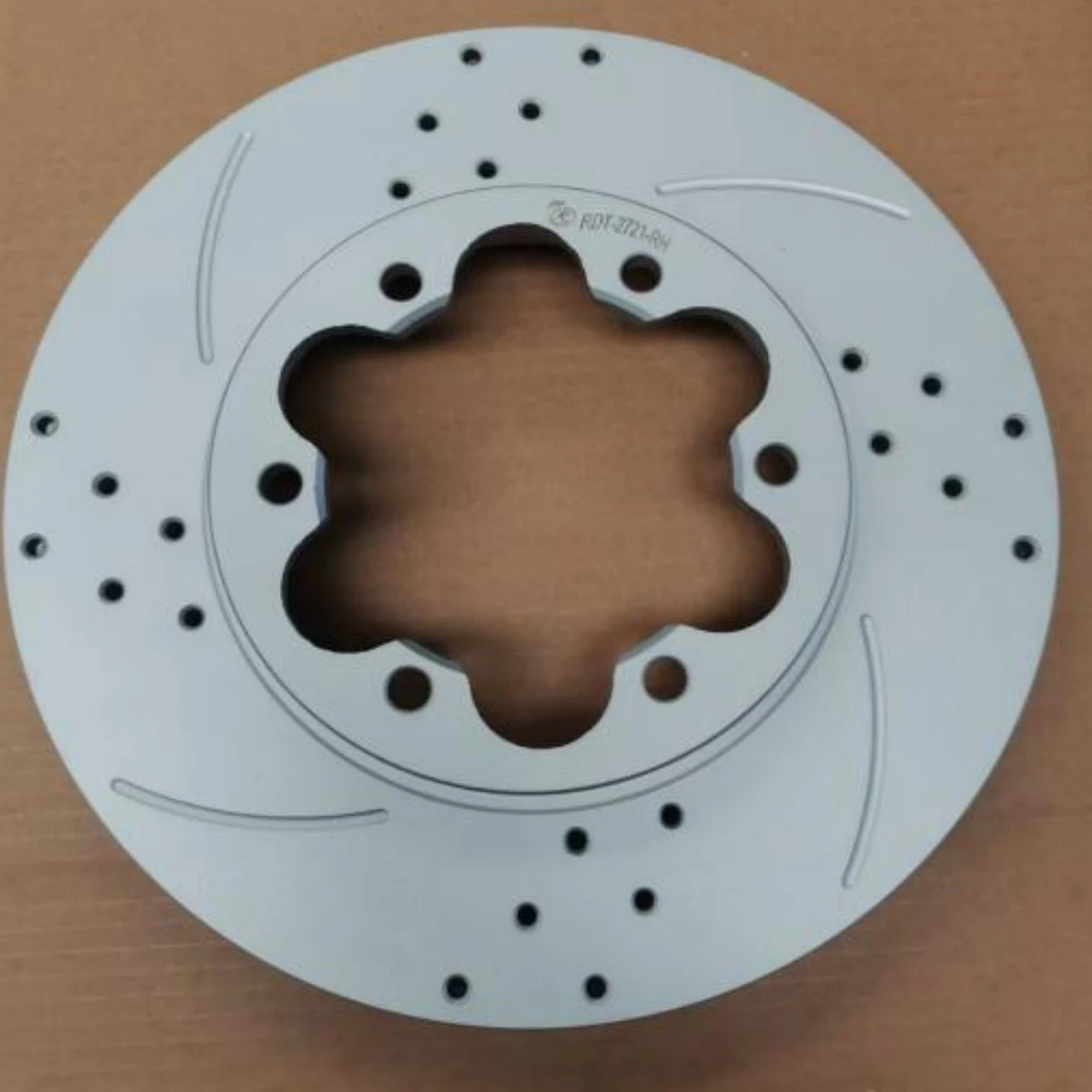
Crafting Excellence: Precisely Controlled Modern Production Line
Superior surface treatment relies on a precisely controlled manufacturing process. A modern brake disc coating production line embodies high-level automation and rigorous process discipline. The process starts with stringent pre-treatment: physical grinding or chemical cleaning thoroughly removes surface oxide layers and oil contaminants, laying the foundation for firm coating adhesion.
This is followed by the automated spraying process, where precise adjustment of spray gun parameters ensures uniform coating coverage.
Subsequently, the curing and drying stage is critically important. Appropriate temperature and time curves determine the final hardness and adhesion of the coating.
The entire process concludes with precision inspection, including comprehensive checks on coating appearance, thickness and adhesion. Only products that meet all standards are approved for delivery.
This full-chain quality control guarantees consistent surface performance of every single brake disc.
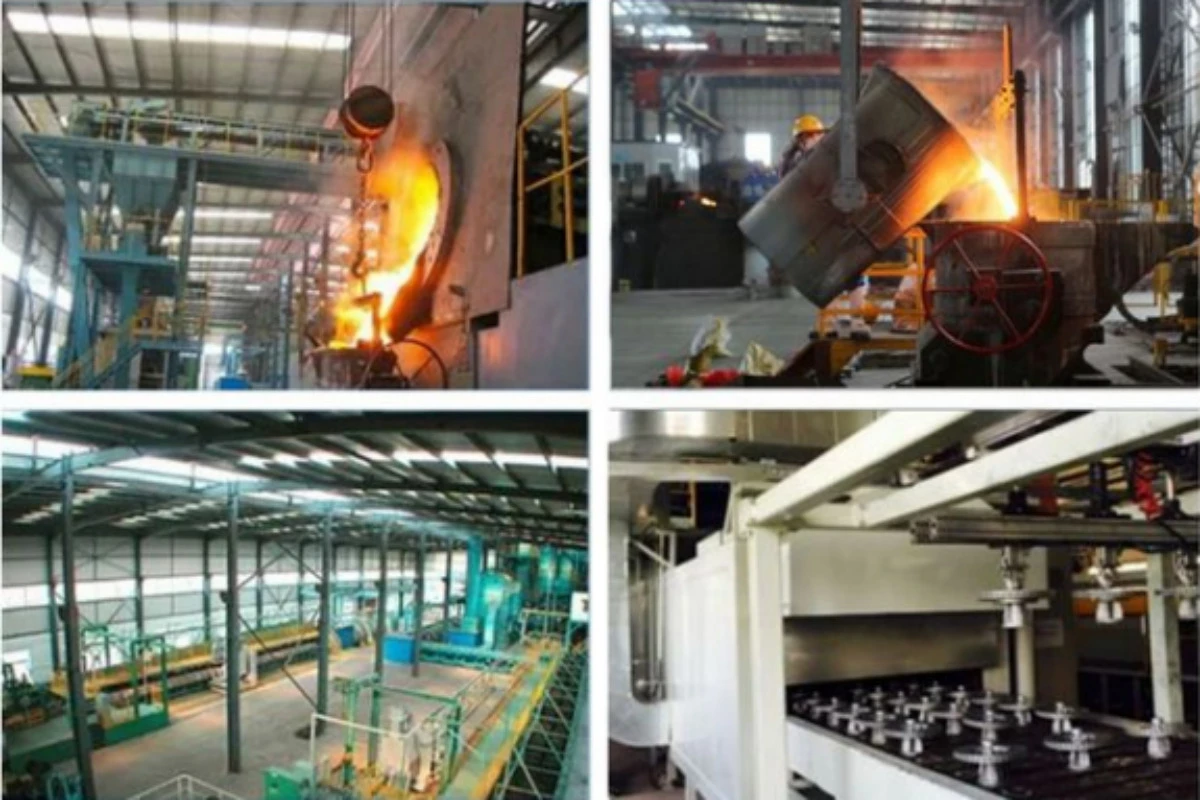
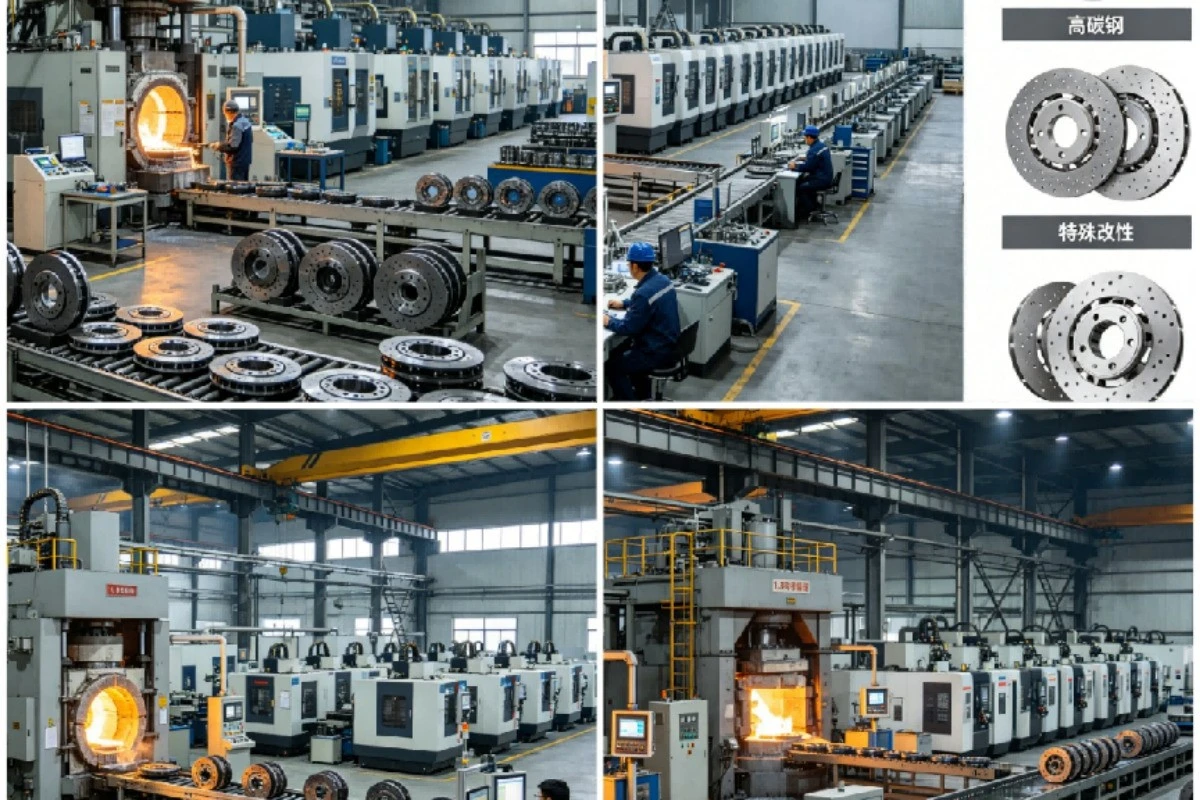
Machining Workshop
An outstanding machining workshop boasts value far beyond mere instruction execution. It is inherently a closed-loop quality stronghold:
In-line inspection integrated into every process: Dynamic balance testing, air tightness testing and other inspections have become standard checkpoints on the production line, with non-conforming products automatically intercepted. Meanwhile, high-precision measuring equipment conducts regular routine inspections on critical dimensions, forming a closed-loop data feedback system that drives the continuous optimization of machining parameters.
Concrete embodiment of process innovation: To tackle the problem of machining deformation of thin-walled parts, the industry adopts sophisticated process designs. For instance, dedicated fixtures are used to clamp ventilation grooves during rough machining to ensure uniform thickness. Additionally, an innovative method employing upper and lower dual tools to cut the brake end face simultaneously in finish machining leverages the counterbalance of cutting forces to drastically improve the parallelism and flatness of both surfaces. These ingenious designs reflect profound accumulated process expertise.
Intelligent core of the digital factory: The entire workshop operates under the philosophy of digitalization and intelligence. Supported by systems such as the Manufacturing Execution System (MES), it realizes full-process data-driven and transparent management covering orders, production, quality control and logistics. This establishes a modern operation model that delivers sustained quality improvement, efficiency enhancement and cost reduction.
Delivery,shipping and serving
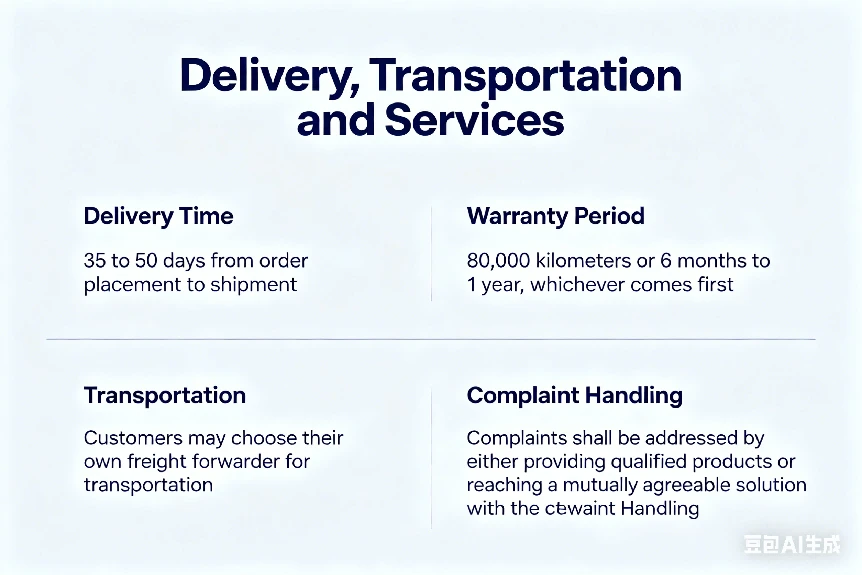
This rear brake disc with Rear Brake Disc of MAZDA CX-9 TK7826251A is mainly fitted to the rear axles of Mazda CX-5, Mazda3 and CX-3 models. Each solid disc has a net weight of around 5.9 kilograms and is relatively lightweight. For packaging, double-wall corrugated cartons are adopted with custom-molded EPE foam slots inside to hold the disc firmly in place, preventing any contact or damage to the friction surface even during rough handling in regular transportation. The standard production and lead time ranges from 30 to 45 working days upon order confirmation. Extra waiting days may be required during peak production seasons due to tight production schedules, and we appreciate your understanding. Customers are allowed to appoint their preferred freight forwarders; kindly inform us in advance if you have any long-term cooperating logistics providers.
FAQ
Q: Does this rear brake rotor with part number TK7826251A fit both the CX-5 and Mazda3? Is Mazda cutting corners carelessly?
A: It is far from cutting corners. For Mazda's rear axle braking system fitted to front-wheel-drive platforms including the CX-5 (KF series), Mazda3 (BP series) and CX-3, the mounting dimensions of rear caliper brackets and hub bearing flanges are standardized. Marked with part number TK7826251A, this rotor features an outer diameter of 278 mm, a thickness of 10 mm and a center bore of 67 mm. Its full set of specifications enables full interchangeability on the rear axles of all these vehicle models. This is Mazda's cost reduction strategy based on platform modularization; it also makes parts ordering much easier without struggling with countless split variant part codes.
Q: I've replaced this rear rotor and brand-new brake pads on my CX-5. When driving off with a cold vehicle and gently applying brakes at low speeds, the rear wheels emit a high-pitched squealing noise. Could poor rotor material be the culprit?
A: Don't rush to blame the brake rotor. Original-equipment rear brake pads from Mazda adopt a relatively soft formulation coated with release agent on their surface. Within the first several hundred kilometers before the coating wears in completely, high-pitched squeals commonly occur during light braking at low speeds with cold components. Find a safe stretch of road, accelerate to 60 km/h and moderately brake down to 20 km/h; repeat this five or six times to fully bed in the pads and rotors under operating heat, which usually eliminates the squeaking. If noise persists, inspect whether service technicians omitted the anti-squeal shims fitted on the back of brake pads and check if the grease for caliper guide pins has dried out. The TK7826251A rotor is manufactured with controlled friction surface roughness ranging from Ra1.6 to Ra2.0 specifically to suppress brake noise, so defects originating from the rotor itself are highly unlikely.
Q: Why is this rear rotor only 10 mm thick and of solid construction? It looks excessively thin and flimsy.
A: Rest assured this is not a cost-cutting shortcut. On Mazda's SKYACTIV chassis, rear wheels only bear 20% to 30% of total vehicle braking force, with the front axle handling most of the braking heat load. The solid 278 mm-diameter rotor with 10 mm thickness delivers ample performance for daily deceleration and clamping force from the electronic parking brake. In addition, reduced rotor thickness lowers unsprung mass, enabling snappier rear suspension response and diminishing minor cabin vibrations over uneven pavement. The composed high-speed driving feel of the CX-5's chassis largely stems from this rational lightweighting design philosophy built around adequate functional performance.
Q: My Mazda3 has covered 70,000 kilometers and a small lip has formed around the edge of the rear brake rotors. Can I continue driving with these rotors for some time?
A: Replacement is recommended without delay. The TK7826251A rotor has a nominal thickness of 10 mm and a discard wear limit of 9 mm. Run your fingernail across the raised edge lip; replacement is required once lip depth exceeds 0.5 mm. Mazda's DSC dynamic stability control system applies subtle braking force to the inner rear wheel during cornering to mitigate understeer, accelerating rear rotor wear faster than most drivers anticipate. Delaying replacement until brake pads are fully worn risks severe issues: excessively thin rotors suffer insufficient heat dissipation after new pad installation, resulting in spongy brake pedal feel and premature brake fade during prolonged downhill descents.
Last News
Changes in market demand first send ripples through the manufacturing sector.
Positive signals of production capacity: To cope with the growth of demand in the global market, especially for high-end products such as carbon-ceramic materials, leading manufacturing enterprises are drastically expanding their production capacity. For instance, some enterprises have added 26 fully automated production lines, realizing full-process intelligent production from blanks to dynamic balance testing, spraying and packaging, with an annual production capacity reaching tens of millions of pieces. This represents not merely an expansion in scale, but also the assurance of ultimate consistency in product quality through automation.
The embryonic form of future "intelligent components": The industry's future vision has gone beyond simple physical manufacturing. Next-generation brake discs will be integrated with embedded sensors to monitor temperature and wear thickness in real time, predict remaining service life via AI algorithms, and proactively remind users of replacement needs. This means brake discs will evolve from passive-to-replace "mute components" into "sensing terminals" within the intelligent chassis system that actively report operational health status. Meanwhile, environmental concerns have also spurred conceptual research into collection and treatment technologies for brake dust.
Hot Tags: rear brake disc of mazda cx 9, China rear brake disc of mazda cx 9 manufacturers, suppliers, factory