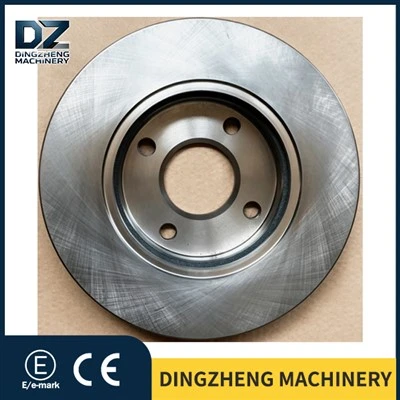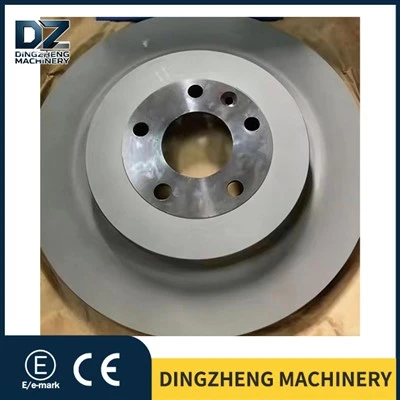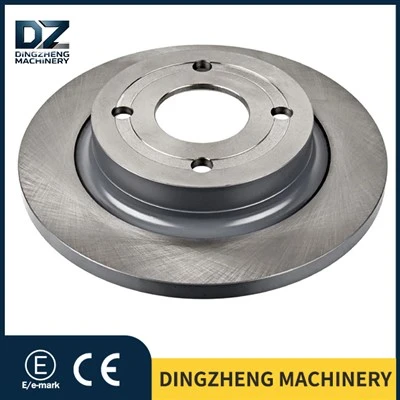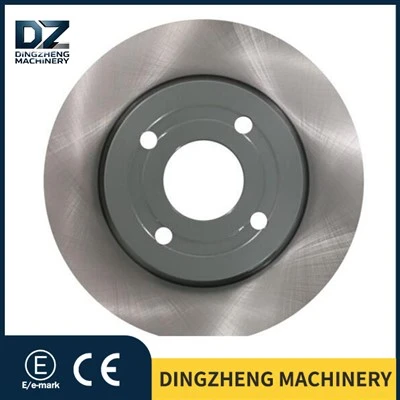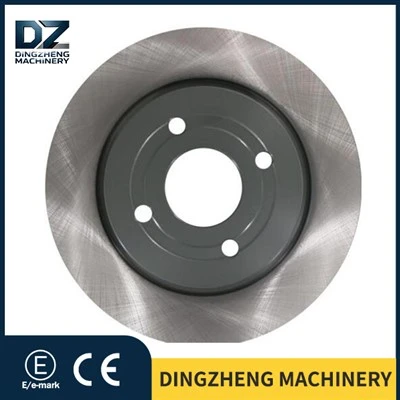

The brake disc is a critical component of a modern automotive braking system, playing a central role in vehicle deceleration and stopping. As vehicle power, operating speeds and overall weight continue to increase, braking systems are required to handle greater loads and more demanding conditions. Working together with the brake pads and caliper, the brake disc generates frictional force to deliver consistent braking performance while contributing to vehicle safety and driving comfort.
The primary function of a brake disc is to slow the vehicle down and bring it to a stop. When the driver applies the brake pedal, the braking system presses the brake pads against the rotating disc. Friction between the two surfaces converts the vehicle's kinetic energy into heat, reducing wheel speed and ultimately bringing the vehicle to a controlled stop. Consistent friction performance allows the braking system to respond reliably across different speeds and road conditions.
Thermal management is another essential function of the brake disc. During braking, a significant amount of kinetic energy is converted into heat, causing the disc temperature to rise rapidly. If this heat is not dissipated effectively, braking performance can deteriorate. Brake discs are therefore designed to transfer and release heat efficiently through their materials, geometry and interaction with surrounding airflow. Effective heat dissipation helps maintain stable braking performance during repeated braking and other high-load operating conditions.
Brake discs also contribute to braking smoothness and overall driving comfort. Factors such as dimensional accuracy, surface finish and dynamic balance can influence braking uniformity, vibration and noise. A precisely manufactured disc provides more consistent contact with the brake pads, helping deliver smoother and more predictable braking characteristics.
As electric and high-performance vehicles continue to develop, brake disc technology is evolving to meet increasingly demanding requirements. Future designs are expected to focus on lower weight, improved thermal efficiency, reduced noise and vibration, and greater durability. Advances in materials, structural engineering and manufacturing technologies will further enhance the role of brake discs in delivering safer, more efficient and more refined vehicle performance.