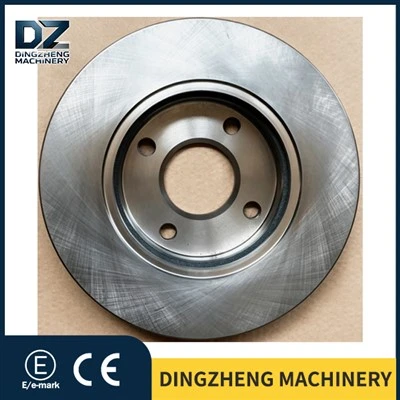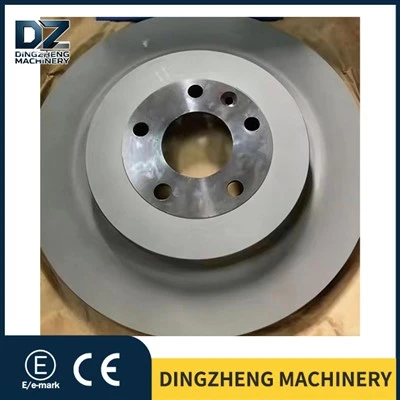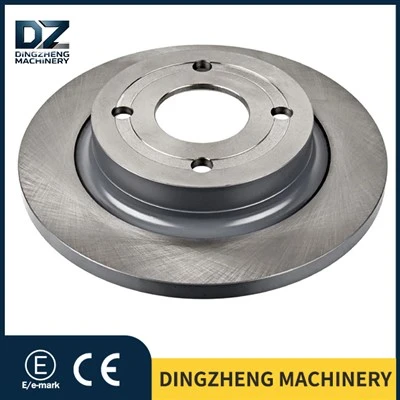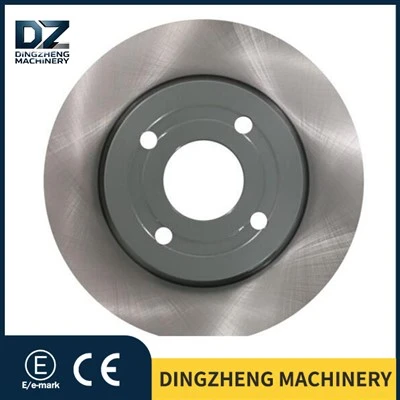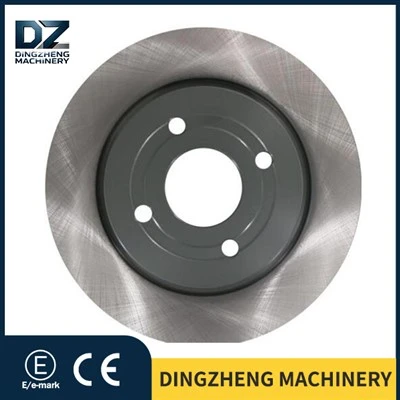

As a critical component of a vehicle's braking system, the brake disc plays a direct role in deceleration, stopping performance and overall driving safety. As vehicle performance continues to advance, modern brake discs are expected to deliver more than basic braking capability. They must also provide strong resistance to heat, effective thermal management, long-term durability, lightweight performance and a comfortable driving experience.
High strength and structural stability are among the most fundamental characteristics of a brake disc. During braking, the disc continuously interacts with the brake pads, converting the vehicle's kinetic energy into heat through friction. This process exposes the disc to significant mechanical loads and rapid temperature changes. High-quality materials combined with an optimized design help maintain consistent braking force while reducing the risk of deformation and performance degradation over extended use.
Thermal management is another important measure of brake disc performance. Repeated braking and high-speed driving can generate substantial heat, and inadequate heat dissipation may lead to reduced braking efficiency. To address this challenge, many brake discs incorporate ventilation features and optimized cooling channels that improve airflow and accelerate heat removal. This helps maintain stable braking performance, particularly under demanding operating conditions.
Durability and wear resistance are also essential characteristics. Brake discs must withstand frequent braking and varying road conditions while maintaining a reliable contact surface with the brake pads. Dimensional accuracy, surface quality and dynamic balance are equally important, as they can affect braking smoothness, vibration, noise and overall driving comfort.
With the continued growth of electric and high-performance vehicles, brake disc development is increasingly focused on lightweight construction, thermal efficiency and reduced environmental impact. Through advances in materials, structural engineering and manufacturing processes, future brake discs are expected to deliver safer, more consistent and more efficient braking performance while meeting the evolving demands of the automotive industry.