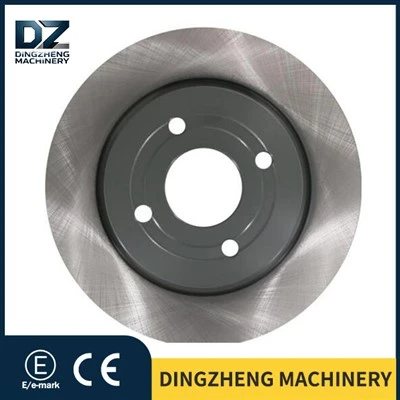
Brake judder remains one of the most common complaints in aftermarket brake service. Many repair shops assume the new rotors are defective once they feel pedal pulsation after installation. From our long-term communication with overseas garages, more than half of these vibration claims do not come from faulty rotors out of factory. Excessive lateral runout introduced by dirty hub surface, worn hub or improper fitting is the real trigger.
Lateral runout means the side-to-side wobble of a brake rotor while spinning. It differs from disc thickness variation, and these two terms are often confused by inexperienced technicians. As a general industry reference, the acceptable runout limit for most passenger vehicles falls between 0.05 mm and 0.07 mm. Once beyond this tolerance, brake pads contact the surface unevenly, gradually creating thickness variation and worsening vibration. Such tiny deviation cannot be judged visually; a dial indicator is required for accurate measurement.
The standard inspection procedure: fix the dial indicator firmly on the knuckle or strut, place the probe 10–15 mm inward from the outer edge of the friction ring, then rotate the wheel slowly by hand. One critical pre-check step must not be skipped: fully clean the mounting flange between hub and rotor. Even tiny rust flakes or metal debris will tilt the rotor and produce false runout readings.
We have summed up frequent mistakes made by overseas technicians. First, the wheel hub itself has excessive runout from bearing play or corroded flange. Perfect new rotors will wobble once fitted on a faulty hub. Second, wheel nuts are tightened unevenly without diagonal torque sequence. Uneven clamping force introduces rotor distortion. Third, hosing down hot rotors with cold water creates thermal shock, leading to permanent warping that resurfacing cannot fix.
Another widespread myth: resurfacing rotors solves judder for good. If the corroded or deformed hub flange stays untreated, vibration will return quickly after machining, wasting workshop labor hours. Our advice for partner garages is simple: inspect and clean the hub flange and test hub runout before installing new rotors, instead of turning the rotor surface directly.
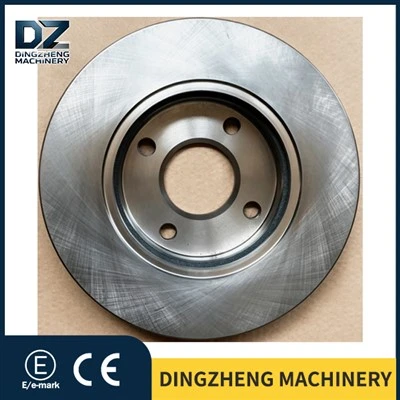
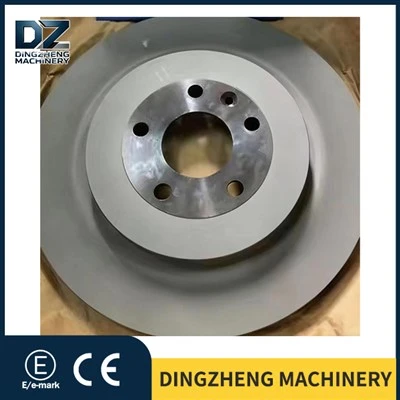
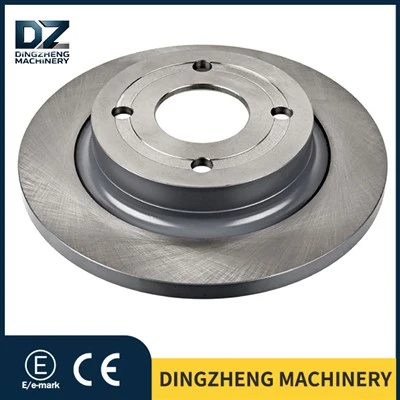
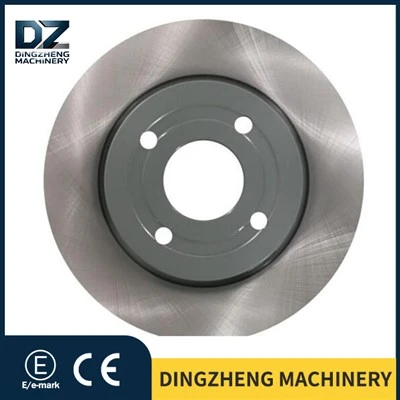
During our production, every batch of rotors goes through random runout inspection after CNC machining, keeping finished parts within tight tolerance. We supply matched brake rotors for Volkswagen Golf 7, Buick and Jeep models. Still, qualified factory tolerance cannot guarantee trouble-free performance after fitting. Proper on-site assembly checks are essential to cut judder complaints.
Distributors can share this diagnostic guide with local repair partners to reduce unnecessary RMA disputes. If your client garages keep receiving brake vibration cases, follow this check list to tell apart defects from rotor itself or mounting-related runout.

Detailed explanation of the runout of the brake disc surface: Brake vibration is not necessarily caused by deformation of the disc itself.