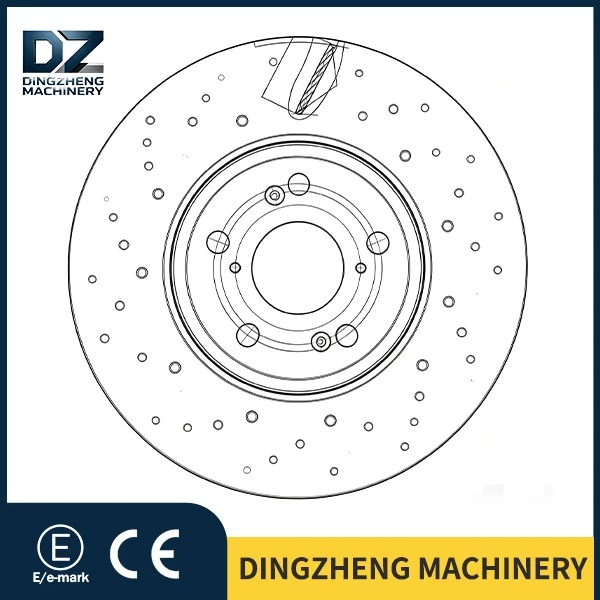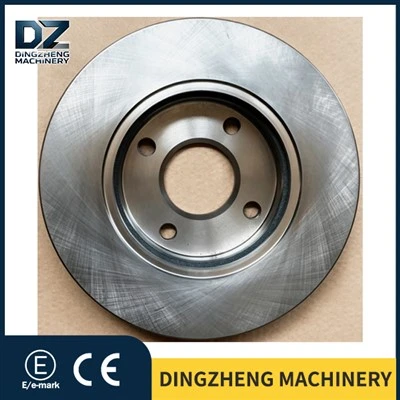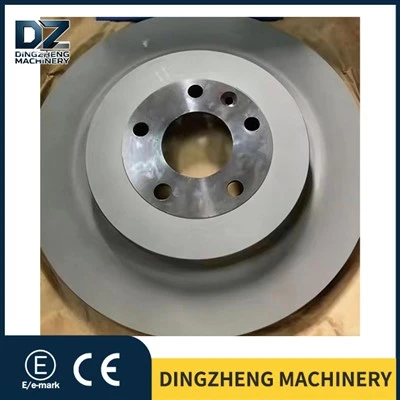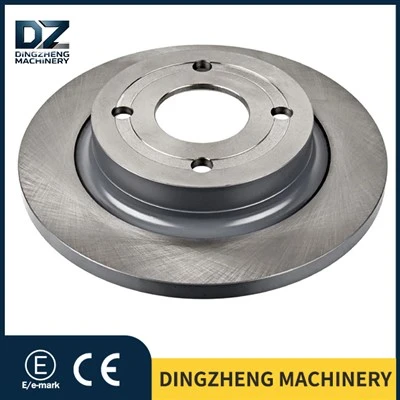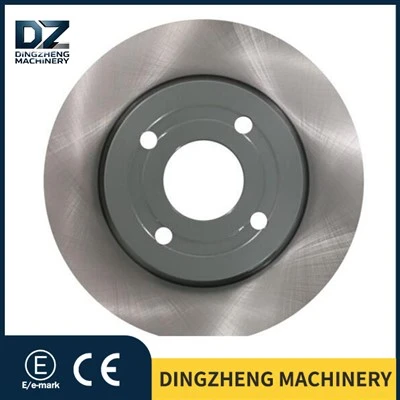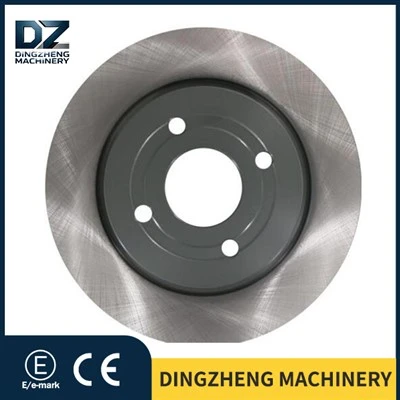

As the new energy vehicle market continues to expand, braking-system design is evolving alongside electrified powertrains. The brake disc remains an essential component of the friction braking system, but it must now work effectively alongside regenerative braking and electronically controlled vehicle systems. BYD offers a wide range of sedans, SUVs, MPVs and other electrified vehicles, with significant differences in vehicle weight, performance and operating conditions. Brake disc development therefore requires a careful balance of safety, efficiency and durability.
Safety and consistent performance are fundamental to brake disc design. During friction braking, the interaction between the brake pads and disc converts the vehicle's kinetic energy into heat. The rotor must therefore provide sufficient strength, wear resistance and thermal stability to withstand repeated mechanical and thermal loading. Appropriate material selection and optimized rotor geometry can help maintain dependable braking performance under a wide range of operating conditions.
Thermal management is particularly important for electrified vehicles. Although regenerative braking can recover part of the vehicle's kinetic energy through the electric motor, friction brakes remain essential during emergency stops, low-speed braking and situations in which regenerative braking is limited. Repeated braking can generate considerable heat, making efficient heat dissipation an important part of brake disc engineering. Depending on the vehicle application, ventilated rotor designs can promote airflow through internal cooling passages and help manage operating temperatures.
Lightweight construction is another important consideration for new energy vehicles. By optimizing rotor geometry and material distribution, engineers can reduce component mass without compromising the required strength and durability. Lower unsprung mass can contribute to improved handling and ride quality while supporting the broader efficiency goals of electrified vehicle development.
Braking refinement is also an important design objective. Parameters such as disc thickness consistency, lateral runout and friction-surface quality influence how evenly the brake pads contact the rotor. Precision machining and quality inspection can help reduce the potential for brake judder, abnormal noise and uneven wear, contributing to a smoother braking experience.
Brake disc specifications can vary significantly across BYD models and powertrain configurations. The rotor must be correctly matched with the brake pads, caliper, wheel hub and electronically controlled braking system. During maintenance or replacement, the exact vehicle configuration and original equipment specifications should therefore be verified to ensure proper compatibility.
Looking ahead, BYD brake disc development is expected to place greater emphasis on lightweight construction, efficient thermal management and intelligent integration. Continued advances in materials, structural engineering and electronic control can help mechanical and regenerative braking work together more effectively, supporting safer, smoother and more efficient braking performance for electrified vehicles.