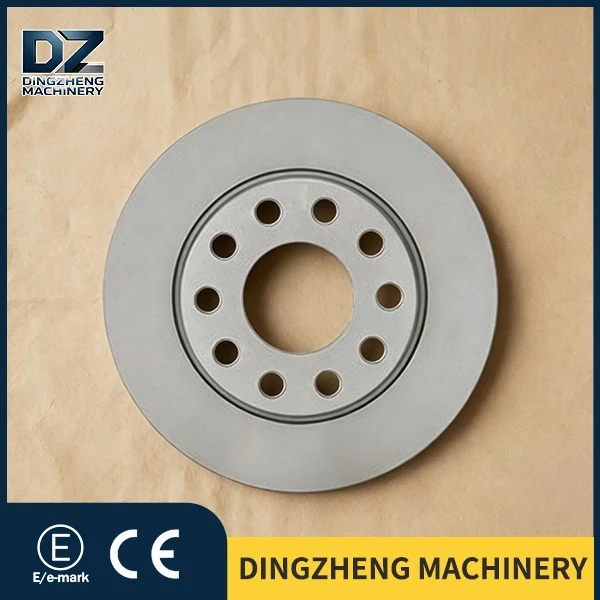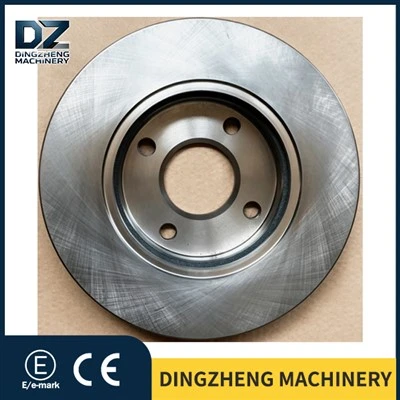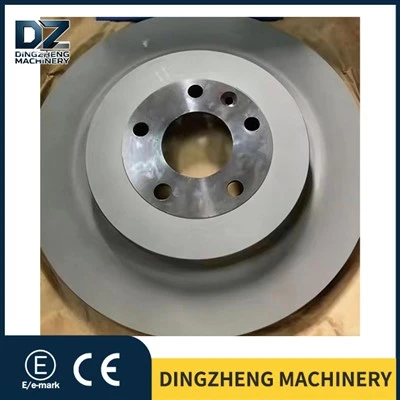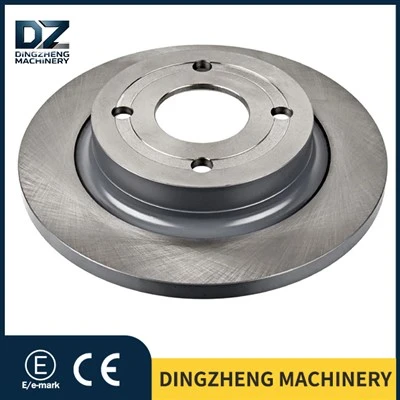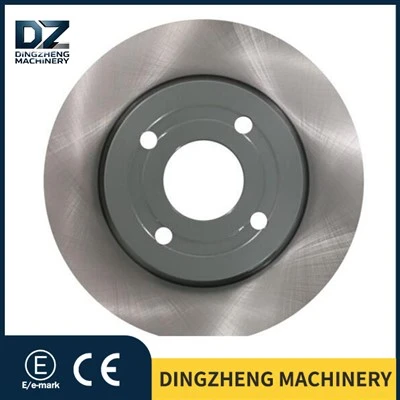

As vehicle performance continues to advance, braking systems are playing an increasingly important role in both safety and driving quality. The brake disc is a core friction component within a disc braking system, and its dimensions, materials and construction can have a direct impact on braking performance. Audi offers sedans, SUVs, high-performance models and electrified vehicles, with significant differences in vehicle weight, power output and braking-system configuration. Selecting the right brake disc therefore requires more than simply considering the brand or appearance of the component.
The first consideration should always be precise vehicle fitment. Different Audi models, model years and powertrain configurations may use different brake-system specifications. Key dimensions such as disc diameter, thickness, center bore, mounting-hole count and bolt pattern should be carefully verified. Compatibility with the original brake caliper and brake pads is equally important. An incorrect specification can create installation problems and may compromise the operation of the braking system.
The intended driving environment should also guide the choice of brake disc design. For vehicles used primarily for urban commuting and everyday driving, a brake disc that follows the original equipment specification is generally an appropriate choice. Vehicles frequently driven at high speeds, on mountain roads or in situations involving repeated braking may require greater thermal capacity and improved heat dissipation. Ventilated brake discs use internal cooling passages to promote airflow through the rotor, helping remove heat and maintain more consistent braking performance under demanding conditions.
Material quality and manufacturing precision are equally important. A high-quality brake disc should provide an appropriate balance of strength, wear resistance and thermal stability while maintaining accurate dimensions. Disc thickness consistency, lateral runout and friction-surface quality can all influence braking smoothness. Choosing products manufactured with established processes and reliable quality-control standards can help reduce the potential for brake judder, abnormal noise and uneven wear.
For high-performance Audi vehicles, particular attention should be paid to thermal capacity and repeated-braking performance. For electrified models, the friction braking system must also work effectively alongside regenerative braking, making compatibility with the vehicle's overall braking strategy an important consideration.
Other brake components should not be overlooked when replacing a disc. The condition of the brake pads, caliper, wheel hub and related components should be inspected, and servicing or replacement should be carried out when necessary. This helps ensure that the braking system functions as an integrated unit.
Overall, selecting brake discs for an Audi vehicle should begin with precise fitment and be guided by actual driving requirements. Dimensions, construction, materials, thermal performance and manufacturing quality should all be considered. Choosing a component that meets the vehicle's technical requirements can help the braking system deliver stable performance and provide dependable safety on the road.