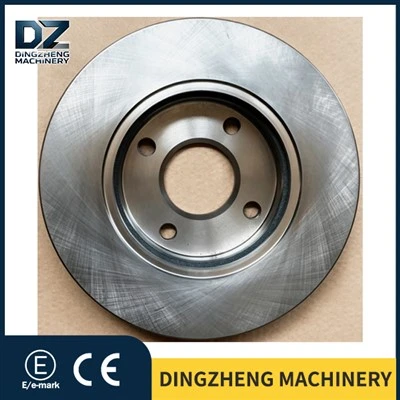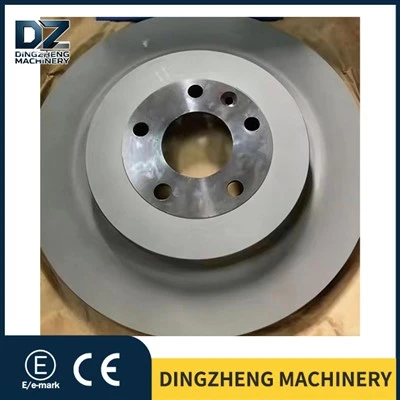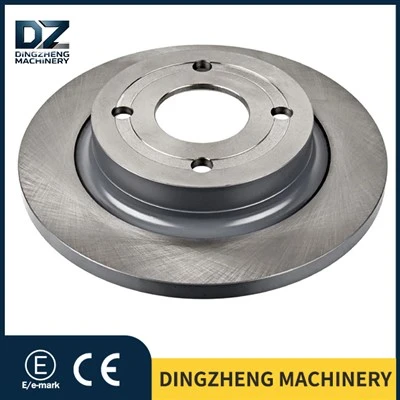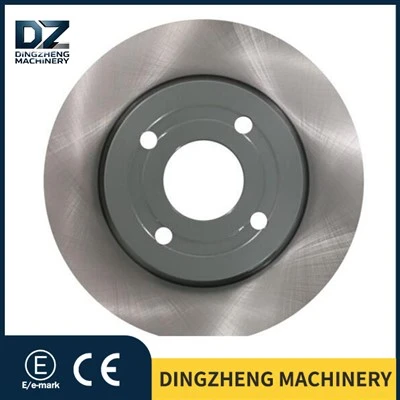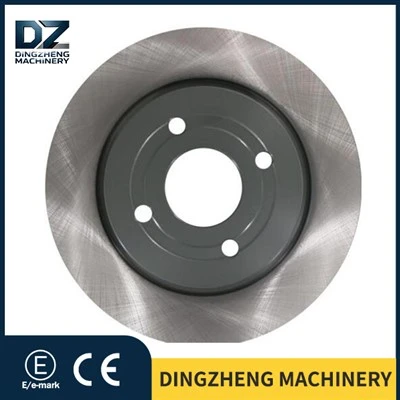

As vehicle ownership continues to grow, more attention is being paid to brake-system maintenance and replacement components. The brake disc is a key part of a disc braking system and directly contributes to vehicle deceleration and stopping performance. Its dimensions and material characteristics can influence braking effectiveness, driving comfort and service life. Chevrolet offers a broad range of vehicles, including cars, SUVs, MPVs and pickup trucks, so brake disc requirements can vary significantly depending on vehicle weight, powertrain configuration and braking loads.
The first priority when selecting a brake disc is precise vehicle fitment. Chevrolet models and model years may use different brake-system configurations. Key specifications such as disc diameter, thickness, center bore, mounting-hole count and bolt pattern should be checked carefully. Compatibility with the original brake caliper and brake pads is equally important. Selecting a disc based only on the Chevrolet brand or visual appearance may result in improper fitment or inconsistent braking performance.
The vehicle's operating conditions should also influence the selection. For vehicles used primarily for everyday urban driving, a brake disc that meets the original equipment specifications and applicable quality requirements is generally an appropriate choice. Vehicles frequently used for long-distance travel, mountainous roads or repeated braking may require greater emphasis on heat resistance, thermal management and wear resistance. An effective ventilated design can improve heat dissipation during repeated braking and help maintain more consistent braking performance.
Material quality and manufacturing processes are also important. A well-engineered brake disc should offer an appropriate balance of strength, wear resistance and dimensional stability. Precision machining helps maintain a flat and consistent friction surface, while factors such as disc thickness variation and lateral runout can affect braking smoothness and stability. Choosing products from manufacturers with established quality-control procedures can help ensure more consistent performance.
The brake disc must also work properly with the brake pads and other wheel-end components. Replacing a disc without checking the condition of the brake pads may prevent the new component from delivering its intended performance. During replacement, the brake pads, caliper, wheel hub and related components should therefore be inspected and serviced or replaced when necessary.
For Chevrolet owners, the best brake disc is not necessarily the least expensive option. Proper vehicle fitment, product quality and actual driving conditions should be the primary considerations. By verifying the vehicle configuration and selecting a brake disc that meets the required technical specifications, drivers can help maintain reliable braking performance and greater confidence on the road.