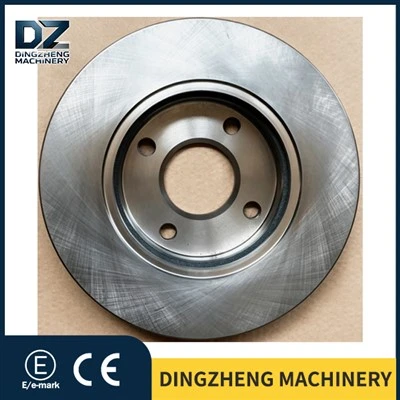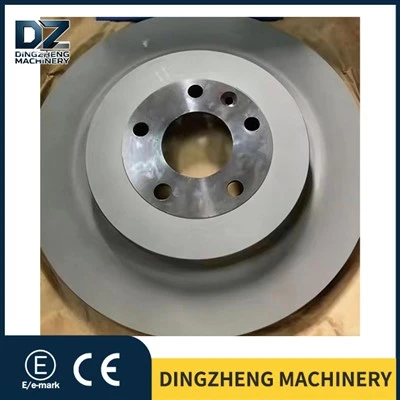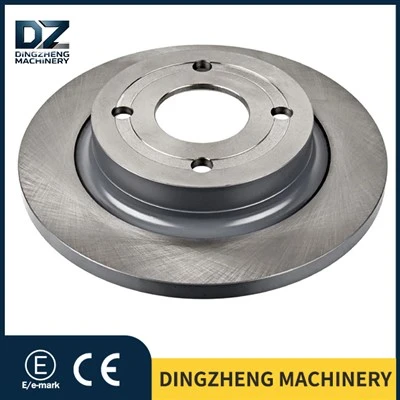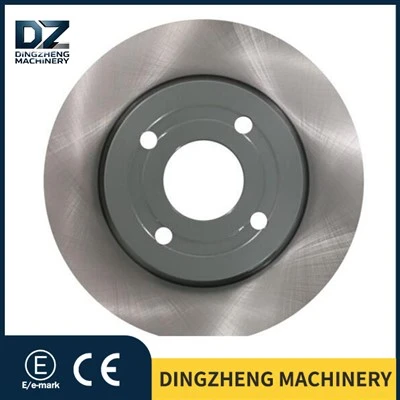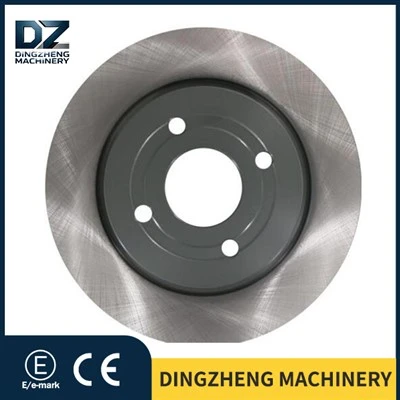

As automotive technology continues to advance, the braking system has become an important factor in vehicle safety and driving quality. As a primary friction component in a disc brake system, the brake disc plays a direct role in slowing and stopping the vehicle. Ford vehicles are designed for a wide range of body sizes, powertrains, vehicle weights and driving conditions, so brake disc specifications and performance requirements vary across different models. In general, Ford brake discs feature proven designs, consistent braking performance, effective heat management and application-specific fitment.
Brake discs used across Ford vehicles are commonly manufactured from cast iron, which provides the strength and thermal resistance required to withstand repeated friction and high temperatures during braking. Depending on the braking requirements of the front and rear axles, different disc specifications may be used to achieve an appropriate balance of braking force. Brake discs are not universally interchangeable between Ford models, as dimensions such as disc diameter, thickness, center bore and mounting-hole configuration must match the specific vehicle and brake system.
Thermal performance is another important characteristic. During braking, the vehicle's kinetic energy is converted into heat, which must be efficiently managed to maintain consistent braking performance. Some Ford applications use ventilated brake discs with internal cooling channels that improve airflow through the disc. This design helps dissipate heat more effectively and supports stable braking performance during repeated or demanding braking conditions.
Manufacturing precision also has a significant influence on braking quality. Parameters such as disc flatness, roundness, thickness consistency and surface finish can affect the contact between the disc and brake pads. Precise machining helps create a more uniform friction surface, reducing the potential for brake judder, abnormal noise and uneven pad wear.
Another important consideration is system compatibility. A brake disc must work correctly with the vehicle's calipers, brake pads, wheel hubs and other braking components. When replacing a brake disc, the correct specification should therefore be confirmed based on the exact Ford model, model year and brake-system configuration rather than relying solely on the vehicle brand.
As Ford continues to develop vehicles with higher performance, advanced driver-assistance features and electrified powertrains, brake disc technology is also evolving. Future developments are expected to focus on lightweight construction, improved thermal management, greater durability and higher manufacturing precision. Through advances in materials and structural design, brake discs can continue to support safe, stable and reliable braking performance across Ford's diverse vehicle lineup.