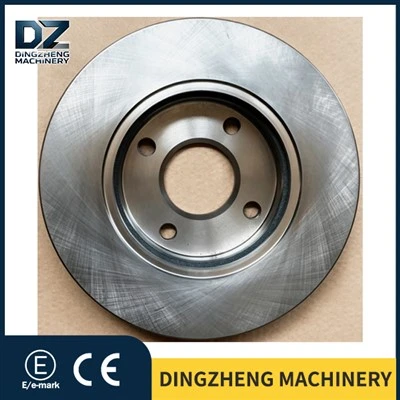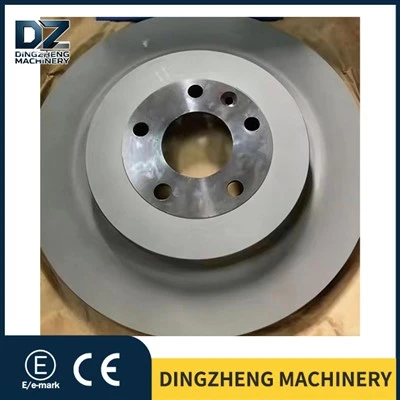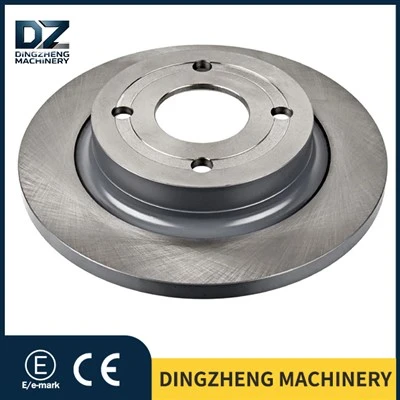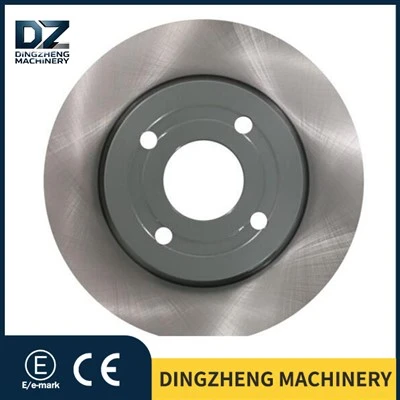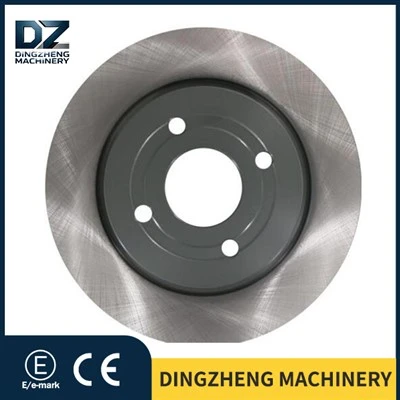

The braking system is a critical part of a vehicle's active safety equipment, while the brake disc is a key friction component within a disc brake system. Volkswagen offers a broad range of passenger cars, SUVs, MPVs and electrified vehicles, and braking-system configurations can vary between models. Regardless of the specific system, proper driving and braking techniques are important for maintaining reliable brake disc performance and minimizing unnecessary component wear.
During everyday driving, the driver should anticipate braking requirements based on vehicle speed, traffic conditions and the road environment. When slowing down, the brake pedal should generally be applied smoothly and progressively, allowing the brake pads and discs to build friction in a controlled manner. Compared with repeated harsh braking, measured brake application can reduce sudden thermal loading on the brake discs and contribute to smoother vehicle deceleration.
Extra attention is required during high-speed driving, long descents or other situations involving repeated braking. Continuous brake application can cause heat to build up within the braking system and may reduce braking performance if temperatures become excessive. On long downhill sections, drivers should follow the vehicle manufacturer's recommendations and make appropriate use of engine braking or suitable gear selection, together with controlled braking when necessary, to reduce continuous thermal stress on the brake system.
After driving through standing water, moisture may temporarily affect the friction surfaces of the brake discs and pads. When road conditions are safe, light and controlled braking can help remove moisture from the contact surfaces. The driver should then confirm that normal braking response has returned. If braking performance remains abnormal, the vehicle should be inspected promptly.
New brake discs and brake pads also require an appropriate bedding-in period. The friction surfaces need time to establish consistent contact, so repeated emergency stops and prolonged heavy braking should generally be avoided during the initial period of use. Following the applicable service procedures allows the new components to gradually reach their intended operating condition.
Any noticeable change in braking behavior should be taken seriously. Symptoms such as brake judder, unusual noise, a significant increase in stopping distance or the vehicle pulling to one side may indicate a braking-system problem. Installation, removal and adjustment of brake discs and other critical brake components should be performed by qualified technicians in accordance with the appropriate vehicle service procedures.
Proper braking technique is an important part of maintaining reliable brake disc performance on Volkswagen vehicles. Smooth driving, controlled brake application, avoidance of unnecessary thermal stress and prompt attention to abnormal symptoms can help keep the braking system operating effectively and provide greater confidence and safety on the road.