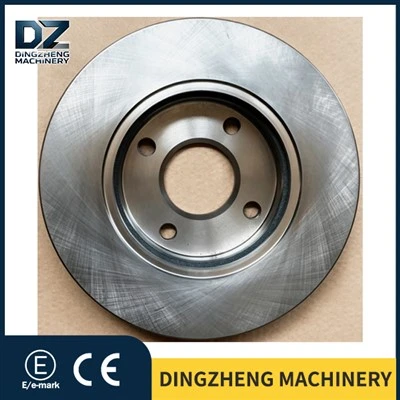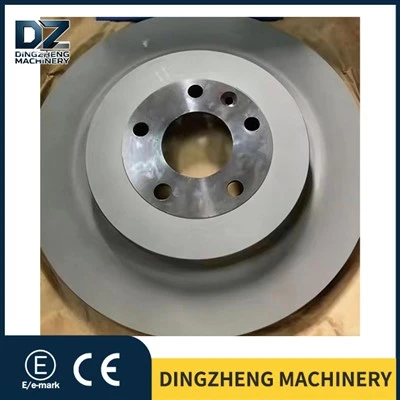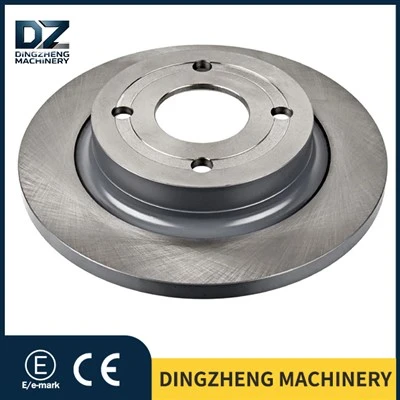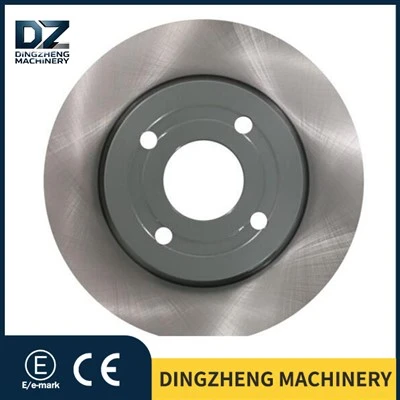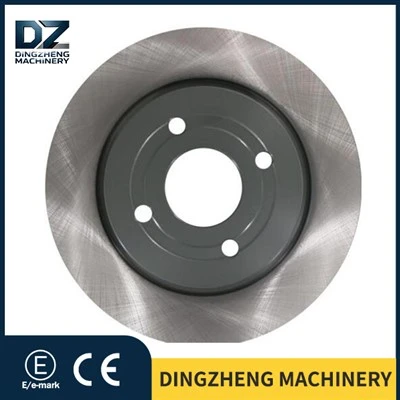

As the automotive industry moves rapidly toward electrification, intelligent technologies and high-performance vehicles, braking systems are undergoing significant changes. As one of the most critical components of a braking system, the brake disc plays a vital role in vehicle deceleration and stopping while also influencing braking stability, driving comfort and overall vehicle performance.
Safety and reliability remain the fundamental principles of modern brake disc design. During high-speed driving, repeated braking and demanding road conditions, brake discs are exposed to substantial heat and mechanical loads. Engineers must therefore consider material strength, thermal resistance, heat dissipation and long-term durability. Optimized structural designs can help reduce thermal fade and maintain consistent braking performance under demanding operating conditions.
Lightweight engineering has also become an increasingly important consideration, particularly as electric vehicles continue to gain market share. Lower vehicle weight can contribute to improved energy efficiency, driving range and handling. By optimizing the disc structure, material selection and manufacturing processes, engineers can reduce weight without compromising strength, durability or braking performance.
Thermal management is another key area of brake disc development. Braking converts kinetic energy into heat, and excessive heat accumulation can adversely affect braking efficiency. Ventilation structures, disc thickness, cooling channels and surface configurations must therefore be carefully engineered to improve heat transfer and dissipate heat more effectively.
At the same time, growing consumer expectations are driving brake disc manufacturers to address noise, vibration and brake dust. Future brake disc development is expected to place greater emphasis on advanced materials, precision manufacturing and digital engineering. The goal is to achieve a more effective balance between safety, performance, lightweight construction and environmental considerations, supporting the continued technological evolution of the automotive industry.