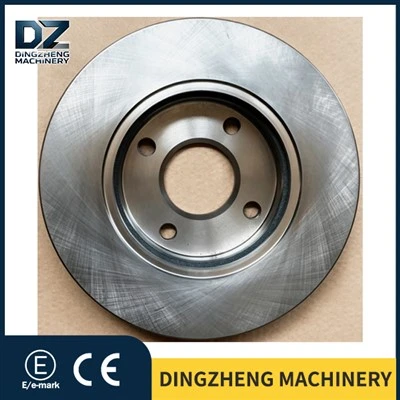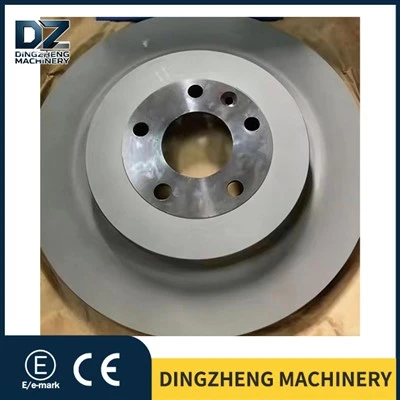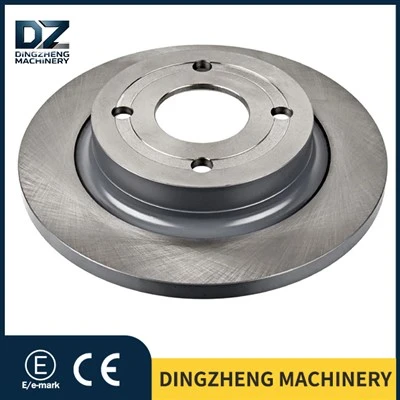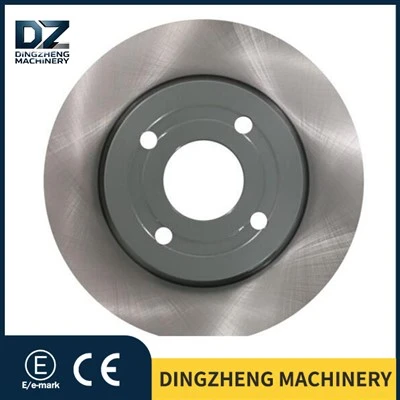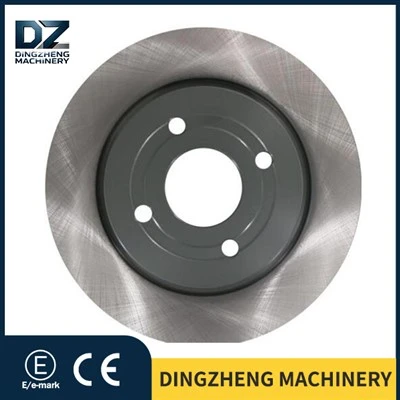

An automotive brake disc is a key component of a vehicle's braking system. Typically mounted near the wheel hub, it works together with the brake caliper and brake pads to form a disc brake assembly. When the driver applies the brake pedal, hydraulic or electronic control systems cause the brake pads to clamp against the rotating disc. The resulting friction converts the vehicle's kinetic energy into heat, allowing the vehicle to slow down or come to a complete stop.
In terms of construction, a brake disc generally consists of a disc body and a mounting section that connects it to the wheel hub. Depending on the vehicle type, operating conditions and performance requirements, brake discs may feature different designs, including solid and ventilated configurations. High-performance vehicles may also use advanced materials and optimized structures to support demanding braking conditions and improve heat dissipation.
The primary function of a brake disc is to provide stable and reliable braking force. During normal operation, the disc is exposed to repeated friction, temperature fluctuations and significant mechanical loads. As a result, material properties, dimensional accuracy, surface quality and structural strength all have a direct impact on braking performance. A well-designed brake disc must provide good wear resistance while maintaining consistent performance at elevated temperatures, helping minimize the effects of brake fade during demanding driving conditions.
As automotive technology continues to evolve, brake disc design is also advancing. The growth of electric vehicles, high-performance models and intelligent driving technologies has created new requirements for braking systems. In addition to braking performance and durability, modern brake discs are increasingly designed with a focus on weight reduction, thermal efficiency, low noise, reduced vibration and environmental considerations.
Across the automotive components industry, brake discs are evolving from conventional braking hardware into increasingly sophisticated, lightweight and high-performance components. With continued advances in materials, manufacturing processes and digital engineering, future brake disc technologies will play an even greater role in enhancing vehicle safety, performance and driving comfort.