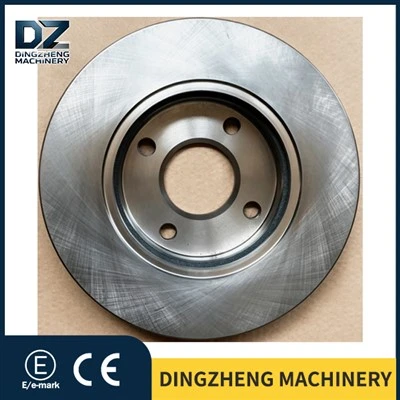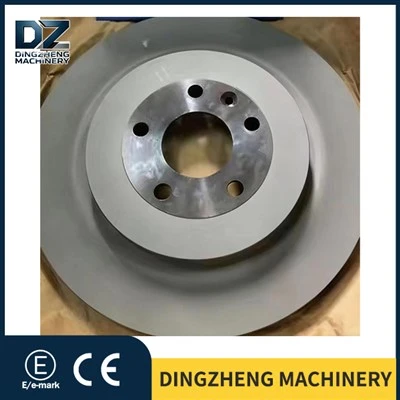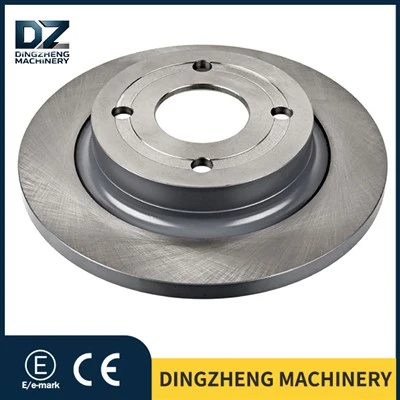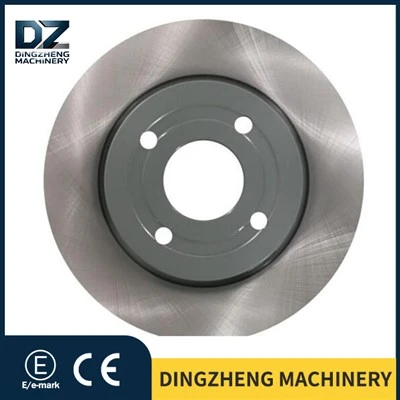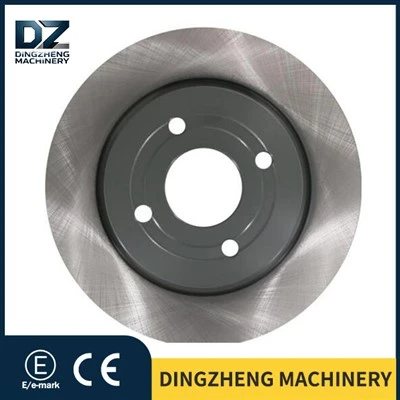
Passenger-car brake discs may look alike on the shelf, but the way they are made, coated, and certified differs more than ever. For auto parts importers and repair shops, those differences now decide returns, warranty claims, and customer trust. Three issues dominate the industry conversation in 2026: machining quality, corrosion protection, and compliance documentation.
Machining quality is where premium rotors separate from budget units. CNC disc face finishing keeps surface flatness, parallelism, and runout within tighter tolerances than conventional turning alone. The result is more stable pedal feel, shorter bedding-in, and fewer complaints about vibration after installation. For workshops that fit rotors every day, consistent batch-to-batch geometry matters as much as raw material grade, so serious buyers ask how suppliers control runout and how often it is measured on the line.
Corrosion protection has moved from a cosmetic feature to a purchasing criterion. Road salt, humidity, and infrequent driving all attack bare iron, and rusted hubs can make a new rotor look old before it covers its first mile. Most factories now offer zinc or similar protective coatings; the useful question is test data. Neutral salt spray testing per ISO 9227 provides a measurable comparison between suppliers, and experienced importers no longer judge protection by appearance alone. A coating that looks fine in a warehouse can fail after one winter on the road.
Compliance forms the third pillar. In markets that adopt UN ECE R90, replacement brake components must meet defined performance and safety requirements, so buyers should expect documented conformity for every disc they stock. The paperwork is part of the product, especially when discs cross borders. Manufacturing standards matter too. IATF 16949 certification shows a plant runs the automotive quality management system, covering process control, traceability, and corrective action. It is not a product certificate on its own, but it remains a strong signal of how a factory operates day to day.
Product trends are shifting as well. Drilled and slotted brake rotors are moving beyond the performance niche because the pattern lets hot gases and water escape from the friction zone, keeping pad-to-disc contact stable and improving heat dissipation under repeated braking. Designs differ, however; hole placement, edge treatment, and slot geometry all affect durability, so specification matters more than appearance.
Behind these trends, a group of Chinese manufacturers is upgrading quietly. CNC finishing lines, in-house coating workshops, and salt spray chambers are no longer rare. Dingzheng, the company behind dingzhengbrake.com, is one example: an IATF 16949 certified plant that machines disc faces on CNC equipment and salt-spray tests coated rotors before shipment, with drilled and slotted lines covering the heat-sensitive applications workshops increasingly fit. Orders are backed by inspection records rather than verbal promises.
The direction for 2026 is clear: buyers will reward suppliers who document quality instead of merely promising it. Importers and repair shops evaluating new sources can ask for machining reports, salt spray results, and R90 documentation before ordering. Serious buyers compare test reports the same way they compare prices. For custom drilling and coating requirements, as well as OE supply projects, Dingzheng's engineering team can be reached through dingzhengbrake.com.

Brake Rotor And Brake Disc Quality Control: 2026 Aftermarket Trends Importers Should Watch