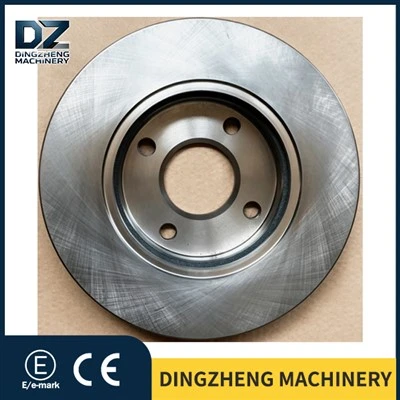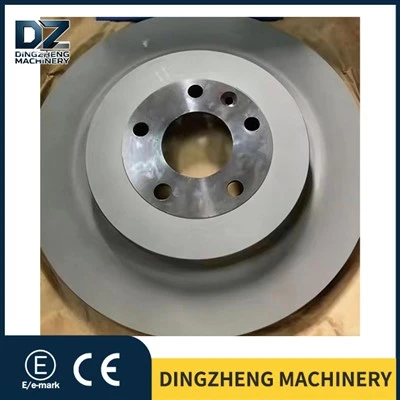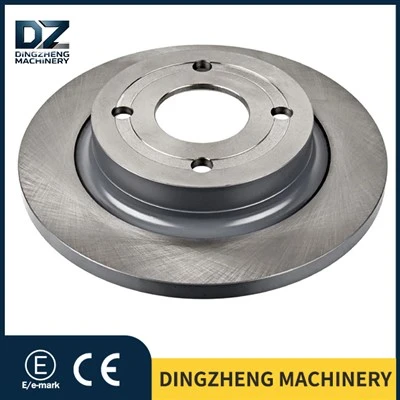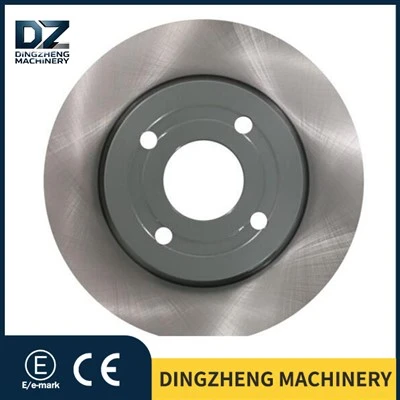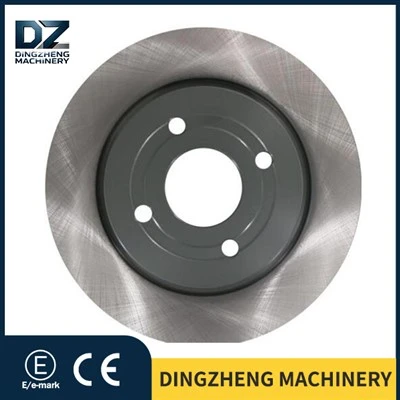

The braking system is a critical part of vehicle safety, directly influencing a vehicle's ability to slow down and stop effectively. As a primary friction component in a disc brake system, the brake disc works together with the brake pads, calipers and wheel hub to deliver controlled braking performance. Toyota's vehicle lineup includes sedans, SUVs, MPVs and commercial vehicles, each with different weight, powertrain and operating requirements. Brake disc designs therefore vary across models to meet specific braking demands.
Many brake discs used in Toyota vehicles are manufactured from cast iron, a material well suited to repeated mechanical and thermal loads. Cast iron provides a practical combination of strength, wear resistance and thermal stability, making it suitable for everyday braking conditions. Depending on the vehicle's braking requirements, different disc sizes and specifications may be used to achieve an appropriate balance of braking force between the front and rear axles.
Structural design is another important characteristic. Depending on the vehicle and expected braking load, Toyota applications may use either solid or ventilated brake discs. Ventilated discs feature internal cooling passages that promote airflow as the disc rotates, helping dissipate heat generated during braking. On larger or heavier vehicles and applications exposed to greater braking loads, an effective ventilation design can help maintain thermal stability during repeated braking.
Manufacturing precision also has a direct influence on braking quality. Parameters such as disc thickness consistency, lateral runout, roundness and surface finish must be carefully controlled. A precisely manufactured disc provides more uniform contact with the brake pads, helping reduce the potential for brake judder, abnormal noise and uneven wear.
Brake disc specifications are not necessarily interchangeable across Toyota models. Even within the same brand, different model years, powertrain configurations and brake packages may use different disc dimensions and mounting specifications. When replacing a brake disc, the exact vehicle configuration and original braking-system specifications should therefore be verified before selecting a replacement component.
As automotive technology continues to evolve, Toyota braking systems are also being refined to meet changing vehicle requirements. Future brake disc development is expected to place greater emphasis on lightweight construction, improved durability and more efficient heat dissipation. These improvements can help maintain reliable braking performance while supporting the safety, efficiency and driving quality expected from modern vehicles.