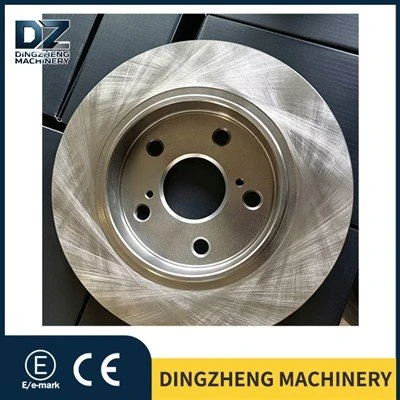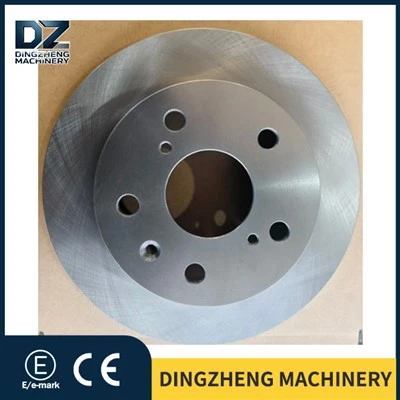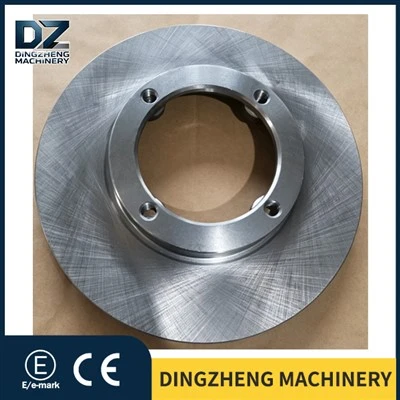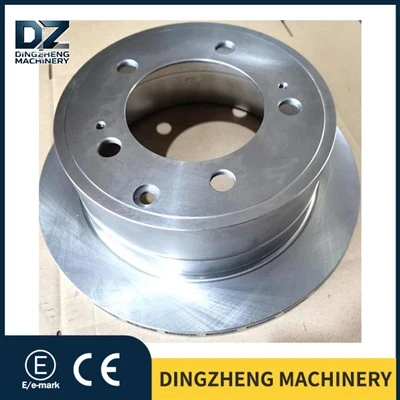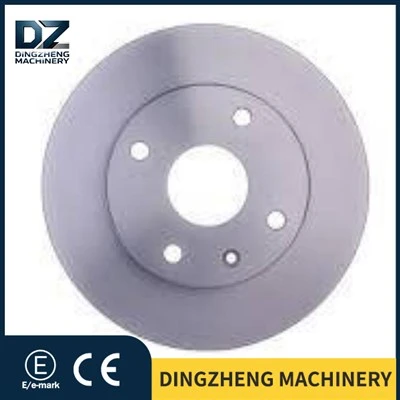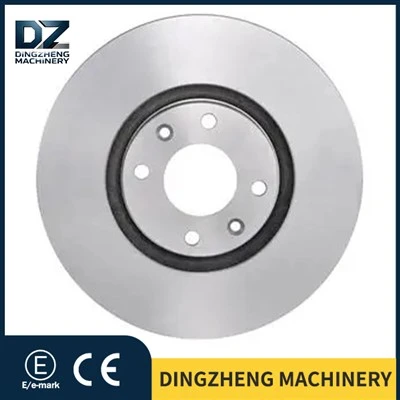

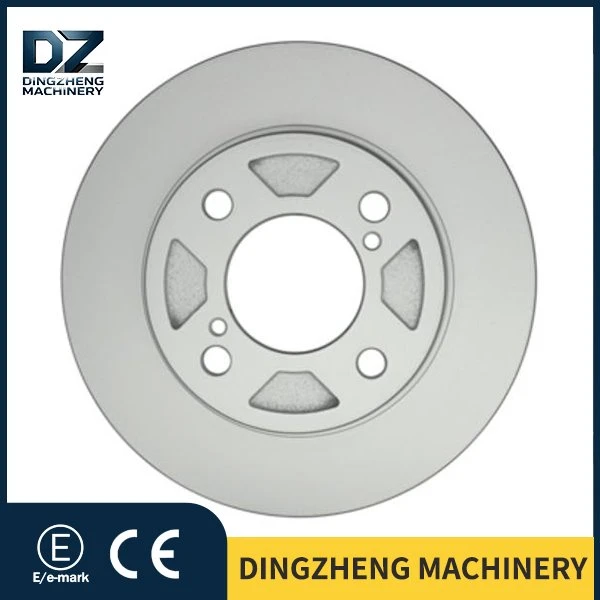
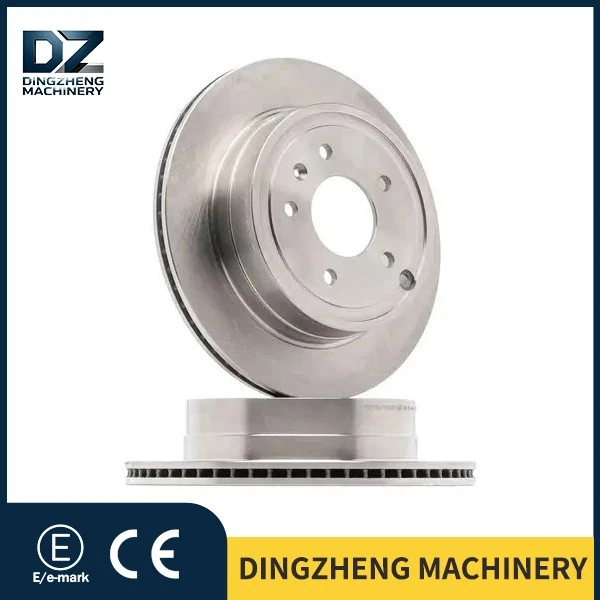
Product Parameter
|
Location |
Rear Brake |
Diameter |
228mm |
|
Brake Disc Thickness |
9mm |
Minimum Thickness |
8mm |
|
Centering Diameter |
62mm |
Height |
34.2mm |
|
Number Of Holes |
6 |
Pitch Circle Diameter |
100mm |
|
Solid Or Vented |
S |
Weight |
2.6kg |
Car Model


SUZUKI BALENO (FW, EW) 1.0 (A1K310) 2016/02-
SUZUKI BALENO (FW, EW) 1.2 (A1K412) 2016/02-
SUZUKI BALENO (FW, EW) 1.2 Hybrid (A1K412) 2016/02-
SUZUKI SWIFT V (AZ) 1.0 (A2L310) 2017/01-
SUZUKI SWIFT V (AZ) 1.0 SHVS (A2L310) 2017/01-
SUZUKI SWIFT V (AZ) 1.2 (A2L412) 2017/01-
SUZUKI SWIFT V (AZ) 1.2 AllGrip (A2L412) 2017/01-
SUZUKI SWIFT V (AZ) 1.2 SHVS (A2L412) 2017/01-
SUZUKI SWIFT V (AZ) 1.2 SHVS AllGrip (A2L412) 2017/01-
Reference No.
There are different corresponding codes for the SUZUKI 5561152R00 rear brake disc
|
A.B.S. |
18573 |
MDR |
MRD2806 |
|
A.B.S. |
18682 |
MDR |
MRD2Z801 |
|
AP |
15161V |
MEYLE |
33155230010 |
|
ASHIKA |
6108806 |
MINTEX |
MDC2868C |
|
ATE |
24010901841 |
MOTAQUIP |
LVBD1984 |
|
BENDIX |
BDS2137 |
NISSHINBO |
ND9021 |
|
BLUE PRINT |
ADK84351 |
NK |
315240 |
|
BLUE PRINT |
ADK84352 |
OE |
5561152R00 |
|
BORG & BECK |
BBD5530 |
OE |
5561152R01 |
|
BORG & BECK |
BBD5543 |
OE |
55611M68P00 |
|
BOSCH |
0986479F38 |
OE |
55611M68P00000 |
|
BRECO |
BV6153 |
PAGID |
56036 |
|
BREMBO |
08D24811 |
REMSA |
6209900 |
|
COMLINE |
ADC4048 |
REMY |
RAD2477 |
|
COMLINE |
ADC4050 |
REMY |
RAD2477C |
|
HELLA |
8DD355132041 |
ROADHOUSE |
6209900 |
|
HELLA PAGID |
8DD355132041 |
SBS |
1815315240 |
|
JAPKO |
61806 |
TEXTAR |
92303603 |
|
KAWE |
6209900 |
VILLAR |
6283112 |
|
MAXGEAR |
194758 |
WOKING |
D6209900 |
|
HERTH+BUSS JAKOPARTS |
J3318012 |
ZIMMERMANN |
540531320 |
|
JAPANPARTS |
DP806 |
Surface Coating Technology | Effective against rust generated during ocean transportation and warehouse storage
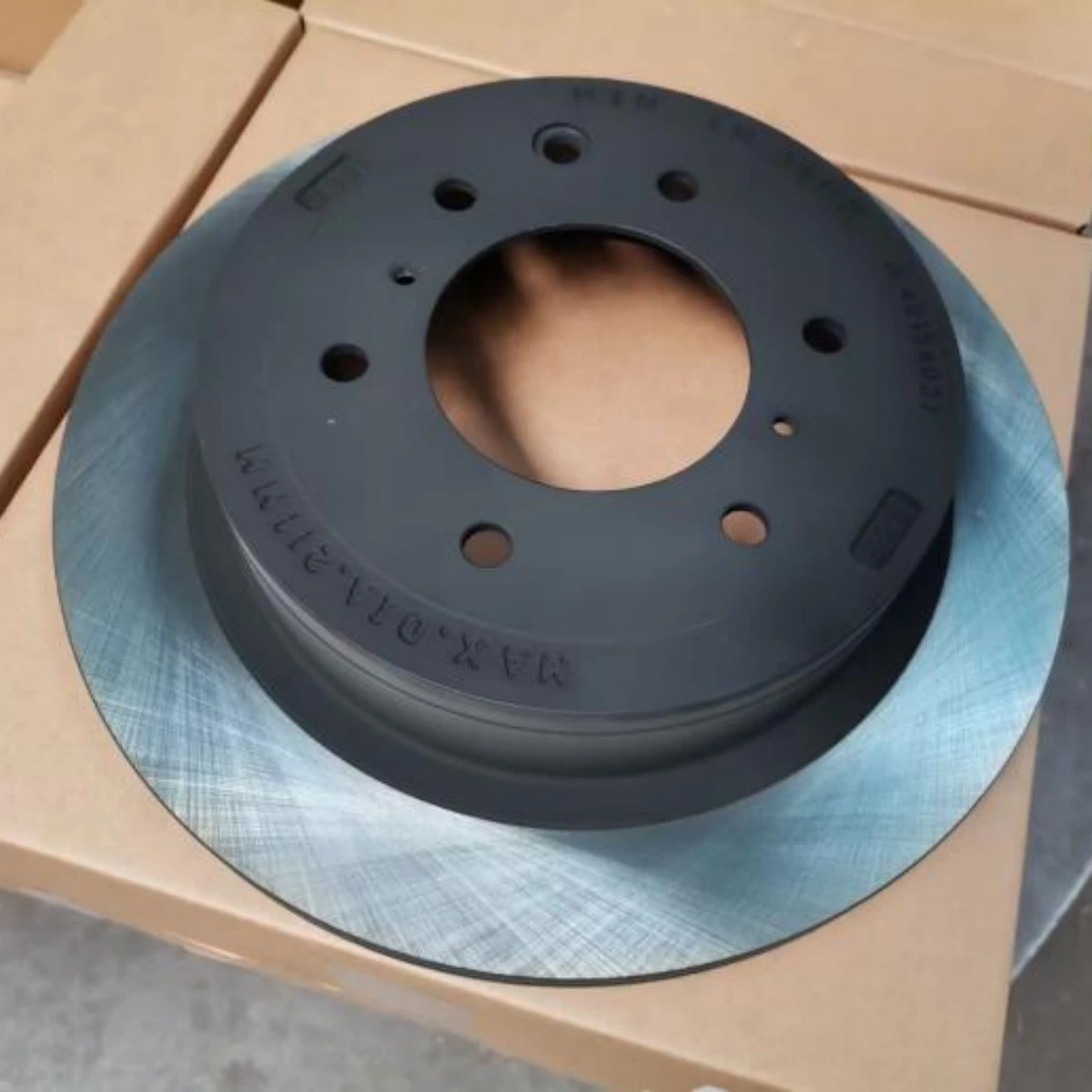
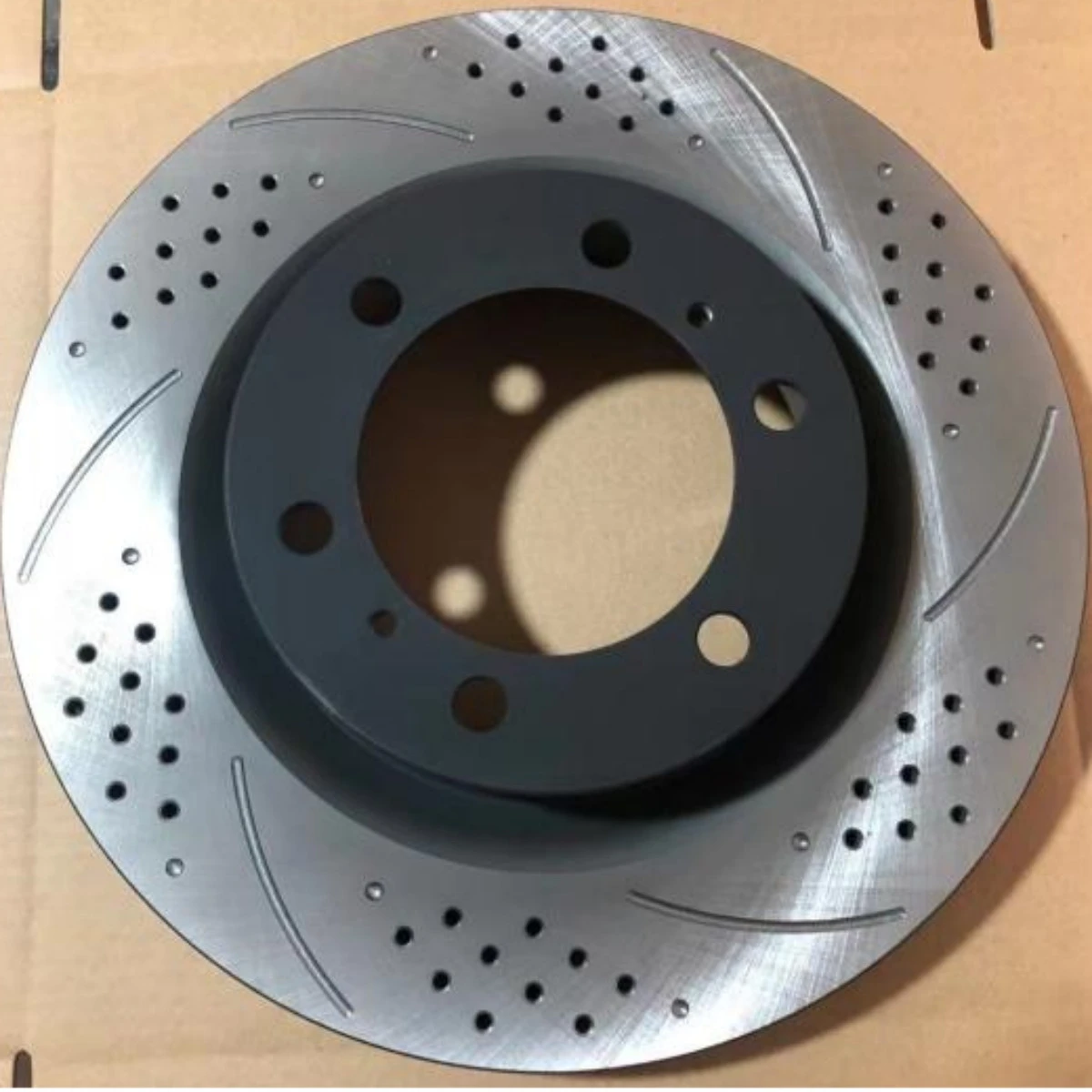
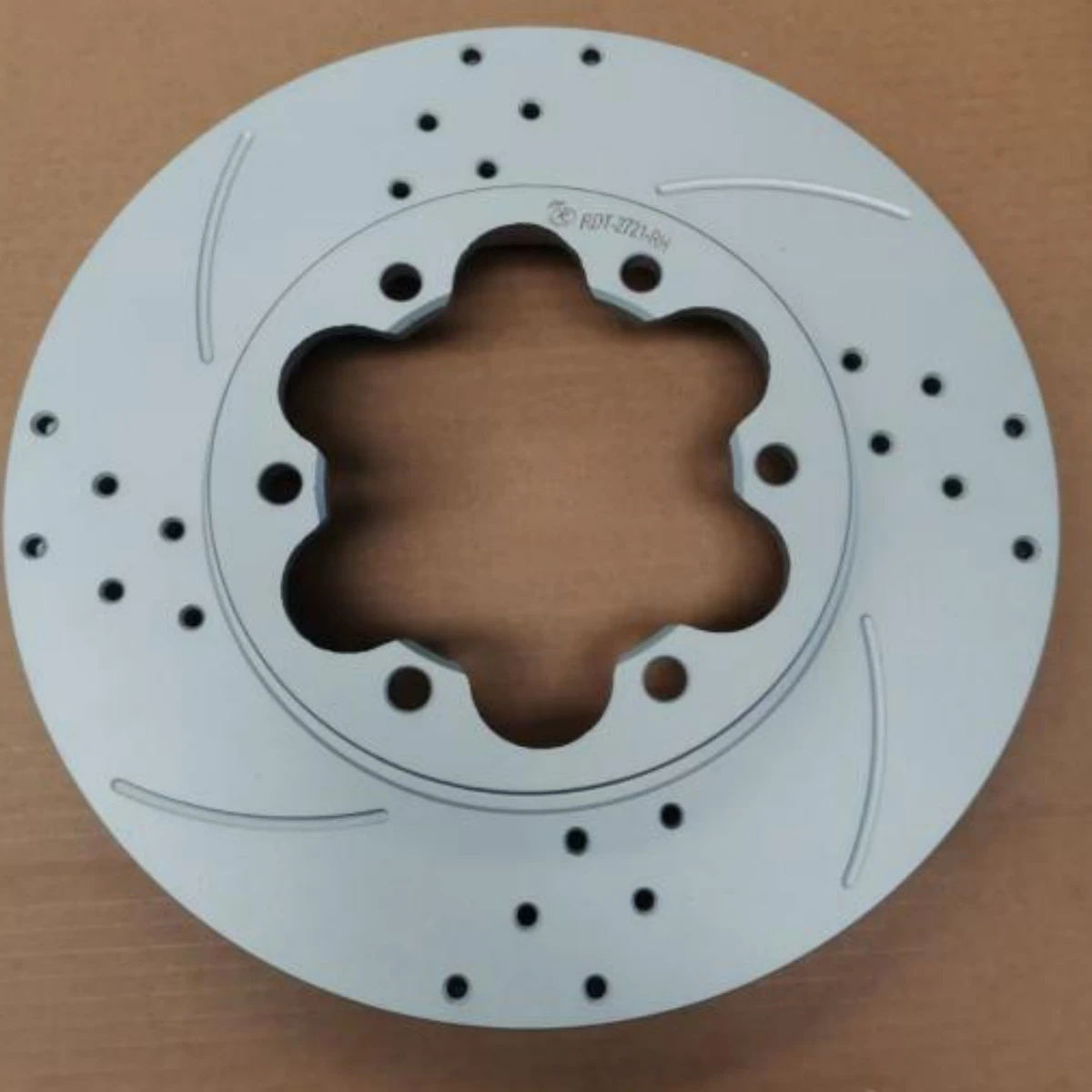
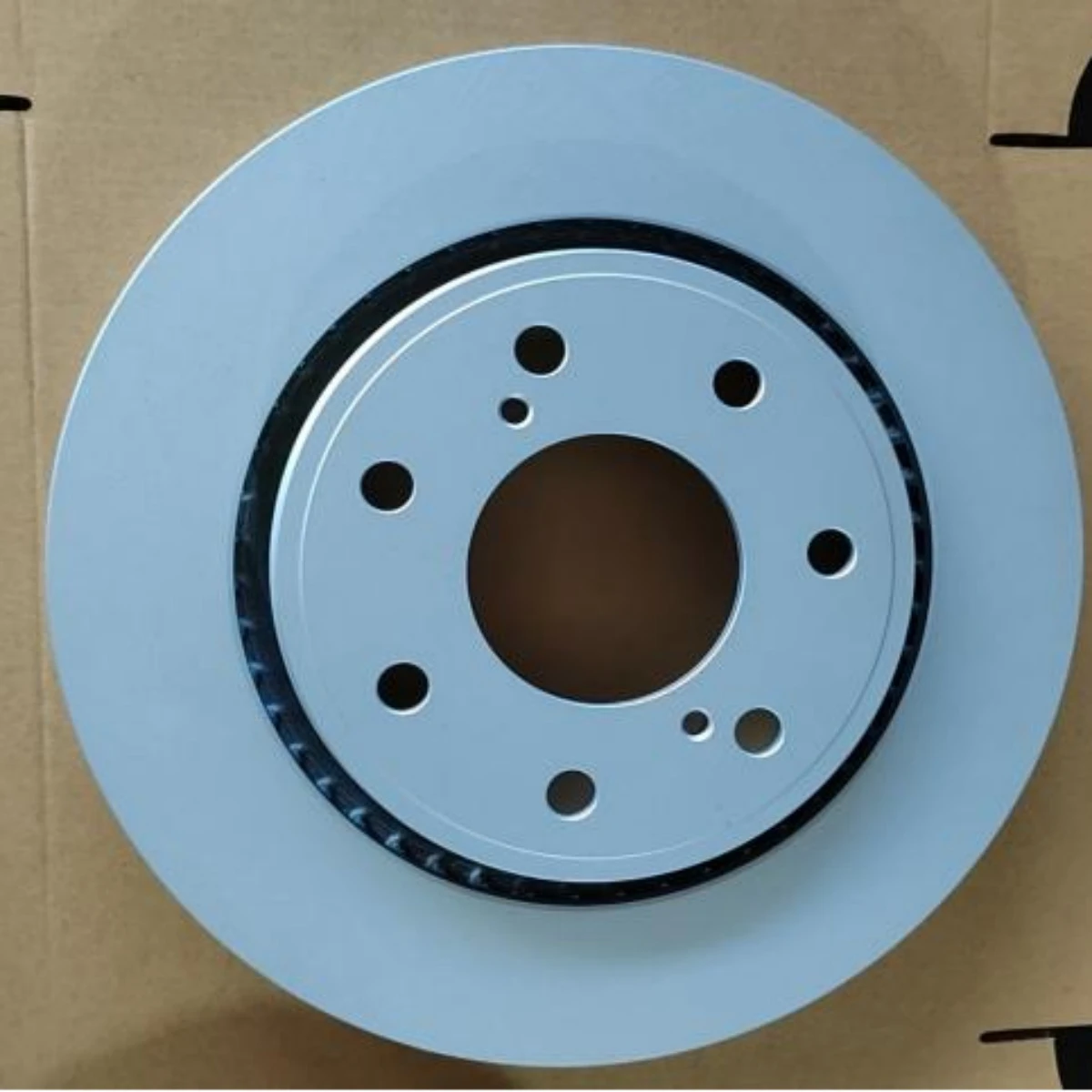
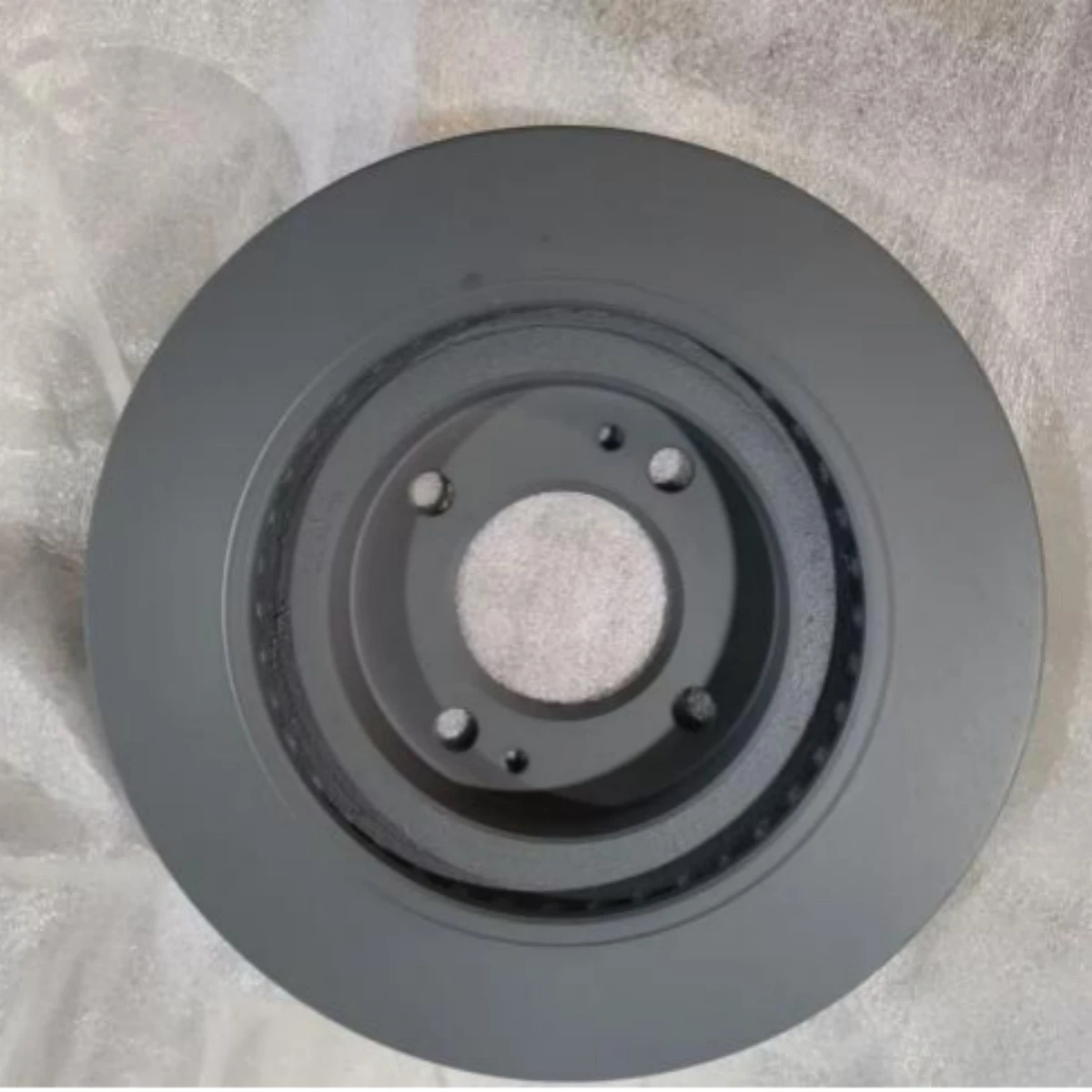
Rust formation is the most commonly overlooked issue for rear brake discs. Numerous customers purchase brake discs domestically and ship them via sea freight to Africa or South America, only to find extensive yellow rust covering all non-friction surfaces and even pitted corrosion along disc edges once the shipping container is opened. Model 5561152R00 adopts a water-based silicon-alloy coating paired with black electrostatic powder coating instead of conventional ordinary paint spraying.
Base Layer (Silicon-alloy Coating): Applied at a thickness of 5–8μm, it penetrates into the micropores of cast iron while wet and forms a dense silicon-iron composite after curing. It withstands salt spray testing for no less than 400 hours without developing red rust.
Top Layer (Black Electrostatic Powder): Applied at a thickness of 50–70μm, this layer is electrostatically adhered and thermally cured, achieving Grade 0 adhesion per the cross-hatch test. Hard scraping with a screwdriver will only leave faint white marks without large-scale coating peeling.
The two friction surfaces are intentionally left as bare metal, with only a thin layer of volatile anti-rust oil sprayed right before packaging. The rationale is that any residual coating on friction surfaces will cause brake slippage or abrupt smoke emission upon the first brake application after vehicle fitting. Only a thin oil film remains on the friction faces, which can be effortlessly removed with carburetor cleaner during installation.
This coating specification has passed simulated container testing: after 60 days of sealed storage under 40°C and 95% relative humidity conditions, only minimal surface rust forms on disc edges and mounting faces, which can be wiped off with a cloth. For clients operating in humid coastal Southeast Asian regions or damp warehouse environments, these brake discs can be stored for up to six months before direct vehicle installation without issues.
Machining Workshop
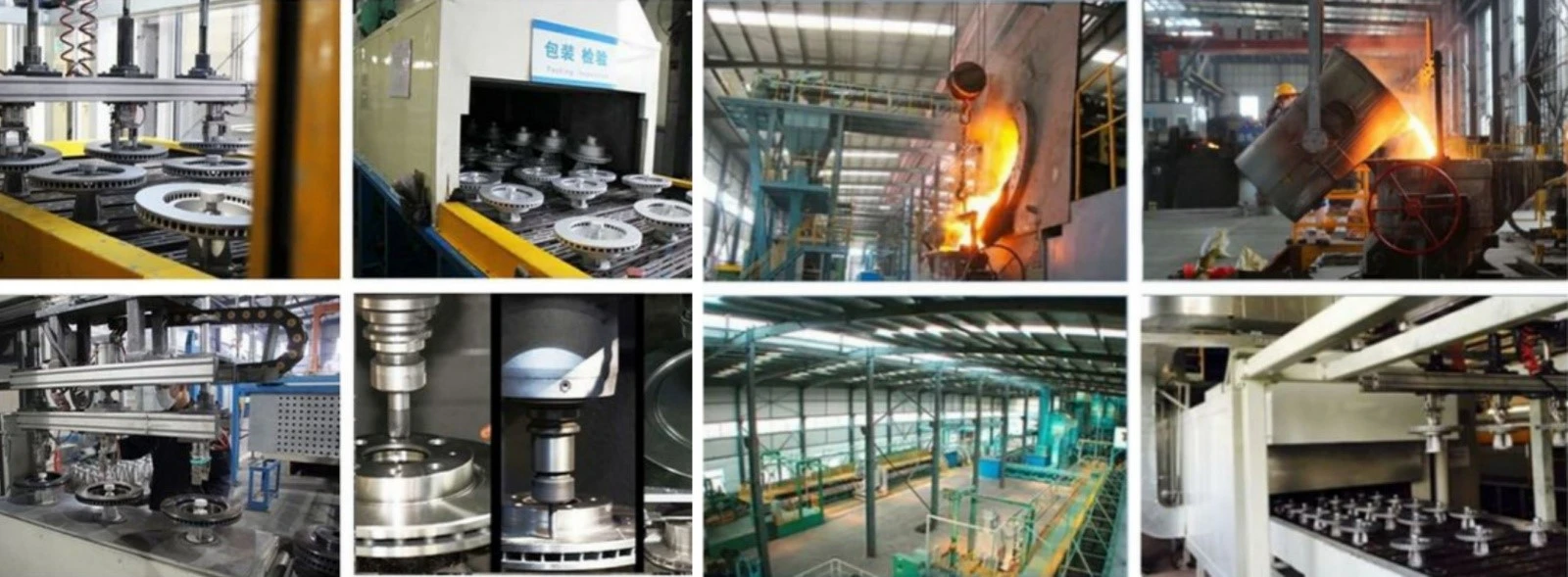
Factories and Processing Workshops | How Do We Ensure Uniformity for Every Brake Disc
Our factory specializes in manufacturing compact solid brake discs ranging from 220mm to 280mm. For the The Suzuki Barreno 5561152R00 rear brake disc three mandatory specifications are enforced:
First, no castings with shrinkage porosity are approved for release during casting. Before every furnace pouring on our casting line, a thermal analysis instrument is used to test carbon equivalent and the silicon-carbon ratio. After pouring, one out of every 200 castings undergoes metallographic inspection to check graphite morphology and pearlite content. Any entire batch failing to meet HT250 material standards is scrapped entirely.
Second, dual-spindle CNC vertical lathes are adopted for machining to finish both inner and outer surfaces in a single clamping setup. This design guarantees the parallelism of the two friction surfaces. Our actual measured parallelism is controlled at ≤0.02mm, well below the 0.06mm threshold specified in the service manual. Besides, four-axis machining centers are deployed at the drilling station, keeping the positional tolerance of the four bolt holes within φ0.1mm, enabling seamless fitting onto original Suzuki wheel hubs without hole misalignment issues.
Third, 100% full inspection for dynamic balance is implemented. Unlike many small manufacturers that only conduct sampling inspection, every single disc is tested on a balancing machine with residual unbalance restricted to ≤5g·cm. Such strict standards are set because unbalanced rear brake discs do not trigger steering wheel vibration but cause subtle rear-end wobble at high speeds; numerous customers mistake this issue for faulty tire balancing when the root cause lies with defective brake discs.
We also carry out an extra quality control procedure: three discs are randomly sampled from each production batch for cross-section slicing to detect internal shrinkage porosity or blowholes. Though this practice incurs extra costs, it prevents customers from encountering product failures caused by hidden internal defects.
Delivery,shipping and serving

FAQ
How do I tell if the brake discs need to be replaced? What are the obvious warning signs?
Your vehicle and your physical driving feel will send clear "alerts":
Tactile alert – Vibration: When braking at high speed, if you feel obvious shaking or pulsation from the steering wheel or vehicle body, this is typically a sign of uneven surface (out-of-round) brake discs caused by uneven heat distribution or wear.
Visual alert – Thickness and grooves: You can check the thickness of the brake discs. A new brake disc is generally around 22mm thick. Replacement is necessary when the total wear depth on both sides exceeds 3mm (many brands set small indentations on the disc surface as wear indicators), or when deep grooves over 1mm appear on the disc surface.
Auditory alert – Abnormal noise: If you hear a continuous sharp "metal grinding sound" when lightly applying the brakes, it means the wear limit warning shims on the brake pads are directly scraping against the brake discs, indicating both parts have reached their service limit.
Is it normal for visible grooves or scratches to appear on the brake disc surface?
-Possible Cause:
Slight scoring from normal wear is acceptable. However, deep grooves are usually caused by hard metal particles embedded in the brake pads or foreign object grinding against the disc, which requires inspection.
Last News
Looking ahead, the brake disc industry will witness a clearer pattern of stratification and integration:
Market Differentiation
The high-end and performance-oriented market will continue to pursue the iteration of composite materials such as carbon-ceramic, striving for ultimate lightweight performance and thermal fade resistance. Meanwhile, the mainstream economy market will increasingly rely on high-quality mass-produced cast iron discs and the optimization of alloy strengthening technologies while balancing regulatory compliance and cost control.
Technological Integratio
Intelligent elements will be gradually embedded into the industry. Integrated sensors will be adopted to monitor wear and temperature in real time, laying a data foundation for predictive maintenance, which will become a new direction to enhance safety performance and user experience.
Sustainability Orientation
Environmentally friendly coatings that resist corrosion and extend service life, as well as growing attention to brake dust emissions (in response to standards such as Euro 7), will drive green innovation in material development and surface treatment technologies.
Hot Tags: suzuki barreno rear brake disc, China suzuki barreno rear brake disc manufacturers, suppliers, factory