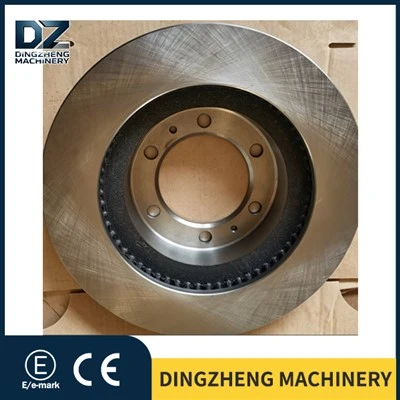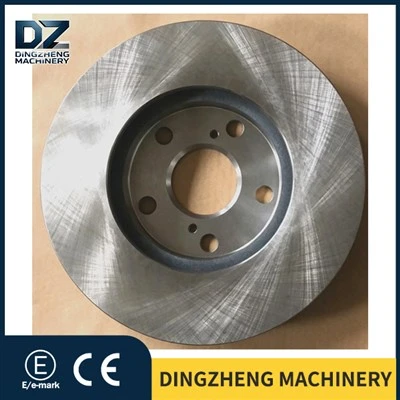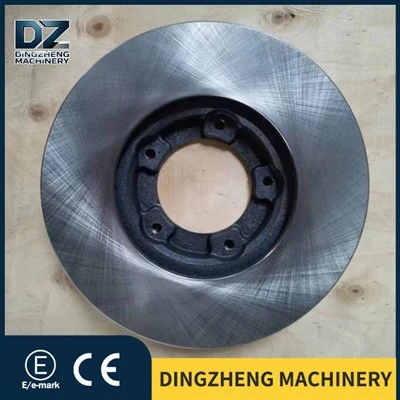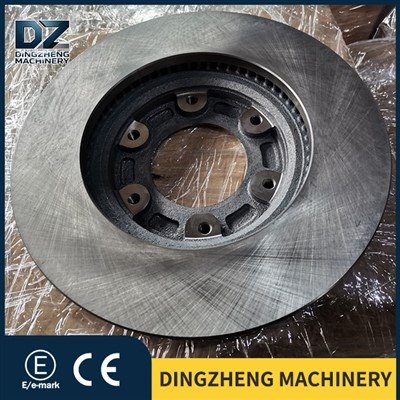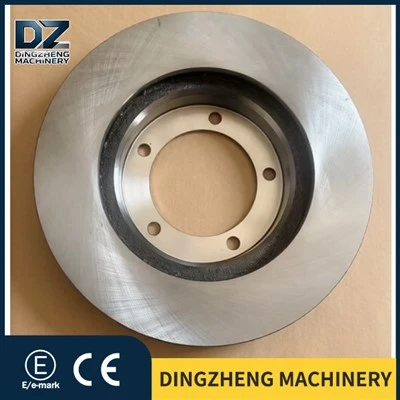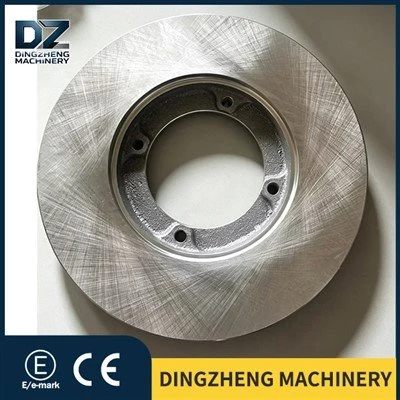


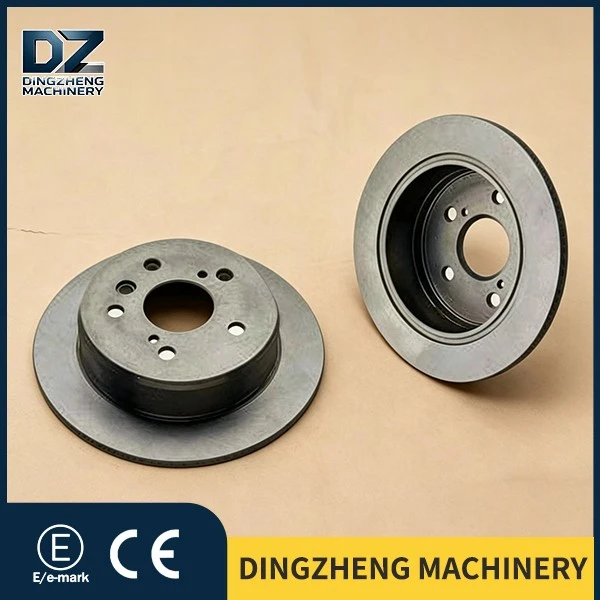
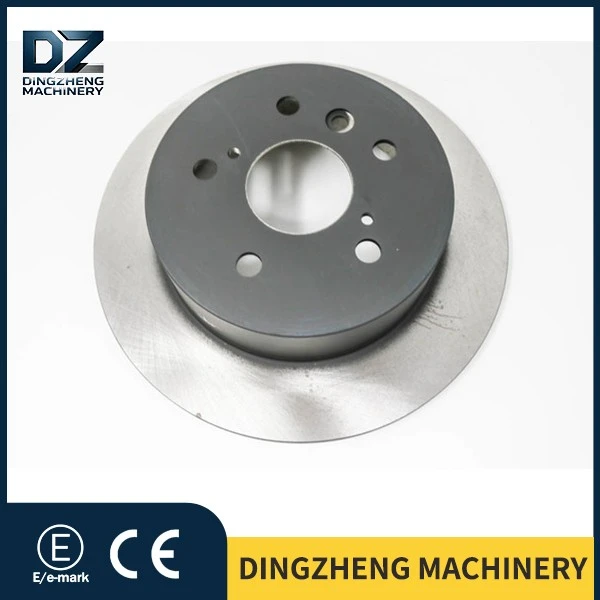
Product Parameter
|
Location |
Rear Brake |
Diameter |
269mm |
|
Brake Disc Thickness |
10mm |
Minimum Thickness |
9mm |
|
Centering Diameter |
62mm |
Height |
64.8mm |
|
Number Of Holes |
5 |
Pitch Circle Diameter |
114.3mm |
|
Solid Or Vented |
S |
Weight |
4.3kg |
Car Model

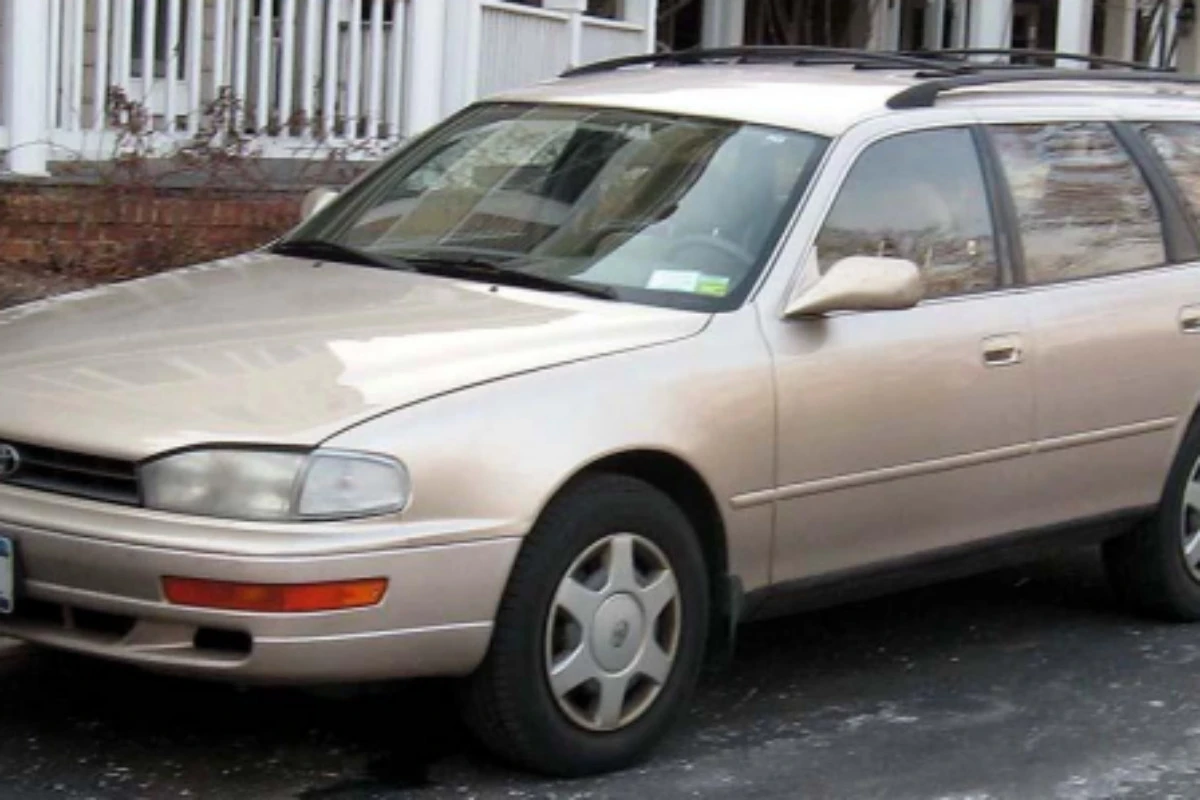
Toyota Camry 4-Door Sedan (V1) 1990/07-2001/10
Toyota Camry 4-Door Sedan (V20) 1996/08-2004/02
Toyota Camry Station Wagon (_V10) 1991/06-1997/08
Reference No.
There are different corresponding codes for the rear brake disc of TOYOTA 4243106020
|
A.B.S. |
16229 |
LEMFORDER |
28973 |
|
A.B.S. |
16229OE |
LPR |
T2888P |
|
ACDelco |
18A470 |
MEYLE |
30155230019 |
|
AIMCO |
31075 |
MEYLE |
30155230019/PD |
|
AIMCO |
63510 |
MINTEX |
MDC897 |
|
ALFA |
DR6089 |
MECTO |
WN799 |
|
ALFA |
DR67525 |
NIPPARTS |
J3312025 |
|
AP |
14523 |
NK |
204548 |
|
APEC BRAKING |
DSK711 |
OE |
4243106020 |
|
ASHIKA |
6102225 |
OE |
4243133010 |
|
ATE |
24011007001 |
OE |
4243133040 |
|
BENDIX |
141726 |
OE |
4243133060 |
|
BENDIX |
561859B |
OPTIMAL |
BS6940 |
|
BENDIX |
PRT1726 |
PAGID |
53611 |
|
BLUE PRINT |
ADT34373 |
QUINTON HAZELL |
BDC4613 |
|
BRADI |
1527354 |
RAYBESTOS |
96216 |
|
BRECO |
BS7488 |
RAYBESTOS |
96216R |
|
BREMBO |
08562520 |
REMSA |
655910 |
|
CENTRIC |
12044085 |
REMSA |
690400 |
|
CENTRIC |
12144085 |
SBS |
1815204548 |
|
DELPHI |
BG3178 |
TEXTAR |
92079300 |
|
FIRST LINE |
FBD1017 |
TRISCAN |
812013151 |
|
HERTH+BUSS JAKOPARTS |
J3312025 |
TRUSTING |
DF105 |
|
HP |
HP57472 |
TRW |
DF2661 |
|
JAPANPARTS |
DP225 |
WAGNER |
BD125217 |
|
KAGER |
370459 |
FRI.TECH. |
DF105 |
|
KAWE |
37799 |
Surface Treatment
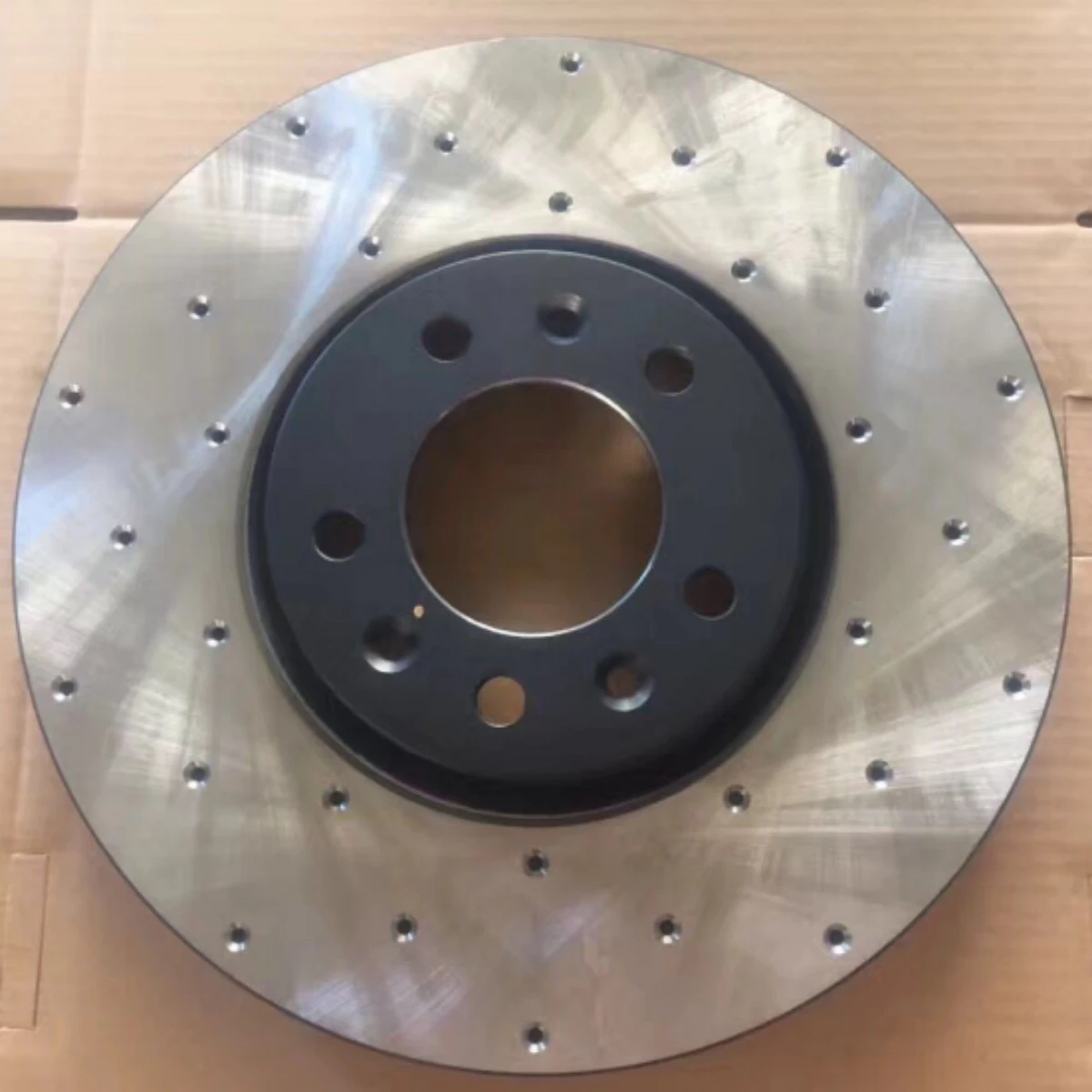
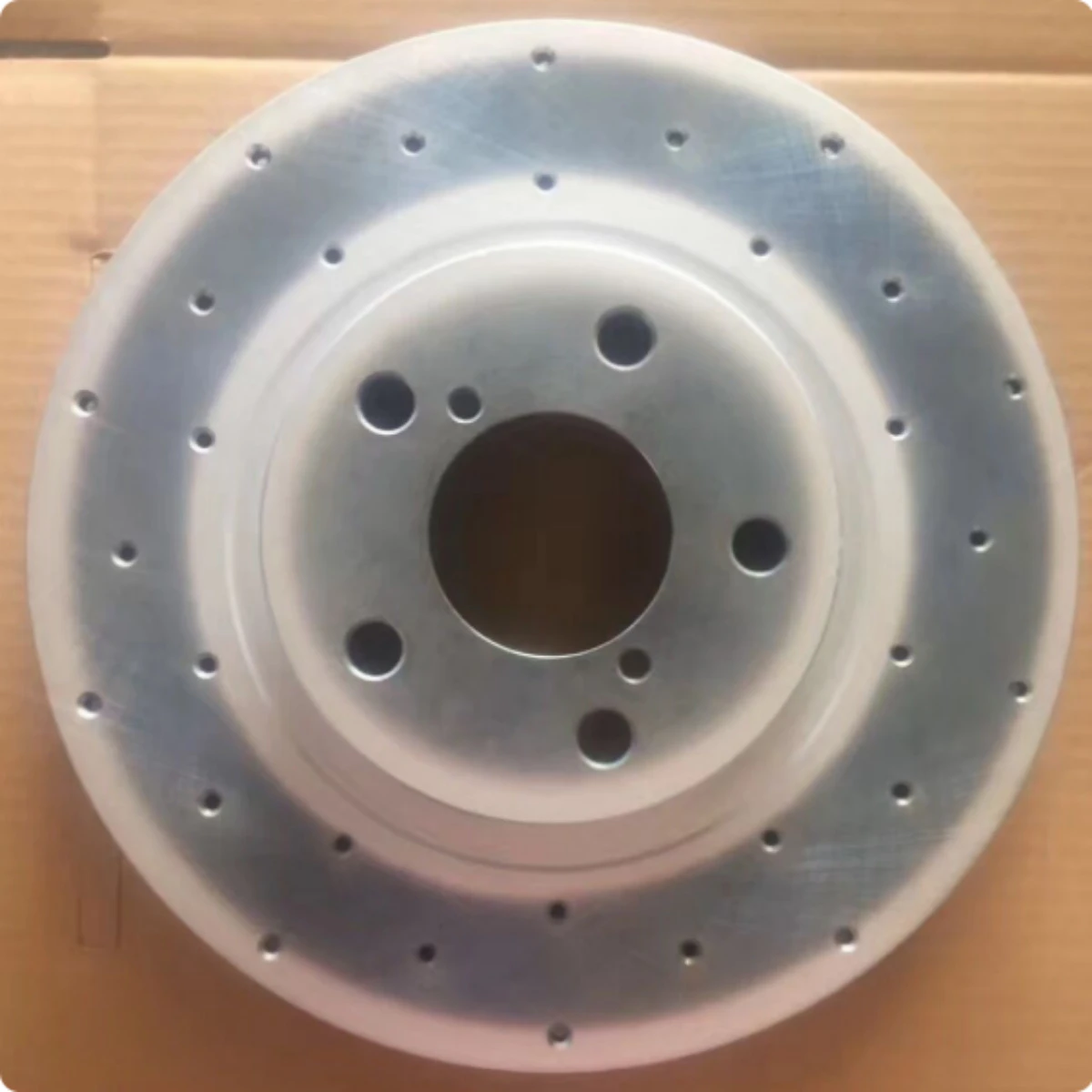
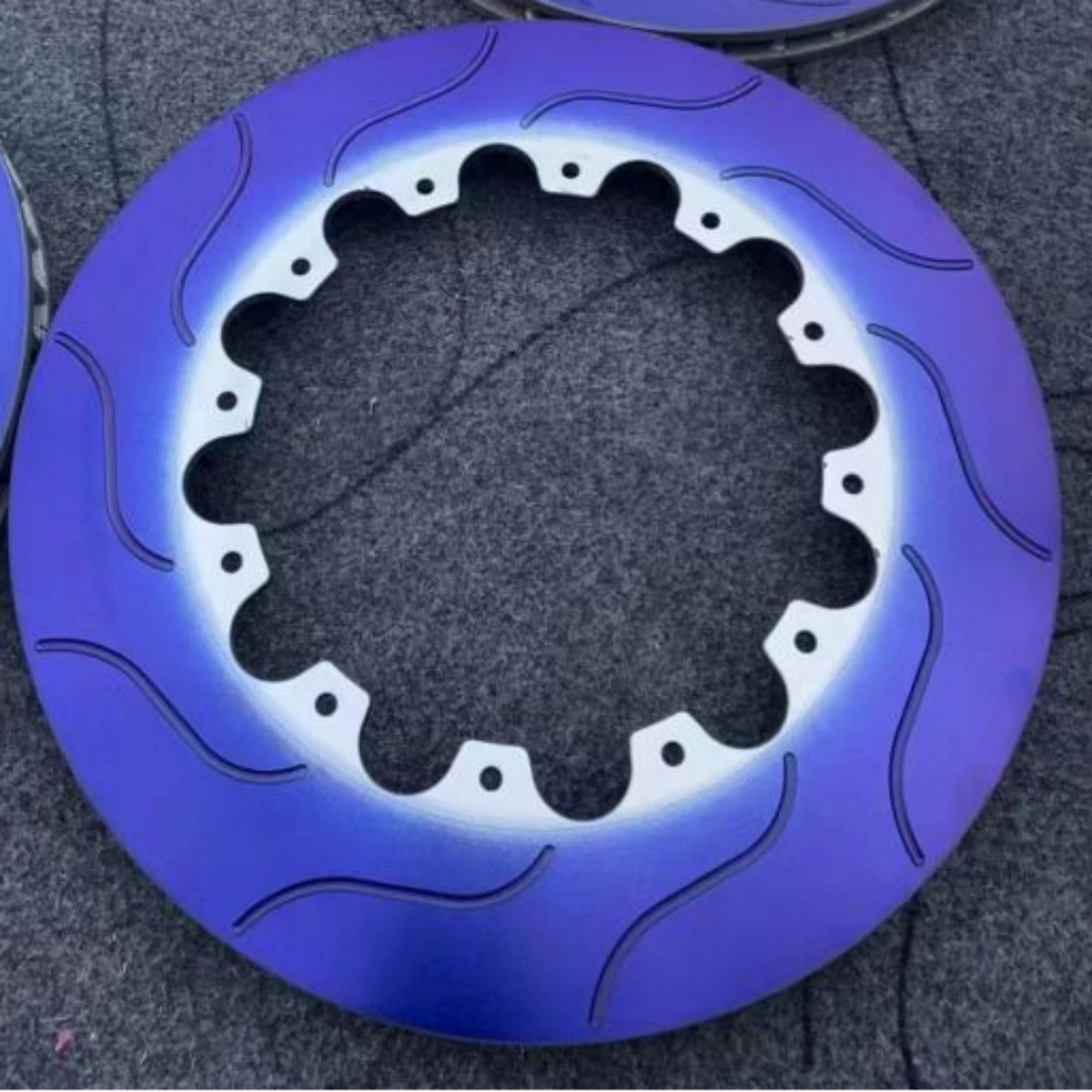
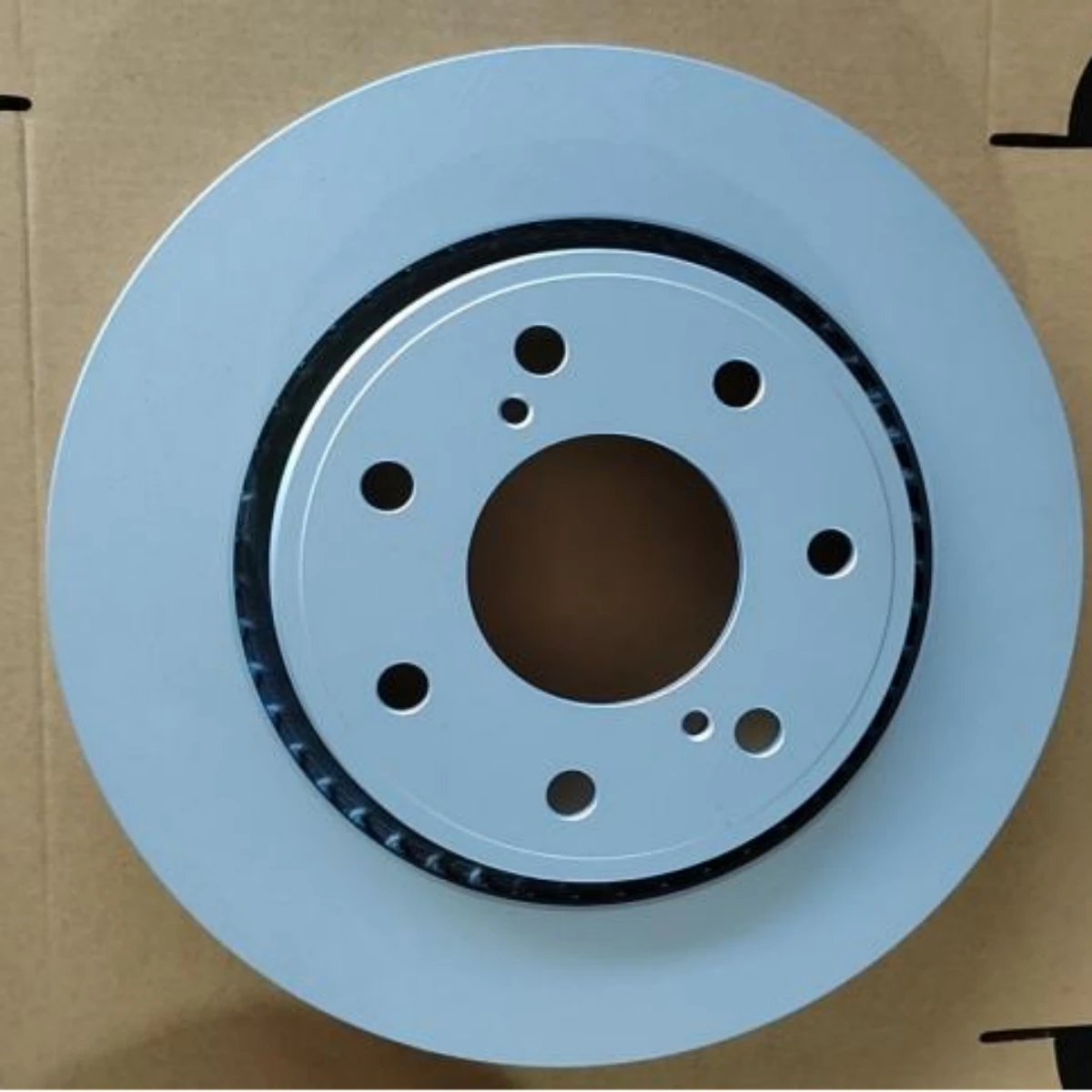
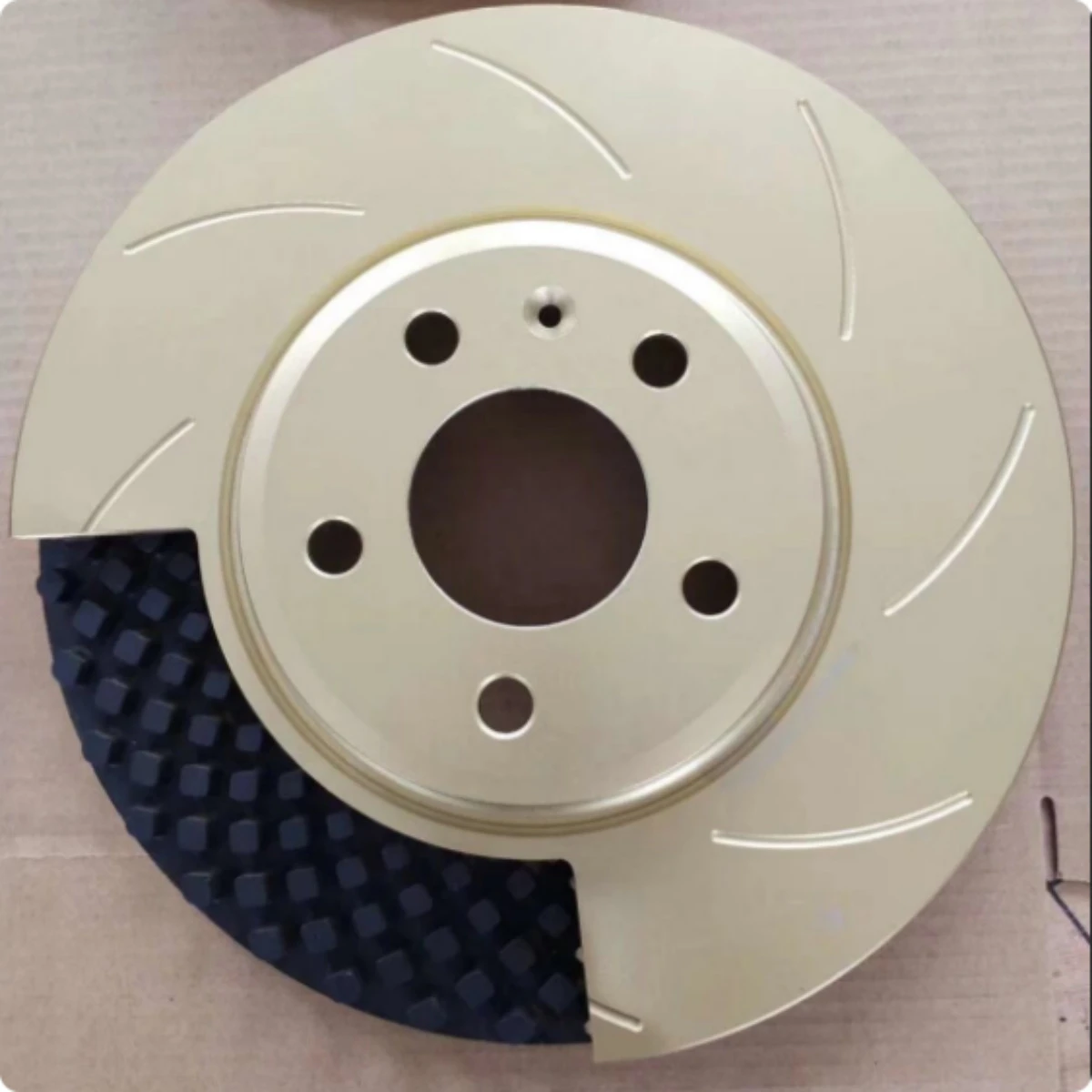
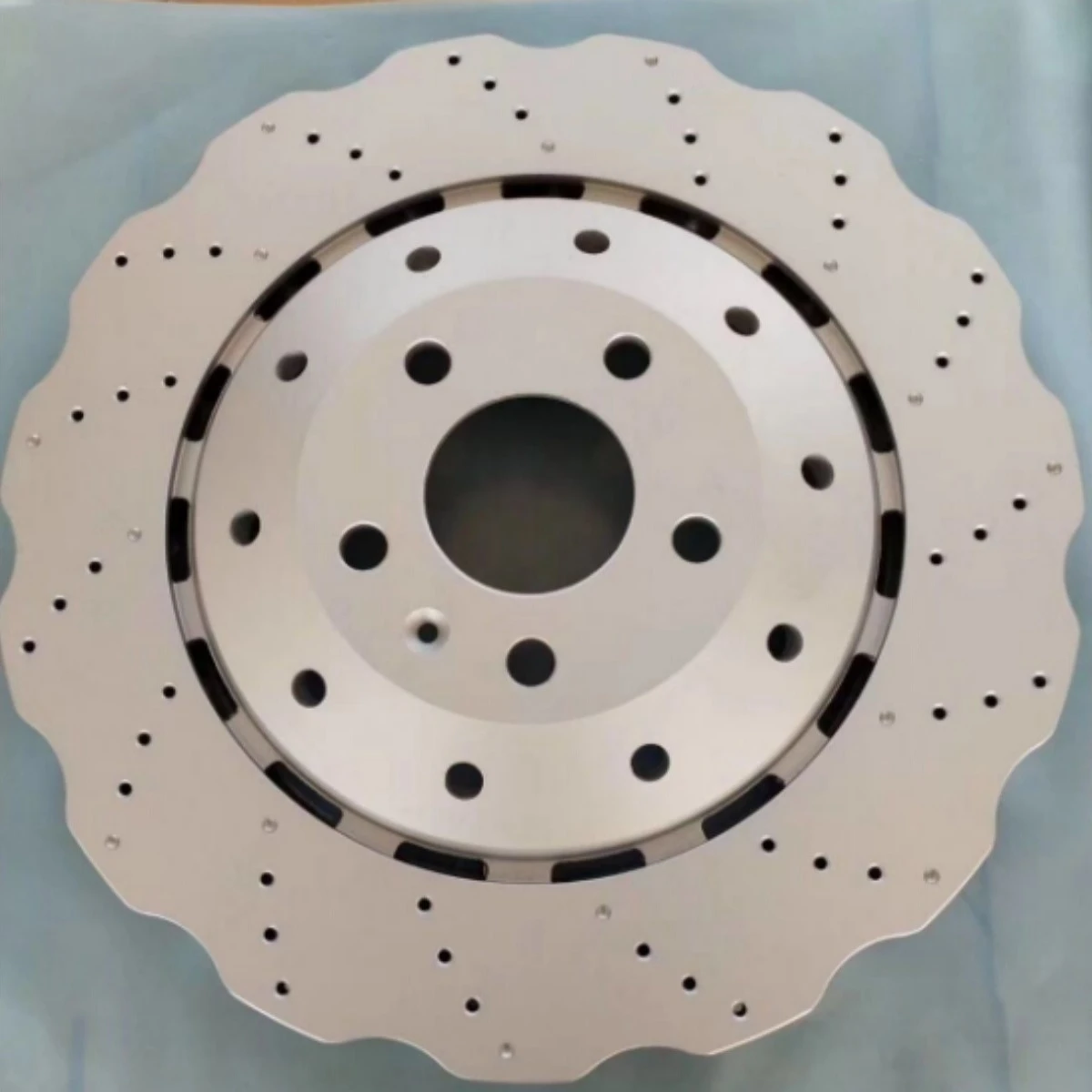
First of all, the disc surface is processed by high-precision grinding to become extremely flat and smooth, which can effectively reduce jitter and annoying noise during braking.
We have also designed scientifically arranged flow guide holes for the ventilated disc to quickly dissipate the heat generated during braking and maintain stable performance.
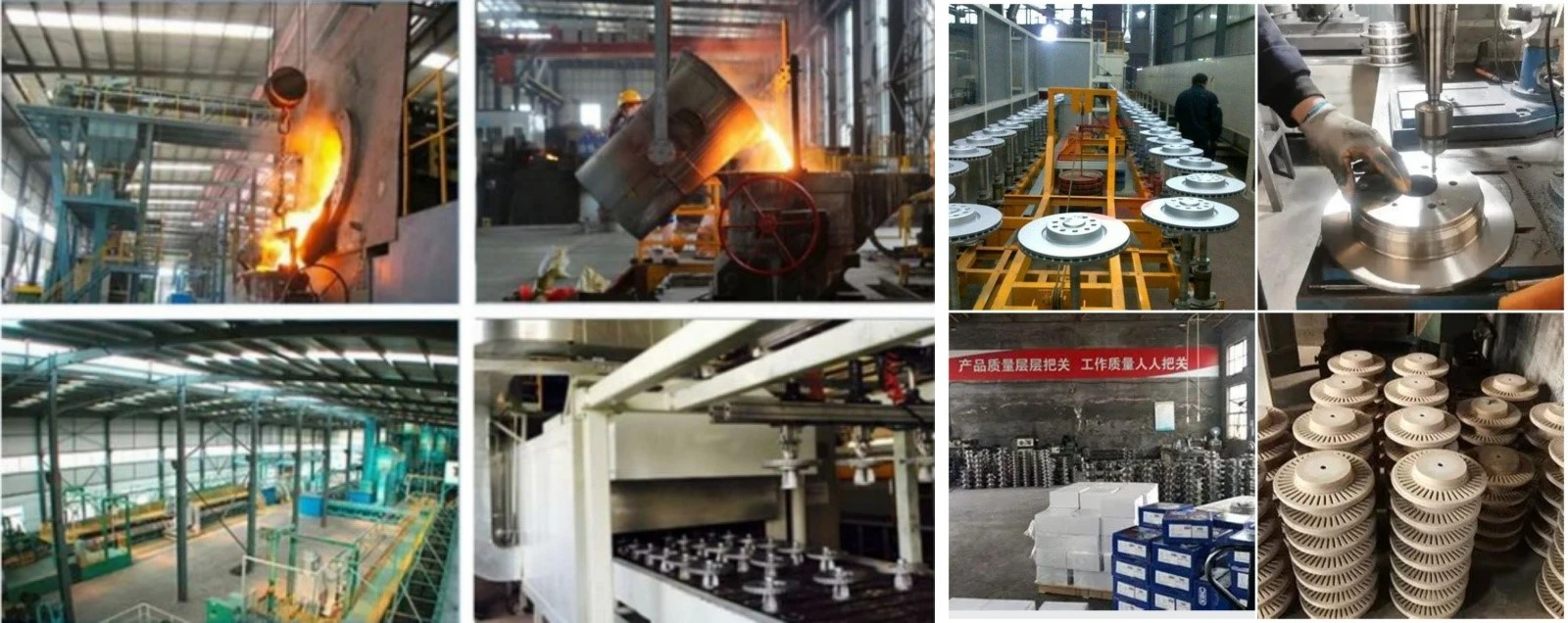
We have made great efforts in rust prevention by adopting advanced zinc-aluminum composite coating technology.Our factory is located in Laizhou, Shandong Province and has been manufacturing brake discs for over 20 years. The production process for Rear Brake Disc of TOYOTA Camry 4 NO. 4243106020 is outlined below:
Batching and Melting
Grey cast iron of grades HT200 and HT250 is adopted, with carbon content ranging from 3.0% to 3.3% and silicon content from 1.7% to 2.1%. The molten iron from each furnace is tested for chemical composition via spectrometer to guarantee uniform graphite morphology and matrix structure.
01
Molding and Pouring
Fully automatic horizontal parting production line is used, with a unique traceability code engraved on every mold. Though the rear disc features a straightforward structure, it has strict roundness requirements for the inner bore (handbrake drum), for which we have carried out dedicated mold optimization.
02
CNC Precision Machining
A double-turret lathe completes turning of both disc surfaces and the central bore in a single clamping operation. Factory release tolerances: outer diameter ±0.1mm, thickness ±0.05mm, inner diameter of handbrake drum ±0.1mm.
03
Dynamic Balancing Inspection
While rear brake discs have slightly looser dynamic balancing standards compared with front ones, every single piece undergoes testing, with residual unbalance controlled at ≤8 g·cm to prevent rear wheel shimmy at high driving speeds.
04
Laser Marking
Part number 4243106020 and batch numbers are laser-etched onto disc surfaces for full product traceability.
05
In short: Rear brake discs appear uncomplicated, yet precision control of the handbrake drum and anti-rust treatment serve as core essentials, on which we have invested extensive development efforts.
It is like putting a sturdy "protective coat" on the brake disc. Even in humid and salt-fog coastal environments or road conditions with de-icing agents spread in winter, it can resist rust for a long time and keep the disc in pristine condition.
Machining Workshop
An outstanding processing workshop is ultimately a microcosm of its enterprise and even the national manufacturing industry. It bears witness to the arduous ascent of "Made in China" from scale to strength. As intern students have profoundly observed, workers in the workshop toil diligently, yet "most of the profits are taken away by foreign advanced technical patents". This sharply reveals the core issue that must be overcome in the leap from a "major manufacturing country" to a "powerful manufacturing country" - independent innovation and mastery of core technologies.Our factory is located in Laizhou, Shandong Province and has been manufacturing brake discs for over 20 years. The production process for Rear Brake Disc of TOYOTA Camry 4 NO. 4243106020 is as follows:
Batching and Smelting: Grey cast iron of HT200/HT250 grade is adopted, with carbon content ranging from 3.0% to 3.3% and silicon content from 1.7% to 2.1%. The composition of molten iron from each furnace is tested via a spectrometer to guarantee uniform graphite morphology and matrix structure.
Molding and Pouring: A fully automatic horizontal parting production line is used, with a unique traceability code engraved on each mold. Though the structure of this rear brake disc is uncomplicated, strict roundness tolerance is required for the inner bore (parking brake drum), for which we have implemented targeted mold optimization.
CNC Precision Machining: A double-turret lathe completes machining on both disc faces and the central bore in a single clamping setup. Factory outgoing dimensional tolerances: outer diameter ±0.1mm, thickness ±0.05mm, inner diameter of parking brake drum ±0.1mm.
Dynamic Balancing Inspection: While rear brake discs have slightly lower dynamic balance requirements compared to front ones, every single unit undergoes testing, with residual unbalance controlled at ≤8 g·cm to prevent rear wheel shimmy during high-speed driving.
Laser Marking: The part number 4243106020 and batch number are laser-etched onto the disc surface for full traceability.
In short: Despite the seemingly straightforward design of the rear brake disc, precision control of the parking brake drum and anti-rust treatment constitute the core technical points, on which we have invested substantial R&D and production efforts.
Therefore, the mission borne by modern processing workshops has gone beyond production itself. It serves as the best classroom where "practice yields true knowledge", enabling college students to integrate theoretical expertise with "equipment, craftsmanship, tools and moulds used in actual production". Moreover, it is a cradle nurturing future engineers and craftsmen, inspiring the younger generation to shoulder the responsibility of "pursuing continuous innovation and independent development of core technologies". Here, every cut made by the cutting tool is not merely machining parts, but also shaping the future landscape of China'sindustry.
Delivery,shipping and serving

FAQ
Q1: Question: This Rear Brake Disc of TOYOTA Camry 4 NO. 4243106020 is fitted on a Camry. Why does a single "clunk" sound sometimes occur when applying the brake while reversing? Is this normal?
Answer: It is normal. This is a common occurrence for rear disc brake systems. When reversing, the relative moving direction between brake pads and the brake disc is opposite to that during forward driving. A brief clunk noise will emerge if the edge of brake pads is slightly rigid or there is light surface rust on the disc. The friction surface roughness of our 4243106020 brake disc is controlled at Ra ≤1.4μm, smoother than the OEM specification, so such noise happens far less frequently than on ordinary brake discs. If the noise is loud and occurs every time you reverse, inspect for stuck rear brake pads or loose parking brake shoes.
Q2: Question: The minimum discard thickness of the 4243106020 brake disc is 8.5mm. When should I replace it? Are rear brake discs more durable than front ones?
Answer: Rear brake discs generally outlast front counterparts since rear wheels undertake only 30% to 40% of total braking force. For regular daily use on Camry or RAV4 models, measure rear disc thickness every 40,000 kilometres. Start preparing for replacement once thickness drops to 9.0mm instead of waiting until the 8.5mm wear limit of 8.5mm. Replacement is also recommended if the disc has grooves deeper than 0.8mm or obvious stepped wear on the inner surface of the integrated parking brake drum.
Q3: Question: Are there any perceptible differences in parking brake performance between our 4243106020 disc and Toyota's original factory rear brake disc?
Answer: We have completed comparative bench and vehicle tests. On an identical Camry vehicle, no noticeable differences were found in parking brake lever travel height or holding force between OEM discs and our products. Our parking brake drum inner surface is finished to Ra1.6‑2.5μm roughness matching OEM standards, which delivers sufficient friction for reliable parking without excessive abrasion to brake shoes. The product can be installed and used without concerns.
Last News
"Perfectly matching the original factory dimensions" is an uncompromising bottom line for safety. This includes precise diameter, thickness, Pitch Circle Diameter (PCD), and the number of mounting holes. For example, for models such as the Toyota Previa, the rear brake disc diameter usually falls within a specific millimeter range, and its thickness also adheres to strict standards. Any deviation may lead to catastrophic consequences: an undersized diameter results in insufficient braking torque; an oversized diameter increases unsprung mass, impairs handling performance, and may cause interference with other components.
Hot Tags: toyota camry 4 rear brake discs, China toyota camry 4 rear brake discs manufacturers, suppliers, factory