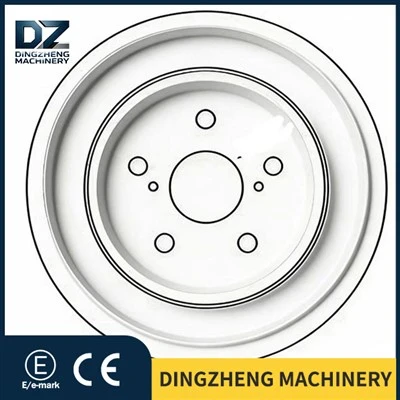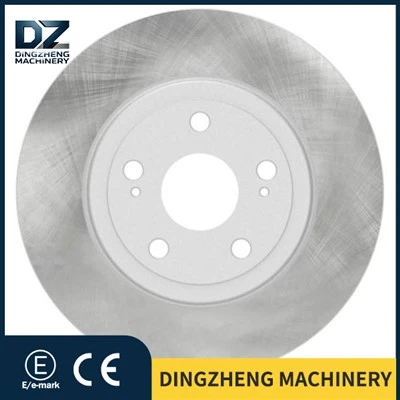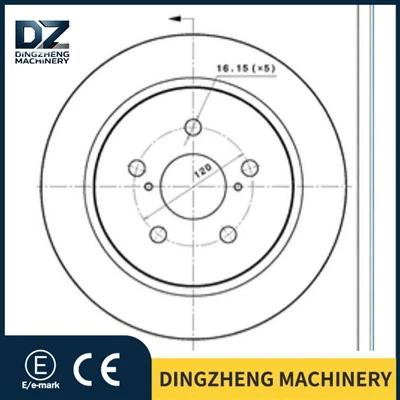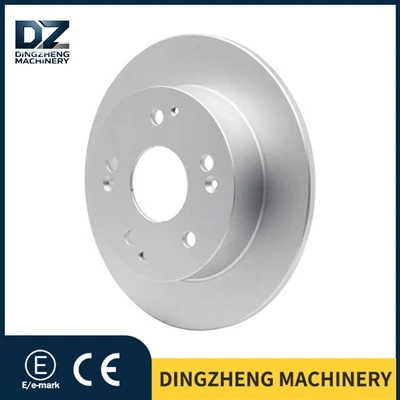

Product Introduction
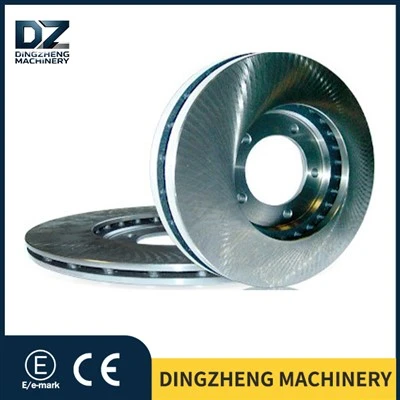
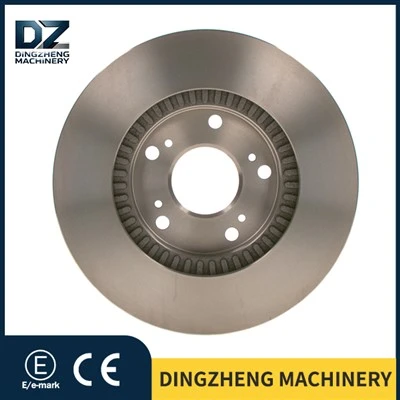
Why can we confidently state that this BYD Tang's front brake disc is comparable to original equipment parts? The raw material used is HT250 high-carbon gray cast iron, with carbon content precisely controlled between 3.8% and 4.1% – a ratio developed through extensive testing: too low carbon increases hardness but compromises toughness, leading to thermal cracking; too high carbon reduces wear resistance. The original part designated as OE-S6DM3501011 employs the same grade of material; we merely fine-tuned the formulation to better suit continuous braking operations under China's complex road conditions and high-temperature environments.
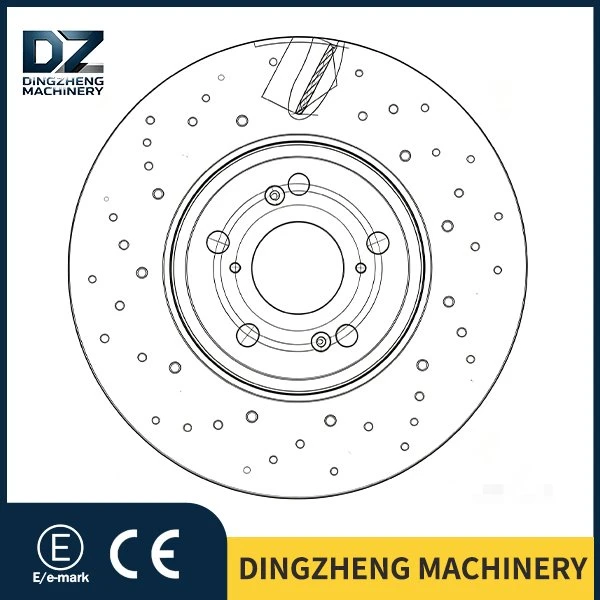
Many overseas wholesalers, when contacting us for the first time, always ask the same question: Can this part be directly replaced with the original factory part? Let me be honest – the BYD Tang front brake disc OE-S6DM3501011 was developed in reverse engineering according to OE standards; its installation dimensions, friction surface outer diameter, and ventilation channel structure are all precisely matched at a 1:1 ratio. Whether measured with a caliper or using a CNC machine, the deviation remains within ±0.05 mm. Long-time customers in Southeast Asia who manufacture BYD components have compared our parts with original factory parts removed from 4S dealerships – apart from the logo difference, experienced technicians cannot distinguish between them in any other aspect.
Let me address another aspect rarely discussed in the industry: dynamic balancing. Many inexpensive brake discs are not dynamically balanced at factory production, or only roughly balanced; when installed on a vehicle and braking at high speed, the steering wheel shakes. When customers report this issue, you attribute it to installation problems, while the installer points to defects in the disc itself, creating confusion. Our BYD Tang front brake disc, OE-S6DM3501011, undergoes dynamic balancing before leaving the factory, with single-sided imbalance controlled within 5 grams-equating to a vibration level below 0.02 mm at the wheel edge. When braking at 120 km/h, the steering wheel remains highly stable. This detail may not be immediately noticeable, but it significantly enhances user comfort and ensures consistent performance for future installations.
Surface Treatment & Product Styles
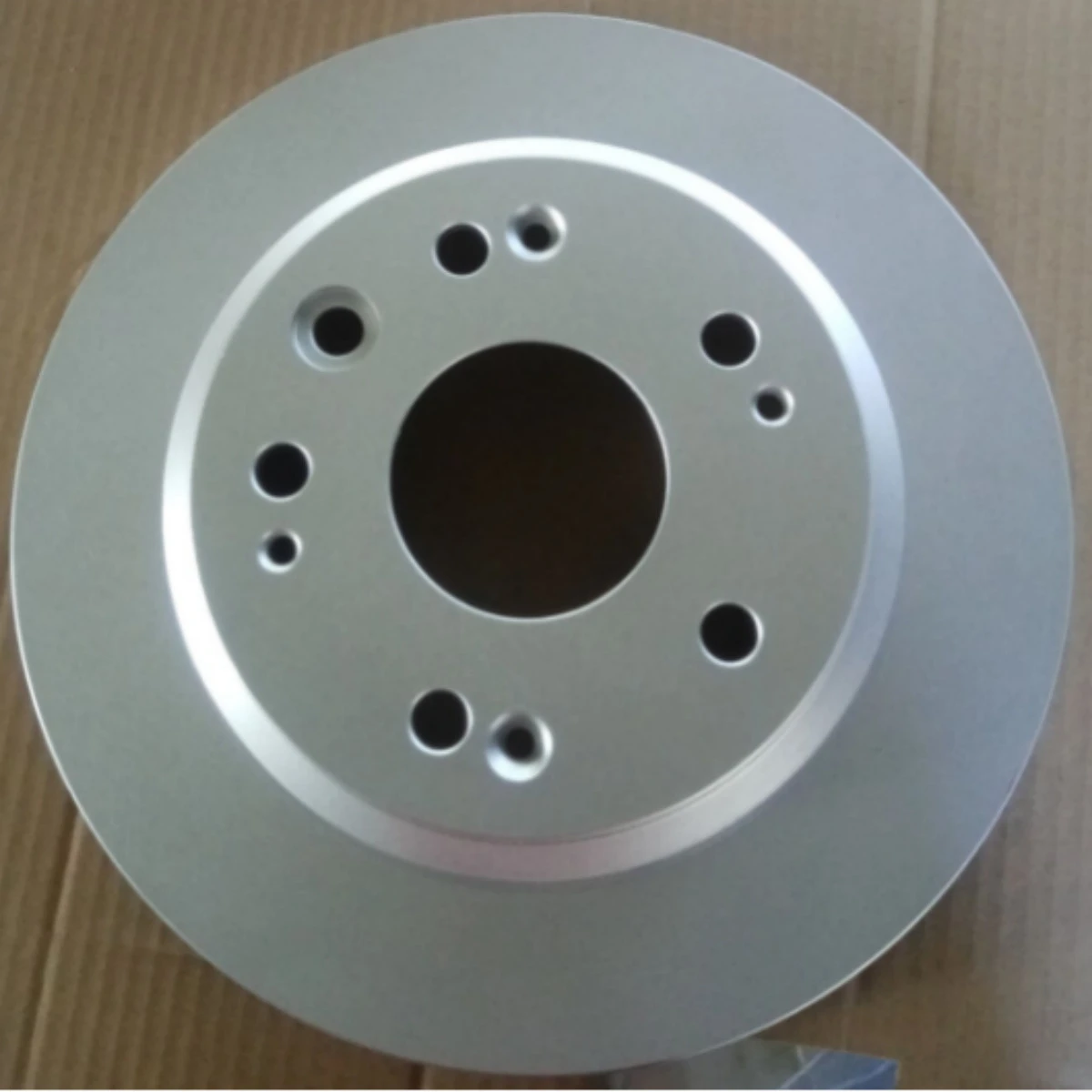
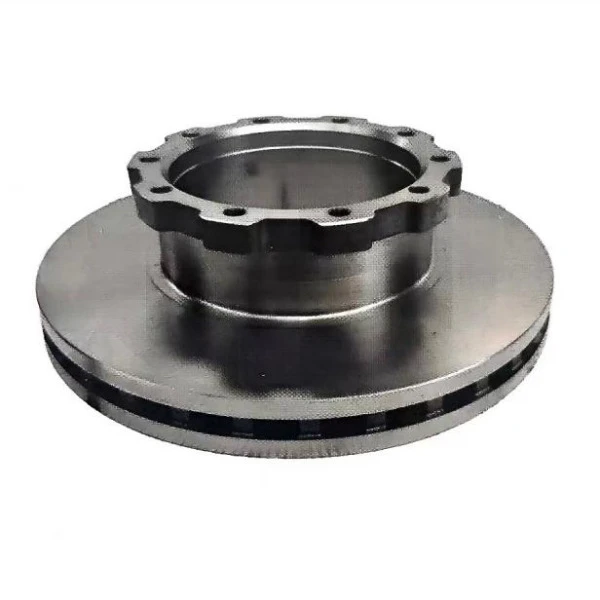
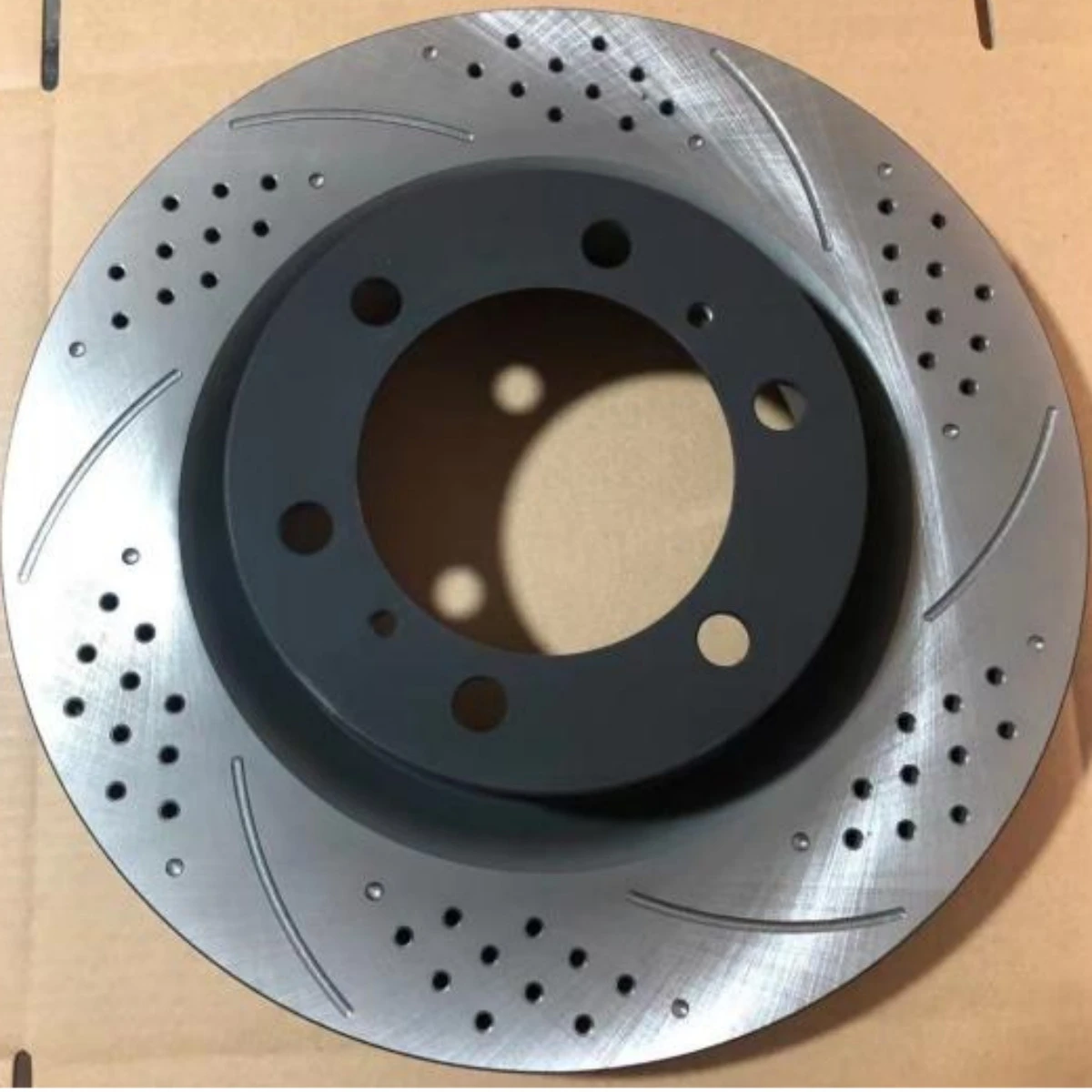
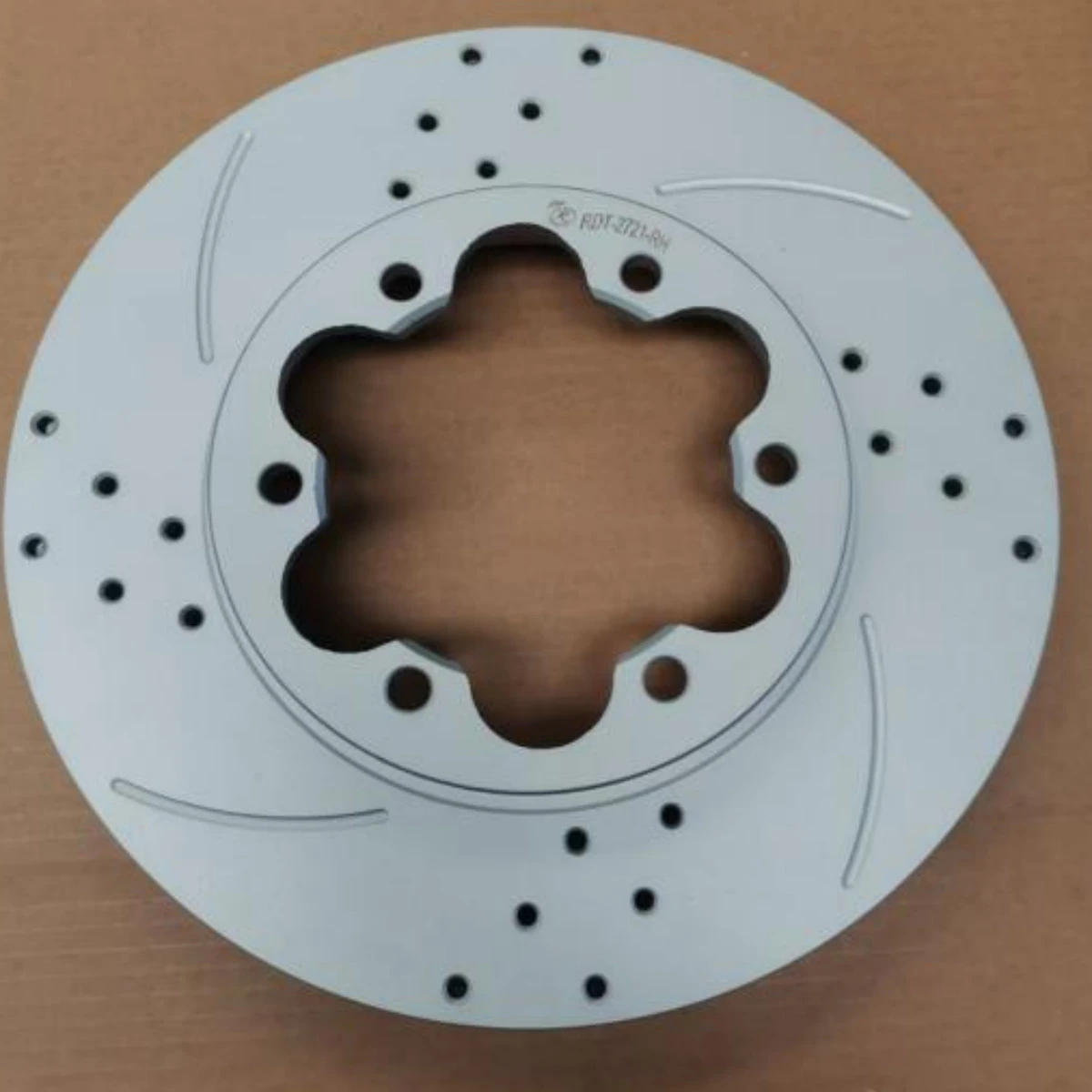
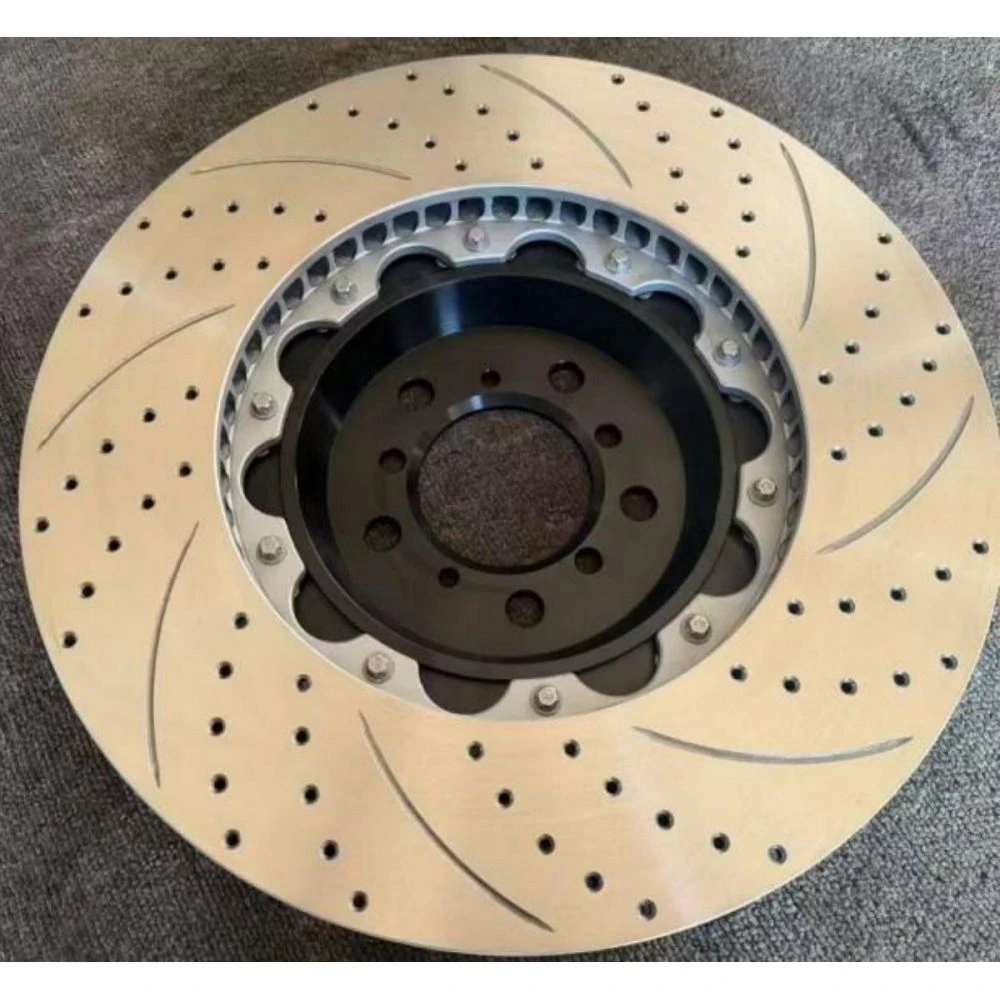
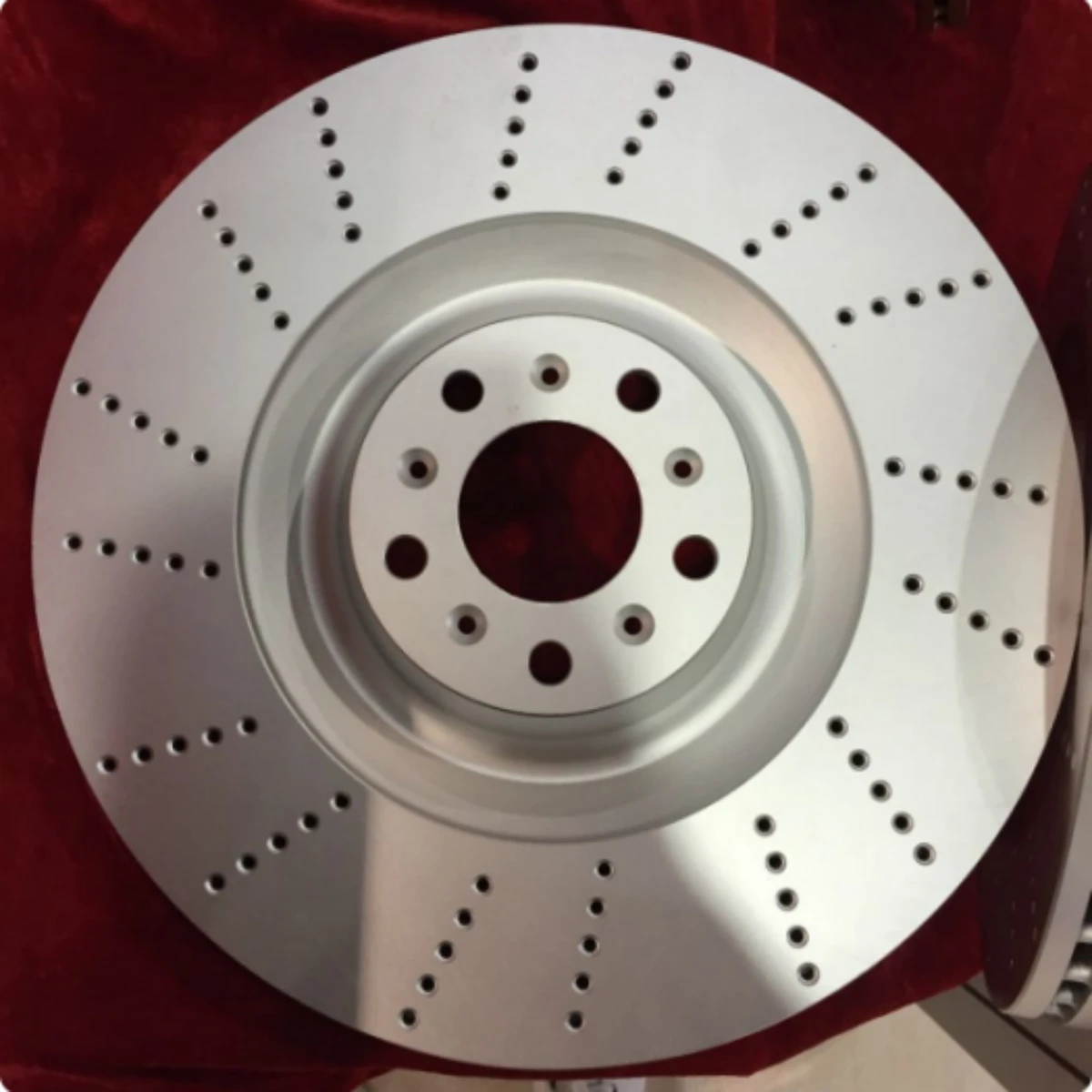
Let me break down what each of these three layers is and their respective functions for you. The innermost layer is a zinc phosphate conversion coating, the middle layer is a waterborne epoxy zinc-rich primer, and the outermost layer is an acrylic polyurethane topcoat. The total combined thickness of the three layers is controlled between 25 and 35 micrometers. Excessive thickness will interfere with assembly dimensional tolerances, while insufficient thickness results in inadequate anti-corrosion performance. This thickness range was determined after testing hundreds of data sets. All non-friction surfaces of the front brake disc OE part S6DM3501011 for BYD Tang receive this full coating treatment, including the hub mounting surface, inner ventilation duct walls and outer circumferential surface. Only the friction surface remains uncoated, which is common industry knowledge. Paint applied to friction surfaces will wear off immediately upon braking, making the coating process a waste of effort.
The first layer: zinc phosphate conversion coating. Many small manufacturers skip this process entirely or substitute it with iron phosphate conversion coating to cut costs, as iron phosphate treatment is cheaper. However, anyone familiar with surface treatment knows the phosphate conversion coating serves as the foundation of the entire coating system. Its performance does not rely on thickness; instead, chemical reactions form a dense layer of zinc phosphate crystals on cast iron, filling micro-pores on the substrate surface to create superior adhesion for the subsequent primer coat. The front brake disc OE part S6DM3501011 for BYD Tang adopts manganese-modified zinc phosphate treatment. The coating weight is controlled at 2.5 to 3.5 grams per square meter, with crystal grain size below 10 micrometers. The copper sulfate drop test requires a discoloration time of more than 90 seconds to meet qualification standards. You can easily verify whether this process was implemented by sanding off the topcoat to expose the base layer: parts with proper phosphate treatment show an even grey crystalline underlayer, whereas untreated pieces reveal bare raw iron.
The second layer: waterborne epoxy zinc-rich primer. This layer acts as the primary anti-corrosion barrier. Zinc-rich primer is selected because zinc has a lower electrode potential than iron. If the coating sustains scratches, zinc corrodes first, providing sacrificial anode protection for iron - the same principle applied to galvanized steel pipes. The dry film zinc powder content of the primer for BYD Tang front brake disc OE-S6DM3501011 is no less than 70% by mass, a critical specification. If the proportion drops below 60%, zinc particles become discontinuous and cannot form a conductive path, rendering sacrificial anode protection ineffective and reducing the primer to the performance level of standard epoxy primer. The dry primer film thickness is maintained at 15 to 20 micrometers, and the coating is applied via cathodic electrodeposition rather than spray coating. This enables uniform coverage on hard-to-reach areas such as ventilation duct inner walls, an advantage conventional spray coating cannot match.
The third layer: acrylic polyurethane topcoat. This layer fulfills two core functions: weather resistance and aesthetic finish. UV absorbers and light stabilizers are incorporated into the topcoat, preventing chalking and discoloration even after two to three years of outdoor exposure. The topcoat for BYD Tang front brake disc OE-S6DM3501011 is dark grey (RAL 7021), rather than glossy black. Glossy black surfaces show brake dust stains prominently, while dark grey resists visible dirt and retains a neat appearance, making it more popular among overseas clients. The dry topcoat film thickness ranges from 8 to 12 micrometers. Adhesion is tested via cross-cut test in accordance with ISO 2409, achieving Grade 0 performance - meaning no coating delamination occurs along cross-cut edges, and the film cannot be peeled off with adhesive tape.
Product Technical Parameters
|
Item |
Specification Unit |
Item |
Specification Unit |
|
Mounting Position |
Front brake |
Disc Outer Diameter |
328mm |
|
Brake Disc Thickness |
28mm |
Minimum Wear Limit Thickness |
26mm |
|
Centering Diameter |
66mm |
Disc Overall Height |
53.8mm |
|
Number Of Mounting Holes |
5+2+2 |
Pitch Circle Diameter |
120mm |
|
Disc Structure Type |
Vented |
Single Disc Weight |
9.48kg |
Vehicle Matching & Cross Reference Part Numbers
Compatible Vehicle Models
This brake disc is compatible with a wide range of car models, as follows:


BYD Tang, June 2015 – June 2018
Cross Reference Part Number Table
|
Brand Code |
Part No. |
OE Factory Code |
OE Number |
|
TRTW |
DF8316S |
OE |
S6DM3501011 |
Production & Machining Workshop
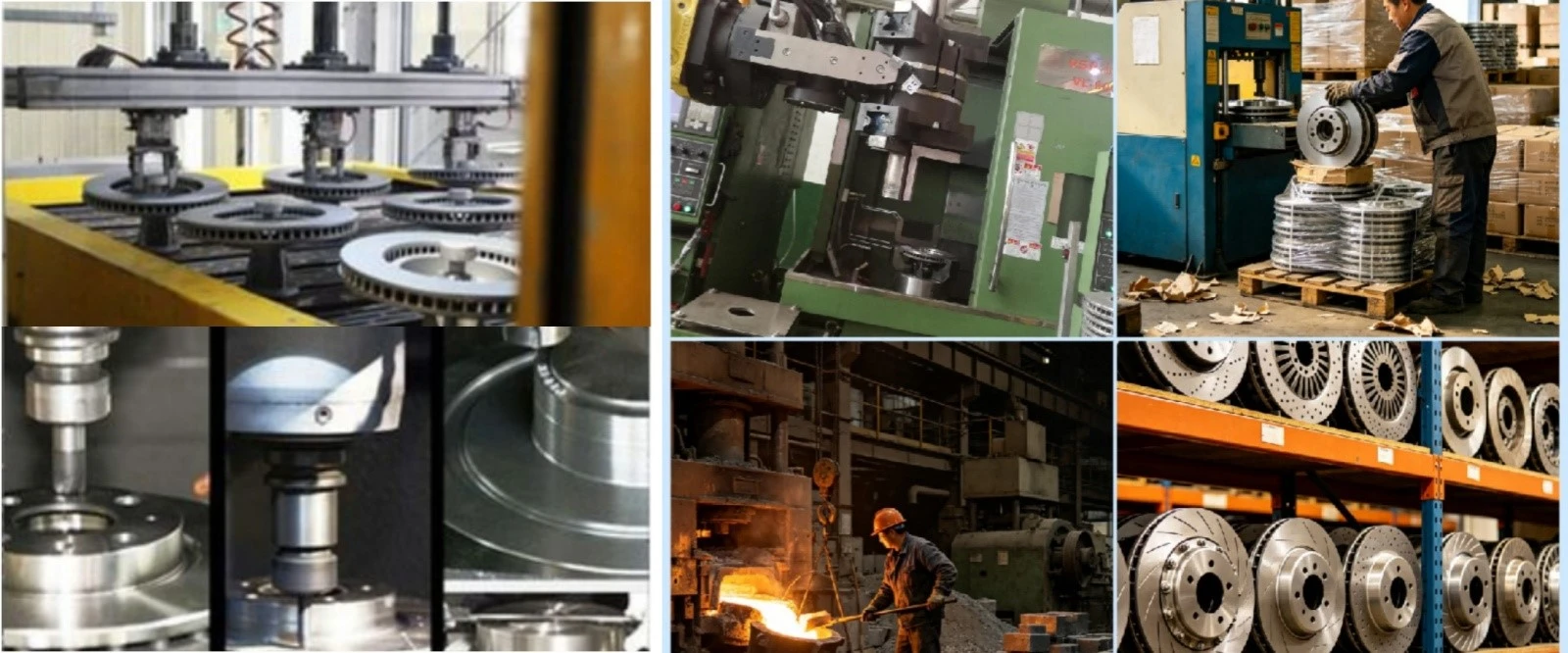
Let's start with the workshop environment. Many people assume that brake discs are cast iron components, so a somewhat dirty or disorganized workshop is considered normal; however, our Workshop No.2 maintains constant temperature and humidity-year-round temperatures are controlled at 22 ± 3°C, with relative humidity ranging between 45% and 65%. Why such precise temperature control? Because the accuracy of CNC lathes is significantly affected by temperature: thermal expansion and contraction of the machine tool body can cause dimensional deviations in the parts manufactured. The thickness tolerance requirement for BYD Tang's front brake disc OE-S6DM3501011 is ±0.035 mm; at this level of precision, even a temperature fluctuation of five to six degrees can lead to significant tool wear and make dimensional control impossible. The floor is an epoxy self-leveling surface, cleaned daily in three shifts, with chips removed promptly-unlike traditional workshops where the floor is covered with a thick layer of metal shavings that are uncomfortable to walk on.
Regarding machining equipment, Workshop No.2 is equipped with a total of 12 CNC lathes: eight Shenyang Machine Tool i5T3.3 intelligent lathes and four Dalian Machine Tool DL-20M models. These two models were selected due to their excellent bed rigidity and low spindle runout, making them particularly suitable for continuous processing of cast iron parts. The manufacturing process for the front brake disc of the BYD Tang (OE-S6DM3501011) consists of two steps: the first involves turning the mounting surface and internal hole, while the second turns the friction surface and outer diameter. Each step is completed in a single setup without requiring surface reversal, ensuring precise parallelism and coaxiality between the surfaces. Every lathe is fitted with an online measurement probe that automatically inspects dimensions after machining; any deviations trigger an immediate alarm, eliminating the need for manual inspection.
The grinding machine is a critical piece of equipment, as the flatness and roughness of the friction surfaces depend entirely on it. Workshop No.2 is equipped with four CNC planar grinding machines: two MG7132 models from Hangzhou Machine Tool Factory and two YK7332 models from Qinchuan Machine Tool. The grinding wheels used are resin-bonded diamond wheels manufactured in Taiwan, with a particle size of 120 mesh. The friction surface of BYD Tang front brake discs (OE-S6DM3501011) requires a roughness of Ra ≤ 1.6 microns and a flatness of ≤ 0.008 mm-what does this precision mean? To illustrate, a human hair is approximately 0.08 mm in diameter; thus, this flatness error represents only one-tenth of that diameter. After grinding, each disc must be measured for flatness using a pneumatic measuring instrument, and any defective units are immediately reworked and never proceed to the next process step.
For dynamic balancing, the workshop is equipped with two Shanghai Jianping PHZ-35 fully automatic balancing machines, achieving a single-sided balancing accuracy of 0.5 grams per centimeter. The dynamic balancing requirement for BYD Tang front brake discs (OE-S6DM3501011) specifies that the single-sided imbalance must be ≤5 grams, whereas the industry standard is generally 10 grams; our requirement is twice as stringent as the industry standard. These machines perform automatic detection and deduplication by milling a small balance weight onto the non-friction surface of the disc without manual intervention, ensuring high efficiency and consistent results. Each balancing machine must be calibrated before daily operation, with its accuracy verified using standard test blocks and recorded in the equipment inspection log-as mandated by our quality management system.
Turning now to the quality control system, we adhere to the IATF 16949 automotive industry quality management standard-not merely obtaining a certificate, but genuinely implementing this framework. The quality inspection process for BYD Tang front brake discs (OE-S6DM3501011) comprises three critical stages: first-piece inspection, in-process inspection, and final inspection before shipment. First-piece inspection involves testing the initial unit of each production batch with full-scale measurements; mass production commences only when all 18 dimensional parameters meet specifications. In-process inspection entails sampling five units per hour to measure key dimensions (thickness, flatness, runout), with inspectors empowered to halt production immediately upon identifying defects. Final inspection requires three tests per disc: dynamic balance, flatness, and visual inspection. Only after all three stages are successfully completed can the discs be packaged and shipped.
Delivery, Logistics & After-sales Service
First, let's address the packaging issue. Brake discs are quite heavy and susceptible to damage or rusting; if not properly packaged, they may become deformed or rusted upon delivery to the customer, leading to complications during claims processing-a significant inconvenience.
Take the BYD Tang front brake disc OE-S6DM3501011 as an example: its packaging consists of three layers. The innermost layer is an OPP foam bag, with each disc packaged individually and containing a packet of 5 grams of silica gel desiccant; the middle layer comprises a five-layer corrugated cardboard box, with two discs per box (one on each side) separated by pulp-based padding to prevent collision; the outermost layer is an export-standard wooden pallet, holding 40 boxes (totaling 80 discs), featuring fumigation marking at the bottom that complies with ISPM 15 standards for international shipment. The pallet is further wrapped in stretch film and secured with four packing straps, ensuring stable handling regardless of transportation method-whether by sea or land.
So why use OPP pearl cotton instead of ordinary plastic bags? Ordinary PE bags are non-breathable; during long-distance shipping, high temperatures cause condensation inside the bag, making the brake disc prone to rusting. OPP pearl cotton features a microporous structure that provides both shock absorption and breathability, and when combined with desiccant, it virtually prevents rusting upon opening. On the packaging box for the BYD Tang front brake disc OE-S6DM3501011, we print the part number, vehicle model, quantity, production date, batch number, and factory logo. If you require neutral packaging or wish to affix your own brand label, please let us know in advance-we can accommodate this free of charge, provided the order exceeds 500 units due to required adjustments to the packaging line equipment.
FAQ (Frequently Asked Questions)
Q1: How do I confirm whether this OE number matches my vehicle model? The old part I have is marked S6DM-3501011. Is it the same item as your S6DM3501011?
A: They refer to the identical component; the only difference is the hyphen in the writing format. In the auto parts industry, OE numbers with or without hyphens stand for the same spare part. The front brake disc with OE number S6DM3501011 fits all variants of BYD Tang, covering the front axle of the first-generation Tang (2015-2018), Tang DM Gen 2 (2018-2022), Tang EV (2019-2023), and Tang DM-i (2021-present). If you are unsure, you can send a photo of the part number on your old component or provide your VIN, and I will check for you-this is the most accurate method.
Q2: The BYD Tang is a new energy vehicle and weighs more than fuel-powered cars. Can this brake disc withstand the load? Will it wear out extremely quickly?
A: That's an excellent question. New energy vehicles do have higher curb weights, which impose greater stress on brake discs. The curb weight of the BYD Tang DM-i is approximately 1.9 tons, while the Tang EV weighs over 2.2 tons, 200 to 300 kilograms heavier than comparable gasoline vehicles. We took this factor into full consideration during the design phase of the BYD Tang front brake disc OE-S6DM3501011. It is manufactured from HT250 high-carbon cast iron, which delivers over 15% better wear resistance than standard HT200 cast iron. In addition, the friction surface undergoes heat treatment for enhanced surface hardness. Under regular urban driving conditions, it can last 60,000 to 80,000 kilometers, matching the service life of original factory parts.
Q3: Do you offer OEM services? Can I affix my own brand label and use my custom packaging designs?
A: Yes, we have years of experience providing OEM manufacturing and produce parts for multiple overseas brands. For OEM orders of the BYD Tang front brake disc OE-S6DM3501011, the minimum order quantity is 1,000 pieces, equivalent to 500 sets. You supply your brand logo and packaging artwork, and we will complete laser marking and custom box production for you. The laser marking engraves your brand logo and part number onto the non-friction surface of the disc instead of adhesive stickers, so the markings cannot be worn off. Custom five-layer corrugated boxes can be produced based on your designs with premium printing quality. Costs such as mold fees and sample production fees depend on your specific requirements, which we can discuss in detail.
Latest Company & Product News
With the growing prevalence of new energy vehicles, the BYD Tang is primarily designed as a new energy vehicle. To succeed in this market segment, one must understand how the braking systems differ between new energy vehicles and conventional gasoline-powered models. I have identified three key distinctions.
First, higher corrosion resistance requirements are needed. Why? Because new energy vehicles utilize energy recovery systems; during daily urban driving, most deceleration is achieved through motor reversal to generate electricity, with minimal use of friction-based braking. Brake discs remain in a state of infrequent use over extended periods, making their surfaces prone to rust formation. Moreover, due to limited wear, the rust layer becomes difficult to remove. Thickened rust layers cause vibration when braking, leading to numerous customer complaints. The three-layer composite coating on BYD Tang's front brake disc (OE-S6DM3501011) addresses this issue specifically: the non-friction surface resists rust formation even after 500 hours of salt spray exposure, while the friction surface-though uncoated-benefits from the superior corrosion resistance inherent in high-carbon cast iron compared to ordinary cast iron. Even after being parked for ten days or half a month, surface rust will disappear upon stepping on the brake pedal, preventing rust from forming deep pits.
Second, thermal load fluctuations are more pronounced. The brake discs of fuel-powered vehicles operate continuously and generate sustained heat, maintaining relatively stable temperatures. In contrast, new energy vehicles primarily rely on energy recovery during urban driving, leaving the brake discs cool; however, when encountering an emergency and applying a sudden hard brake, the temperature can surge instantly from ambient levels to several hundred degrees Celsius, resulting in significant thermal shock. Under such conditions, conventional cast iron discs are prone to thermal cracks-those fine hair-like fissures on the friction surfaces. BYD Tang's front brake disc (OE-S6DM3501011) employs high-carbon cast iron with a carbon content of approximately 3.9%, featuring finer and more uniform graphite particles, which provides over 30% better thermal shock resistance than standard HT200 material, thereby reducing the likelihood of thermal cracking.
Third, there is greater weight sensitivity. New energy vehicles are all focused on maximizing range; for every kilogram reduction in sub-vibration mass, the range increases by two to three kilometers. Therefore, automakers are exploring ways to reduce brake disc weight-through hollow structures, thinning, and the use of aluminum caps. However, replacement parts purchased after purchase are different; weight reduction cannot be arbitrary due to stringent safety regulations. BYD Tang's original equipment brake disc (OE-S6DM3501011) is manufactured according to factory specifications, with a weight identical to that of the original component-approximately 7.2 kilograms per piece-without being made thinner to save material or reinforced with additional cast iron, ensuring optimal performance.
Hot Tags: front brake discs for byd tang, China front brake discs for byd tang manufacturers, suppliers, factory