

Product Introduction
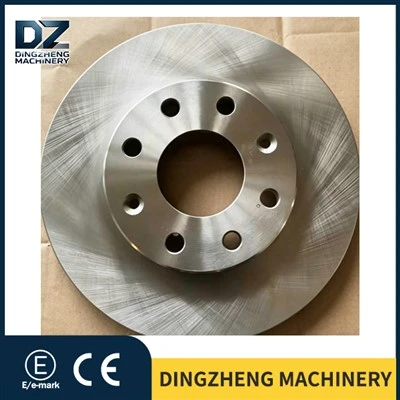
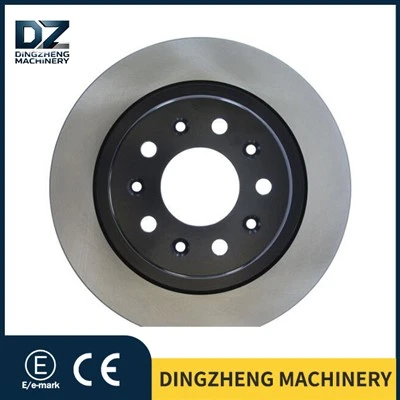
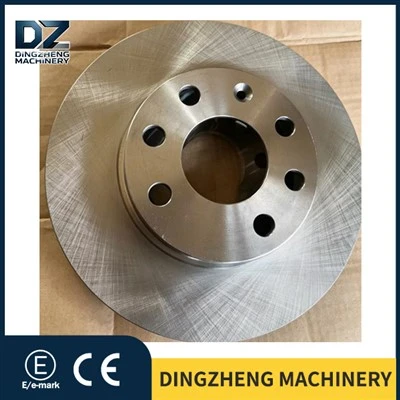
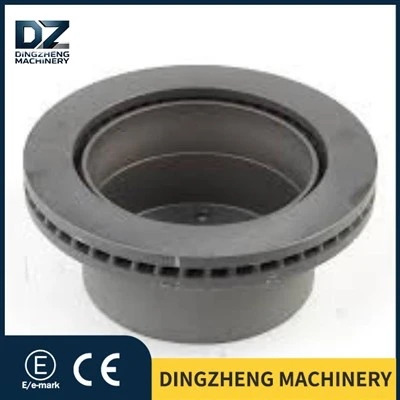
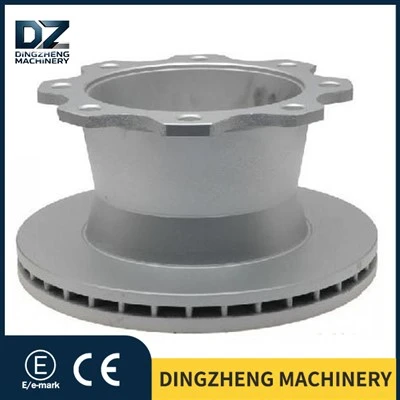
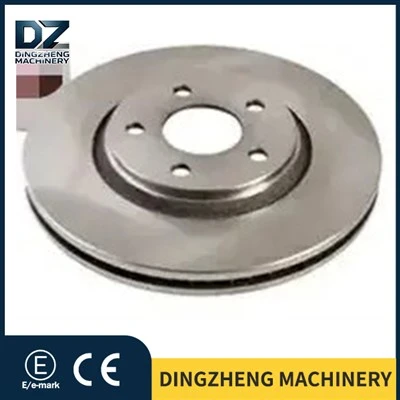
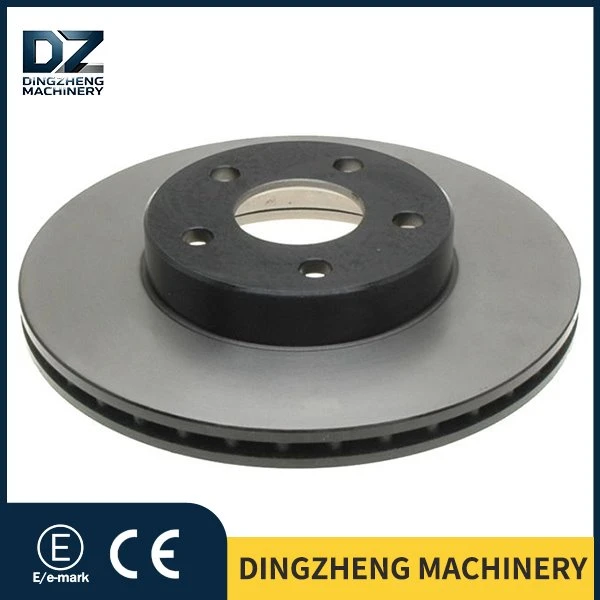
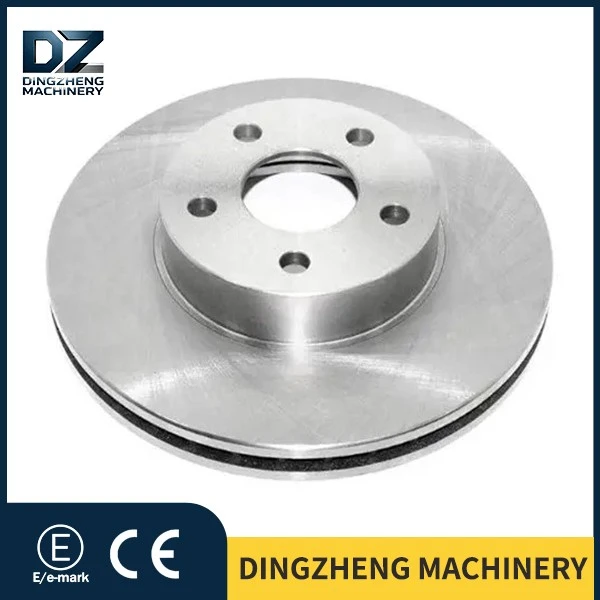
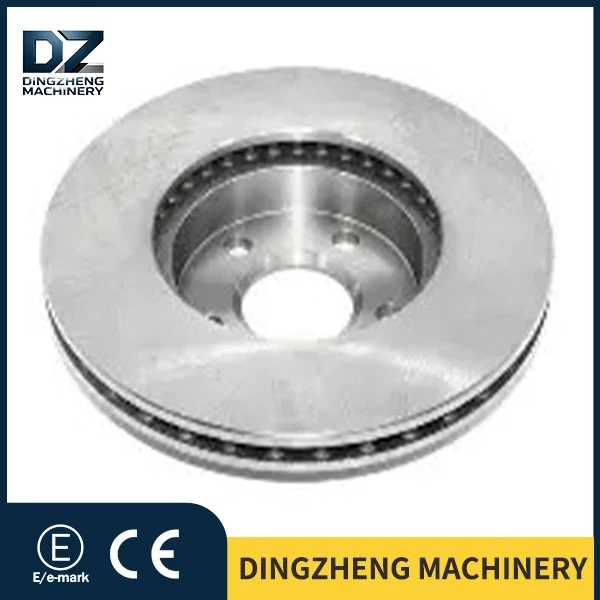
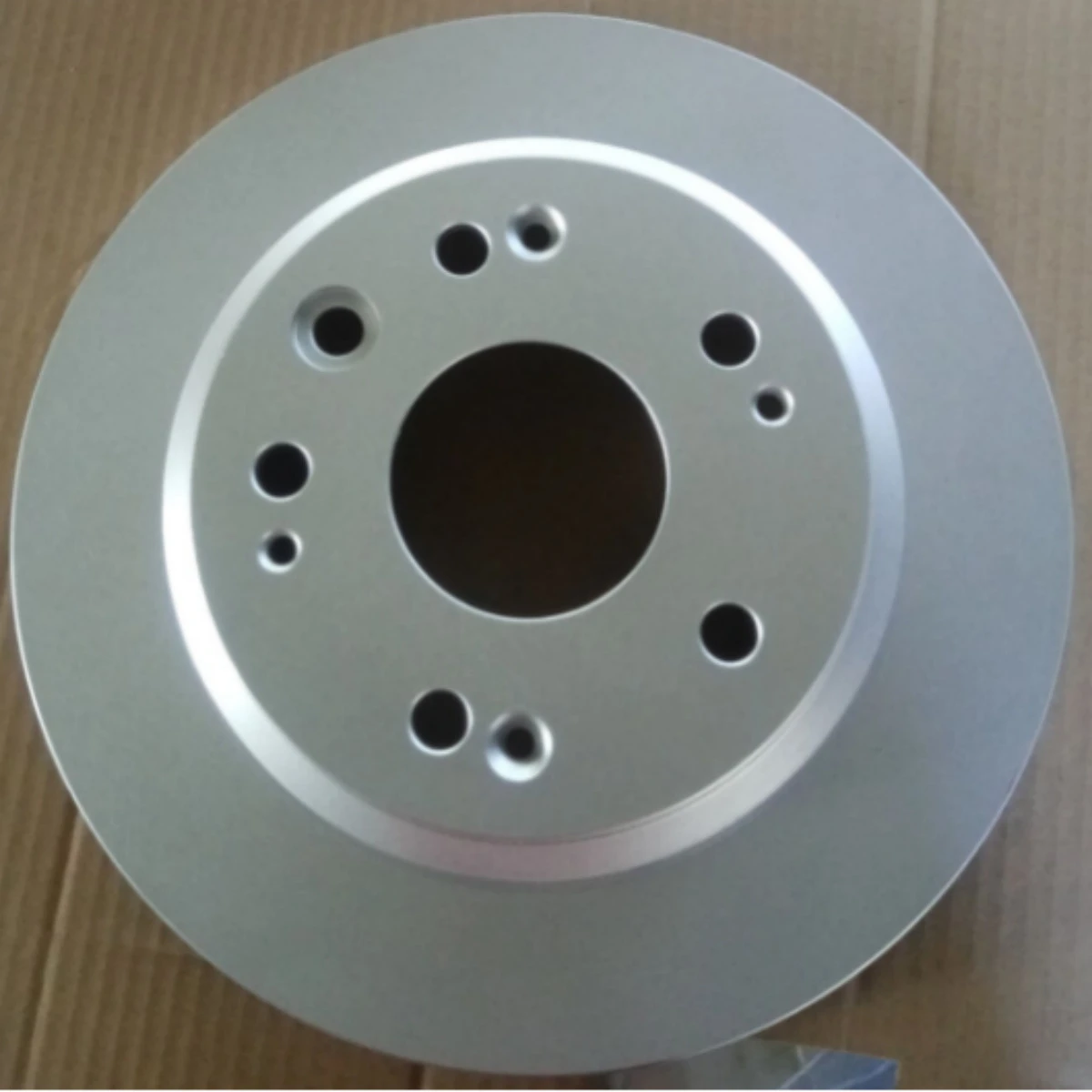
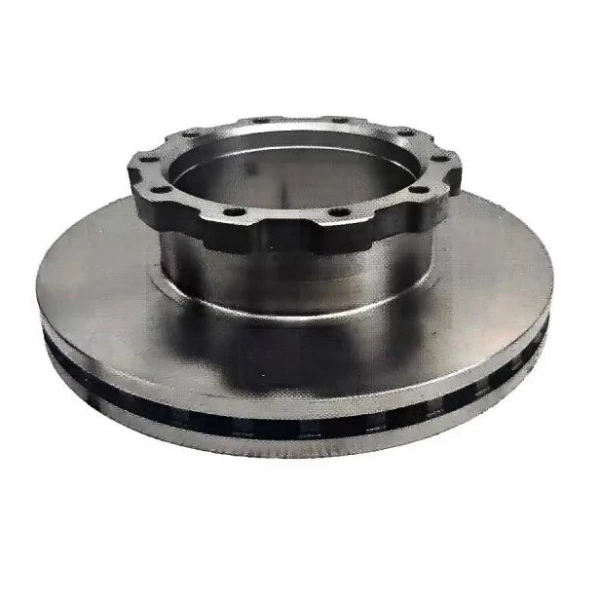
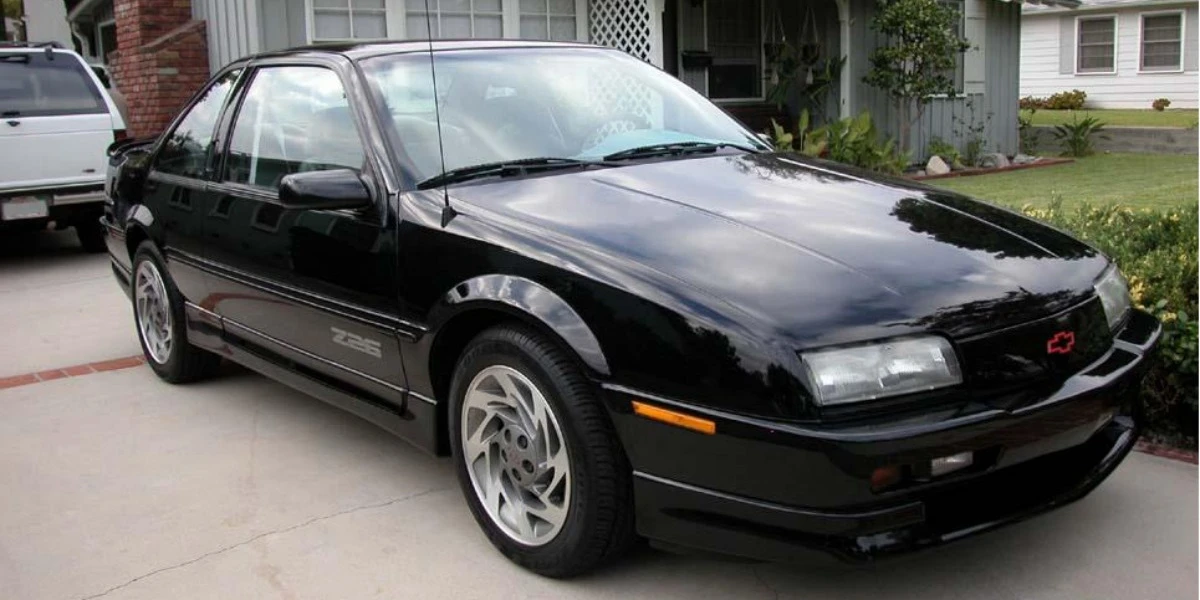
This brake disc is specifically designed for the classic North American sports car-the Chevrolet Beretta-with its original equipment part number being OE-18060237. This replacement part is tailored for the overseas vintage vehicle repair market: the drawings are created at a 1:1 scale based on the original OEM mold; the mounting holes and disc dimensions are identical to those of the original vehicle, requiring no modifications-installation is straightforward and ready for immediate use. It is compatible with all Chevrolet Beretta models from 1987 to 1996, including the front-wheel braking systems for configurations such as Base, GT, and GTZ; additionally, it can be installed in the original mounting positions of the Chevrolet Cavalier models from 1990 to 1995 that share the same platform. In short, it covers virtually the vast majority of existing vehicles on the North American market. In terms of structure, it features a ventilated disc design; the standard diameter of this new disc is 259 mm, and the standard thickness is 22.3 mm; according to OEM specifications, when wear reaches its limit, the thickness must not fall below 20.7 mm. The diameter of the central mounting hole is 58 mm, equipped with five fixing mounting holes; the pitch circle diameter is 100 mm, and the net weight of each disc is approximately 4.7 kg. All dimensional parameters have been verified and calibrated using a 3D coordinate measuring machine, ensuring complete consistency with the original OEM specifications. The material used is gray cast iron, featuring a pearlitic matrix reinforced with uniformly distributed flake graphite, with a friction coefficient maintained between 0.38 and 0.42. The ventilation ducts utilize the original manufacturer's same-direction blade design; during high-speed continuous braking, their heat dissipation efficiency exceeds that of solid discs by more than 40%, with a thermal degradation rate controlled within 12%, fully meeting the braking demands of this American-style sports car at medium and high speeds.
Surface Treatment & Product Styles
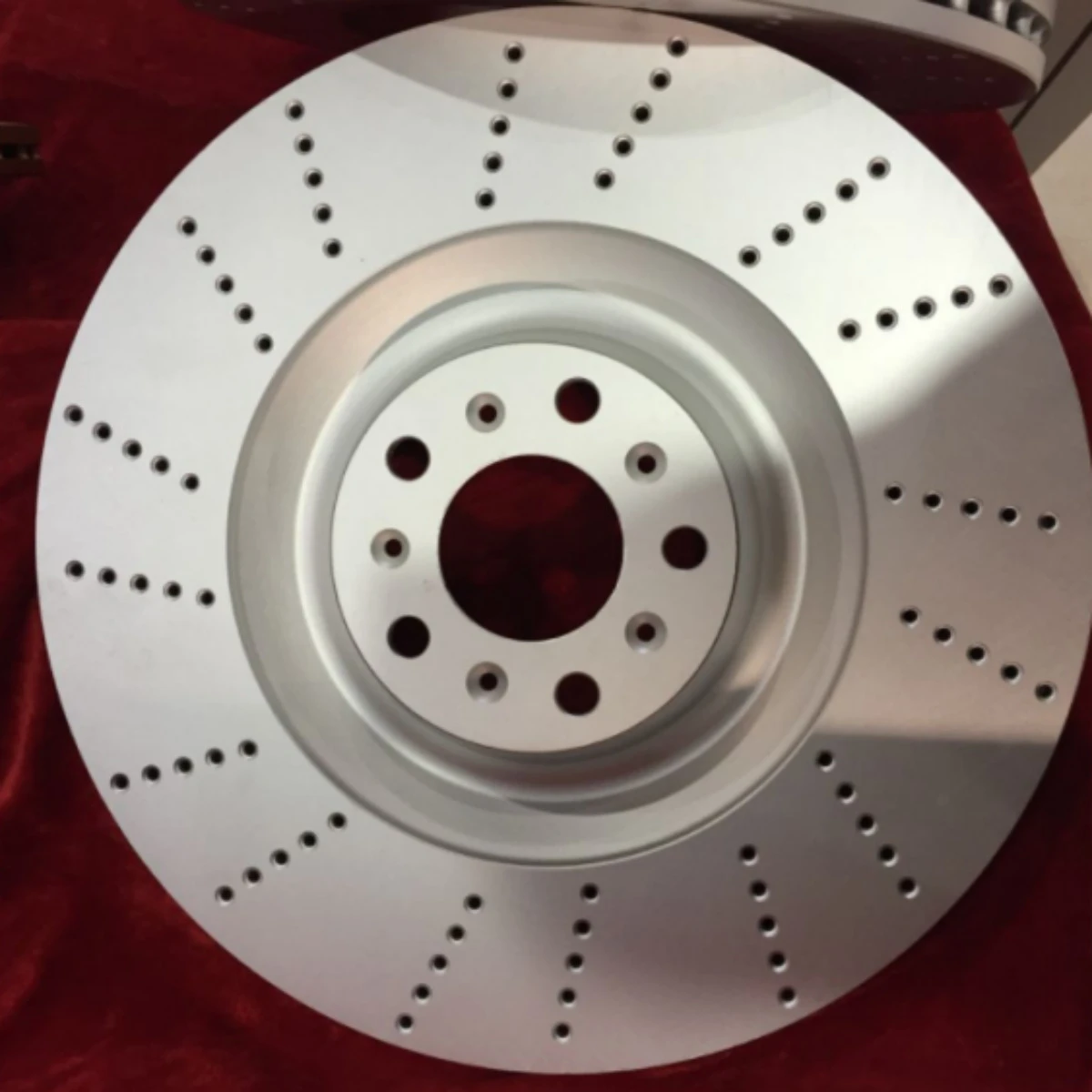
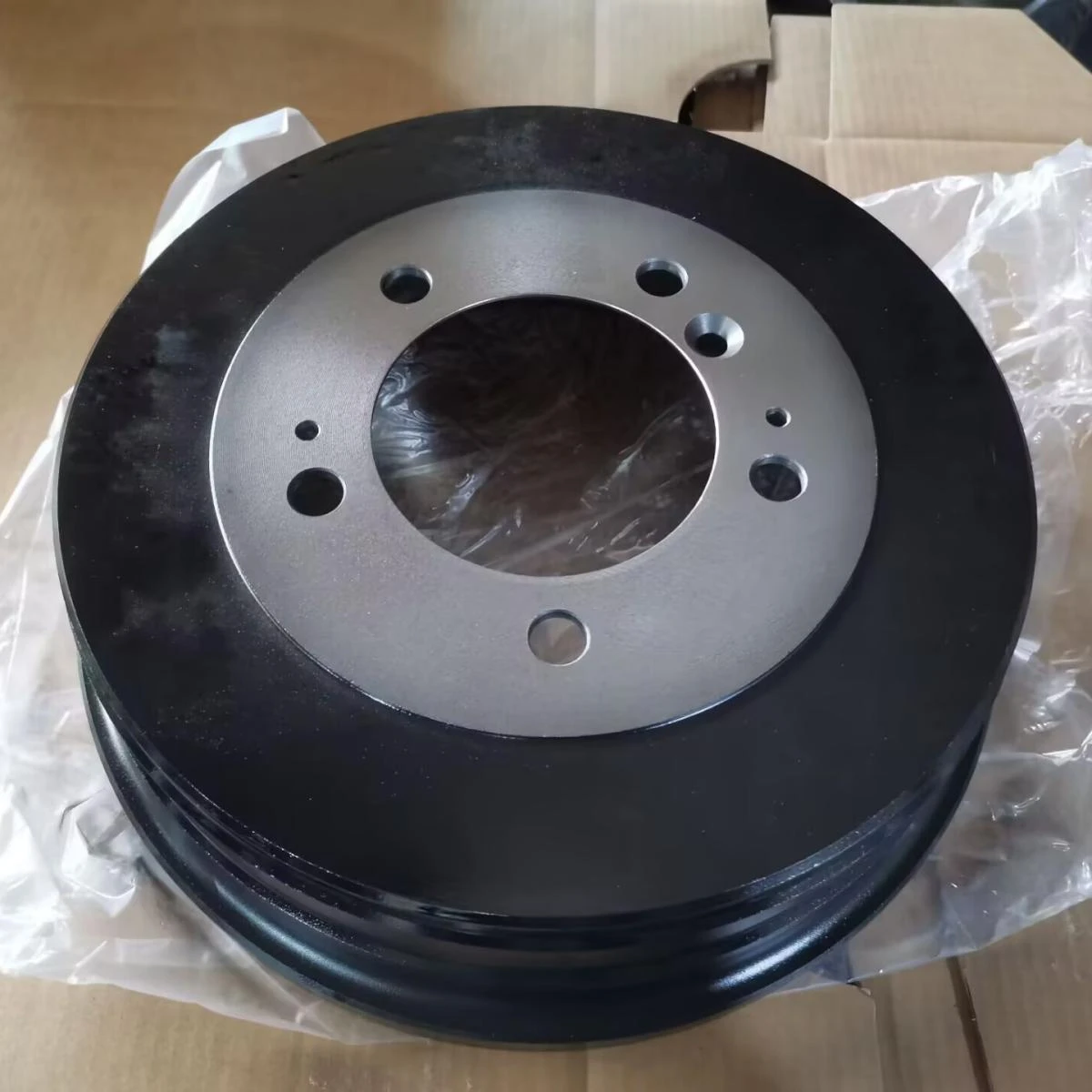
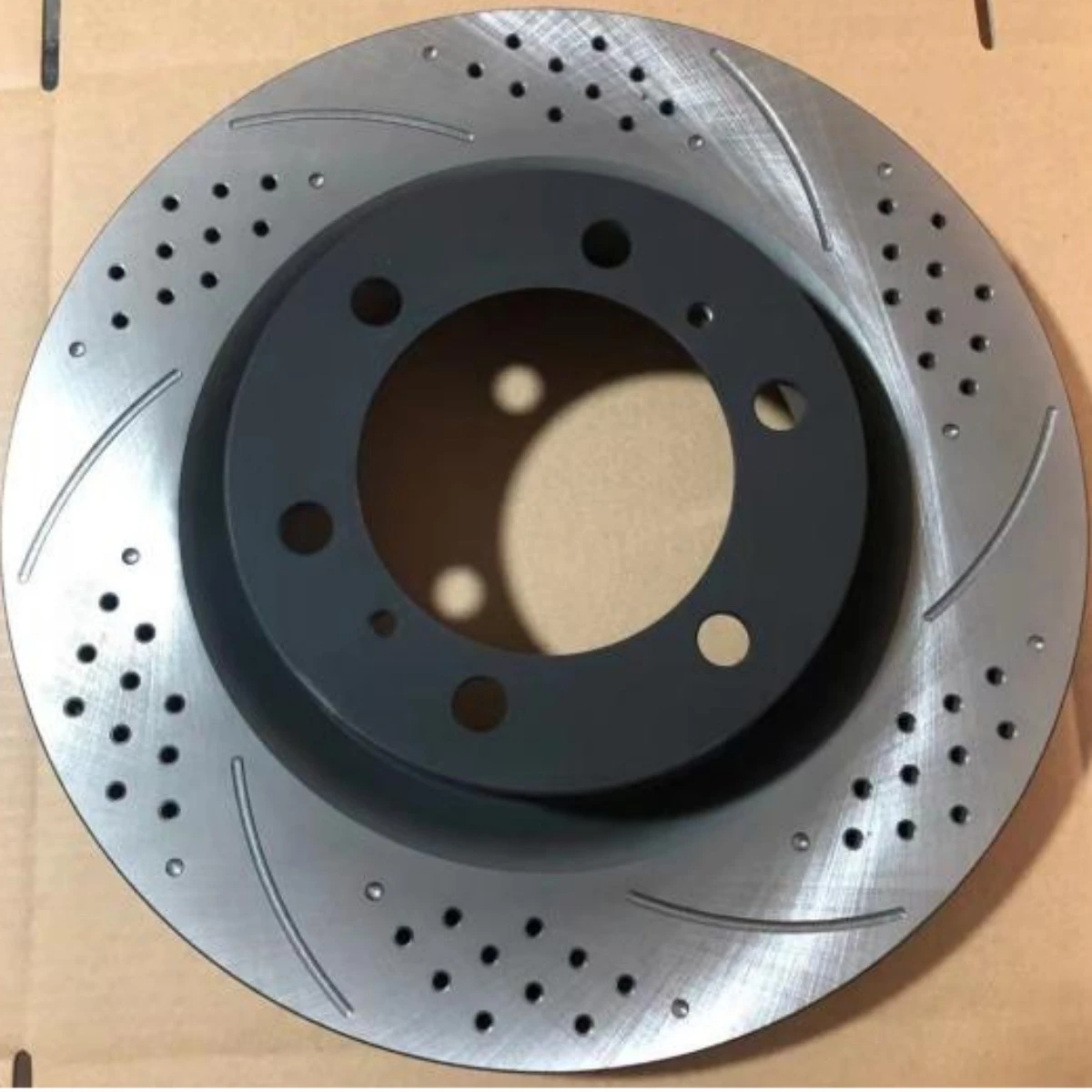
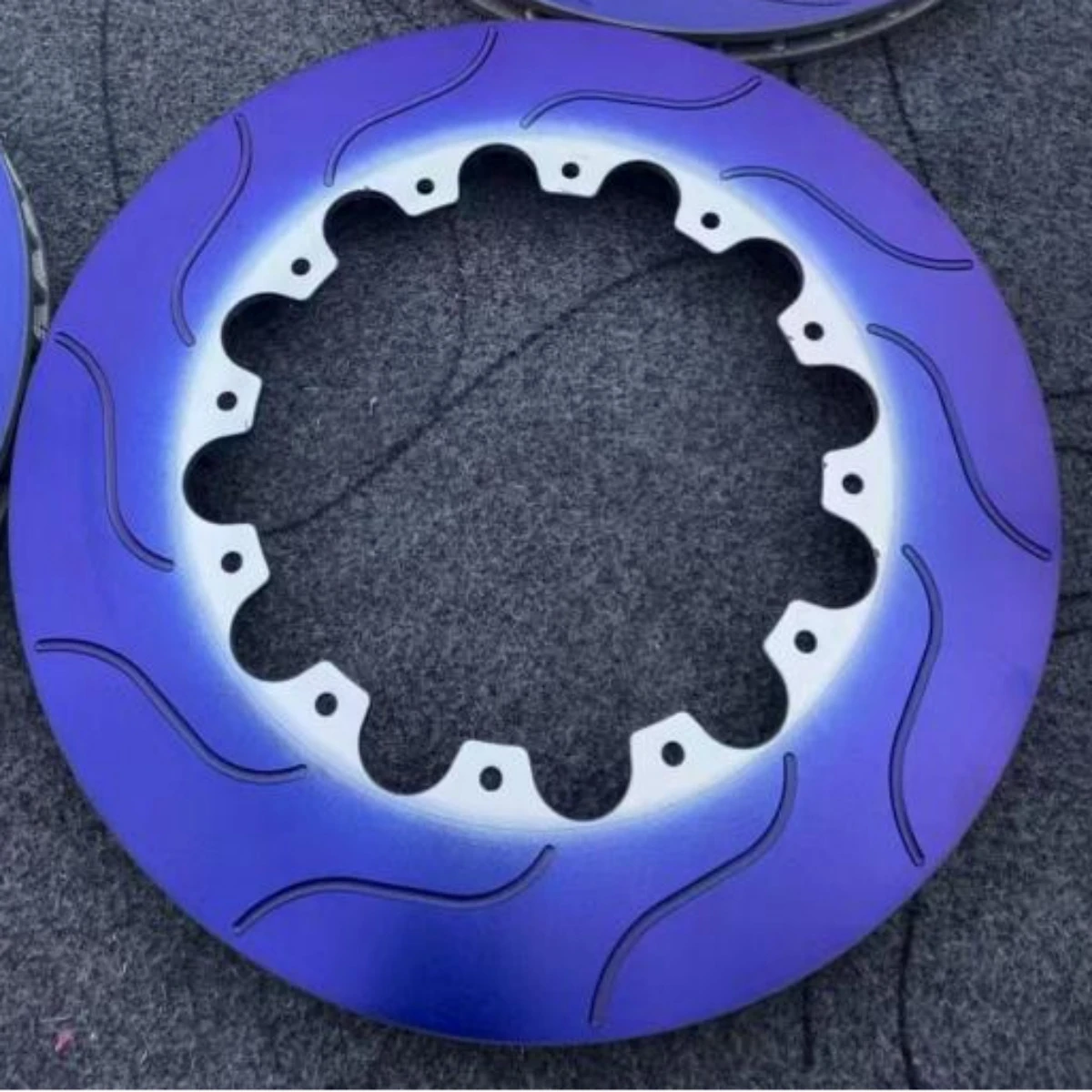
During winter in North America, roads often require salt application for deicing; simultaneously, coastal regions experience high-humidity conditions throughout the year. Such harsh environmental conditions pose significant challenges to brake discs! Our OE-18060237 Chevrolet/Belletta front brake disc is specifically engineered for these complex operating conditions and employs an ultra-reliable three-layer composite anti-rust coating process. Furthermore, protection is provided exclusively for non-friction surfaces, ensuring that braking performance remains unaffected-by constructing a complete anti-rust protective barrier layer through a step-by-step approach spanning from the base material to the surface treatment. Below, we will explore its specific layered structure and actual test data in detail:
The first layer consists of an ultra-high-performance nano-phosphating primer! Prior to spraying, technicians will perform a thorough phosphating treatment on the non-friction areas of the brake disc-including the hub interface, the inner wall of the center bore, and the outer edge of the disc surface-to form a dense phosphating film with a thickness of only 3–5 μm. This step not only thoroughly removes any fine oxide layers or residual oil contamination from the substrate surface but also significantly enhances the adhesion between the subsequent coating and the cast iron substrate. According to professional 100-grid adhesion test results, this coating can achieve specific grade ratings, ensuring that no local delamination occurs at all.
The second layer consists of a zinc-aluminum sheet-based anti-corrosion primer. This layer is applied via electrostatic spraying using a sheet-like zinc-aluminum composite slurry, with a dry film thickness precisely controlled at 19 ± 3 μm; the zinc-aluminum sheets are stacked parallel within the coating, directly forming a distinctive "labyrinth-style" physical shielding structure that significantly reduces the permeation rates of water vapor and salt ions. Additionally, the zinc component provides cathodic electrochemical protection-even when the coating suffers minor localized damage, it can effectively halt the corrosion process and prevent further propagation, thereby demonstrating exceptional reliability. The third layer is an organosilicon high-temperature resistant topcoat. A layer of organosilicon-modified topcoat (with a thickness of 10 ± 2 μm) is sprayed onto the primer surface; after curing, this layer remains unaffected by softening or cracking even when continuously exposed to high temperatures of 350 °C. Furthermore, this topcoat effectively seals the fine pores within the primer, thereby significantly enhancing its ability to block the permeation of water vapor.
Product Technical Parameters
|
Item |
Specification Unit |
Item |
Specification Unit |
|
Mounting Position |
Front brake |
Disc Outer Diameter |
259mm |
|
Brake Disc Thickness |
20.35mm |
Minimum Wear Limit Thickness |
18.7mm |
|
Centering Diameter |
58.384mm |
Disc Overall Height |
48mm |
|
Number Of Mounting Holes |
5 |
Pitch Circle Diameter |
100mm |
|
Disc Structure Type |
Vented |
Single Disc Weight |
5.08kg |
Vehicle Matching & Cross Reference Part Numbers
Compatible Vehicle Models
This brake disc is compatible with a wide range of car models, as follows:
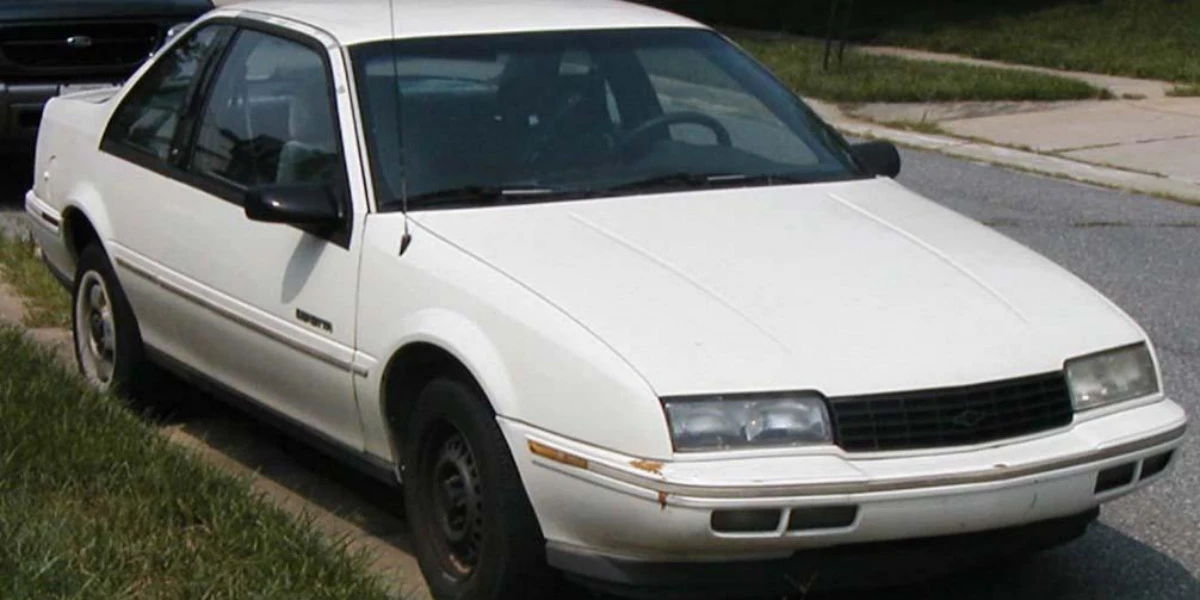
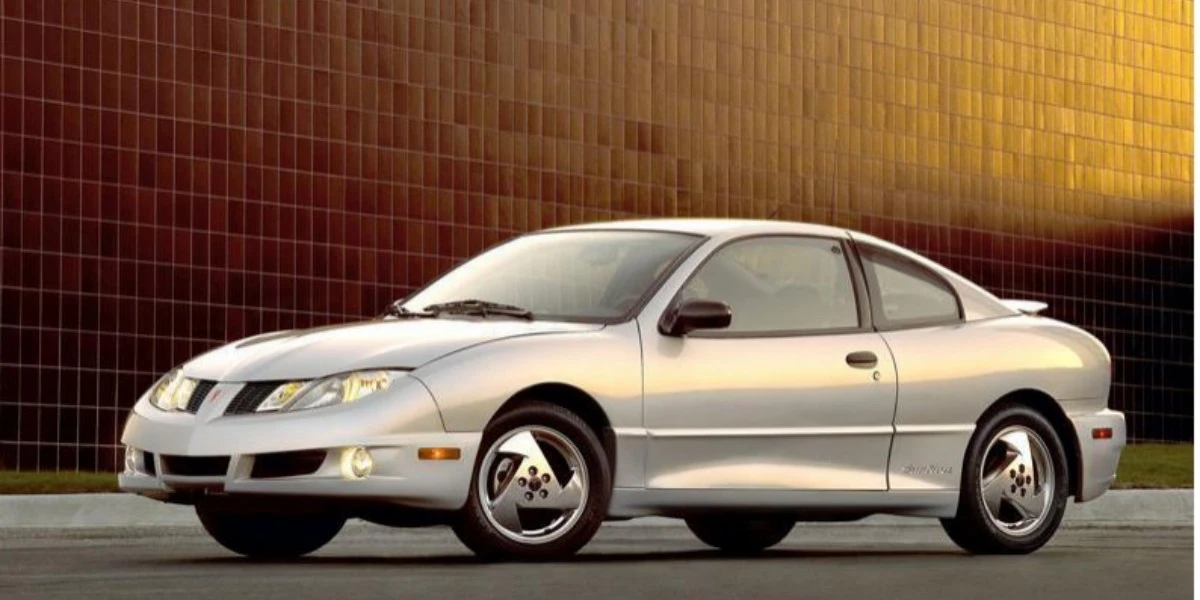
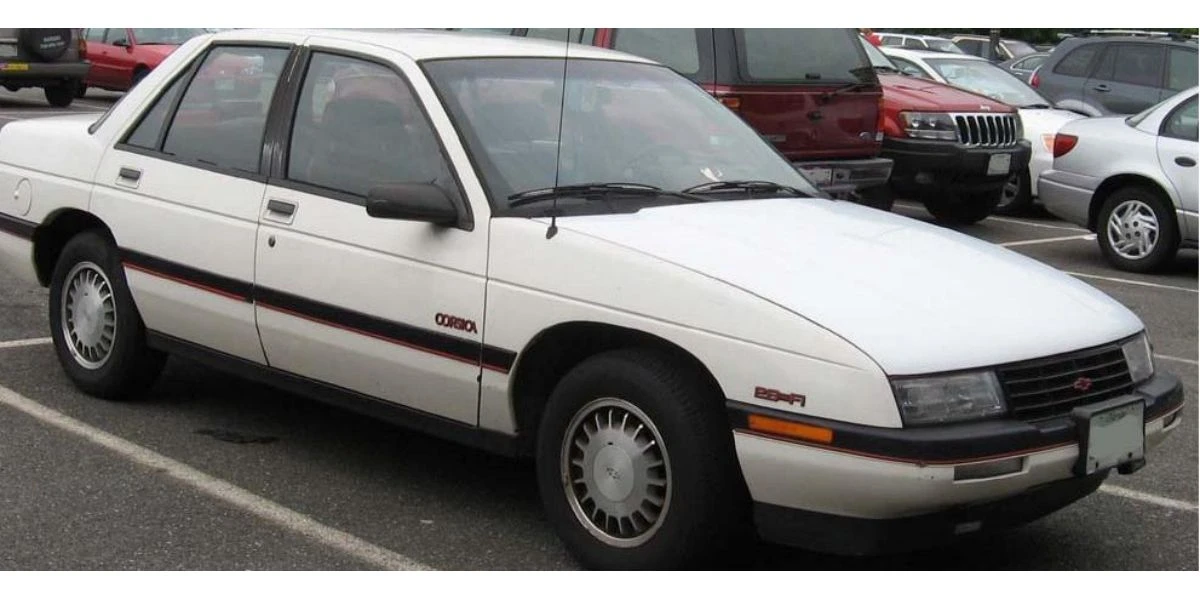
BUICK Skylark 4-2.3L F/inj. (16V) DOHC (3) 1992-1994
BUICK Skylark 4-2.3L F/inj. (16V) DOHC (D) 1990-1991
BUICK Skylark 4-2.3L F/inj. (16V) DOHC (D) 1995
BUICK Skylark 4-2.4L F/inj. (16V) DOHC (T) 1996-1998
BUICK Skylark 4-2.5L F/inj. (U) 1990-1991
BUICK Skylark V6-3.1L F/inj. (M) 1994-1998
BUICK Skylark V6-3.3L F/inj. (N) 1990-1991
BUICK Skylark V6-3.3L F/inj. (N) 1992-1993
CHEVROLET Beretta 4-2.2L F/inj. (4) 1992-1996
CHEVROLET Beretta 4-2.3L F/inj. (16V) DOHC HO (A) 1992-1994
CHEVROLET Beretta V6-3.1L F/inj. (M) 1994-1996
CHEVROLET Beretta V6-3.1L F/inj. (T) 1992-1993
CHEVROLET Cavalier 4-2.2L F/inj. (16V) DOHC (4) 1999-2000
CHEVROLET Cavalier 4-2.2L F/inj. (16V) DOHC (4) 2001-2002
CHEVROLET Cavalier 4-2.2L F/inj. (16V) DOHC Bi-Fuel CNG (4) 1999-2000
CHEVROLET Cavalier 4-2.2L F/inj. (16V) DOHC Bi-Fuel CNG (4) 2002
CHEVROLET Cavalier 4-2.2L F/inj. (16V) DOHC Bi-Fuel CNG (6) 2003-2004
CHEVROLET Cavalier 4-2.2L F/inj. (16V) DOHC Flex Fuel (6) 2005
CHEVROLET Cavalier 4-2.2L F/inj. (16V) DOHC L61 (F) 2002-2005
CHEVROLET Cavalier 4-2.2L F/inj. (4) 1992-1998
CHEVROLET Cavalier 4-2.3L F/inj. (16V) DOHC (D) 1995
CHEVROLET Cavalier 4-2.4L F/inj. (16V) DOHC (T) 1996-1999
CHEVROLET Cavalier 4-2.4L F/inj. (16V) DOHC LD9 (T) 2000-2002
CHEVROLET Cavalier V6-3.1L F/inj. (T) 1992-1994
CHEVROLET Corsica 4-2.2L F/inj. (4) 1992-1996
CHEVROLET Corsica 4-2.3L F/inj. (16V) DOHC HO (A) 1992-1994
CHEVROLET Corsica V6-3.1L F/inj. (M) 1994-1996
CHEVROLET Corsica V6-3.1L F/inj. (T) 1992-1993
OLDSMOBILE Achieva 4-2.3L F/inj. (16V) (3) 1992
OLDSMOBILE Achieva 4-2.3L F/inj. (16V) (3) 1994
OLDSMOBILE Achieva 4-2.3L F/inj. (16V) (A) 1992
OLDSMOBILE Achieva 4-2.3L F/inj. (16V) (A) 1994
OLDSMOBILE Achieva 4-2.3L F/inj. (16V) (D) 1992
OLDSMOBILE Achieva 4-2.3L F/inj. (16V) (D) 1994-1995
OLDSMOBILE Achieva 4-2.4L F/inj. (16V) DOHC (T) 1996-1998
OLDSMOBILE Achieva V6-3.1L F/inj. (M) 1994-1998
OLDSMOBILE Achieva V6-3.3L F/inj. (N) 1992
OLDSMOBILE Cutlass Calais 4-2.3L F/inj. (16V) (A) 1990-1991
OLDSMOBILE Cutlass Calais 4-2.3L F/inj. (16V) (D) 1990-1991
OLDSMOBILE Cutlass Calais 4-2.5L F/inj. (U) 1990-1991
OLDSMOBILE Cutlass Calais V6-3.3L F/inj. (N) 1990-1991
PONTIAC Grand Am 4-2.3L F/inj. (16V) DOHC (D) 1990-1991
PONTIAC Grand Am 4-2.3L F/inj. (16V) DOHC (D) 1992-1995
PONTIAC Grand Am 4-2.3L F/inj. (3) 1992-1994
PONTIAC Grand Am 4-2.3L F/inj. SOHC HO (A) 1990-1991
PONTIAC Grand Am 4-2.3L F/inj. SOHC HO (A) 1992-1994
PONTIAC Grand Am 4-2.4L F/inj. (16V) DOHC (T) 1996-1998
PONTIAC Grand Am 4-2.5L F/inj. (U) 1990-1991
PONTIAC Grand Am V6-3.1L F/inj. (M) 1994-1998
PONTIAC Grand Am V6-3.3L F/inj. (N) 1992-1993
PONTIAC Sunbird 4-2.0L F/inj. SOHC (H) 1992-1994
PONTIAC Sunbird V6-3.1L F/inj. (T) 1992-1994
PONTIAC Sunfire 4-2.2L F/inj. (16V) DOHC L61 (F) 2002-2005
PONTIAC Sunfire 4-2.2L F/inj. (4) 1995-1999
PONTIAC Sunfire 4-2.2L F/inj. LN2 (4) 2001-2002
PONTIAC Sunfire 4-2.3L F/inj. (D) 1995
PONTIAC Sunfire 4-2.4L F/inj. (16V) DOHC (T) 1996-1999
PONTIAC Sunfire 4-2.4L F/inj. (16V) DOHC LD9 (T) 2001-2002
Cross Reference Part Number Table
|
Brand Code |
Part No. |
OE Factory Code |
OE Number |
|
ACDelco |
18A407 |
OE |
18016200 |
|
AIMCO |
5580 |
OE |
18021368 |
|
BERMBO |
09748580 |
OE |
18022417 |
|
WAGNER |
SD125128 |
OE |
18023034 |
|
- |
- |
OE |
18060237 |
Production & Machining Workshop
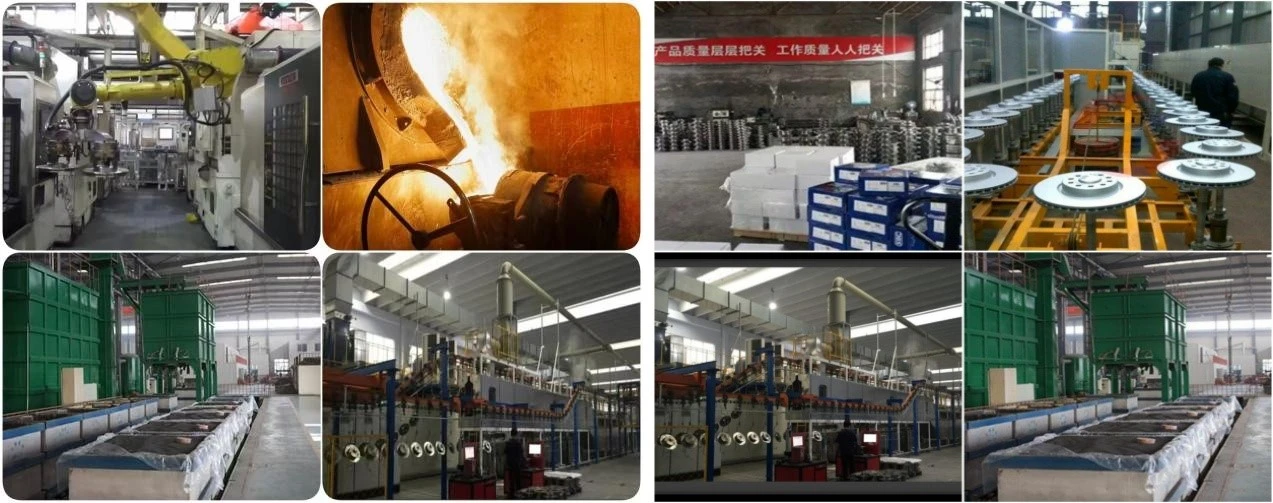
All machining processes for the front brake discs of this Chevrolet Beretta model are independently completed within our own CNC workshop located in Laizhou, Shandong; the entire production process is self-managed, with no external subcontracting involved. From the precision machining equipment to the complete quality control process, we implement an exclusive, factory-developed control system; all production and testing stages are executed according to standardized procedures, thereby enhancing the controllability of product quality.
In the production environment, the precision machining area employs a closed-loop controlled environment with constant temperature and humidity, ensuring a stable production setting that minimizes thermal expansion and contraction deformations in cast iron substrates caused by fluctuations in temperature and humidity. This approach fully guarantees dimensional consistency across batch products and effectively eliminates common post-production issues such as fitting discrepancies or inconsistent tightness during installation for components within the same batch.
Regarding core production equipment, the workshop is equipped with high-precision CNC machining centers paired with custom-made high-precision hydraulic clamps, enabling the one-time clamping of workpieces to complete the full set of integrated machining operations-including surface finishing, internal hole processing, and installation datum surface preparation-thereby ensuring a seamless and stable manufacturing process that effectively reduces cumulative errors caused by multiple clamping cycles. Additionally, the facility is equipped with professional-grade precision dynamic balancing testing equipment, whose detection accuracy far exceeds industry conventional standards; the dynamic balancing performance of the finished products strictly meets or surpasses national standard requirements, thereby fundamentally resolving issues such as steering wheel vibration and braking instability during high-speed vehicle braking.
Our factory has established a full-process closed-loop quality control system, set up multiple dedicated specialized testing stations, and strictly implements a three-tiered stratified sampling inspection system to ensure rigorous quality control at every stage of product shipment:
First-piece full inspection: For each production batch, the first product manufactured upon startup of the production line shall be inspected by professional quality control personnel using precision measuring instruments to perform a comprehensive verification of all dimensional parameters; only after all performance and dimensional specifications have met the required standards may mass production commence, thereby establishing a unified quality baseline for the entire batch from the source.
Process Inspection: Throughout the mass production process, timed sampling and re-inspection are conducted at various stages; key critical parameters such as plate thickness uniformity and end face runout accuracy are prioritized for inspection. This ensures strict adherence to high-end factory quality standards, rigorous control over minor machining deviations, and guarantee of braking precision for every individual product.
Inspection of finished products upon warehousing: Once all anti-corrosion spraying processes for the products have been completed, inspections shall be conducted according to the prescribed sampling ratio, strictly verifying the uniformity of the coating thickness, the anti-corrosion durability performance, and the appearance and craftsmanship details; any batch that fails these inspections shall undergo rework and re-inspection; any defective products shall be strictly prohibited from being warehoused or shipped.
In addition, every batch of raw materials undergoes testing using a professional spectrometer to precisely verify the core element composition and material purity of the cast iron substrate, ensuring that the raw materials fully comply with the specialized material standards for high-end brake discs; this approach eliminates potential risks associated with substandard materials or unstable performance from the very source, thereby providing comprehensive assurance of the final product's braking stability and exceptionally long service life.
Delivery, Logistics & After-sales Service
Upon completion of order payment confirmation, inventory and corresponding documents shall be immediately recorded; for spot orders, items will be quickly packed and shipped; if laser engraving or customized outer packaging is required, delivery shall be made according to the agreed schedule. The shipping process shall include a packing list and a batch quality inspection report to facilitate warehouse entry verification.
Each brake disc in the product packaging is protected by an OPP pearl cotton wrap, supplemented by a waterproof sealing bag to prevent moisture; the outer layer consists of a thickened cardboard box, while internal foam corner supports are used to secure the components and prevent vibration. For large-volume orders, products are packed using solid wood pallets, with the outer layer reinforced by wrapping them with waterproof film; these units can be shipped directly via sea freight without requiring any secondary packaging process. Warranty and After-sales Support: The warranty begins upon the customer's receipt of the goods, covering a period of 12 months or 80,000 kilometers-whichever occurs first. This warranty covers original factory quality defects caused by non-human factors, such as cracking of the disc surface, abnormal wear of the brake pads, or extensive peeling of the protective coating.
We offer rapid response during business days; for quality-related issues, we will promptly finalize exchange or restocking plans within a short timeframe. Our dedicated account manager will oversee the entire process, ensuring seamless communication throughout the entire journey.
FAQ (Frequently Asked Questions)
Q1: For this brake disc labeled OE-18060237, which specific years of Chevrolet Beretta models are compatible?
A: This Chevrolet Beretta front brake disc is compatible with all Chevrolet Beretta models produced between 1987 and 1996, covering all configuration versions-including Base, GT, and GTZ-of the front wheel braking system; it also supports the original mounting positions of the Chevrolet Cavalier (1990–1995) on the same platform, with hole dimensions that are exactly identical to those of the OEM parts.
Q2: How can I confirm whether the old brake discs I have and the OE-18060237 part are interchangeable?
A: There are two ways to verify this: first, check the original manufacturer's part number engraved on the non-friction surface of the old component; if the marked numbers are interchangeable (e.g., 18060237,18060238), they can be replaced directly; second, measure the core dimensions-provided that the disc diameter is 259 mm, there are 5 mounting holes, the center hole diameter is 58 mm, and the pitch circle diameter is 100 mm, the parts will be interchangeable based on these parameter matches.
Q3: What is the standard torque for installing this front brake disc?
A: For the front wheel hub bolts of Chevrolet Beretta models, the standard tightening torque is 140 N·m. During installation, please follow a diagonal cross sequence and tighten in 2–3 stages; do not forcibly tighten any single bolt at once, as this may cause deformation of the brake disc or vibration during high-speed braking.
Latest Company & Product News
Quick wear thickness verification: Use a standard micrometer to uniformly select 8 measurement points around the circumference of the braking friction surface, and measure the thickness at each point individually; for this Chevrolet Beretta front brake disc, if the thickness at any single point is less than 20.7 mm, it shall be directly deemed as requiring replacement, and no further use under faulty conditions is permitted.
Verification of official product markings: Qualified mass-produced brake discs will have their OE number (e.g., OE-18060237 for this model), material grade, and production batch number clearly engraved on the non-friction surface of the wheel hub; if the markings are unclear, or if only the brand name is present but no OE number or batch number is visible, it is highly likely that the component is a non-standard part from a small manufacturer, and its dimensional accuracy cannot be guaranteed.
Simple detection of end face runout: Attach a dial indicator to the fixed position of the steering knuckle; place the indicator tip against the outer edge of the brake disc, 10 mm inward from the edge; slowly rotate the brake disc through one full revolution, and read the maximum differential reading from the dial indicator; if the runout exceeds 0.05 mm, there is a high probability that the vehicle will experience shaking during high-speed braking upon installation; therefore, it is not recommended for procurement or use.
Internal quality assessment of the ventilation disc: Inspect the ventilation port on the side of the brake disc; in high-quality products, the blades should be neatly arranged, free of casting flash, and free of internal loose sand pockets or pores; if there are obvious casting defects or blockages within the ventilation channel, it will severely compromise the heat dissipation efficiency, may lead to thermal degradation during continuous braking, and is not recommended for purchase.
Quick assessment of coating quality: Inspect the anti-rust coating on non-friction surfaces; a high-quality coating should be uniform and fine, without sagging, bare spots, or bubbles; applying firm scraping with a fingernail should not result in patchy peeling; if powder or exposed iron appears upon scraping, it indicates poor coating adhesion, meaning corrosion will occur rapidly after use-such products are not recommended for purchase.
Hot Tags: front brake discs for chevrolet beretta, China front brake discs for chevrolet beretta manufacturers, suppliers, factory