
Product Introduction
To judge whether a brake disc is good or not, we first look at its fundamental quality - namely its material. In accordance with national standards, high-quality brake discs are mainly manufactured from Grey Cast Iron 250 (HT250).
This ensures it possesses sufficient mechanical strength (tensile strength ≥ 206MPa) and hardness to withstand the tremendous friction and thermal shock generated during daily braking and emergency situations.
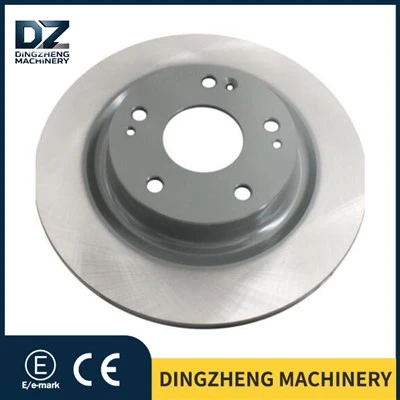
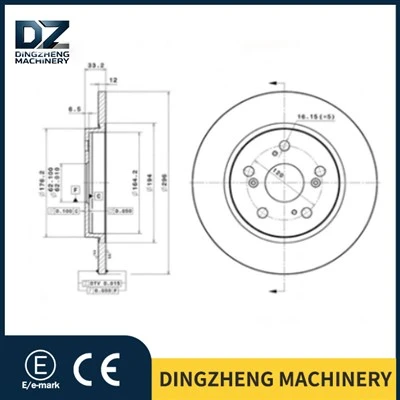
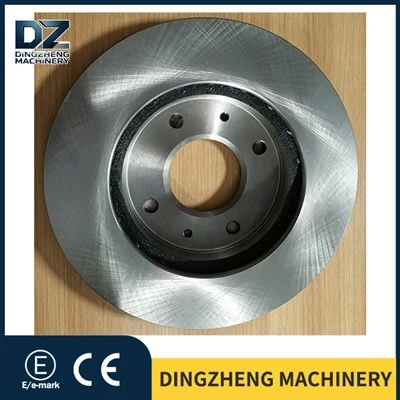
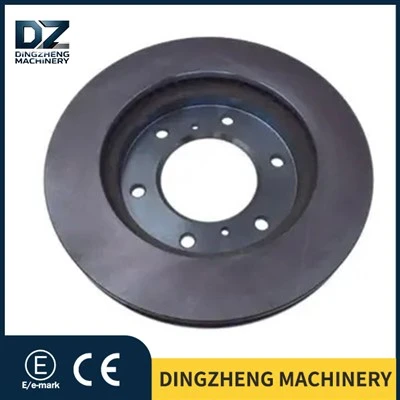
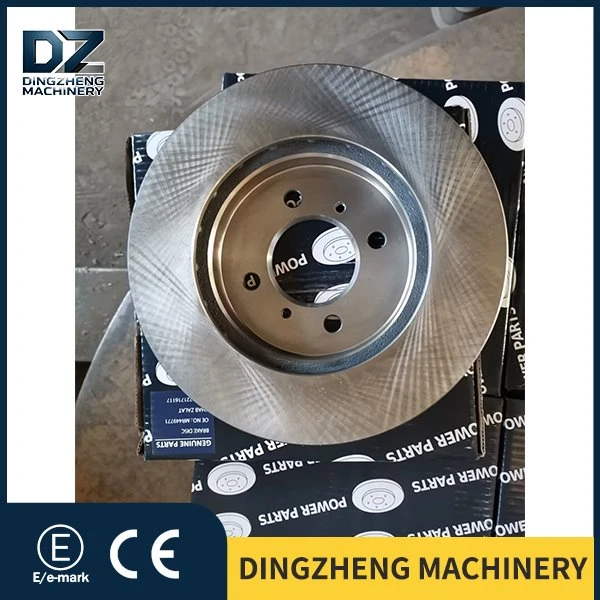
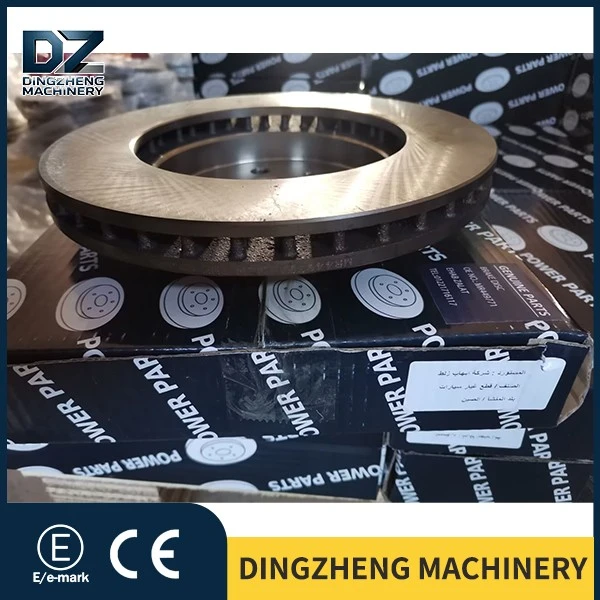
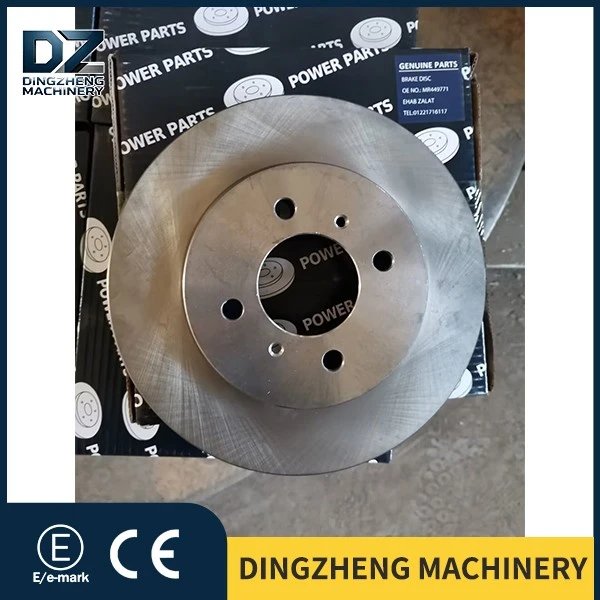
For the Front brake disc for Mitsubishi Colt MB699285, its specific technical specifications (such as outer diameter, thickness, minimum service thickness, mounting hole spacing, etc.) are strictly benchmarked against Original Equipment (OE) standards, ensuring a perfect fit for your vehicle and restoring the original braking performance.
Product Parameter
|
Location |
Front brake |
Diameter |
256mm |
|
Brake Disc Thickness |
24mm |
Minimum Thickness |
22mm |
|
Centering Diameter |
64mm |
Height |
45mm |
|
Number Of Holes |
4+2+2 |
Pitch Circle Diameter |
100mm |
|
Solid Or Vented |
v |
Weight |
4.73kg |
Car Model
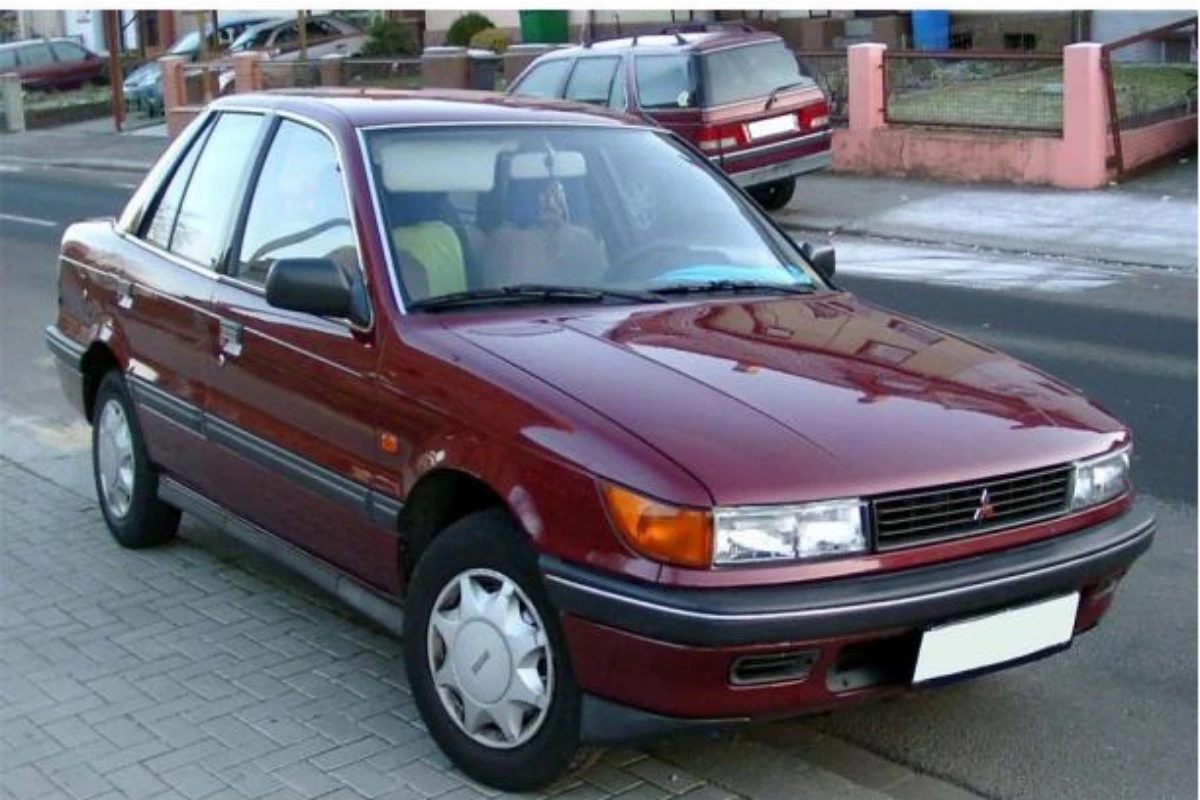
The Front brake disc for Mitsubishi Colt MB699285 is compatible with a wide range of cars, as follows:
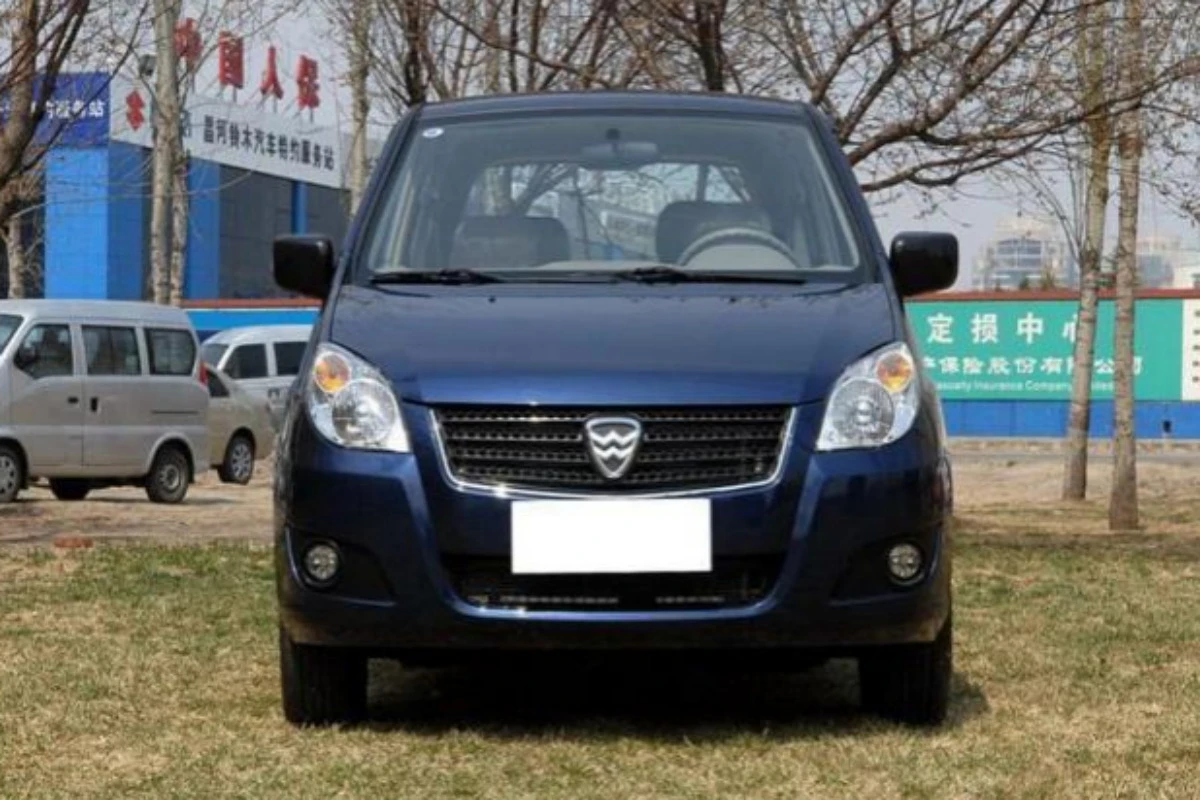
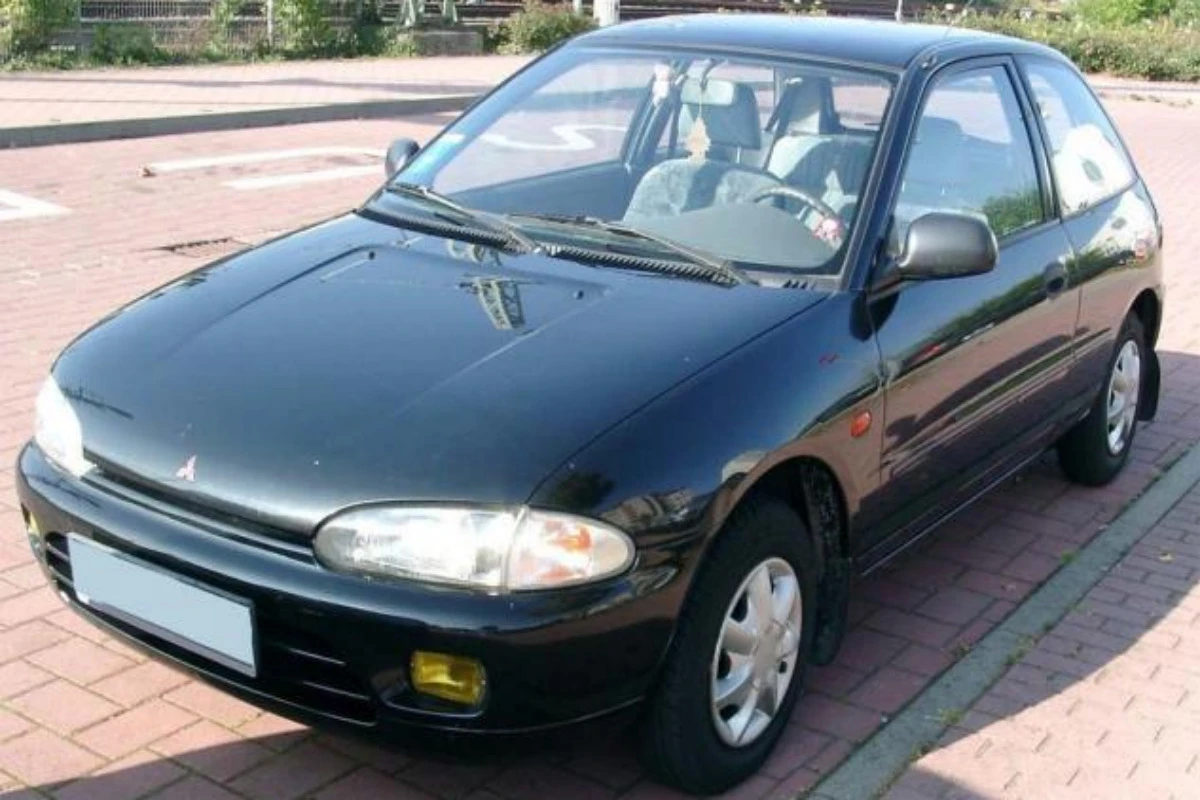
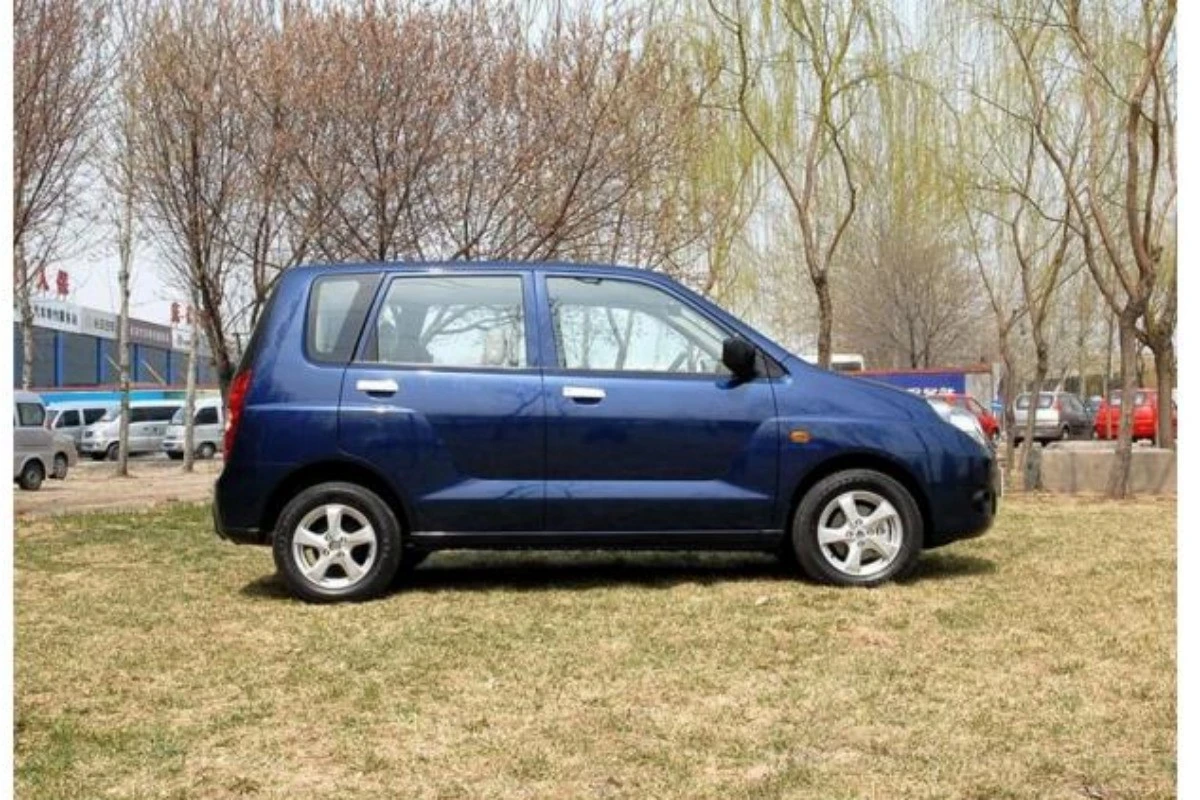
Mitsubishi Colt Hatchback (CA_A) 03/1992 - 04/1996
Mitsubishi Lancer Fourth Generation Hatchback (C6_A, C7_A) 04/1988-05/1994
Reference No.
There are different corresponding codes for the front brake disc for Front brake disc for Mitsubishi Colt MB699285
|
A.B.S. |
16473 |
HP |
HP57464 |
|
ACDelco |
18A1291 |
JAPANPARTS |
DI-533 |
|
AIMCO |
31300 |
LPR |
M1003V |
|
AP |
25022 |
MAPCO |
25542 |
|
APEC BRAKING |
DSK2064 |
MINTEX |
MDC944 |
|
ASHIKA |
60-05-533 |
NATIONAL |
NBD 975 |
|
BENDIX |
145377 |
NK |
203039 |
|
BENDIX |
PRT5377 |
OE |
MB699285 |
|
BLUE PRINT |
ADG04311 |
OE |
MR440771 |
|
BOSCH |
0 986 AB6 176 |
OE |
MR449770 |
|
BRAKE ENGINEERING |
DI955720 |
OE |
MR449771 |
|
BREMBO |
09.A116.10 |
OPEN PARTS |
BDR2123.20 |
|
CENTRIC |
120.46060 |
PAGID |
54350 |
|
CENTRIC |
121.46060 |
QUINTON HAZELL |
BDC4879 |
|
COMLINE |
ADC0353V |
QUINTON HAZELL |
BSF4879 |
|
DELPHI |
BG3612 |
RAYBESTOS |
96973 |
|
FARCOM |
230540 |
RAYBESTOS |
96973R |
|
FERODO |
DDF1193 |
SBS |
1815203039 |
|
FIRST LINE |
FBD1127 |
TEXTAR |
92135000 |
|
GIRLING 1 |
6044981 |
TRUSTING |
DF356 |
|
HERTH+BUSS JAKOPARTS |
J3305033 |
TRW |
DF4498 |
|
WAGNER |
BD126074 |
TRW |
DF7230 |
|
fri.tech. |
DF356 |
Surface Treatment
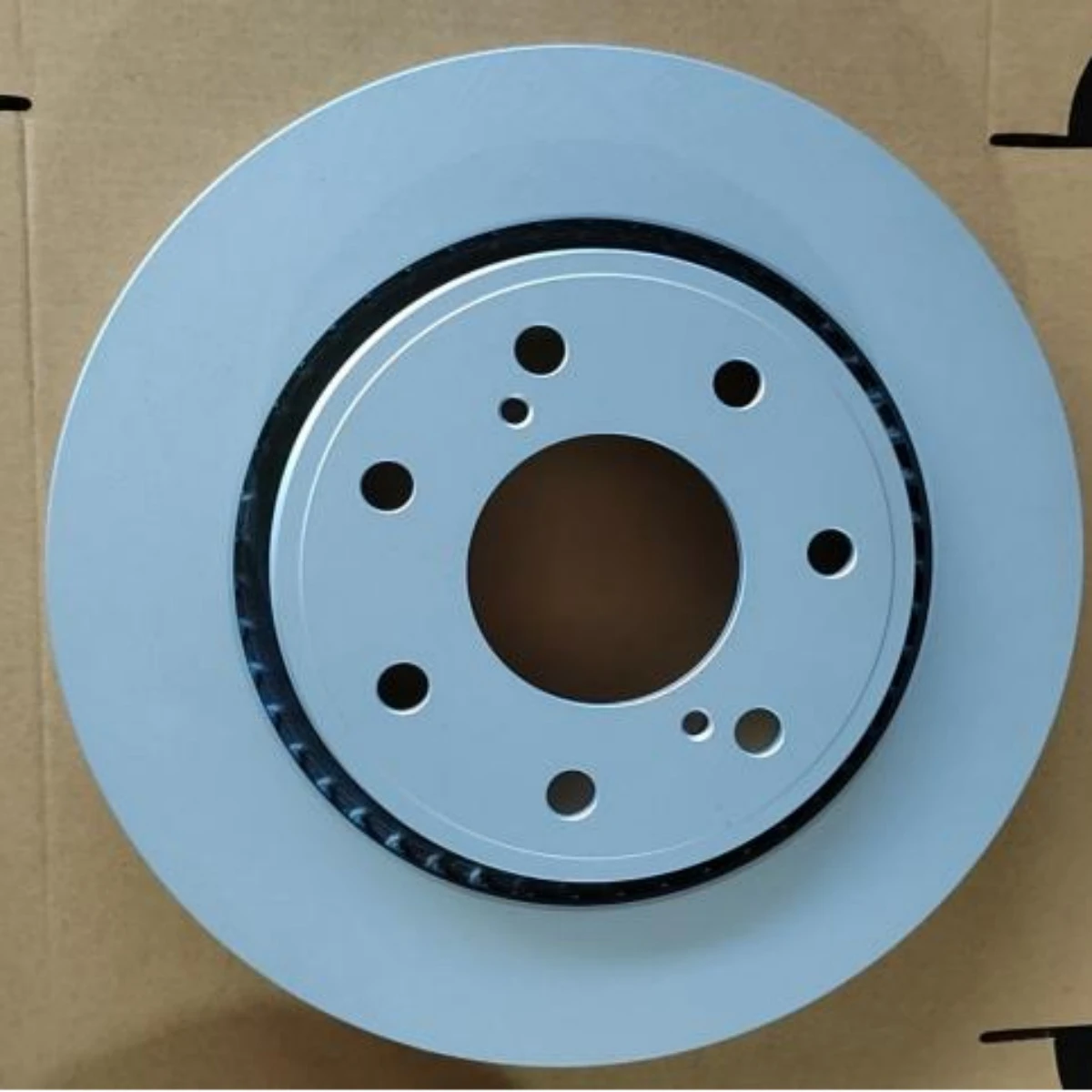
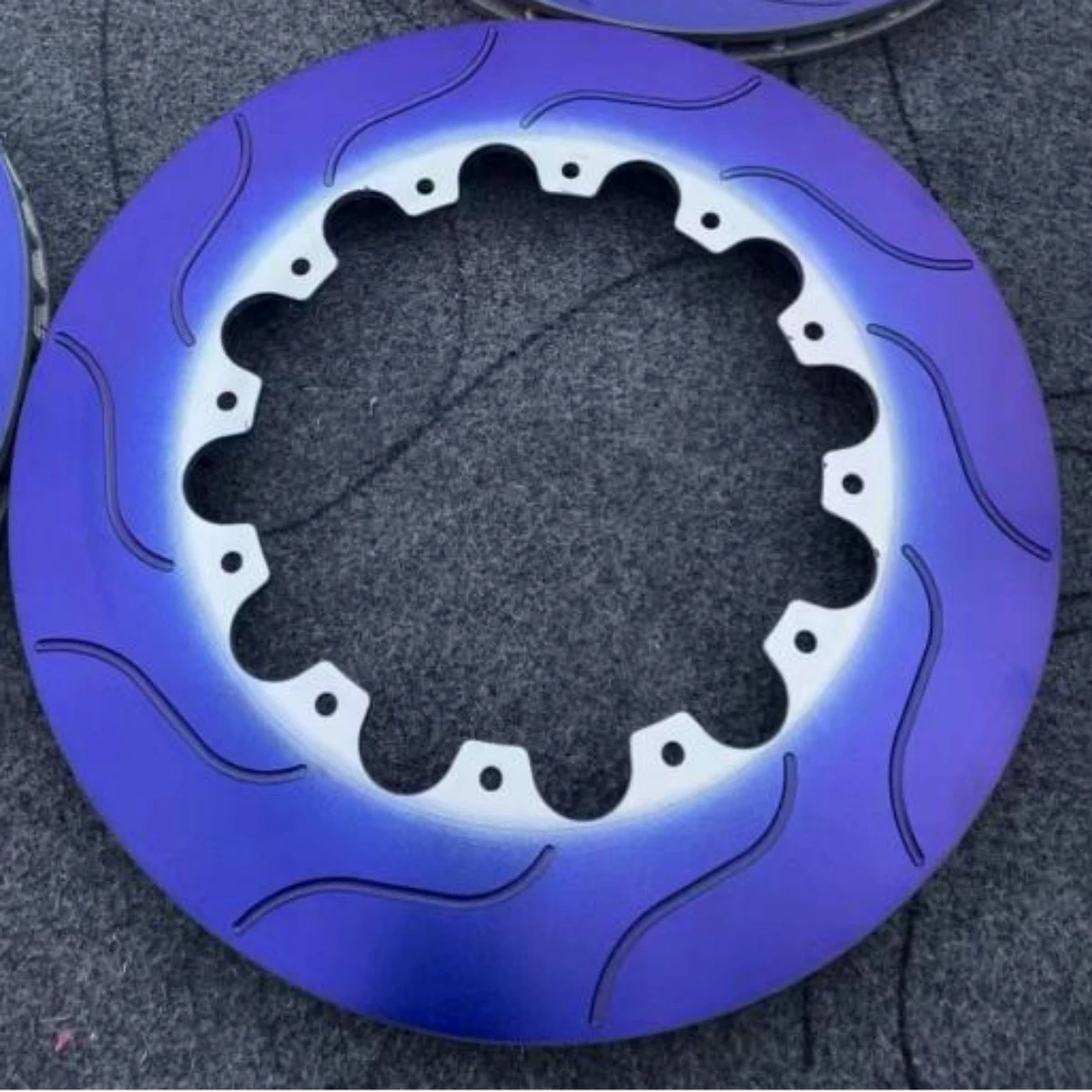
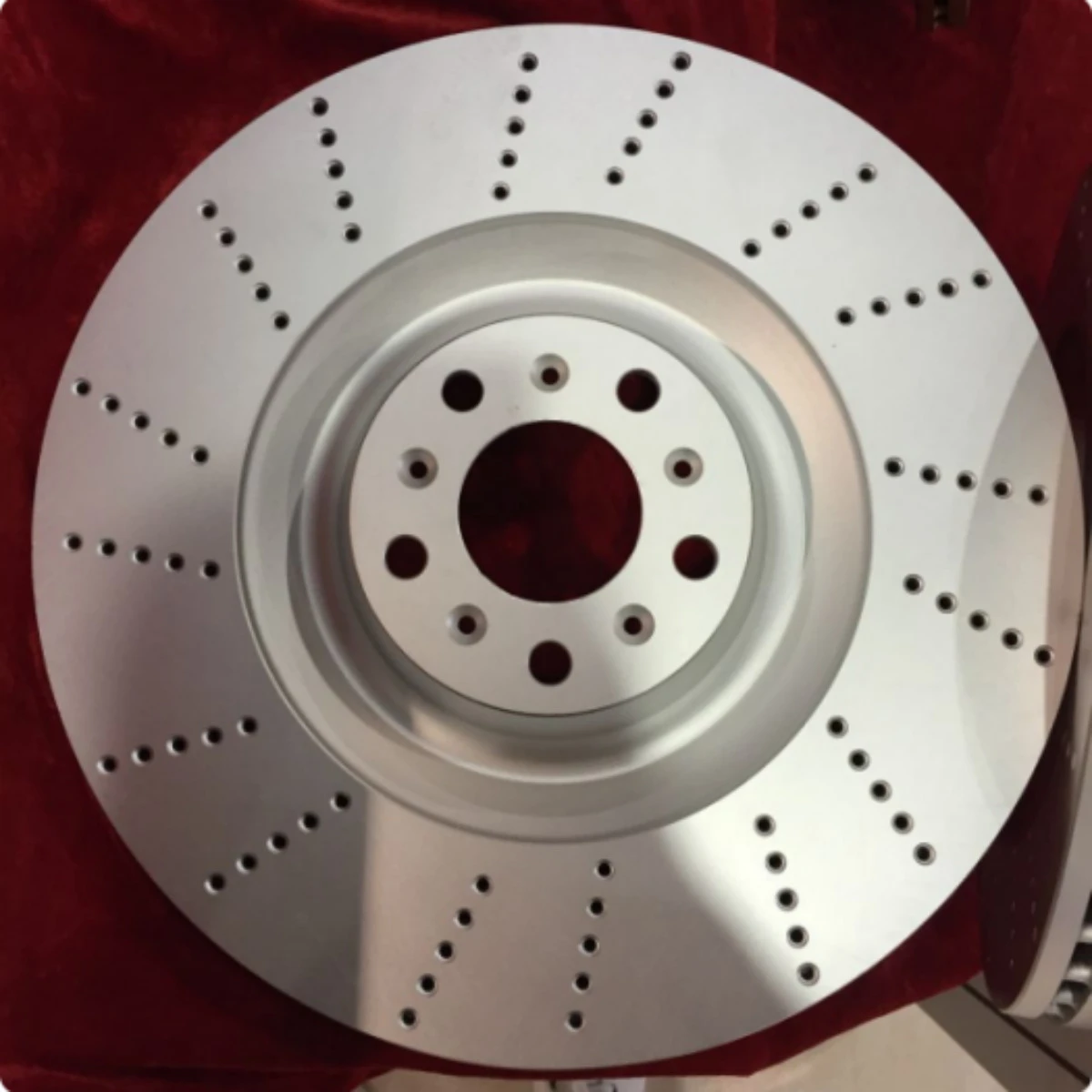
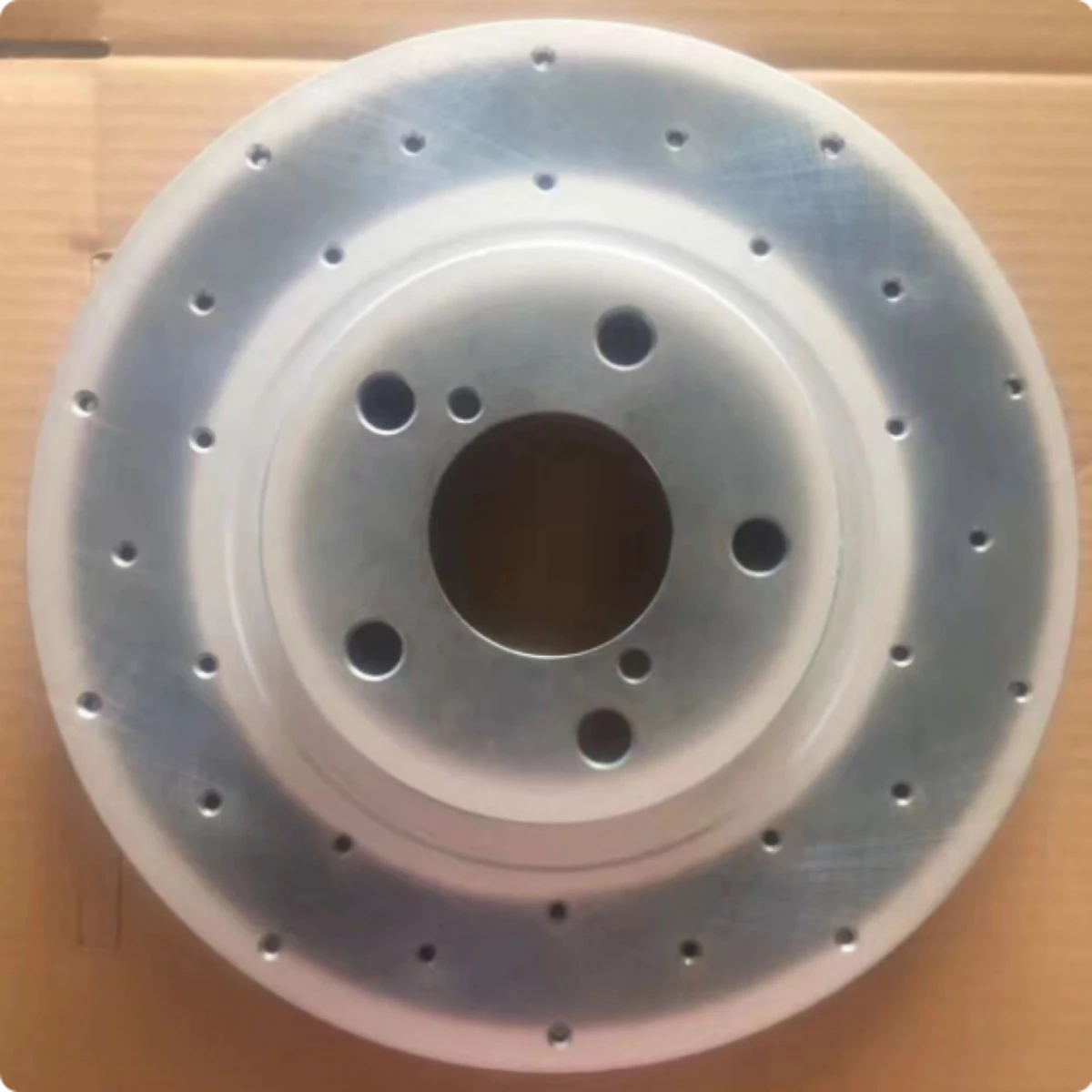
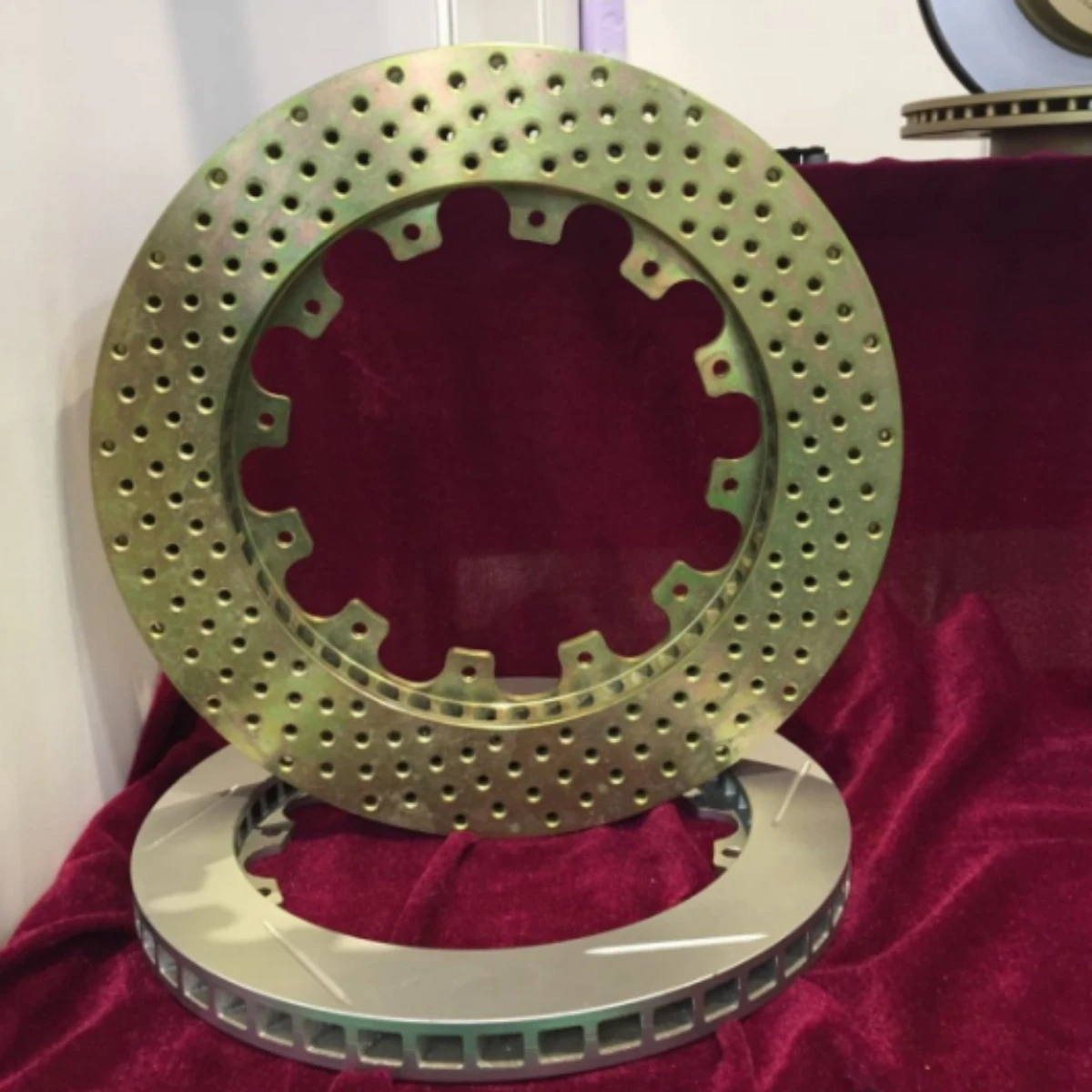

The evolution of surface technology is driven by a powerful force: environmental regulations. As global emission standards become increasingly stringent, especially with the inclusion of brake particulate matter (PM) emissions under the Euro 7/China 7 standards, the surface technology of brake discs has become critically important.
Friction between traditional cast iron discs and brake pads generates large amounts of iron-containing dust, which is exactly what regulations aim to restrict. In contrast, laser cladding coated discs feature an extremely smooth and hard surface. When paired with specially formulated brake pads, they can reduce fine dust emissions to 14% of those from conventional systems, easily meeting the strictest environmental requirements. Meanwhile, their exceptional durability cuts down resource consumption, aligning with sustainable development goals.
In short, the surface treatment technology of brake discs is far more complex than merely "applying a layer of paint". It forms a complete technical chain ranging from basic rust prevention and performance optimization to the pinnacle of material science. From the unassuming cast iron disc on ordinary vehicles to the striking tungsten carbide coated disc on Porsche models, every product embodies profound manufacturing craftsmanship and continuous technological innovation. Choosing brake discs with high-quality surface treatment means opting for a longer service life, more stable braking performance, and an eco-friendlier travel solution.
Machining Workshop
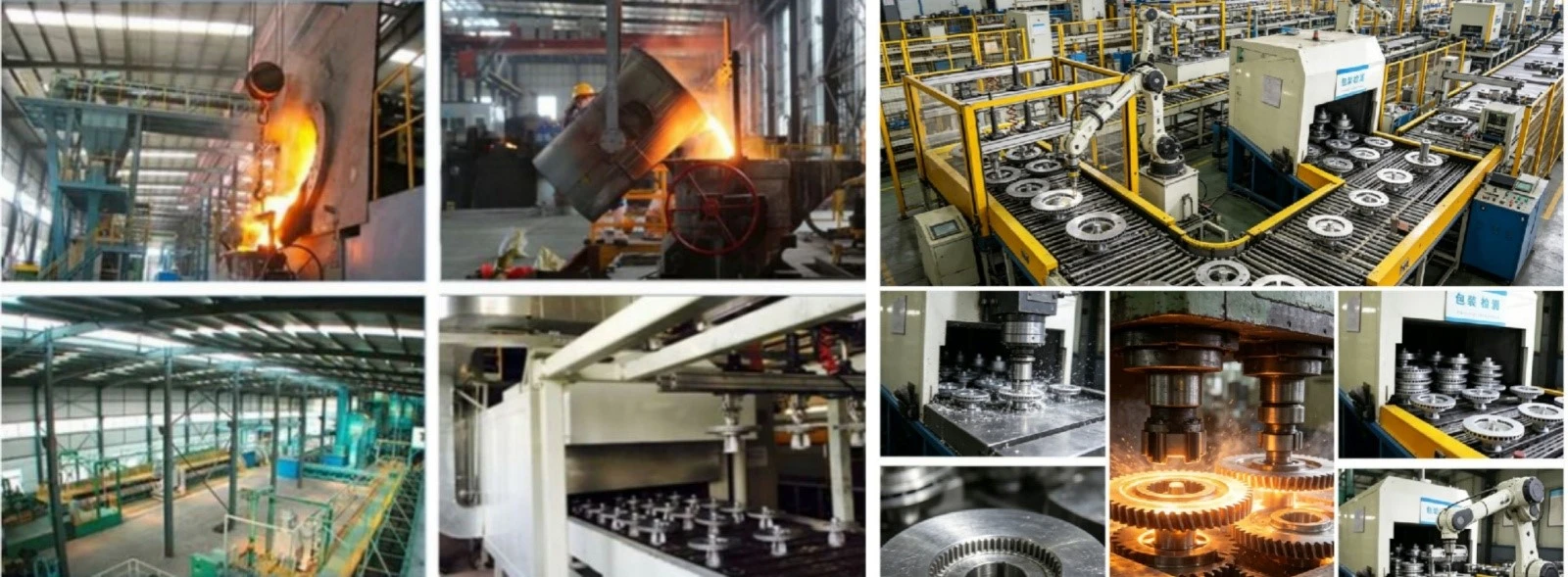
Many people think a brake disc is just a simple chunk of cast iron, but the truth is that the machining process is what separates a safe, long-lasting OEM-quality disc from a cheap one that will warp, squeal or fail prematurely. A single mistake in machining tolerance can cause dangerous brake judder at highway speeds, or uneven pad wear that cuts the service life of your brakes in half. At our factory, our machining workshop is the heart of our operation – we have refined our processes over 15 years to deliver consistent precision that meets or exceeds all international automotive standards.
The most critical step in the entire process is the finish machining of the friction surfaces. All our brake discs use a single-setup machining process, meaning both friction faces, the center bore, bolt holes and hub mounting face are machined in one single clamping operation. This eliminates the alignment errors that occur when parts are transferred between multiple machine
Delivery,shipping and serving

FAQ
Why do new brake discs require a break-in period?
A: Even the most precisely machined brake disc and pad set only have about 20% surface contact when first installed. The break-in (or bedding-in) process transfers a uniform layer of pad material onto the disc surface, creating full contact and optimal friction. We recommend driving gently for the first 200 miles, avoiding hard stops from speeds above 50 mph. Proper break-in will prevent brake squeal, extend pad life and ensure consistent stopping power.
How do I confirm that this brake disc fits my vehicle correctly?
A: The most accurate way to verify compatibility is by cross-referencing the original equipment (OE) part number printed on your old brake disc. If the OE number is worn off, you can also provide us with your vehicle's VIN (Vehicle Identification Number), exact make, model, production year and trim level. For additional confirmation, we recommend measuring the outer diameter, center bore diameter and bolt circle diameter of your existing disc before ordering.
Last News
Cutting-Edge Technology: Second-Generation Laser Cladding Technology Debuts, Carbon-Ceramic Materials See Rapid Popularization
If industrial discussions last week centered on production capacity, the core theme this week is undoubtedly "technological upgrading". On May 8th, Ningbo Haitian Opto-Machinery made a major move by officially launching the AM450P-AT fully automated second-generation laser cladding production line for brake discs.
This is not a simple equipment iteration; it is tailored to the upcoming Euro 7 emission regulations. Put simply, iron powder worn off traditional brakes also constitutes pollution, and Euro 7 imposes extremely strict controls on this aspect.
Haitian's new production line uses laser technology to coat the surface of cast iron discs with an ultra-wear-resistant metal composite layer. It is reported that the wear resistance can be increased by more than three times, while worn particulate emissions are greatly reduced, fully meeting Euro 7 standards.
Data shows that European manufacturers have planned a production capacity of 12 million relevant brake discs to comply with the regulations, and the future market demand may reach as high as 60 million units. This undoubtedly opens up new development opportunities for leading domestic enterprises.
Meanwhile, carbon-ceramic brake discs, once exclusive to supercars, are rapidly becoming accessible to ordinary consumers.
Made of carbon fiber-reinforced silicon carbide, these brake discs boast remarkable advantages: they weigh more than half less than traditional cast iron discs, can withstand high temperatures exceeding 1400℃, and feature an extremely long service life-easily lasting 300,000 kilometers under civilian driving conditions.
Once reserved for models like the Porsche 911 GT2, carbon-ceramic brake discs are now being adopted by new energy vehicles priced between 300,000 and 500,000 yuan, thanks to technological breakthroughs and cost reductions in China's industrial chain.
Corporate reports indicate that their carbon-ceramic brake discs have entered the supply chains of major automakers, making mass application a reality. This trend is driven by the dual demand of new energy vehicles for lightweight design (to improve cruising range) and high-performance braking capabilities.
Hot Tags: front brake disc for mitsubishi colt, China front brake disc for mitsubishi colt manufacturers, suppliers, factory