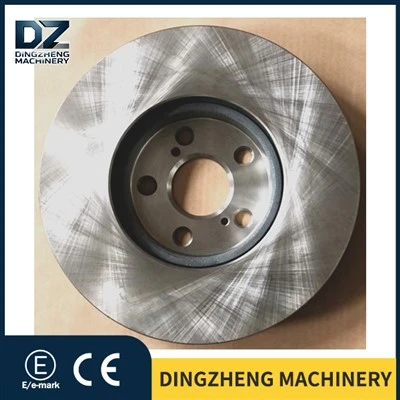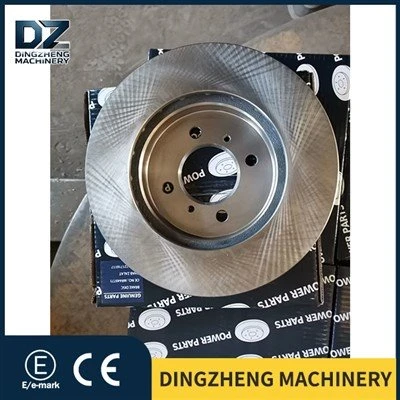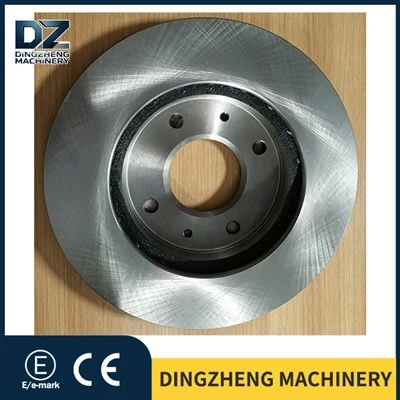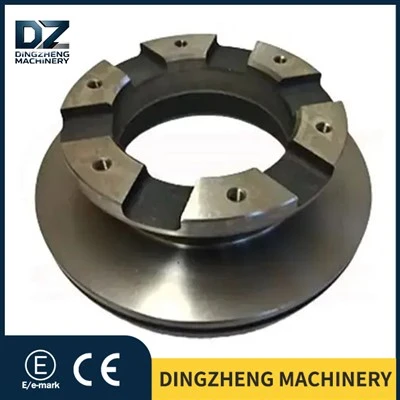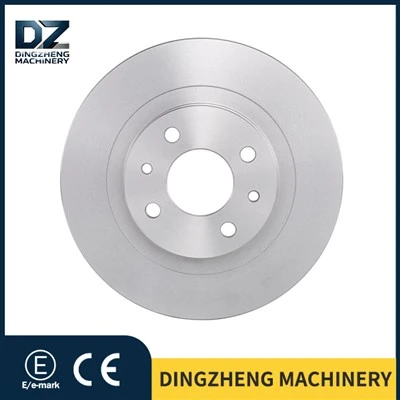

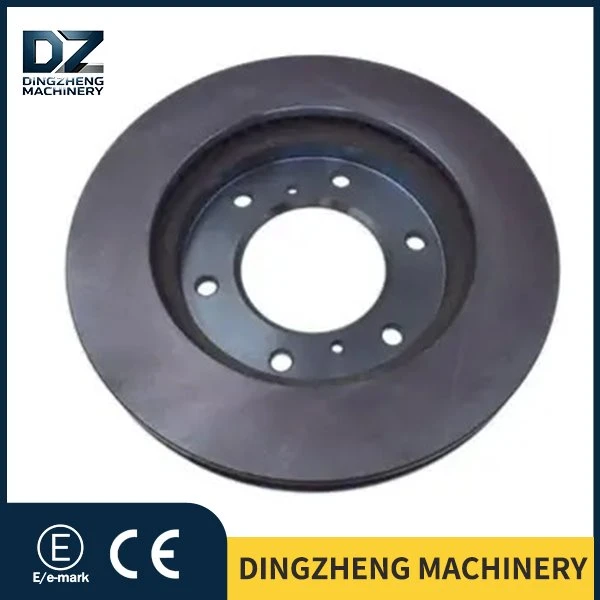
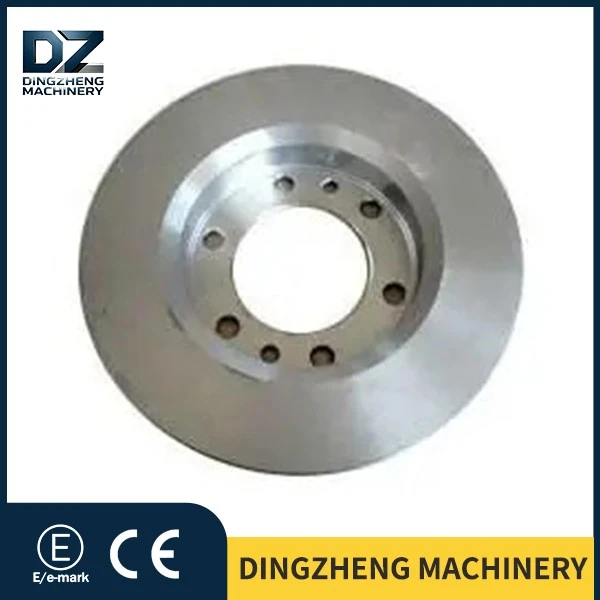
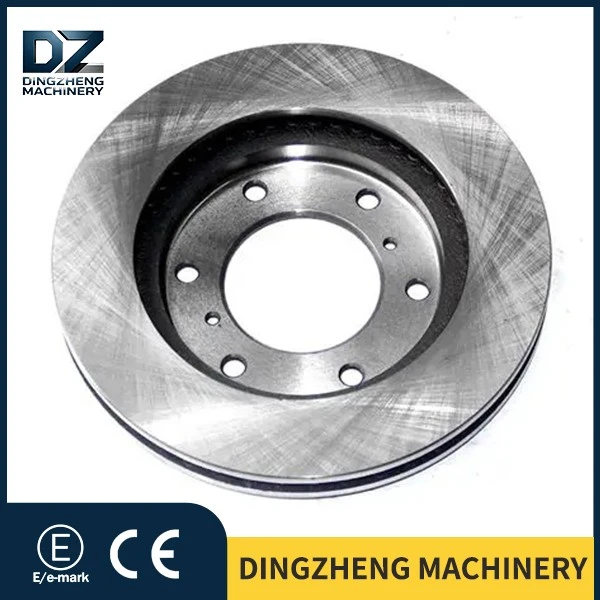
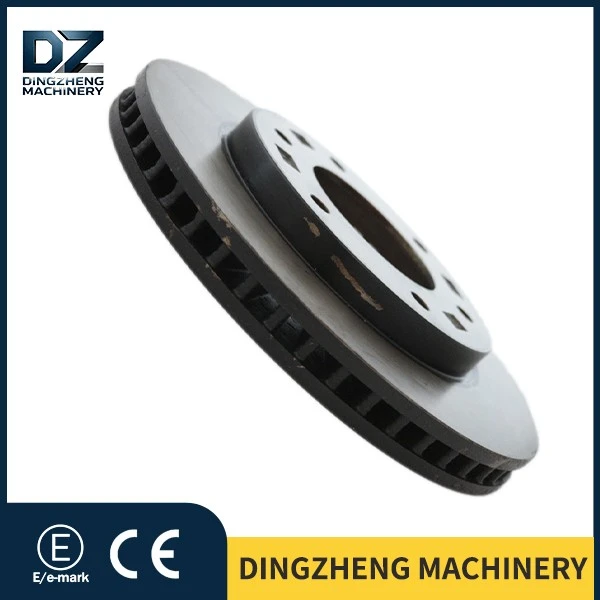
Product Introduction
Anyone who has driven a hardcore off-road vehicle knows full well that for vehicles like the Mitsubishi Pajero that constantly travel on gravel roads, climb long steep slopes and ford shallow water crossings, the front brake rotors wear out several times faster than those of passenger cars. Repeated braking easily leads to brake fade and spongy stopping power; sand and dust can carve deep grooves into the rotor surface, and frequent water crossings cause rust to spread outward from the inner layers. The 【Mitsubishi Pajero Front Brake Rotor | OEM Part Number: MN102276】 is a replacement component optimized specifically for such off-road driving conditions. It is molded strictly to original OEM dimensions with zero tolerance deviation in hole positions, thickness and mounting surface precision. No grinding or modification is required during installation, and it can be fitted directly by aligning the mounting points.
We adopt GG25 high-carbon gray cast iron as the material, with a stable carbon content ranging from 3.2% to 3.5%, matching the material grade standard of original factory parts. The advantage of high-carbon material lies in its outstanding thermal stability. During frequent braking on continuous downhill sections, it resists thermal deformation caused by high temperatures, delivering consistent and even braking force without inconsistent pedal feel between heavy and light stops. Inclined cooling vanes are integrated inside the rotor disc, which rapidly dissipate heat following the rotation direction while the vehicle is in motion. Real-world testing shows that after 10 consecutive hard stops from 60 km/h to 0 km/h, the maximum surface temperature of this rotor is approximately 30°C lower than solid rotors of the same specification. For Pajero owners who regularly drive through mountainous terrain or carry heavy loads across rough terrain, this temperature difference is critical to braking safety.
The friction surface is processed via a double-tool precision cutting technique, with surface roughness Ra controlled within 1.6 μm. This enables more uniform contact with brake pads, preventing uneven wear right after installation and delivering a smooth, linear brake pedal response without abrupt grabbing. Meanwhile, lateral runout of the rotor disc is tightly restricted to under 0.05 mm, eliminating steering wheel vibration during high-speed braking and ensuring a smooth driving experience on regular paved roads.
Product Parameter
|
Location |
Front brake |
Diameter |
294mm |
|
Brake Disc Thickness |
28mm |
Minimum Thickness |
26.4mm |
|
Centering Diameter |
94mm |
Height |
46.3mm |
|
Number Of Holes |
6+2 |
Pitch Circle Diameter |
139.7mm |
|
Solid Or Vented |
V |
Weight |
7.12kg |
Car Model
The Mitsubishi Pajero Front Brake Disc | OE Part Number: MN102276 is compatible with a wide range of cars, as follows:
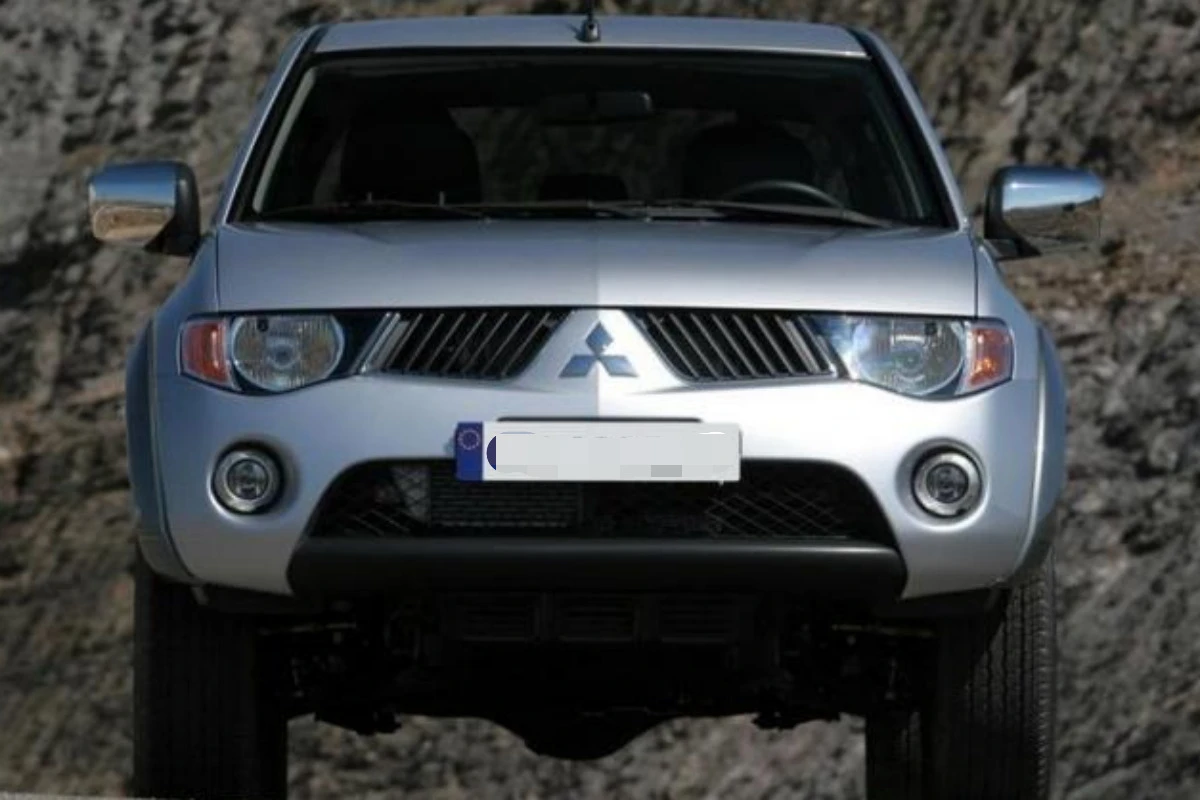
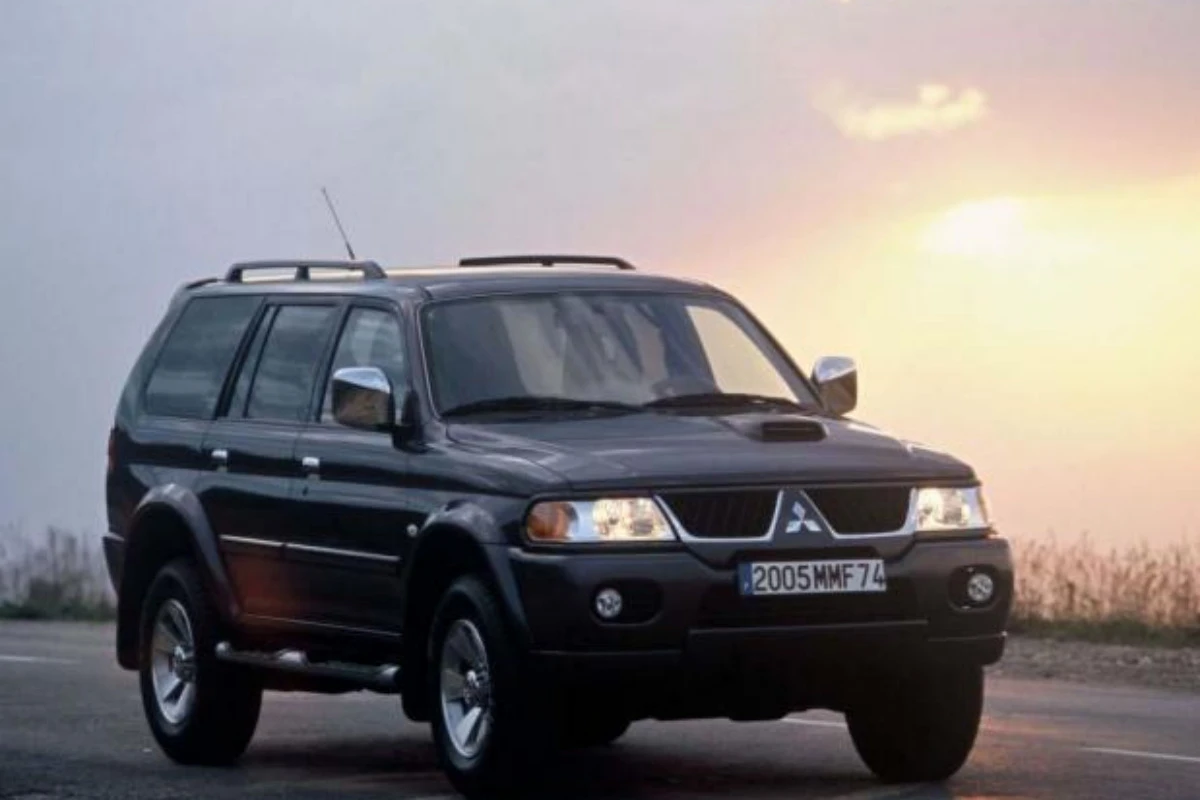
Mitsubishi Pajero Sport II (KH_, KG_) Jan 2008-
Mitsubishi Pajero Sport SUV (K90) Jul 1996–
Mitsubishi L200 / TRITON (KJ_, KK_, KL_) Feb 2014-
Mitsubishi L200 Pickup Truck, 01/2004 - 12/2018
GAC Mitsubishi Pajero Sport, August 2013 onwards
Fiat FULLBACK Pickup Truck (502_, 503_) Jan 2016-
Reference No.
Mitsubishi Pajero Front Brake Disc | OE Part Number: MN102276 corresponds to several different codes
|
BREMBO |
09A86810 |
OE |
4615A201 |
|
BREMBO |
09A86811 |
OE |
4615A241 |
|
BOSCH |
0986479704 |
OE |
4615A002T |
|
FERODO |
DDF1818 |
OE |
4615A147 |
|
TEXTAR |
92180203 |
OE |
6000609712 |
|
TRW |
DF4920 |
OE |
MN102276 |
|
TRW |
DF8189 |
OE |
MN102276T |
Surface Treatment
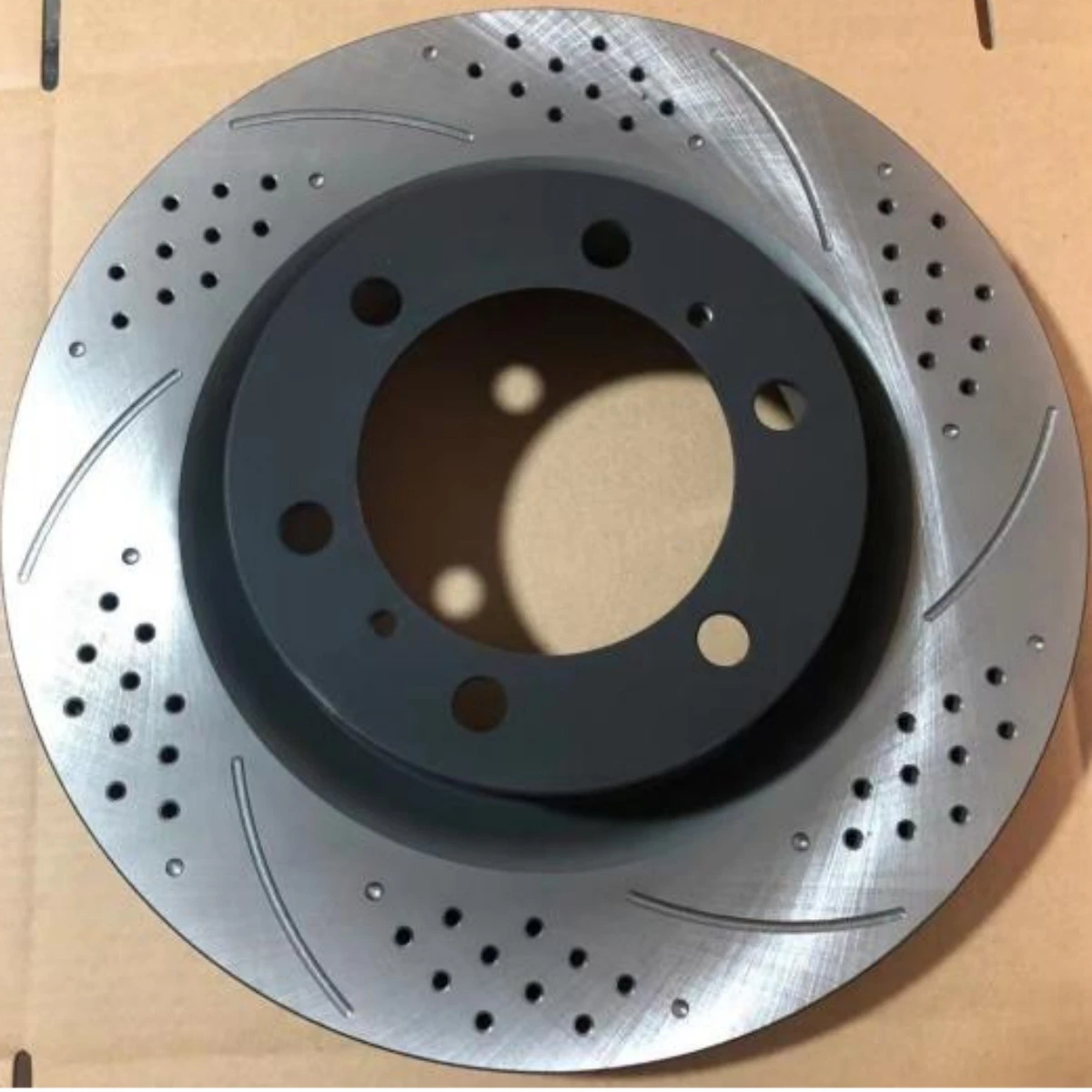
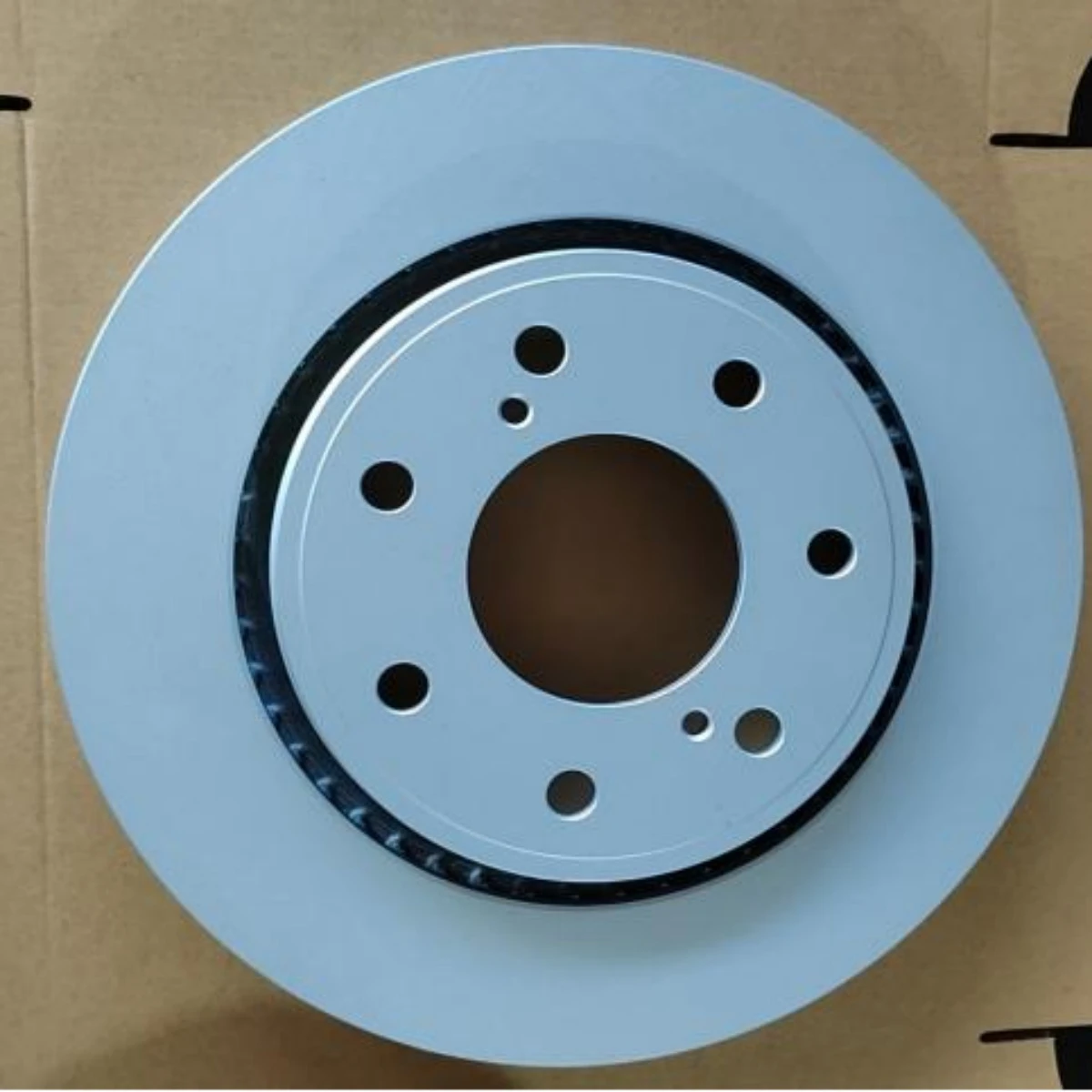
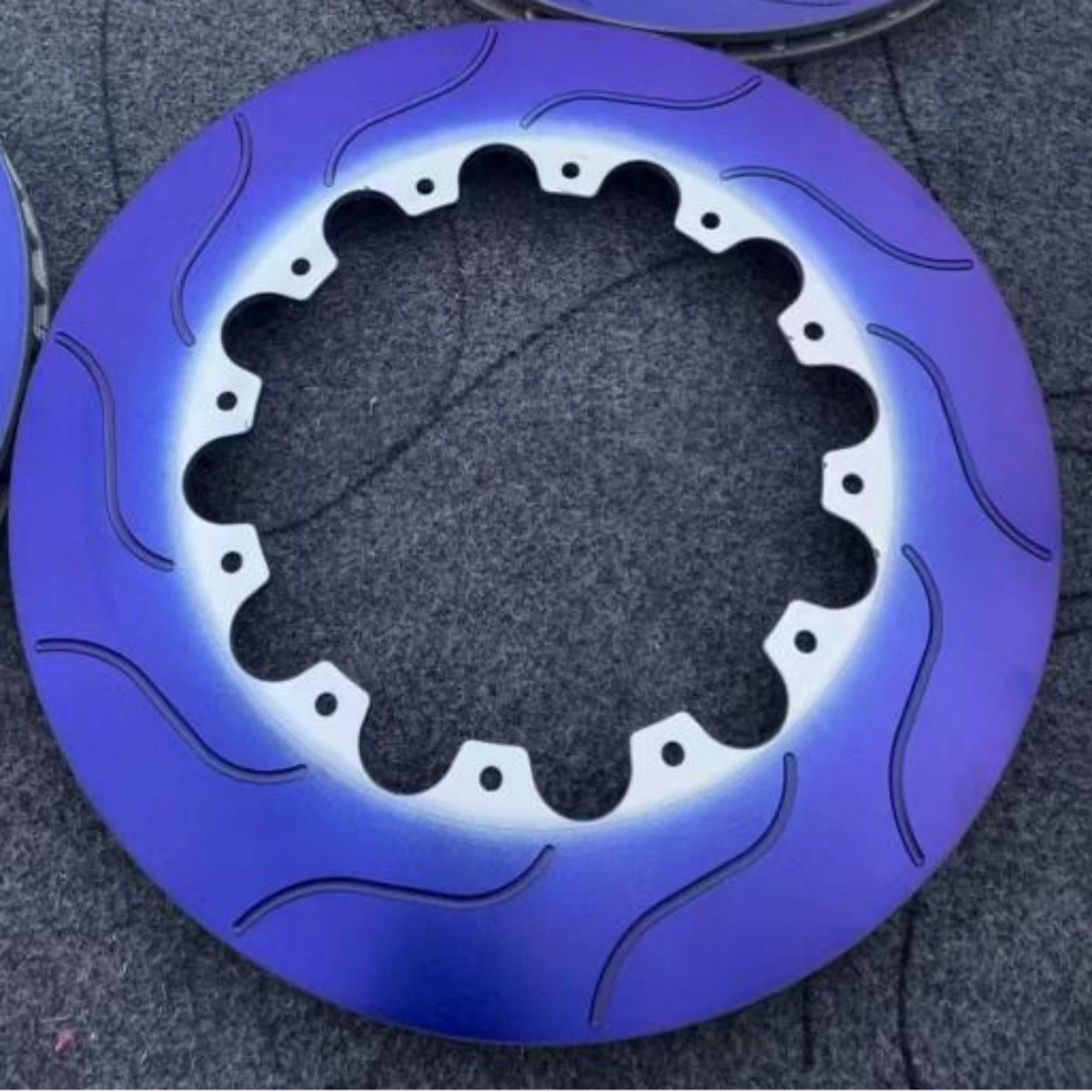
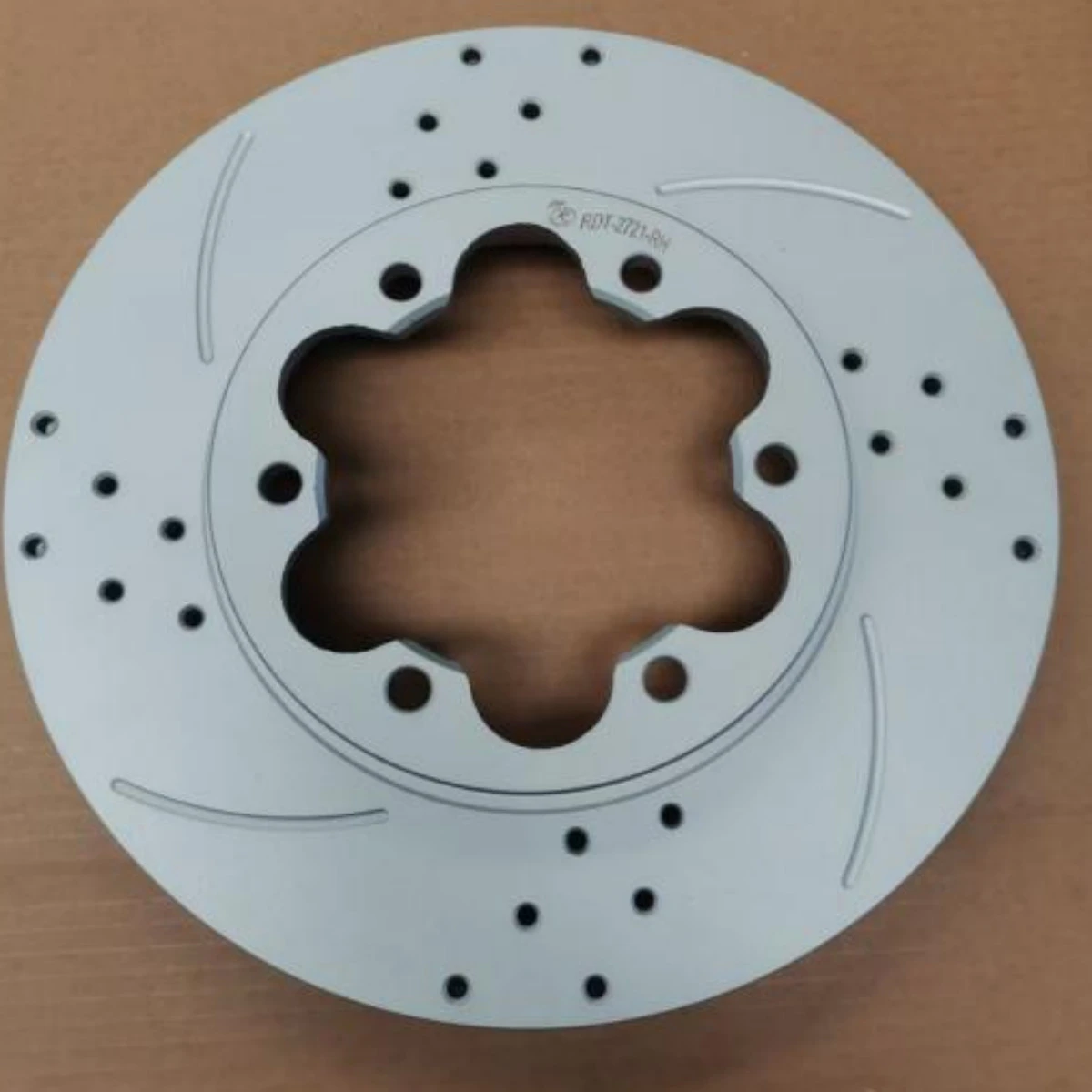
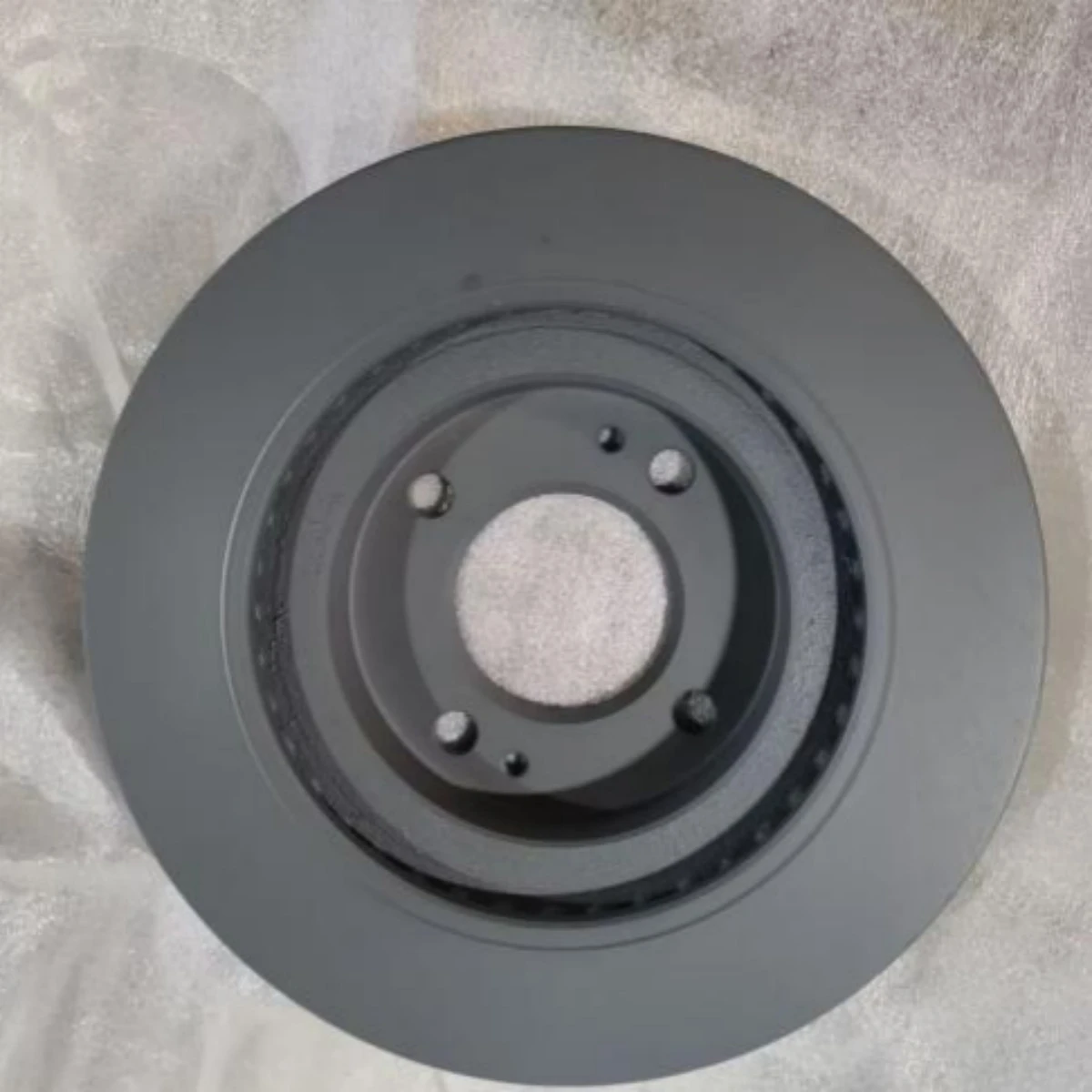
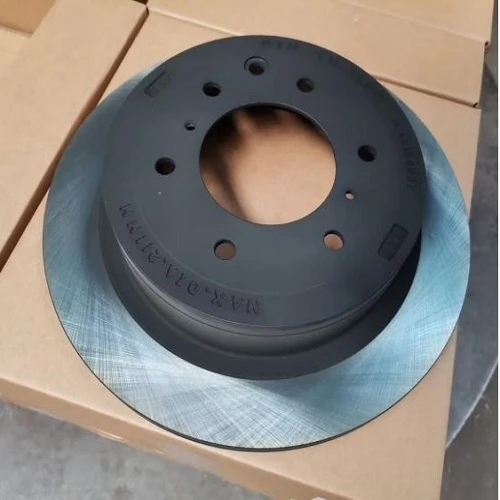
When many purchasers select brake discs, the first thing they check is the rust resistance performance. This is especially true for clients selling off-road accessories, as vehicle owners often drive through water and park outdoors. Ordinary smooth-surface discs become heavily rusted after just two to three months of use, which not only looks unsightly but also risks corrosion penetrating through the disc surface. The Front Brake Disc for Mitsubishi Pajero (OEM Part Number: MN102276) adopts a double-coating process consisting of cathodic electrophoretic primer plus high weather-resistant topcoat. All non-friction areas are fully covered, with even paint application on the wheel mounting surfaces and inner walls of ventilation slots, leaving no unpainted dead corners.
This coating process passes a 720-hour salt spray test without red rust, more than tripling the 200-hour standard of ordinary painted discs available on the market. Even under frequent exposure to muddy puddles or high-salt coastal environments, the coating rarely blisters, peels off from the edges or corrodes inward. The coating adhesion achieves Class 0 compliance with the ISO 2409 standard; no peeling or flaking occurs during regular wheel disassembly and assembly or under high temperatures generated by braking, delivering exceptional durability.
Some clients have asked why the friction surfaces remain unpainted. In fact, any paint on the friction surface would wear off during the first brake application and could even impair initial braking feel. We intentionally apply full coating only to non-working areas to deliver comprehensive rust protection without compromising running-in efficiency after installation. The discs can be fitted and put into normal use directly upon receipt.
Machining Workshop
The quality foundation of brake discs is laid from the moment the molten iron is melted. Our quality control for the entire product line strictly enforces standards right at the casting source, ensuring no material hazards are carried over to subsequent processes.
The workshop is equipped with two 1.5-ton electric arc furnaces. On one hand, they guarantee stable production capacity for large-volume orders; on the other hand, they precisely control the melting rhythm and temperature uniformity of each batch of molten iron, avoiding uneven density inside castings caused by furnace fluctuations. The subsequent automated machining workshop ensures maximum dimensional accuracy; the dedicated anti-rust cleaning production line serves as the final protection for finished products, providing long-term anti-corrosion treatment for every unit.
Material control is the prerequisite for all performance aspects. Before each batch of molten iron is tapped, it undergoes composition verification using a direct-reading spectrometer. The five core elements-carbon, silicon, manganese, sulfur, and phosphorus-are all strictly locked within the standard range of GG25 material. Molten iron with excessive deviations is directly reprocessed and never enters the molding process. The core of this control logic is to ensure consistent hardness, wear resistance, and thermal stability across every brake disc. Even for different batches produced months apart, there will be no significant differences in braking feel or wear performance after installation.
In the machining process, we abandon the traditional single-sided step-by-step cutting method and adopt a dual-tool opposite precision cutting technology: two cutting heads operate simultaneously to complete the precision machining of both friction surfaces in one pass, fundamentally eliminating parallelism errors caused by secondary clamping. We strictly control the finished product thickness tolerance within ±0.05mm, a precision requirement twice that of the industry's general standard. This ensures uniform fit between the brake pad and the disc surface, preventing uneven wear and inconsistent braking force after installation.
In our factory acceptance standards, there is no such thing as "passing random inspection and being released immediately." All finished products must go through two mandatory inspection procedures before delivery. The first is 100% full-dimensional inspection, where all key installation parameters such as diameter, center hole diameter, mounting hole position, and thickness are calibrated one by one to ensure zero deviation during vehicle installation-ready for direct use without grinding or modification. The second is 100% dynamic balance testing, where the residual unbalance must be controlled below 5g·cm, completely avoiding the common problem of steering wheel vibration during high-speed braking.
The entire production plant has obtained IATF16949 automotive quality management system certification. From casting material feeding, machining parameters to final inspection data, the entire production chain of each product is traceable, and the quality standards are fully aligned with OE (Original Equipment) requirements.
We have also made adequate preparations in terms of production capacity and R&D: two electric arc furnaces paired with more than 20 high-precision CNC machine tools ensure stable production capacity for regular high-volume models; our in-house mold R&D team independently completes the entire process from mold opening to prototyping, enabling rapid response to brake disc development needs for new vehicle models. Currently, our mature product library covers over 5,000 vehicle models, with more than 3,000 sets of finished product molds in stock. Coupled with a complete dedicated surface treatment production line, we can basically respond quickly to both regular bulk replenishment and customized orders for niche vehicle models, eliminating the need for long mold opening cycles.
Surface treatment and high-end customization are also our core advantages: in addition to basic anti-rust coating, we support performance-oriented precision processing such as grooving and drilling, as well as high-demand anti-corrosion processes like Dacromet coating, adapting to climates and usage scenarios in different regions. For customers with performance upgrade needs, we have mature mass production experience in high-carbon steel, modified steel, and track-grade brake discs, capable of meeting the full-range procurement needs of global customers from household replacements to competitive upgrades.

Delivery,shipping and serving
[Mitsubishi Pajero Front Brake Disc | OEM Part Number: MN102276] Each single disc is first double-wrapped with OPP pearl cotton, with extra paper corner protectors fitted on all four edges for cushioning. Two discs are packed into one 5-layer thick corrugated carton, secured with foam padding inside the box, which effectively prevents bumps and scratches during sea and land transportation. Full-container orders will be consolidated and reinforced on wooden pallets for safer loading and unloading, as well as easier warehouse counting for customers.
[Mitsubishi Pajero Front Brake Disc | OEM Part Number: MN102276] Comes with a quality warranty of 80,000 kilometers or 12 months, whichever comes first. We have conducted dedicated simulated tests on this brake disc under heavy-load off-road conditions for the Pajero, and it maintains stable qualified performance during continuous hill climbing and frequent braking on gravel roads. The warranty covers manufacturing defects such as casting flaws, extensive coating peeling and dimensional tolerances out of range that occur under normal operating conditions.
We fully support freight forwarders designated by customers. You only need to provide the contact information of your freight forwarder within 72 hours after order confirmation, and our dedicated staff will coordinate container loading and customs declaration matters.
FAQ
1. Can this MN102276 brake disc withstand the high temperatures generated during continuous off-road driving on uphill slopes?
Absolutely. The high-carbon cast iron material used in this 【Mitsubishi Pajero front brake disc | Original part number: MN102276】has an improved resistance to thermal deformation compared to ordinary cast iron. Coupled with the built-in inclined ventilation channels that help dissipate heat, its overall heat dissipation efficiency is over 30% higher than that of solid discs. We have simulated driving conditions involving continuous braking over 20 kilometers downhill, and the maximum temperature on the disc surface remained below 450°C; thus, there is no reduction in braking force due to heat-related issues. It can handle regular off-road driving and uphill climbs in mountainous areas without any problems.
2. Which models of Mitsubishi Pajero are compatible with the brake disc with part number MN102276?
This disc is mainly suitable for Mitsubishi Pajero Sport (K90 series) models from 2008 to 2016. It is also compatible with the Triton/L200 models from the same platform. As long as the original part number of your vehicle's front brake disc is MN102276, 4615A002, or 4615A147, it can be replaced directly, as the dimensions and mounting holes are identical, requiring no modifications.
3. Is the rust resistance of this brake disc reliable when used in off-road driving through water?
There is no need to worry about rust formation in the non-friction areas. The double-layer electrophoretic coating on this disc covers all non-working surfaces, including those on the hub mounting area and the inner walls of the ventilation channels. After a 720-hour salt spray test, no rust was detected, indicating that it is much more durable than ordinary painted discs, which tend to rust and develop holes after just a few exposures to water. As for the friction surface, it's normal for slight rust to appear after getting wet; this rust will be removed after a few brake applications during normal driving, without affecting performance.
4. What is the standard torque for tightening the hub screws when replacing this front brake disc?
According to Mitsubishi's official maintenance manual, the recommended torque for tightening the hub bolts associated with the 【Mitsubishi Pajero front brake disc | Original part number: MN102276】is 98 Nm. It is advised to use a torque wrench to tighten the bolts in a diagonal pattern, in 2–3 steps. Using a pneumatic tool to tighten them directly is not recommended, as it can cause uneven stress on the disc, leading to braking issues down the road.
5. If the Pajero makes unusual noises when braking on gravel roads, does it necessarily mean the brake disc is damaged?
Not necessarily. Most of the braking noises on gravel roads are caused by sand and small stones getting trapped in the friction surfaces of the brake pads, and this is not a fault related to the brake disc itself. You can first remove the brake pads, clean the friction surfaces and the disc surface using isopropyl alcohol, then reinstall the pads and test again. If noises persist after cleaning, check the wear level of the disc surface – if the depth of the grooves exceeds 0.5 mm, or if the thickness has worn down to the minimum limit of 26.4 mm, it's time to replace the brake disc.
Last News
In the past two years, clear changes have taken place in the global market for after-sales accessories for rugged off-road vehicles. The number of classic fuel-powered off-road models such as the Pajero remains stable, and the demand for replacing braking systems continues to rise steadily. First, there is a significant variation in regional demand: in regions where off-road culture is well-developed, such as Southeast Asia, Australia, and the Middle East, the purchase volume of after-sales brake discs is expected to increase by around 18% by 2025. High-end products made from high-carbon materials with anti-rust coatings are seeing the fastest growth rates. Customers are placing greater emphasis on durability and precision of fit, and are no longer focusing solely on low-cost products. Second, regulatory requirements are driving product upgrades: the EU's Euro 7 emission standards include controls on brake particulate emissions, which is pushing the entire industry toward brake discs that produce less dust and have higher density. The GG25 high-carbon brake disc has a more uniform material structure, resulting in about 20% less dust being generated during friction compared to ordinary cast iron discs, which aligns well with the compliance trends in the global market. Third, there is a shift in purchasing patterns: an increasing number of overseas wholesalers and repair chains are bypassing intermediate traders and ordering directly from domestic manufacturers, which not only reduces procurement costs but also allows for customized packaging and laser marking to create their own brand. Our factory in Shandong offers customization services for small batches; just a few dozen units can be packaged specially, making it an ideal option for small and medium-sized businesses that want to develop their own brand. It is also worth noting that although electric off-road vehicles are starting to emerge, classic fuel-powered rugged off-road models like the Pajero and Prado will continue to dominate the after-sales market over the next 5–10 years, and the demand for replacing brake discs will keep rising steadily. Choosing a product with precise fit, stable quality, and strong anti-rust properties is a very sound choice, whether for retail sales to vehicle owners or for wholesale supply to distributors.
Hot Tags: mitsubishi pajero front brake disc, China mitsubishi pajero front brake disc manufacturers, suppliers, factory