
Product Introduction
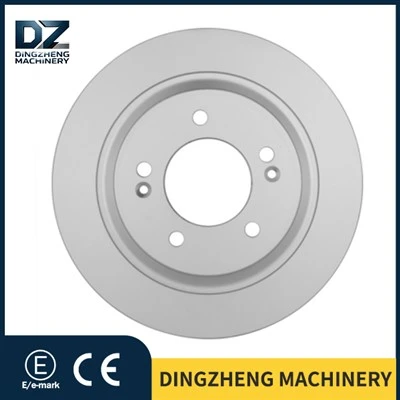
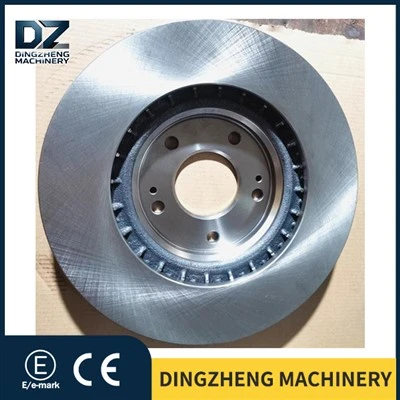
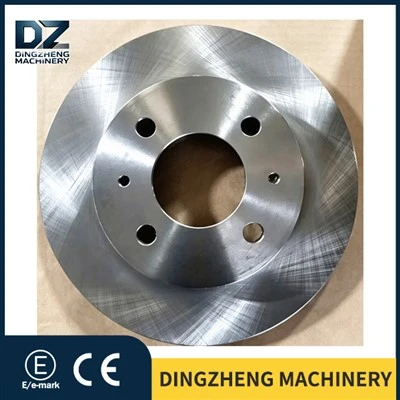
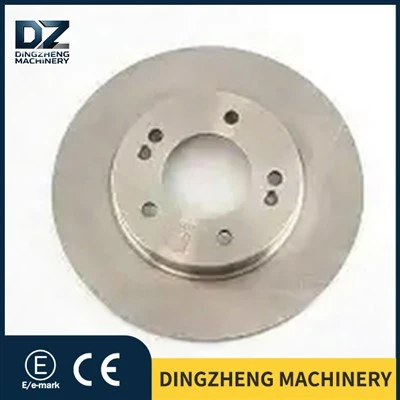
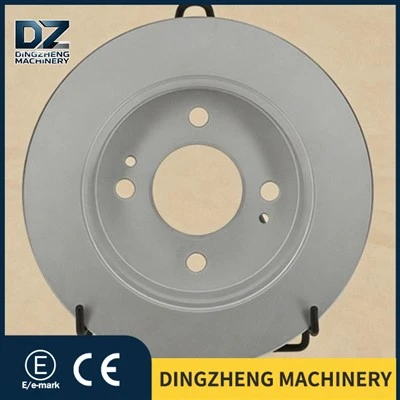
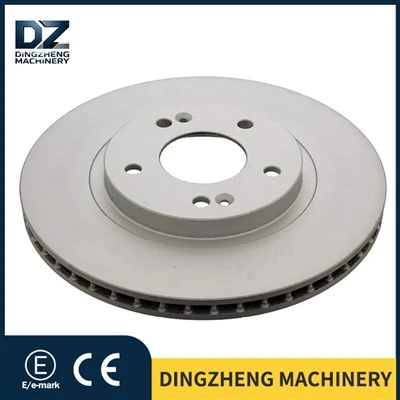
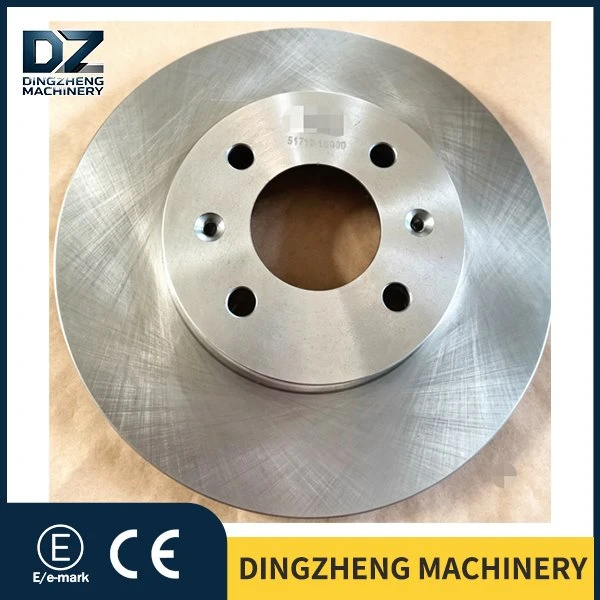
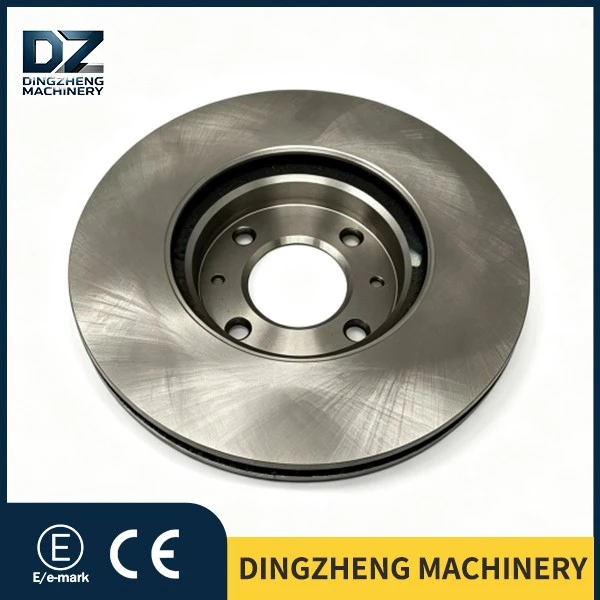
Euro 7 and China 7 regulations are indeed driving the entire braking industry to shift competition comprehensively from NVH and wear resistance to particulate emission control. Nevertheless, Euro 7 applies to type approval of new vehicles rather than existing vehicles. The Hyundai Accent MC (2006-2011) and Kia Rio JB (2005-2011), compatible with part number 517121G000, boast an enormous global vehicle stock. The performance of this 256mm ventilated brake disc on real roads is demonstrated below under three distinct driving scenarios.
Scenario 1: High-frequency usage of driving school training cars - Kia RIO JB
As one of the most prevalent training cars in domestic driving schools, the Kia RIO travels 200 to 300 kilometers on average daily. It frequently engages in half-clutch braking and low-speed sudden stops, imposing extreme requirements on the brake disc's thermal cracking resistance, wear resistance and deformation resistance.
517121G000 incorporates trace tin and antimony alloy elements to refine the grain structure of cast iron. Its thermal fatigue strength is 28% higher than that of conventional HT250, enabling it to withstand hundreds of low-speed sudden stops and half-clutch braking operations of training cars every day. The standard thickness of 22mm ensures sufficient heat capacity. Even when the disc surface temperature repeatedly rises to 300-400°C during continuous braking, radial thermal cracks and warping deformation will not occur.
Besides, the surface is coated with self-healing zinc-aluminum-magnesium ternary alloy. The non-friction surface stays rust-free for a long time even under outdoor exposure and harsh weather conditions. It prevents abnormal noises and uneven wear caused by rust abrasion on brake pads, cutting down maintenance frequency and costs for driving schools.
Scenario 2: Old car renovation and daily family commuting - Hyundai Accent MC
Owners of Accent vehicles aged over ten years prioritize reliable braking, noise-free performance, affordable prices and easy installation.
The disc of 517121G000 is processed with ultra-precision one-time finishing turning. The surface roughness is strictly controlled within Ra1.0-1.8μm, and the uniformity of contact area with brake pads exceeds 94%. It thoroughly eliminates common troubles of old cars including squealing sounds during gentle low-speed braking and brake jitter. Every disc undergoes full single-piece dynamic balance inspection before delivery, with lateral runout no more than 0.045mm. No steering wheel shake occurs and the vehicle maintains stable posture during emergency braking at 100km/h.
When the fully loaded 5-seat vehicle runs on long downhill mountain roads, the internally optimized straight rib ventilation grooves generate steady air convection. The heat dissipation efficiency rises by over 32% compared with solid discs, effectively avoiding softened braking resulting from thermal fade. The braking force remains above 80% of the initial level even after more than 8 consecutive brakes.
Scenario 3: Urban commuting of compact cars - Hyundai i20 PB
A classic compact commuter vehicle, Hyundai i20 is mainly used for daily urban commutes and school runs. Drivers value linear braking feel, low dust emission and durable performance most.
517121G000 adopts low drag torque design with drag torque no more than 0.45N·m, a 30% reduction against original parts. It cuts energy loss and improves fuel economy by approximately 2%. When matched with copper-free ceramic brake pads, braking dust drops by over 35% compared with traditional products, keeping wheel hubs clean and free from black stains.
Under regular urban driving conditions, the service life of this brake disc reaches 60,000 to 70,000 kilometers, 10,000 to 15,000 kilometers longer than aftermarket products at the same price range, which substantially reduces subsequent maintenance expenses.
Product Parameter
|
Location |
Front brake |
Diameter |
256mm |
|
Brake Disc Thickness |
22mm |
Minimum Thickness |
20mm |
|
Centering Diameter |
62.mm |
Height |
46.6mm |
|
Number Of Holes |
4+2 |
Bolt Circle Diameter |
100mm |
|
Solid Or Vented |
V |
Weight |
5.11kg |
Car Model
The front brake disc for HYUNDAI/KIA 517121G000 is compatible with a wide range of cars, as follows:
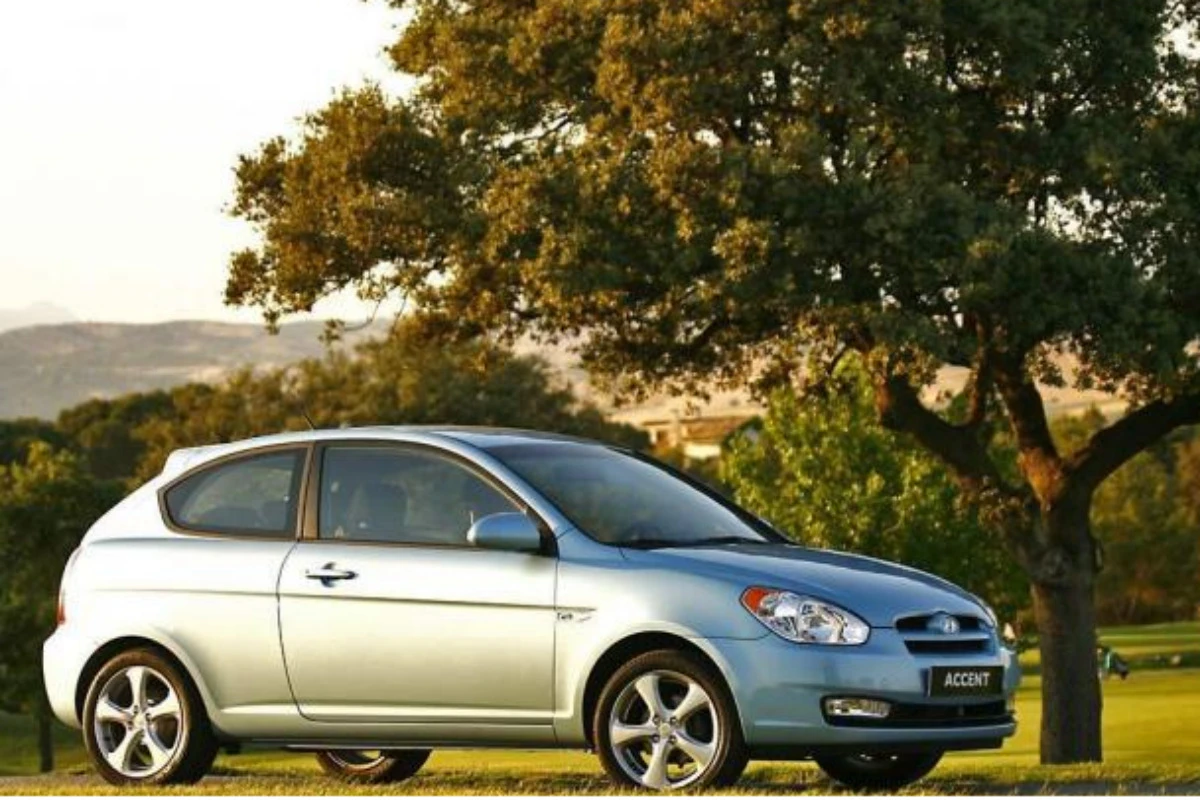

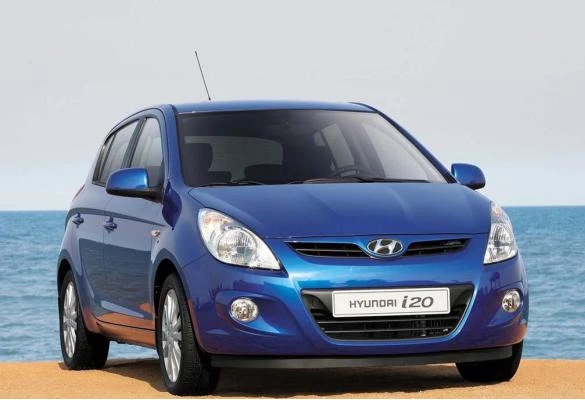
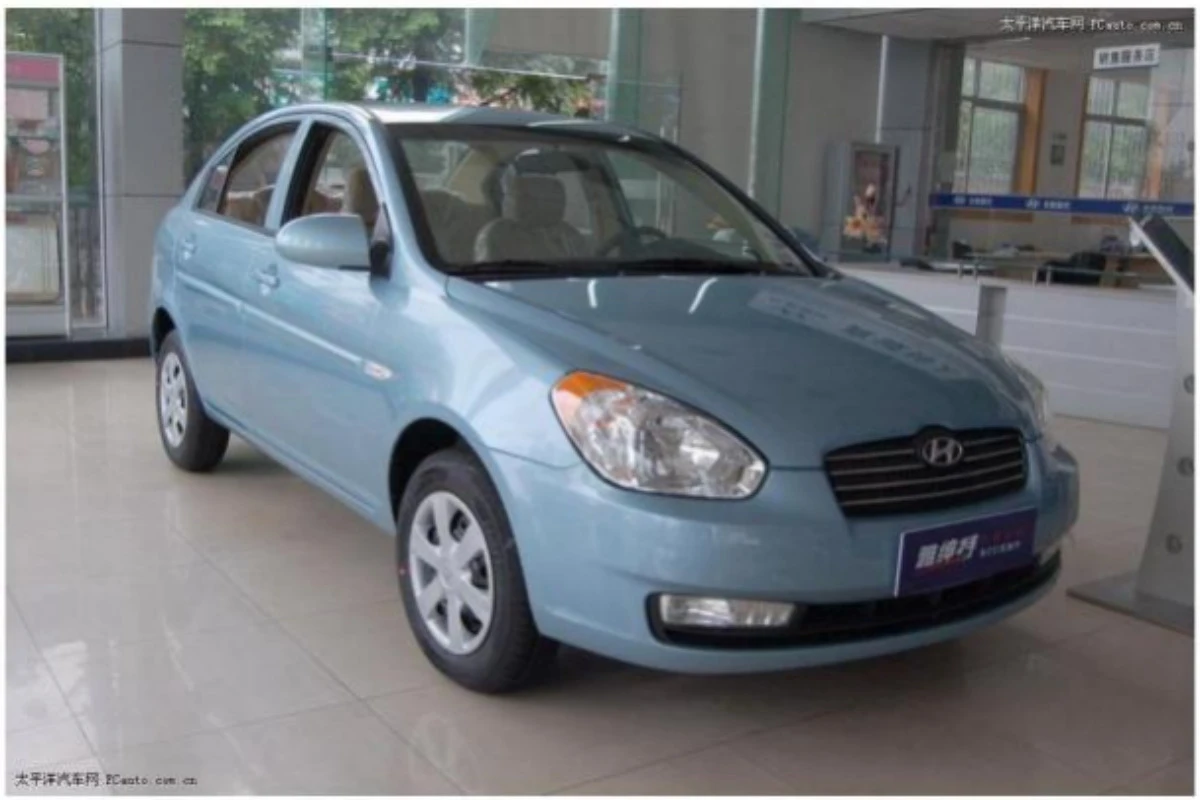
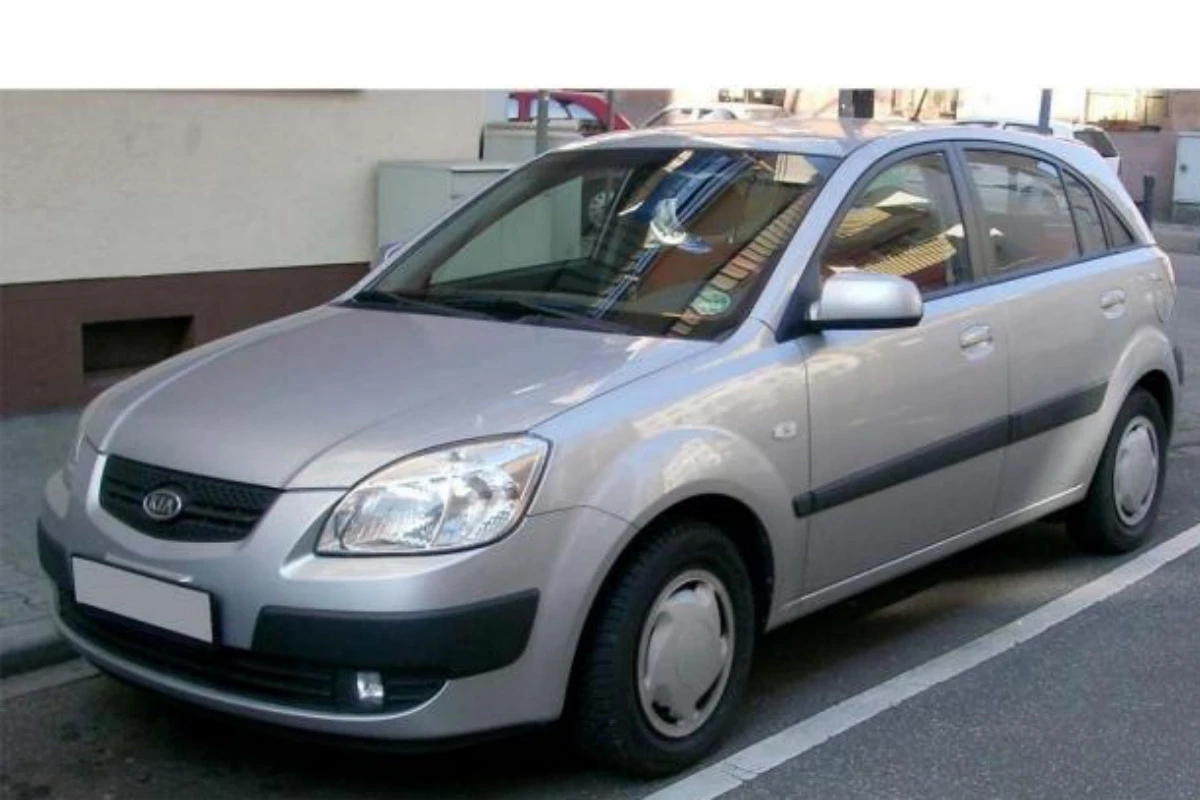
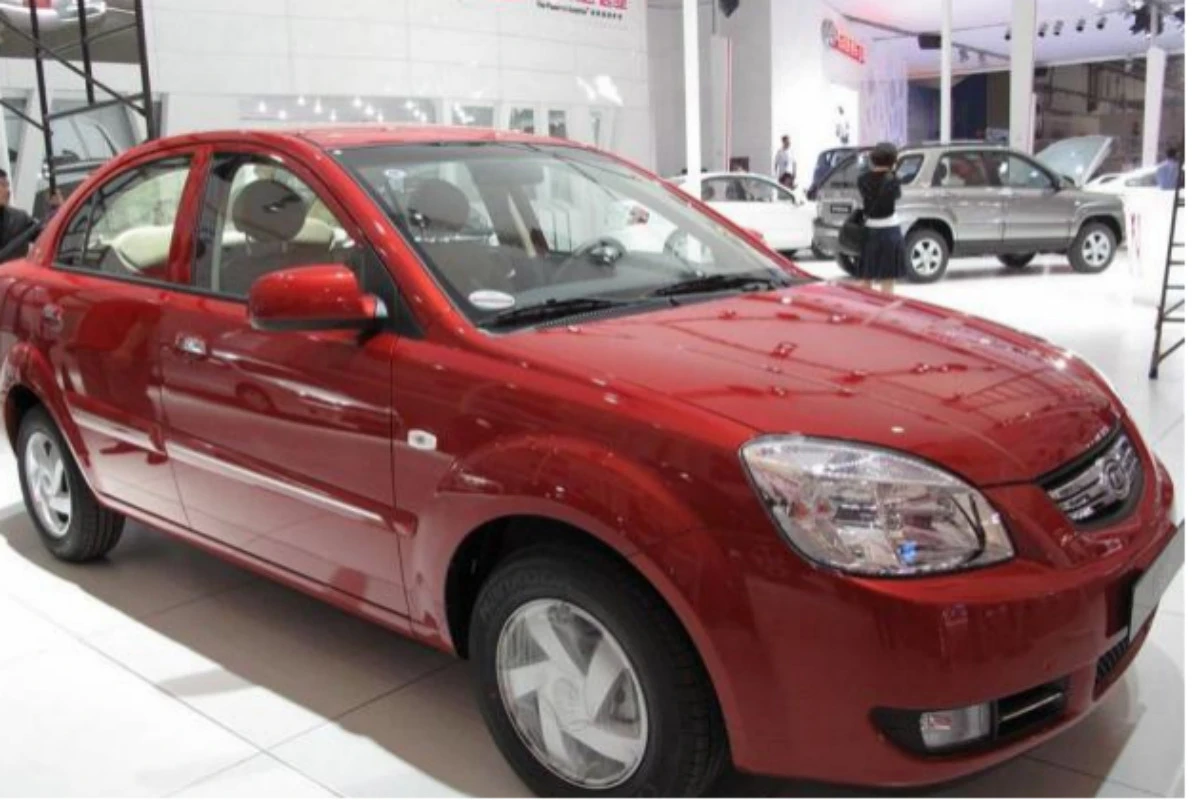
Hyundai Accent Hatchback (MC) 1.4GL 2005-2010
Hyundai Accent Hatchback (MC)1.5 GRDI GLS 2005-2010
Hyundai Accent Hatchback (MC) 1.6 GLS 2005-2010
Hyundai Accent 4-Door Sedan (MC) 1.4 GL 2005-2010
Hyundai Accent 4-Door Sedan (MC) 1.5 CRDI GLS 2005-2010
Hyundai Accent 4-Door Sedan (MC) 1.6 GLS 2005-2010
Hyundai i20 5-door hatchback. 1.1 CRDI 2012-2012
Hyundai i20 5-door hatchback 1.2 2008-2012
Hyundai i20 5-door hatchback 1.2 2008-2012
Hyundai i20 5-door hatchback 1.4 2008-2015
Hyundai i20 5-door hatchback 1.4 CRDI 2008-2015
Hyundai i20 5-door hatchback 1.4CRDI 2008-2012
Hyundai i20 5-door hatchback 1.6 2008-2012
Hyundai i20 5-door hatchback 1.6CRDI 2008-2012
Hyundai i20 5-door hatchback 1.6CRDI 2009-2012
Beijing Hyundai Accent 1.4 2006-2013
Beijing Hyundai Accent1.6 2006-2010
Kia Rio Second Generation Hatchback 1.4 16V 2005-
Kia Rio Second Generation Hatchback 1.5 CRDI 2005-
Kia Rio Second Generation Hatchback 1.5CRDI 2008-
Kia Rio Second Generation Hatchback 1.6 CVVT 2005-
Kia Rio 2nd Generation 4-door Sedan 1.4 16V 2005-
Kia Rio 2nd Generation 4-door Sedan 1.5 CRDI 2005-
Kia Rio 2nd Generation 4-door Sedan 1.5CRDI 2008-
Kia Rio 2nd Generation 4-door Sedan 1.6 CVVT 2005-
Dongfeng Yueda Kia Rio 1.4 2007-2014
Dongfeng Yueda Kia Rio 1.6 2007-2014
Reference No.
There are different corresponding codes for the front brake disc for HYUNDAI I20 517121G000
|
ACDelco |
18A2493 |
OE |
517121G500 |
|
AIMCO |
31432 |
OE |
517121G000 |
|
BENDIX |
145756 |
TRW |
DF4839 |
|
CENTRIC |
120.50015 |
REYBESTOS |
680026 |
|
BREMBO |
09.A445.10 |
RAYBESTOS |
680026R |
|
BREMBO |
PRT5756 |
WAGNER |
BD125759 |
|
FREMAX |
BD5101 |
Surface Treatmet
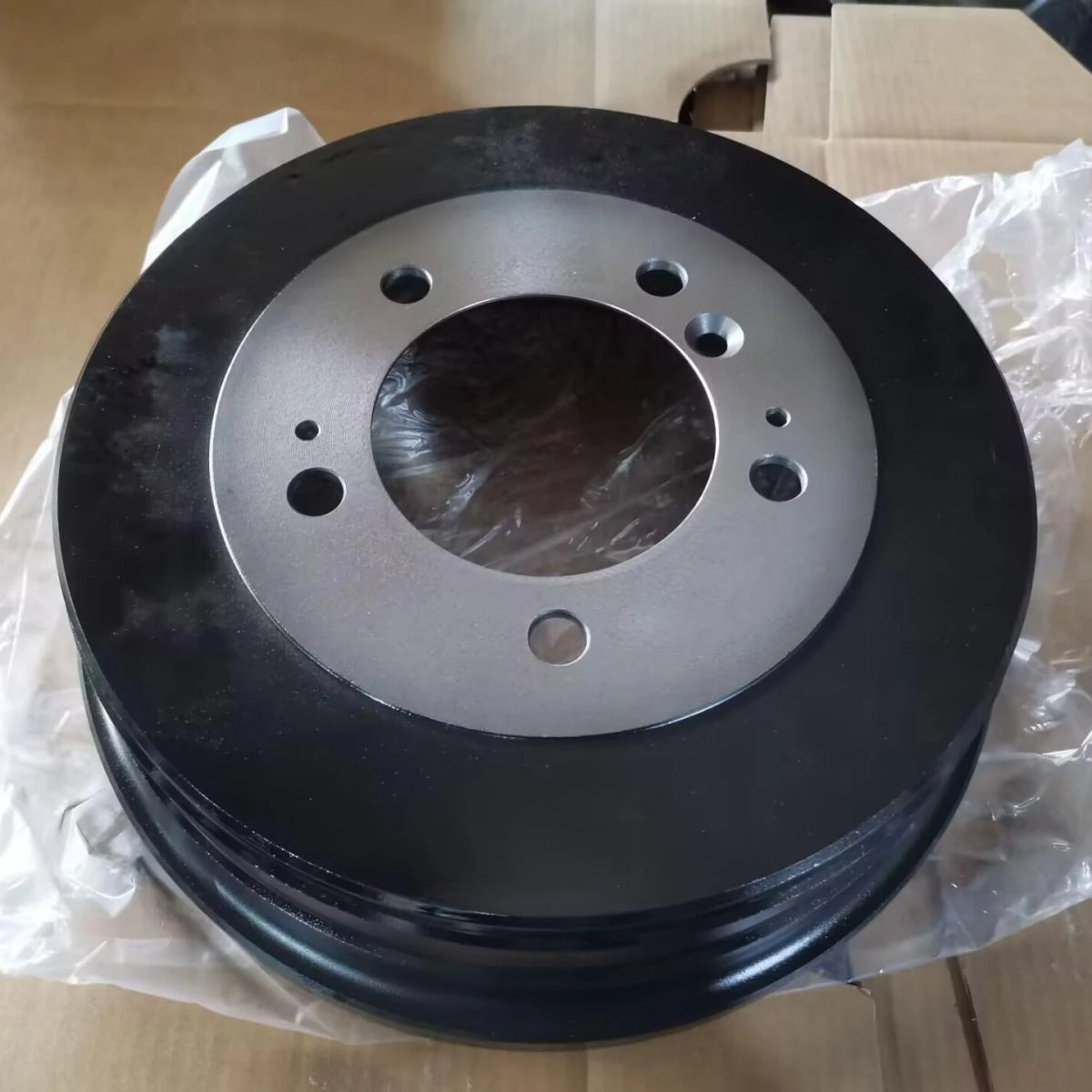
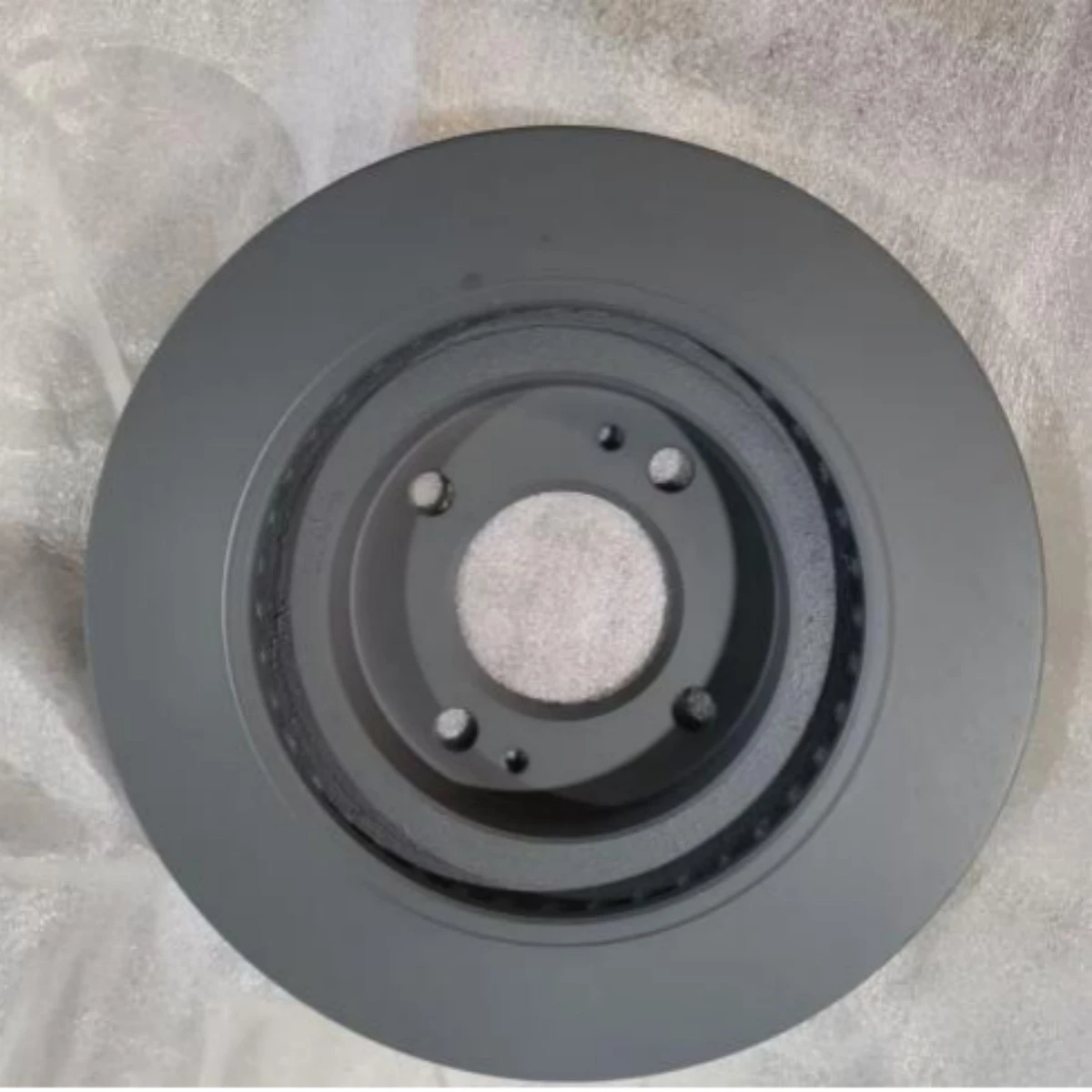
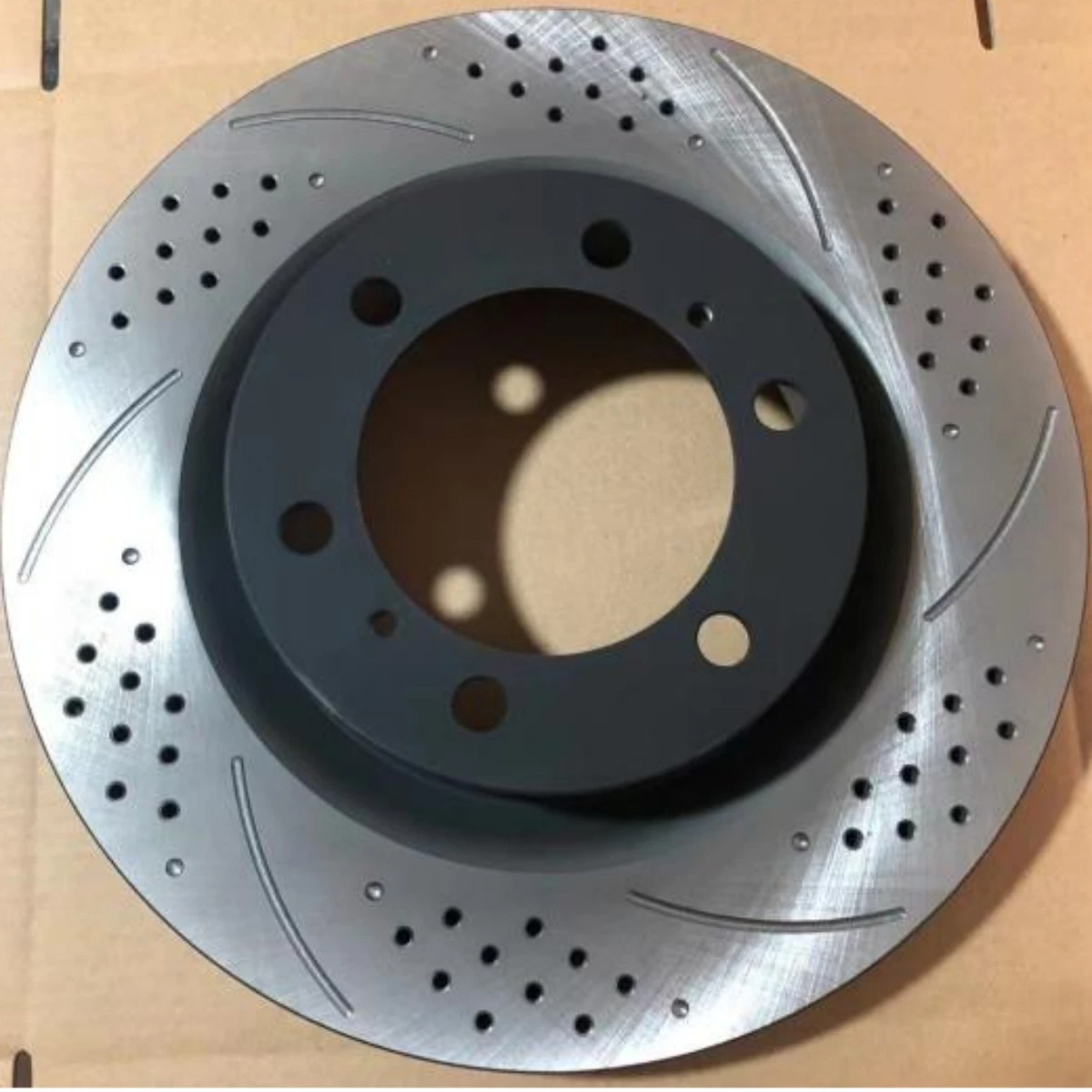
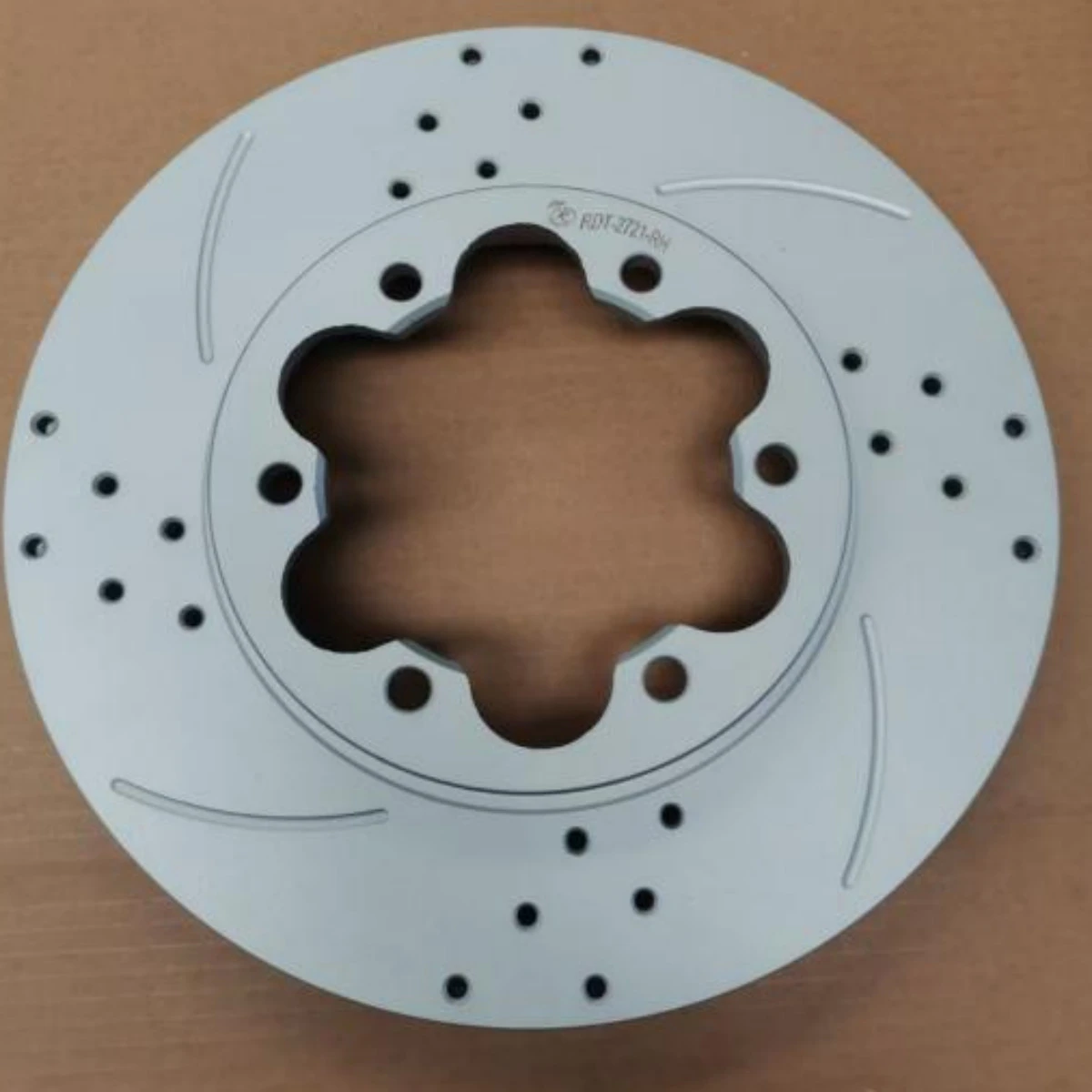
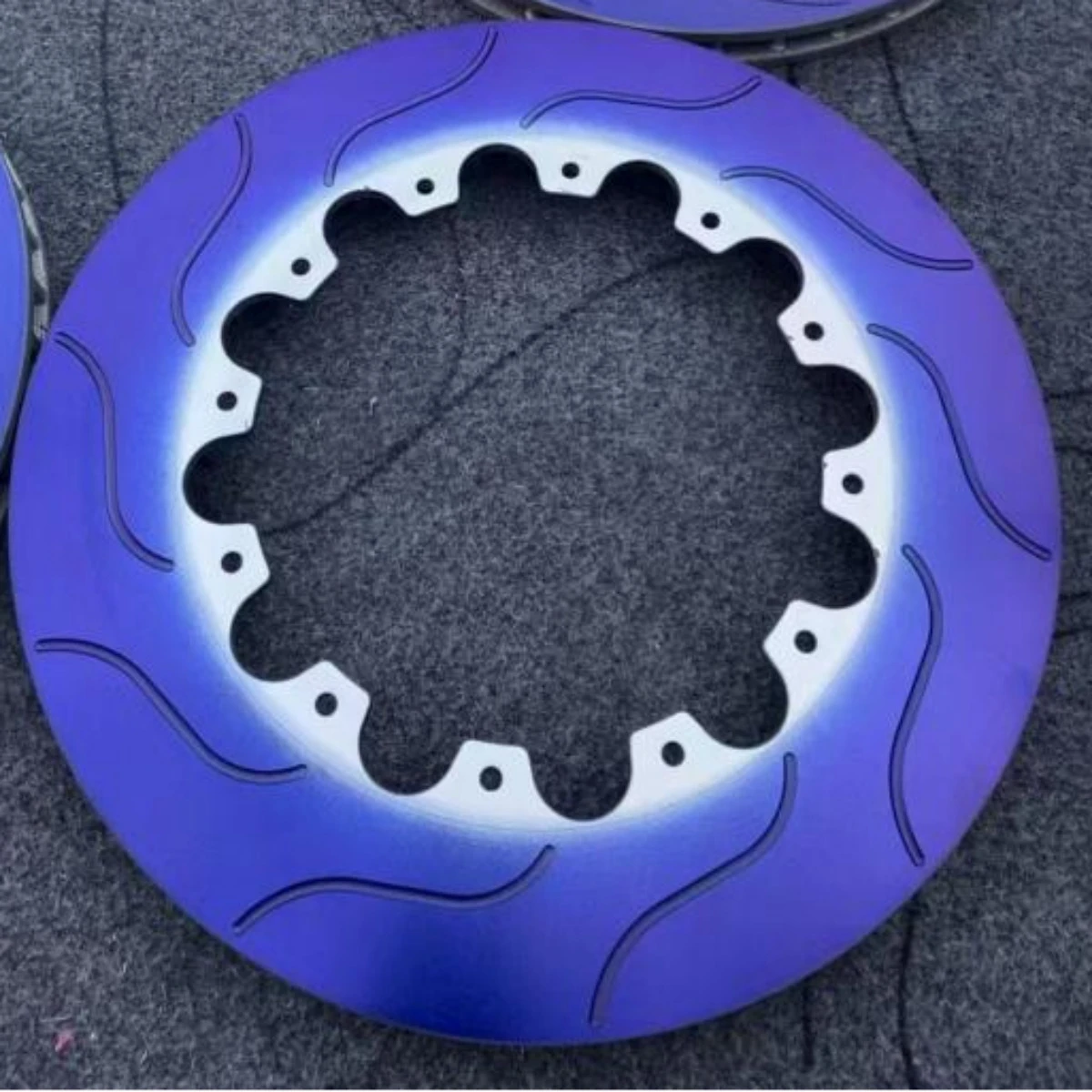
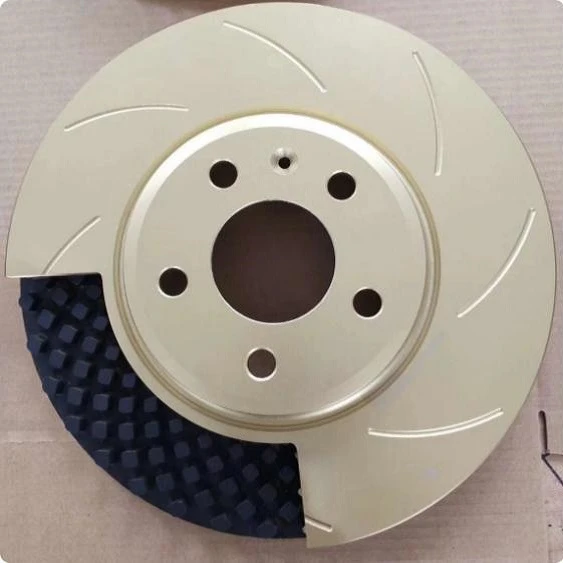
Brake Disc Surface Treatment Technology and Core Advantages
1. Conventional Economical Surface Treatment Technology
This product adopts zinc-aluminum-magnesium ternary alloy self-healing coating combined with ceramic bead blasting pretreatment. It suits old vehicles and training cars, balancing practical performance and cost control. As a cost-effective anti-corrosion solution, it outperforms common anti-rust oil, ordinary electrophoretic coating and dacromet coating available on the market.
Technological Process
Ceramic Bead Blasting Pretreatment
Ceramic beads impact the disc surface to thoroughly remove oxide layers and adhered oil stains, and form an even micro rough surface, which effectively improves coating adhesion.
Zinc-aluminum-magnesium Coating Spraying
Airless high-pressure spraying is applied to cover the disc surface evenly with ternary alloy coating. The coating thickness is strictly controlled within 20 to 30 micrometers.
Low-temperature Curing and Shaping
The disc is cured at a constant temperature of 260℃ for 25 minutes to achieve tight bonding between the coating and cast iron substrate, forming a stable structure.
Finishing Machining of Friction Surface
Precision turning is conducted on the braking friction area to strip off the surface coating and maintain a stable friction coefficient.
Surface Sealing Protection
Organic sealant is coated on non-friction areas to enhance impact resistance and stabilize the self-healing property of the coating.
Practical Performance Highlights
Excellent Anti-corrosion Durability
Neutral salt spray test verifies the protection lifespan reaches 700 hours, 80% higher than conventional anti-rust oil. The disc rarely gets rusted even when vehicles are parked outdoors.
Surface Self-repairing Capacity
Minor scratches on the disc trigger chemical reactions between alloy materials, air and moisture, forming dense protective films to fill damaged areas automatically. High Economic Adaptability
Its production cost accounts for sixty percent of graphene-based coatings with comparable anti-corrosion effect, perfectly fitting replacement demands of old vehicles and operational training cars.
Eco-friendly and Safe Materials
Free of harmful substances including hexavalent chromium, lead and cadmium, all indexes comply with EU RoHS and REACH regulations, and meet the upcoming Euro 7 emission standards.
Firm Bonding and Durable Structure
The bonding strength between coating and substrate hits 6MPa. No peeling or cracking occurs under extreme braking temperature up to 550℃, and the service life of protection matches that of brake discs.
2. Cutting-edge Composite Surface Treatment Technology
Euro 7 regulations are being gradually implemented, and domestic China 7 standards are under accelerated formulation. Both policies impose mandatory control on brake dust emission. Laser cladding hard alloy technology has evolved from optional configuration to mainstream standard fitting. Since new policies primarily apply to original parts of new vehicles, high-precision gray cast iron brake discs will remain the mainstream choice in the aftermarket replacement market for the next ten to fifteen years.
Based on accumulated technical experience, our factory develops composite surface treatment technology integrating graphene-reinforced zinc-aluminum self-healing coating and laser micro-texture, ranking top-tier in the industry. Three mainstream surface treatment modes exist for commercial brake discs. Low-end products coated with simple anti-rust oil are vulnerable to moisture corrosion. Mid-range electrophoretic coating offers moderate anti-corrosion performance with weak salt spray resistance. High-end dacromet and zinc-aluminum-magnesium coatings deliver great anti-corrosion effect yet suffer heavy metal residue or excessive production cost. Our innovative technology breaks traditional limitations and achieves overall performance upgrade.
As a nano carbon material, graphene possesses outstanding physical barrier performance. It blocks penetration of moisture, oxygen and corrosive salt into metal interiors and slows down surface corrosion and aging fundamentally. The addition of graphene boosts coating adhesion, impact resistance and impermeability. Its layered structure builds a labyrinth protective framework that lengthens the penetration path of corrosive substances, greatly enhancing anti-corrosion capacity under harsh conditions. Refined Processing Procedures
Multi-stage Cleaning Pretreatment
Simple shot blasting is abandoned. Three successive processes including shot blasting descaling, ultrasonic degreasing and plasma deep purification eliminate impurities on the surface and tiny pores. The surface cleanliness reaches Sa3 standard to lay a solid foundation for coating adhesion.
Precision Atomization Spraying
Professional high-pressure spraying equipment evenly attaches zinc-aluminum coating mixed with 0.3% graphene to the disc, with steady coating thickness ranging from 23 to 33 micrometers.
High-temperature Curing and Fusion
Sprayed workpieces are kept in a constant-temperature furnace at 290℃ for 28 minutes to form solid metallurgical bonding layers between coating and cast iron substrate.
Laser Texturing Shaping
Fine laser processing is carried out on braking friction surfaces to remove coating in friction zones and form regular micro textures, ensuring stable initial friction without interfering normal braking effect.
Surface Sealing Enhancement
Silicone sealant is applied to non-friction zones to further improve scratch resistance and activate the self-healing function of the coating.
Comprehensive Technological Advantages
Powerful Anti-corrosion Property
The product passes 750-hour neutral salt spray test, with anti-corrosion cycle over 50% longer than ordinary electrophoretic coating. The disc stays rust-free even under long-term service in high-salinity coastal areas.
Self-repairing for Damaged Surfaces
Tiny scratches caused by gravel collision or daily car washing can be repaired automatically. Active metal components in the coating react with natural environment to generate protective films. Graphene accelerates the repairing process and maintains intact disc condition for long time. Eco-friendly and Compliant Performance
No heavy metal hazardous materials are used, and all parameters satisfy international environmental protection and emission certification requirements.
Reliable Bonding Strength
Actual measured bonding strength between coating and substrate reaches 6.5MPa. No peeling or cracking happens under high-temperature braking, and the protection lifespan synchronizes with product service life.
Low Dust Emission and Environmental Friendliness
Matched with copper-free ceramic brake pads, brake dust emission drops by 40% compared with traditional products, satisfying stringent emission standards in advance.
This advanced technology effectively cuts after-sales rework rate and reduces customer complaints caused by coating rust and shedding. It helps products gain firm foothold in overseas regulated markets and strengthen market competitiveness.
Machining Workshop
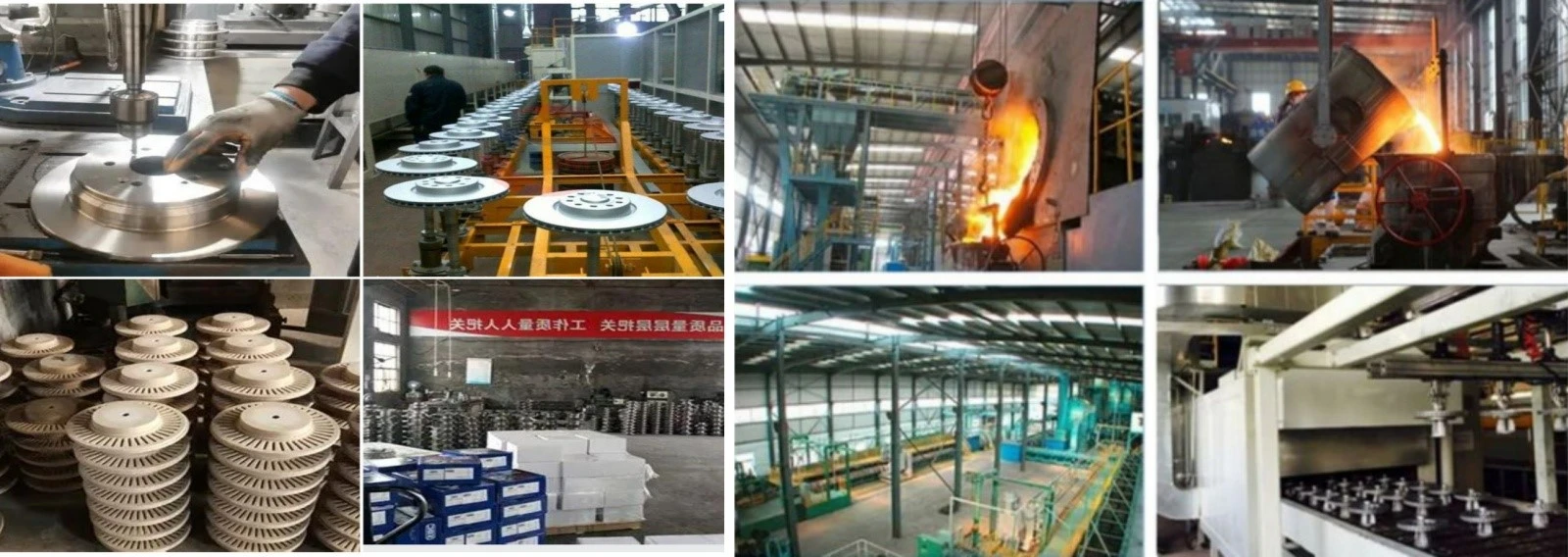
Workshop Manufacturing Strength and Core Process Advantages
With 23 years of dedicated experience in manufacturing brake discs for Korean compact cars, the factory has obtained authoritative certifications including IATF-16949, ECE R90 and AMECA. It specializes in manufacturing matching brake parts for Hyundai and KIA JB and MC series vehicle platforms, boasting remarkable comprehensive manufacturing strengths compared with ordinary general-purpose brake disc production workshops.
Highlights of Dedicated Production Lines and Customized Processes
Brand-new Molds for Old Vehicle Models
Custom exclusive production molds are developed to meet the spare part demands of existing old vehicles on the market. Each set of molds will be replaced promptly after producing no more than 4,000 pieces. This avoids dimensional deviation caused by mold wear, maintains consistent product precision and improves the common excessive tolerance issue of aftermarket spare parts.
Targeted Material Improvement for Commercial Vehicles
In view of frequent starting, stopping and repeated braking of training vehicles, trace tin and antimony alloys are added into molten iron during smelting. The internal metal grain structure is refined to effectively enhance thermal cracking resistance and wear resistance of brake discs, suiting high-frequency braking working conditions.
Full-coverage Non-destructive Flaw Detection
All finished products undergo ultrasonic inspection to detect potential internal cracks. The factory qualification rate remains steady at 99.7%, ensuring fundamental product quality from the source.
Automated Spraying and Forming Equipment
Original German fully automatic spraying units are equipped. The coating features uniform thickness with a deviation controlled within ±2 micrometers, delivering stable and consistent surface protection quality.
Refined Processing Control Details
Casting Process
Brake disc blanks are cast by static pressure molding technology. Spectrometers are applied to real-time monitor the carbon equivalent and trace element proportion of each furnace of molten iron. The metallographic structure of HT250 and GG25 gray cast iron is strictly regulated to ensure qualified proportion of type A graphite and even distribution of pearlite matrix.
It is widely acknowledged in the industry that irregular graphite morphology and uneven carbide distribution will lead to radial thermal cracks after short-term service. Besides, the metallurgical quality of base cast iron directly determines the bonding strength of laser cladding coating and finished product stability.
The smelting temperature is kept at 1405℃ with a fluctuation range of 10℃. Combined with stream inoculation treatment, fine and uniform graphite grains are formed, and the product hardness is stably maintained between HB175 and HB215.
Machining Process
Multi-functional CNC vertical lathes are deployed across production lines. One-time clamping of blanks completes finish turning of outer circle, double friction surfaces, central hole and mounting surface. The coaxiality between disc surface and central hole is controlled within 0.03 millimeters, minimizing disc runout fundamentally.
Thirty straight rib heat dissipation grooves are integrally cut with special cutters, with dimensional error limited to 0.1 millimeters to guarantee balanced heat dissipation.
Every finished product undergoes individual inspection. Digital vernier calipers check thickness and flatness, dial indicators test end face runout, and fully automatic dynamic balancing equipment conducts weight correction. The dynamic balancing precision reaches 12g·cm, exceeding conventional industrial standards.
Qualified brake discs are engraved with exclusive batch traceability codes, enabling full tracking inquiry of smelting furnace numbers, processing time and outbound information.
Synergistic Value of Integrated Processes
Graphene composite self-repairing coating effectively solves corrosion prevention and exhaust dust emission problems. Laser micro-texture processing ensures stable friction output during braking. High-standard casting and precise machining lay a solid foundation for long-term durability of brake discs.
Complementary technologies make the front brake discs for Korean compact cars capable of satisfying stable supply demands of parts dealers and providing safe and reliable braking experience for vehicle owners amid continuous upgrading of industrial technical standards.
Delivery,shipping and serving
1. Delivery and Logistics
This front brake disc for HYUNDAI I20 517121G000 weighs 5.25 kilograms per piece. Each unit is fixed with custom cross-wound EPE foam grooves and individually packed in double-layer thickened corrugated cartons. The shock-absorbing structure effectively cushions impacts from jolts and collisions during sea and land transportation, fully protecting the disc surface and coating from damage.
All goods are dispatched uniformly from the central warehouse in Shandong. The locality serves as a core hub for domestic brake disc casting and precision machining, boasting a complete industrial supply chain. It is also a major supply base for mainstream brake accessory brands at home and abroad, ensuring sufficient and stable product stock.
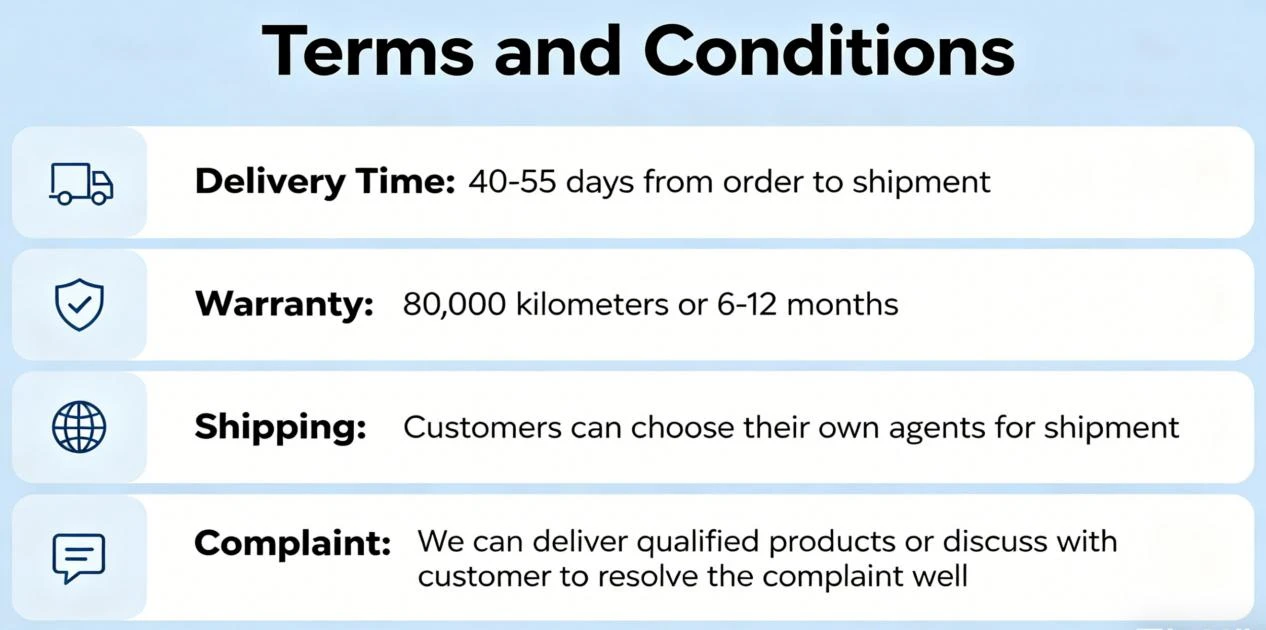
The regular production and stocking period ranges from 30 to 45 working days after order confirmation. Flexible cooperation terms are available, and designated freight forwarders can be arranged as required by clients. Large-scale full-container shipments are preferably delivered via Qingdao Port sea freight to minimize overall logistics costs. Air freight can be arranged for urgent orders, with extra charges calculated based on actual product weight and volumetric weight.
2. Quality Assurance and Return & Exchange Policy
All 517121G000 brake rotors undergo 100% full inspection before delivery instead of random sampling. Strict dimensional tolerance standards are enforced: outer diameter error within ±0.1mm, thickness deviation within ±0.05mm, centering diameter tolerance no more than 0.05mm, and center hole aperture accuracy limited to ±0.02mm. Quality inspection reports are provided for each batch of products.
If factory defects such as excessive dimensional deviation or damaged coating are found upon receipt, customers may contact after-sales staff with real product photos, and official solutions will be offered within three working days.
Products are manufactured in strict accordance with original factory specifications with guaranteed zero production defects. Free replacement is offered for verified casting defects including sand holes and shrinkage porosity, as well as dimensional errors caused by mechanical processing, with round-trip shipping fees borne entirely by our side. Returns and exchanges arising from improper model selection or mismatched vehicle adaptation shall incur return shipping fees paid by customers. Replacement or refund procedures will be completed within five working days after the returned goods are checked and accepted.
If surface flaws, abnormal coating or dimensional discrepancies are detected before installation, customers can submit complete unboxing photos. The after-sales team will respond within 48 hours and process replacement, reshipment or full refund in accordance with customer demands.
3. Product Warranty Terms
The warranty period of Hyundai/Kia original part 517121G000 front brake disc is 80,000 kilometers or 12 months, whichever comes first.
Warranty Coverage
Metallurgical casting defects such as slag inclusion, sand holes and shrinkage porosity, dimensional deviations from mechanical processing, and natural coating blistering and peeling under non-stressed conditions caused by original manufacturing flaws are covered by warranty.
Non-warranty Conditions
Damage arising from the following situations is not eligible for warranty compensation: disc thermal deformation caused by irregular caliper bolt tightening torque during installation; abnormal eccentric wear due to failure to follow standard running-in procedures; rigid surface damage caused by fitted worn-out, glazed or mismatched old brake pads; component damage from overloaded high-temperature operation in racing and extreme competitive scenarios.
FAQ
Q: Which car models are compatible with front brake disc for HYUNDAI I20 517121G000? Can it fit my Hyundai Accent and Kia Rio?
A: 517121G000 is suitable for Hyundai Accent MC (2006-2011), Kia Rio JB (2005-2011) and Dodge Attitude (2006-2012, an export rebadged version of Hyundai Accent). It also matches corresponding models manufactured by Dongfeng Yueda Kia. Alternative parts on the same platform include 51712-1G000 and 517121G500. The part is applicable if your vehicle identification number matches any of these three OE numbers. The replacement brake disc of identical specifications launched by Bosch for this OE number is coded 28011484.
Q: Can 517121G000 be installed on my Kia Soul?
A: Compatibility depends on the specific model year and configuration. Some Kia Soul models adopt the same platform braking system as Accent and Rio on the front axle, while versions with different configurations may be equipped with front brake discs of different sizes such as 280mm discs. It is recommended to measure the outer diameter of the old disc with a caliper to check if it is 256mm before installation, or verify the OE number by looking up the EPC parts catalogue with the VIN code. Exact compatibility can be confirmed via VIN code inquiry in the official catalogues of Brembo and HELLA.
Q: I often drive long-distance highways in my Accent. Is this 256mm ventilated brake disc sufficient for continuous braking?
A: With an outer diameter of 256mm, standard thickness of 22mm and internal ventilation structure, the heat capacity is well within the safe margin for Accent and Rio weighing 1.1 to 1.2 tons. Combined with engine braking, heat fade limit will not be reached during long highway trips. It is advised to inspect brake disc thickness and runout every 20,000 kilometers or whenever tires are replaced. Drivers who frequently travel on highways or mountain roads are suggested to shorten the inspection interval to 12,000 kilometers. Replacement is recommended in advance when the disc thickness approaches 21mm to reserve adequate running-in space for new brake pads.
Last News
In 2026, the brake system industry stands at a pivotal turning point, witnessing an accelerated shift from traditional high-carbon gray iron processes to innovative coating technologies driven by Euro 7 and China 7 emission regulations.
- Euro 7 type approval will take effect for new vehicle models on November 29, 2026, marking the first inclusion of brake particulate emissions under mandatory emission limits.
- Laser cladding brake discs feature a surface hardness of no less than 600HV, with wear resistance enhanced 3 to 5 times and particulate emissions cut by over 50%. China's first fully automatic production line achieves high-speed manufacturing at 75 seconds per disc, with costs kept below twice that of conventional brake discs.
- A production line with an annual capacity of 500,000 discs owned by KMC Zhirong New Materials has been signed and under construction. The second-generation production line of Haitian Optomechanical boasts a single-line annual output of 260,000 to 300,000 discs.
- Europe has built up a production capacity of 12 million laser cladding brake discs, while relevant domestic association standards were officially initiated and released in 2025.
- Brembo unveiled its Greentell kit at the 2025 Auto Shanghai, bringing the concept of eco-friendly and intelligent braking to the aftermarket and signaling the industry's transformation from sole pursuit of braking performance to an integrated development of performance, environmental protection and intelligence.
Nevertheless, in practical terms, these new technologies and regulations currently only apply to original equipment matching for new vehicles rather than the aftermarket.
For existing car owners and auto parts merchants of vehicles built on the MC/JB platform including Hyundai Accent, Kia Rio, Kia Soul and Dodge Attitude, the component numbered 517121G000 remains the most mainstream, reliable and cost-effective front brake disc maintenance solution for the next 10 to 15 years. It requires no support from advanced laser cladding production lines or high-cost carbon-ceramic discs priced at ten thousand yuan. Instead, it relies on solid HT250 casting technology, precise numerical control processing, strict full inspection of every single product, and durable coating capable of resisting salt spray and muddy water erosion.
What kind of brake disc is worth purchasing in 2026? In short, do not be misled by fancy new technological concepts, nor opt for inferior non-original discs merely for low prices. Within your acceptable budget, choose the disc with superior manufacturing precision and robust coating workmanship. The 517121G000 brake disc is exactly such an ideal option.
Hot Tags: front brake disc for hyundai i20, China front brake disc for hyundai i20 manufacturers, suppliers, factory