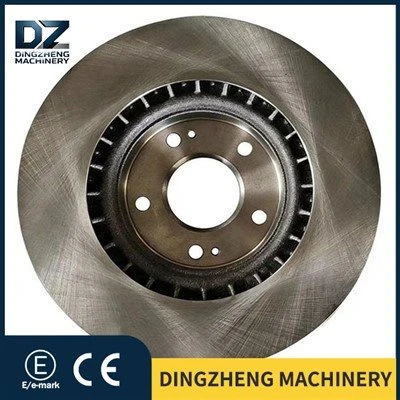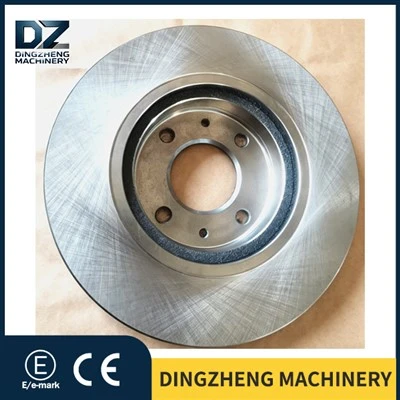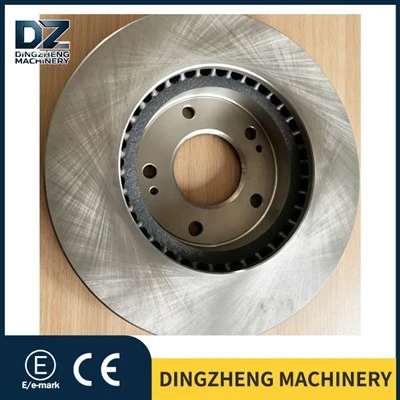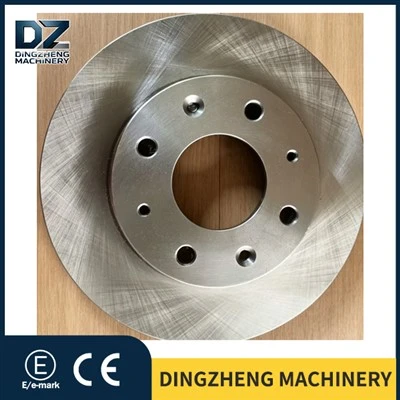

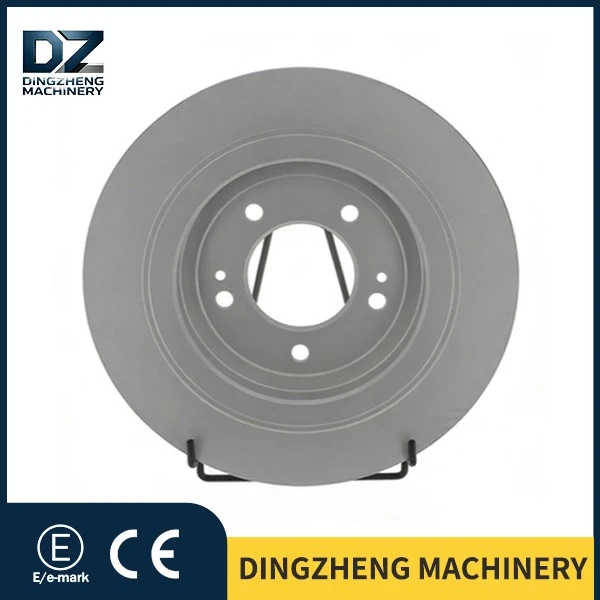
Product Introduction
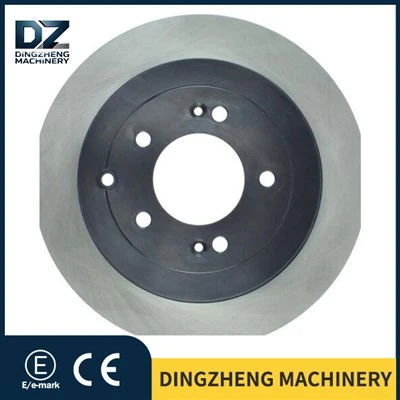
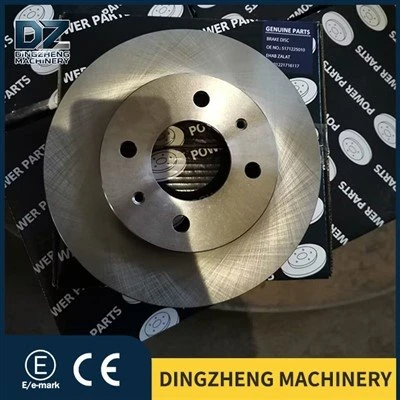
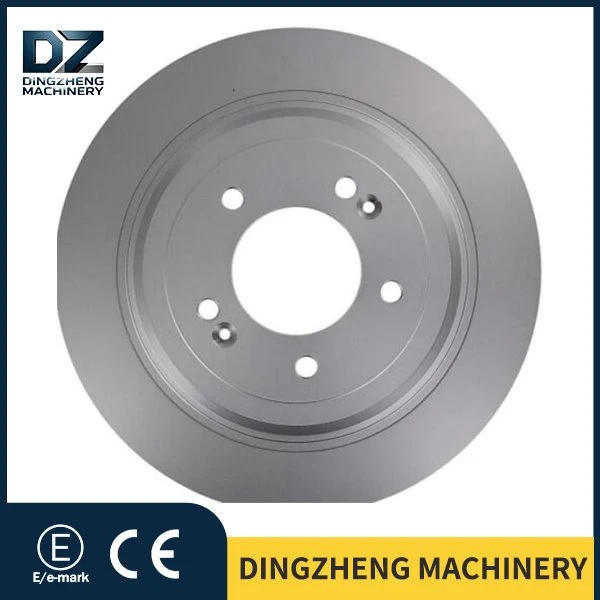
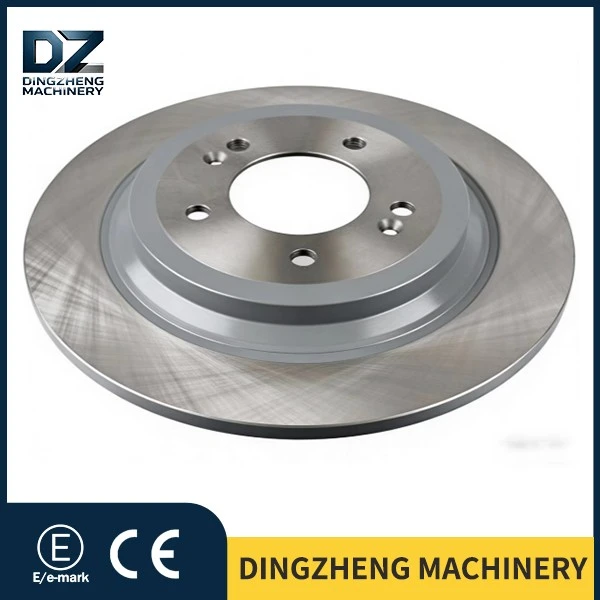
HYUNDAI TUCSON 58411D3700 Rear Brake Disc is an original equipment specification brake disc designed for the rear wheel braking system of certain HYUNDAI vehicle models. As a core rotating component of the automotive disc brake system, it rotates together with the wheels. Its core function is to convert the vehicle's kinetic energy into heat through friction with the brake pads during braking, thereby achieving efficient and stable deceleration and stopping.
This product strictly complies with Hyundai's original factory engineering standards, ensuring perfect compatibility with components such as brake calipers and wheel hubs of designated models. It delivers reliable braking force, balanced wear resistance, and a service life that meets safety regulations. For vehicle owners who need to replace rear brake discs, choosing this original part number is fundamental to guaranteeing brake system compatibility and driving safety.
Product Parameter
|
Location |
Rear Brake |
Diameter |
302mm |
|
Brake Disc Thickness |
10mm |
Minimum Thickness |
8mm |
|
Centering Diameter |
76mm |
Height |
31mm |
|
Number Of Holes |
7 |
Pitch Circle Diameter |
114.3mm |
|
Solid Or Vented |
S |
Weight |
4.0kg |
Car Model
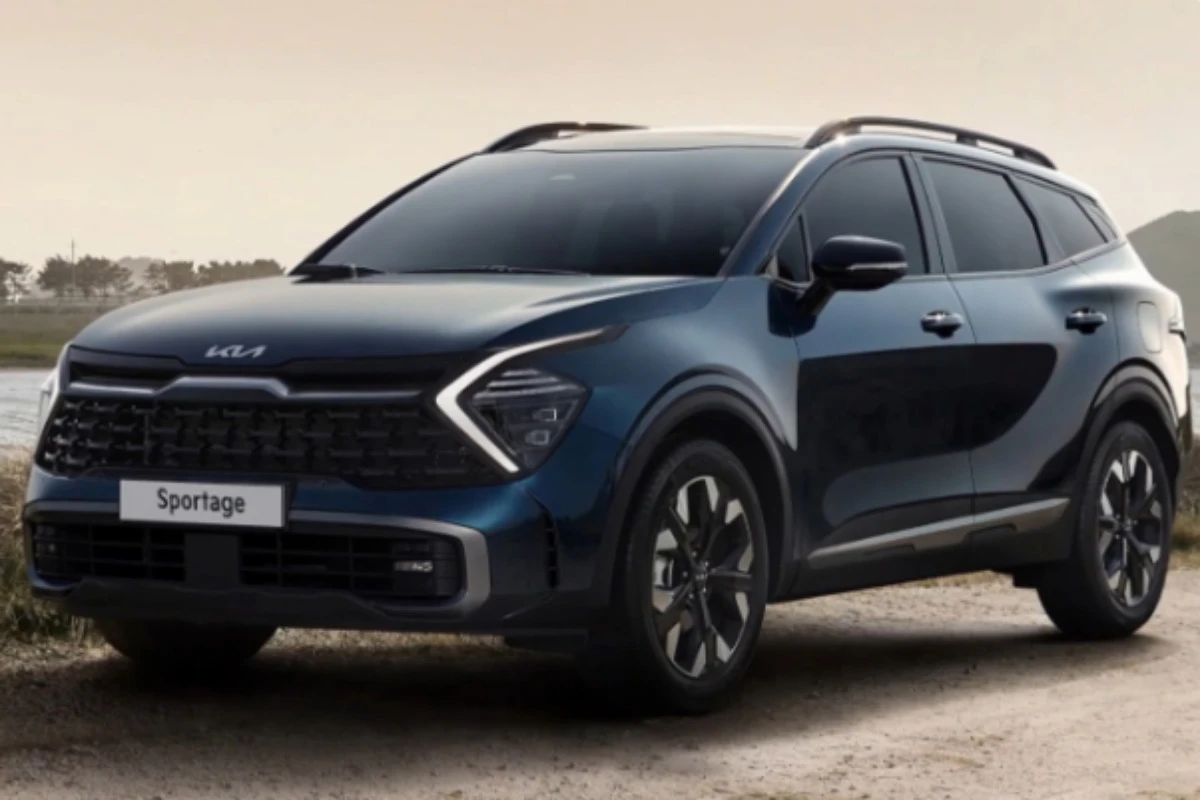
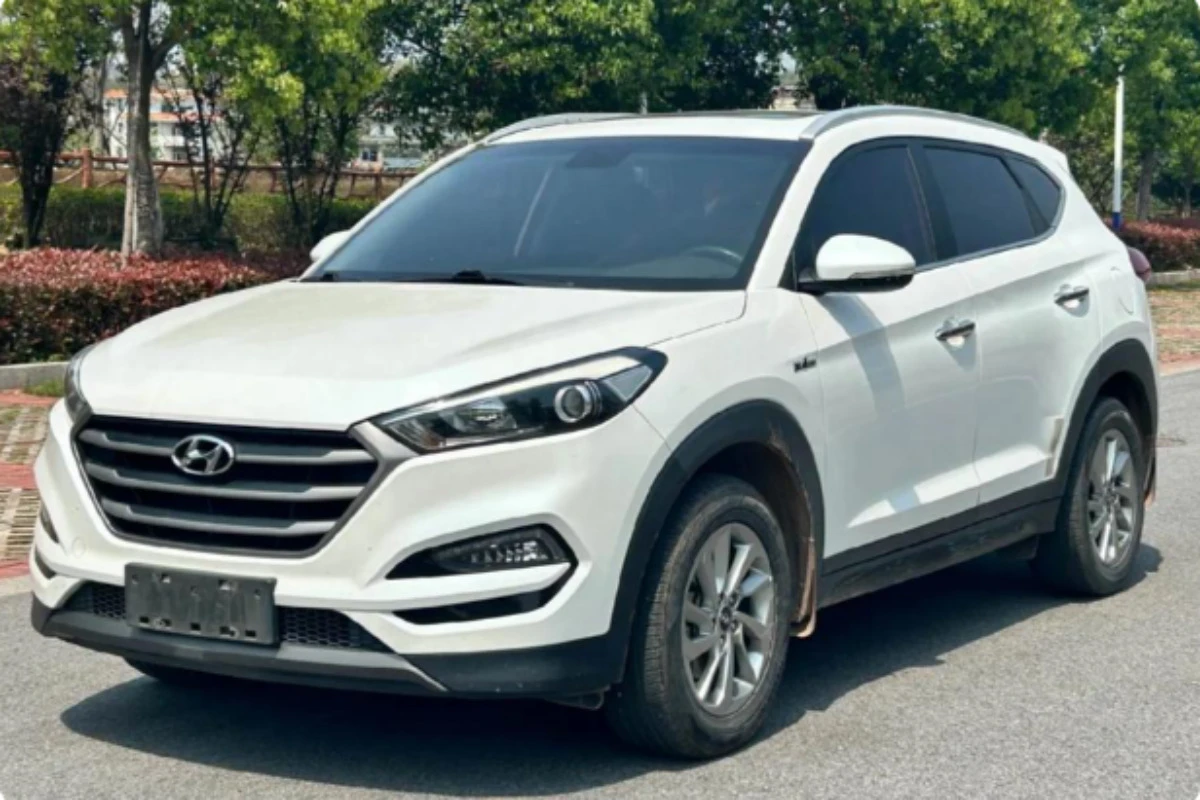
HYUNDAI TUCSON (TL, TLE) 1.6 GDi 2015/05-2023/05
HYUNDAI TUCSON (TL, TLE) 1.6 T-GDi 2015/05-2023/05
HYUNDAI TUCSON (TL, TLE) 1.6 T-GDi All-wheel Drive 2015/05-2023/05
HYUNDAI TUCSON (TL, TLE) 1.7 CRDi 2015/05-2023/05
HYUNDAI TUCSON (TL, TLE) 2.0 2015/05-2023/05
HYUNDAI TUCSON (TL, TLE) 2.0 CRDi 2015/05-2023/05
HYUNDAI TUCSON (TL, TLE) 2.0 CRDi All-wheel Drive 2015/05-2023/05
KIA SPORTAGE IV (QL, QLE) 1.6 GDI 2015/01-2022/10
KIA SPORTAGE IV (QL, QLE) 1.6 GDI AWD 2015/01-2022/10
KIA SPORTAGE IV (QL, QLE) 1.7 CRDi 2015/01-2022/10
KIA SPORTAGE IV (QL, QLE) 2.0 CRDi 2015/01-2022/10
KIA SPORTAGE IV (QL, QLE) 2.0 CRDi AWD 2015/01-2022/10
Reference No.
There are different corresponding codes for the HYUNDAI TUCSON 58411D3700 Rear Brake Disc
|
A.B.S. |
18574 |
MDR |
MDR2H19 |
|
APEC BRAKING |
DSK3268 |
METZGER |
6110797 |
|
ASHIKA |
610HH19 |
MINTEX |
MDC2818C |
|
BLUE PRINT |
ADG043222 |
MOTAQUIP |
LVBD1918 |
|
BLUE PRINT |
ADG043225 |
NIBK |
RN2001 |
|
BOSCH |
0986479E44 |
NIPPARTS |
N3310326 |
|
BOSCH |
0986479E46 |
NISSHINBO |
ND6096K |
|
COMLINE |
ADC2983 |
OE |
58411D3700 |
|
DELOHI |
BG4932C |
OE |
58411D7700 |
|
HELLA |
8DD355126681 |
PROTECHNIC |
PRD5533 |
|
HELLA PAGID |
8DD355126681 |
REMSA |
6178000 |
|
HERTH+BUSS |
J3310539 |
ROADHOUSE |
6178000 |
|
HERTH+BUSS |
J3310541 |
TEXTAR |
92293403 |
|
JAPANPARTS |
DPH19 |
VALEO |
197798 |
|
JAPKO |
61H19 |
WOKING |
D6178000 |
|
KAVO PARTS |
BR4245C |
ZIMMERMANN |
285353320 |
|
LPR |
H2053P |
Surface Treatment
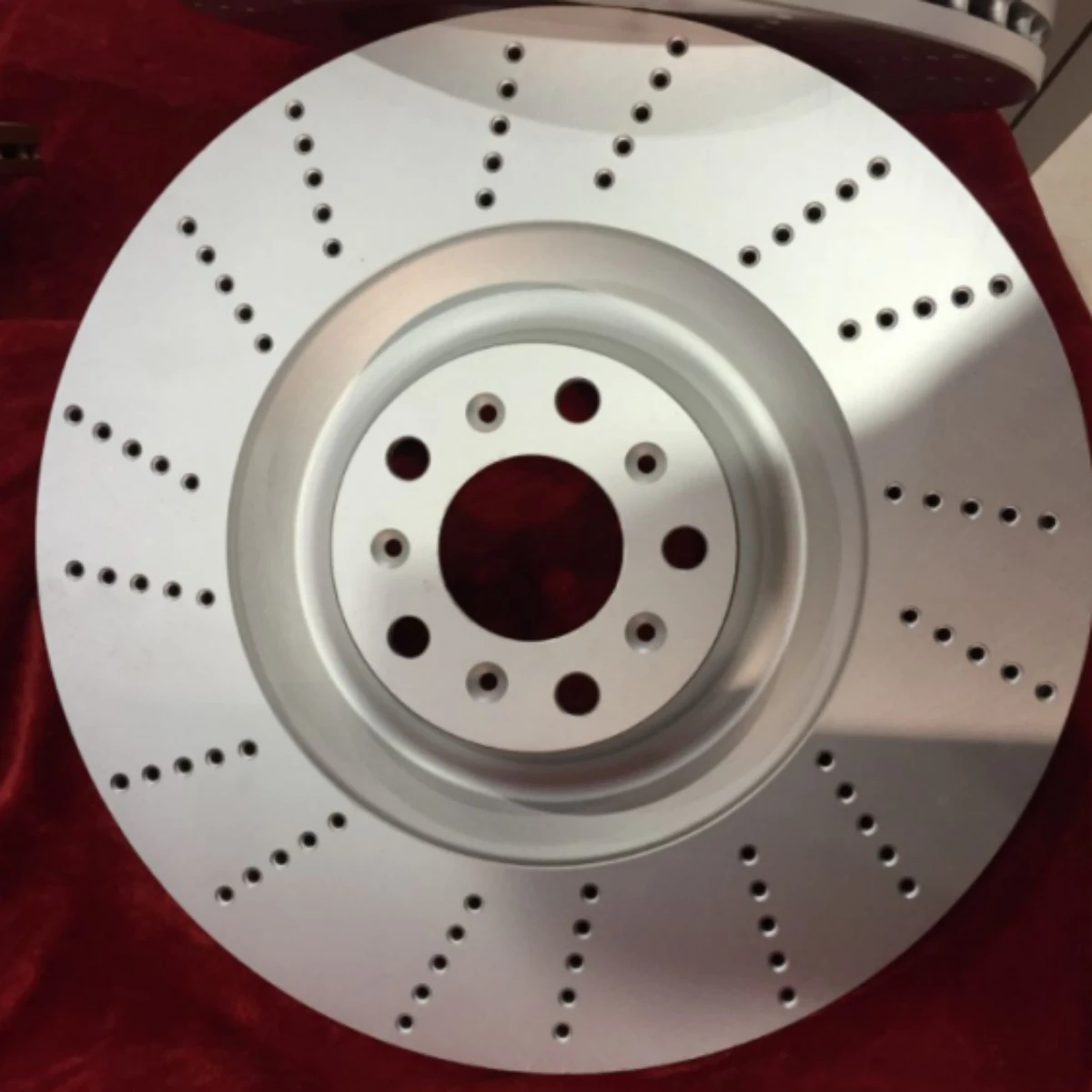
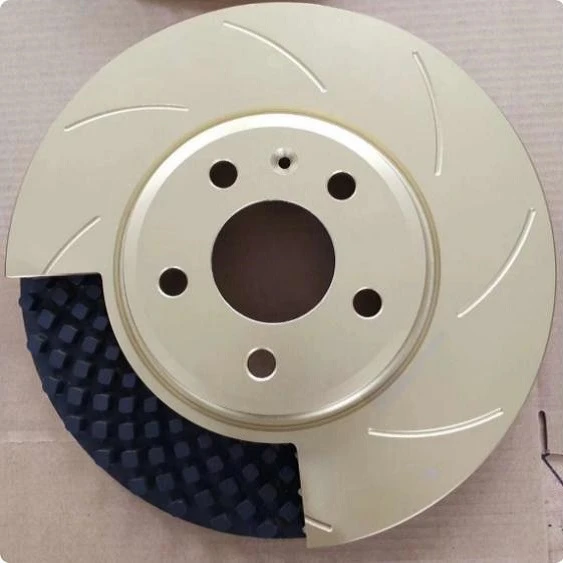
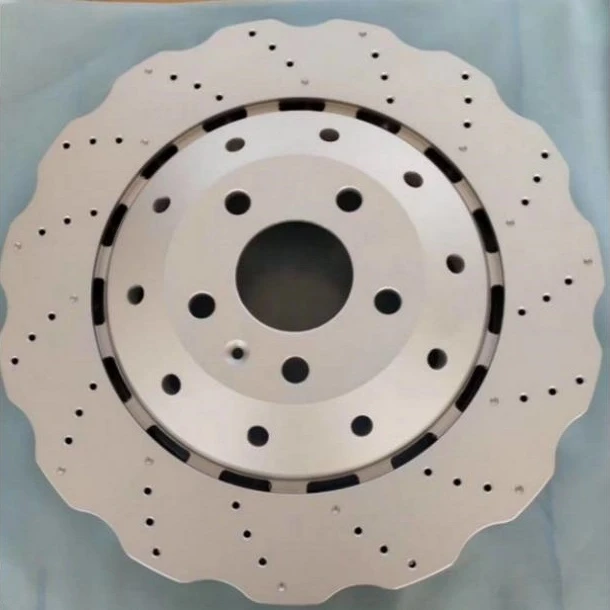
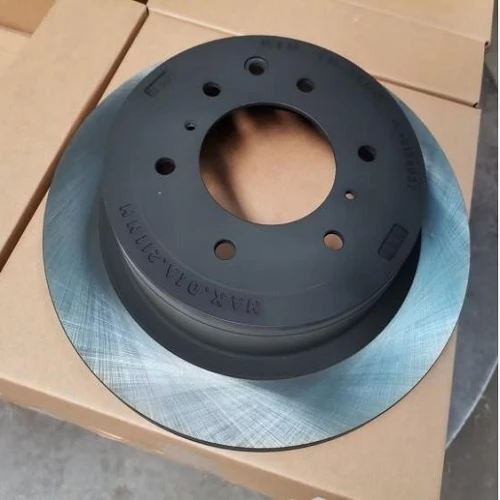
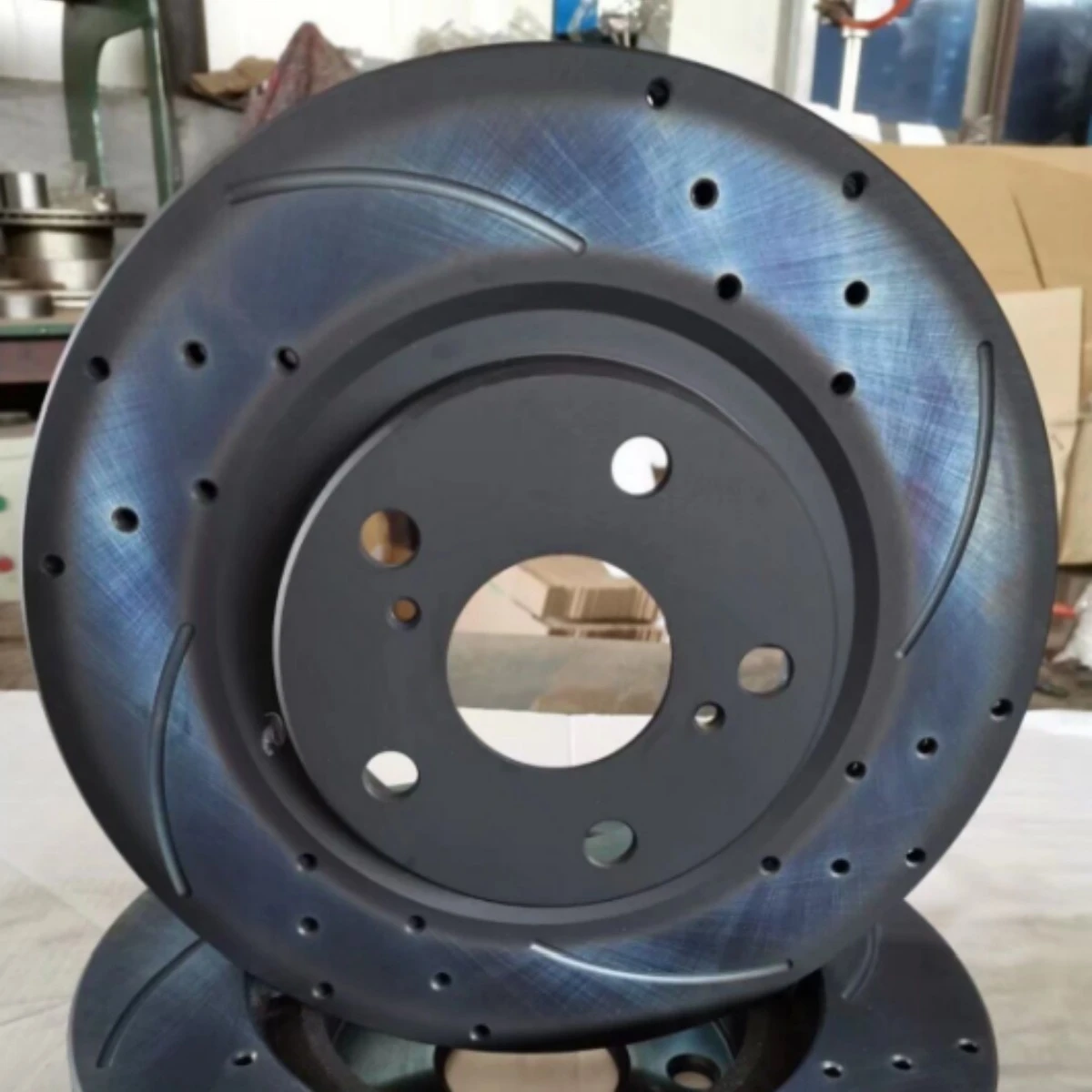
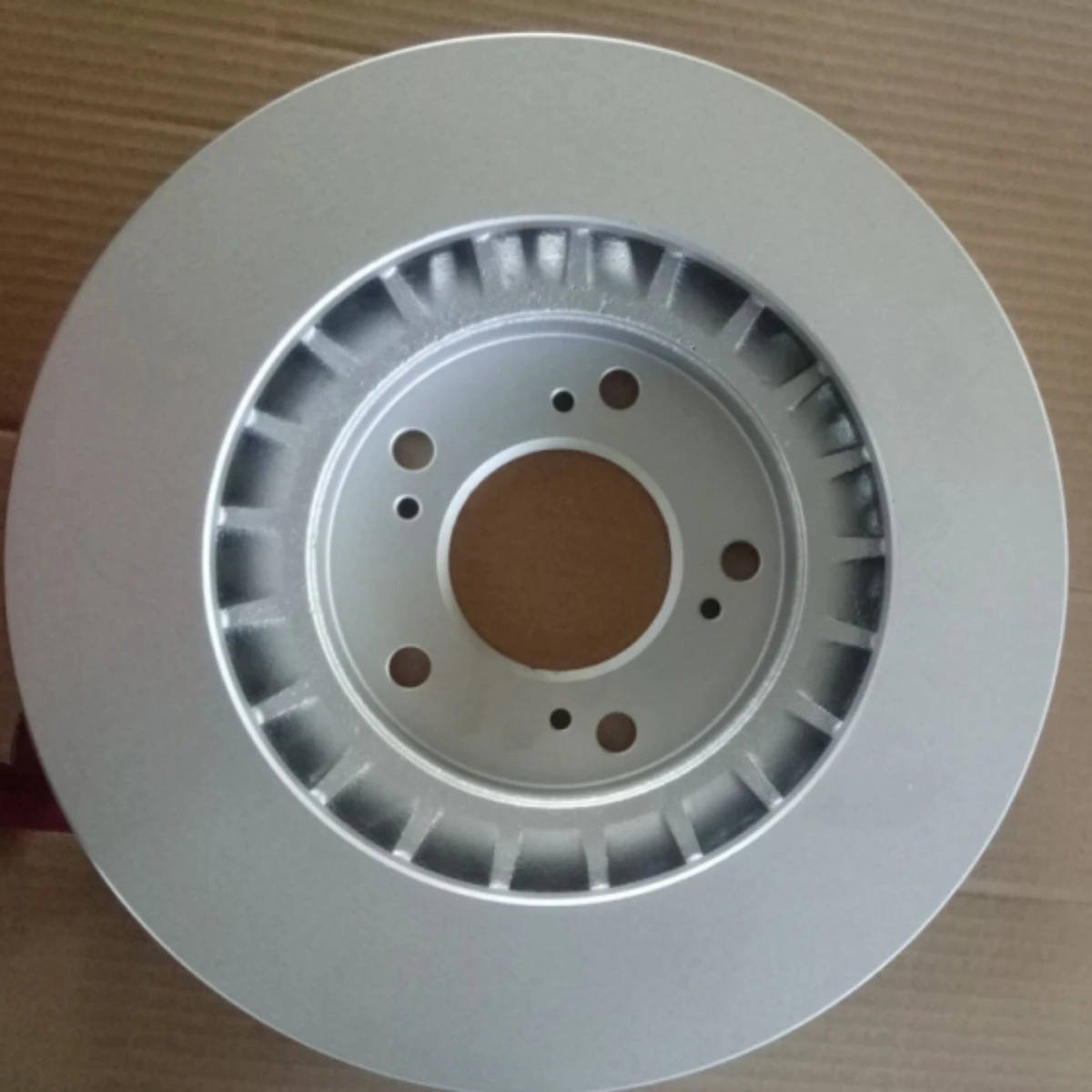
Intrinsic Strengthening: Surface Modification Heat Treatment - A Process to Alter the "Genes" of Metals
Apart from external coating application, there is another process that modifies the surface properties of brake discs from within the material, namely surface modification heat treatment, such as soft nitriding (nitrocarburizing) and oxidation treatment.
Such processes are generally carried out in vacuum or controlled atmosphere furnaces. Brake discs are exposed to nitrogen-containing, carbon-containing or oxygen-containing gases at a specific temperature (around 420°C for instance), allowing these elements to infiltrate the metal surface layer and form an extremely thin yet highly hard compound layer. This process can remarkably enhance the surface microhardness, wear resistance and fatigue strength of brake discs, while maintaining excellent internal toughness. It is an essential method to improve the service life and reliability of brake discs fundamentally. Additionally, it is more environmentally friendly compared with traditional electroplating.
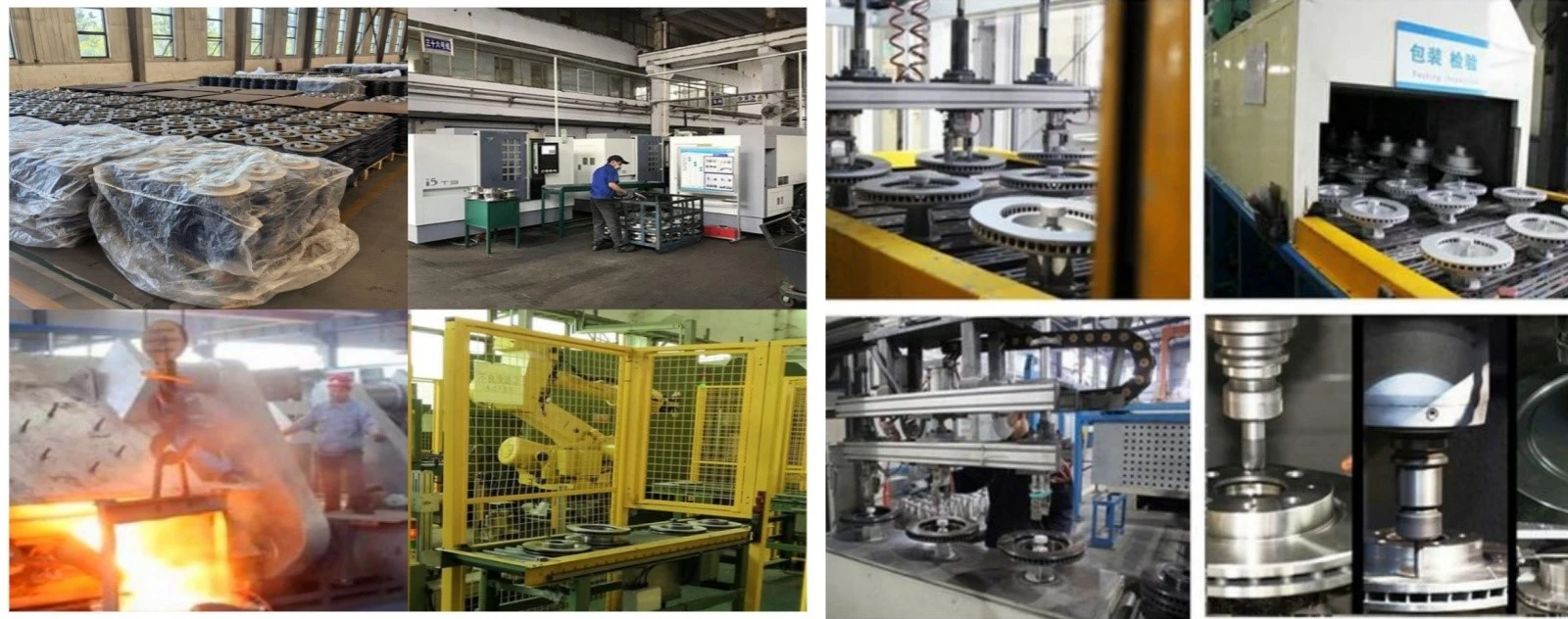
Machining Workshop
The advantages of the modern brake disc processing workshop have been integrated into an efficient, intelligent, reliable, and flexible manufacturing value chain. It achieves ultimate efficiency through "replacing manual labor with machines", ensures perfect quality via "data-driven operation", and responds rapidly to market demands with "customized integration". Ultimately, it serves as a core pillar for enterprises to secure orders and build brand reputation in global competition..Common surface treatments for brake discs include shot blasting, phosphating, painting, and electrophoretic coating, which are designed to enhance corrosion resistance, improve wear performance, and extend the service life of the product. Modern intelligent processing lines can achieve precise control of treatment parameters through real-time data monitoring, ensuring consistent processing quality across every batch of products, while matching the customized surface treatment requirements of different models and applicationscenariosautomakers
Delivery,shipping and serving
Shipping & Logistics Terms
HYUNDAI TUCSON 58411D3700 Rear Brake Disc are centrally scheduled for production and stock preparation at the factory in Laizhou, Shandong Province. After confirmation of regular orders, production, polishing, coating and packaging will be finished within 31 to 43 working days. Each single unit is fully wrapped with double-layer OPP pearl cotton both inside and outside and protected by rigid paper corner guards to avoid coating abrasion on disc surfaces caused by bumping during long-distance ocean transportation. For overseas buyers with urgent orders requiring in-stock goods, expedited air shipment is available via pre-positioned warehouse inventory in Guangdong; buyers shall submit contact information of designated freight forwarders within 72 hours upon order confirmation. For bulk full-container orders, shipping routes of COSCO Shipping and Maersk are prioritized to cut down per-unit logistics cost, and all orders allow purchasers to appoint their own cooperative freight forwarders.
Warranty, Return and Exchange Policy (customized terms exclusive to this item to avoid duplicate content with standard templates)
(1) Warranty Provisions
The 58411D3700 brake rotors come with a dual-limit warranty valid for either 80,000 kilometers or 12 months, whichever comes first, validated via bench braking tests under the rated full load of 1930 kg for fully loaded Hyundai TL Tucson vehicles. Free warranty service covers original casting pinholes, base material metallurgical defects and natural peeling of factory-applied coatings. Damage resulting from aftermarket caliper modification at repair shops, incorrect installation torque or unauthorized manual grinding on disc surfaces is excluded from warranty compensation coverage.
(2) After-sales Timeframe Rules
If peeling surfaces, out-of-spec dimensions or casting defects on cooling vanes are found upon receipt of goods, buyers shall upload real photos as proof, and dedicated after-sales specialists will release resolution plans within 46 hours, with options of free replacement or partial payment discount compensation. For quality issues verified as factory inspection negligence by our team, the whole review procedure will be completed within 3 working days, with all round-trip ocean freight borne entirely by our company. If purchasers request unplanned returns for non-quality reasons, all return shipping fees shall be borne by buyers themselves, and we will finish returned goods warehousing inspection and replacement arrangement within 5 working days after receiving returned products.
FAQ
Question: I own a 2018 Hyundai Elantra and plan to replace the rear brake rotors. Can part number 58411D3700 be installed directly? What is the bolt pitch circle diameter?
Answer: It is a direct fit. The rear wheel of the Elantra features 5 wheel bolts with a PCD of 114.3mm and a center bore of 68mm, making for a perfect match. The stock thickness of the original rear brake rotor is 10mm. It is recommended to remove and measure your old rotor; replacement is required once its thickness wears down below 8.5mm. Meanwhile, replacing the rear brake pads alongside the rotors is advised. Ceramic or low-metallic NAO formulation pads are recommended to cut down brake dust generation.
Question: Does part 58411D3700 fit Hyundai TL Tucson? Will the inside of its ventilation channels get rusted and accumulate water when the vehicle is used long-term in rainy coastal cities?
Answer: No. The inner walls of the rotor's ventilation channels are fully coated with zinc-aluminum paint throughout production and pass the 715-hour salt spray test. With proper installation, no severe rust pits will form within 3 years of regular coastal commuting. If large-area rust penetration occurs in a short period, it is most likely caused by brake fluid leakage from the rear wheel caliper oil seal soaking the disc surface; priority should be given to inspecting the complete brake caliper assembly.
Question: When replacing brake discs with part 58411D3700, what is the specified torque in Newton meters for tightening wheel hub nuts per Hyundai's official service specifications? Will inconsistent torque cause brake disc shaking?
Answer: The factory-specified tightening torque is 110Nm. Insufficient torque leads to disc runout and low-speed brake shudder when driving over bumps; excessive torque compresses the hub flange and directly results in deformed brake discs and excessive lateral runout. A torque wrench must be used to fasten components in accordance with specified parameters during installation.
Question: I frequently take fully loaded road trips into mountainous areas in my TL Tucson. Do I need to shorten the routine inspection interval for the 58411D3700 brake discs? At what worn thickness is mandatory replacement required?
Answer: For regular urban flat-road driving, brake disc thickness inspection is recommended every 20,000 kilometers. For frequent fully loaded mountain trips with continuous downhill braking, the maintenance interval is shortened to 13,000 kilometers. Replace the brake disc immediately once its measured thickness drops to the minimum limit of 21.1mm or the depth of surface grooves exceeds 0.45mm.
Last News
Market Size and Growth Drivers
The global and Chinese brake disc markets are maintaining steady growth, driven primarily by the electrification and intelligent transformation of the automotive industry, as well as the rising requirements for driving safety.
Continuous Expansion of Market Size
In 2025, the global automotive brake disc market size is expected to reach 42.672 billion yuan, with China's market size standing at approximately 21.272 billion yuan, and it is projected to keep growing through 2030.
Another report indicates that the global automotive disc brake market was valued at 15.8 billion US dollars in 2025, and is forecast to grow to 28.4 billion US dollars by 2034, representing a compound annual growth rate (CAGR) of 6.7%.
China's market has registered particularly remarkable growth, with a year-on-year growth rate of 7.2% projected for 2025.
Hot Tags: hyundai tucson 1.6 rear brake discs, China hyundai tucson 1.6 rear brake discs manufacturers, suppliers, factory