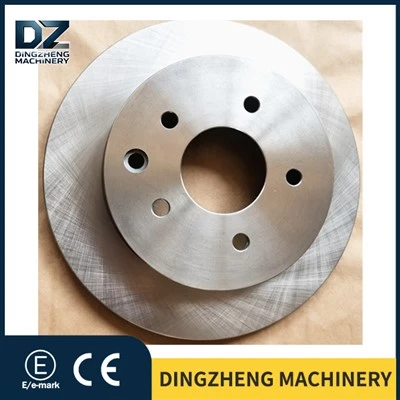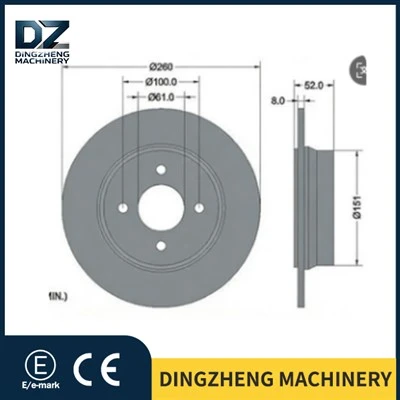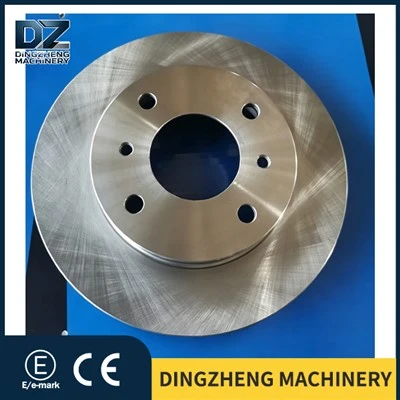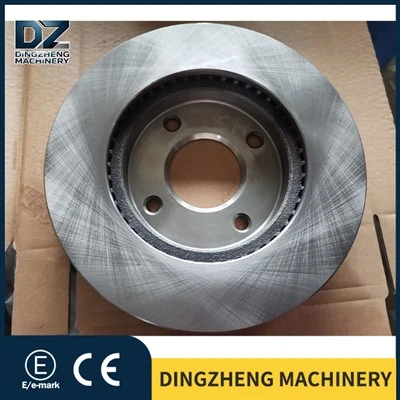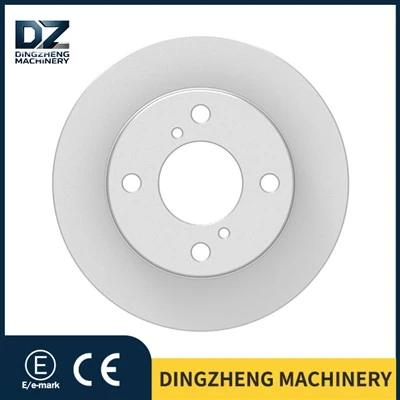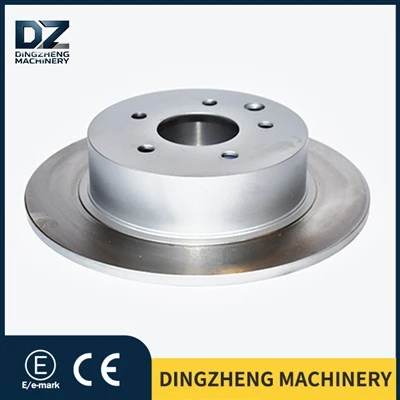

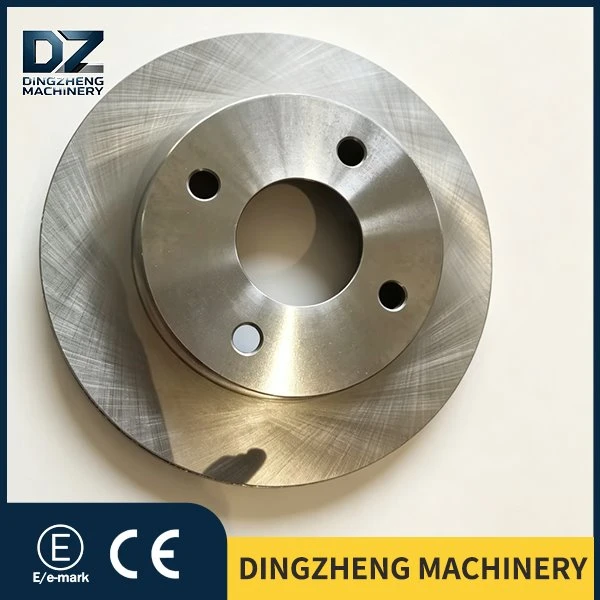
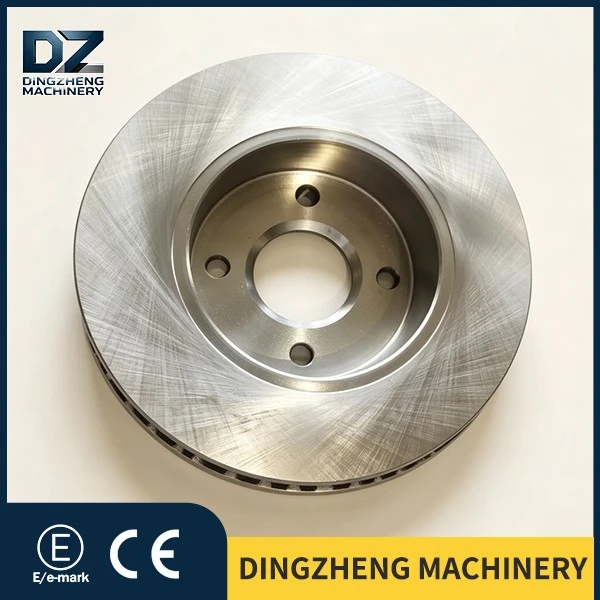
Product Introduction
Many people frown the moment they see the term "solid brake disc", thinking it is inferior to ventilated brake discs.
That's a misconception. A vehicle like the March has a curb weight of just over 900 kilograms, and its fully loaded weight barely exceeds one ton. Its braking load is minimal, making solid brake discs more than sufficient. Solid discs also boast unique advantages: a simple structure, uniform thermal expansion and contraction, strong resistance to deformation, and superior noise suppression. If you look around, most A0-class compact cars on the market are equipped with solid front brake discs. This is not cost-cutting; solid discs genuinely meet their performance demands.
However, adequate performance does not mean we can skimp on manufacturing standards. Our brake discs are crafted from HT200 gray cast iron with a carbon equivalent controlled between 3.8 and 4.0, and a hardness range of 170 to 210 HB. This material formula is custom-tuned for compact vehicles. An overly soft disc wears rapidly, forcing frequent replacements for car owners; an excessively hard one damages brake pads and generates abnormal squealing noise. This specific parameter range strikes the perfect balance between wear resistance and quiet operation.
Do not underestimate the value of low noise performance. The March comes with mediocre sound insulation and a compact cabin. Even faint brake squeals will be distinctly audible inside the car, severely compromising the driving experience. We add a specific proportion of chromium and nickel to the raw material to create a more uniform disc surface microstructure, delivering smoother friction and eliminating harsh high-pitched braking noise.
How do our discs compare to original factory counterparts? To put it plainly: they match the original factory standards in dimensional precision, use materials of equal or superior quality, and cost roughly one-third of the original factory parts. If you operate in the aftermarket, this product delivers unbeatable cost performance.
Product Parameter
|
Location |
Front brake |
Diameter |
233.8mm |
|
Brake Disc Thickness |
12mm |
Minimum Thickness |
10mm |
|
Centering Diameter |
59.1mm |
Height |
45.3mm |
|
Number Of Holes |
4 |
Pitch Circle Diameter |
100mm |
|
Solid Or Vented |
S |
Weight |
3.47kg |
Car Model
The Front brake disc for Nissan March 402065F001 is compatible with a wide range of cars, as follows:
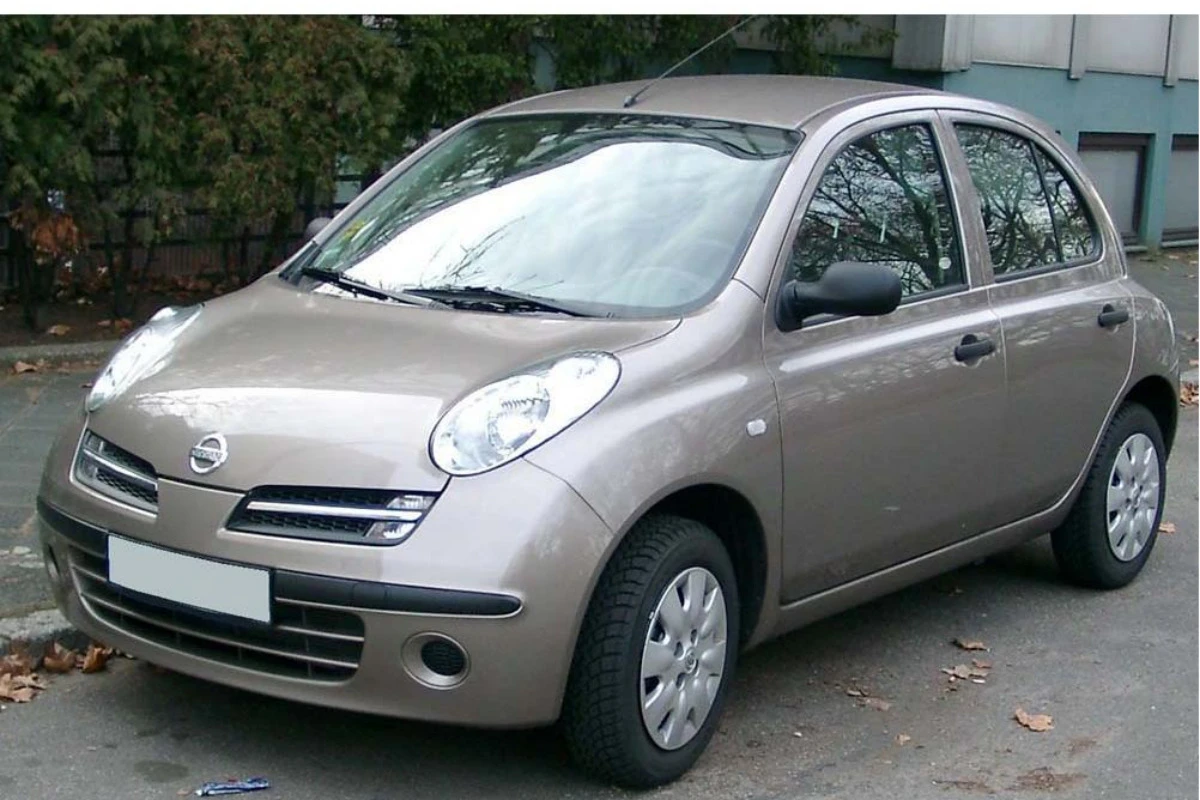
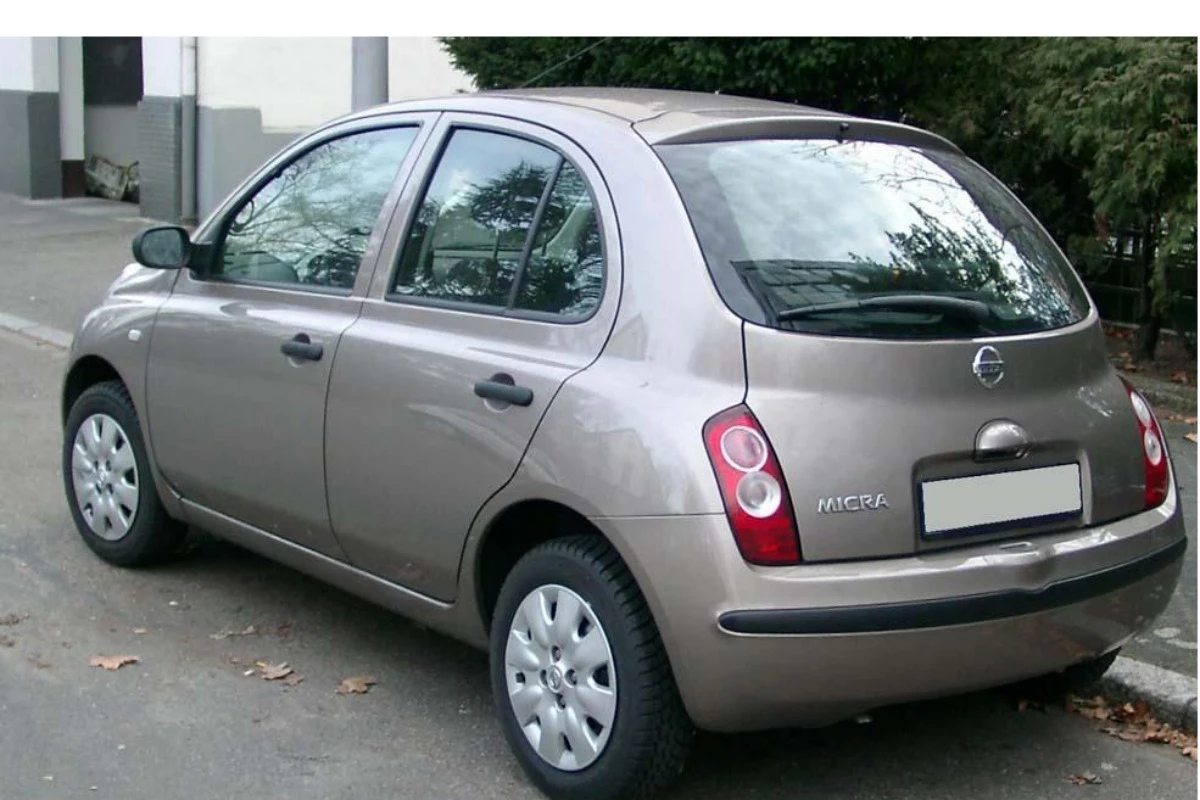
Nissan March K11 Hatchback 1992-2007
Reference No.
The Front brake disc for Nissan March 402065F001 corresponds to several different codes
|
ACDelco |
18A1426 |
OE |
1L2Z-2C026-AA |
|
AIMCO |
54098 |
OE |
2U2Z-1V125-CA |
|
BENDIX |
145358 |
OE |
4L2Z-2C026-AA |
|
BENDIX |
PRT5358 |
OE |
5L2Z-2C026-A |
|
BREMBO |
09.8974.10 |
OE |
6L2Z-2C026-A |
|
BREMBO |
08.8974.85 |
REYBESTOS |
680026 |
|
CENTRIC |
120.65090 |
RAYBESTOS |
680026R |
|
CENTRIC |
121.65090 |
WAGNER |
BD125759 |
|
FREMAX |
BD-5090 |
Surface Treatment
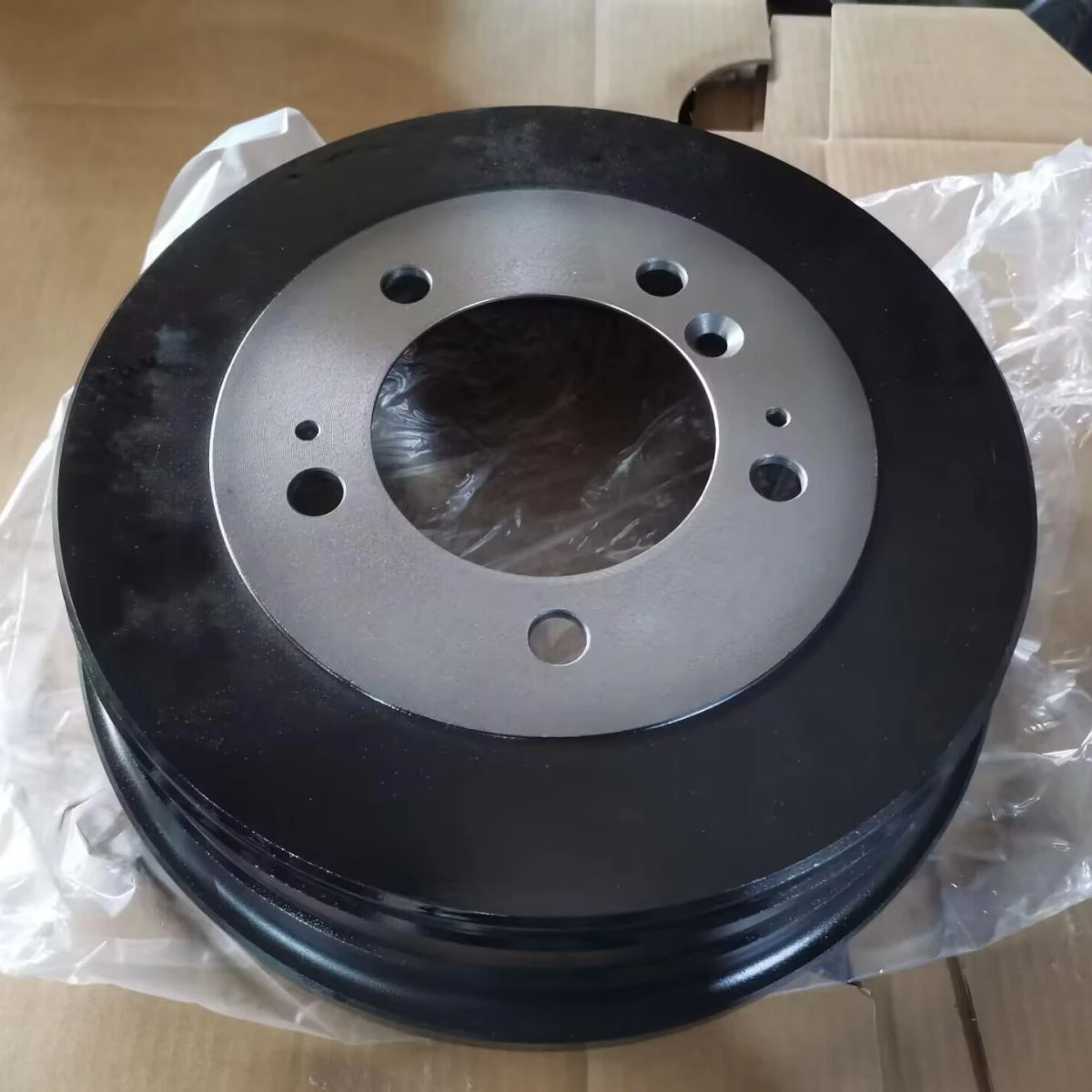
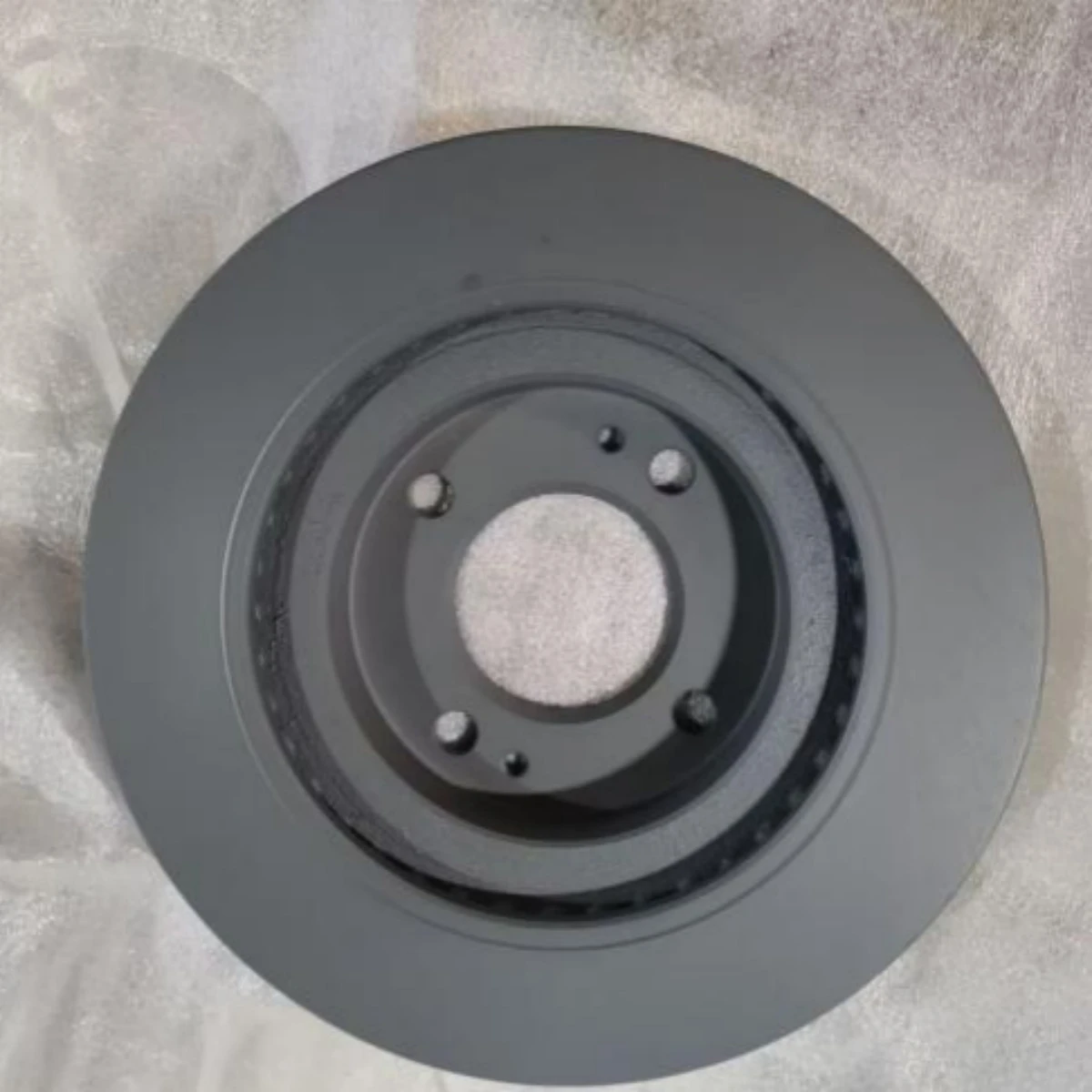
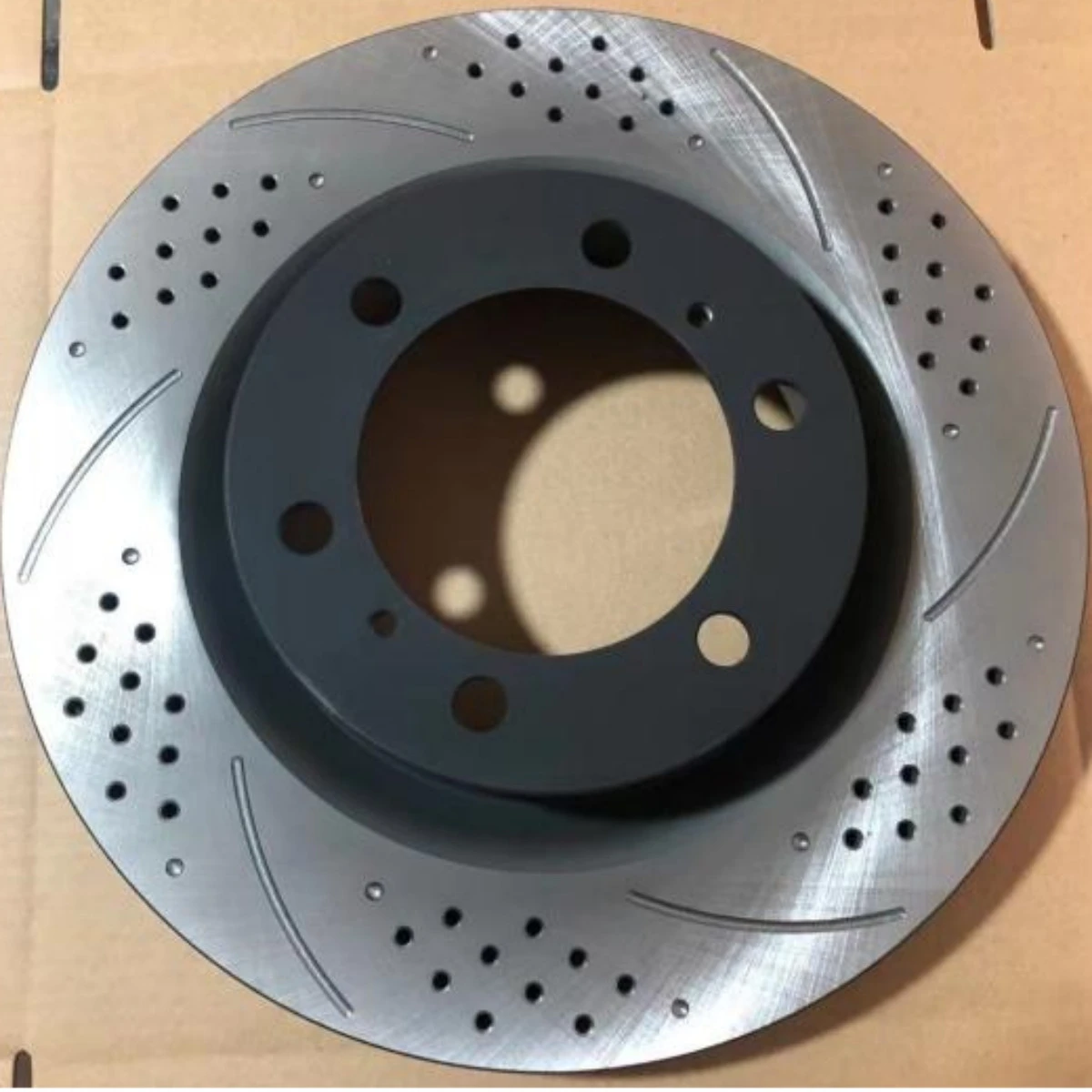
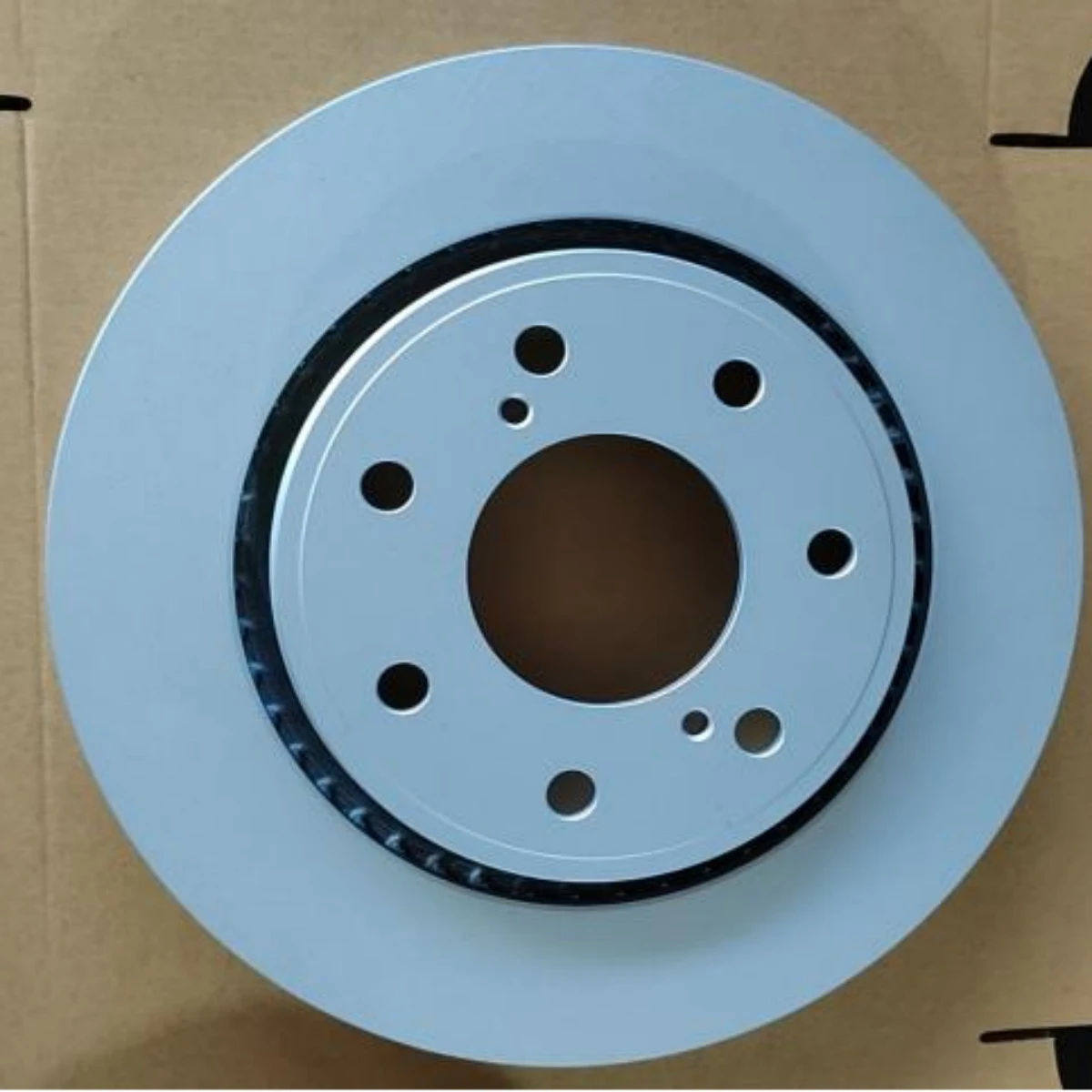
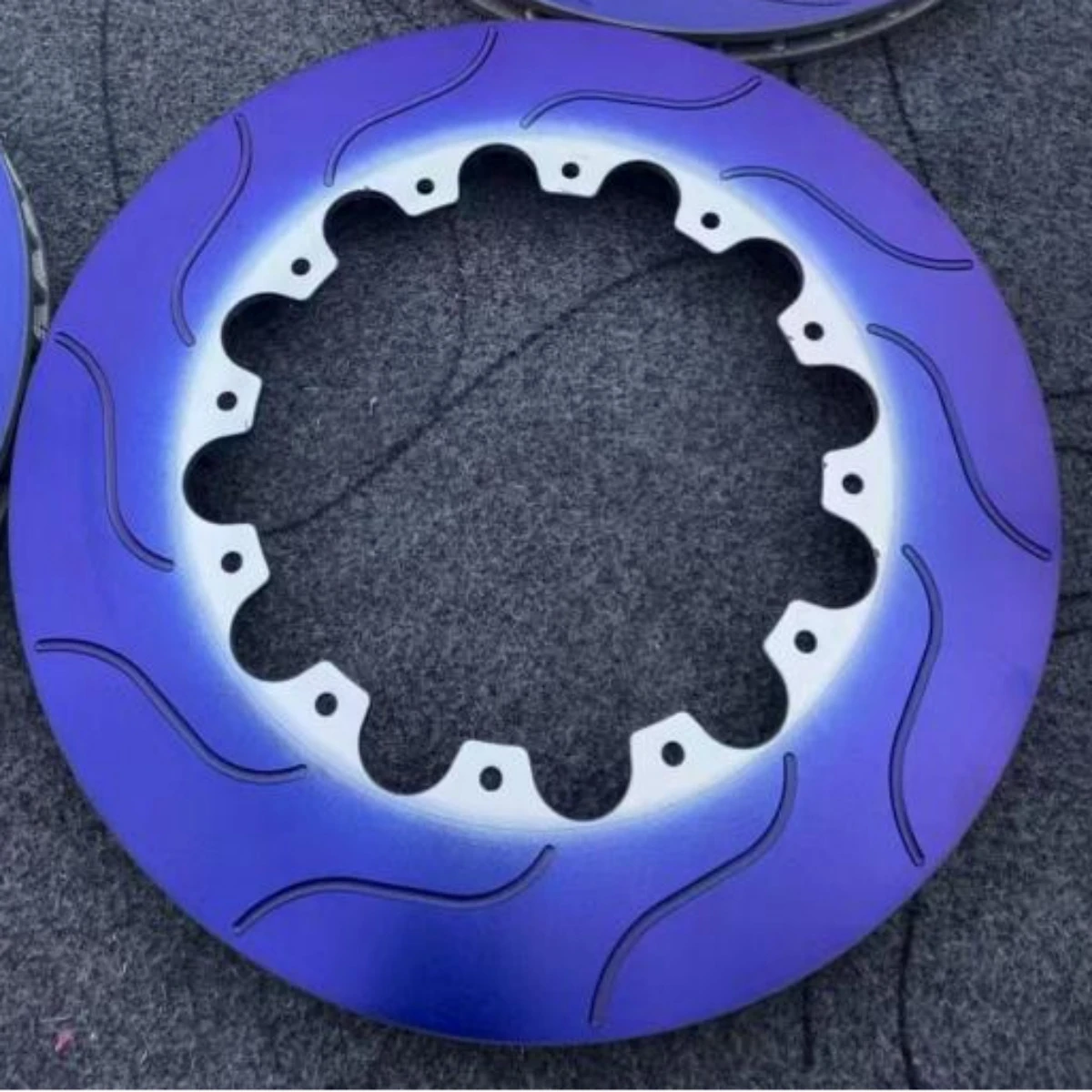
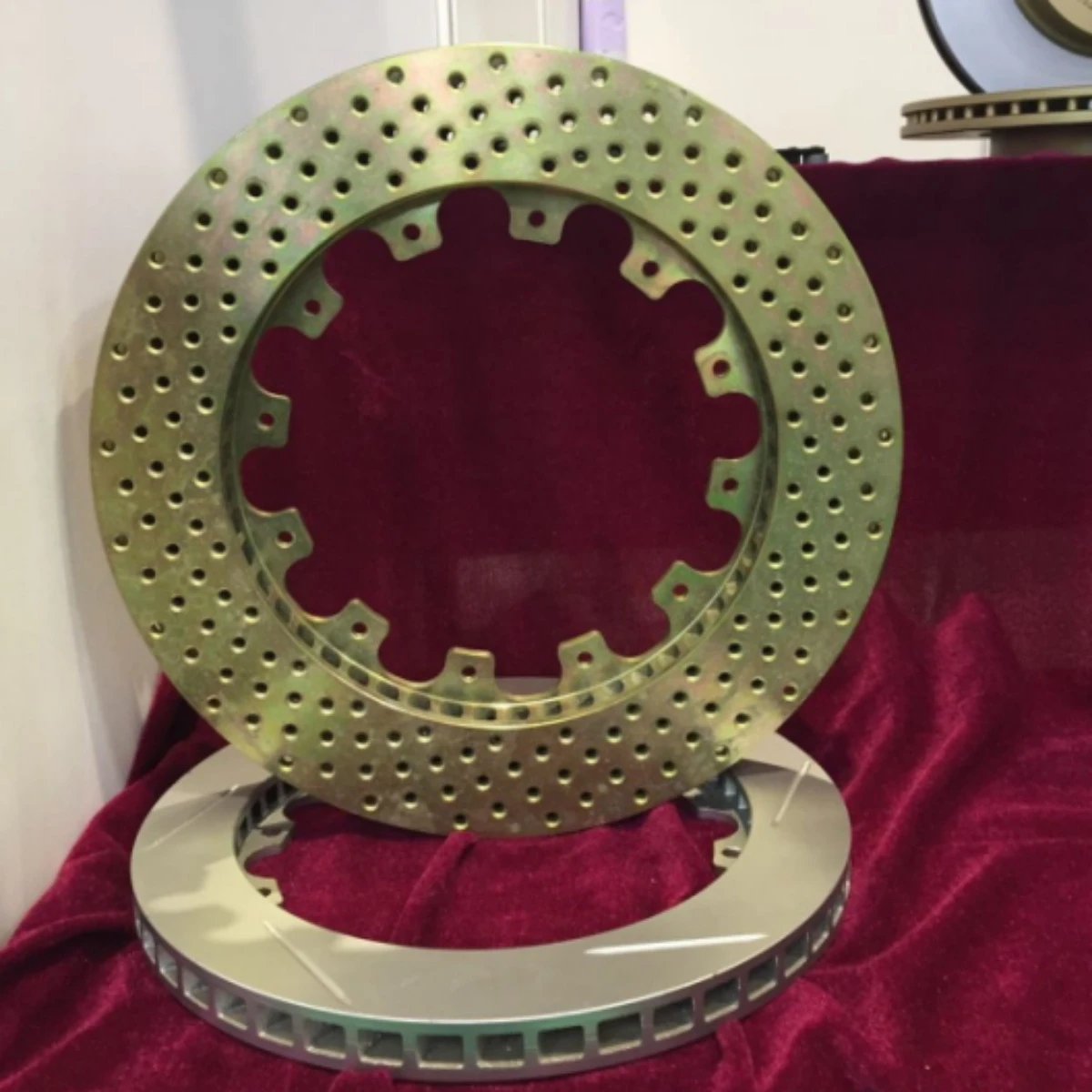
The painting process may sound straightforward, but there are many hidden complexities behind it.
Let me break down the costs for you. For a small 234mm brake disc, conventional spray painting costs roughly 0.8 RMB per unit, while a two-coat system of electrophoretic primer plus topcoat costs around 1.5 RMB per disc. That's a 0.7 RMB difference for a single disc-adding up to 700 RMB for a thousand units and 7,000 RMB for ten thousand units. Many manufacturers cut corners by skipping this 0.7 RMB investment, and the end product customers receive suffers drastically as a result.
[Nissan Front Brake Disc 402065F001] Our products adopt a dual-layer process combining electrophoretic primer and acrylic topcoat. Let me explain why we opt for electrophoresis.
Conventional spray painting relies on paint adhering to the metal surface via air spraying. The downside is that spray guns cannot reach, or only lay down an extremely thin coat on, inner central bore walls, mounting hole edges, and chamfered disc surfaces. Over time, rust develops at these vulnerable spots and gradually spreads outward. You have likely seen brake discs where the friction surface remains intact yet the central hub is heavily corroded-this is exactly the root cause.
Electrophoresis works entirely differently. The whole disc is submerged in an electrophoresis tank. When an electric current is applied, paint particles uniformly cling to every metal surface just like iron filings drawn to a magnet. The coating fully covers the interior of the central bore and even the tiniest crevices, delivering true 360-degree full coverage with no blind spots.
We have completed salt spray testing: discs treated with electrophoresis only develop red rust after 480 hours, whereas standard spray-painted discs fail after just 200 hours-more than double the corrosion resistance gap.
You might think rust spots are trivial and will wear off after a few brake applications, but that perspective misses the bigger picture.
Let me share a real case. One of our clients supplied low-cost brake discs to auto repair shops. The shops later reported that old removed discs had rusted solid to wheel hubs. Technicians spent ages hammering them loose, scratching up customers' wheel hubs badly, and the client ultimately had to pay for brand-new replacement hubs. Do the math: saving a few yuan per disc versus covering the cost of a new wheel hub-this tradeoff never makes financial sense.
Another critical detail: we only apply paint to non-friction surfaces and never coat friction areas whatsoever. To cut corners, some manufacturers spray the entire disc, which looks glossy and appealing straight out of the box. However, paint residue on friction surfaces compromises braking performance for the first 200 to 300 kilometers after installation until the coating wears away. Worse still, abraded paint powder embeds into brake pads, hardening the pads and triggering severe squealing and abnormal noise.
We reject such superficial cosmetic shortcuts. During painting, dedicated rubber fixtures shield all friction surfaces to ensure zero paint contamination. The discs are ready for immediate installation out of the packaging and deliver uncompromised braking performance from the start.
Frankly speaking, this extra electrophoresis and painting process only adds a few cents to the cost of each compact disc, yet it transforms the entire user experience. The discs arrive clean and free of surface rust, ready for hassle-free fitting. When manufacturing quality products, it is these unseen details where genuine craftsmanship truly matters.
Machining Workshop
Many people assume that larger brake discs are harder to manufacture, but this is not necessarily true.
Oversized discs feature generous dimensional tolerances; minor deviations of a few micrometers or millimeters are barely perceptible. Small discs tell a different story-their compact dimensions come with stringent tolerance requirements. A deviation of merely 0.02 millimeters can render them unfit for installation, or trigger brake vibration once mounted.
Take the front brake disc for Nissan Advance, part number 402065F001. It boasts an outer diameter of only 234 millimeters and a thickness of just 12 millimeters, placing it in the small-size category. Producing such miniature discs to premium standards demands genuine manufacturing expertise.
Let me walk you through our production process.
First, casting. During the casting of small discs, molten iron travels a short flow path and cools rapidly, which frequently causes defects such as cold shuts and shrinkage porosity. We adopt green sand static pressure molding lines, with rigorous control over the hardness, humidity and temperature of sand molds. Our temperature-constant and humidity-stable workshops eliminate interference from fluctuating weather conditions. The pouring temperature and flow rate of molten iron are standardized to identical values for every single casting. This yields castings with uniform microstructure and high density, free of blowholes and sand inclusions.
Before molten iron is tapped from the furnace, it must undergo testing via a direct reading spectrometer. All five core elements-carbon, silicon, manganese, sulfur and phosphorus-are inspected without exception; even a 0.01 percentage point deviation is unacceptable. Any molten iron failing material standards is sent back to the furnace for remelting, with no defective batches moving downstream.
Next, machining. Our workshop is equipped with sixteen CK6140 CNC lathes dedicated to medium and small-sized brake discs. Each blank undergoes rough turning followed by finish turning, then precision grinding on imported high-precision grinders. The flatness of the finished disc surface is controlled within 0.015 millimeters-thinner than one-fifth of a human hair.
Dynamic balancing is another critical step. Lightweight wheels on compact vehicles amplify vibration if brake discs are unbalanced. Every single disc is tested on an automatic dynamic balancing machine. Any unit with an unbalance value exceeding 7 g·cm is corrected by material removal. While 7 g·cm may seem a loose threshold, it represents top-tier precision within the industry for such small discs.
We enforce extremely strict quality control. Every disc undergoes 100% full inspection covering all critical dimensions: outer diameter, thickness, flatness, parallelism and mounting hole positional tolerance. After passing full inspection, 3% of units from each batch are sampled for comprehensive dimensional verification using a coordinate measuring machine (CMM).
Some may question whether such meticulous procedures are necessary for tiny brake discs.
Let me share a real industry case. A competitor switched from full inspection to sampling for small discs to cut production costs a few years ago. This resulted in a batch of out-of-tolerance products that caused severe brake shudder after installation. The customer returned two full shipping containers of defective goods, incurring losses amounting to hundreds of thousands of yuan-far exceeding the trivial cost savings they sought.
This is why we persist with full inspection. We would rather bear slightly higher costs than tarnish our brand reputation.

Delivery,shipping and serving
Let's start with packaging. These small brake discs are lightweight, so inadequate packaging will make them shift around during transit, leaving the edges highly prone to chipping. Any chipped paint not only ruins the appearance but also creates spots where rust can easily form.
Here is our packaging process: Four discs are packed into one carton. Each disc is first wrapped twice with OPP foam pearl cotton. Then two discs form a set, placed face-to-face with molded pulp separators sandwiched between them. This prevents contact between friction surfaces and fully protects all edges. Two such sets go into a five-layer corrugated outer carton, with all empty spaces inside filled with air bubble bags to eliminate any movement. Each carton weighs approximately 16 kilograms, light enough for one person to carry and easy for warehouse sorting and stocking.
Cartons are printed with markings reading "Handle With Care", "This Side Up" and "Keep Dry", so loaders and unloaders can clearly see the handling requirements at a glance.
For full container shipments, we can additionally palletize the goods. We have standard operating procedures specifying the number of cartons per pallet, the most stable stacking method, and applicable pallet dimensions. This ensures the goods remain neatly stacked without tipping or scattering by the time the container arrives at the destination port.
FAQ
Is this brake disc compatible with all K11 models?
It fits most models, though not 100% of them. For the K11 generation March, the 1.0, 1.3 and 1.4 petrol variants as well as the 1.5 diesel variant all use a 234mm solid front brake disc, and part number 402065F001 is universally applicable. However, please note that some later sport editions or special trims equipped with large calipers may come with slightly larger brake discs, which are incompatible. If you are unsure, it is best to send us the vehicle identification number or the original OEM part number, and we will verify it for you to ensure absolute safety.
When the minimum thickness is 10 millimeters, at what thickness should the disc be replaced?
10 millimeters is the theoretical wear limit, but in real-world use, I recommend arranging a replacement when the thickness drops to around 10.5 millimeters. Here's why: newly fitted brake pads require a running-in period. If the disc is already worn down to its limit, the thickness may fall below the standard after the pads finish breaking in. Maintaining a safety margin also helps handle unexpected road conditions and prevents brake failures mid-journey. Brake discs for compact cars are inherently thin with limited wear tolerance. Do not cut corners on this expense-safety comes first.
Will solid brake discs overheat easily? Are they suitable for long-distance drives?
You don't need to worry about this at all. A compact car like the March weighs only around one ton, so its braking load is inherently low. Although solid discs dissipate heat less effectively than vented discs, they are more than adequate for the braking demands of small vehicles. Think about it: when driving on the highway at over 100 kilometers per hour, you only hit the brakes briefly to slow down, so there's hardly any chance of sustained braking. The only exception is if you drive through mountainous areas every day with dozens of kilometers of continuous downhill roads. For regular urban commutes and highway trips, solid discs work perfectly fine. What's more, solid discs have another advantage - their simple structure means they are less prone to deformation caused by uneven thermal expansion and contraction, a common issue with vented discs, making them more durable instead.
Last News
I have been manufacturing brake discs for two decades and have witnessed tremendous shifts across the industry. Some changes are beneficial, while others bring quite a few headaches.
The first prominent shift is increasingly stringent certification requirements.
In the past, brake discs sold to the European aftermarket could be marketed as long as their dimensions matched the specifications, with no oversight regarding certification status. This is no longer the case. ECE R90 certification standards are gradually being rolled out to the independent aftermarket, meaning brake discs without R90 certification will likely be barred from entering the European market in the future.
This actually works to our advantage. The reason is that higher entry barriers have weeded out small manufacturers that compete solely on low prices, as they lack the capacity to complete certification procedures. We are already preparing to obtain ECE R90 certification for our Nissan front brake disc part number 402065F001, and we expect to receive the certificate in the first half of next year. This will give you greater confidence when selling our products.
The second major change stems from the impact of electric vehicles on the small car segment.
The electric vehicle sector has expanded rapidly in recent years, especially for small-sized models. Compact cars are primarily designed for urban commuting, and electric powertrains deliver lower running costs and quieter operation-an ideal match for this use case. Sales of small electric vehicles are rising across Europe, Japan and China.
What does this mean for the brake disc industry? Simply put, electric vehicles are equipped with regenerative braking systems, which reduce reliance on mechanical brakes and theoretically lower brake disc wear rates. However, this does not diminish the importance of brake discs. On the contrary, less frequent mechanical braking leads to a higher risk of surface rust. If brake discs remain corroded from prolonged disuse, their braking performance will be compromised when emergency stopping is required.
Consequently, small-car brake discs of the future will face stricter standards for surface finishing and anti-corrosion performance. We are currently developing high-corrosion-resistance coating technologies tailored for electric vehicles to pre-emptively capture this growing market segment.
Hot Tags: front brake disc for nissan march, China front brake disc for nissan march manufacturers, suppliers, factory