
Product Introduction
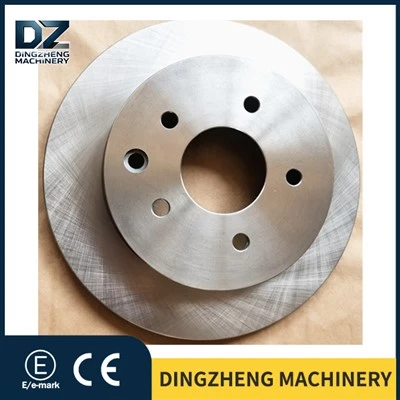
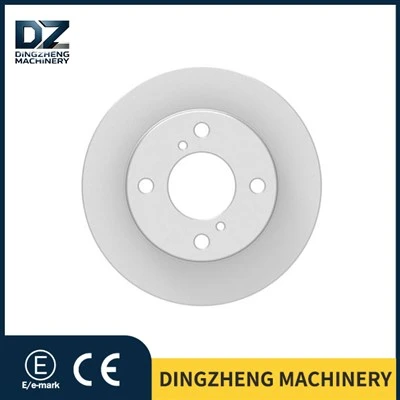
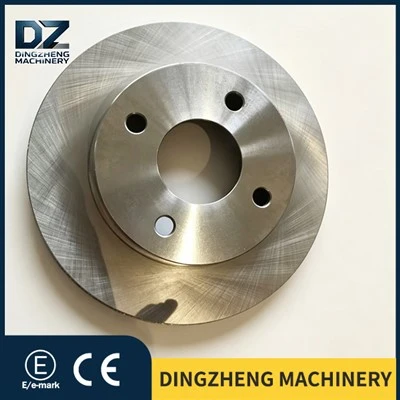
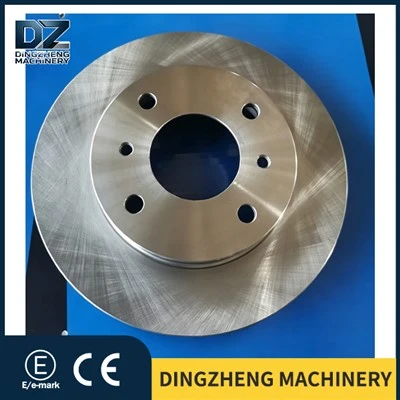
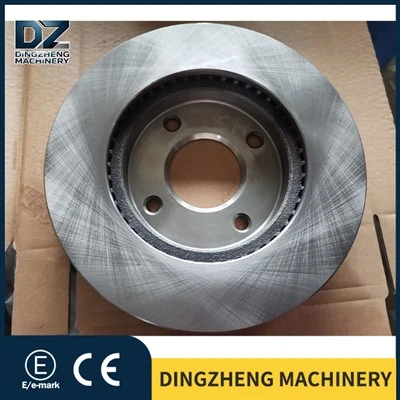
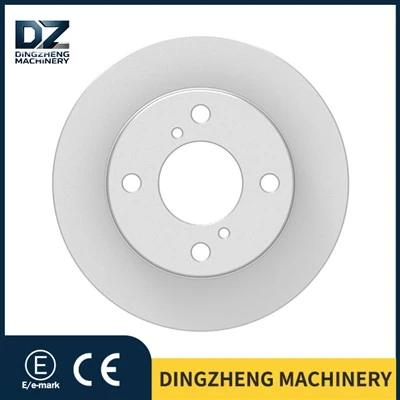
Crafted as a precision OE-matching rear brake disc exclusively for Rear Brake Disc of Dongfeng Nissan 432065RF1A is elaborately engineered to meet the factory braking system specifications of mainstream NISSAN models-covering fuel-powered and new energy lineups such as NISSAN Tiida (C11), Altima (2019-2024), Sylphy, and Leaf (hybrid version). Unlike generic rear brake discs that only pursue basic fitment, this product strictly follows the OE benchmark 432065RF1A, perfectly aligning with NISSAN's VDC (Vehicle Dynamics Control) system and braking assist technology. It's a hassle-free, reliable option for global auto parts distributors, repair workshops, and NISSAN car owners-no forced modifications, no extra gaskets, and the installation process is simple enough for DIY enthusiasts to complete.
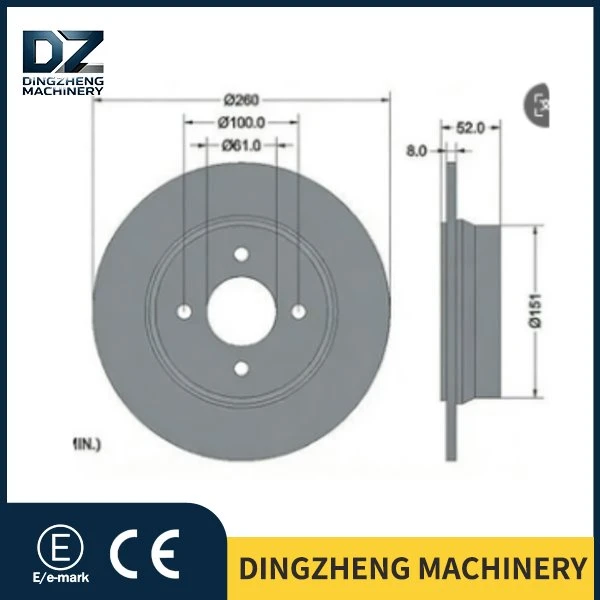
Product Parameter
|
Location |
Rear Brake |
Diameter |
260mm |
|
Brake Disc Thickness |
8mm |
Minimum Thickness |
7mm |
|
Centering Diameter |
61mm |
Height |
51.5mm |
|
Number Of Holes |
4 |
Pitch Circle Diameter |
100mm |
|
Solid Or Vented |
S |
Weight |
3.26kg |
Car Model

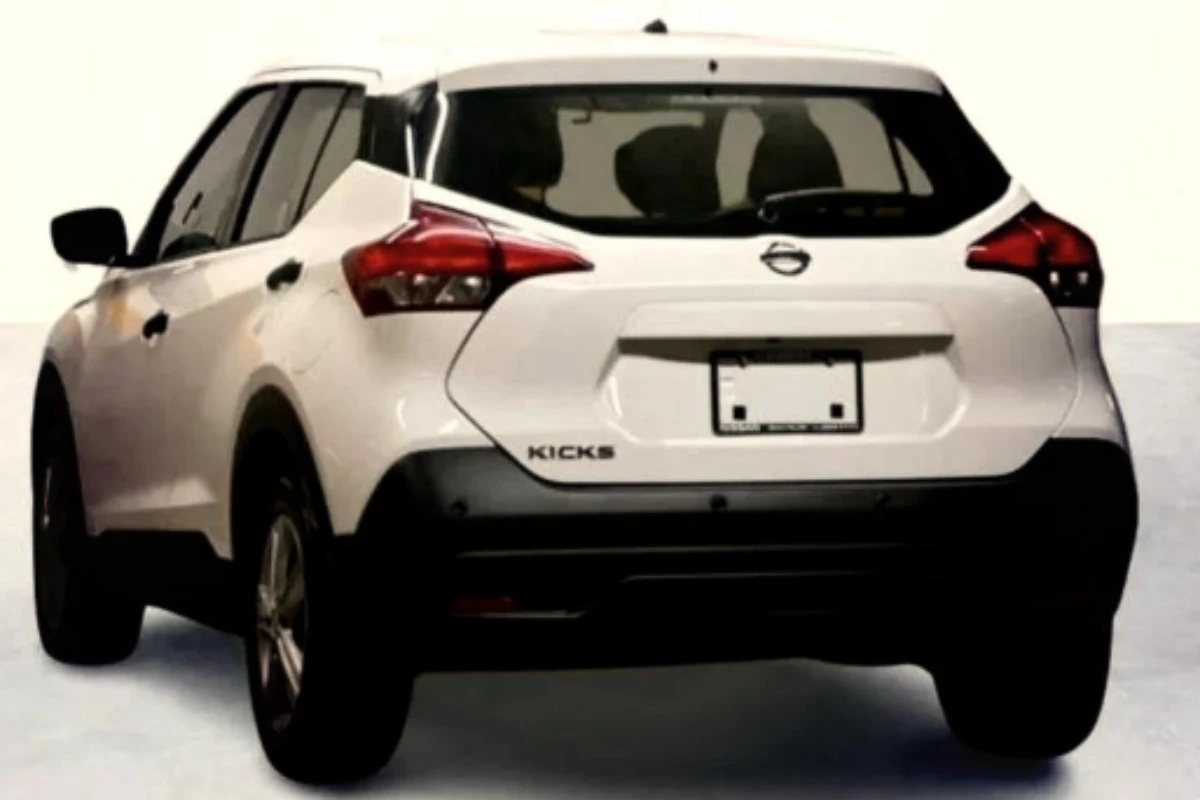
Nissan (Dongfeng Nissan) KICKS (P15) 1.5 2017-
Nissan (Dongfeng Nissan) KICKS (P15) 1.5 2020-
Reference No.
There are different corresponding codes for the Rear Brake Disc of Dongfeng Nissan 432065RF1A
|
BREMBO |
08.E374.11 |
OE |
432065RF1AC166 |
|
TRW |
DF8384S |
TEXTAR |
92335503 |
|
OE |
432065RF1A |
Surface Treatment
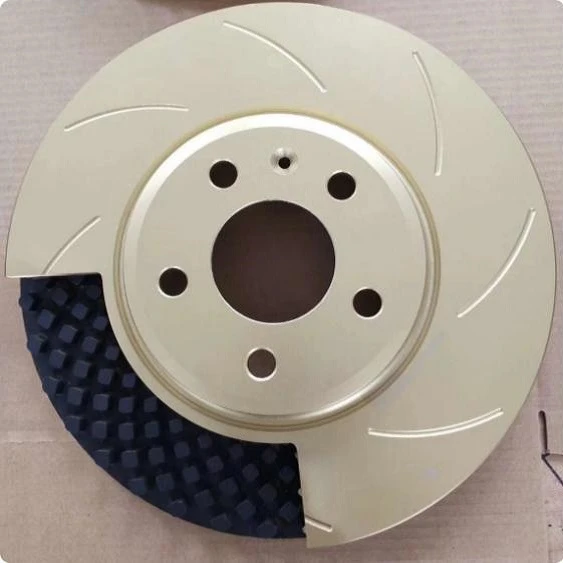
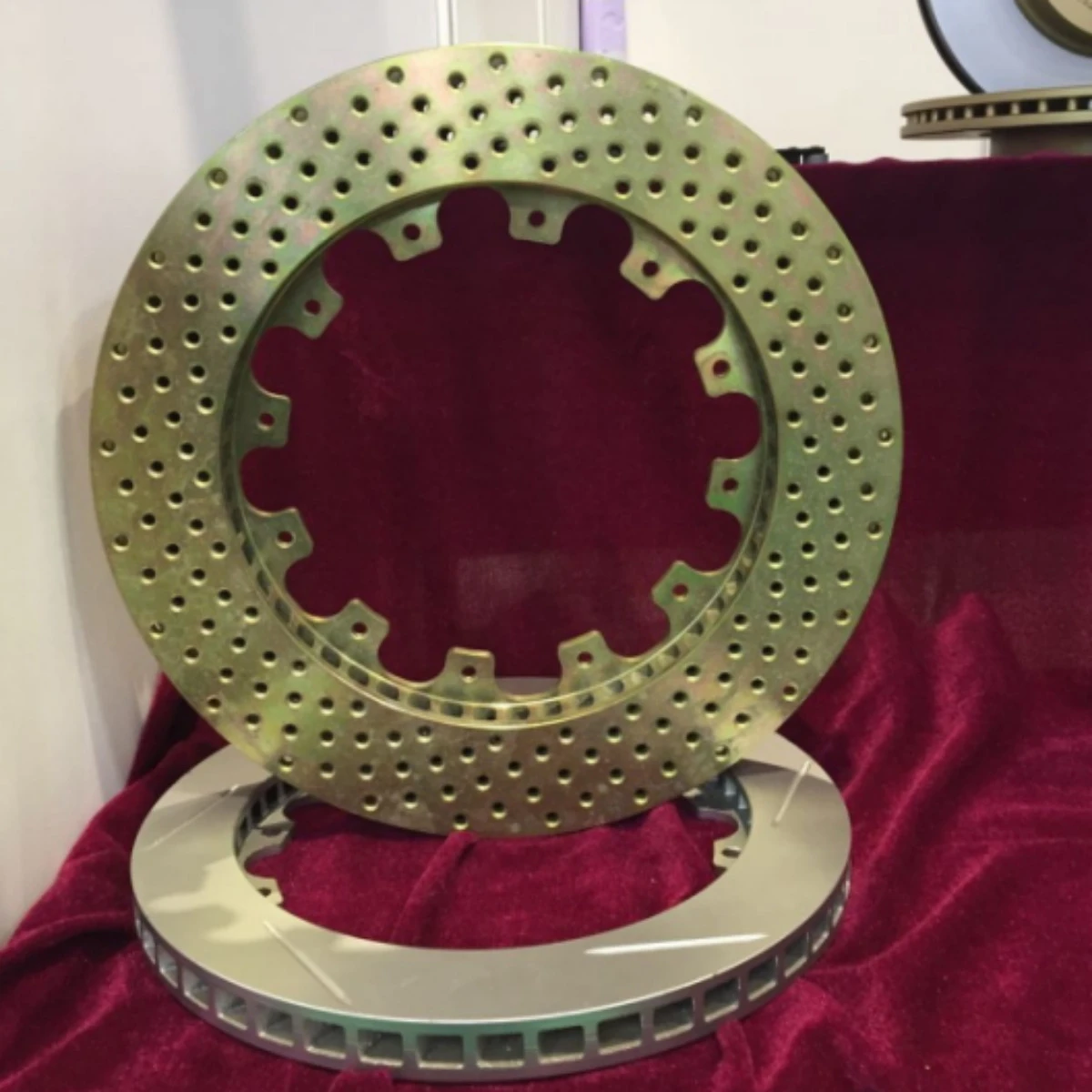
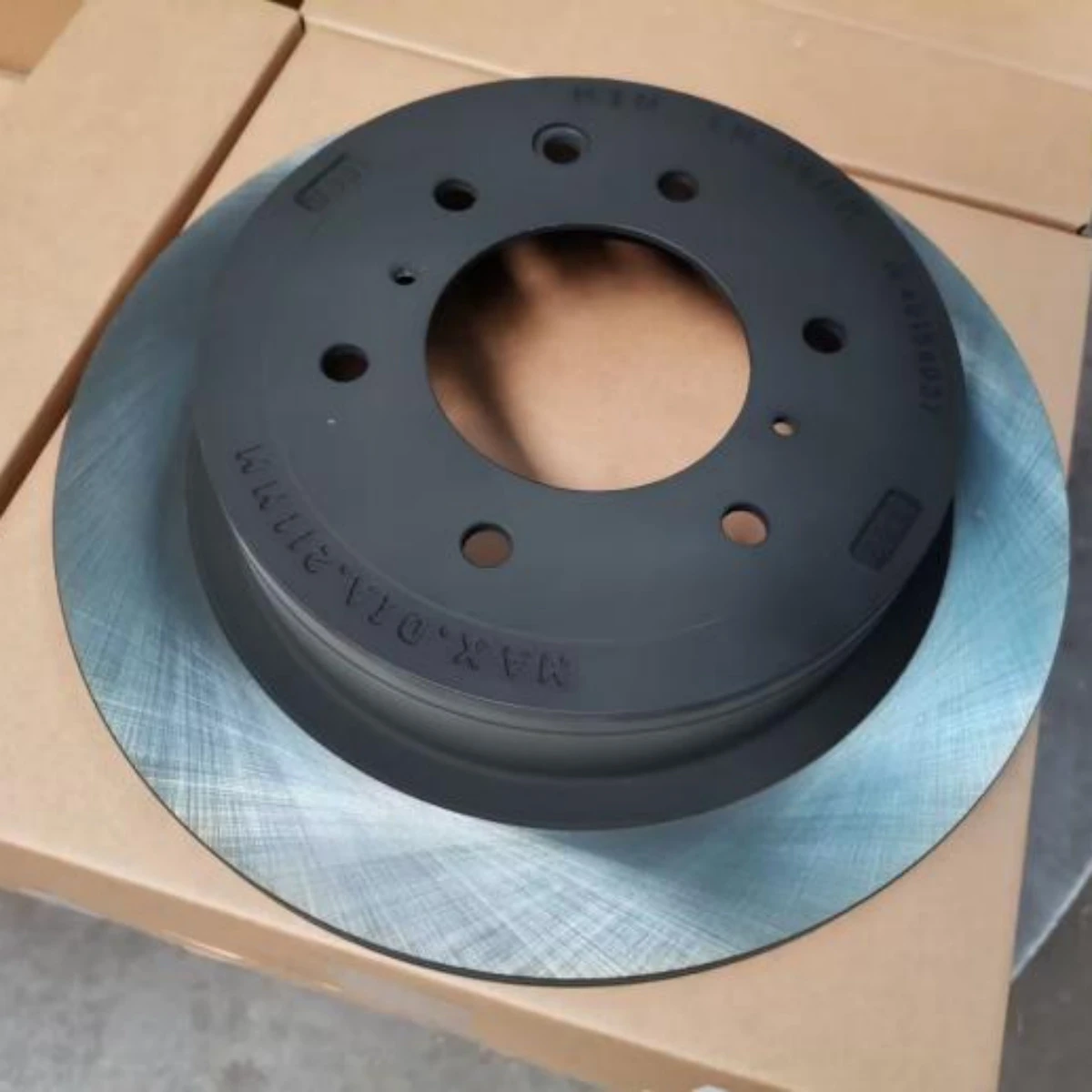
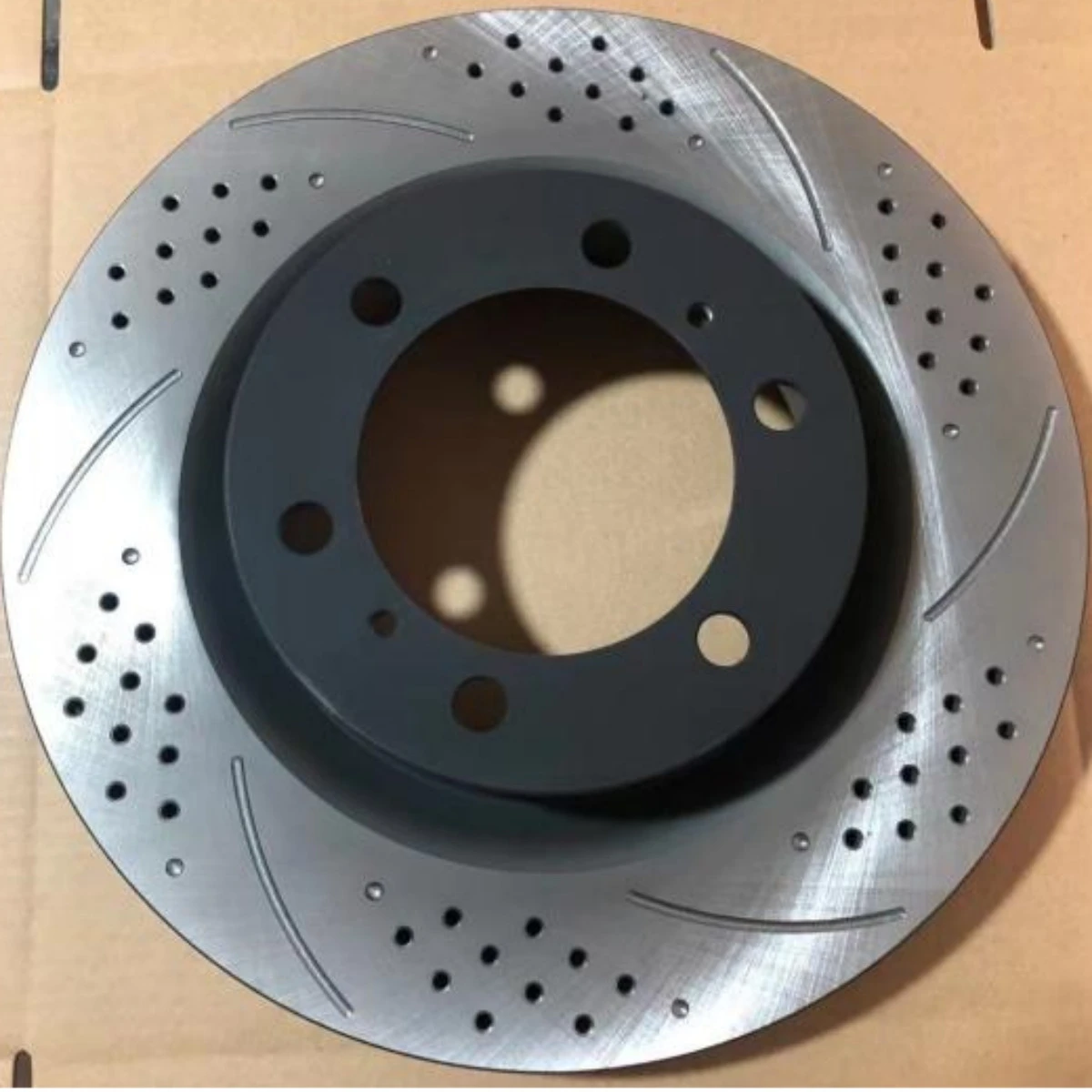
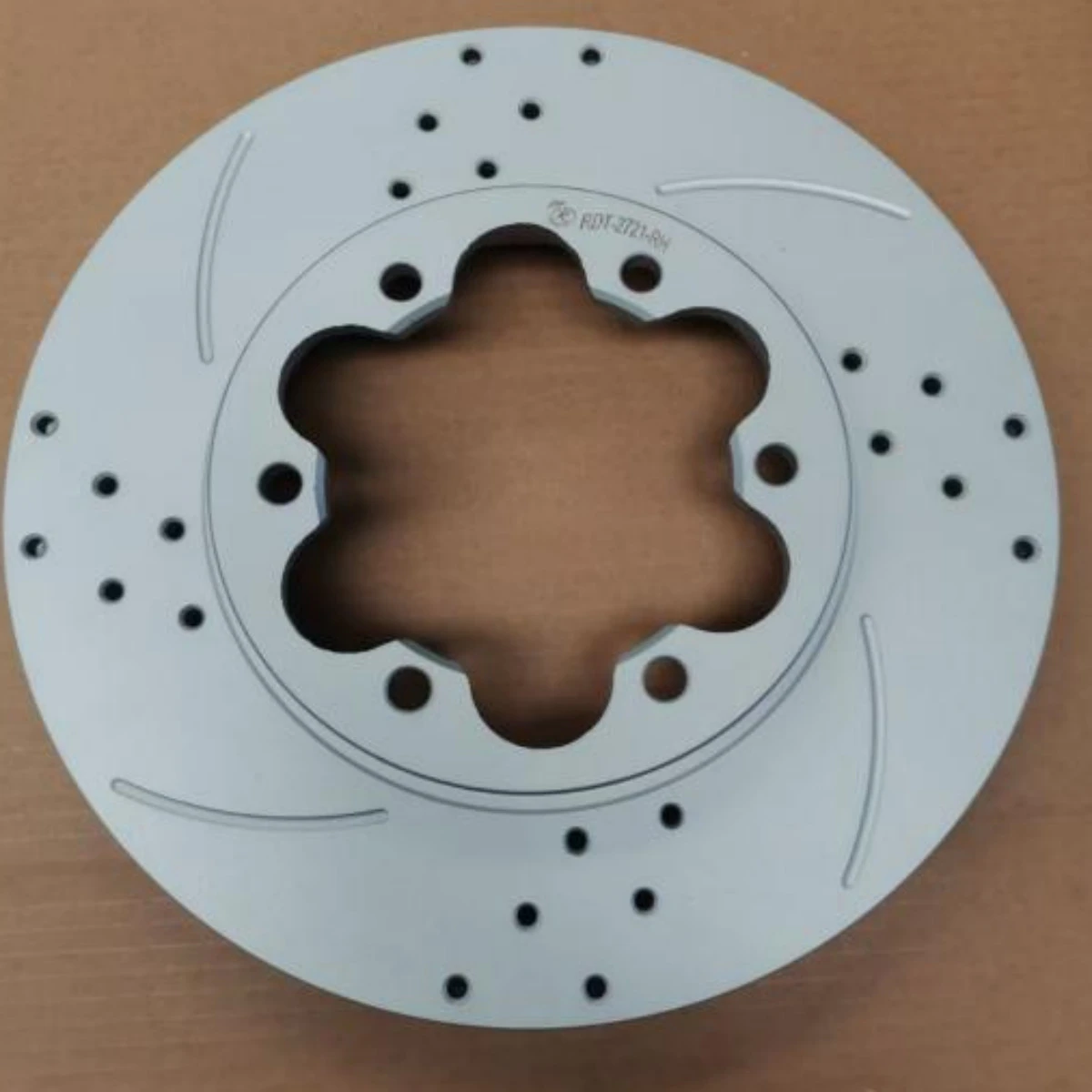
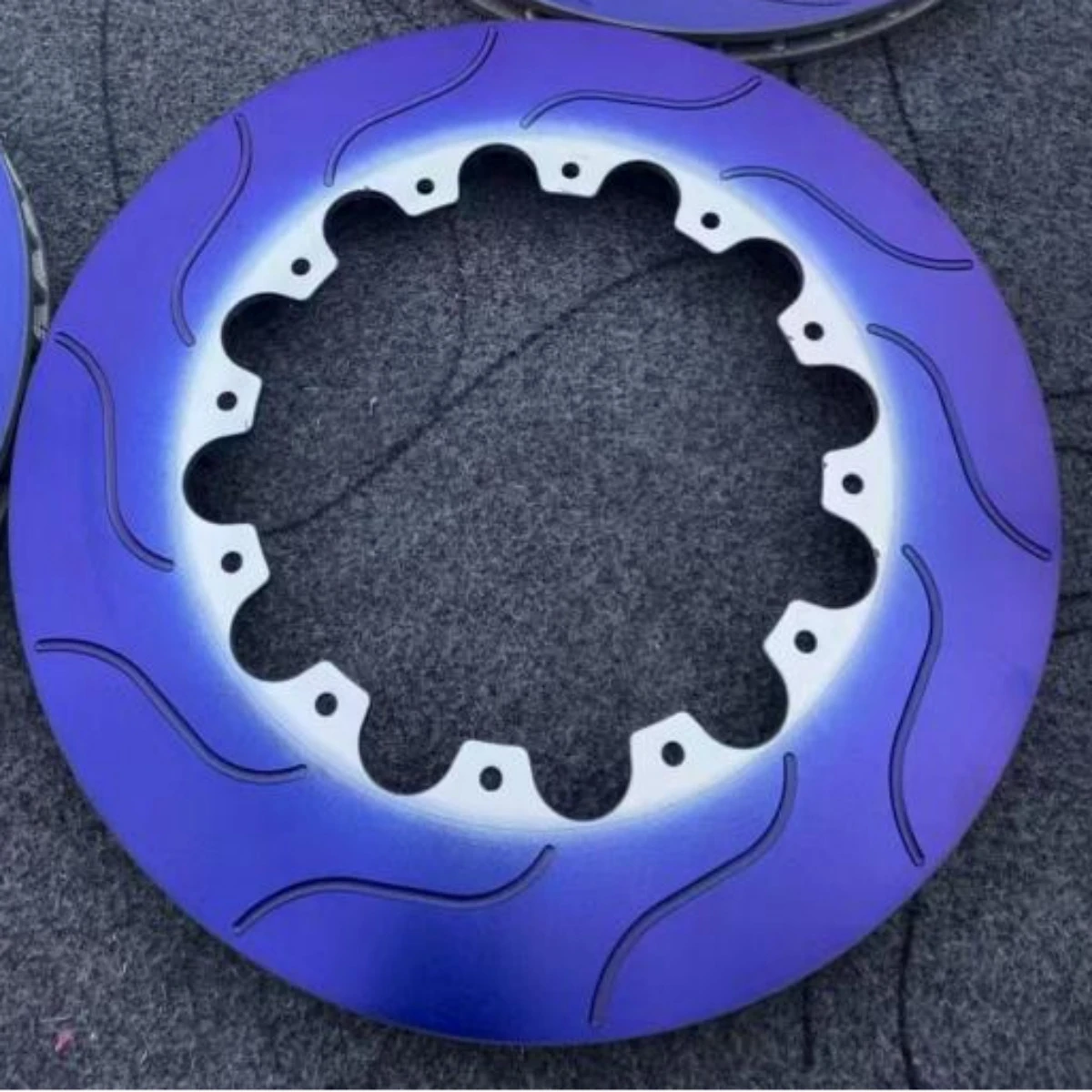
Composite Modified Layer: An Integrated Solution for Extreme Working Conditions
In extreme heavy-load and high-speed scenarios such as oil drilling rigs and heavy-duty vehicles, the performance requirements for brake discs become far more stringent. Under such circumstances, a composite solution adopting a metallurgically bonded wear-resistant coating on the substrate surface is required.
For instance, taking 16Mn steel as the substrate, a cast tungsten carbide skeleton is combined with white manganese copper alloy via a special sintering process to form a metallurgically bonded cermet coating on the surface.
This coating not only inherits the high wear resistance of ceramic materials but also achieves a sufficiently high friction coefficient through formula adjustment. Meanwhile, it ensures high bonding strength between the coating and the substrate, avoiding the risk of peeling under heavy loads and realizing the integration of wear resistance and friction efficiency.
Conclusion: The Surface Is the Starting Point of Performance Most low-cost aftermarket brake rotors available on the market are only coated with a single layer of basic black paint. When exposed to humid salt spray along the Great Lakes coastline in North America or road surfaces treated with snow-melting agents during winters in Northern Europe, the hub flange positions will rust and seize after just over ten days of parking. The Qashqai and X-Trail feature low ground clearance, making the rotors vulnerable to splashing mud and water that accelerates corrosion and premature failure. Our part numbered 432065RF1A is only coated with protective paint on the flange mounting face and the outer circumferential edge of the rotor, while the entire brake friction surface remains uncoated. This fundamental design eliminates common defects including coating peeling that sticks to brake pads and spongy brake pedal feel after new rotor installation.
The full anti-corrosion coating process is completed on a fully automated production line via three standardized procedures: automated high-pressure shot blasting to remove scale and grease from raw castings → epoxy primer coating to enhance paint adhesion → ceramic topcoat sintered at 550°C. Random sampling from every production batch undergoes a 732-hour NSS neutral salt spray durability test, far exceeding the industry's standard 300-hour acceptance threshold. No extensive deep pitting corrosion develops even after three years of regular operation in coastal European and American regions or cold climates with regular road de-icing.
Conventional black paint used on generic market rotors cannot withstand temperatures above 280°C and blisters or carbonizes under sustained high heat from downhill mountain braking. Our topcoat has passed cyclic thermal aging testing ranging from -35°C to 485°C. Heat generated during daily commutes or prolonged downhill braking will not damage the protective coating, effectively cutting extra maintenance costs caused by rust-locked wheel bearings and unexplained abnormal noises.
From environmentally friendly anti-rust protection shells to in-depth nitriding strengthening and precise laser engraving, the surface treatment of modern brake discs is an interdisciplinary technological system. Though unobtrusive, it directly defines the durability, quietness and ultimate safety boundary of the braking system. Choosing a brake disc with advanced surface treatment technology is not merely selecting a component, but also opting for a comprehensive commitment to performance, environmental protection and comfort. Here, every micrometer of the surface embodies the fruits of lengthy research and development as well as sophisticated craftsmanship, undertaking the mission of enabling calm and confident braking every single time.
Machining Workshop
The core machining process has been innovatively upgraded, completely getting rid of the conventional process framework. In the blank pre-processing stage, we adopt a sandblasting + precision leveling composite process-first, high-pressure sandblasting is used to remove the oxide layer and casting defects on the surface of the blank, and then precision leveling is performed to ensure that the flatness of the blank surface meets the machining requirements. In the key friction surface machining link, we use a double-end surface synchronous precision grinding process, which can grind both sides of the brake disc at the same time, ensuring the parallelism of the two end surfaces and the uniformity of the friction surface roughness (Ra value controlled between 0.6-1.0μm). This process is more efficient than the traditional single-side grinding process, and the processed friction surface is more delicate, which can effectively optimize the fit between the brake disc and the brake pad.
A key highlight that distinguishes us from other workshops is the full-process precision inspection and traceability system. Every brake disc will go through three rounds of inspection during the machining process: the first round is online inspection after blank machining, focusing on the flatness and dimensional accuracy of the blank; the second round is semi-finished product inspection after friction surface machining, using a three-coordinate measuring instrument to detect the mounting hole pitch, outer diameter tolerance and end face parallelism; the third round is finished product inspection before leaving the workshop, including dynamic balance verification and surface flaw detection. At the same time, each brake disc is equipped with a unique QR code-scanning the code can query the machining parameters, inspection results, operator and equipment information of the brake disc, realizing full-process traceability. This not only ensures product quality but also provides a reliable basis for after-sales maintenance.

Delivery,shipping and serving
The Rear Brake Disc of Dongfeng Nissan 432065RF1A come with original-equivalent warranty subject to dual limits of 80,000 kilometers or 12 months. The products have passed specialized bench braking verification under suburban light-load operating conditions with the X-Trail T32 fully loaded at 520kg. Warranty compensation covers inherent manufacturing defects such as casting blowholes from factory production, out-of-spec machining dimensions and large-area peeling of coating across entire batches. Abnormal disc wear resulting from unauthorized modification of oversized brake pads, excessive mounting torque or impact damage during off-road driving is excluded from warranty coverage.
FAQ
Q1: Which Nissan vehicle models exactly fit the OE#432065RF1A rear brake rotor? Is cross-year compatibility available for vehicles on the same platform?
A: The 432065RF1A is an exclusive solid rear brake rotor designed for Nissan X-Trail T32 and Qashqai J11. It precisely fits all gasoline-powered variants produced from 2014 to 2020, with fully duplicated original factory bolt pattern, center bore diameter and flange mounting dimensions for an exact 1:1 match of rotor mounting positions. This part is incompatible with other Nissan lineups including Teana, Kicks and Loulan, as well as the older-generation X-Trail T31 and first-gen Qashqai J10. Forced installation on mismatched vehicle models leads to risks such as misaligned caliper fitting, poor wheel hub sealing and uneven brake rotor wear. Strict vehicle-specific application eliminates improper modification hazards.
Q2: What is the OEM-specified wheel hub torque and matching accessory specification when replacing 432065RF1A rear brake rotors on X-Trail T32 and Qashqai J11?
A: Per Nissan's official service manual, the standard tightening torque for rear wheel hub bolts on both models is 98Nm. Fasteners must be tightened evenly in three staggered diagonal steps to prevent rotor deformation and vehicle shaking induced by uneven unilateral fastening force. The matching OEM brake pad carries OE part number D40604EA0A. It is recommended to replace two brake rotors on the same axle as a paired set alongside brand-new brake pads to guarantee optimal contact precision. Only DOT4-grade Japan-specific brake fluid shall be used to match the original vehicle's hydraulic brake system specifications. Newly fitted rotors require a 500-kilometer break-in period; avoid heavy braking under full load on long downhill sections within the first 300km. Minor intermittent squealing noises during break-in fall within normal operating conditions.
Q3: The 432065RF1A features a solid non-vented rear rotor structure. Will thermal brake fade or excessive rotor overheating occur during daily fully loaded commuting?
A: Such issues will never happen. The X-Trail T32 and Qashqai J11 adopt a front-biased primary braking setup, with rear wheels bearing roughly 35% of total braking force, making the factory-equipped solid rotor a fully compliant original design. Constructed from silicon-molybdenum modified GG25 high-carbon alloy, the 432065RF1A boasts refined metallurgical microstructure and enhanced thermal stability, engineered specifically for urban daily drives and mild mountain-road travel of Japanese SUVs with superior thermal deformation resistance versus standard stock cast iron rotors. Rotor temperature remains controllable during regular paved-road cruising and lightly loaded downhill driving without thermal decay or spongy brake response. Conventional brake fade only arises from prolonged extreme off-roading and repeated hard braking, which counts as a natural physical characteristic instead of product defect.
Q4: Does rust formation on the 432065RF1A rotor require immediate replacement under coastal salt-spray or winter de-icing road conditions? How to distinguish superficial surface rust from severe corrosion that necessitates scrapping?
A: Immediate replacement for light surface rust is unnecessary, a common misconception among overseas vehicle owners. Regular surface rust formed during daily driving can be polished away after 3 to 5 moderate brake applications with no negative impact on braking performance. Per industrial replacement standards, rotor replacement is mandatory only when pitting corrosion depth exceeds 1mm, local groove depth surpasses 0.5mm, measured rotor thickness drops below the minimum wear limit of 14.2mm, or end face lateral runout goes beyond the OEM threshold of 0.05mm. Practical maintenance tip: Prepare replacement parts in advance once rotor thickness wears down to 15.0mm to reserve sufficient running-in clearance for new brake pads and prevent potential braking failures.
Last News
The global brake disc sector is experiencing a profound iterative breakthrough, driven by the dual impetus of technological innovation and market demand stratification, moving away from the traditional "homogeneous competition" model and stepping into an era of "precision differentiation, compliance upgrading and low-carbon integration". Unlike the previous focus on basic performance and cost control, the industry now focuses more on scenario-based customization, functional safety and environmental protection compliance-these three core directions are not only reshaping the competitive pattern of manufacturers but also redefining the selection criteria of global distributors and terminal users. To put it bluntly, the brake disc industry is no longer a "low-threshold, low-profit" blue ocean; only those who grasp the hidden pain points and new trends can gain a firm foothold in the global market.
Hot Tags: rear brake disc of dongfeng nissan, China rear brake disc of dongfeng nissan manufacturers, suppliers, factory